


 PLATFORM UPDATE:


Water and electricity consumption patterns with effluent quality in the textile processing industry of Bangladesh
 *a
*a
Abstract
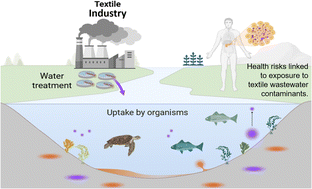
The textile industry consumes substantial amounts of water and energy during processing and is a major source of environmental pollution. To assess the current situation in the world's second-largest textile-producing country, i.e., Bangladesh, this study collected water and energy consumption data as well as key water-quality parameters—pH, biological oxygen demand (BOD), chemical oxygen demand (COD), temperature, total dissolved solids (TDS), dissolved oxygen (DO), and total suspended solids (TSS)—from 14 textile factories located in Gazipur, Savar, Dhamrai (Dhaka), Narayanganj, and Chittagong. In April 2025, the recorded water consumption ranged from 200 to 68 007 m3 and the electricity consumption from 100 to 866 692 kWh. The solar energy usage values recorded in selected factories ranged from 5 to 11 000 kWh per month. The effluent at the outlet of textile effluent treatment plants (ETPs) showed pH = 7.1–8.1, BOD = 9–57 mg L−1, COD = 15–210 mg L−1, temperature = 21.8–34 °C, TDS = 340–1920 mg L−1, DO = 2.1–6.5 mg L−1, and TSS = 10–97 mg L−1, which were compared with the Bangladesh Department of Environment (DoE) standards. The study further examines the environmental, economic, and health implications of untreated or inadequately treated effluents, providing critical insights for policymakers to design effective pollution control measures and promote sustainable textile production practices.
 Please wait while we load your content...


