


 PLATFORM UPDATE:


An engineered peptide–polymer conjugate mimics statherin to block dental calculus formation while preserving oral microbiota

Abstract
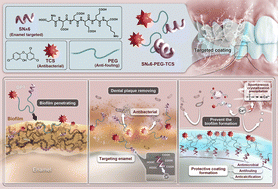
Dental plaque accumulates calcium and phosphorus ions from saliva and gradually mineralizes into calculus, a primary etiological factor of periodontal disease. The complex oral environment limits the efficacy of conventional antibacterial and anticalculus agents in preventing calculus formation. Inspired by statherin's mineral-binding properties, a peptide–polymer conjugate SNA6–PEG–TCS (DPT) was synthesized comprising a mineral-binding peptide (SNA6), antifouling polyethylene glycol (PEG) and antibacterial triclosan (TCS). DPT exhibits high water solubility and eradicates 88.71% of plaque while simultaneously inhibiting plaque formation and spontaneous precipitation of calcium/phosphorus ions. Additionally, DPT selectively binds to the enamel surface, forming a protective coating that blocks proteins, bacteria, and ionic deposition. Topical DPT application significantly reduces in vivo plaque formation while preserving oral microbiota homeostasis and causing no mucosal damage. This anticalculus mouthwash strategy offers a promising approach for clinical calculus prevention.
- This article is part of the themed collection: Materials Horizons HOT Papers
 Please wait while we load your content...


