


 PLATFORM UPDATE:


Static biological aging as a sustainable method for low-alcohol sherry wines: impact on composition and typicity

Abstract
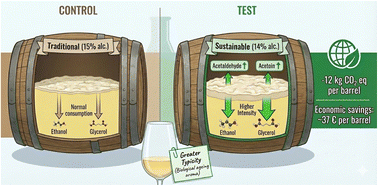
This study evaluated static biological aging as a sustainable alternative to conventional dynamic aging for producing low-alcohol sherry wines. We investigated the feasibility of using a reduced alcohol strength, addressing market trends for lower-alcohol beverages while assessing the impact on chemical composition and sensory typicity. Wines from two Jerez wineries were statically aged for 12 months, comparing a low-alcohol test group (13–14% v/v) against a traditional-alcohol control (15–15.5% v/v). Results demonstrated that static aging at lower alcohol content significantly enhanced flor yeast metabolism. This was evidenced by the accelerated consumption of key substrates (ethanol, glycerol, volatile acidity) and amplified production of key biological markers, such as acetaldehyde and acetoin, compared to the control wines. Sensory analysis validated these chemical findings, confirming that the reduced-alcohol wines met all quality parameters and exhibited an enhanced characteristic aroma. Results suggest that specific outcomes may vary depending on the distinct microclimatic conditions and characteristic yeast strains inherent to each winery, warranting further research to optimize operational conditions. We conclude that static biological aging at reduced strength is a viable strategy for producing lower-alcohol Fino-style wines that align with consumer trends and offer substantial economic and sustainability benefits, including lower fortification costs and reduced greenhouse gas emissions (GHG), supporting more sustainable enological practices.
 Please wait while we load your content...


