


 PLATFORM UPDATE:

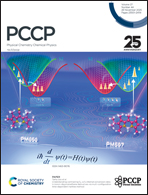
The reaction mechanism of intramolecular C–C coupling catalyzed by the non-heme deoxypodophyllotoxin synthase
 *a
*a
Abstract
Deoxypodophyllotoxin synthase (DPS) is a non-heme dioxygenase from Sinopodophyllum hexandrum that catalyzes the intramolecular C–C coupling reaction between the aromatic ring and the methylene group in the synthesis of the antitumor natural product podophyllotoxin. Three possible pathways for the C–C coupling reaction have been previously proposed, however, the reaction details still remain unclear. In this work, we constructed computational models and performed QM/MM calculations to clarify the DPS-catalyzed intramolecular C–C bond formation mechanism. Our calculation results revealed that the C–C coupling reaction follows the radical electrophilic aromatic substitution (rEAS) mechanism rather than the electrophilic aromatic substitution (EAS) mechanism. The highly reactive species Fe(IV)![[double bond, length as m-dash]](https://www.rsc.org/images/entities/char_e001.gif) O first regio-selectively abstracts a hydrogen atom from the C7′ (methylene) of the substrate to trigger the coupling reaction. In addition, the typical OH rebound reaction is effectively blocked by the ligand exchange reaction within the iron center. The proton coupled electron transfer (PCET) between the substrate and the iron center further promotes the re-aromatization reaction of the intermediate. Based on the above results, we propose that a non-heme-catalyzed coupling reaction between the aromatic ring and the methylene group should meet three basic conditions. First, the substrate should be well positioned to facilitate the hydrogen atom abstraction. Second, the special coordination center should effectively inhibit the OH rebound reaction. Third, the PCET from the substrate to the iron center should greatly promote the re-aromatization of the C–C coupled intermediate. These results may provide useful information for further understanding the biosynthesis of cyclized natural products catalyzed by non-heme enzymes.
O first regio-selectively abstracts a hydrogen atom from the C7′ (methylene) of the substrate to trigger the coupling reaction. In addition, the typical OH rebound reaction is effectively blocked by the ligand exchange reaction within the iron center. The proton coupled electron transfer (PCET) between the substrate and the iron center further promotes the re-aromatization reaction of the intermediate. Based on the above results, we propose that a non-heme-catalyzed coupling reaction between the aromatic ring and the methylene group should meet three basic conditions. First, the substrate should be well positioned to facilitate the hydrogen atom abstraction. Second, the special coordination center should effectively inhibit the OH rebound reaction. Third, the PCET from the substrate to the iron center should greatly promote the re-aromatization of the C–C coupled intermediate. These results may provide useful information for further understanding the biosynthesis of cyclized natural products catalyzed by non-heme enzymes.

 Please wait while we load your content...


