


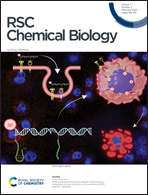
Bifunctional glycolipids targeting TLR4‧MD-2 and short pentraxins
Abstract
Innate immune detection of pathogen- and danger-associated molecular patterns (PAMPs/DAMPs) centres on pattern-recognition receptors, with the TLR4/MD-2 complex being uniquely sensitive to trace levels of lipopolysaccharide (LPS) as well as infection-triggered endogenous ligands. While this axis rapidly induces protective cytokine production and upregulation of co-stimulatory molecules, its malfunction can cause pathological hyperinflammation culminating in systemic inflammatory response syndrome (SIRS), highlighting the importance of the development of TLR4 antagonists for the management of immunopathological disorders. Cationic antimicrobial peptides (CAMPs) naturally neutralise LPS by engaging the anionic phosphate groups of lipid A; however, many bacteria evade CAMPs by masking these phosphates with phosphoethanolamine (PE), thereby attenuating electrostatic recognition. In parallel, the PE motif on pathogenic glycans is recognised by the the mammalian pentraxins C-reactive protein (CRP) and serum amyloid P component (SAP), which activate complement cascade and play central roles in innate immunity. Building on this paradigm, and analogous to bacterial lipid A remodelling, we synthesised PE-decorated, diglucosamine-based TLR4 antagonists in a highly convergent manner using phosphoramidite and H-phosphonate approaches and evaluated their immunomodulatory activity, biophysical behaviour, and pentraxin recognition. In primary human mononuclear cells, PE-decorated glycolipids attenuated cytokine secretion at micromolar levels, while biophysical analyses showed that they assemble into large, polydisperse aggregates. Zwitterionic glycolipids were recognised and bound by the human pentraxins CRP and SAP, in contrast to their ethanolamine-lacking, negatively charged bis-phosphorylated counterparts. We show that PE modification reprogrammes aggregation behaviour of glycolipids while preserving functional antagonism at TLR4 – albeit with reduced potency – and confers selective recognition by human pentraxins. These results inform the design of next-generation TLR4 antagonists aimed at minimising CAMP sequestration while maintaining efficacy against TLR4-mediated inflammation, with the added potential to engage acute-phase pentraxins.
- This article is part of the themed collection: Chemical Glycobiology: innovative tools for the sweet side of biology
 Please wait while we load your content...


