

 Open Access Article
 This Open Access Article is licensed under a
 Creative Commons Attribution 3.0 Unported Licence
Flame retardants in dust from the indoor environments of expedition cruise ships
Veronica
van der Schyff
 *a,
Verena
Meraldi
b,
Andrew Luke
King
c,
Simona Rozárka
Jílková
a,
Ondřej
Audy
a,
Petr
Kukučka
a,
Jiří
Kohoutek
a and
Lisa
Melymuk
a
*a,
Verena
Meraldi
b,
Andrew Luke
King
c,
Simona Rozárka
Jílková
a,
Ondřej
Audy
a,
Petr
Kukučka
a,
Jiří
Kohoutek
a and
Lisa
Melymuk
a
aRECETOX, Faculty of Science, Masaryk University, Kotlarska 2, 61137 Brno, Czech Republic. E-mail: veronica.vanderschyff@recetox.muni.cz
bHX Expeditions, N1 9JY, London, UK
cNorwegian Institute for Water Research (NIVA), Økernveien 94, 0579, Oslo, Norway
First published on 4th December 2025
Abstract
Flame retardants (FRs) are widely used in indoor environments to meet fire safety requirements. One understudied environment with respect to indoor chemical exposure to FRs is the maritime environment, particularly the indoor environments of cruise ships. This study presents the first comprehensive assessment of FRs in indoor dust collected from three expedition cruise ships of varying ages and refitting histories. Ten polybrominated diphenyl ethers (PBDEs), 23 alternative halogenated flame retardants (AHFRs), and 16 organophosphate esters (OPEs) were analyzed in dust from 12–16 locations per ship. OPEs, especially tris(1-chloro-2-propyl)phosphate (TCIPP), dominated the chemical profile, with concentrations reaching up to 1786 µg g−1. Concentrations of FRs in different areas on the same ships differed greatly, sometimes by an order of magnitude. Older ships exhibited significantly higher FR levels compared to the newer vessel. Estimated daily intake (EDI) modeling indicated that ship crew members—particularly those working in heavily furnished or electronic-rich areas—may experience elevated exposures through ingestion and dermal contact. Strict performance-based fire test procedures are mandatory for all products onboard ships, but no regulations exist concerning the type of FR used or the concentrations thereof. These findings underscore the need for targeted regulation and further monitoring of chemical exposures in maritime environments, especially given the extended periods that crew members spend onboard.
Environmental significanceThis study offers critical insight into the chemical loads of flame retardants (FRs) present in the unique environment of expedition cruise ship interiors. Given the isolated nature of shipboard environments and the extended durations of crew members' contracts, there is a heightened risk of prolonged exposure to FR chemicals. The findings contribute to advancing our understanding of chemical exposure in the maritime sector and may inform future decisions in ship design, construction, and retrofitting. This could help balance the occupational health of seafarers without compromising essential fire safety standards. |
Introduction
Flame retardants (FRs) have been used in construction materials, textiles, furnishing, plastics, and electronic appliances in indoor spaces since the 1970s.1–3 Halogenated FRs, particularly brominated compounds such as polybrominated diphenyl ethers (PBDEs), were the primary FR type used for many decades.4 However, evidence of adverse human and environmental health effects associated with PBDEs resulted in their restriction.5–7 Organophosphate ester flame retardants (OPEs) and alternative halogenated flame retardants (AHFRs), also known as novel flame retardants, or replacement halogenated flame retardants have been used as substitutes, in lieu of the banned substances.8,9 However, they have also recently raised health and environmental concerns such as biomagnification through food webs and endocrine disruption in individual organisms.10,11Indoor settled dust is a major exposure vector for many semi- and non-volatile chemicals, and people are exposed to it either through dermal contact or accidental ingestion. Dust from homes, workplaces, public indoor spaces, and transportation infrastructure such as cars, buses, and airplanes has been tested for FRs, and they have been consistently found in quantifiable concentrations.12–17
One understudied domain in chemical exposure science is the maritime sector, particularly the indoor environments of cruise ships. Modern cruise ships, due to their size and the inclusion of extensive amenities, resemble small settlements, making them unique and complex exposure settings. Fire safety is a critical concern in the maritime industry due to the proximity of fire hazards such as flammable liquids, isolation from external emergency fire services, and limited escape routes and safe zones. According to Allianz Commercial's Safety and Shipping Review,18 fire is the second most common cause of loss for shipping vessels and the most financially damaging. While fires on passenger ships are generally less catastrophic than those on cargo ships carrying volatile materials, they remain surprisingly frequent. For instance, a study analyzing incidents from 2003 to 2010 documented 1521 fire-related events on passenger ships, most of which originated from electronic sparks (excluding static) and primarily occurred in accommodation areas.19
To reduce fire risk, the International Maritime Organization (IMO) developed the 2010 Fire Test Procedure (FTP) Code, which sets stringent performance-based criteria for materials used in ship interiors, including limits on flame spread, smoke density, toxicity, and combustibility.20 However, this regulation does not specify types or concentrations of chemical FRs that manufacturers should use to meet these requirements. This leads to substantial uncertainty in the type and amounts of FRs applied to meet IMO flammability standards, and only one published study has assessed FRs on a maritime vessel,21 highlighting the need for further investigation. High use of FRs in other transportation infrastructure has been associated with higher FR exposure, e.g., in cars16,22 and airplanes;23,24 crew exposure on ships may be uniquely high because ship crew members spend extended periods of weeks to months on board.25,26
We analyzed concentrations of legacy- and alternative halogenated and organophosphate FRs (Table S1) in settled dust collected from the indoor environments of three expedition cruise ships, and use these concentrations to estimate exposure for the ship crew in different on-board functions. We hypothesize that, due to strict fire safety standards and the enclosed, climate-controlled nature of ship interiors, FR concentrations in shipboard dust will exceed those typically reported in terrestrial environments, and FR profiles will differ based on ages and design features of the ships.
Materials and methods
Dust collection
Indoor settled dust samples were collected from three expedition cruise ships, representing a range of operational ages and refitting, to investigate the FR profiles and concentrations in 2023. Expedition cruise ships are passenger vessels typically cruising in remote regions with the goal of providing passengers an immersive experience into the local culture and environment, as opposed to “resort-based” cruising of traditional cruise ships, where the focus is on onboard amenities. These expedition vessels are typically much smaller (<1000 passengers) than traditional cruise ships. Cruise duration can vary depending on the itinerary and location, but cruise lengths of approximately two weeks are the most common. While electronic dense areas such as theaters and casinos typically found onboard traditional cruise ships were absent, all expedition ships sampled were equipped with a state-of-the-art science center with multiple microscope setups. All ships were equipped with a sophisticated HVAC and interior heating system. Samples were obtained from 12–16 areas of each ship, including both passenger-occupied and crew-only spaces (Text S1, Table S2; Fig. S1A–H). To maintain confidentiality, the ships are anonymized as follows: Ship 1 (launched in 2003; 570 passengers; 16![[thin space (1/6-em)]](https://www.rsc.org/images/entities/char_2009.gif) 000 gross tonnage (GT)); Ship 2 (launched in 2002, refitted in 2020; 530 passengers; 16000 GT); and Ship 3 (launched in 2020; 530 passengers; 21000 GT). Ship 2 underwent major refitting, including upgrades to major technical structures such as the onboard wastewater treatment plant, propulsion system, and major interior refitting, such as the inclusion of two restaurants and the science center. All interior furnishings have been replaced. All ships were staffed by approximately 120–160 crew members with different roles and responsibilities, such as housekeeping, officers, engineers, and expedition staff interacting with passengers.
000 gross tonnage (GT)); Ship 2 (launched in 2002, refitted in 2020; 530 passengers; 16000 GT); and Ship 3 (launched in 2020; 530 passengers; 21000 GT). Ship 2 underwent major refitting, including upgrades to major technical structures such as the onboard wastewater treatment plant, propulsion system, and major interior refitting, such as the inclusion of two restaurants and the science center. All interior furnishings have been replaced. All ships were staffed by approximately 120–160 crew members with different roles and responsibilities, such as housekeeping, officers, engineers, and expedition staff interacting with passengers.
Dust was collected onto a quartz fiber filter (QFF; Whatmann) using a forensic sampling head (VacuuMark, BVDA) with a filter holder (Fig. S2). The sampling head was attached to a commercial vacuum cleaner provided onboard, and sampling areas were vacuumed until a visible dust layer accumulated on the quartz filter. Dust was collected from multiple surfaces in the designated sampling area (e.g. carpet, exposed floor, couches or seats where present, and around electronic equipment) to provide a composite sample reflecting general room conditions.27 After a sample was collected, the filter holder was sealed and placed in a labeled plastic bag. Samples were stored under refrigerated conditions onboard and transferred to a −20 °C laboratory freezer prior to analysis.
Field blanks were prepared by briefly exposing an unused quartz filter and its container to ambient air (30 seconds) without vacuuming, and were then treated as per the samples.
Sample processing and extraction
Dust samples were homogenized using a Retsch MM 301 mixer mill (Retsch GmbH, Germany) with tungsten carbide grinding jars and a wolframite weight. Prior to homogenization, components were cooled in liquid nitrogen for two minutes to embrittle the dust and facilitate efficient pulverization (full description in Text S2). Homogenized samples were stored in pre-weighed, baked glass vials at −20 °C until analysis.PBDEs and AHFRs were extracted using supramolecular solvent extraction (SUPRA, following Marcinekova et al.28). OPEs were extracted using methanol, based on a protocol adapted from Svobodová et al.16 Full extraction protocols are detailed in the SI (Text S2). The full list of internal standards is presented in Tables S3 and S4.
Instrumental analyses
Out of 16 OPEs that were analyzed for (Table S1), 15 were detected in the samples at least once: TDCIPP, TCIPP, CDP, EHDPP, oTMPP, ip-TPP, m/p TMPP, TBOEP, TCEP, TEHP, TEP, TiBP, TnBP, TnPP, TPHP. The full list of target OPEs with compound names and identifiers is given in Table S1. OPEs were quantified using an Agilent 1290 Infinity high-performance liquid chromatograph (HPLC) coupled to an Agilent 6495 triple quadrupole mass spectrometer operating in positive electrospray ionization mode (ESI+). Chromatographic separation was achieved on an ACQUITY BEH C18 column (2.1 mm × 100 mm, 1.7 µm) with a mobile phase gradient of 0.1% formic acid in water and methanol at a flow rate of 0.2 mL min−1. Quantification was performed in multiple reaction monitoring (MRM) mode using isotope dilution with 13C- or deuterium-labeled standards for TPHP, TnBP, TDCIPP, and TnPP.Ten PBDE congeners were detected (BDEs-28, 47, 66, 99, 100, 153, 154, 183, and 209) and 16 out of 23 AHFRs (HBB, BEH-TEBP, PBBZ, PBT, PBEB, TBP-DBPE, EH-TBB, DBDPE, TBP-AE, aDBE-DBCH, bDBE-DBCH, gdDBE-DBCH, BTBPE, sDP and aDP) were detected in the samples. The full list of PBDEs and AHFRs is given in Table S1. PBDEs and AHFRs were analyzed using an Agilent 7890A gas chromatograph equipped with an RTX-1614 column (15 m × 0.25 mm, 0.10 µm) and coupled to a Waters AutoSpec Premier high-resolution mass spectrometer operated in electron impact ionization (EI+) and selected ion monitoring (SIM) mode with a resolving power greater than 10000. BDE-209 was analyzed at a reduced resolution of >5000 to improve sensitivity. While PBDEs and AHFRs were measured using the same instrumental setup, distinct GC oven temperature programs and injection conditions were applied for each compound group. Full analytical parameters are provided in the SI (Text S3; Tables S4–S8) and example chromatographs presented in Fig. S3–S7.
Quality assurance/quality control
Eight field blanks were collected across three vessels. Method detection limits (MDLs) were calculated as the average blank concentration plus three times the standard deviation; for non-detected analytes, instrument detection limits were used. Sample values above MDL were blank-corrected by subtracting the average of the field blanks; those below were reported as <MDL. QA/QC is summarized in SI Text S4. Recovery rates are presented in Tables S9–S11.Statistical analysis
Descriptive statistics were calculated using Graphpad Prism 8 (https://www.graphpad.com). Because the data sets were not normally distributed, analyses mainly relied on unpaired, two-tailed Mann–Whitney (MW) non-parametric tests with Dunn tests for multiple comparisons. Significance was set at p < 0.05. Outliers were not excluded from analysis. For statistical analyses, values < MDL were substituted with MDL/2.Human exposure assessment calculations
Estimated daily intakes (EDIs) were calculated using eqn (1) and (2), following parameters listed in Table 1:29| EDIingestion= (Cdust × IRdust × AFgastro × EF)/BW | (1) |
| EDIdermal = (Cdust × DAS × ESA × AFdermal × EF)/BW | (2) |
| Parameter | Normal scenario | High exposure scenario |
|---|---|---|
| C dust – concentration in dust | Dust median concentration | Dust 95th percentile concentration |
| IRdust – dust ingestion rate | 20 mg per day | 60 mg per day |
| DAS – dust adherence to skin | 0.01 mg cm−2 for adults | |
| ESA – exposed skin area | 4614 cm2, which is the estimated area of the head, neck, arms, and hands | |
| AFgastro – gastrointestinal absorption factor | 100% | |
| AFdermal – dermal absorption factor | 25% for TCIPP, 17% for TBOEP, and 0.05% for BDE-209 | |
| EF – exposure fraction | 100% | |
| BW – body weight | 70 kg (ref. 30) | |
Results
Of the 49 additives targeted in this study, eight compounds (7 AHFRs and 1 OPE) were not detected above MDL in any sample (Table S12). Of the detected compounds, 10 OPEs, 6 BDEs and 11 AHFRs were found in 75% of samples on at least one ship—these compounds are presented in Tables 2 and 3. A full description of concentrations in different sampling locations on all ships for all compounds is presented in Table S12.| CDP | EHDPP | m/pTMPP | TBOEP | TCEP | TCIPP | TDCIPP | TiBP | TnBP | TPhP | ||
|---|---|---|---|---|---|---|---|---|---|---|---|
| a SD: standard deviation; DF: detection frequency; MDL: method detection limit. | |||||||||||
| Ship 1 | Average | 0.68 | 15.0 | 0.053 | 13.6 | 2.43 | 476 | 0.81 | 0.19 | <MDL | 5.52 |
| SD | 1.00 | 16.5 | 0.20 | 22.9 | 6.59 | 576 | 2.07 | 0.72 | <MDL | 12.1 | |
| Median | 0.26 | 9.19 | <MDL | 3.88 | <MDL | 72.2 | <MDL | <MDL | <MDL | <MDL | |
| Min | <MDL | <MDL | <MDL | <MDL | <MDL | <MDL | <MDL | <MDL | <MDL | <MDL | |
| Max | 3.66 | 60.6 | 0.83 | 79.1 | 23.6 | 1786 | 6.56 | 3.0 | <MDL | 46.4 | |
| DF (%) | 81.3 | 75 | 6.3 | 93.8 | 12.5 | 75 | 18.8 | 6.3 | 0 | 25 | |
| Ship 2 | Average | 2.56 | 0.39 | 0.12 | 14.5 | 1.99 | 556 | 1.64 | 0.14 | 1.21 | 26.7 |
| SD | 2.94 | 0.48 | 0.094 | 24.0 | 2.49 | 537 | 1.84 | 0.086 | 0.83 | 35.5 | |
| Median | 0.91 | <MDL | 0.10 | 4.71 | 1.08 | 427 | 0.8 | 0.15 | 1.14 | 5.89 | |
| Min | 0.39 | <MDL | 0.018 | 3.33 | <MDL | 14.9 | <MDL | <MDL | <MDL | 3.27 | |
| Max | 9.9 | 1.40 | 0.35 | 91.8 | 9.1 | 1689 | 6.1 | 0.25 | 2.68 | 95.2 | |
| DF (%) | 100 | 41.7 | 100 | 100 | 83.3 | 100 | 91.7 | 75 | 91.7 | 100 | |
| Ship 3 | Average | 2.72 | 1.93 | 0.22 | 1.56 | <MDL | 95.1 | <MDL | 0.99 | <MDL | 9.21 |
| SD | 2.23 | 3.65 | 0.35 | 1.34 | <MDL | 159 | <MDL | 1.9 | <MDL | 31.9 | |
| Median | 1.34 | <MDL | <MDL | 1.16 | <MDL | 45.1 | <MDL | <MDL | <MDL | <MDL | |
| Min | 0.43 | <MDL | <MDL | <MDL | <MDL | <MDL | <MDL | <MDL | <MDL | <MDL | |
| Max | 6.54 | 10.4 | 1.27 | 5.69 | <MDL | 557 | <MDL | 5.64 | <MDL | 120 | |
| DF (%) | 100 | 23.1 | 38.5 | 92.3 | 0 | 53.8 | 0 | 23.1 | 0 | 7.7 | |
| PBDE47 | PBDE100 | PBDE99 | PBDE153 | PBDE183 | PBDE209 | PBBZ | PBT | HBB | EH-TBB | BEH-TEBP | DBDPE | aDBE-DBCH | bDBE-DBCH | BTBPE | sDP | aDP | ||
|---|---|---|---|---|---|---|---|---|---|---|---|---|---|---|---|---|---|---|
| a BTBPE was not analyzed in Ship 2 due to instrumental issues. b SD: standard deviation; DF: detection frequency; MDL: method detection limit. | ||||||||||||||||||
| Ship 1 | Average | 3.58 | 0.874 | 5.41 | 9.72 | 20.6 | 16900 |
3.74 | 3.13 | 5.59 | 11.7 | 378 | 2250 | 0.111 | 0.0637 | 7.09 | 2.28 | 4.77 |
| SD | 4.96 | 1.19 | 7.84 | 32.0 | 63.2 | 41800 |
9.81 | 6.02 | 11.3 | 13.3 | 514 | 5660 | 0.316 | 0.226 | 2.65 | 1.06 | 2.44 | |
| Median | 2.30 | 0.59 | 3.70 | 1.11 | 3.75 | 1850 | 0.933 | 0.819 | 1.66 | 5.28 | 112 | 77.9 | <MDL | <MDL | 7.11 | 2.06 | 3.98 | |
| Min | 0.235 | <MDL | 0.438 | <MDL | <MDL | 221 | <MDL | <MDL | <MDL | <MDL | <MDL | <MDL | <MDL | <MDL | 2.47 | 0.989 | 2 | |
| Max | 21.3 | 5.06 | 33.2 | 129 | 257 | 169000 |
40.3 | 19.2 | 45.6 | 46 | 1540 | 21200 |
1.24 | 0.904 | 13.3 | 4.58 | 10 | |
| DF (%) | 100 | 75 | 100 | 75 | 93.75 | 100 | 75 | 81.2 | 81.2 | 81.2 | 93.8 | 93.8 | 25 | 16.7 | 100 | 100 | 100 | |
| Ship 2 | Average | 17.9 | 3.25 | 9.54 | 0.974 | <MDL | 894 | 0.294 | 3.01 | 1.75 | 39 | 2040 | 15.5 | 1.14 | 0.907 | 14 | 96.9 | |
| SD | 5.78 | 1.94 | 4.88 | 0.493 | <MDL | 984 | 0.347 | 5.04 | 0.742 | 51.1 | 2650 | 12.3 | 1.83 | 1.45 | 10.4 | 159 | ||
| Median | 18.2 | 3.01 | 8.90 | <MDL | <MDL | 338 | <MDL | 0.956 | <MDL | 7.25 | 386 | 22.4 | 0.504 | 0.406 | 13.6 | 20.2 | ||
| Min | 8.36 | <MDL | 4.60 | <MDL | <MDL | 148 | <MDL | <MDL | <MDL | <MDL | 66.7 | <MDL | <MDL | <MDL | 3.43 | 6.56 | ||
| Max | 25.4 | 6.06 | 18.9 | 1.95 | <MDL | 2590 | 1.13 | 15.1 | 2.77 | 129 | 6670 | 31.8 | 5.51 | 4.35 | 34.5 | 443 | ||
| DF (%) | 100 | 87.5 | 100 | 12.5 | 0 | 100 | 12.5 | 50 | 37.5 | 75 | 100 | 62.5 | 75 | 75 | 100 | 100 | ||
| Ship 3 | Average | 2.22 | 0.535 | 2.80 | 0.345 | <MDL | 257 | 1.57 | 11.8 | 9.62 | 11.5 | 255 | 541 | 0.064 | 0.0323 | 4.68 | 2.24 | 4.83 |
| SD | 2.98 | 0.651 | 3.27 | 0.305 | <MDL | 227 | 4.47 | 31.7 | 31.5 | 12.3 | 268 | 1810 | 0.124 | 0.0743 | 2.6 | 1.42 | 3.34 | |
| Median | 0.91 | 0.21 | 1.28 | <MDL | <MDL | 224 | <MDL | 1.43 | 0.553 | 4.12 | 101 | 19.9 | <MDL | <MDL | 4.21 | 1.81 | 3.86 | |
| Min | <MDL | <MDL | <MDL | <MDL | <MDL | <MDL | <MDL | 0.822 | <MDL | <MDL | 21 | <MDL | <MDL | <MDL | 2.73 | 1.24 | 2.26 | |
| Max | 10.6 | 2.15 | 11.2 | 1.11 | <MDL | 825 | 15.7 | 112 | 110 | 34 | 871 | 6270 | 0.327 | 0.2 | 12.5 | 6.58 | 15 | |
| DF (%) | 91.7 | 66.7 | 91.7 | 25 | 0 | 91.7 | 41.7 | 100 | 50 | 75 | 100 | 83.3 | 18.75 | 12.5 | 100 | 100 | 100 | |
Comparison between and within ships
Concentrations of total FRs in dust varied significantly between the older ships (Ships 1 and 2) and the newer Ship 3, with the latter having much lower concentrations present in dust (Ship 1 vs. Ship 3 p = 0.0392; Ship 2 vs. Ship 3 p = 0.0082).Within the ships, FR concentrations and profiles varied between different locations onboard (Fig. 1 and 2). Passenger congregation areas, such as restaurants and lounges, typically had the highest concentrations (Fig. 1). Crew spaces typically had lower overall FR concentrations, but a more varied compound composition was detected, with different OPEs and AHFRs than were found in passenger spaces of certain ships (Fig. 1 and 2).
 | ||
| Fig. 1 Flame retardant concentrations in different locations across the three sampled ships. A similar figure excluding TCIPP can be found as Fig. S8. | ||
 | ||
| Fig. 2 Relative compositions of major flame retardants in different areas of three expedition ships (A–C). A similar figure excluding TCIPP can be found as Fig. S9. | ||
OPEs
OPEs were the dominant compound class detected across all three ships, with TCIPP emerging as the most abundant compound. TCIPP had the highest median concentration on Ship 2 (427 µg g−1), followed by Ship 1 (72 µg g−1), and Ship 3 (45 µg g−1) (Fig. 3, Table 2). Concentrations of TCIPP were significantly lower on Ship 3 compared with Ship 2 (p = 0.0117). In several locations on all three ships, TCIPP accounted for over 90% of the total FR burden (Fig. 2). Despite its elevated concentrations, TCIPP was not ubiquitous in all dust: while TCIPP was detected in 100% of dust from Ship 2, it was only present in 75% of dust on Ship 1, and 54% on Ship 3. | ||
| Fig. 3 Median OPE concentrations across different ships. A similar figure excluding TCIPP can be found as Fig. S10. | ||
Two other OPEs, CDP and TBOEP, were also frequently detected (DF > 75%) across all vessels, though at much lower concentrations. TBOEP was present in all samples from Ship 2, while CDP was in all areas from both Ships 2 and 3. Median concentrations for these compounds generally remained below 5 µg g−1, with some variation between ships (Table 2).
CDP was the only OPE where concentrations in the newest ship exceeded those in the other ships. The lowest concentrations of CDP were in the oldest ship that has not been refitted (Ship 1), and these were significantly lower than those in Ship 2 (p = 0.011) and Ship 3 (p = 0.001).
Other OPEs, such as TCEP and TPhP, had more irregular patterns. For example, TCEP was frequently detected on Ship 2 (83%) but was absent from Ship 3. TPhP was detected in all samples on Ship 2, while on Ship 3 was only detected in dust from the bridge, but at 120 µg g−1, its highest concentration of all dust samples. Several additional OPEs—including m/pTMPP, TDCIPP, TiBP, and TnBP—were prevalent on Ship 2 (DFs 75–100%) but largely absent from Ship 1 and Ship 3. For example, TnBP was undetected on the latter two ships but found in 92% of Ship 2 samples, albeit in lower concentrations (median: 1.14 µg g−1), highlighting strong ship-specific patterns (Table 2).
PBDEs and AHFRs
PBDEs were most prevalent on Ship 1 and dominated by high concentrations of BDE-209 (median 1850 ng g−1), far exceeding levels on Ship 2 (338 ng g−1) and Ship 3 (224 ng g−1) (Fig. 4A). The highest BDE-209 concentration was found in the engine control room of Ship 1, with 169000 ng g−1. BDE-47 and BDE-99 were detected frequently across all ships (DF > 91%), indicating a background presence, though concentrations were highest on Ship 2 (Fig. 4A; Table 3).
 | ||
| Fig. 4 Median (A) PBDE and (B) AHFR concentrations across three ships. | ||
Among the AHFRs, BEH-TEBP and EH-TBB were widely detected (>75% DF on all ships, Table 3). BEH-TEBP had the highest median concentrations on Ship 2 (386 ng g−1), followed by Ship 1 (112 ng g−1) and Ship 3 (101 ng g−1). EH-TBB concentrations were moderate across ships, with median values of 7.25 ng g−1 on Ship 2, 5.28 ng g−1 on Ship 1, and 4.12 ng g−1 on Ship 3. DBDPE was the AHFR found at the second-highest concentrations (20–78 ng g−1) (Fig. 4B).
Other AHFRs showed heterogeneity in detection and profiles similar to what was noted for the OPEs: PBT was found in all samples from Ship 3, 81% from Ship 1, but only in 50% of samples from Ship 2. PBT was one of the few chemicals where Ship 3 had the highest concentrations amongst the three ships. aDBE-DBCH and bDBE-DBCH were present primarily on Ship 2, with detection frequencies of 75% for both isomers, but at low concentrations (medians: 0.38 ng g−1 and 0.30 ng g−1, respectively). In contrast, BTBPE was quantified 75% of dust from Ship 1, but not detected in Ship 3 (Table 3).
Dechlorane Plus (syn- and anti-DP) were the only compounds detected at 100% DF across all three ships. Ship 2 had the highest median concentrations of both sDP (13.6 ng g−1) and aDP (20.2 ng g−1) compared with Ships 1 and 3 where median concentrations ranged between 1.8 ng g−1 and 4 ng g−1.
Discussion
The most striking result in our study was dominance of TCIPP in dust from the indoor environment of expedition cruise ships, with levels exceeding 1000 µg g−1 in some samples on Ships 1 and 2. While TCIPP is frequently one of the OPEs with the highest detection frequencies and concentrations (e.g., 21–40% of FR profile in indoor dust from China31) our results are notable for the extremely high contribution of TCIPP to total FRs, clearly indicating this FR as a major additive FR in the sampled ships.Within each ship, concentrations of FRs varied greatly – sometimes up to an order of magnitude between different functional spaces e.g. crew cabins and restaurants (Fig. 1). The spatial distribution of OPEs, specifically TCIPP, within the ships supports the hypothesis that upholstered furnishings are a substantive source of FRs to indoor dust. In most cases, the highest concentrations were found in restaurants and lounge areas—spaces heavily furnished with couches and seating containing polyurethane foam (PUF). Following the phase-out of PBDEs, TCIPP is commonly used as a primary FR in PUF, comprising up to 12% of the foam's weight.32 A recent study reported median concentrations of 300 µg g−1 (max 34000 µg g−1) and 220 µg g−1 (max 40000 µg g−1) in furniture fabrics and furniture foam, as well as consistent high concentrations in carpets and curtains (maximum concentrations of 1600 µg g−1),33 supporting the hypothesis that TCIPP concentrations are linked with areas containing upholstery and textile furnishings.
The concentrations of TCIPP found in this study are some of the highest concentrations found in literature,34 especially the recently refitted Ship 2. The most comparable concentrations from literature are mostly from indoor environments in the United Kingdom,35,36 which has a strict furniture flammability standard and high concentrations in indoor dust.37
AHFRs were generally lower on ships than in most terrestrial indoor spaces when compared with literature.38 The same is true for legacy BDEs.39 However, BDE-209 was elevated in the oldest unaltered ship (Ship 1), where concentrations on onboard dust (especially from technical areas such as the engine control room) were higher than many previous studies.39
FR differences according to ship age reflecting global regulatory changes
The elevated concentrations of FRs found in ship dust are particularly significant when considering the regulatory framework for fire safety on ships. The IMO mandates performance-based standards for fire safety under the International Convention for the Safety of Life at Sea (SOLAS) and the 2010 FTP Code,20 but does not require specific FR chemicals as long as combustibility, smoke, and toxicity thresholds are met.The relatively higher presence of lower brominated (legacy) PBDEs on Ships 1 and 2 and their near-complete absence on Ship 3 (Fig. 1 and 2) is consistent with global phase-out and restrictions on PBDEs over the past two decades. Dust from Ship 3 had significantly lower legacy BDEs than either Ship 1 (p = 0.043) or Ship 2 (p = 0.0001), and significantly lower BDE-209 than Ship 1 (p < 0.0001). The use of lower brominated PBDE congeners was restricted in Europe in 2004 and they were added to the international Stockholm Convention on Persistent Organic Pollutants in 2009. BDE-209 was similarly listed in 2017,40 after Ships 1 and 2 were constructed. While the Stockholm Convention prohibits the use of PBDEs in the production of new products, existing products containing these FRs are allowed to be used for their full life cycle.41
According to the Stockholm Convention, BDE-209 may be applied to selected aviation and automotive parts until 2036.4,42 The elevated concentration of BDE-209 on Ship 1 (especially in technical areas such as the engine control room; Fig. 2A and Table 3) suggests that the compound was used in certain technical parts. This is plausible given that the ship was constructed prior to the implementation of relevant regulations and has not undergone significant refitting since.
Almost all FRs had lower concentrations in the newest ship (Ship 3) compared to the two older ships (Fig. 1, Tables 2 and 3). For PBDEs, the differences observed across the ships are likely driven by global bans and restrictions new PBDE use, particularly in upholstery, electronics, and insulation, rather than any maritime-specific legislation. Similar trends of decreasing PBDE concentrations have been observed in terrestrial environments43 and in human matrices.44
Although OPEs are considered replacements for legacy brominated FRs and clearly have more substantial use across all ships, their lower concentrations in the newer ship has a few possible explanations. One possibility is a general reduction in the use of chemical FRs, in favour of other methods to enable ship materials to meet flammability standards. Notably, Ship 3 was built with advanced fire suppression systems not present on the older vessels, which may have reduced the need for chemical FRs in interior materials. While AHFRs and OPEs have been thought to be a safer alternative to BDEs, some OPEs and AHFRs have been associated with environmental and health concerns similar to the legacy compounds they have replaced, such as endocrine disruption, potential carcinogenicity, and neurological effects.10,45 Another strong possibility is that the newer ship relies on flame retardants that were not included in our target list. The lower levels of FRs in Ship 3 may be due to a transition away from FRs included in our suite of analytes, particularly the chlorinated trialkyl phosphates, including TCIPP, which have been recommended for restriction under the EU FR strategy.46 Flammability requirements may now be met by newer and/or polymeric FRs that are not typically included in standard environmental monitoring methods, including bisphenol S and DOPO derivatives, melamine-based FRs, and polymeric FRs, which have been suggested for use in transportation foams.47,48
Comparison with other transport sectors
Flammability requirements vary significantly across transport sectors, reflecting differences in evacuation times and fire risk. Generally, aircraft are subject to the most stringent flammability standards, followed by ships, trains, buses, and lastly cars.47 These differences strongly influence the types and quantities of FRs used in interior materials.There is a limited set of data from other ships with which our results can be compared. Corsolini et al.21 analyzed FRs in dust from the UK research vessel RRS James Clark Ross (built in 1991),49 focusing on selected PBDEs and AHFRs in storage, laundry, and laboratory areas only, with limited from living or command spaces, aside from 2 cabins. Overall, BFR concentrations reported in that study were comparable to those found in Ship 1. The highest concentration was reported for BTBPE (maximum 905 ng g−1, median 4.52 ng g−1), whereas we quantified BTBPE up to 13.3 ng g−1 on Ship 1 (median 7.11 ng g−1). Various shipping categories exist with distinct functional spaces that will result in different flammability rules. Further research is recommended and FR composition and concentrations across different ship types.
Chemical data on dust collected from aircraft focused primarily on PBDEs, with minimal coverage of AHFRs and OPEs. In one of the most comprehensive studies, dust collected from the interiors of nine international aircraft contained five PBDE congeners (BDE-47, -99, -153, -183, and -209) in 100% of samples.24 PBDE concentrations were substantially higher than those found in our study (mean 450 µg g−1); our study identified a maximum concentration of 170 µg g−1 in dust from the engine control room of Ship 1. Other studies have also reported BDE-209 as the dominant congener in aircraft dust with median concentrations of 10 µg g−1,14 and 17 µg g−1.23
Similarly, AHFRs quantified in aircraft dust by Allen et al.24 were substantially higher than in our data, with aDP, sDP, and HBB median concentrations of 330 ng g−1, 110 ng g−1 and 100 ng g−1, respectively. To our knowledge, TDCIPP was the only chlorinated OPE quantified in dust from aircraft, and was present at higher concentrations in aircraft floor dust (2 µg g−1) compared with the ships from this study (Ship 2: 0.8 µg g−1). Multiple studies have found several OPEs at high concentrations in automobile dust. TDCIPP, TCIPP, and TCEP are typically present at µg g−1 concentrations16,50–52 and even up to mg g−1 levels; e.g., TDCIPP was found at 1.4 mg g−1 concentrations in car dust.16 Along with elevated OPEs, BDE-209 was also very prevalent at high concentrations in cars.16,50,51 It is clear that many transportation indoor environments, including ships, have high FR burdens in dust, but the specific compounds and levels are highly heterogeneous due to differences in the ages of the environments sampled as well as differences in target compounds across studies. Where ships differ from other indoor environments is that they represent living and working spaces for crew members, leading to potential for continuous elevated exposures.
Occupational exposure of ship crew members
Crew members face elevated exposure to indoor chemicals due to the isolated nature of the ship, long working hours, and long contracts which require them to remain onboard. The IMO and Maritime Labor Convention25 specify a maximum continuous period onboard of 11 months without leave. Contract duration differs significantly between different positions onboard and according to the type of vessel.26 Wolff et al.53 stated that the majority of cruise ship employees work onboard for ten months, followed by a two-month holiday.To evaluate potential health risks associated with long-term on-board exposures, EDI via accidental dust ingestion for adults was calculated for three FRs: TBOEP, TCIPP, and BDE-209. These were selected based on both high measured concentrations and the availability of oral reference doses (RfDs) in the CompTox database.54 The lack of RfDs for many OPEs highlights a broader challenge in chemical exposure assessment. Exposure via inhalation was not considered, as it is generally minor for FRs compared to exposures from dust.55
Across all ships and scenarios, EDIs remained below health-based reference doses, even under high exposure scenarios. TCIPP exposure was pronounced on the older ships (Ships 1 and 2), with EDIs exceeding those found in UK and Norwegian homes under both average and high exposure scenarios (Table 4). Estimated TCIPP exposure on Ship 3 were comparable to those in UK homes, while TBOEP exposure was an order of magnitude lower than on the other ships, and BDE-209 concentrations resembled those found in Norwegian homes.45
| Ships | UK homes | Norwegian homes | |||||||
|---|---|---|---|---|---|---|---|---|---|
| TBOEP | TCIPP | BDE-209 | TBOEP | TCIPP | BDE-209 | TBOEP | TCIPP | BDE-209 | |
| Average exposure scenario: EF 100%; P50; normal IR (20 mg g−1) | |||||||||
| Ship 1 | 1.1 | 20.6 | 0.52 | 2.3 | 18.4 | 0.95 | 5.2 | 0.56 | 0.046 |
| Ship 2 | 1.3 | 121 | 0.09 | ||||||
| Ship 3 | 0.3 | 12.8 | 0.061 | ||||||
|
|||||||||
| High exposure scenario: EF 100%; P95; high IR (60 mg g−1) | |||||||||
| Ship 1 | 67.7 | 1530 | 145 | 42 | 721 | 36.1 | 34.3 | 24.2 | 2.2 |
| Ship 2 | 78.6 | 1447 | 2.2 | ||||||
| Ship 3 | 4.8 | 477 | 0.7 | ||||||
| RfD |
90![[thin space (1/6-em)]](https://www.rsc.org/images/entities/b_char_2009.gif) 000 000
|
10000
|
7000 |
90000
|
10000
|
7000 |
90000
|
10000
|
7000 |
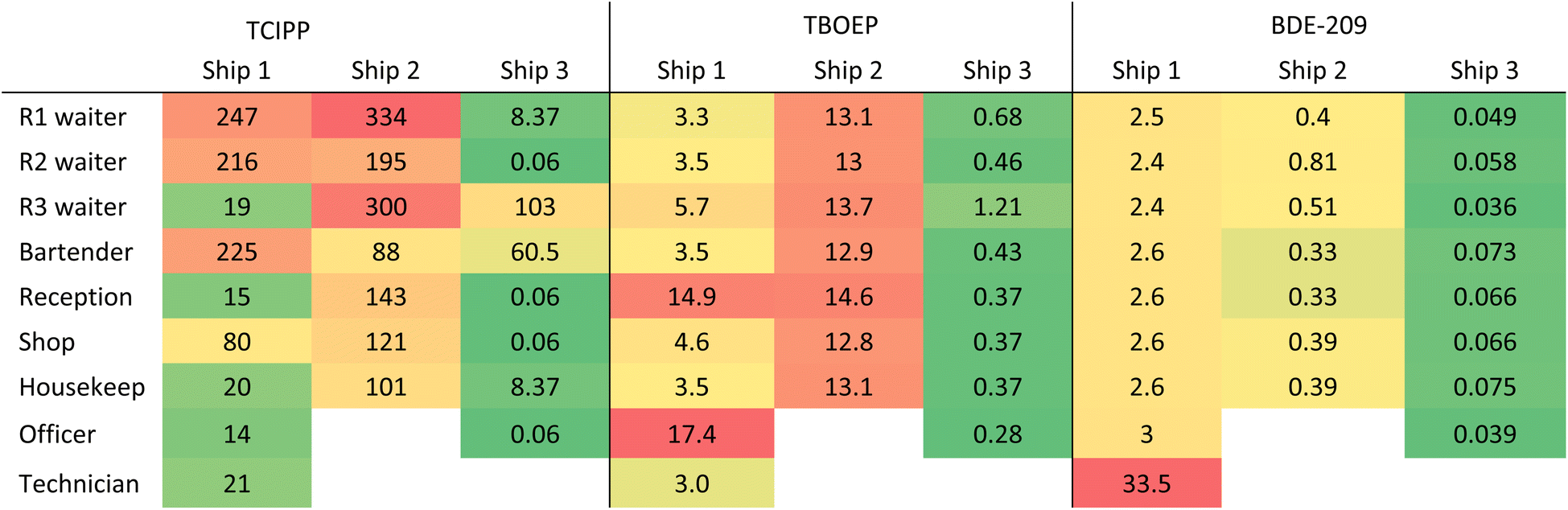
We further investigated the impact of differences in concentrations across dust from different areas of the ships by constructing exposure scenarios based on the working areas of different crew members. For these scenarios, we considered both non-dietary ingestion and dermal contact of different crew positions (Table 5). Full ingestion and dermal EDI values are presented in Table S13. The Marine Labor Convention limits working hours on ships to 14 per day.25 However, a questionnaire conducted by Oldenburg et al.26 revealed that 10-hour shifts are closer to reality. For modeling purposes, a 10-hour shift in specific working environments was assumed, with 8 hours in the cabin, and the remaining 6 hours for recreation. For each of the timeframes, specific working environments, generalized crew cabins, and crew mess halls, respectively, were used for modeling purposes.
|
EDI values varied across crew roles based on activity-based exposure modeling. Roles involving greater indoor time in heavily furnished areas (e.g., waiters and bartenders) had relatively elevated intakes, particularly of TCIPP. None of the EDI values exceeded the RfDs. On Ship 2, restaurant waiters were estimated to have the highest TCIPP exposure, with a cumulative EDI of ≥300 ng per kg per day for two of the restaurants (those with upholstered seating). Technicians working in the engine room and engine control room of Ship 1 had a modelled BDE-209 intake of 33.5 ng per kg per day. Unfortunately, these technical spaces were not sampled on the other two ships, which is a limitation, which should be considered in future studies. As expected, Ship 3 consistently showed the lowest exposures across all roles (with the sole exception of TCIPP in Restaurant 2), reflecting the lower concentrations of these target chemicals in dust.
Conclusion
Fire safety at sea is of paramount importance to the maritime industry. As such, many interior materials on ships are treated with halogenated or organophosphate FRs. These compounds are present in indoor dust where passengers and crew members are exposed via inhalation, dermal contact, and accidental ingestion.Within the three expedition cruise ships studied, chlorinated OPEs, most prominently TCIPP, were found at very high concentrations, in some spaces in the mg g−1 range. While it is not unexpected for an enclosed space such as a ship to have elevated concentrations of FRs, as has been seen in dust from other modes of transport, such as cars and airplanes, the fact that crew members often spend months at a time onboard presents a unique occupational exposure scenario.
This study provides an important baseline for future studies on FR and other chemical exposure in the maritime sector. The concentrations of FRs, especially TCIPP, on these expedition ships were very elevated compared concentrations reported in other indoor spaces. However, more research is needed to assess different maritime indoor environments. These were relatively small ships (approximately 500 passengers), with fewer restaurants, lounges, and amenities compared to the larger cruise ships, which may impact observed concentrations. Other categories of ships should also be studied—it is unknown whether military ships or cargo ships will exhibit the same pattern or concentrations of FRs as expedition ships.
From a regulatory perspective, the maritime sector occupies a unique space. While performance-based fire safety standards are mandated under international conventions such as SOLAS and the 2010 FTP code, there are no explicit requirements or restrictions regarding the chemical identity or quantity of FRs used. This stands in contrast with terrestrial regulations, where legacy PBDEs and similar compounds have been phased out or banned under frameworks such as the EU REACH Regulation and the Stockholm Convention. Based on these findings, a more coordinated regulatory approach that includes maritime indoor environments and accounts for cumulative occupational exposure is urgently needed. Without such oversight, regrettable substitution and over-application of FRs may occur, posing long-term health risks to crew members.
Author contributions
Veronica van der Schyff: conceptualization, funding acquisition, methodology, investigation, data curation, writing – original draft, writing – review & editing; Verena Meraldi: conceptualization, resources, writing – review & editing; Andrew Luke King: conceptualization, writing – review & editing; Simona Rozárka Jílková: validation, writing – review & editing; Ondřej Audy: investigation, writing – review & editing; Petr Kukučka: investigation, writing – review & editing; Jiří Kohoutek: investigation, writing – review & editing; Lisa Melymuk: conceptualization, supervision, validation, writing – original draft, writing – review & editing.Conflicts of interest
There are no conflicts of interests to declare.Data availability
The authors confirm that the data supporting the findings of this study are available within the supplementary information (SI) accompanying this manuscript.Supplementary information is available. See DOI: https://doi.org/10.1039/d5va00257e.
Acknowledgements
The authors thank the crew members of HX for their hospitality and support during sampling. The work was supported by Project MSCAfellow5_MUNI (CZ.02.01.01/00/22_010/0003229) financed by the Ministry of Education, Youth and Sports (MEYS) (co-funded by the European Union). The authors thank the RECETOX Research Infrastructure (LM2023069) financed by MEYS for a supportive background. This work was supported by the European Union's Horizon 2020 research and innovation program under Grant Agreement 857560 (CETOCOEN Excellence). This publication reflects only the authors' view, and the European Commission is not responsible for any use that may be made of the information it contains.References
- A. R. Horrocks, Flame retardant challenges for textiles and fibres: New chemistry versus innovatory solutions, Polym. Degrad. Stab., 2011, 96, 377–392 CrossRef CAS.
- C. Morel, H. Schroeder, C. Emond, J. D. Turner, E. Lichtfouse and N. Grova, Brominated flame retardants, a cornelian dilemma, Environ. Chem. Lett., 2023, 21, 9–14 CrossRef CAS PubMed.
- T. J. McGrath, P. D. Morrison, A. S. Ball and B. O. Clarke, Spatial Distribution of Novel and Legacy Brominated Flame Retardants in Soils Surrounding Two Australian Electronic Waste Recycling Facilities, Environ. Sci. Technol., 2018, 52, 8194–8204 CrossRef CAS PubMed.
- M. Sharkey, S. Harrad, M. Abou-Elwafa Abdallah, D. S. Drage and H. Berresheim, Phasing-out of legacy brominated flame retardants: The UNEP Stockholm Convention and other legislative action worldwide, Environ. Int., 2020, 144, 106041 CrossRef CAS PubMed.
- G. Abbasi, L. Li and K. Breivik, Global Historical Stocks and Emissions of PBDEs, Environ. Sci. Technol., 2019, 53, 6330–6340 CrossRef CAS PubMed.
- V. Linares, M. Bellés and J. L. Domingo, Human exposure to PBDE and critical evaluation of health hazards, Arch. Toxicol., 2015, 89, 335–356 CrossRef CAS PubMed.
- J. Lam, B. P. Lanphear, D. Bellinger, D. A. Axelrad, J. McPartland, P. Sutton, L. Davidson, N. Daniels, S. Sen and T. J. Woodruff, Developmental pbde exposure and IQ/ADHD in childhood: A systematic review and meta-analysis, Environ. Health Perspect., 2017, 125, 086001 CrossRef PubMed.
- A. Covaci, S. Harrad, M. A. E. Abdallah, N. Ali, R. J. Law, D. Herzke and C. A. de Wit, Novel brominated flame retardants: A review of their analysis, environmental fate and behaviour, Environ. Int., 2011, 37, 532–556 CrossRef CAS PubMed.
- J. Du, H. Li, S. Xu, Q. Zhou, M. Jin and J. Tang, A review of organophosphorus flame retardants (OPFRs): occurrence, bioaccumulation, toxicity, and organism exposure, Environ. Sci. Pollut. Res., 2019, 26, 22126–22136 CrossRef CAS PubMed.
- A. Blum, M. Behl, L. S. Birnbaum, M. L. Diamond, A. Phillips, V. Singla, N. S. Sipes, H. M. Stapleton and M. Venier, Organophosphate Ester Flame Retardants: Are They a Regrettable Substitution for Polybrominated Diphenyl Ethers?, Environ. Sci. Technol. Lett., 2019, 6, 638–649 CrossRef CAS PubMed.
- P. Wang, Q. Zhang, H. Zhang, T. Wang, H. Sun, S. Zheng, Y. Li, Y. Liang and G. Jiang, Sources and environmental behaviors of Dechlorane Plus and related compounds — A review, Environ. Int., 2016, 88, 206–220 CrossRef CAS PubMed.
- P. Haglund, N. A. Alygizakis, A. Covaci, L. Melymuk, P. B. Nizzetto, P. Rostkowski, A. Albinet, S. Alirai, D. Aurich, S. Bieber, A. Ballesteros-Gómez, A. A. Brennan, H. Budzinski, G. Castro, F. den Ouden, M.-H. Dévier, V. Dulio, Y.-L. Feng, M. Gabriel, C. Gallampois, M. García-Vara, G. Giovanoulis, S. Harrad, G. Jacobs, K. J. Jobst, S. Kaserzon, J. Kumirska, F. Lestremau, D. Lambropoulou, T. Letzel, M. L. de Alda, M. Nipen, P. Oswald, G. Poma, P. Přibylová, E. J. Price, G. Raffy, B. Schulze, E. L. Schymanski, P. Šenk, S. Wei, J. Slobodnik, B. T. Andújar, M. Täubel, N. S. Thomaidis, T. Wang and X. Wang, Comprehensive characterization of European house dust contaminants: Concentrations and profiles, geographical variability, and implications for chemical regulation and health risk, Sci. Total Environ., 2024, 957, 177639 CrossRef CAS PubMed.
- D. J. Watkins, M. D. McClean, A. J. Fraser, J. Weinberg, H. M. Stapleton and T. F. Webster, Associations between PBDEs in office air, dust, and surface wipes, Environ. Int., 2013, 59, 124–132 CrossRef CAS PubMed.
- W. Korcz, K. Czaja, M. Liszewska, B. Buckley, A. Hernik, R. Lewiński, A. Słomczyńska and P. Struciński, Occurrence of PBDEs in car and airplane dust in Poland – exposure assessment and health risk characterization for selected age ranges, Ann. Agric. Environ. Med., 2023, 31, 497–05 CrossRef PubMed.
- N. Ali, I. M. Ibrahim Ismail, M. W. Kadi and H. M. Salem Ali Albar, Currently used organophosphate flame retardants determined in the settled dust of masjids and hotels of Saudi Arabia, a new insight into human health implications of dust exposure, Environ. Sci.: Processes Impacts, 2018, 20, 798–805 RSC.
- P. Svobodová, S. R. Jílková, J. Kohoutek, O. Audy, P. Šenk and L. Melymuk, High levels of flame retardants in vehicle dust indicate ongoing use of brominated and organophosphate flame retardants in vehicle interiors, Environ. Monit. Assess., 2025, 197, 1–17 CrossRef PubMed.
- M. Jin, N. Ye, Z. Lu, S. Zhang, S. Zhou and J. He, Pollution characteristics and source identification of PBDEs in public transport microenvironments, Sci. Total Environ., 2022, 820, 153159 CrossRef CAS PubMed.
- Allianz Commercial, Fires at sea, https://commercial.allianz.com/news-and-insights/expert-risk-articles/cargo-and-battery-fires.html, accessed 17 July 2025 Search PubMed.
- N. P. Ventikos, Exploring Fire Incidents/Accidents Onboard Cruise and Passenger Ships, SPOUDAI J. Econ. Business, 2013, 63, 146–157 Search PubMed.
- International Maritime Organization, RESOLUTION MSC.307(88) (adopted on 3 December 2010) International Code for Application of Fire Test Procedures, 2010 (2010 FTP CODE), 2011 Search PubMed.
- S. Corsolini, A. Metzdorff, D. Baroni, J. L. Roscales, B. Jiménez, E. Cerro-Gálvez, J. Dachs, C. Galbán-Malagón, O. Audy, J. Kohoutek, P. Přibylova, M. Poblete-Morales, R. Avendaño-Herrera, E. Bergami and K. Pozo, Legacy and novel flame retardants from indoor dust in Antarctica: Sources and human exposure, Environ. Res., 2021, 196, 110344 CrossRef CAS PubMed.
- R. M. Hoehn, L. G. Jahl, N. J. Herkert, K. Hoffman, A. Soehl, M. L. Diamond, A. Blum and H. M. Stapleton, Flame Retardant Exposure in Vehicles Is Influenced by Use in Seat Foam and Temperature, Environ. Sci. Technol., 2024, 58, 8825–8834 CrossRef CAS PubMed.
- A. Christiansson, L. Hovander, I. Athanassiadis, K. Jakobsson and Å. Bergman, Polybrominated diphenyl ethers in aircraft cabins - A source of human exposure?, Chemosphere, 2008, 73, 1654–1660 CrossRef CAS PubMed.
- J. G. Allen, H. M. Stapleton, J. Vallarino, E. McNeely, M. D. McClean, S. J. Harrad, C. B. Rauert and J. D. Spengler, Exposure to flame retardant chemicals on commercial airplanes, Environ. Health, 2013, 12, 17 CrossRef CAS PubMed.
- International Labor Conference, Maritime Labour Convention, 2006, https://normlex.ilo.org/dyn/nrmlx_en/f?p=NORMLEXPUB:91:0::::P91_SECTION:MLCA_AMEND_A2, accessed 31 July 2025 Search PubMed.
- M. Oldenburg, H. J. Jensen, U. Latza and X. Baur, Seafaring stressors aboard merchant and passenger ships, Int. J. Public Health, 2009, 54, 96–105 CrossRef PubMed.
- S. Jílková, L. Melymuk, Š. Vojta, M. Vykoukalová, P. Bohlin-Nizzetto and J. Klánová, Small-scale spatial variability of flame retardants in indoor dust and implications for dust sampling, Chemosphere, 2018, 206, 132–141 CrossRef PubMed.
- P. Marcinekova, L. Melymuk, P. Bohlin-Nizzetto, E. Martinelli, S. R. Jílková, J. Martiník, P. Šenk, P. Kukučka, O. Audy, J. Kohoutek, M. Ghebremeskel, A. Håland, A. R. Borgen, H. Eikenes, L. Hanssen, M. Harju, Z. Cebula and P. Rostkowski, Development of a supramolecular solvent–based extraction method for application to quantitative analyses of a wide range of organic contaminants in indoor dust, Anal. Bioanal. Chem., 2024, 416, 4973–4985 CrossRef CAS PubMed.
- A. de la Torre, I. Navarro, P. Sanz and M. de los Ángeles Martínez, Organophosphate compounds, polybrominated diphenyl ethers and novel brominated flame retardants in European indoor house dust: Use, evidence for replacements and assessment of human exposure, J. Hazard. Mater., 2020, 382, 121009 CrossRef CAS PubMed.
- EPA, EPA: OSWER: Risk Assessment: ‘Supplemental Guidance for Dermal Risk Assessment’, Part E of Risk Assessment Guidance for Superfund, Human Health Evaluation Manual (Volume I), 2004, http://www.epa.gov/oerrpage/superfund/programs/risk/ragse/, accessed 28 July 2025 Search PubMed.
- J. Li, L. Yang, Y. Ding, F. Yang, H. Tan, S. Tang and D. Chen, Declining trends and regional variations of organophosphate ester contamination in indoor dust from mainland China: Insights from a filed study and meta-analysis, Sci. Total Environ., 2025, 958, 178088 CrossRef CAS PubMed.
- H. Plaisance, G. Raffy, B. Le Bot, E. Bossanne, C. Rawas, P. Cardin and V. Desauziers, Kinetic analysis of TCPP emission from fireproofed upholstered furniture under realistic indoor conditions, Build. Environ., 2025, 267, 112286 CrossRef.
- S. Harrad, M. Sharkey, W. A. Stubbings, M. Alghamdi, H. Berresheim, M. Coggins, A. H. Rosa and D. Drage, Chlorinated organophosphate esters in Irish waste foams and fabrics: Concentrations, preliminary assessment of temporal trends and evaluation of the impact of a concentration limit value, Sci. Total Environ., 2023, 859, 160250 CrossRef CAS PubMed.
- W. Li, Y. Wang, A. G. Asimakopoulos, A. Covaci, B. Gevao, B. Johnson-Restrepo, T. A. Kumosani, G. Malarvannan, H. B. Moon, H. Nakata, R. K. Sinha, T. M. Tran and K. Kannan, Organophosphate esters in indoor dust from 12 countries: Concentrations, composition profiles, and human exposure, Environ. Int., 2019, 133, 105178 CrossRef CAS PubMed.
- K. Kademoglou, F. Xu, J. A. Padilla-Sanchez, L. S. Haug, A. Covaci and C. D. Collins, Legacy and alternative flame retardants in Norwegian and UK indoor environment: Implications of human exposure via dust ingestion, Environ. Int., 2017, 102, 48–56 CrossRef CAS PubMed.
- S. Brommer and S. Harrad, Sources and human exposure implications of concentrations of organophosphate flame retardants in dust from UK cars, classrooms, living rooms, and offices, Environ. Int., 2015, 83, 202–207 CrossRef CAS PubMed.
- J. Page, P. Whaley, M. Bellingham, L. S. Birnbaum, A. Cavoski, D. Fetherston Dilke, R. Garside, S. Harrad, F. Kelly, A. Kortenkamp, O. Martin, A. Stec and T. Woolley, A new consensus on reconciling fire safety with environmental & health impacts of chemical flame retardants, Environ. Int., 2023, 173, 107782 CrossRef CAS PubMed.
- B. Liu, L. Ding, L. Lv, Y. Yu and W. Dong, Organophosphate esters (OPEs) and novel brominated flame retardants (NBFRs) in indoor dust: A systematic review on concentration, spatial distribution, sources, and human exposure, Chemosphere, 2023, 345, 140560 CrossRef CAS PubMed.
- K. Zheng, Z. Zeng, Y. Lin, Q. Wang, Q. Tian and X. Huo, Current status of indoor dust PBDE pollution and its physical burden and health effects on children, Environ. Sci. Pollut. Res., 2023, 30, 19642–19661 CrossRef CAS PubMed.
- Stockholm Convention, Polybromodiphenyl ethers - Overview, https://chm.pops.int/Implementation/IndustrialPOPs/BDEs/Overview/tabid/5371/Default.aspx, accessed 17 July 2025 Search PubMed.
- Stockholm Convention, Guidance on BAT/BEP for the recycling and waste disposal of PBDEs, https://chm.pops.int/Implementation/NIPs/Guidance/guidanceonBATBEPfortherecyclingofPBDEs/Tabid/3172/, accessed 31 July 2025 Search PubMed.
- Stockholm Convention, Register of Specific Exemptions: Decabromodiphenyl ether, https://chm.pops.int/Implementation/Exemptions/SpecificExemptions/DecabromodiphenyletherRoSE/tabid/7593/Default.aspx, accessed 17 July 2025 Search PubMed.
- R. Airaksinen, A. Hallikainen, P. Rantakokko, P. Ruokojärvi, P. J. Vuorinen, R. Parmanne, M. Verta, J. Mannio and H. Kiviranta, Time trends and congener profiles of PCDD/Fs, PCBs, and PBDEs in Baltic herring off the coast of Finland during 1978–2009, Chemosphere, 2014, 114, 165–171 CrossRef CAS PubMed.
- V. van der Schyff, J. Kalina, A. Abballe, A. L. Iamiceli, E. Govarts and L. Melymuk, Has Regulatory Action Reduced Human Exposure to Flame Retardants?, Environ. Sci. Technol., 2023, 57, 19106–19124 CrossRef CAS PubMed.
- T. A. Mcdonald, A perspective on the potential health risks of PBDEs, Chemosphere, 2002, 46, 745–755 CrossRef CAS PubMed.
- European Chemicals Agency (ECHA), Regulatory Strategy for Flame Retardants, https://echa.europa.eu/documents/10162/2082415/flame_retardants_strategy_en.pdf/, accessed 31 July 2025 Search PubMed.
- Phosphorus Inorganic and Nitrogen Flame Retardants Association (PINFA), Innovative and Sustainable Flame Retardants in Transportation, https://www.pinfa.eu/wp-content/uploads/2024/07/Pinfa_Transportation_2021_web.pdf, accessed 31 July 2025 Search PubMed.
- L. Minet, A. Blum, S. R. Fernández, K. M. Rodgers, V. Singla, A. Soehl and M. L. Diamond, High Production, Low Information: We Need to Know More about Polymeric Flame Retardants, Environ. Sci. Technol., 2021, 55, 3467–3469 CrossRef CAS PubMed.
- British Antarctic Survey, RRS James Clark Ross sold, British Antarctic Survey, News, https://www.bas.ac.uk/media-post/rrs-james-clark-ross-sold/, accessed 25 June 2025 Search PubMed.
- N. Ali, M. W. Kadi, H. M. S. Ali Albar, M. I. Rashid, S. Chandrasekaran, A. S. Summan, C. A. de Wit and G. Malarvannan, Semi-volatile organic compounds in car dust: A pilot study in Jeddah, Saudi Arabia, Int. J. Environ. Res. Public Health, 2021, 18, 4803 CrossRef PubMed.
- S. Harrad, S. Brommer and J. F. Mueller, Concentrations of organophosphate flame retardants in dust from cars, homes, and offices: An international comparison, Emerging Contam., 2016, 2, 66–72 CrossRef CAS.
- J. Pei, X. Dong and J. Zhang, Levels, profiles and human exposure of organophosphate esters (OPEs) in dust from subway stations, Build. Environ., 2024, 262, 111762 CrossRef.
- K. Wolff, S. Larsen, E. Marnburg and T. Øgaard, Worry and its correlates onboard cruise ships, Int. Marit. Health, 2013, 64, 95–100 Search PubMed.
- A. J. Williams, C. M. Grulke, J. Edwards, A. D. McEachran, K. Mansouri, N. C. Baker, G. Patlewicz, I. Shah, J. F. Wambaugh, R. S. Judson and A. M. Richard, The CompTox Chemistry Dashboard: A community data resource for environmental chemistry, J. Cheminf., 2017, 9, 1–27 Search PubMed.
- H. Demirtepe, L. Melymuk, M. L. Diamond, L. Bajard, Š. Vojta, R. Prokeš, O. Sáňka, J. Klánová, Ľ. Palkovičová Murínová, D. Richterová, V. Rašplová and T. Trnovec, Linking past uses of legacy SVOCs with today's indoor levels and human exposure, Environ. Int., 2019, 127, 653–663 CrossRef CAS PubMed.
| This journal is © The Royal Society of Chemistry 2026 |