DOI:
10.1039/D5SM01151E
(Paper)
Soft Matter, 2026,
22, 2364-2378
Modular coupling of iron nanozymes and natural enzymes in responsive microgel reactors for enhanced cascade catalysis
Received
18th November 2025
, Accepted 19th February 2026
First published on 20th February 2026
Abstract
The modular integration of natural enzymes with synthetic nanozymes provides a promising strategy for creating hybrid catalytic systems with high efficiency and adaptability. However, achieving precise spatial organization and responsive control within a unified scaffold remains challenging. Herein, we report a Pickering emulsion-guided approach to fabricate responsive microgel-laden microcapsules, termed microgelsomes (MGC). Using oil–water emulsion droplets as templates, catalytic Fe3O4 nanoparticle-loaded poly(N-isopropylacrylamide-co-serine) microgels (Fe–PNSER) were assembled at the interface to form microcapsules that act as catalytic reactors. By incorporating enzymes in the aqueous core and Fe3O4 nanoparticles within the microgel membrane, self-contained chemo-enzymatic cascade reactors with tightly coupled reaction pathways were constructed. Using a glucose oxidase (GOx)/Fe–PNSER cascade as a model reaction, these multicompartment reactors showed roughly two-fold higher efficiency than homogeneous systems or simple mixtures of the same components, highlighting the advantage of spatially organized hybrid catalysis. The system also offers tunable properties, robustness, and compatibility for integrating diverse catalytic functions. This work provides a versatile and scalable platform for designing next-generation hybrid reactors with combined structural precision and functional synergy.
1. Introduction
Hybrid catalytic systems that combine nanomaterial-based enzyme mimetics, known as nanozymes, with natural enzymes have gained significant attention due to their potential to merge the durability and tunability of nanozymes with the high selectivity of enzymes.1,2 Nanozymes mimic the activities of enzymes such as peroxidases, oxidases, catalases, and superoxide dismutases while offering advantages including enhanced stability, low cost, and ease of modification, making them attractive for applications in biosensing, biomedical diagnostics, and therapeutic systems.3–5 Among nanozymes, iron oxide (Fe3O4) nanoparticles are particularly notable given their biocompatibility, robust catalytic behavior, and intrinsic enzyme-like activities that can be tuned by pH for cascade or redox reactions.6 In contrast, natural enzymes provide unparalleled catalytic precision but are constrained by narrow operational conditions and susceptibility to denaturation.7 Coupling nanozymes with natural enzymes offers a synergistic approach that enhances overall catalytic performance, facilitates efficient cascade reactions, and supports sustainable, mild reaction conditions.8 Realizing the synergy between nanozymes and enzymes requires platforms that can spatially organize multiple catalysts while maintaining their activity.
In this context, biphasic systems have emerged as versatile and adaptable platforms for constructing functional catalytic architectures.9–12 However, conventional stabilization of biphasic systems using surfactants often disrupts enzyme structure and reduces catalytic efficiency due to strong interfacial interactions.13,14 Pickering emulsions, which are stabilized by solid particles, offer a robust alternative by providing long-term stability, facile phase separation, and efficient catalyst recovery.12 Pioneering works by Yang, Binks, and co-workers have demonstrated the potential of Pickering emulsions as versatile platforms for chemoenzymatic and cascade reactions.15 By using solid particles to stabilize liquid interfaces, these systems created confined reaction domains that spatially separated catalysts that would otherwise have been incompatible.16 This interfacial organization enabled sequential transformations to proceed efficiently without mutual deactivation. Subsequent advances, including switchable emulsions and flow-based Pickering systems, further demonstrated how particle-stabilized interfaces could improve catalytic performance while allowing easy phase separation and catalyst reuse.17–19
A variety of colloidal particles including silica, polymers, metal–organic frameworks, Janus particles, and graphene oxide have been reported to stabilize Pickering emulsions for biocatalysis.12,15,20 However, weak physical interactions often result in enzyme leakage, whereas covalent immobilization usually requires harsh chemical treatments that reduce enzyme activity. Thus, developing a mild and efficient strategy to co-localize enzymes and nanozymes while preserving their activity and overall catalyst loading remains a significant challenge. Polymeric microgels, in particular, have emerged as promising Pickering stabilizers due to their permeability, deformability, and responsiveness to external stimuli.21 Recent studies have demonstrated the potential of microgel-based Pickering emulsions for biocatalysis.20 For example, electrochemically responsive microgels constructed via host–guest interactions between cyclodextrin-functionalized polymers and ferrocene-modified counterparts enabled the formation of potential-controlled Pickering emulsions, leading to a threefold enhancement in lipase-catalyzed triacetin hydrolysis while allowing reversible emulsification for enzyme recycling and product separation.22 Thermo-responsive microgels have also been employed to stabilize Pickering emulsions for biotransformations, such as the alcohol dehydrogenase-catalyzed reduction of acetophenone, where temperature-triggered phase separation enabled facile catalyst recovery.23 Furthermore, engineered microgels capable of encapsulating enzymes have been used to stabilize water-in-oil (W/O) Pickering emulsions, with in situ regulation of emulsion phase inversion achieved through temperature modulation.24
Building on these advances, Pickering emulsions have been used to form compartments in which a water- or oil-filled core is enclosed by a shell of tightly packed microgels, creating closed structures called microgelsomes.25–28 By confining reactions within a selectively permeable shell, microgelsomes provide compartmentalized microenvironments that enable controlled partitioning and protection of reactants while maintaining efficient mass transport.27–30 Such spatial confinement is particularly advantageous for biochemical transformations that benefit from regulated intermediate transfer and reduced mutual deactivation.31 In this context, we have previously demonstrated temperature-responsive microgelsomes capable of programmable molecular release and compartmentalized biological reactions, including DNA amplification and bienzymatic cascades.28,32
Despite these advances, existing microgelsome systems have largely focused on enzyme-only catalysis, leaving the modular integration of nanozymes and natural enzymes largely unexplored. Developing microgel-based scaffolds that can spatially organize both catalytic components represents a critical step toward more robust and versatile cascade reactors. In this work, we prepared catalytic microgels by growing Fe3O4 nanoparticles directly within PNIPAM microgels, which were then functionalized with serine residues. The serine groups provide chemical sites that facilitate the interlinking of microgels together to form a stable shell and improve interfacial properties. These microgels were assembled at the W/O emulsion droplet to construct multicompartment reactors. In these reactors, the aqueous core holds the enzyme, while the microgel membrane contains Fe3O4 nanoparticles that mimic peroxidase activity.
To demonstrate the effectiveness of this architecture, we investigated a model chemoenzymatic cascade combining GOx with Fe–PNSER microgels. Compared to homogeneous systems and physically mixed catalysts, the compartmentalized hybrid reactors exhibited significantly enhanced catalytic activity and stability across a range of conditions, highlighting the critical role of spatially organized nanozyme–enzyme coupling in cascade catalysis.
2. Experimental
2.1. Materials
L-Serine, N-isopropyl acrylamide (97%; NIPAM) recrystallized in n-hexane, ferrous chloride (FeCl2), ferric chloride (FeCl3), acryloyl chloride (≥97%), rhodamine 6G (Rh6G), copper(II) carbonate basic (CuCO3·Cu(OH)2), and 8-hydroxyquinoline were purchased from Tokyo Chemical Industry. N,N′-methylene bis(acrylamide) (99.5%; BIS) was procured from Sisco Research Laboratories. Ammonium persulfate (APS), 2,2′-azino-bis(3-ethylbenzothiazoline-6-sulfonic acid) (ABTS), 2-ethylhexanol, FITC-dextran (20 kDa), fluorescein isothiocyanate (FITC), Nile red, rhodamine isothiocyanate (RITC), glucose oxidase (GOx) from Aspergillus niger, horseradish peroxidase-type VI (HRP), bicinchoninic acid (BCA) kit for protein determination, and bovine serum albumin (BSA) were purchased from Sigma-Aldrich, USA.
2.2. Synthesis of O-acrylate L-serine (AcSer)
The monomer AcSer was synthesized following a previously reported method, with minor modifications.33 Briefly, 95.2 mmol serine was dissolved in 100 mL of water and heated to 90 °C, followed by a slow addition of 52.4 mmol basic CuCO3 and stirring for 20 min. The blue-colored copper complex of serine so obtained was filtered and washed with 30 mL of hot water. Then, 20 mL of acetone and 54 mL of 4 M KOH aqueous solution were added. The solution was cooled to 0 °C, followed by the dropwise addition of acryloyl chloride. The reaction mixture was stirred for 12 h at room temperature. Upon reaction completion, the precipitate of the acryloyl copper complex of serine was filtered and washed consecutively with water, methanol, and ether. The obtained precipitate was dispersed in 300 mL of water, followed by the addition of 109 mmol 8-quinolinol dissolved in 300 mL of chloroform. The solution was shaken for 12 h, yielding a blue-green precipitate in the chloroform phase, which was filtered off. The filtrate was washed thrice with chloroform to remove residual 8-hydroxyquinoline. The aqueous solution of AcSer was lyophilized to obtain a white solid monomer.
2.3. Synthesis of Fe–PNSER core–shell microgels
A three-step synthetic approach was used to prepare Fe–PNSER core–shell microgels. In the first step, PNIPAM microgels were synthesized using the free radical precipitation method as described in previous literature.32 Briefly, NIPAM (800 mg, 7 mmol), BIS (20 mg, 0.13 mmol), and SDS (5 mg, 0.02 mmol) were dissolved in 75 mL of DI water and purged with nitrogen for 2 h. The reaction mixture was gradually heated to 70 °C. Upon temperature equilibration, polymerization was initiated by the addition of 1 mL aqueous solution of APS (7 mg, 0.03 mmol) and stirred at a constant rate of 300 rpm for 5 h.
The second step involves the in situ synthesis of Fe3O4 nanoparticles on the PNIPAM microgels. Briefly, a 100 mL two-neck round-bottom flask containing 20 mL of PNIPAM microgel solution was purged with nitrogen for 2 h at room temperature. A 10 µL FeCl2 solution (1 M) and a 20 µL FeCl3 solution (0.2 M) were added to the magnetically stirred microgel solution to achieve an Fe3+
:
Fe2+ ratio of 1
:
0.75.34 The mixture was stirred at room temperature for 10 min to allow the adsorption of iron ions onto microgel particles, followed by the dropwise addition of ammonia solution (2 vol%).35,36 As the formation of Fe3O4 nanoparticles begins, the white microgel solution turns yellowish in color. Ammonia was added until further addition does not result in the formation of large Fe3O4 nanoparticles, as their excessive growth leads to agglomeration in the microgel particles. The resulting solution containing Fe3O4 nanoparticle-loaded PNIPAM microgels (Fe–PNIPAM) was filtered to remove any formed agglomerates. The solution was dialyzed against deionized water using a dialysis membrane (MWCO: 10–12 kDa) for 3 days, with the water being replaced every 24 hours.
In the third step, the aqueous solution of the Fe–PNIPAM microgel (20 mL) was taken in a three-neck round-bottom flask fitted with a nitrogen inlet and a reflux condenser. To this, AcSer (200 mg, 1.25 mmol) was added. The reaction mixture was purged with nitrogen for 2 h, followed by temperature equilibration to 70 °C and the addition of 1 mL APS (7 mg, 0.03 mmol) to initiate polymerization. The reaction was carried out for 5 h at a constant stirring rate of 300 rpm. The final solution containing Fe–PNSER microgel particles was then dialyzed against DI water using a dialysis tube (MWCO: 10–12 kDa) for 5 days to remove the unreacted monomer.
2.4. Preparation of microgelsomes
The Fe–PNSER microgel-derived microgelsomes (Fe–MGC) were prepared using a microgel-stabilized W/O inverse Pickering emulsion as described in our previous work.32 Briefly, an aqueous dispersion of Fe–PNSER microgels (5 mg mL−1, 300 µL, pH 5) was mixed with 2-ethyl hexanol (700 µL) as an oil phase. The mixture was vortexed at 2000 rpm for 1 min, followed by the addition of 50 µL of FeCl3 (25 mg mL−1) and then incubated at room temperature for 1 h for complete interlinking of microgels (via coordination between Fe3+ and N), resulting in the formation of a stable, interlinked microgelsome membrane. The formed microgelsomes were first washed with water to remove excess microgel particles, followed by the removal of the excess oil phase, which formed the upper layer. The system was then dialyzed against an ethanol–water mixture (1
:
1) for 12 h and finally against water (12 h), transferring microgelsomes into an all-aqueous phase. The microgelsomes were stored at room temperature in an aqueous medium for further use and characterization.
2.5. Encapsulation of enzymes in microgelsomes
The encapsulation of functional species was carried out based on our previously reported procedure, with certain modifications.28 For the encapsulation of HRP, a 200 µL aqueous dispersion of the PNSER microgel (pH 5) was mixed with 50 µL of FeCl3 (10 mg mL−1 in water) and 20 µL of HRP (10 mg mL−1). The volume was adjusted to 300 µL by the addition of buffer (pH 5) and mixed with 700 µL of 2-ethyl hexanol.
For the encapsulation of GOx, a 200 µL aqueous dispersion of the Fe–PNSER microgel (pH 5) was mixed with 50 µL of FeCl3 (10 mg mL−1 in water) and 20 µL of GOx (10 mg mL−1). The volume was adjusted to 300 µL by the addition of buffer (pH 5) and mixed with 700 µL of 2-ethyl hexanol.
For the co-encapsulation of enzymes HRP and GOx, a 200 µL aqueous dispersion of the PNSER microgel (pH 5) was mixed with 50 µL of FeCl3 (10 mg mL−1 in water), 20 µL of GOx (10 mg mL−1) and 10 µL of HRP (10 mg mL−1). The volume was adjusted to 300 µL by the addition of buffer (pH 5) and mixed with 700 µL of 2-ethyl hexanol.
The biphasic systems were vortexed at 2000 rpm and kept undisturbed for an hour at 25 °C to facilitate complete interlinking of the adsorbed microgels at the interface. After an hour, the formed microgelsomes were washed thrice with buffer solution, and then the top oil layer was pipetted out of the reaction mixture. The residual oil was removed by dialyzing the microgelsome solution with a mixture of ethanol and water (50
:
50) for 12 h and finally with water for 12 h to achieve complete phase transfer.
The retentate from the first water wash was analyzed spectrophotometrically to quantify the encapsulation of molecules, measuring the absorbance at their characteristic wavelength of 280 nm for GOx and HRP molecules.28,37 Encapsulation efficiency was calculated using eqn (1) and the standard plots of FITC-dextran, GOx, and HRP (Fig. S6).
| |  | (1) |
where [
Mi] and [
Mf] represent the initial and final concentrations of the guest molecules.
2.6. Storage evaluation
To evaluate the storage stability of biocatalytic GOx–HRP MGC and chemoenzymatic GOx encapsulated in Fe–MGC (GOx–Fe MGC), both systems were incubated in various buffer solutions (0.1 M, pH 3–9) at 25 °C for 2 h, as well as under different temperature conditions ranging from 10 °C to 60 °C for 2 hours in acetate buffer (pH 3). Their catalytic activities were subsequently assessed as described in Section 2.7.
The storage stability of free GOx–HRP and GOx–Fe MGC was assessed by incubating the samples in 0.1 M acetate buffer (pH 3) at 15 °C for 7 hours. The catalytic activity was measured at 1 hour intervals and expressed as a percentage of the initial activity, which was taken as 100%.
For the reusability assessment, a chemoenzymatic reactor was constructed by enclosing GOx–Fe MGC particles dispersed in pH 3 acetate buffer within a dialysis membrane (Spectra-Por® Float-A-Lyzer® G2, MWCO: 20 kDa) sealed at both ends. The reactor was immersed in 100 mL of acetate buffer (pH 3) and maintained under continuous stirring (500 rpm) at 37 °C. Substrates consisting of 2 mL of glucose (1 M) and 2.5 mL of ABTS (10 mM) were added to the system, and the reaction was allowed to proceed for 30 minutes to facilitate substrate diffusion and product formation. After each reaction cycle, the absorbance of the reaction mixture was measured at 420 nm (λmax of oxidized ABTS) to determine enzyme activity. The MGC particles were then thoroughly washed by dialysis against fresh acetate buffer (pH 3) and reused in subsequent catalytic cycles. The residual relative activity after each cycle was calculated with respect to the initial activity obtained in the first run, which was defined as 100%.
2.7. Catalytic assay for chemo-enzymatic activity
The activity of the biocatalytic reactor was investigated under various conditions and compared with its free form. To determine the catalytic activity, 10 mM H2O2 was added to a mixture of 2 µL of HRP-encapsulated microgelsomes (HRP–MGC)/Fe–PNSER microgelsomes (Fe–MGC) and 5 µL of ABTS solution (10 mM). The final volume was adjusted to 200 µL with acetate buffer (0.1 M, pH 3). The kinetics of the catalytic species were studied in the continuous mode for 5 min at 30 °C, with the absorbance recorded at 420 nm every 30 seconds.
To study the enzymatic activity of the GOx–HRP system, 2 µL of GOx–HRP encapsulated in PNSER microgelsomes (GOx–HRP MGC)/ free GOx–HRP, and 5 µL of ABTS solution (10 mM) were mixed with 100 µL of glucose (40 mM). The final volume was adjusted to 200 µL with acetate buffer (0.1 M, pH 3). The kinetics were studied in the continuous mode for 5 min at 30 °C, with the absorbance recorded at 420 nm every 30 seconds.
To study the chemoenzymatic activity of the GOx–Fe3O4 system, 2 µL of GOx-encapsulated in Fe–PNSER microgelsomes (GOx–Fe MGC) was added to 5 µL of ABTS solution (10 mM) and 100 µL of glucose (40 mM). The final volume was adjusted to 200 µL with acetate buffer (0.1 M, pH 3). The kinetics were studied in the continuous mode for 5 min at 30 °C, with the absorbance recorded at 420 nm every 30 seconds.
The specific activity (Vo) of catalytic molecules was calculated using eqn (2):38
| |  | (2) |
where Δ
A/Δ
t,
ε,
l, and [
E] denote the change in absorbance with time, the molar extinction coefficient of ABTS
+˙ (36 mM
−1 cm
−1), the path length of the microplate well and the concentration of the catalytic species used in the reaction, respectively. The catalytic activity is presented as relative activity and, in each case, it is expressed as a percentage of the maximum observed activity under standard assay conditions (specific pH and temperature, as per the experimental conditions), calculated using
eqn (3):
39| |  | (3) |
where
A0 denotes the catalytic activity of the sample and
A corresponds to the highest measured activity in the system, which is set as the 100% reference point. One unit of catalytic activity is defined as the catalytic species required to catalyze 1 mmol ABTS per minute at 30 °C. The BCA assay with a sensitivity of 0.02–2 mg mL
−1 was used to determine protein concentration using the enzymes (GOx and HRP) as the standard protein.
3. Results and discussion
3.1. Synthesis and characterization of the AcSer monomer and Fe–PNSER microgels
The surfactant-assisted free-radical polymerization method was used to synthesize temperature-responsive, functional microgels that could actively stabilize W/O emulsions and interlink with the neighboring microgels at the droplet interface. For the synthesis of serine-derived microgels, the AcSer monomer was synthesized via the O-acryloylation of L-serine (Fig. 1).33 First, the amine and carboxylic groups were protected by the formation of a 5-membered copper complex, and then the free hydroxyl group of serine was reacted with acryloyl chloride. In the final step, the copper complex was removed using 8-hydroxyquinoline, yielding AcSer with free amine and carboxylic moieties. The chemical structure of AcSer was confirmed using FTIR (υ cm−1) (Fig. S1(A)): 3345 for N–H stretching, 2920 for C–H stretching, 2215–3195 for N–H (NH3+), 1663 for C
O (amide), and 1622 for the amide II bond. 1H NMR (D2O, 400 MHz, δ ppm) (Fig. S1(B)): 3.58 (d, 1H, CH), 4.08 (m, 2H, CH2), 4.47 (t, 2H, CH2), 6.27 (d, 1H, CH2
CH(trans)), 5.96 (d, 1H, CH2
CH(cis)), 6.17 (dd, 1H, CH2
CH).32
 |
| | Fig. 1 Chemical synthesis of the O-acryloyl L-serine (AcSer) monomer. | |
The synthesis of Fe–PNSER microgels was performed in three steps, as shown in Fig. 2. In the first step, PNIPAM microgel particles were synthesized by the free-radical polymerization of NIPAM and the crosslinker BIS, in the presence of surfactant SDS. The use of SDS in microgel synthesis introduces a negative surface charge, enhancing stabilization of the polymeric colloids.40 In the second step, the synthesized PNIPAM particles were used as a template for the synthesis of magnetite nanoparticles using the in situ co-precipitation method. The negative charge on the PNIPAM microgels facilitates the adsorption of Fe3+ and Fe2+ ions. The pH of the mixture was increased to pH 10 by the addition of aqueous ammonia, resulting in the deposition of magnetite particles on the PNIPAM particles.34 In the third step, the microgel particles containing magnetite nanoparticles (seed particles) were polymerized with the monomer AcSer, resulting in the formation of catalytic Fe–PNSER microgels.
 |
| | Fig. 2 Stepwise representation of the three-step sequential process used to synthesize Fe–PNSER microgels. | |
The formation and copolymerization of the Fe–PNSER microgels were confirmed by 1H NMR spectroscopy (Fig. S2). The absence of signals associated with vinylic protons suggests that polymerization was complete, and the resulting microgel is free of unreacted monomers. Distinct peaks observed at 1.04 ppm and 3.56 ppm are attributed to the isopropyl moieties of the PNIPAM units. Additionally, the presence of serine in the polymer matrix is supported by the signals at 3.81 ppm and 3.69 ppm, corresponding to the α- and β-methylene protons in serine. Broad resonances at 1.43 and 1.80 ppm, for the secondary and tertiary carbon protons in the polymer backbone, further support successful polymerization. While the integration of PNIPAM imparts temperature responsivity to the microgel,41 their functionalization with AcSer introduces free primary amine and carboxylic groups onto the polymer skeleton. These functional groups allow facile interlinking of the microgels to form a stable membrane and endow the microgel surface with an overall negative charge, which assists in efficient adsorption of microgels onto the W/O droplet surface.28,42
The synthesized Fe–PNSER microgels were thoroughly characterized for their structural and physicochemical properties, as well as for the magnetite nanoparticles loaded onto them. The spherical Fe–PNSER microgel, as evidenced by the FESEM, TEM, and AFM images of dried microgel particles shown in Fig. 3(A–C) highlights the formation of even-sized microgel particles. Furthermore, TEM analysis of the dried Fe–PNSER microgels revealed a core–shell morphology, with the loaded magnetite nanoparticles predominantly localized within the microgel core (Fig. 3B). This observation was supported by the corresponding EDS spectrum and elemental mapping (Fig. 3D), confirming the presence and spatial distribution of iron ions within the microgels. The FTIR spectrum (Fig. 3E) displayed a broad band around 3410 cm−1, attributed to the N–H stretching of amine and the O–H stretching of carboxylic groups,33 confirming the successful polymerization with the AcSer monomer. A characteristic Fe–O stretching vibration was observed at 548 cm−1, indicating the presence of iron oxide nanoparticles. Further evidence of magnetite loading onto the microgels was provided by the XRD pattern shown in Fig. 3F. It displayed a broad band at a 2θ value of about 20.89°, corresponding to the amorphous form of the microgels, along with the characteristic diffraction peaks indexed to (220), (311), (400), (422), and (553) planes, indicative of Fe3O4 with an inverse spinel structure (JCPDS Card No. 19-0629).43,44 As shown in Fig. 3G, the TGA profiles of both PNIPAM and Fe–PNSER microgels demonstrate high thermal stability within the temperature range of 150–380 °C. The initial weight loss of 12–15% is attributed to the evaporation of adsorbed water from the microgels. Fe–PNSER microgels demonstrated good thermal resistance up to 200 °C, indicating their ability to retain their structural integrity at higher temperatures. However, due to the relatively low concentration of magnetite nanoparticles, no significant differences were observed in the TGA curves compared to the pure microgels.45
 |
| | Fig. 3 Physicochemical characterisation of the Fe–PNSER microgel. (A) FESEM, (B) TEM, and (C) AFM images of the microgel; (D) EDS spectrum and elemental mapping of the Fe–PNSER microgel; (E) FTIR spectra, (F) XRD patterns, and (G) TGA curves of PNIPAM and Fe–PNSER; and (H) temperature-dependent hydrodynamic radii, (I) zeta potential, and (J) interfacial tension between water and 2-ethyl hexanol (W/O) and between the aqueous Fe–PNSER microgel dispersion and 2-ethyl hexanol (oil phase) measured at room temperature. Error bars represent three replicates. | |
Fig. 3H presents the dynamic light scattering (DLS) measurement results for the aqueous dispersion of Fe–PNSER microgels, illustrating the temperature-dependent size variation of Fe–PNSER microgels over the range of 24–50 °C. The microgels exhibited a lower critical solution temperature (LCST) around 30 °C,32 close to the LCST of PNIPAM. Below the LCST (24 °C), the microgels were in a swollen state with an average size of 778.17 ± 53.11 nm, whereas above the LCST (50 °C), they collapsed to 175.06 ± 0.93 nm. The reduction in the LCST is likely due to the polar nature of the microgel imparted by the primary amine and carboxylic functional groups present in the serine units of the microgel. Notably, the synthesized microgels maintained their temperature-responsive size behavior, exhibiting consistent size over three successive heating and cooling cycles, as shown in Fig. S3. This reproducibility highlights the structural stability and reliability of the microgels under thermal cycling, which is crucial for applications operating under cyclic environmental conditions.
Importantly, DLS analysis of the Fe–PNSER microgel (shown in Fig. S4) after sonication revealed a single, narrow intensity peak with a Z-average hydrodynamic diameter of approximately 390 nm and a low polydispersity index (PDI = 0.01). The absence of any secondary peaks or significant size shifts confirms that the microgel structure remained intact during sonication. These findings indicate that the Fe nanoparticles are stably embedded within the PNSER matrix, with no detectable leaching or aggregation, demonstrating excellent colloidal and structural stability of the GOx–Fe MGC under processing conditions.
Additionally, the incorporation of serine units confers a net negative surface charge to the microgels exhibiting a pKa value at pH 4.5, which is in close agreement with the pKa of serine (pH ≈ 5).46 The Fe–PNSER microgels exhibited a zeta potential of 1.90 ± 0.11 mV at pH 3 and −14.83 ± 2.95 mV at pH 12 (Fig. 3I). Furthermore, the adsorption of microgels at the oil–water interface exhibited a profound effect on the interfacial tension with a significant reduction from 21.7 mN m−1 for water and 2-ethylhexanol to 4.8 mN m−1 for the microgel-stabilized W/O emulsion, as presented in Fig. 3J. These results can be attributed to the excellent interfacial properties of Fe–PNSER microgels at liquid interfaces, leading to better stabilization of the W/O emulsion droplets.47
3.2. Preparation and characterization of microgelsomes
A multicompartmental catalytic microreactor was formed by the spontaneous assembly of Fe–PNSER microgels at W/O emulsion droplets (Fig. 4). An aqueous dispersion of microgels was mixed with ethyl hexanol, and upon emulsification the microgels migrated to and adsorbed at the oil–water interface (I and II). The microgels adsorbed at the droplet interface were interlinked upon the addition of FeCl3. The coordination interactions between the nitrogen-containing groups on the Fe–PNSER microgels and Fe3+ ions promoted interlinking of neighboring microgels, leading to the formation of a continuous and porous microgelsome membrane. Subsequent removal of the oil phase by phase transfer yielded the final multicompartment microreactor dispersed in the all-aqueous phase (III). The resulting microgelsomes (Fe–MGC) consisted of a catalytic membrane containing Fe3O4 nanozymes that exhibited intrinsic peroxidase-like activity while maintaining selective permeability.
 |
| | Fig. 4 Diagrammatic representation of the preparation of microgelsomes via the adsorption of Fe–PNSER microgels onto the W/O emulsion droplets; (I) microgels prior to emulsification; (II) adsorption and interlinking of microgels at the oil–water droplet interface to form a stable microgelsome shell; and (III) removal of the oil phase by phase transfer to yield the final microgelsome structure. | |
The interlinking step was performed at pH 4.5, the pI for Fe–PNSER microgels, thus generating stable microcompartments. The FESEM image of dried microgelsomes shown in Fig. 5A illustrates the intact structure of microgelsomes, confirming the stable interlinking of the microgel assembly upon complete transfer to the aqueous phase. Notably, the pronounced wrinkles observed on the surface of the microgelsomes indicate the elastic nature of the microgelsome membrane, which collapses upon drying, mimicking the behavior of the cell membrane. The spherical and intact structure of the microgelsomes dispersed in water was further confirmed by optical studies showing an Fe–MGC size of 1.17 ± 0.15 µm (Fig. 5B). Specifically, the size of the microgelsomes is influenced by the surface charge of the microgels.42 The modification of the microgel with molecules like FITC may alter the microgel's surface charge and amphiphilicity, leading to variations in interfacial behavior during self-assembly. Consequently, this results in microgelsomes with a broad size distribution, as evident from the CLSM images (Fig. 5(C and D)). The stabilization of W/O emulsion droplets by the adsorption of microgels at the oil–water interface was studied using confocal laser scanning microscopy (CLSM). As observed from the results presented in Fig. 5C, the formation of green-colored ring-like structures confirmed the presence of FITC-labelled microgels on the emulsion droplets. Moreover, the red fluorescence in Fig. 5D is attributed to the presence of oil that formed the continuous phase in the biphasic system. Further investigation of the structural stability, presented in Fig. S5(A–D), revealed that the microgelsomes disassembled when subjected to centrifugation at 2000 rpm and storage conditions below 4 °C. Importantly, the microgelsomes were found to retain their framework at room temperature for 1 month (Fig. S5(E)). These results indicate that the microgelsomes remain stable without the requirement for special storage conditions, enhancing their suitability for a wide range of applications.
 |
| | Fig. 5 Characterization of microgelsomes. (A) The FESEM image of dried microgelsomes (with the inset showing wrinkled and collapsed microgelsomes). (B) The optical image of the aqueous dispersion of microgelsomes. CLSM images of (C) microgelsomes constructed using FITC-labelled Fe–PNSER microgels and (D) microgelsomes dispersed in the oil phase stained with Nile red (image obtained immediately after emulsification). | |
3.3. Cell-like properties of microgelsomes
3.3.1. Encapsulation properties and selective molecular transport.
By leveraging the combined advantages of Pickering emulsion and flexible microgel structure, this distinctive architecture is envisioned to serve as an optimal reservoir for the physical confinement of a range of functional molecules. To evaluate this, we studied the encapsulation properties of the microgelsomes towards various guest molecules varying in molecular weight, including Rh6G (479 Da), FITC-dextran (20 kDa), FITC-GOx (160 kDa), and RITC-HRP (40 kDa). As shown by the CLSM images in Fig. 6(A–D), FITC-dextran, FITC-labelled GOx, and RITC-labelled HRP enzymes were uniformly distributed throughout the entire microgelsomes. Furthermore, the investigation of microgelsome membrane permeability at elevated temperatures revealed no detectable fluorescence in the surrounding medium (Fig. 6E), indicating excellent retention of macromolecules within the compartments. Significantly, all the molecules could be effectively confined within the microgelsomes, achieving a high encapsulation efficiency (>91%, Table S1). However, below the LCST, the microgelsomes exhibited exceptionally high permeability for small molecules like Rh6G, making it challenging to visualize the Rh6G-loaded Fe–MGC under the microscope.
 |
| | Fig. 6 Encapsulation of molecules. CLSM images of encapsulated (A) FITC-dextran and (B) FITC-labelled GOx in Fe–MGC, (C) RITC-labelled HRP, and (D) fluorescently-labelled GOx–HRP in PNSER-microgel derived microgelsomes. Release studies of encapsulated molecules; (E) FITC-dextran measured at different temperatures (25–65 °C) over a wavelength range of 300–700 nm (λmax: 450 nm for FITC-dextran), and Rh6G (F) at different temperatures (20–55 °C) and (G) for 100 min measured at a wavelength of 530 nm. Error bars represent three replicates. | |
Given the intrinsic porosity of the microgelsome membrane and its ability to undergo structural transitions in response to temperature, we examined whether the release of Rh6G could be influenced by thermally induced changes in microgel conformation and membrane hydrophobicity. Rh6G, a cationic dye with high solubility in both water and 2-ethylhexanol, was encapsulated in the microgelsomes, and its release was monitored in the temperature range of 15–60 °C (Fig. 6F) and at room temperature for a period of 100 min (Fig. 6G). As shown in Fig. 6(F and G), microgelsomes showed diffusion-mediated systemic release of encapsulated Rh6G, with comparable release kinetics after 1 h being comparable at both temperatures, above and below the LCST of the microgel. Although elevated temperatures are generally expected to accelerate molecular diffusion, the absence of a pronounced increase in release suggests that temperature-induced changes in membrane properties play a dominant role. Upon heating above the LCST (∼30 °C), the PNSER-derived microgelsome membrane underwent thermally induced collapse, accompanied by reduced hydration and contraction of the internal volume. This collapse resulted in the expulsion of pre-encapsulated Rh6G from the microgelsome interior. Accordingly, the higher percentage release observed in Fig. 6F at temperatures above the LCST is attributed to a collapse-driven expulsion mechanism rather than enhanced membrane permeability to small molecules. These observations underscore the complex interplay between solute characteristics (e.g., charge and solubility) and temperature-responsive microgelsome membrane dynamics.
These results validate the efficient encapsulation ability of the prepared microgelsomes for high molecular weight macromolecules and temperature-mediated permeability for small and charged molecules (like Rh6G), enabling the potential spatial programming of different functionalities when confined within a single integrated system.
3.3.2. Catalytic performance and stability of the Fe-based nanozyme microreactor.
The Fe–MGC, formed by templating and interlocking Fe3O4-loaded microgels at the W/O droplet interface, is expected to exhibit chemo-catalytic activity intrinsic to Fe3O4 nanoparticles, analogous to that of peroxidase enzymes. To assess this catalytic property, the oxidation kinetics of ABTS to the characteristic blue-green radical cation ABTS+˙ was monitored in the presence of hydrogen peroxide (Fig. 7A). The catalytic activity of Fe3O4 nanoparticles (nanozymes) in oxidizing ABTS proceeds through a Fenton-like, two-electron shuttle mechanism.48 Specifically, Fe2+ on the nanoparticle surface reacts with hydrogen peroxide to generate hydroxyl radicals (˙OH) and hydroperoxyl radicals (HO2˙), which subsequently oxidize ABTS to its radical cation, ABTS+˙, as explained in Scheme S1. The catalytic efficiency was initially assessed over a pH range of 3–5 to establish the optimal working pH for Fe–MGC. To evaluate their peroxidase-mimicking behavior, parallel experiments were conducted using PNSER microgel-derived microgelsomes (HRP–MGC) under the same conditions. As evident from the results presented in Fig. 7B, Fe–MGC demonstrated effective performance at pH 3, exhibiting 1.5 times greater activity than HRP–MGC, with a catalytic activity of 609.40 ± 17.83 U mg−1 compared to 416.16 ± 15.34 U mg−1 for HRP–MGC.
 |
| | Fig. 7 (A) Chemo-enzymatic catalysis in microgelsomes. Two microgelsome systems are illustrated: microgelsomes with horseradish peroxidase confined in the aqueous lumen (HRP–MGC), and microgelsomes with Fe3O4 nanozymes embedded in the microgel membrane (Fe-MGC). HRP–MGC and Fe-MGC catalyse the H2O2-mediated oxidation of ABTS to its cationic radical. Catalytic activity of microgelsomes: HRP–MGC and Fe–MGC (B) at different pH (3–5); stability of catalytic microgelsomes when stored (C) in different pH solutions (pH 3–9) at 25 °C for 2 h (the activity at pH 3 was taken as 100%) and (D) at different temperatures (10–60 °C) in acetate buffer (pH 3) for 2 h (the activity at a temperature of 10 °C was taken as 100%). Error bars represent three replicates. | |
In addition, the effect of compartmentalization (Fe–MGC and HRP–MGC) on optimal working pH was examined by performing experiments with free aqueous forms of HRP and GOx at pH 3 and pH 5. As shown in Fig. S7, free enzymes exhibited maximal activity around pH 5, whereas the biocatalytic microgelsomes showed higher activity at pH 3.49,50 The shift in apparent pH optimum for the enzyme-encapsulated systems, compared to free GOx/HRP, likely arises from the microenvironment within the microgel matrix, which can alter local proton concentration, substrate accessibility, and enzyme conformation, highlighting the effect of compartmentalization. This demonstrates that microgelsome encapsulation can modulate enzyme behavior and maintain activity under conditions that are suboptimal for free enzymes. In contrast, the iron-based nanozymes used in our system retained robust peroxidase-like activity at pH 3, as demonstrated in Fig. 7B. These findings highlight the key functional advantage of iron oxide nanozymes in facilitating catalysis under conditions that are typically incompatible with natural enzymes. Their ability to generate reactive hydroxyl radicals (˙OH), which can effectively oxidize and degrade biomolecules such as proteins, nucleic acids, polysaccharides, and lipids, underpins their utility in diverse applications including biosensing, environmental remediation, and antimicrobial treatments.51,52 This catalytic versatility justifies the integration of iron nanozymes as functional modules within microreactors and underscores their potential in protocell construction for use in non-physiological or extreme environments.
In comparison to HRP–MGC, which maintained good activity at pH 3 (96.6 ± 3.4%) and pH 4 (87.7 ± 9.7%), the activity of Fe–MGC declined with increasing pH (pH 4: 63.9 ± 6.9% and pH 5: 7.3 ± 2.7%). These results emphasize the role of microgel stabilization in enhancing pH-specific activity and improving the stability of magnetite nanoparticles by minimizing aggregation and preventing phase changes across varying pH conditions.44,53 Additionally, we investigated the effect of storage at varying pH levels and temperatures on the stability of the catalytic activities of Fe–MGC and HRP–MGC. As presented in Fig. 7(C and D), the results revealed that Fe–MGC retained nearly 100% of its catalytic activity across a broad pH range (3–9) and temperatures from 10 °C to 60 °C. In contrast, HRP–MGC exhibited a significant decline in activity across the same pH range and showed a marked reduction in performance between 10 °C and 30 °C, with only minimal activity remaining above 40 °C. This comparative analysis highlights the superior catalytic efficiency and robustness of Fe–MGC across a wide range of pH and temperature compared to HRP–MGC. Importantly, the kinetic profiles of Fe–MGC and HRP–MGC (Fig. S8) revealed that the Fe–MGC exhibited a lower Km than that of HRP–MGC, with the Km value of Fe–MGC being 1.9 ± 0.2 mM and that of HRP–MGC being 3.3 ± 1.6 mM.35
3.3.3. Construction of programmable chemo-enzymatic catalysis in microgelsomes.
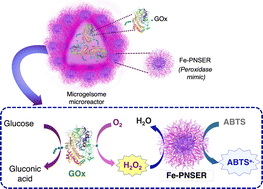
The Fe–MGC thereby adopts a multicompartmentalized architecture, where each Fe3O4-loaded microgel particle operates as an individual catalytic compartment, and the porous membrane encapsulates an enzyme-loaded aqueous lumen. This organization enables the spatial localization of distinct catalytic moieties within a single system, facilitating efficient multistep cascade reactions. As a proof-of-concept, a two-step chemoenzymatic reaction integrating magnetite nanoparticles and GOx was conducted.54,55 For this, the enzyme GOx was encapsulated within the lumen enclosed by the Fe–PNSER microgel membrane, thereby generating a GOx–Fe microgelsome microreactor (GOx–Fe MGC). Based on the above results, we then investigated the catalytic performance of GOx–Fe MGC in a one-pot reaction. To assess the efficiency of GOx-Fe MGC, a parallel experiment was carried out using GOx-HRP encapsulated within PNSER microgel-based microgelsomes (GOx-HRP MGC). The chemo-enzymatic and bienzymatic reaction in Fig. 8A shows GOx-mediated oxidative conversion of glucose to gluconic acid and hydrogen peroxide, while the latter was used by the HRP/Fe–PNSER microgel to oxidize the peroxidase substrate ABTS to ABTS+˙. The catalytic activity of both systems was investigated under similar pH conditions to compare and evaluate their efficiency. As observed from the results (Fig. 8B), under similar pH reaction conditions, the developed GOx–Fe MGC effectively drive the catalytic oxidation, exhibiting maximum activity at pH 3, producing a blue-green ABTS+˙ product at a two times higher rate compared to GOx–HRP MGC (Table S2, SI). The increased catalytic activity may be attributed to the higher loading efficiency of GOx in GOx–Fe MGC, which results in a high local concentration of hydrogen peroxide. This peroxide is subsequently utilized by the Fe–PNSER microgel, forming the microreactor membrane. In contrast, the lower activity observed in the GOx–HRP MGC can be ascribed to the reduced encapsulation efficiency of the individual enzymes GOx and HRP, due to their co-encapsulation within the same microcompartment. These findings highlight the exceptional versatility of our system in facilitating chemo-enzymatic cascade catalysis.
 |
| | Fig. 8 (A) Diagrammatic representation of the oxidation reactions catalysed by enzyme pairs (GOx–HRP) and the chemoenzymatic system (GOx–Fe–PNSER). (B) The catalytic activity of GOx–HRP MGC and GOx–Fe MGC recorded at different pH (pH 3–5) and (C) the activity of free GOx–HRP, GOx–HRP MGC, and GOx–Fe MGC measured at temperatures of 30 °C (below the LCST) and 40 °C (above the LCST) and pH 3. Error bars represent three replicates. | |
In addition, the incorporation of PNIPAM into the microgel imparted temperature responsiveness to the developed microreactor, leading to temperature-mediated membrane permeability. This property was exploited to design membrane-gated microreactors. To validate this feature, the catalytic activity of GOx–HRP in its free form, GOx–HRP MGC, and GOx–Fe MGC was investigated at 30 °C and 40 °C, temperatures below and above the LCST of Fe–PNSER microgels, respectively. As shown in Fig. 8(C), the activity of both enzymatic and chemo-enzymatic microreactors at 40 °C decreased to 6.1 ± 3.7% and 22.5 ± 2.9%, respectively, while the free enzymes continued to operate at both temperatures. In contrast, the activity of their free analogues, GOx–HRP, increased with temperature, showing 77.0 ± 11.8% at 30 °C and 84.43 ± 15.57% at 40 °C. The decrease in the activity of microreactors (GOx–HRP MGC and GOx–Fe MGC) at temperatures above the LCST can be ascribed to the thermally induced collapse of the microgel membrane, which increases the polymer network density and reduces water content, thereby hindering the continuous inward diffusion of reaction substrates (glucose, H2O2, and ABTS) into the microgelsome compartment. Although these substrates are low-molecular-weight species, the collapsed membrane limited their effective transport, resulting in suppressed chemo-enzymatic activity at elevated temperatures. In contrast, below the LCST, the microreactors exhibited a more hydrated and porous membrane structure, which facilitated substrate influx and promoted enhanced catalytic activity.
As illustrated in Fig. 9(A), the GOx–Fe MGC chemoenzymatic reactors exhibited considerable storage stability, retaining 21.2 ± 1.27% of their initial activity after storage at 15 °C in pH 3 for 7 h. In contrast, the free enzyme counterpart (GOx–HRP) lost nearly all its activity under the same conditions. This observation highlights the protective microenvironment effect of encapsulation within the Fe–MGC. Furthermore, the reusability study (Fig. 9(B)) revealed that the GOx–Fe MGC preserved 44.46 ± 4.04% of its initial activity after six consecutive catalytic cycles, indicating excellent operational stability and robust enzyme–matrix interactions that minimize enzyme leaching and deactivation over repeated use.
 |
| | Fig. 9 (A) Relative enzymatic activity of free GOx–HRP and GOx encapsulated within the Fe–MGC (GOx–Fe MGC) after storage at 15 °C for 7 h. (B) Reusability profile of GOx–Fe MGC over six consecutive catalytic cycles. Error bars indicate the standard deviation of triplicate measurements (n = 3). | |
4. Conclusions
In summary, we have established a robust Pickering emulsion-based interfacial strategy to fabricate multi-compartmental, porous, and soft microgelsomes that enable spatial segregation and modular integration of chemoenzymatic components within synthetic compartments. By localizing a natural enzyme (GOx) in the lumen and an inorganic nanozyme (Fe3O4) within the microgel membrane, this design facilitated efficient one-pot sequential reactions with enhanced catalytic performance. The GOx–Fe MGC system achieved nearly a two-fold increase in catalytic efficiency compared to both free (GOx–HRP) and compartmentalized (GOx–HRP MGC) counterparts, underscoring the advantages of compartmentalized catalysis. This modular coupling of nanozymes with natural enzymes not only broadens the catalytic repertoire but also improves operational stability by overcoming the intrinsic limitations of native enzymes, such as narrow pH tolerance and thermal sensitivity.50 The resulting platform combines structural complexity with functional integration, providing flexibility to incorporate both compatible and orthogonal catalytic functionalities. Taken together, these findings highlight the promise of hybrid catalytic systems that merge the robustness of nanozymes with the selectivity of enzymes to create next-generation synthetic protocells and artificial organelles. Owing to their tunability, permeability, and biocompatibility, microgel-based scaffolds hold considerable potential for applications in biocatalysis, industrial chemistry, drug delivery, biosensing, and environmental remediation.
Conflicts of interest
The authors declare no conflicts of interest.
Data availability
The data supporting this article have been included as part of the supplementary information (SI). Supplementary information is available. See DOI: https://doi.org/10.1039/d5sm01151e.
Acknowledgements
D. G. thanks the Ministry of Education, Government of India for the Prime Minister Research Fellowship. Funding support (file no. 5/3/8/69/2020-ITR) from the Indian Council of Medical Research, Government of India is gratefully acknowledged. The authors would also like to thank the Central Research facility, IIT Delhi.
References
- Y. Jia, S. Zhao, Q. Qu and L. Yang, Nano-channel confined biomimetic nanozyme/bioenzyme cascade reaction for long-lasting and intensive chemiluminescence, Biosens. Bioelectron., 2022, 202, 114020 CrossRef CAS PubMed.
- P. D. Patil, A. Karvekar, S. Salokhe, M. S. Tiwari and S. S. Nadar, When nanozymes meet enzyme: Unlocking the dual-activity potential of integrated biocomposites, Int. J. Biol. Macromol., 2024, 271, 132357 CrossRef CAS PubMed.
- Q. Wang, H. Wei, Z. Zhang, E. Wang and S. Dong, Nanozyme: An emerging alternative to natural enzyme for biosensing and immunoassay, TrAC, Trends Anal. Chem., 2018, 105, 218–224 CrossRef CAS.
- T. Liu, B. Xiao, F. Xiang, J. Tan, Z. Chen, X. Zhang, C. Wu, Z. Mao, G. Luo, X. Chen and J. Deng, Ultrasmall copper-based nanoparticles for reactive oxygen species scavenging and alleviation of inflammation related diseases, Nat. Commun., 2020, 11, 2788 CrossRef CAS PubMed.
- S. Ji, B. Jiang, H. Hao, Y. Chen, J. Dong, Y. Mao, Z. Zhang, R. Gao, W. Chen, R. Zhang, Q. Liang, H. Li, S. Liu, Y. Wang, Q. Zhang, L. Gu, D. Duan, M. Liang, D. Wang, X. Yan and Y. Li, Matching the kinetics of natural enzymes with a single-atom iron nanozyme, Nat. Catal., 2021, 4, 407–417 CrossRef CAS.
- Y. Zhang, Y. Jin, H. Cui, X. Yan and K. Fan, Nanozyme-based catalytic theranostics, RSC Adv., 2020, 10, 10–20 RSC.
- L. Gao and X. Yan, Nanozymes: an emerging field bridging nanotechnology and biology, Sci. China: Life Sci., 2016, 59, 400–402 CrossRef.
- X. Cai, L. Jiao, H. Yan, Y. Wu, W. Gu, D. Du, Y. Lin and C. Zhu, Nanozyme-involved biomimetic cascade catalysis for biomedical applications, Mater. Today, 2021, 44, 211–228 CrossRef CAS.
- S. Shi and T. P. Russell, Nanoparticle Assembly at Liquid–Liquid Interfaces: From the Nanoscale to Mesoscale, Adv. Mater., 2018, 30, 1800714 CrossRef PubMed.
- J.-P. Douliez, A. Perro and L. Béven, Stabilization of All-in-Water Emulsions To Form Capsules as Artificial Cells, ChemBioChem, 2019, 20, 2546–2552 CrossRef CAS PubMed.
- A. M. Bago Rodriguez and B. P. Binks, Capsules from Pickering emulsion templates, Curr. Opin. Colloid Interface Sci., 2019, 44, 107–129 CrossRef CAS.
- X. Xu, M. Zhou, T. Wu, Z. Chen and H. Yang, Pickering emulsion-based biomimetic microreactors, Mater. Chem. Front., 2025, 9, 1290–1311 RSC.
- Y. L. Khmelnitsky, R. Hilhorst, A. J. W. G. Visser and C. Veeger, Enzyme inactivation and protection during entrapment in reversed micelles, Eur. J. Biochem., 1993, 211, 73–77 CrossRef CAS PubMed.
- C. Wu, S. Bai, M. B. Ansorge-Schumacher and D. Wang, Nanoparticle Cages for Enzyme Catalysis in Organic Media, Adv. Mater., 2011, 23, 5694–5699 CrossRef CAS PubMed.
- A. M. B. Rodriguez and B. P. Binks, Catalysis in Pickering emulsions, Soft Matter, 2020, 16, 10221–10243 RSC.
- H. Yang, L. Fu, L. Wei, J. Liang and B. P. Binks, Compartmentalization of Incompatible Reagents within Pickering Emulsion Droplets for One-Pot Cascade Reactions, J. Am. Chem. Soc., 2015, 137, 1362–1371 CrossRef CAS PubMed.
- M. Zhang, R. Ettelaie, L. Dong, X. Li, T. Li, X. Zhang, B. P. Binks and H. Yang, Pickering emulsion droplet-based biomimetic microreactors for continuous flow cascade reactions, Nat. Commun., 2022, 13, 475 CrossRef CAS PubMed.
- M. Zhang, R. Ettelaie, T. Li, J. Yang, L. Dong, N. Xue, B. P. Binks, F. Cheng and H. Yang, Pickering emulsion droplets and solid microspheres acting synergistically for continuous-flow cascade reactions, Nat. Catal., 2024, 7, 295–306 CrossRef CAS.
- X. Yang, Y. Wang, R. Bai, H. Ma, W. Wang, H. Sun, Y. Dong, F. Qu, Q. Tang, T. Guo, B. P. Binks and T. Meng, Pickering emulsion-enhanced interfacial biocatalysis: tailored alginate microparticles act as particulate emulsifier and enzyme carrier, Green Chem., 2019, 21, 2229–2233 RSC.
- Z. Sun and C. Wu, Pickering Emulsions Biocatalysis: Recent Developments and Emerging Trends, Small, 2024, 20, 2402208 CrossRef CAS PubMed.
- X. Guan, H. Jiang, J. Lin and T. Ngai, Pickering emulsions: Microgels as alternative surfactants, Curr. Opin. Colloid Interface Sci., 2024, 73, 101827 CrossRef CAS.
- L. Peng, A. Feng, S. Liu, M. Huo, T. Fang, K. Wang, Y. Wei, X. Wang and J. Yuan, Electrochemical Stimulated Pickering Emulsion for Recycling of Enzyme in Biocatalysis, ACS Appl. Mater. Interfaces, 2016, 8, 29203–29207 CrossRef CAS.
- S. Wiese, A. C. Spiess and W. Richtering, Microgel-Stabilized Smart Emulsions for Biocatalysis, Angew. Chem., Int. Ed., 2013, 52, 576–579 CrossRef CAS.
- H. Jiang, S. Zhang, G. Sun, Y. Li, X. Guan, C. Yang and T. Ngai, Engineering hybrid microgels as particulate emulsifiers for reversible Pickering emulsions, Chem. Sci., 2022, 13, 39–43 RSC.
- M. E. Allen, J. W. Hindley, R. V. Law, O. Ces and Y. Elani, Microfluidic Production of Spatially Structured Biomimetic Microgels as Compartmentalized Artificial Cells, Small Sci., 2025, 5, 2400320 CrossRef CAS PubMed.
- X. Guan, Y. Liu, L. Li, M.-H. Kwok, M. Ding, H. Jiang and T. Ngai, Dynamic Assembly of Microgels and Polymers at Non-Aqueous Liquid/Liquid Interfaces, Adv. Sci., 2025, 12, 2415642 CrossRef CAS PubMed.
- X. Guan, Y. Liu, Z. Wan, Y.-L. Steve Tse and T. Ngai, Non-covalent reconfigurable microgel colloidosomes with a well-defined bilayer shell, Chem. Sci., 2022, 13, 6205–6216 RSC.
- D. Gaur, N. C. Dubey and B. P. Tripathi, Designing Configurable Soft Microgelsomes as a Smart Biomimetic Protocell, Biomacromolecules, 2024, 25, 1108–1118 CrossRef CAS PubMed.
- L. Lei, Q. Zhang, S. Shi and S. Zhu, Breathable Microgel Colloidosome: Gas-Switchable Microcapsules with O2 and CO2 Tunable Shell Permeability for Hierarchical Size-Selective Control Release, Langmuir, 2017, 33, 6108–6115 CrossRef CAS PubMed.
- Y. Lu, Y. Mei, M. Drechsler and M. Ballauff, Thermosensitive Core–Shell Particles as Carriers for Ag Nanoparticles: Modulating the Catalytic Activity by a Phase Transition in Networks, Angew. Chem., Int. Ed., 2006, 45, 813–816 CrossRef CAS PubMed.
- C. D. Sorrell, M. C. D. Carter and M. J. Serpe, Color Tunable Poly (N-Isopropylacrylamide)-co-Acrylic Acid Microgel–Au Hybrid Assemblies, Adv. Funct. Mater., 2011, 21, 425–433 CrossRef CAS.
- D. Gaur, W. Khanam, N. C. Dubey and B. P. Tripathi, Microgel-engineered temperature-responsive microcapsules at liquid interfaces for sequential biocatalytic reactions, Green Chem., 2025, 27, 7551–7563 RSC.
- S. Nagaoka, A. Shundo, T. Satoh, K. Nagira, R. Kishi, K. Ueno, K. Iio and H. Ihara, Method for a Convenient and Efficient Synthesis of Amino Acid Acrylic Monomers with Zwitterionic Structure, Synth. Commun., 2005, 35, 2529–2534 CrossRef CAS.
- S. K. Suh, K. Yuet, D. K. Hwang, K. W. Bong, P. S. Doyle and T. A. Hatton, Synthesis of Nonspherical Superparamagnetic Particles: In Situ Coprecipitation of Magnetic Nanoparticles in Microgels Prepared by Stop-Flow Lithography, J. Am. Chem. Soc., 2012, 134, 7337–7343 CrossRef CAS PubMed.
- L. Gao, J. Zhuang, L. Nie, J. Zhang, Y. Zhang, N. Gu, T. Wang, J. Feng, D. Yang, S. Perrett and X. Yan, Intrinsic peroxidase-like activity of ferromagnetic nanoparticles, Nat. Nanotechnol., 2007, 2, 577–583 CrossRef CAS.
- Z. Wang, R. Zhang, X. Yan and K. Fan, Structure and activity of nanozymes: Inspirations for de novo design of nanozymes, Mater. Today, 2020, 41, 81–119 CrossRef CAS.
-
J. E. Noble, Chapter Two – Quantification of Protein Concentration Using UV Absorbance and Coomassie Dyes, in Methods in Enzymology, ed. Lorsch, J., Academic Press, 2014, vol. 536, pp. 17–26 Search PubMed.
- X. Huang, M. Li, D. C. Green, D. S. Williams, A. J. Patil and S. Mann, Interfacial assembly of protein–polymer nano-conjugates into stimulus-responsive biomimetic protocells, Nat. Commun., 2013, 4, 2239 CrossRef.
- S. Maity, D. Gaur, B. Mishra, N. C. Dubey and B. P. Tripathi, Bactericidal and biocatalytic temperature responsive microgel based self-cleaning membranes for water purification, J. Colloid Interface Sci., 2023, 642, 129–144 CrossRef CAS.
- B. Wedel, T. Brändel, J. Bookhold and T. Hellweg, Role of Anionic Surfactants in the Synthesis of Smart Microgels Based on Different Acrylamides, ACS Omega, 2017, 2, 84–90 CrossRef CAS PubMed.
- B. Sierra-Martin, J. R. Retama, M. Laurenti, A. Fernández Barbero and E. López Cabarcos, Structure and polymer dynamics within PNIPAM-based microgel particles, Adv. Colloid Interface Sci., 2014, 205, 113–123 CrossRef CAS PubMed.
- M. M. Schmidt, S. Bochenek, A. A. Gavrilov, I. I. Potemkin and W. Richtering, Influence of Charges on the Behavior of Polyelectrolyte Microgels Confined to Oil–Water Interfaces, Langmuir, 2020, 36, 11079–11093 CrossRef CAS PubMed.
- X. Qi, L. Xiong, J. Peng and D. Tang, Near infrared laser-controlled drug release of thermoresponsive microgel encapsulated with Fe3O4 nanoparticles, RSC Adv., 2017, 7, 19604–19610 RSC.
- Zusfahair, D. R. Ningsih, D. Kartika, M. Kurniasih, R. Nofiani and A. Fatoni, Improved reuse and affinity of enzyme using immobilized amylase on alginate matrix, J. Phys.: Conf. Ser., 2020, 1494, 012028 CrossRef CAS.
- E. Mansfield, K. M. Tyner, C. M. Poling and J. L. Blacklock, Determination of Nanoparticle Surface Coatings and Nanoparticle Purity Using Microscale Thermogravimetric Analysis, Anal. Chem., 2014, 86, 1478–1484 CrossRef CAS.
-
K. Kobayashi, Serine, in Encyclopedia of Astrobiology, ed. Amils, R., Gargaud, M., Cernicharo Quintanilla, J., Cleaves, H. J., Irvine, W. M., Pinti, D. and Viso, M., Springer Berlin Heidelberg, Berlin, Heidelberg, 2014, pp. 1–2 Search PubMed.
- S. Stock and R. von Klitzing, Microgels at droplet interfaces of water-in-oil emulsions—challenges and progress, Curr. Opin. Colloid Interface Sci., 2022, 58, 101561 CrossRef CAS.
-
R. Zhang, H. Zhao and K. Fan, Structure-Activity Mechanism of Iron Oxide Nanozymes, in Nanozymes: Design, Synthesis, and Applications, American Chemical Society, 2022, vol. 1422, pp. 1–35 Search PubMed.
- M. Chen, Z. Wang, J. Shu, X. Jiang, W. Wang, Z.-H. Shi and Y.-W. Lin, Mimicking a Natural Enzyme System: Cytochrome c Oxidase-Like Activity of Cu2O Nanoparticles by Receiving Electrons from Cytochrome c, Inorg. Chem., 2017, 56, 9400–9403 CrossRef CAS PubMed.
- S. Shahraki, E. Vaziri, A. A. Saboury and K. Fan, Biomedical potential of nanozymes: Harnessing redox enzyme mimicry for theranostic applications, Coord. Chem. Rev., 2024, 517, 215937 CrossRef CAS.
- A. A. P. Mansur, H. S. Mansur and S. M. Carvalho, Engineered hybrid nanozyme catalyst cascade based on polysaccharide-enzyme-magnetic iron oxide nanostructures for potential application in cancer therapy, Catal. Today, 2022, 388–389, 187–198 CrossRef CAS.
- N. V. S. Vallabani, A. Vinu, S. Singh and A. Karakoti, Tuning the ATP-triggered pro-oxidant activity of iron oxide-based nanozyme towards an efficient antibacterial strategy, J. Colloid Interface Sci., 2020, 567, 154–164 CrossRef CAS.
- L. S. Bondarenko, E. S. Kovel, K. A. Kydralieva, G. I. Dzhardimalieva, E. Illés, E. Tombácz, A. G. Kicheeva and N. S. Kudryasheva, Effects of Modified Magnetite Nanoparticles on Bacterial Cells and Enzyme Reactions, Nanomaterials, 2020, 10(8), 1499 CrossRef CAS PubMed.
- L. M. Rossi, A. D. Quach and Z. Rosenzweig, Glucose oxidase–magnetite nanoparticle bioconjugate for glucose sensing, Anal. Bioanal. Chem., 2004, 380, 606–613 CrossRef CAS PubMed.
- M. del Barrio, M. Moros, S. Puertas, J. M. de la Fuente, V. Grazú, V. Cebolla, S. de Marcos and J. Galbán, Glucose oxidase immobilized on magnetic nanoparticles: Nanobiosensors for fluorescent glucose monitoring, Microchim. Acta, 2017, 184, 1325–1333 CrossRef CAS.
|
| This journal is © The Royal Society of Chemistry 2026 |
Click here to see how this site uses Cookies. View our privacy policy here.