Porous porphyrin-based photocatalysts: recent progress and applications in environmental remediation

Ting Han *a, Sicheng Wang ab, Gustavo A. Salazar a and Manal Rawashdeh-Omary a
aDivision of Chemistry and Biochemistry, Texas Woman's University, Denton, Texas 76204, USA. E-mail: than1@twu.edu
bDepartment of Chemistry, University of North Texas, 1155 Union Circle, #305070, Denton, TX 76203-5017, USA

Received 10th September 2025 , Accepted 6th November 2025

First published on 6th November 2025


Abstract

Environmental pollution from organic contaminants poses a significant threat to ecosystems and human health, which require innovative and efficient remediation strategies. Porphyrin-based materials, renowned for their excellent photochemical properties, have emerged as promising photocatalysts for degrading organic pollutants under light irradiation. Introducing porosity into these porphyrin systems further enhances their catalytic performance by improving pollutant adsorption, increasing surface area, and facilitating efficient light utilization. This review highlights recent progress in the design, synthesis, and functionalization of porous porphyrin-based photocatalysts, including metal–organic frameworks (MOFs), covalent organic frameworks (COFs), hydrogen-bonded organic frameworks (HOFs) and porous organic polymers (POPs). Particular attention is given to their applications in environmental remediation, such as the degradation of pharmaceuticals, pesticides, dyes, and industrial wastes. The underlying photocatalytic mechanisms, performance metrics, and real-world applicability are discussed in detail. Finally, the prospects and challenges of porous porphyrin-based materials for photocatalysis are also discussed.

Introduction

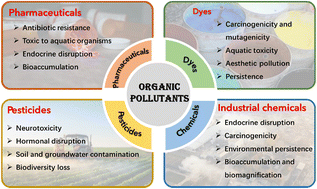
The rapid pace of industrialization and urbanization has led to the extensive discharge of organic pollutants into the environment.1–5 These contaminants include pharmaceutical residues6–8 (e.g., diclofenac sodium, ciprofloxacin, tetracycline and ranitidine), synthetic dyes9–11 (such as rhodamine B, rose bengal, erythrosine B, and methylene blue), pesticides12–14 (such as organophosphorus pesticides, nitenpyram, and 2,4-dichlorophenoxyacetic acid), and various industrial chemicals15–17 (e.g., bisphenol A (BPA), bisphenol F and polychlorinated biphenyls) (Fig. 1). Their persistence and toxicity pose serious threats to ecosystems and human health.17–24 Conventional remediation techniques—such as chemical oxidation,25,26 physical adsorption,27–29 and biological treatment30–32—often fall short in effectively eliminating these complex pollutants. As a result, there is an urgent need for innovative, efficient, and sustainable technologies to address this escalating environmental challenge.33,34
image file: d5qm00676g-f1.tif
Fig. 1 Overview of major organic pollutants and their environmental and health impacts.

Photocatalysis, which utilizes solar or artificial light to drive chemical reactions for pollutant degradation, has emerged as a highly promising solution.35–39 It enables the mineralization of harmful organic compounds into benign end-products such as CO2 and H2O under mild conditions.40,41 Among the various photocatalytic materials investigated, porphyrin-based compounds have attracted considerable attention due to their exceptional photophysical and photochemical properties, which make them highly suitable for light-driven applications.42–45 As naturally inspired macrocyclic molecules composed of four pyrrole rings linked via methine bridges, porphyrins possess a highly conjugated π-system that enables strong absorption in the visible region, particularly within the Soret and Q bands.46–48 This extensive light-harvesting ability, combined with their high redox activity and photostability, allows porphyrins to undergo efficient photoinduced electron transfer processes and sustain multiple catalytic cycles without significant degradation. Moreover, their structural versatility permits easy modification through peripheral substitution or central metal coordination, enabling fine-tuning of their electronic properties and photocatalytic behaviour. These features collectively position porphyrins as promising candidates in the design of next-generation photocatalysts for environmental remediation and energy-related applications.49–51 As shown in Fig. 2, building on the unique photophysical properties of porphyrins, their function as photocatalysts begins with the absorption of photons (hv) possessing energy greater than their band gap energy (Eg). This operation generates a charge separation due to the transfer of an electron from the VB (valence band) to the CB (conduction band), thus generating a pair of reactive species (h+ in the VB and e in the CB). A photocatalytic reaction proceeds if the recombination of hole pairs is delayed. This is because excited electrons react with the dye molecule to create a reduced product, and excited holes react with O2 (the electron acceptor) dissolved in an aqueous solution and reduce it to a superoxide radical anion (O2˙). On the other hand, the excited holes can react with OH or water and oxidize them into hydroxyl radicals (˙OH).52,53 Other highly oxidizing materials, such as peroxide radicals, may also be produced during photodecomposition.54,55 The O2˙ is oxidized by the hole in the photocatalyst and partially becomes a singlet oxygen molecule (1O2). The resulting ROS are strong oxidizing agents that can mineralize pollutants into less toxic molecules.56–58


image file: d5qm00676g-f2.tif
Fig. 2 Schematic showing the photocatalytic mechanism of porous porphyrin-based materials.

Despite their inherent advantages, traditional porphyrin photocatalysts often suffer from limitations including low surface area, poor pollutant adsorption, and limited charge separation efficiency. To address these challenges, significant efforts have been devoted to integrating porphyrin moieties into porous materials, thereby enhancing their photocatalytic potential. In this context, porous architectures such as metal–organic frameworks (MOFs), covalent organic frameworks (COFs), hydrogen-bonded organic frameworks (HOFs), and porous organic polymers (POPs) have emerged as highly promising platforms (Fig. 3). These materials not only provide large surface areas and tunable porosity but also facilitate efficient light harvesting, improved mass transport, and effective electron–hole separation.59–61


image file: d5qm00676g-f3.tif
Fig. 3 Schematic diagram of porphyrin-based porous materials.

The incorporation of porphyrins into these frameworks enables synergistic enhancements in photocatalytic performance. For instance, MOFs and COFs allow for the rational design of pore environments and active sites through modular synthesis.62–64 Meanwhile, HOFs and POPs offer superior chemical and thermal stability, as well as ease of recyclability, which is crucial for sustainable environmental applications.65,66 Through optimized structural design and functionalization, these hybrid materials exhibit remarkable activity in the degradation of diverse classes of pollutants, offering real-world potential for water purification and environmental remediation.67,68

Recently, numerous reviews have documented the advancements in porphyrin-based materials, particularly in the context of energy-related applications such as photovoltaics, sensing, and photocatalytic hydrogen production.56,69–76 However, a comprehensive understanding of the relationship between the structure of porphyrin-based porous materials and their photocatalytic performance in environmental applications—especially in water treatment—remains insufficiently explored. Furthermore, comparative analyses across different classes of porous architectures, including MOFs, COFs, HOFs, and POPs, are still limited, hindering the rational design of next generation photocatalysts.77,78

The aim of this review is to evaluate the recent developments in porous porphyrin-based materials, elucidate the correlations between their structural features and photocatalytic activity, and assess their practical applicability in environmental remediation, particularly for the degradation of persistent organic pollutants. Special attention is given to the design principles, synthetic strategies, and functionalization approaches that enhance their light-harvesting capabilities, stability, and reactive species generation. By providing a unified perspective on both fundamental material design and application-driven performance, this review seeks to bridge the current gap between material innovation and real-world environmental challenges. It also highlights key bottlenecks and future directions to guide researchers in the development of more efficient, stable, and scalable porphyrin-based porous photocatalysts for water purification and related applications (Tables 1–3).

Table 1 Summary of porphyrin-based MOF photocatalysts for pollutant degradation, showing ligands, active species, and efficiencies
Target pollutant(s) Photocatalyst Porphyrin linkers Metal nodes Co-catalyst/sensitizer Light source Key active species Efficiency (%) & time Year Ref.
BPA PCN-222 image file: d5qm00676g-u1.tif Zr 300 W Xe 1O2 99.9 in 20 min 2017 79
RND TCPP@PCN-777 image file: d5qm00676g-u2.tif Zr PCN-777 500 W Xe 1O2 >99 in 1 h 2023 80
RhB, EB andRB PCN-222(Fe) image file: d5qm00676g-u3.tif Zr Fe3O4@SiO2 500 W halogen ˙O2 RhB (92), EB (99), RB (98) in 1 h 2021 81
CIP Fe-TCPP image file: d5qm00676g-u4.tif Fe 500 W Xe ˙OH 100 2022 82
RhB UiO-66 MOF image file: d5qm00676g-u5.tif Zr UiO-66 800 W Xe ˙OH 100 in 1 h 2019 83
RhB and TC Cu-TCPP MOF image file: d5qm00676g-u6.tif Cu 300 W Xe ˙O2 RhB (81.2), TC (86.3) 2020 84
BPF PCN-223 image file: d5qm00676g-u7.tif Zr 500 W Xe ˙O2, 1O2 78 in 30 mins 2022 85
NIT, THI, IPU, and ATZ FMOF image file: d5qm00676g-u8.tif Zr Laser irradiation h+, 1O2, ˙OH NIT (95), THI (82.3), IPU (67.4), ATZ (76.2) 2020 86
CIP and TC PCN-224 image file: d5qm00676g-u9.tif Zr 500 W Xe 1O2 CIP (84), TC (92) in 1 h 2021 87
RhB and TC PCN-222 image file: d5qm00676g-u10.tif Zr Nitrogen-doped CDs 300 W UV lamp 1O2, ˙OH, ˙O2, h+ RhB (100), TC (90.93) in 20 mins 2021 88
MB PCN-224 image file: d5qm00676g-u11.tif Zr Polyvinyl dene fluoride 300 W Xe 1O2 95.6 in 1 h 2021 89
MO, MB, CV, and RhB 2DZnTCPP image file: d5qm00676g-u12.tif Zn 300 W Xe ROS MO (92), MB (99), RhB (98), CV (97) 2022 90
MO and MB Fe–La image file: d5qm00676g-u13.tif La 200 W Hg lamp ROS MO (55), MB (93) 2023 91
MB and RhB AlPMOF(M) image file: d5qm00676g-u14.tif Al 50 W white LED ˙OH, ˙O2 MB (98), RhB(96) in 1 h 2024 92
Atrazine Fe-PCN-134 image file: d5qm00676g-u15.tif Zr Zr-BTB 300 W xenon lamp ROS 99.41 in 80 min 2024 93
Rh6G UDS-2 image file: d5qm00676g-u16.tif Zn 520 nm LED 1O2 61 in 3 h 2025 94


Table 2 Summary of porphyrin-based COF, HOF and POP photocatalysts for pollutant degradation, showing ligands, active species, and efficiencies
Target pollution Photocatalyst Porphyrin Linker Light source Active species Efficiency (%) & time Ref. Year
CR UPC-CMP-1 image file: d5qm00676g-u17.tif image file: d5qm00676g-u18.tif Visible light ˙OH, h+, and ˙O2− 88.3% 111 2016
RhB CuPor-Ph- COF/g-C3N4 image file: d5qm00676g-u19.tif image file: d5qm00676g-u20.tif 300 W Xe ROS 86% in 15 min 108 2019
OPs COF-366 image file: d5qm00676g-u21.tif image file: d5qm00676g-u22.tif LED-light 1O2 >97% in 1 h 110 2023
RhB CuTB-CO/CuTP-COF image file: d5qm00676g-u23.tif image file: d5qm00676g-u24.tif Visible light 1O2 98.70% in 1 h 112 2025
RhB TAPP-TFPB-COF image file: d5qm00676g-u25.tif image file: d5qm00676g-u26.tif Visible light ROS >95.6% in 3 h 113 2025
RhB COF-H/HMTBD image file: d5qm00676g-u27.tif image file: d5qm00676g-u28.tif 300 W Xe ˙O2/˙OH 90% in 3 h 114 2022
9,10-Diphenylanthracene TCPP-2 image file: d5qm00676g-u29.tif LED-light Not mentioned 99% in 1.5 h 115 2019
SDZ PFC-72/TiO2 image file: d5qm00676g-u30.tif Xe 1O2 93.73% in 2 h 116 2025
MB Por-CMPs image file: d5qm00676g-u31.tif image file: d5qm00676g-u32.tif 300 W Xe ˙O2/˙OH 98% in 1.5 h 117 2024
TC Por-BT-1 image file: d5qm00676g-u33.tif image file: d5qm00676g-u34.tif 300 W Xe ROS 84% in 40 min 100 2025
BPA Por-BT-2 Same as above Same as above 300 W Xe ROS 98% in 30 min 100 2025
MB TCPP/TiO2 thin film image file: d5qm00676g-u35.tif TCPP-sensitized TiO2 thin film Visible light ROS 49% for 5 h 118 2019
MB Por-PD-COF image file: d5qm00676g-u36.tif image file: d5qm00676g-u37.tif 300 W Xe ˙O2/˙OH MB (98%) for 3 h 119 2023
BPA 2,4-D COPs image file: d5qm00676g-u38.tif image file: d5qm00676g-u39.tif 300 W Xe ROS 99% for 30 min 120 2024
MB, MO, and TC CuPT-CPP image file: d5qm00676g-u40.tif image file: d5qm00676g-u41.tif Visible light ˙O2/˙OH/1O2 100% in 3 h 121 2024


Table 3 Comparison on the relative advantages and limitations of MOFs, COFs, HOFs, and POPs for photocatalytic applications
Material class Key advantages Limitations Active species
MOFs Highly crystalline; tunable metal nodes and organic linkers; well-defined active sites; good porphyrin incorporation Hydrolytic instability in water; sometimes limited thermal stability; scale-up challenges Mechanistic studies, tunable ROS generation, and selective degradation pathways
COFs Robust covalent bonds; long-range order; efficient charge transport; high surface area Harsh synthesis conditions; difficult scalability; some frameworks show poor water dispersibility Visible-light-driven pollutant degradation with efficient charge separation
HOFs Simple, mild synthesis; metal-free; structural flexibility; biocompatibility Stability issues due to weak hydrogen-bonding; relatively young field with fewer examples Emerging candidates for aqueous photocatalysis with tunable porosity
POPs Exceptional thermal/chemical stability; scalable synthesis; modular design; versatile functionalization Amorphous nature complicates structure–property analysis; sometimes less predictable porosity Robust photocatalysts with high pollutant affinity and operational durability


Through this effort, we hope to inspire further interdisciplinary research aimed at unlocking the full potential of these promising materials in sustainable pollution control technologies.

Porphyrin-based metal–organic frameworks

Since the pioneering work of Yaghi and his team in the 1990s, metal–organic frameworks (MOFs) have garnered considerable interest due to their unique structural features and broad applicability.95–97 These porous crystalline materials are constructed from metal ions or clusters coordinated to organic ligands, offering exceptionally high surface areas, tunable pore sizes, and outstanding chemical versatility.98,99 Among the various ligands explored for MOF construction, porphyrins and their derivatives stand out as particularly attractive building blocks for photocatalytic applications. Their strong light-harvesting capabilities, excellent photophysical and redox properties, and ease of structural modification make porphyrins ideally suited for integration into MOF architectures. When incorporated into MOFs, porphyrin units confer additional functionality, yielding porphyrin-based MOFs (P-MOFs) that combine the advantages of both components: the tunable, porous nature of MOFs and the efficient photoactivity of porphyrins. The resulting materials exhibit enhanced catalytic performance, particularly in light-driven degradation reactions. Thanks to their uniform open cavities and high surface accessibility, P-MOFs can act as multifunctional photocatalysts capable of generating reactive oxygen species under light irradiation, thereby enabling the efficient degradation of various organic pollutants.85,90,93 Notably, P-MOFs have demonstrated excellent photocatalytic activity against common dye contaminants such as rhodamine B (RhB) methyl blue (MB), methyl orange (MO) etc., highlighting their potential in environmental remediation.80–91,100–102

One of the earliest demonstrations of porphyrin-based MOFs for water treatment was reported by Meng et al., who employed PCN-222, a Zr-porphyrin framework, for the adsorption and visible-light-driven degradation of bisphenol A (BPA).79 PCN-222 combined high adsorption capacity with remarkable photocatalytic activity, achieving complete BPA removal within 20 minutes under light irradiation. This pioneering work highlighted the dual roles of porphyrin MOFs as both adsorbents and photocatalysts, establishing a benchmark for environmental remediation applications. Building on such foundational studies, Tang and co-workers developed a porphyrin-based two-dimensional layered MOF, 2DZnTCPP, which was designed for efficient photo- and sono-catalytic water treatment, targeting both organic dyes and bacterial contaminants.90 Constructed from Zn clusters and TCPP ligands, the MOF features a high surface area (854.4 m2 g−1), 55% porosity, and abundant exposed Zn sites that enhance catalytic activity. The Zn species promote intersystem crossing (ISC) via increased spin–orbit coupling, enabling efficient singlet oxygen (1O2) generation, while the 2D structure reduces self-quenching from π–π stacking (Fig. 4). Additionally, ligand-to-metal charge transfer (LMCT) modulates the energy band structure facilitating hydroxyl radical (˙OH) production through water splitting at Zn sites. As a result, 2DZnTCPP demonstrated excellent photocatalytic and sonocatalytic performance, completely degrading various organic dyes within 10 minutes and achieving over 99.99999% bactericidal efficiency within 30 minutes, all without the need for external oxidants like O3 or H2O2. This study presents a strategy for designing and synthesizing MOF-based photocatalysts aimed at purifying and treating textile wastewater, with a focus on developing a more efficient, rapid, and environmentally friendly catalytic system.


image file: d5qm00676g-f4.tif
Fig. 4 Schematic diagram of 2DZnTcpp for sono-/photo-catalytic water decontamination. Reprinted with permission.90 Copyright (2022) of American Chemical Society.

Wang and co-workers developed a porphyrin-based MOF system demonstrating enhanced degradation of bisphenol F (BPF) under visible light, even under high salinity conditions in 2023.85 The MOF exhibited excellent photocatalytic performance, attributed to its robust porphyrin ligand structure and porous framework, facilitating effective adsorption and activation of BPF molecules. Under visible light irradiation, the system rapidly generated singlet oxygen 1O2 and other reactive oxygen species responsible for efficient BPF degradation (Fig. 5). Remarkably, high salt concentrations typically inhibitory to photocatalysis instead enhanced degradation rates, highlighting the MOF's unique tolerance and adaptability to saline environments. Mechanistic investigations confirmed that 1O2 played a dominant role, supported by control experiments with scavengers. The material also showed good stability and recyclability, emphasizing its potential for practical water treatment applications in saline wastewater and marine environments.


image file: d5qm00676g-f5.tif
Fig. 5 EPR spectra in the PCN-223/visible-light system with/without three coexisting anions (Cl, SO42− and NO3) using (a) DMPO for O2, (b) TEMP for 1O2, and (c) DMPO for ˙OH, (d) the concentrations of anions with/without catalysts, and (e) proposed mechanism of enhanced photo-induced ˙OH generation under high salinity conditions. Reprinted with permission.85 (Copyright (2022) of Elsevier).

In 2025, Harvey and co-workers developed a porphyrin-based three-dimensional interpenetrated MOF, UDS-2 (3D-[Zn2(TPyP)(NO2)2]n) (Fig. 6), as a highly efficient photosensitizer for singlet oxygen (1O2) generation and photocatalytic water treatment.94 Constructed from Zn(NO2)2 nodes and 5,10,15,20-tetrapyridylporphyrin zinc(II) (ZnTPyP) ligands, UDS-2 exhibits distinct zinc coordination environments—square pyramidal and quasi-octahedral—that contribute to its unique electronic structure. The MOF shows a low-energy charge transfer (CT) transition and enhanced energy transfer efficiency via singlet–singlet and triplet–triplet mechanisms, enabling strong 1O2 production in both solid and aqueous phases. Its structure supports rapid exciton migration, minimizing energy losses and surpassing benchmark porphyrin-based MOFs such as PCN-222 and PCN-224 in photosensitization performance. UDS-2 demonstrated remarkable photocatalytic degradation of rhodamine 6G under visible light. This work highlights a multifunctional MOF platform with superior photodynamic properties for sustainable water purification and environmental remediation.


image file: d5qm00676g-f6.tif
Fig. 6 Schematic diagram of Zn–porphyrin MOFs for photocatalytic water decontamination. Reprinted with permission.94 Copyright (2025) of the American Chemical Society.

Wu and researchers synthesized and characterized Fe-PCN-134, a mixed-linker metalloporphyrin metal–organic framework (MOF), designed for the efficient degradation of atrazine, a persistent herbicide, via a visible-light-driven photo-Fenton reaction in 2022.93 The MOF incorporated both Fe centers and porphyrin ligands, enabling dual functionality as a photocatalyst and a Fenton reagent. Under visible light, Fe-PCN-134 generated hydroxyl radicals (˙OH) and singlet oxygen (1O2), leading to rapid and effective degradation of atrazine. The incorporation of mixed linkers enhanced light absorption and electronic transfer, improving catalytic efficiency (Fig. 7). Mechanistic studies, including radical scavenging experiments and spectroscopic analyses, confirmed the involvement of both ˙OH and 1O2 species. The material maintained high activity over multiple cycles and showed robust structural stability. Additionally, environmental evaluations demonstrated low Fe leaching and good performance across a wide pH range, highlighting Fe-PCN-134's potential for sustainable and practical application in the removal of organic micropollutants from contaminated water.


image file: d5qm00676g-f7.tif
Fig. 7 Illustration of how the Zr-BTB/Fe-TCPP(Cl) photocatalyst uses sunlight to break down pollutants in water into harmless substances. The process is safe for plants and human cells. Reprinted with permission.93 (Copyright (2024) of Elsevier).

Another work from Nguyen and co-workers in 2024 developed a series of porphyrinic aluminum-based metal–organic frameworks (AlPMOF(M)) metalated with Cu2+ and Co2+ ions for efficient photodegradation of organic dyes under visible light.92 Synthesized via a solvothermal method, these MOFs exhibited strong photoabsorption in the visible region, high stability, and suitable band gaps for photocatalysis (Fig. 8). Among them, the Cu-metallated AlPMOF showed outstanding performance, achieving 98% degradation of methylene blue and 96% of rhodamine B within 300 minutes at high dye concentrations (100 mg L−1). This high activity was attributed to enhanced charge separation and reactive oxygen species generation, facilitated by the Cu-porphyrin centers. The material demonstrated excellent reusability over seven cycles without significant loss in performance. Mechanistic studies using UHPLC-MS and DFT calculations revealed detailed degradation pathways and confirmed the formation of oxidative intermediates, highlighting AlPMOF(Cu) as a promising and stable photocatalyst for wastewater treatment applications.


image file: d5qm00676g-f8.tif
Fig. 8 The plausible photodegradation mechanism of organic dyes over AlPMOF(Cu). Reprinted with permission.92 (Copyright (2024) of Elsevier).

Porphyrin-based covalent organic frameworks

First reported by Yaghi and co-workers in 2005, COFs are a class of crystalline, porous materials constructed from light elements (C, H, N, O, and B) through strong covalent bonds.103,104 Unlike MOFs, which incorporate metal nodes, COFs exhibit superior thermal and chemical stability, particularly in aqueous or harsh environments where many MOFs are prone to degradation.105 Porphyrin-based COFs leverage the extended π-conjugation and strong light-harvesting capabilities of porphyrins, enabling efficient visible-light-driven photocatalysis and improved charge separation.106–109 Their highly tunable structures allow for precise design of pore size and functionality, offering enhanced selectivity toward specific pollutants in complex mixtures. Although MOFs often display higher crystallinity and synthetic versatility due to the diversity of metal–ligand combinations, COFs—especially porphyrin-functionalized ones—provide a promising metal-free alternative for long-term, stable, and efficient environmental remediation.112–114,118

The application of porphyrin COFs for the degradation of organic pollutants was first demonstrated in 2019. In this pioneering study, Hou et al. synthesized a g-C3N4-based 2D/2D heterojunction photocatalyst using a composite of the Cu-porphyrin COF (CuPor-Ph-COF) and g-C3N4 for RhB degradation under photocatalytic conditions at λ ≥ 420 nm.108 The 2D COF/g-C3N4 heterojunction showed improved photodegradation of RhB (up to 86%), higher than parent components, g-C3N4 and CuPor-Ph-COP with percentage degradation of 23 and 36%, respectively. The improved catalytic activity of the heterojunction hybrid was aided by synergistic interaction between the COF and g-C3N4, facilitating photo-induced electron transfer from the porphyrinoid COF to g-C3N4 producing free superoxide radicals.

In 2023, Karimi and co-workers developed a sulfur-functionalized porphyrin-based covalent organic framework (COF), termed PS@COF, as a novel metal-free dual-functional photocatalyst for the degradation of organophosphorus pesticides under visible-LED light.110 Synthesized via post-modification of COF-366 with elemental sulfur under solvent-free conditions, the resulting material combined porphyrin's strong visible-light absorption with sulfur's nucleophilic catalytic activity. PS@COF achieved excellent degradation efficiency (>97%) of diazinon and parathion within 60 minutes at pH 5.5, even at concentrations up to 50 mg L−1. Kinetic analysis followed a pseudo-second-order model, and mechanistic insights from GC–MS and TOC analysis revealed effective detoxification pathways. Importantly, PS@COF maintained its structural integrity and catalytic performance over six reuse cycles. This study presents a sustainable, metal-free strategy for pesticide degradation, leveraging visible-light energy and offering promising applications in water purification (Fig. 9).


image file: d5qm00676g-f9.tif
Fig. 9 The suggested mechanism for the photocatalytic degradation process over PS@COF; and related photocatalytic equations. Reprinted with permission.110 (Copyright (2023) of Elsevier).

In 2023, Wu et al. reported the design and synthesis of a dual-functional porphyrin-based covalent organic framework (Por-PD-COF) with excellent selective adsorption and photocatalytic properties.119 Constructed through a condensation reaction between meso-tetrakis(p-carboxyphenyl)porphyrin (TCPP) and para-phenylenediamine (PD), the 2D COF featured amide linkages, high surface area, abundant active sites, and narrow bandgap (1.02 eV). Por-PD-COF demonstrated selective and high-capacity adsorption of methylene blue (MB) over other dyes like rhodamine B (RhB) and methyl orange (MO), attributed to its unique pore size and charge selectivity. Notably, in competitive systems, MB could replace pre-adsorbed MO, highlighting its superior affinity. Beyond adsorption, Por-PD-COF also showed excellent photocatalytic degradation of MB under visible light (99% removal in 180 minutes) and retained performance after four reuse cycles. This work presents Por-PD-COF as a promising, reusable material for targeted organic dye removal and environmental purification (Fig. 10).


image file: d5qm00676g-f10.tif
Fig. 10 (a) Synthesis of Por-PD-COF by the condensation reaction between TCPP and PD; (b) dual functions of Por-PD-COF including MB selective absorption in the mixtures, and photocatalytic activity under visible light irradiation. Reprinted with permission.119 (Copyright (2023) of Elsevier).

Porphyrin-based hydrogen-bonded organic frameworks

Compared to covalent organic frameworks (COFs) and metal–organic frameworks (MOFs), hydrogen-bonded organic frameworks (HOFs) represent a newer and distinct class of porous crystalline materials that rely on reversible hydrogen bonding rather than covalent or coordination bonds for the framework assembly.122–124 While HOFs typically offer lower thermal and chemical stability than COFs and MOFs due to the weaker nature of hydrogen bonds, they benefit from easier synthesis, solution processability, and recyclability. In environmental remediation, HOFs have shown promising potential in adsorbing pollutants and photocatalytic applications, owing to their tunable porosity, large surface areas, and modular design.125 Their non-metallic and often biocompatible nature makes them attractive for green chemistry applications. However, HOFs still lag COFs and MOFs in terms of structural robustness and long-term durability, especially in aqueous or acidic environments. As research into HOFs continues to grow, integrating photoactive units such as porphyrins could enhance their functionality, bringing them closer to the performance of porphyrin-based COFs, which currently outperform HOFs in light-driven pollutant degradation due to their superior charge transport and visible-light absorption properties.126–128 One such advancement is the work by He and colleagues, who developed TCPP-based HOFs using a “counterstrategy” that blocked strong hydrogen-bond donors with DMF, enabling tunable framework rigidity and enhanced photocatalytic performance for the degradation of 9,10-diphenylanthracene in 2019.115 This work demonstrates the structural dynamics and functional versatility of HOFs—particularly how weak van der Waals interactions, once thought to hinder framework stability, can be harnessed for porosity and catalytic efficiency. Compared to porphyrin-based MOFs and COFs, these HOFs offer easier synthesis, metal-free biocompatibility, and better recyclability, positioning them as attractive candidates for environmentally friendly photocatalytic applications (Fig. 11).
image file: d5qm00676g-f11.tif
Fig. 11 Preparation conditions for the present three HOFs. Reprinted with permission.115 Copyright (2019) of the American Chemical Society.

Zhao and coworkers reported the development of a novel photocatalyst, PFC-72/TiO2, combining porphyrinic hydrogen-bonded organic frameworks (porph-HOFs) with TiO2 nanoparticles for efficient degradation of sulfadiazine (SDZ), a persistent antibiotic pollutant in wastewater. By integrating cobalt-based porphyrin ligands (TCPP-Co) with TiO2 through 4-mercaptopyridine (4-PySH) as a bridging molecule, the resulting heterojunction exhibits enhanced visible-light absorption, improved charge separation, and high photocatalytic activity.116 The high surface area of PFC-72 facilitates better dispersion of TiO2 and provides more active sites for SDZ adsorption and degradation. Density functional theory (DFT) analysis and characterization confirmed the system's improved light-harvesting and electron transfer properties. The optimized composite achieved a 93.73% SDZ removal rate within 120 minutes and retained high stability and reusability over multiple cycles, demonstrating its promise as a sustainable, high-performance material for environmental remediation (Fig. 12).


image file: d5qm00676g-f12.tif
Fig. 12 Possible photocatalytic mechanism for PFC-72/TiO2 (up). Possible degradation pathways of SDZ (below). Reprinted with permission.116 (Copyright (2025) of Elsevier).

Porphyrin-based porous organic polymers (POPs)

Porous organic polymers (POPs) are a distinct class of amorphous, covalently bonded porous materials known for their exceptional thermal and chemical stability.129–131 Unlike metal–organic frameworks (MOFs) and covalent organic frameworks (COFs), POPs are typically non-crystalline but benefit from high structural tunability, large surface areas, and the ability to incorporate a wide range of functional groups. Their all-organic composition and strong covalent linkages give them superior resistance to harsh environments, making them suitable for a variety of applications including gas storage, separation, catalysis, and environmental remediation.114–117 POPs can be synthesized through diverse polymerization strategies, allowing for precise control over pore size and surface chemistry. Moreover, their modular design enables the integration of photoactive, redox-active, or catalytic units, expanding their potential in light-driven processes and green chemistry. While lacking long-range order, the durability and versatility of POPs position them as a valuable platform for developing advanced functional materials.132–135

POPs have also shown promise in photocatalytic degradation of organic pollutants. A pioneering study by Xiao and co-workers reported the synthesis of an iron(III) porphyrin-based conjugated microporous polymer (UPC-CMP-1) via Sonogashira–Hagihara coupling between Fe(III) 5,10,15,20-tetrakis(4′-bromophenyl)porphine and 1,4-diethynylbenzene. This material exhibited a dendrite-like nanostructure and remarkable photocatalytic activity, achieving 88.3% degradation of Congo Red under visible light irradiation within only 120 seconds.111 Moreover, UPC-CMP-1 demonstrated high selectivity toward Congo Red over other dyes, underscoring the advantages of porphyrin-based POPs in targeted pollutant degradation. Compared with traditional semiconductor catalysts such as TiO2 and ZnO, which suffer from weak photostability and agglomeration issues, UPC-CMP-1 offers superior stability and reusability due to its fully covalent framework. This seminal contribution established POPs as a viable platform for efficient, selective, and stable photocatalytic remediation of organic contaminants, paving the way for subsequent innovations in post-synthetic modification and donor–acceptor engineering of porphyrin-based POPs.

The study by Zhang et al. introduces a strategic post-synthetic modification to enhance the hydrophilicity and photocatalytic performance of a porphyrin–perylene-based conjugated polymer.120 By incorporating quaternary ammonium groups into the COP backbone (yielding PDIN-PyN+), the resulting material achieved not only improved water dispersibility but also a stronger electrostatic affinity for anionic pollutants like bisphenol A (BPA) and 2,4-dichlorophenoxyacetic acid. As shown in Fig. 13, this structural modification significantly enhanced charge separation and visible light utilization, enabling rapid degradation of both pollutants with removal efficiencies exceeding 99% within 30 minutes under visible light. The integration of electron donor–acceptor motifs and ionic functionalities underscores a rational design approach for POP-based photocatalysts with high reactivity and practical applicability in water purification. This work highlights the growing potential of post-modified POPs in environmental remediation, particularly in tackling persistent organic pollutants under mild and sustainable conditions.


image file: d5qm00676g-f13.tif
Fig. 13 Schematic illustration of a porphyrin-based photocatalytic system for reactive oxygen species (ROS) generation and organic pollutant degradation. Reprinted with permission.120 (Copyright (2024) of Elsevier).

Building upon the growing research into porphyrin-based porous organic polymers (POPs), recent studies have demonstrated innovative structural modifications and composite designs that significantly enhance photocatalytic activity for pollutant degradation. In particular, the work by Yu et al. introduces a new class of porphyrin-based conjugated microporous polymers (Por-CMPs-1–2), synthesized via Sonogashira–Hagihara coupling, and further functionalized by incorporating nanoscale zerovalent iron (nZVI) to form Por-CMPs-1–2@nZVI composites.117 This approach leverages the redox properties of nZVI and the extended conjugation and high surface area of CMPs to synergistically boost photocatalytic performance under visible light irradiation. The composite exhibits narrowed band gaps (1.45 and 1.32 eV), enabling efficient activation under visible light and facilitating the generation of reactive oxygen species (ROS), primarily superoxide anions and hydroxyl radicals, for effective degradation of organic dyes such as methylene blue (MB). Por-CMPs-2@nZVI achieved up to 98% degradation of 10 ppm MB in 150 minutes, outperforming its counterparts without nZVI. Moreover, this work addresses practical limitations of POP-based photocatalysts, such as recyclability and processability, by developing membrane materials (Por-CMPs@nZVI-m) through the immobilization of catalysts on copper nets. This not only enhances their reusability but also paves the way for industrial-scale applications. Collectively, the integration of porphyrinic light-harvesting units with redox-active metal nanoparticles into a robust CMP framework marks a significant step forward in designing multifunctional POP-based photocatalysts for environmental remediation (Fig. 14).


image file: d5qm00676g-f14.tif
Fig. 14 Schematic diagram illustrating the mechanism of photocatalytic degradation of MB using Por-CMPs-2@nZVI (top). Synthesis route of Por-CMPs-1–2@nZVI and Por-CMPs-1@nZVI-membranes (below). Reprinted with permission.117 (Copyright (2024) of the American Chemical Society).

Xu et al. (2024) reported a significant advancement in the development of donor–acceptor (D–A) type conjugated porous polymers (CPPs) by synthesizing a three-dimensional CuPT-CPP using copper porphyrin (CuTAPP) as the donor and triazine (TFPT) as the acceptor.121 As shown in Fig. 15, this rational design integrates the strong visible-light absorption and catalytic capabilities of porphyrins with the electron-withdrawing nature of triazine, resulting in a material with enhanced intramolecular charge separation, broad light absorption (400–800 nm), and improved photocatalytic efficiency. The 3D architecture ensures high surface accessibility and spatial separation of active sites, promoting faster mass transfer and reducing charge recombination. CuPT-CPP exhibits outstanding visible-light-driven photodegradation performance against a range of organic pollutants, including rhodamine B, methylene blue, methyl orange, and tetracycline hydrochloride, achieving near-complete degradation in short timeframes. Its excellent chemical stability and reusability further highlight its potential for practical environmental remediation applications. Compared to other polymer-based photocatalysts, CuPT-CPP stands out due to its synergistic D–A framework and organometallic functionality, offering valuable insights for the future design of efficient, metal–organic photocatalysts for wastewater treatment.


image file: d5qm00676g-f15.tif
Fig. 15 Schematic illustration of the photocatalytic mechanism of a porphyrin-based donor–acceptor porous polymer under visible light for the degradation of organic pollutants (RhB, MB, MO, and TC). Reprinted with permission.121 (Copyright (2024) of Elsevier).

Very recently, Fan et al. presented a facile and cost-effective approach for synthesizing porphyrin-based CMPs via Suzuki coupling, integrating electron donor–acceptor architectures by combining porphyrin and benzothiadiazole moieties.100 This strategic molecular design enhances charge separation and light absorption, which are critical for efficient photocatalysis. Furthermore, through post-synthetic modifications such as quaternization, the authors successfully tailored the CMPs’ surface properties to improve their interaction with organic pollutants. The resulting materials, Por-BT-1 and Por-BT-2, exhibited excellent photocatalytic performance under visible light, achieving up to 98% removal efficiency of contaminants like tetracycline and bisphenol A within remarkably short irradiation times (Fig. 16). Notably, the study thoroughly investigated the influence of environmental parameters including pH, catalyst dosage, the presence of inorganic anions, and different water matrices, demonstrating the robustness and versatility of these CMPs in practical water treatment settings. This work not only highlights a scalable and efficient synthetic route but also underscores the potential of porphyrin-based CMPs as highly effective photocatalysts for the degradation of emerging organic contaminants, addressing an urgent need in environmental remediation.


image file: d5qm00676g-f16.tif
Fig. 16 Porphyrin-based photocatalysts degrade tetracycline (TC) and bisphenol A (BPA) into CO2 and H2O by generating reactive oxygen species (1O2, ˙O2) under light irradiation. Reprinted with permission.100 (Copyright (2025) of The Royal Society of Chemistry).

Discussion, conclusions and outlook

Porous porphyrin-based photocatalysts have emerged as a highly promising class of materials for the remediation of organic pollutants, offering unique advantages rooted in their intrinsic photophysical properties and engineered porous architectures. The integration of porphyrin units into metal–organic frameworks (MOFs), covalent organic frameworks (COFs), hydrogen-bonded organic frameworks (HOFs), and porous organic polymers (POPs) has successfully addressed critical limitations such as low surface area and inefficient pollutant adsorption, thereby significantly enhancing photocatalytic performance under visible light irradiation. These systems facilitate improved light harvesting, accelerated charge separation, and enhanced generation of reactive oxygen species (ROS), leading to effective degradation of a wide range of emerging contaminants including pharmaceuticals, pesticides, dyes, and industrial chemicals.

The photocatalytic efficiency of porous porphyrin-based frameworks is governed by a delicate interplay between molecular-level porphyrin chemistry and framework-level design. At the molecular scale, metalation of the porphyrin core strongly influences light absorption and electron transfer, with Fe, Co, and Cu centers often enhancing redox activity and ROS generation relative to metal-free porphyrins. Substituent effects on the porphyrin ring further tune electronic properties, enabling selective activation pathways. At the framework level, pore size distribution and crystallinity dictate charge carrier mobility and pollutant accessibility; highly ordered COFs typically provide efficient charge transport, whereas flexible HOFs facilitate dynamic host–guest interactions. Incorporation of donor–acceptor motifs or ionic functional groups can improve charge separation, extend visible-light utilization, and enhance affinity toward specific pollutants, as exemplified in PDIN-PyN+ POPs for BPA degradation. Comparative studies reveal that MOFs excel in tunability of catalytic sites, COFs in directional charge transport, POPs in robustness and functional group diversity, and HOFs in mild synthesis and adaptability. These correlations underscore that deliberate molecular engineering combined with tailored framework design is essential for achieving high-performance photocatalysts.

This review has systematically summarized recent advances in the synthesis strategies and structural functionalization of porous porphyrin-based materials, underscoring their tunable porosity, chemical versatility, and the role of metal centers in modulating catalytic activity. Comprehensive discussions of photocatalytic mechanisms and performance evaluation metrics reveal that while substantial progress has been made, challenges such as photostability, catalyst recyclability, and operational robustness in complex aqueous environments persist. Moreover, discrepancies between laboratory-scale efficiencies and real-world applicability highlight the need for continued investigation into the influence of environmental variables such as pH, co-existing ions, and organic matter.

Looking forward, several critical research directions must be prioritized to propel porous porphyrin-based photocatalysts from conceptual frameworks to viable environmental technologies. Firstly, scalable and cost-effective synthetic routes that retain structural integrity and catalytic functionality are imperative for practical deployment. Advanced synthetic methodologies, including controlled post-synthetic modifications and hierarchical structure engineering, may enable fine-tuning of porosity and electronic properties to optimize photocatalytic activity. Secondly, mechanistic studies leveraging state-of-the-art spectroscopic and computational tools are essential to elucidate the complex charge transfer processes and ROS generation pathways at molecular and nanoscale levels. This knowledge will inform rational design principles for next-generation materials with enhanced quantum efficiencies.

Finally, rigorous assessment of environmental compatibility, toxicity, and recyclability must accompany the advancement of these materials to ensure sustainable application. Pilot-scale studies and field trials will be critical to validate performance under diverse and dynamic environmental conditions. The integration of porous porphyrin-based photocatalysts into existing water treatment infrastructure could offer transformative improvements in pollutant degradation efficiency and operational sustainability.

In conclusion, porous porphyrin-based photocatalysts represent a frontier in the development of sustainable, efficient, and versatile materials for environmental remediation. By bridging fundamental materials chemistry with applied environmental science, future research can unlock their full potential to mitigate pollution and safeguard ecological and human health on a global scale.

Conflicts of interest

There are no conflicts to declare.

Abbreviations

BETBrunauer–Emmett–Teller (surface area analysis)
BPABisphenol A
COFCovalent organic framework
CMPConjugated microporous polymer
CPPConjugated porous polymer
CuPT-CPPCopper porphyrin–triazine conjugated porous polymer
CuTCPPCoppermeso-tetra(4-carboxyphenyl)porphyrin
CRCongo red
D–ADonor–acceptor
DATDiaminotriazine
DAT-porphyrin5,10,15,20-tetra(4-(2,4-diaminotriazine)phenyl)porphyrin
DMPO5,5-Dimethyl-1-pyrroline N-oxide
DFTDensity functional theory
EPRElectron paramagnetic resonance
H6TZPP5,10,15,20-Tetrakis[4-(2,3,4,5-tetrazolylphenyl)]porphyrin
HOFHydrogen-bonded organic framework
HR-TEMHigh-resolution transmission electron microscopy
HSEHeyd–Scuseria–Ernzerhof (hybrid functional used in DFT)
ISCIntersystem crossing
k_obsObserved Pseudo-first-order rate constant
LEDLight emitting diode
LMCTLigand-to-metal charge transfer
MBMethylene blue
MOMethyl orange
MOFMetal–organic framework
nZVINanoscale zerovalent iron
NIRNear-infrared radiation
OPsOrganophosphorus pesticides
P-COFPorphyrin-based covalent organic framework
P-CMPPorphyrin-based conjugated microporous polymer
P-HOFPorphyrin-based hydrogen-bonded organic framework
P-MOFPorphyrin-based metal–organic framework
PD para-Phenylenediamine
PDIN-PyN+Quaternized porphyrin–perylene POP
PFC-72Porphyrin framework composite
POPPorous organic polymer
Por-BT-1/2Porphyrin-benzothiadiazole CMPs
Por-CMPPorphyrin-based CMP
Por-CMPs@nZVIPorphyrin CMPs with nanoscale zerovalent iron
Por-CMPs@nZVI-mMembrane composite of porphyrin CMPs@nZVI
PS-modPost-synthetic modification
QYQuantum yield
RNDRanitidine
RhBRhodamine B
ROSReactive oxygen species
SDZSulfadiazine
SIMSimulated irradiation matrix
TCPP meso-Tetrakis(4-carboxyphenyl)porphyrin
TC/TCHTetracycline/tetracycline hydrochloride
TEMP2,2,6,6-Tetramethylpiperidine
TFPT2,4,6-Tris(4-formylphenyl)-1,3,5-triazine
TGAThermogravimetric analysis
TOCTotal organic carbon
T 90 Time to reach 90% pollutant degradation
UHPLC-MSUltra high-performance liquid chromatography–mass spectrometry
UPC-H4aHydrogen-bonded porphyrin framework from DAT
VLPVisible light photocatalysis
Xe lampXenon Arc lamp (simulated solar light source)
1O2Singlet oxygen
˙OHHydroxyl radical
˙O2Superoxide radical
h+Photogenerated hole
2,4-D2,4-Dichlorophenoxyacetic acid

Data availability

The data that support the findings of this study are available from the corresponding author Ting Han, upon reasonable request.

Acknowledgements

This work was supported by the Welch Foundation (m-0200) and the start-up fund of T. Han provided by Texas Woman's University (TWU), the School of Sciences Project ACCESS grant and supported by the Texas Woman's University Small Grant Program.

Notes and references

  1. E. Malaj, P. C. Von Der Ohe, M. Grote, R. Kühne, C. P. Mondy, P. Usseglio-Polatera, W. Brack and R. B. Schäfer, Organic chemicals jeopardize the health of freshwater ecosystems on the continental scale, Proc. Natl. Acad. Sci. U. S. A., 2014, 111, 9549–9554 CrossRef CAS .
  2. C. J. Vörösmarty, P. B. McIntyre, M. O. Gessner, D. Dudgeon, A. Prusevich, P. Green, S. Glidden, S. E. Bunn, C. A. Sullivan, C. R. Liermann and P. M. Davies, Global threats to human water security and river biodiversity, Nature, 2010, 467, 555–561 CrossRef PubMed .
  3. J. Sirota, B. Baiser, N. J. Gotelli and A. M. Ellison, Organic-matter loading determines regime shifts and alternative states in an aquatic ecosystem, Proc. Natl. Acad. Sci. U. S. A., 2013, 110, 7742–7747 CrossRef CAS .
  4. O. M. L. Alharbi, A. A. Basheer, R. A. Khattab and I. Ali, Health and environmental effects of persistent organic pollutants, J. Mol. Liq., 2018, 263, 442–453 CrossRef CAS .
  5. K. Saravanakumar, S. De Silva, S. S. Santosh, A. Sathiyaseelan, A. Ganeshalingam, M. Jamla, A. Sankaranarayanan, V. P. Veeraraghavan, D. MubarakAli, J. Lee, G. Thiripuranathar and M. H. Wang, Impact of industrial effluents on the environment and human health and their remediation using MOFs-based hybrid membrane filtration techniques, Chemosphere, 2022, 307, 135593 CrossRef CAS PubMed .
  6. S. K. Khetan and T. J. Collins, Human pharmaceuticals in the aquatic environment: A challenge to green chemistry, Chem. Rev., 2007, 107, 2319–2364 CrossRef CAS .
  7. J. Sharma, M. Joshi, A. Bhatnagar, A. K. Chaurasia and S. Nigam, Pharmaceutical residues: One of the significant problems in achieving ‘clean water for all’ and its solution, Environ. Res., 2022, 215, 114219 CrossRef CAS .
  8. M. de Oliveira, B. E. F. Frihling, J. Velasques, F. J. C. M. Filho, P. S. Cavalheri and L. Migliolo, pharmaceuticals residues and xenobiotics contaminants: Occurrence, analytical techniques and sustainable alternatives for wastewater treatment, Sci. Total Environ., 2020, 705, 135568 CrossRef CAS .
  9. B. Lellis, C. Z. Fávaro-Polonio, J. A. Pamphile and J. C. Polonio, Effects of textile dyes on health and the environment and bioremediation potential of living organisms, Biotechnol. Res. Innovation, 2019, 3, 275–290 CrossRef .
  10. K. Abhisek, S. S. Vhatkar, H. T. Mathew, P. Singh and R. Oraon, A critical review on the challenges and techno-economic assessment of dyes removal technologies from waste water, Discover Chem., 2025, 2, 41 CrossRef .
  11. S. Dutta, B. Gupta, S. K. Srivastava and A. K. Gupta, Recent advances on the removal of dyes from wastewater using various adsorbents: A critical review, Mater. Adv., 2021, 2, 4497–4531 RSC .
  12. A. Sharma, V. Kumar, B. Shahzad, M. Tanveer, G. P. S. Sidhu, N. Handa, S. K. Kohli, P. Yadav, A. S. Bali, R. D. Parihar, O. I. Dar, K. Singh, S. Jasrotia, P. Bakshi, M. Ramakrishnan, S. Kumar, R. Bhardwaj and A. K. Thukral, Worldwide pesticide usage and its impacts on ecosystem, SN Appl. Sci., 2019, 1 Search PubMed .
  13. M. A. Hassaan and A. El Nemr, Pesticides pollution: Classifications, human health impact, extraction and treatment techniques, Egypt. J. Aquat. Res., 2020, 46, 207–220 CrossRef .
  14. M. F. Ahmad, F. A. Ahmad, A. A. Alsayegh, M. Zeyaullah, A. M. AlShahrani, K. Muzammil, A. A. Saati, S. Wahab, E. Y. Elbendary, N. Kambal, M. H. Abdelrahman and S. Hussain, Pesticides impacts on human health and the environment with their mechanisms of action and possible countermeasures, Heliyon, 2024, 10, e29128 CrossRef CAS PubMed .
  15. J. Apau, A. Acheampong and E. Adua, Exposure to bisphenol A, bisphenol F, and bisphenol S can result in obesity in human body, Cogent Chem., 2018, 4, 1506601 CrossRef .
  16. H. Fromme, T. Küchler, T. Otto, K. Pilz, J. Müller and A. Wenzel, Occurrence of phthalates and bisphenol A and F in the environment, Water Res., 2002, 36, 1429–1438 CrossRef CAS .
  17. F. Wang, L. Xiang, K. Sze-Yin Leung, M. Elsner, Y. Zhang, Y. Guo, B. Pan, H. Sun, T. An, G. Ying, B. W. Brooks, D. Hou, D. E. Helbling, J. Sun, H. Qiu, T. M. Vogel, W. Zhang, Y. Gao, M. J. Simpson, Y. Luo, S. X. Chang, G. Su, B. M. Wong, T. M. Fu, D. Zhu, K. J. Jobst, C. Ge, F. Coulon, J. D. Harindintwali, X. Zeng, H. Wang, Y. Fu, Z. Wei, R. Lohmann, C. Chen, Y. Song, C. Sanchez-Cid, Y. Wang, A. El-Naggar, Y. Yao, Y. Huang, J. Cheuk-Fung Law, C. Gu, H. Shen, Y. Gao, C. Qin, H. Li, T. Zhang, N. Corcoll, M. Liu, D. S. Alessi, H. Li, K. K. Brandt, Y. Pico, C. Gu, J. Guo, J. Su, P. Corvini, M. Ye, T. Rocha-Santos, H. He, Y. Yang, M. Tong, W. Zhang, F. Suanon, F. Brahushi, Z. Wang, S. A. Hashsham, M. Virta, Q. Yuan, G. Jiang, L. A. Tremblay, Q. Bu, J. Wu, W. Peijnenburg, E. Topp, X. Cao, X. Jiang, M. Zheng, T. Zhang, Y. Luo, L. Zhu, X. Li, D. Barceló, J. Chen, B. Xing, W. Amelung, Z. Cai, R. Naidu, Q. Shen, J. Pawliszyn, Y. Guan Zhu, A. Schaeffer, M. C. Rillig, F. Wu, G. Yu and J. M. Tiedje, Emerging contaminants: A One Health perspective, Innovation, 2024, 5, 100612 CAS .
  18. L. Li, C. Chen, D. Li, K. Breivik, G. Abbasi and Y. F. Li, What do we know about the production and release of persistent organic pollutants in the global environment?, Environ. Sci. Adv., 2022, 2, 55–68 Search PubMed .
  19. X. Li, X. Shen, W. Jiang, Y. Xi and S. Li, Comprehensive review of emerging contaminants: Detection technologies, environmental impact, and management strategies, Ecotoxicol. Environ. Saf., 2024, 278, 116420 CrossRef CAS .
  20. N. R. Maddela, B. Ramakrishnan, D. Kakarla, K. Venkateswarlu and M. Megharaj, Major contaminants of emerging concern in soils: a perspective on potential health risks, RSC Adv., 2022, 12, 12396–12415 RSC .
  21. J. G. Dórea, Persistent, bioaccumulative and toxic substances in fish: Human health considerations, Sci. Total Environ., 2008, 400, 93–114 CrossRef .
  22. Y. Gao, L. Bi, A. Li, M. Du, M. Song and G. Jiang, Associations of Bisphenols Exposure and Hyperuricemia Based on Human Investigation and Animal Experiments, Environ. Sci. Technol., 2024, 58, 5290–5298 CrossRef CAS .
  23. W. He, Y. Cui, H. Yang, J. Gao, Y. Zhao, N. Hao, Y. Li and M. Zhang, Aquatic toxicity, ecological effects, human exposure pathways and health risk assessment of liquid crystal monomers, J. Hazard. Mater., 2024, 461, 132681 CrossRef CAS PubMed .
  24. T. Habumugisha, Z. Zhang, C. Uwizewe, C. Yan, J. C. Ndayishimiye, A. Rehman and X. Zhang, Toxicological review of micro- and nano-plastics in aquatic environments: Risks to ecosystems, food web dynamics and human health, Ecotoxicol. Environ. Saf., 2024, 278, 116426 CrossRef CAS .
  25. R. S. Dhamorikar, V. G. Lade, P. V. Kewalramani and A. B. Bindwal, Review on integrated advanced oxidation processes for water and wastewater treatment, J. Ind. Eng. Chem., 2024, 138, 104–122 CrossRef CAS .
  26. L. Li, X. Niu, D. Zhang, X. Ye, Z. Zhang, Q. Liu, L. Ding, K. Chen, Y. Chen, K. Chen, Z. Shi and Z. Lin, A systematic review on percarbonate-based advanced oxidation processes in wastewater remediation: From theoretical understandings to practical applications, Water Res., 2024, 259, 121842 CrossRef CAS PubMed .
  27. H. Alkhaldi, S. Alharthi, S. Alharthi, H. A. AlGhamdi, Y. M. AlZahrani, S. A. Mahmoud, L. G. Amin, N. H. Al-Shaalan, W. E. Boraie, M. S. Attia, S. A. Al-Gahtany, N. Aldaleeli, M. M. Ghobashy, A. I. Sharshir, M. Madani, R. Darwesh and S. F. Abaza, Sustainable polymeric adsorbents for adsorption-based water remediation and pathogen deactivation: a review, RSC Adv., 2024, 14, 33143–33190 RSC .
  28. T. S. Munonde, N. Madima, R. Ratshiedana, P. Nosizo Nomngongo, L. E. Mofokeng and R. S. Dima, Synergistic adsorption-photocatalytic remediation of methylene blue dye from textile industry wastewater over NiFe LDH supported on tyre-ash derived activated carbon, Appl. Surf. Sci., 2025, 679, 161205 CrossRef CAS .
  29. N. S. Bobbitt, M. L. Mendonca, A. J. Howarth, T. Islamoglu, J. T. Hupp, O. K. Farha and R. Q. Snurr, Metal-organic frameworks for the removal of toxic industrial chemicals and chemical warfare agents, Chem. Soc. Rev., 2017, 46, 3357–3385 RSC .
  30. A. K. Priya, M. Muruganandam and S. Suresh, Bio-derived carbon-based materials for sustainable environmental remediation and wastewater treatment, Chemosphere, 2024, 362, 142731 CrossRef CAS .
  31. B. Biswas, L. N. Warr, E. F. Hilder, N. Goswami, M. M. Rahman, J. G. Churchman, K. Vasilev, G. Pan and R. Naidu, Biocompatible functionalisation of nanoclays for improved environmental remediation, Chem. Soc. Rev., 2019, 48, 3740–3770 RSC .
  32. E. Sánchez-García, J. Martínez-Falcó, B. Marco-Lajara and E. Manresa-Marhuenda, Revolutionizing the circular economy through new technologies: A new era of sustainable progress, Environ. Technol. Innovation, 2024, 33, 103509 CrossRef .
  33. S. Saxena, Pyrolysis and beyond: Sustainable valorization of plastic waste, Appl. Energy Combust. Sci., 2025, 21, 100311 Search PubMed .
  34. M. Bachmann, C. Zibunas, J. Hartmann, V. Tulus, S. Suh, G. Guillén-Gosálbez and A. Bardow, Towards circular plastics within planetary boundaries, Nat. Sustainability, 2023, 6, 599–610 CrossRef .
  35. A. Galushchinskiy, R. González-Gómez, K. McCarthy, P. Farràs and A. Savateev, Progress in Development of Photocatalytic Processes for Synthesis of Fuels and Organic Compounds under Outdoor Solar Light, Energy Fuels, 2022, 36, 4625–4639 CrossRef CAS PubMed .
  36. R. Wei, Y. Shi, S. Zhang, X. Diao, Z. Ya, D. Xu, Y. Zheng, C. Yan, K. Cao, Y. Ma and N. Ji, Photocatalytic Upgrading of Plastic Waste into High-Value-Added Chemicals and Fuels: Advances and Perspectives, ACS Sustainable Chem. Eng., 2025, 13, 2615–2631 CrossRef CAS .
  37. S. Wang, L. Wang and W. Huang, Bismuth-based photocatalysts for solar energy conversion, J. Mater. Chem. A, 2020, 8, 24307–24352 RSC .
  38. L. Zhou, H. Zhang, H. Sun, S. Liu, M. O. Tade, S. Wang and W. Jin, Recent advances in non-metal modification of graphitic carbon nitride for photocatalysis: A historic review, Catal. Sci. Technol., 2016, 6, 7002–7023 RSC .
  39. C. Dai and B. Liu, Conjugated polymers for visible-light-driven photocatalysis, Energy Environ. Sci., 2020, 13, 24–52 RSC .
  40. J. G. Mahy, H. Arab, M. Kiendrebeogo, A. Farcy, T. Servais, A. Léonard and P. Drogui, Removal of refractory organic compounds from water by adsorption using carbon xerogel cylinders coupled with in situ regeneration using H2O2 electro-generation and UV radiation, J. Hazard. Mater. Adv., 2025, 18, 100742 CAS .
  41. C. G. Scheitlin, K. Dasu, S. Rosansky, L. E. Dejarme, D. Siriwardena, J. Thorn, L. Mullins, I. Haggerty, K. Shqau and J. Stowe, Application of Supercritical Water Oxidation to Effectively Destroy Per- and Polyfluoroalkyl Substances in Aqueous Matrices, ACS ES&T Water, 2023, 3, 2053–2062 Search PubMed .
  42. A. Lindner, A. Lesniewicz, A. Kolman, D. Larowska-Zarych, B. Marciniak and A. Lewandowska-Andralojc, When porphyrins meet 2D materials: spectroscopic and photocatalytic properties, J. Mater. Chem. C, 2024, 12, 9012–9067 RSC .
  43. S. Bandyopadhyay, J. A. Forzano, M. Dirak and J. Chan, Activatable Porphyrin-Based Sensors, Photosensitizers and Combination Therapeutics, JACS Au, 2025, 5, 42–45 CrossRef CAS PubMed .
  44. S. S. Rajasree, X. Li and P. Deria, Physical properties of porphyrin-based crystalline metal–organic frameworks, Commun. Chem., 2021, 4, 47 CrossRef CAS .
  45. E. Nikoloudakis, I. López-Duarte, G. Charalambidis, K. Ladomenou, M. Ince and A. G. Coutsolelos, Porphyrins and phthalocyanines as biomimetic tools for photocatalytic H2 production and CO2 reduction, Chem. Soc. Rev., 2022, 51, 6965–7045 RSC .
  46. T. Tanaka and A. Osuka, Conjugated porphyrin arrays: Synthesis, properties and applications for functional materials, Chem. Soc. Rev., 2015, 44, 943–969 RSC .
  47. H. Lu and N. Kobayashi, Optically Active Porphyrin and Phthalocyanine Systems, Chem. Rev., 2016, 116, 6184–6261 CrossRef CAS PubMed .
  48. S. Hiroto, Y. Miyake and H. Shinokubo, Synthesis and Functionalization of Porphyrins through Organometallic Methodologies, Chem. Rev., 2017, 117, 2910–3043 CrossRef CAS .
  49. A. Charisiadis, V. Nikolaou, E. Nikoloudakis, K. Ladomenou, G. Charalambidis and A. G. Coutsolelos, Metalloporphyrins in bio-inspired photocatalytic conversions, Chem. Commun., 2025, 61, 4630–4646 RSC .
  50. K. Rybicka-Jasińska, T. Wdowik, K. Łuczak, A. J. Wierzba, O. Drapała and D. Gryko, Porphyrins as Promising Photocatalysts for Red-Light-Induced Functionalizations of Biomolecules, ACS Org. Inorg. Au, 2022, 2, 422–426 CrossRef .
  51. H. Sheng, J. Wang, J. Huang, Z. Li, G. Ren, L. Zhang, L. Yu, M. Zhao, X. Li, G. Li, N. Wang, C. Shen and G. Lu, Strong synergy between gold nanoparticles and cobalt porphyrin induces highly efficient photocatalytic hydrogen evolution, Nat. Commun., 2023, 14, 1528 CrossRef CAS PubMed .
  52. S. Banerjee, S. C. Pillai, P. Falaras, K. E. O'shea, J. A. Byrne and D. D. Dionysiou, New insights into the mechanism of visible light photocatalysis, J. Phys. Chem. Lett., 2014, 5, 2543–2554 CrossRef CAS PubMed .
  53. S. Dey, S. Mondal, M. Habib, R. Sarkar and S. Pal, Electron-Hole Recombination Is Suppressed by Breaking the Ring Planarity in Porphyrin Nanorings: Density Functional Atomistic Simulation, J. Phys. Chem. C, 2025, 6840–6849 CrossRef CAS .
  54. F. Cheng and J. Wang, Regulating Hydroxyl Radicals (˙OH) and Hydrated Electron (eaq) for Enhanced Radiolytic Degradation of 4-Nitrophenol by Addition of H2O2, ACS ES&T Water, 2024, 4, 5077–5088 Search PubMed .
  55. A. Chakravorty and S. Roy, A review of photocatalysis, basic principles, processes, and materials, Sustainable Chem. Environ., 2024, 8, 100155 CrossRef .
  56. N. K. Shee and H. J. Kim, Recent Developments in Porphyrin-Based Metal-Organic Framework Materials for Water Remediation under Visible-Light Irradiation, Int. J. Mol. Sci., 2024, 25, 4183 CrossRef CAS PubMed .
  57. F. Liu, I. Rincón, H. G. Baldoví, A. Dhakshinamoorthy, P. Horcajada, S. Rojas, S. Navalón and A. Fateeva, Porphyrin-based MOFs for photocatalysis in water: advancements in solar fuels generation and pollutants degradation, Inorg. Chem. Front., 2024, 11, 2212–2245 RSC .
  58. C. Liu, K. Liu, C. Wang, H. Liu, H. Wang, H. Su, X. Li, B. Chen and J. Jiang, Elucidating heterogeneous photocatalytic superiority of microporous porphyrin organic cage, Nat. Commun., 2020, 11, 1047 CrossRef CAS PubMed .
  59. S. Mondal, U. Chowdhury, S. Dey, M. Habib, C. Mora Perez, T. Frauenheim, R. Sarkar, S. Pal and O. V. Prezhdo, Controlling Charge Carrier Dynamics in Porphyrin Nanorings by Optically Active Templates, J. Phys. Chem. Lett., 2023, 14, 11384–11392 CrossRef CAS PubMed .
  60. W. Zhao, H. Chen, J. Zhang, P. J. Low and H. Sun, Photocatalytic overall water splitting endowed by modulation of internal and external energy fields, Chem. Sci., 2024, 109, 17292–17327 RSC .
  61. Q. Zhou, Y. Wei, Y. Liao, J. Meng, Y. Huang, X. Wang, H. Zhang and W. Dai, Recent Studies on the Construction of MOF-Based Composites and Their Applications in Photocatalytic Hydrogen Evolution, Molecules, 2025, 30, 2755 CrossRef CAS PubMed .
  62. Y. Li, M. Karimi, Y. N. Gong, N. Dai, V. Safarifard and H. L. Jiang, Integration of metal-organic frameworks and covalent organic frameworks: Design, synthesis, and applications, Matter, 2021, 4, 2230–2265 CrossRef CAS .
  63. X.-S. Li, Y.-J. He, J. Chen, Q.-Q. Li, P. Liu and J. Li, Recent Advances in Rational Design, Synthesis and Application of Metal-Organic Framework as Visible-Light-Driven Photocatalysts, Inorg. Chem. Front., 2024, 11, 6794–6852 RSC .
  64. G. Ding, C. Li, L. Chen and G. Liao, Porphyrin-based metal-organic frameworks for photo(electro)catalytic CO2 reduction, Energy Environ. Sci., 2024, 17, 5311–5335 RSC .
  65. Y. Zhang, M. Tian, Z. Majeed, Y. Xie, K. Zheng, Z. Luo, C. Li and C. Zhao, Application of Hydrogen-Bonded Organic Frameworks in Environmental Remediation: Recent Advances and Future Trends, Separations, 2023, 10, 196 CrossRef CAS .
  66. T. Zhang, G. Xing, W. Chen and L. Chen, Porous organic polymers: A promising platform for efficient photocatalysis, Mater. Chem. Front., 2020, 4, 332–353 RSC .
  67. F. Ahmadijokani, A. Ghaffarkhah, H. Molavi, S. Dutta, Y. Lu, S. Wuttke, M. Kamkar, O. J. Rojas and M. Arjmand, COF and MOF Hybrids: Advanced Materials for Wastewater Treatment, Adv. Funct. Mater., 2024, 34, 2305527 CrossRef CAS .
  68. T. Wu, X. Liu, Y. Liu, M. Cheng, Z. Liu, G. Zeng, B. Shao, Q. Liang, W. Zhang and Q. He, Application of QD-MOF composites for photocatalysis: Energy production and environmental remediation, Coord. Chem. Rev., 2020, 403, 213097 CrossRef CAS .
  69. X. G. Li, J. Li, J. F. Chen, L. Rao, L. Zheng, F. Yu, Y. Tang, J. Zheng and J. Ma, Porphyrin-based covalent organic frameworks from design, synthesis to biological applications, Biomater. Sci., 2024, 12, 2766–2785 RSC .
  70. R. Das, P. Kumar Verma and C. M. Nagaraja, Design of porphyrin-based frameworks for artificial photosynthesis and environmental remediation: Recent progress and future prospects, Coord. Chem. Rev., 2024, 514, 215944 CrossRef CAS .
  71. Y. Wang, X. Cui, P. Zhang, Y. Wang and W. Lu, Synthesis of porphyrin porous organic polymers and their application of water pollution treatment: A review, Environ. Technol. Innovation, 2023, 29, 102972 CrossRef CAS .
  72. D. C. da, S. Martins, I. T. Resende and B. J. R. da Silva, Degradation features of pesticides: a review on (metallo)porphyrin-mediated catalytic processes, Environ. Sci. Pollut. Res., 2022, 29, 42384–42403 CrossRef PubMed .
  73. E. Szliszka, Z. P. Czuba, M. Domino, B. Mazur, G. Zydowicz and W. Krol, Ethanolic Extract of Propolis (EEP) Enhances the Apoptosis- Inducing Potential of TRAIL in Cancer Cells, Molecules, 2009, 14, 738–754 CrossRef CAS PubMed .
  74. L. Feng, K. Y. Wang, E. Joseph and H. C. Zhou, Catalytic Porphyrin Framework Compounds, Trends Chem., 2020, 2, 555–568 CrossRef CAS .
  75. Q. Yang, M. Luo, K. Liu, H. Cao and H. Yan, Covalent organic frameworks for photocatalytic applications, Appl. Catal., B, 2020, 276, 119174 CrossRef CAS .
  76. S. Singh, N. Sivaram, B. Nath, N. A. Khan, J. Singh and P. C. Ramamurthy, Metal organic frameworks for wastewater treatment, renewable energy and circular economy contributions, npj Clean Water, 2024, 7, 124 CrossRef CAS .
  77. Z. Chen, X. Li, C. Yang, K. Cheng, T. Tan, Y. Lv and Y. Liu, Hybrid Porous Crystalline Materials from Metal Organic Frameworks and Covalent Organic Frameworks, Adv. Sci., 2021, 8, 1–27 Search PubMed .
  78. Z. Liang, R. Shen, Y. H. Ng, Y. Fu, T. Ma, P. Zhang, Y. Li and X. Li, Covalent organic frameworks: Fundamentals, mechanisms, modification, and applications in photocatalysis, Chem. Catal., 2022, 2, 2157–2228 CAS .
  79. A. N. Meng, L. X. Chaihu, H. H. Chen and Z. Y. Gu, Ultrahigh adsorption and singlet-oxygen mediated degradation for efficient synergetic removal of bisphenol A by a stable zirconium-porphyrin metal-organic framework, Sci. Rep., 2017, 7, 1–9 CrossRef CAS PubMed .
  80. Y. Gao, M. J. Suh, J. H. Kim and G. Yu, Imparting Multifunctionality in Zr-MOFs Using the One-Pot Mixed-Linker Strategy: The Effect of Linker Environment and Enhanced Pollutant Removal, ACS Appl. Mater. Interfaces, 2022, 14, 24351–24362 CrossRef CAS .
  81. R. Hariri and S. Dehghanpour, Adsorptive removal and visible-light photocatalytic degradation of large cationic and anionic dyes induced by air-bubbles in the presence of a magnetic porphyrinic metal-organic framework (Fe3O4@SiO2@PCN-222(Fe)), J. Phys. Chem. Solids, 2021, 155, 110126 CrossRef CAS .
  82. W. Q. Li, Y. X. Wang, J. Q. Chen, N. N. Hou, Y. M. Li, X. C. Liu, R. R. Ding, G. N. Zhou, Q. Li, X. G. Zhou and Y. Mu, Boosting photo-Fenton process enabled by ligand-to-cluster charge transfer excitations in iron-based metal organic framework, Appl. Catal., B, 2022, 302, 120882 CrossRef CAS .
  83. L. Wang, P. Jin, S. Duan, J. Huang, H. She, Q. Wang and T. An, Accelerated Fenton-like kinetics by visible-light-driven catalysis over iron(III) porphyrin functionalized zirconium MOF: Effective promotion on the degradation of organic contaminants, Environ. Sci.: Nano, 2019, 6, 2652–2661 RSC .
  84. S. Zhao, S. Li, Z. Zhao, Y. Su, Y. Long, Z. Zheng, D. Cui, Y. Liu, C. Wang, X. Zhang and Z. Zhang, Microwave-assisted hydrothermal assembly of 2D copper-porphyrin metal-organic frameworks for the removal of dyes and antibiotics from water, Environ. Sci. Pollut. Res., 2020, 27, 39186–39197 CrossRef CAS PubMed .
  85. Z. Wang, Q. Li, R. Su, G. Lv, Z. Wang, B. Gao and W. Zhou, Enhanced degradation of bisphenol F in a porphyrin-MOF based visible-light system under high salinity conditions, Chem. Eng. J., 2022, 428, 132106 CrossRef CAS .
  86. J. Liu, J. Liu, W. H. Xiong, L. Y. Ye, W. S. Zhang, H. Yang and H. Yang, Developing a Novel Nanoscale Porphyrinic Metal-Organic Framework: A Bifunctional Platform with Sensitive Fluorescent Detection and Elimination of Nitenpyram in Agricultural Environment, J. Agric. Food Chem., 2020, 68, 5572–5578 CrossRef CAS .
  87. Y. Zong, S. Ma, J. Gao, M. Xu, J. Xue and M. Wang, Synthesis of Porphyrin Zr-MOFs for the Adsorption and Photodegradation of Antibiotics under Visible Light, ACS Omega, 2021, 6, 17228–17238 CrossRef CAS PubMed .
  88. Z. Xia, B. Shi, W. Zhu and C. Lü, Temperature-responsive polymer-tethered Zr-porphyrin MOFs encapsulated carbon dot nanohybrids with boosted visible-light photodegradation for organic contaminants in water, Chem. Eng. J., 2021, 426, 131794 CrossRef CAS .
  89. J. Xue, M. Xu, J. Gao, Y. Zong, M. Wang and S. Ma, Multifunctional porphyrinic Zr-MOF composite membrane for high-performance oil-in-water separation and organic dye adsorption/photocatalysis. Colloids Surfaces A Physicochem, Colloids Surf., A, 2021, 628, 127288 CrossRef CAS .
  90. Z. H. Zhu, Y. Liu, C. Song, Y. Hu, G. Feng and B. Z. Tang, Porphyrin-Based Two-Dimensional Layered Metal-Organic Framework with Sono-/Photocatalytic Activity for Water Decontamination, ACS Nano, 2022, 16, 1346–1357 CrossRef CAS .
  91. C. Shi, Z. Zhao, L. Zhao, A. Kushwaha, A. Kumar, J. Wang, Y. Pan, M. Muddassir and Q. Lan, Porphyrin-based Fe/La metal-organic frameworks as photocatalysts for dye photodegradation: Syntheses and mechanism investigation, Inorg. Chem. Commun., 2023, 154, 110920 CrossRef CAS .
  92. D. T. Nguyen, H. N. Nguyen, T. M. Nguyen, H. C. Dong, N. N. Dang, Q. H. Tran, T. A. Nguyen, M. Van Tran, T. Le Hoang Doan, L. C. Luu and M. Van Nguyen, An excellent photodegradation efficiency of methylene blue and rhodamine B dyes in a series of porphyrinic Aluminum-based MOFs metallated by copper and cobalt metals, Colloids Surf., A, 2024, 689, 133663 CrossRef CAS .
  93. M. Yu, Y. Wang, Y. Ma, Z. Sun, L. Ma, S. Pan, R. Zhao, X. Guo, Y. Xu and X. Wu, Synthesis, characterization, and environmental evaluation of Fe-PCN-134: A mixed-linker metalloporphyrin MOF for the degradation of atrazine via visible photo-Fenton reaction, J. Environ. Chem. Eng., 2024, 12, 112648 CrossRef CAS .
  94. B. Salahshournia, A. Noroozi, D. Fortin, L. Shkreta, B. Chabot, A. Soldera, H. Cabana and P. D. Harvey, A Porphyrin-Based Metal-Organic Framework as a Photosensitizer for Singlet Oxygen Generation and Photocatalytic Water Treatment, ACS Appl. Opt. Mater., 2025, 3, 1254–1267 CrossRef CAS .
  95. O. M. Li, Hailian, Eddaoudi, Mohamed & Yaghi, Design and synthesis of an exceptionally stable and highly porous metal-organic framework, Nature, 1999, 402, 276–279 CrossRef .
  96. H. Furukawa, K. E. Cordova, M. O’Keeffe and O. M. Yaghi, The chemistry and applications of metal-organic frameworks, Science, 2013, 341, 6149 CrossRef PubMed .
  97. H. C. Zhou, J. R. Long and O. M. Yaghi, Introduction to metal-organic frameworks, Chem. Rev., 2012, 112, 673–674 CrossRef CAS .
  98. P. Zhao, J. Wang, X. Han, J. Liu, Y. Zhang and B. Van Der Bruggen, Zr-Porphyrin Metal-Organic Framework-Based Photocatalytic Self-Cleaning Membranes for Efficient Dye Removal, Ind. Eng. Chem. Res., 2021, 60, 1850–1858 CrossRef CAS .
  99. F. Mahmoudi and L. G. Bachas, Application of Metal–Organic Framework-Based Composite Materials for Photodegradation of Dye Pollutants in Wastewater, Water, 2024, 16, 3051 CrossRef CAS .
  100. J. Fan, Q. Zhu, H. Wang, P. Sun, L. Xu, H. Sun, S. Zhou and P. Gu, Construction of porphyrin-based conjugated microporous polymer through quaternization for efficient photodegradation of tetracycline and bisphenol A, New J. Chem., 2025, 9336–9343 RSC .
  101. S. Wu, Y. Li, T. Wang, H. Li, X. Wang, L. Ma, N. Zhang, P. Yue and Y. Li, Design and synthesis of dual functional porphyrin-based COFs as highly selective adsorbent and photocatalyst, Chem. Eng. J., 2023, 470, 144135 CrossRef CAS .
  102. D. Karimi, M. Khajeh, A. R. Oveisi, M. Bohlooli, A. Khatibi, R. S. Neyband and R. Luque, Sulfur-functionalized porphyrin-based covalent organic framework as a metal-free dual-functional catalyst for photodegradation of organophosphorus pesticides under visible-LED-light, Environ. Pollut., 2023, 334, 122109 CrossRef CAS .
  103. N. W. Ockwig, A. P. Co, M. O. Keeffe, A. J. Matzger and O. M. Yaghi, Porous, Crystalline, Covalent Organic Frameworks, Science, 2005, 310, 1166–1170 CrossRef .
  104. K. Geng, T. He, R. Liu, S. Dalapati, K. T. Tan, Z. Li, S. Tao, Y. Gong, Q. Jiang and D. Jiang, Covalent Organic Frameworks: Design, Synthesis, and Functions, Chem. Rev., 2020, 120, 8814–8933 CrossRef CAS .
  105. C. W. Jones, Metal-Organic Frameworks and Covalent Organic Frameworks: Emerging Advances and Applications, JACS Au, 2022, 2, 1504–1505 CrossRef CAS PubMed .
  106. S. Ge, K. Wei, W. Peng, R. Huang, E. Akinlabi, H. Xia, M. W. Shahzad, X. Zhang, B. Bin Xu and J. Jiang, A comprehensive review of covalent organic frameworks (COFs) and their derivatives in environmental pollution control, Chem. Soc. Rev., 2024, 53, 11259 RSC .
  107. Y. Chen and D. Jiang, Photocatalysis with Covalent Organic Frameworks, Acc. Chem. Res., 2024, 57, 3182–3193 CrossRef CAS PubMed .
  108. Y. Song and S. Ma, Chemical Science Pore engineering in metal – organic frameworks and covalent organic frameworks: strategies and applications, Chem. Sci., 2025, 16, 11740 RSC .
  109. Y. Hou, C. X. Cui, E. Zhang, J. C. Wang, Y. Li, Y. Zhang, Y. Zhang, Q. Wang and J. Jiang, A hybrid of g-C3N4 and porphyrin-based covalent organic frameworks: Via liquid-assisted grinding for enhanced visible-light-driven photoactivity, Dalton Trans., 2019, 48, 14989–14995 RSC .
  110. D. Karimi, M. Khajeh, A. R. Oveisi, M. Bohlooli, A. Khatibi, R. S. Neyband and R. Luque, Sulfur-functionalized porphyrin-based covalent organic framework as a metal-free dual-functional catalyst for photodegradation of organophosphorus pesticides under visible-LED-light, Environ. Pollut., 2023, 334, 122109 CrossRef CAS PubMed .
  111. Z. Xiao, Y. Zhou, X. Xin, Q. Zhang, L. Zhang, R. Wang and D. Sun, Iron(III) Porphyrin-Based Porous Material as Photocatalyst for Highly Efficient and Selective Degradation of Congo Red, Macromol. Chem. Phys., 2016, 217, 599–604 CrossRef CAS .
  112. Z. Xu, Q. Duan and X. Cui, Copper-porphyrin-based covalent organic frameworks for efficient water remediation: A synergistic strategy of adsorption and photo-self-Fenton degradation, Chem. Eng. J., 2025, 511, 162241 CrossRef CAS .
  113. B. Han, Z. Xu, X. Huang, Y. Feng, J. N. Zuo, X. Cui and Q. Duan, Design and synthesis of [4 + 4]-type covalent organic frameworks for the synergistic removal of organic pollutants by adsorption-photodegradation, J. Phys.: Conf. Ser., 2025, 3008, 012031 CrossRef .
  114. C. Liu, M. Chen, H. Li, Q. Shi, Y. Feng and B. Zhang, Crystalline Covalent Organic Frameworks Based on Mixed Metallo- and Tetrahydroporphyrin Monomers for Use as Efficient Photocatalysts in Dye Pollutant Removal, Cryst. Growth Des., 2022, 22, 4745–4756 CrossRef CAS .
  115. X. T. He, Y. H. Luo, Z. Y. Zheng, C. Wang, J. Y. Wang, D. L. Hong, L. H. Zhai, L. H. Guo and B. W. Sun, Porphyrin-Based Hydrogen-Bonded Organic Frameworks for the Photocatalytic Degradation of 9,10-Diphenylanthracene, ACS Appl. Nano Mater., 2019, 2, 7719–7727 CrossRef CAS .
  116. C. Li, Y. Zhang, M. Tian, N. Ahmad, K. Jia, Z. Luo, B. Qiao, J. Cheng and C. Zhao, Porphyrinic based hydrogen-bonded organic framework/TiO2 nanocomposites for efficient photocatalytic degradation of sulfadiazine, J. Environ. Sci., 2025, 152, 287–301 CrossRef CAS .
  117. J. Yu, Q. M. Hasi, Y. Guo, L. Song, M. Yin, L. Ma, Z. Han, C. Xiao, Y. Zhang and L. Chen, Porphyrin-Based Conjugated Microporous Polymer Loaded with Nanoscale Zerovalent Iron for the Degradation of Organic Pollutants under Visible Light, Langmuir, 2024, 40, 4739–4750 CrossRef CAS PubMed .
  118. A. Sanguino, C. Diaz-Uribe, F. Duran, W. Vallejo, L. Guzman, D. Ruiz, E. Puello, C. Quiñones, E. Schott and X. Zarate, Photocatalytic Degradation of Methylene Blue under Visible Light Using TiO2 Thin Films Impregnated with Porphyrin and Anderson-Type Polyoxometalates (Cu and Zn), Catalysts, 2022, 12, 1169 CrossRef CAS .
  119. S. Wu, Y. Li, T. Wang, H. Li, X. Wang, L. Ma, N. Zhang, P. Yue and Y. Li, Design and synthesis of dual functional porphyrin-based COFs as highly selective adsorbent and photocatalyst, Chem. Eng. J., 2023, 470, 144135 CrossRef CAS .
  120. Y. Zhang, Y. Liu, Y. Zhang, X. Hu, K. Jiang, P. Gu, S. Zhou and Z. Li, Quaternization of porphyrin conjugated organic polymer as an effective photocatalyst for fast degradation of 2,4-D and BPA, Sep. Purif. Technol., 2024, 347, 127639 CrossRef CAS .
  121. Z. Xu, W. Dong, X. Cui and Q. Duan, Three-dimensional donor-acceptor conjugated porous polymers based on metal-porphyrin and triazine for highly effective photodegradation of organic pollutants in water, Chemosphere, 2024, 355, 141801 CrossRef CAS PubMed .
  122. R. B. Lin and B. Chen, Hydrogen-bonded organic frameworks: Chemistry and functions, Chem, 2022, 8, 2114–2135 CAS .
  123. L. Chen, B. Zhang, L. Chen, H. Liu, Y. Hu and S. Qiao, Hydrogen-bonded organic frameworks: Design, applications, and prospects, Mater. Adv., 2022, 3, 3680 RSC .
  124. P. Li, M. R. Ryder and J. F. Stoddart, Hydrogen-Bonded Organic Frameworks: A Rising Class of Porous Molecular Materials, Acc. Mater. Res., 2020, 1, 77–87 CrossRef CAS .
  125. Z. J. Lin, S. A. R. Mahammed, T. F. Liu and R. Cao, Multifunctional Porous Hydrogen-Bonded Organic Frameworks: Current Status and Future Perspectives, ACS Cent. Sci., 2022, 8, 1589–1608 CrossRef CAS PubMed .
  126. A. A. Zhang, D. Si, H. Huang, L. Xie, Z. Bin Fang, T. F. Liu and R. Cao, Partial Metalation of Porphyrin Moieties in Hydrogen-Bonded Organic Frameworks Provides Enhanced CO2 Photoreduction Activity, Angew. Chem., Int. Ed., 2022, 61, e202203955 CrossRef CAS PubMed .
  127. Q. Yin, E. V. Alexandrov, D. Si, Q. Huang, Z. Fang, Y. Zhang, A. Zhang, W. Qin, Y. Li, T. Liu and D. M. Proserpio, Metallization-Prompted Robust Porphyrin-Based Hydrogen-Bonded Organic Frameworks for Photocatalytic CO2 Reduction, Angew. Chem., 2022, 134, e202115854 CrossRef .
  128. C. Wang, X. Song, Y. Wang, R. Xu, X. Gao, C. Shang, P. Lei, Q. Zeng, Y. Zhou, B. Chen and P. Li, A Solution-Processable Porphyrin-Based Hydrogen-Bonded Organic Framework for Photoelectrochemical Sensing of Carbon Dioxide, Angew. Chem., Int. Ed., 2023, 62, e202311482 CrossRef CAS PubMed .
  129. P. Kaur, J. T. Hupp and S. T. Nguyen, Porous organic polymers in catalysis: Opportunities and challenges, ACS Catal., 2011, 1, 819–835 CrossRef CAS .
  130. Q. Sun, B. Aguila, Y. Song and S. Ma, Tailored Porous Organic Polymers for Task-Specific Water Purification, Acc. Chem. Res., 2020, 53, 812–821 CrossRef CAS PubMed .
  131. K. S. Song, P. W. Fritz and A. Coskun, Porous organic polymers for CO2 capture, separation and conversion, Chem. Soc. Rev., 2022, 51, 9831–9852 RSC .
  132. T. Zhang, V. G. Gregoriou, N. Gasparini and C. L. Chochos, Porous organic polymers in solar cells, Chem. Soc. Rev., 2022, 51, 4465–4483 RSC .
  133. J. H. Kim, D. W. Kang, H. Yun, M. Kang, N. Singh, J. S. Kim and C. S. Hong, Post-synthetic modifications in porous organic polymers for biomedical and related applications, Chem. Soc. Rev., 2022, 51, 43–56 RSC .
  134. J. S. M. Lee and A. I. Cooper, Advances in Conjugated Microporous Polymers, Chem. Rev., 2020, 120, 2171–2214 CrossRef CAS PubMed .
  135. Q. Liu, W. Pan, J. Zhang, M. Yang, Q. Chen, F. Liu, J. Li, S. Wei and G. Zhu, Porphyrin-based porous organic polymers synthesized using the Alder-Longo method: the most traditional synthetic strategy with exceptional capacity, RSC Adv., 2024, 14, 20837–20855 RSC .

This journal is © the Partner Organisations 2026
Click here to see how this site uses Cookies. View our privacy policy here.