


 PLATFORM UPDATE:


Flexible thermal conductive polymer composite materials based on multi scale structure design
 *ab
*ab
Abstract
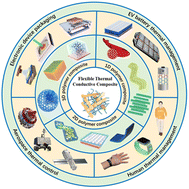
Electronic devices are rapidly advancing toward miniaturization and integration. This trend creates an urgent demand for flexible polymer-based thermally conductive composites. These materials must integrate high thermal conductivity, lightweight properties, and mechanical flexibility. This review systematically summarizes the latest research progress in such composites, focusing on multidimensional structural design, thermal conduction mechanisms, interface engineering strategies, and practical applications. The core content covers the structural design and preparation technologies of 1D (fibers), 2D (films), and 3D (networks/scaffolds) composites, including wet spinning, electrospinning, vacuum filtration, template methods, 3D printing, and other key processes. Additionally, the thermal conduction mechanisms regulated by these structures are analyzed, and the critical role of interface engineering in reducing interfacial thermal resistance is emphasized. The review also discusses the application prospects of these composites in thermal interface materials, wearable devices, and intelligent thermal management systems. Finally, the current challenges and future development directions are proposed, aiming to provide theoretical reference and technical support for breaking through the bottlenecks in the field of flexible thermal management materials.
- This article is part of the themed collection: Recent Review Articles
 Please wait while we load your content...


