


 PLATFORM UPDATE:


Microalgal biorefinery: innovations in sustainable biofuel production
 *a
*a
Abstract
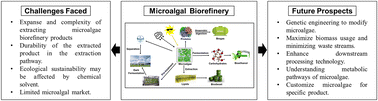
Microalgae are a viable source for sustainable biofuel generation due to their quick growth and high energy content; nevertheless, commercialization is hindered by substantial production costs and energy requirements. This review offers a comprehensive assessment of microalgal biorefinery methods, encompassing biodiesel, biohydrogen, and biogas production, while evaluating their energy efficiencies, environmental impacts, and scalability. It discusses current developments in microalgal strain engineering (e.g., CRISPR-modified strains for enhanced lipid yields), process optimization (novel photobioreactor designs), and integration with waste treatment to highlight pathways for enhancing feasibility. Techno-economic and life cycle assessments demonstrate that microalgal biofuels can substantially decrease life-cycle CO2 emissions compared to fossil fuels; however, their economic viability is largely contingent upon co-product valorization and process optimization. Key challenges including biomass harvesting, genetic strain stability, and regulatory obstacles have been examined, while advanced PBRs (photobioreactors) and heterotrophic systems have been identified as better suited for co-product markets. Future deployment will hinge on integrating carbon capture strategies, synthetic biology breakthroughs, and process intensification to balance productivity with economic sustainability, and a strategic roadmap for future research is proposed to facilitate the commercialization of microalgae-based biofuels within a circular green economy.
- This article is part of the themed collection: 2026 Green Chemistry Reviews
 Please wait while we load your content...


