


 PLATFORM UPDATE:


Effects of limonin and nomilin on lipid metabolic homeostasis in hyperlipidemic mice

Abstract
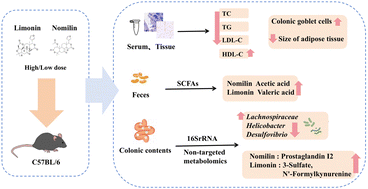
This study investigated the effects of different doses (5 mg mL−1 and 10 mg mL−1) of limonin and nomilin on the lipid metabolic homeostasis of high-fat diet-fed mice by oral gavage. The results showed that both limonin and nomilin interventions could significantly reduce the serum levels of TC, TG and LDL-C in high-fat diet-fed mice (p < 0.05), while greatly increased the level of HDL-C (p < 0.05), particularly with an increase of 71.95% after nomilin intervention at a high dose. In addition, the pathological damage of colonic adipose tissue improved after either limonin or nomilin intervention, and goblet cells increased by 17.19%–31.21% when compared with the HFD group. Limonin and nomilin interventions could improve the structure of the intestinal flora of hyperlipidemic mice, along with probiotics, e.g., Lachnospiraceae increased and harmful bacteria, e.g., Helicobacter and Desulfovibrio, abundance decreased significantly (p < 0.05). Metabolomic analysis revealed distinct metabolic remodeling effects, including the modulation of key metabolites involved in lipid metabolism and steroid hormone biosynthesis; notably, nomilin exhibited superior lipid-regulating efficacy compared to limonin, with specific upregulation of steroid hormone biosynthesis-related metabolites (e.g., estrone glucuronide and estrone 3-sulfate). This study could advance our understanding of the therapeutic potential of citrus-derived limonoids in restoring lipid metabolic homeostasis and provides a mechanistic basis for their application in functional foods or nutraceuticals.
 Please wait while we load your content...


