


 PLATFORM UPDATE:


Water-soluble tomato concentrate alleviates neuron apoptosis though activating ERK/CREB/BDNF signaling pathway in ischemic stroke
 *abcd
*abcd
Abstract
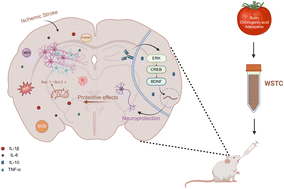
Ischemic stroke is a leading cause of mortality and disability worldwide, and there is an urgent need for safe dietary agents with neuroprotective potential. Water-soluble tomato concentrate (WSTC), a tomato-derived functional ingredient approved in Europe for cardiovascular health, was evaluated for its protective effects against cerebral ischemia-reperfusion injury. Using a middle cerebral artery occlusion/reperfusion rat model and oxygen–glucose deprivation/reoxygenation neuronal model, we demonstrated that WSTC improved cerebral perfusion, reduced infarct volume, alleviated histopathological damage, and enhanced neurological recovery. Mechanistic studies integrating transcriptomics, network pharmacology, and molecular assays revealed that WSTC inhibited oxidative stress and neuronal apoptosis while activating the ERK/CREB/BDNF signaling pathway. These findings provide the first comprehensive evidence that WSTC confers multi-target neuroprotection and highlight its translational potential as a safe, plant-based functional food ingredient for promoting brain health and reducing ischemic injury.
 Please wait while we load your content...


