DOI:
10.1039/D5FO04343C
(Paper)
Food Funct., 2026,
17, 659-672
Selenium-containing peptides attenuating Pb-induced memory impairment through microRNA-mediated signaling
Received
10th October 2025
, Accepted 27th November 2025
First published on 2nd December 2025
Abstract
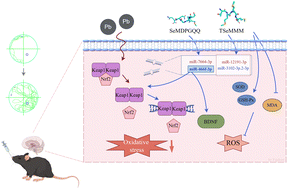
Lead (Pb) accumulation in the hippocampus and the resulting oxidative stress contribute to memory impairments, highlighting the hippocampus as a primary target for Pb neurotoxicity. Selenium-containing peptides TSeMMM and SeMDPGQQ are able to alleviate Pb-induced oxidative neurological damage and the specific microRNAs involved in the memory protection by the two peptides need to be explored. In this study, mouse memory impairment models were constructed through the administration of 20 mg kg−1 lead acetate for 7 weeks. TSeMMM and SeMDPGQQ reversed Pb accumulation and oxidative stress indicators in the hippocampus, and the hippocampal neuron morphology was improved. Furthermore, the BDNF expression and Keap1/Nrf2 pathway were regulated to modulate the intrahippocampal antioxidant effect. There were 26 microRNAs aberrantly expressed by Pb administration, while treatment with high-dose TSeMMM and low-dose SeMDPGQQ restored 4 of them. This study will provide new insights into the mining of selenium-enriched functional factors.
1. Introduction
Lead (Pb), a type of toxic heavy metal widely present in the environment, can enter the human body through various routes such as the digestive tract, respiratory tract, and skin, and the human body is highly susceptible to Pb toxicity.1 Pb exposure triggers physiological dysfunctions in the cardiovascular, secretory, immune and nervous systems, especially inducing irreversible damage to the nervous system. Oxidative stress is considered as one of the primary factors in Pb neurotoxicity.2 When Pb excessively accumulates in the body, it promotes the overproduction of reactive oxygen species (ROS) and thereby the levels of lipid peroxidation in neuronal cells.3 This could interrupt the homeostasis of the body's oxidative/antioxidant system, leading to impaired nerve conduction and dysfunction. These adverse effects are strongly associated with an increased risk of neurological disorders.4,5 The hippocampus is considered as a key target tissue for Pb-induced neurotoxicity because Pb can penetrate the blood–brain barrier and deposit in the hippocampus and the cerebral cortex by replacing Ca2+. This might affect the migration and differentiation of neurons, causing interference in cell signaling and neurotransmission, further leading to dysfunctions in learning, memory and cognitive systems.6,7 Currently, chelating agents commonly used in the market include dimercaptosuccinic acid (DMSA) and calcium disodium edetate. Although they can remove Pb from the body, the lack of specificity might cause side effects such as liver and kidney toxicity.8 Therefore, it is critical to find a safe and efficient foodborne strategy to mitigate Pb-induced neurooxidative damage.
Selenium (Se) is an indispensable trace element for human growth and metabolism. The abundance of selenium in the nervous system suggests its non-negligible role in maintaining the physiological effects of the nervous system.9 Moderate selenium supplementation could promote neuronal development and nerve signaling.10 The selenium-containing peptides are essential carriers of organic selenium, which display better stability and biosafety compared with selenium-free homologous peptides.11 The content of organic selenium in selenium-containing peptides is positively correlated with their antioxidant capacity.12 Liu et al.13 found that compared with the peptide Met-Pro-Ser, the selenium-enriched brown rice peptide SeMet-Pro-Ser showed greater stability, free radical scavenging capacity and Cr(VI) reduction capacity under different environmental conditions. Se-containing peptides VPRKL(Se)M and RYNA(Se)MNDYT obtained from selenium-enriched Cordyceps militaris could inhibit pro-inflammatory cytokine levels and MDA production and promote anti-inflammatory cytokine levels and antioxidant enzyme activities, which alleviated neuroinflammation, oxidative stress and attenuated cognitive dysfunction in LPS-induced mice.14 These results suggested a synergistic effect of Se and active peptides. The nuclear factor (erythroid-derived 2)-like 2 (Nrf2) is an essential intracellular regulator of redox homeostasis and the entry into the nucleus might activate the expression of key enzymes involved in various antioxidant, inflammatory and metabolic pathways.15 The kelch-like ECH-associated protein 1 (Keap1), a cytoplasmic inhibitory protein of Nrf2, acts as a protein sensor of oxidative stress.16 The Keap1/Nrf2 pathway is an indispensable pathway for cellular defense against exogenous oxidative damage.17 Chen et al. isolated and identified five Se-containing peptides of selenium-enriched moringa oleifera seeds, which could interact with the key amino acid residues of Keap1, leading to the dissociation and activation of Nrf2, thereby effectively reducing the accumulation of ROS.18 Brain-derived neurotrophic factor (BDNF) is a growth factor within the neurotrophic family that regulates cell proliferation, cell survival, and the formation of neuronal synapses.19,20 The proper expression of BDNF is pivotal in regulating cognition and memory formation and is widely expressed in multiple regions of the brain.21 Li et al. identified that HgCl2-induced brain injury significantly reduced BDNF expression in brain tissue, while under Na2SeO3 intervention, this injury was mitigated by activating the BDNF/TRKB/PI3K/AKT pathway and inhibiting the NF-κB pathway.22
MicroRNAs (miRNAs) are endogenous, single-stranded, non-coding small RNAs that are typically around 22 nucleotides in length. MiRNAs undergo complete or incomplete base complementary pairing with the 3′ untranslated region of target gene mRNAs, which are thereby directly degraded or inhibited in their translation levels.23 Moreover, miRNAs could be enriched in the brain and function as potential neuromodulators in biochemical pathways such as neuroplasticity, stress response, cell signaling and synapse formation.24
Rice is an excellent source of dietary selenium. SeMet is the main selenium compound in selenium-enriched rice.25 Our previous study has isolated and purified selenium-enriched rice proteins, obtaining two selenium-containing peptides, TSeMMM and SeMDPGQQ, and these two peptides have been shown to protect HT22 cells from Pb2+-induced oxidative toxicity.26 Therefore, the aim of this study was to investigate the mitigating effects of rice selenium-containing peptides on memory impairment by constructing Pb-exposed mouse models. The key miRNAs were screened for their roles, and their regulation of neuro-oxidative signaling pathways was clarified. This study provides a theoretical basis for designing novel functional products containing selenium peptides and developing rational nutritional intervention programs.
2. Materials and methods
2.1. Chemicals
The selenium-containing peptides TSeMMM (purity ≥95%) and SeMDPGQQ (purity ≥95%) were synthesized by TGpeptide Biotechnology Co., Ltd (Nanjing, China). Lead acetate (PbAc, purity ≥99%), sodium selenite (Na2SeO3, purity ≥98%) and DMSA (purity ≥98%) were purchased from Sigma-Aldrich, Inc. (St Louis, MO, USA). The ELISA kit for ROS was purchased from Yfxbio Biotech. Co., Ltd (Nanjing, China). The RNAeasy™ animal RNA isolation kit, assay kits for antioxidative enzymes superoxide dismutase (SOD) and glutathione peroxidase (GSH-Px), and malondialdehyde (MDA) and hematoxylin and eosin (H&E) staining kits were purchased from Beyotime Institute of Biotechnology (Shanghai, China). Nitric acid (HNO3, 65%) was purchased from Merck (Darmstadt, Germany). The cDNA reverse transcription kit and Taq Pro Universal SYBR qPCR Master Mix were purchased from Vazyme Biotech Co., Ltd (Nanjing, China).
2.2. Animals and dosage regimen
One hundred and fifty SPF-grade C57BL/6J mice (6 weeks old, male, 18 ± 2 g) were purchased from the Centre for Comparative Medicine of Yangzhou University. Laboratory Animal Licence: No. SCXK (Su) 2022-0009. The animal experiment was conducted in accordance with the Guidelines for the Care and Use of Laboratory Animals of the Chinese Animal Welfare Committee and approved by the Animal Care and Use Committee of Nanjing Agricultural University (PZW2022042). These mice were housed in a comfortable environment (12 h light/dark cycle, temperature of (23 ± 1) °C, and relative humidity of 50–70%).
After one week of adaptation, they were randomly divided into 10 groups (n = 10): the blank control (Normal) group, the model control (Model) group, the positive control (DMSA) group, the Na2SeO3 group, the low-dose TSeMMM (LT) group, the medium-dose TSeMMM (MT) group, the high-dose TSeMMM (HT) group, the low-dose SeMDPGQQ (LS) group, the medium-dose SeMDPGQQ (MS) group and the high-dose SeMDPGQQ (HS) group. Specifically, mice in the Normal group were gavaged with 0.9% saline twice daily with a 2 h interval. The remaining groups of mice were first gavaged daily with 20 mg kg−1 PbAc. After 2 h, mice in the model group were gavaged with 0.9% saline, mice in the DMSA group were gavaged with 70 mg kg−1 DMSA, mice in the Na2SeO3 group were gavaged with 0.09 mg kg−1 Na2SeO3, mice in the LT, MT, and HT groups were gavaged with 0.07, 0.29, and 0.58 mg kg−1 TSeMMM, and mice in the LS, MS, and HS groups were gavaged with 0.09, 0.37, and 0.75 mg kg−1 SeMDPGQQ, respectively. The gavage dose was 0.1 mL per 10 g for 49 days. The daily administration time was kept constant. This protocol was based on the World Health Organization's (WHO) recommended selenium intake for healthy adults, which ranges from 50 to 200 μg d−1 with a tolerable upper intake level of 400 μg d−1.27 Therefore, the selenium content of the TSeMMM and SeMDPGQQ groups was converted according to the selenium intake values of 50, 200, and 400 μg d−1 for adults (60 kg), and 200 μg d−1 for the Na2SeO3 group. During the experiment, the mental state, appetite, clinical symptoms and death of the mice were observed daily, and the weight of the mice was recorded weekly.
2.3. Morris water maze (MWM)
The water maze (Calvin Biotechnology Co. Ltd, Nanjing, China) was used to assess the effects of Se-containing peptides TSeMMM and SeMDPGQQ on Pb-induced spatial learning memory capacity in mice. Experimentally, a platform was placed in one of the quadrants of the circular pool, about 1 cm above the water surface. One of the four quadrants was taken as the entry point and the time was recorded immediately after the mice entered the water. The time when they found the target platform and stayed on it for 3 s (escape latency) was recorded. The recording time was set to 120 s during training. Each mouse was trained continuously for 3 d. During the formal experiment, the platform was removed and all mice were placed in the water from the same entry point. Subsequently, the swimming paths of the mice, the time of their first arrival at the platform and its quadrant, and the frequency of crossing the platform and its quadrant within 120 s were recorded to test the spatial orientation-related abilities of the mice. The water maze device is shown in Fig. 1A.
 |
| | Fig. 1 Mouse water maze equipment (A). Weekly body weight changes in mice (B). Movement trajectories of mice in the water maze (C). Escape latency (D), number of times traversing the target quadrant (E), distance ratio in the target quadrant (F), and time ratio in the target quadrant (G) for mice. ##P < 0.01, ###P < 0.001 vs. Normal; *P < 0.05, **P < 0.01, ***P < 0.001 vs. Model. | |
2.4. Measurement of Pb concentrations in the hippocampal tissue and blood
After the behavioral experiments, the mice were anaesthetized. Briefly, the mice were executed after collection of blood from the ocular venous plexus, and the blood was stored at −20 °C. The brains of executed mice were immediately removed and the hippocampus was dissected and stored at −80 °C. The whole blood (200 μL) and hippocampus were placed in 10 mL of nitric acid, respectively, and digested in a microwave digestor. After complete digestion, the acid was allowed to dissipate in a fume hood and the volume was adjusted to 10 mL with ultrapure water. Measurement of Pb in the blood and hippocampus of mice was carried out by ICP-MS (7700x, Agilent Technologies, USA).
2.5. Hematoxylin–eosin (H&E) staining
Brains fixed in 4% paraformaldehyde were removed and processed into paraffin sections of approximately 4 μm thickness. The H&E staining was performed according to the manufacturer's instructions. After staining was completed, the hippocampus of mice was observed using a light microscope.
2.6. Biochemical determination
Hippocampus samples were weighed and homogenized on ice, then centrifuged at 12
000g at 4 °C for 30 min and the supernatant was carefully removed. The protein concentration was determined by the BCA method. The subsequent operations were performed according to the instructions of ROS, SOD, GSH-Px and MDA assay kits, respectively.
2.7. Quantitative real-time PCR analysis
Quantitative real-time PCR (qRT-PCR) analysis was performed to determine the mRNA levels of BDNF, Keap1 and Nrf2. Total RNA from the hippocampus was extracted using the RNAeasy™ animal RNA isolation kit. After assaying the mass and concentration of total RNA, cDNA synthesis was performed. Reaction systems were configured and qRT-PCR was performed using the Taq Pro Universal SYBR qPCR Master Mix according to the manufacturer's instructions. The primer sequences are shown in Table S1.
2.8. Differential expression analysis
The read count values of known miRNAs in each group of samples were counted. Principal component analysis (PCA) and differential expression analysis were performed on the miRNAs in the samples using the Deseq2 package in R (version 4.3.2). The read count data were normalized and then the P value was calculated and finally corrected for the false discovery rate (FDR). Significantly differentially expressed miRNAs (DEMs) were screened according to the following conditions: |log
2(fold change)| ≥1 and FDR <0.05. Volcano and MA plots of differentially expressed miRNAs were drawn using the ggplot2 package in R (version 4.3.2). Bidirectional cluster analysis of miRNAs and sample data was performed using the Pheatmap package in R (version 4.3.2).
2.9. Target gene prediction
Target gene prediction for the key miRNAs was performed using the miRanda, miRDB, miRWalk and TargetScan databases. The results obtained from these 4 databases were intersected to identify the most plausible target genes.
2.10. Enrichment analysis
All obtained target genes were submitted to the Gene Ontology (GO) database and Kyoto Encyclopedia of Genes and Genomes (KEGG) database for functional enrichment analysis.
2.11. Expression detection of key DEMs
DEMs closely tied to the protection function of TSeMMM and SeMDPGQQ were selected, and U6 was chosen as an internal reference gene. The miRNA information and primer sequences are shown in Table S1.
2.12. HT22 cell culture
The HT22 cells were spread in a 6-well plate and transfected when the cell density was about 30–50%. The miR-466f-3p mimic and mimic NC lyophilized powders (RiboBio, Guangzhou, China) were prepared into a 20 μM master mix with sterile enzyme-free water and stored at −80 °C. Two sterile, enzyme-free EP tubes were added with 125 μL serum-free Opti-MEM medium (Gibco, USA). Then, one tube was filled with 5 μL of Lipofectamine 3000 Reagent (Invitrogen, USA), while the other tube was filled with 5 μL of miR-466f-3p mimic or mimic NC (50 nM), which were both allowed to stand for 5 min. The two tubes were gently mixed and left at room temperature for 10–20 min and the cells were transfected for 24 h. The transfection groups were as follows: the Control group, the miR-466f-3p mimic group, and the mimic NC group.
2.13. Statistical analysis
The results obtained from the experiments are expressed as mean ± SD. All data were statistically analyzed and graphed using SPSS 26 and GraphPad Prism 9 software. Statistical analyses were performed using one-way analysis of variance (ANOVA) and Duncan's multiple tests. A P value < 0.05 indicates a significant difference.
3. Results and discussion
3.1. Effects of TSeMMM and SeMDPGQQ on body weight
Body weight serves as a visual and crucial indicator of growth and development. First, there was no statistically significant difference in the initial body weights of mice in each group (P > 0.05). Upon treatment, the mice in the Model group grew the slowest, whereas the mice in the Normal group showed the fastest growth. The remaining groups did not show a significant difference in this respect (Fig. 1B). At the final stage, the body weight of mice in the Model group displayed a slow growth rate of about 12.92%, which was significantly lower than that in the Normal group (P < 0.001) (Table S2). Meanwhile, the mice in the Model group also exhibited emaciation and emotional depression and were unresponsive. This could arise from the fact that Pb poisoning led to poor nutrient absorption and thus impaired metabolism, which consequently reduced food intake and growth rates, consistent with the findings by Gazwi et al.28 Compared with the Model group, the mice in the TSeMMM and SeMDPGQQ groups showed significant weight gain (P < 0.05). Among them, the HT group and the LS group demonstrated the highest growth rates of 22.38% and 21.71%, respectively. This indicated the promotion of developmental processes by TSeMMM and SeMDPGQQ in mice being exposed to Pb.
3.2. TSeMMM and SeMDPGQQ ameliorated Pb-induced spatial memory deficits
The MWM is commonly applied to test the learning and spatial memory abilities in mice. In Fig. 1C, the mice in the Normal group swam with ‘linear’ and ‘convergent’ patterns as main strategies of exploration and succeeded in finding the target platform within a relatively short time. In contrast, the mice in the Model group swam mainly in ‘marginal’ and ‘random’ patterns, and their swimming trajectories lacked regularity. As a result, it took longer for them to find the platform, with some mice even failing within the set time. After interventions by DMSA, Na2SeO3, TSeMMM and SeMDPGQQ, the swimming trajectories of mice became more complex than those in the Normal group.
During the experiment, most of the mice in the Model group swam around the edge of the water maze or simply stayed at one point for a long time, exhibiting significantly longer escape latencies and therefore remarkable impairment in spatial memory capacity among the tested groups. In contrast, mice in the HT group and MS group showed significantly shorter escape latencies (Fig. 1D), while mice in the model group swam through the target quadrant significantly less often (Fig. 1E). In addition, the ratios of the distance and time travelled in the target quadrant to the total distance and total time were significantly decreased in Pb-exposed mice (Fig. 1F and G). These phenomena preliminarily indicated the successful establishment of memory-impaired mouse models. However, TSeMMM and SeMDPGQQ significantly alleviated these phenomena, with the HT group showing the best effects. Therefore, these two peptides could effectively ameliorate the learning and memory impairments caused by Pb exposure in mice.
3.3. TSeMMM and SeMDPGQQ reduced Pb concentrations in the hippocampus and blood
In Fig. 2A and B, Pb concentrations in the hippocampus and blood of mice in the Model group increased by 0.974 μg g−1 and 102.87 μg L−1, respectively (P < 0.001) compared with the Normal group. It was previously reported that Pb is a neurotoxic metal with bioaccumulative properties.28 In particular, the hippocampus is considered as the main target tissue for Pb accumulation inducing neurotoxicity.29 Also, Pb accumulation in the hippocampus triggers neuroinflammation, oxidative damage and neuronal cell death, which could lead to cognitive deficits and memory deficits.30,31 As seen from our results, both TSeMMM and SeMDPGQQ interventions effectively reduced Pb concentrations in the hippocampus and blood (P < 0.05), and the strong affinity between selenium and Pb might result in the formation of complexes, thus reducing the Pb neurotoxicity.32 Therefore, TSeMMM and SeMDPGQQ functioned as barriers to Pb accumulation, which might be an essential mechanism for their neuroprotective effects.
 |
| | Fig. 2 Lead concentration in the hippocampal tissue (A) and blood (B) of mice. Comparison of the HE staining results of mouse hippocampal tissue (C). ###P < 0.001 vs. Normal; ***P < 0.001 vs. Model. | |
3.4. TSeMMM and SeMDPGQQ inhibited Pb-induced neuronal damage
The hippocampus is composed primarily of the CA region and the dentate gyrus (DG). The CA1 area was reported to be involved in discriminative learning ability and the CA3 area might be related to long-term memory, whereas the DG is a key site for information input to the hippocampus.7 Through H&E staining, the neuronal morphological changes in the hippocampus were revealed. As seen from Fig. 2C, the hippocampal neurons of the Normal group were neatly and densely arranged, displaying a regular morphology of large and round nuclei and clearly visible nucleoli. Compared with the Normal group, hippocampal neurons in the Model group were relatively disorganized and loosely structured, with partial staining of the dense cytoplasm and partial disappearance of the nidus, where the polygonal or cone-shaped cytosols were also small. This might be because Pb accumulation triggered abnormal oxidative stress in the brain, causing pathological changes in the hippocampus. However, after TSeMMM and SeMDPGQQ interventions, the cytoplasmic staining was attenuated and the shape of some cytosols returned to the normal state. Thus, TSeMMM and SeMDPGQQ interventions showed potential to effectively prevent Pb-induced neuronal loss and morphological changes in the hippocampus.
3.5. TSeMMM and SeMDPGQQ alleviated Pb-induced oxidative stress in the hippocampus
ROS serve as key regulatory signals for neuronal development and nervous system function.33 Under normal physiological conditions, the balance between ROS production and clearance is highly controlled.34 As shown in Fig. 3A, the ROS levels in the hippocampus of mice after Pb exposure were 3.03-fold higher than those of the Normal group (P < 0.001). Several previous studies also reported that Pb exposure could induce oxidative stress by generating high ROS levels and perturbing antioxidant defense systems.35 Excessive ROS production could cause oxidative stress in the nervous system, which influenced learning, memory and cognitive functions.36 Nevertheless, the ROS levels were significantly reduced with TSeMMM and SeMDPGQQ treatments. Specifically, the MT, HT, and LS groups improved most significantly, demonstrating reduced ROS levels to 56.27%, 55.43%, and 71.36% of the Model group, respectively. Treatment with DMSA was the most effective, as it reduced the ROS level to 44.50% of the Model group. In addition, TSeMMM and SeMDPGQQ significantly reversed the trend of Pb-induced MDA increase in the hippocampus, with MT and HT acting most dramatically (Fig. 3B).
 |
| | Fig. 3 Effects of selenium-containing peptides on ROS levels (A), MDA levels (B), GSH-Px enzyme activity (C), and SOD enzyme activity (D) in hippocampal tissues of mice. ###P < 0.001 vs. Normal; *P < 0.05, **P < 0.01, ***P < 0.001 vs. Model. | |
In terms of antioxidant capacity, Pb induced a significant decrease in the antioxidant enzymes GSH-Px and SOD activities in the hippocampus, which were only 46.64% and 24.52% of those in the Normal group (P < 0.001). However, after TSeMMM and SeMDPGQQ interventions, GSH-Px enzyme activities increased from 22.30% to 86.92% and 18.50% to 62.20%, respectively, and the SOD enzyme activities increased from 142.46% to 238.71% and 102.40% to 192.03%, respectively (Fig. 3C and D). Based on these results, it was hypothesized that the peptide chain length might influence the bioactivity of the active peptides to a certain extent, thereby helping in determining the optimal dose of active peptides with proper function.37 Above all, both TSeMMM and SeMDPGQQ treatments greatly alleviated negative changes in the antioxidant system induced by Pb exposure, possibly through increasing antioxidant enzyme activities and inhibiting accumulation of ROS and lipid peroxides in the hippocampus.
3.6. Modulation of BDNF, Keap1 and Nrf2 mRNA expression levels in the hippocampus by TSeMMM and SeMDPGQQ
Considering that BDNF, Keap1, and Nrf2 play crucial roles in neuronal survival and antioxidant processes, the mRNA expression of these key genes in the hippocampus of mice was further examined by performing qRT-PCR analysis. In Fig. 4A, the relative expression level of BDNF mRNA was significantly down-regulated in the Model group compared to the Normal group. In contrast, both TSeMMM and SeMDPGQQ groups showed significant up-regulation compared to the Model group. The proper expression of BDNF is pivotal in regulating cognition and memory formation and is widely expressed in multiple regions of the brain.21 Downregulation of BDNF expression in the brain and abnormalities in BDNF-related signaling pathways might cause changes in the structure and function of cortical and hippocampal neurons.38 Additionally, the Keap1/Nrf2 pathway has been demonstrated as an anti-oxidative stress defense mechanism and excels in maintaining memory function.39 According to our results, Pb induced higher expression of Keap1 and Nrf2 mRNA in the hippocampus (Fig. 4B and C). Nrf2 participates in the regulation of redox reactions in cellular signaling pathways and serves as a promising therapy for neurological-related diseases.40 After Pb stimulation, the cells might activate their own defense system and promote total Nrf2 gene expression in order to protect nerve cells from oxidative damage.41 The intervention of TSeMMM and SeMDPGQQ resulted in a remarkable decrease and increase in the relative mRNA levels of Keap1 and Nrf2, respectively. Therefore, TSeMMM and SeMDPGQQ could significantly alleviate Pb-induced neurooxidative damage by regulating BDNF expression and the Keap1/Nrf2 pathway at the transcriptional level.
 |
| | Fig. 4 Changes in the expression levels of BDNF (A), Keap1 (B), and Nrf2 (C) in the mouse hippocampus. ###P < 0.001 vs. Normal; *P < 0.05, **P < 0.01, ***P < 0.001 vs. Model. | |
3.7. Identification of DEMs
In order to investigate the participation of key miRNAs in the protection of Se-containing peptides against Pb-induced memory impairment, high-throughput sequencing and bioinformatics analyses were employed. First, the Pearson's correlation coefficients between the samples were all above 0.93 (Fig. S1), indicating the reasonable selection of samples. The PCA results showed that samples from the same treatment group were relatively concentrated with a two-dimensional spatial distribution. The samples from the Model, HT and LS groups shared high similarity in miRNA expression, whereas they all three differed from the samples in the Normal group (Fig. S2). Generally, miRNAs in the same category were closely interrelated in terms of actual biological pathways, metabolic modes and signaling pathways. Cluster analysis revealed that Pb exposure significantly altered the miRNA expression profile in the hippocampal tissues of mice. However, TSeMMM and SeMDPGQQ could mitigate such changes to different extents (Fig. 5A).
 |
| | Fig. 5 Differentially expressed miRNA clustering (A). Red indicates high expression and green indicates low expression (B). Results of Venn analysis of differentially expressed miRNAs. Volcano (C) and MA (D) plots of differentially expressed miRNAs. Histogram of GO enrichment analysis (E) and scatterplot of KEGG pathway enrichment statistics (F) for 4 differentially expressed miRNAs. | |
Based on the comparison between the Normal and the Model group, 26 DEMs were identified, of which 18 were up-regulated and 8 were down-regulated (Fig. 5B). Most of these DEMs have been reported to modulate the nervous system. The detailed information about DEMs is presented in Table 1. For instance, Li et al.42 found that overexpression of miR-183-5p in the hippocampus might result from Pb-induced oxidative stress. miR-96-5p has been considered as a potential biomarker for neurodegenerative diseases such as PD, and its expression levels in the brains of PD patients were significantly higher than those in normal subjects.43 The up-regulation of miR-144-3p might inhibit nuclear translocation of Nrf2 in neurons,44 and miR-193b-3p could significantly reduce the levels of inflammatory cytokines IL-1β, IL-6, and TNF-α in the brains of mice after subarachnoid haemorrhage.45 Compared with the Model group, 10 DEMs were present in the HT group (4 up-regulated and 6 down-regulated) and 7 DEMs were present in the LS group (4 up-regulated and 3 down-regulated) (Table S3). To visualize the overall distribution information of DEMs between groups, volcano and MA plots were present (Fig. 5C and D).
Table 1 Differentially expressed miRNAs
| Control vs. Case |
Upregulated miRNA |
Downregulated miRNA |
| Normal vs. Model |
miR-12191-3p, miR-1251-5p |
let-7f-1-3p, miR-193b-3p |
| miR-133a-5p, miR-136-5p |
miR-3102-3p.2-3p, miR-6240, miR-466f-3p, miR-7047-3p |
| miR-144-3p, miR-183-5p |
miR-712-3p, miR-8114 |
| miR-193a-3p, miR-22-3p |
|
| miR-3091-3p, miR-30d-3p |
|
| miR-344c-3p, miR-379-5p |
|
| miR-467a-5p, miR-467b-5p |
|
| miR-542-3p, miR-701-5p |
|
| miR-7664-3p, miR-96-5p |
|
| Model vs. HT |
let-7f-2-3p, miR-3102-3p.2-3p |
miR-12191-3p, miR-455-5p |
| miR-669l-5p, miR-7052-3p |
miR-669e-5p, miR-6914-3p |
|
|
miR-6932-3p, miR-7015-3p |
| Model vs. LS |
miR-16-1-3p, miR-3102-3p.2-3p |
miR-12191-3p, miR-3097-3p |
| miR-466f-3p, miR-669l-5p |
miR-7664-3p |
After Pb exposure, both HT and LS managed to significantly reverse the expression levels of miR-12191-3p and miR-3102-3p.2-3p. Furthermore, LS could also reverse the expression levels of miR-466f-3p and miR-7664-3p. The results revealed that Pb exposure led to abnormal expression levels of various miRNAs in the hippocampus, which in turn impaired neurological development and triggered spatial learning memory deficits in mice. Similar conclusions were reached by Wang et al.46 Nevertheless, interventions with TSeMMM and SeMDPGQQ were still more effective in ameliorating this situation.
3.8. Prediction of target genes of DEMs
Given that miRNAs regulate target genes to perform biological functions, the predicted target genes of the 4 aforementioned key DEMs were analyzed using Gene Ontology (GO) and Kyoto Encyclopedia of Genes and Genomes (KEGG). GO analysis is divided into three main types: biological process (BP), cell components (CC) and molecular function (MF).47 As shown in Fig. 6E, in terms of BP, the target genes were mainly involved in synapse organization, dendritic spine development and dendrite development. In terms of CC, the target genes were localized in the synaptic membrane, presynaptic membrane and intrinsic component of the synaptic membrane. In terms of MF, amyloid-beta binding, ubiquitin-like protein transferase activity and ubiquitin-protein transferase activity were the top three types of target genes. It was obvious that these target genes were closely related to synapses and dendrites in neurons. Subsequently, the KEGG pathway enrichment of the target genes was analyzed. In Fig. 6F, the FoxO signaling pathway showed the highest enrichment, and a few of the target genes were more or less associated with the nervous system. Among these, representative neural-related genes are listed in Table 2. Notably, BDNF was also predicted to be a possible target gene of miR-466f-3p.
 |
| | Fig. 6 Relative expression levels of different miRNAs in the hippocampal tissues of mice (A–D). The expression level of miR-466f-3p after transfection with miRNA mimics (E). Relative expression levels of BDNF, Keap1 and Nrf2 mRNA in HT22 cells (F–H). ###P < 0.001 vs. Normal; *P < 0.05, **P < 0.01, ***P < 0.001 vs. Model (A–D). *P < 0.05, ***P < 0.001 vs. mimic NC (E–H). | |
Table 2 Target genes associated with the neural system
| miRNA |
Gene name |
Description |
| miR-466f-3p |
Nf1 |
Neurofibromin 1 |
| Npas3 |
Neuronal PAS domain protein 3 |
| Slc6a19 |
Solute carrier family 6 (neurotransmitter transporter), member 19 |
| Slc6a6 |
Solute carrier family 6 (neurotransmitter transporter, taurine), member 6 |
| Bdnf |
Brain derived neurotrophic factor |
| Slc6a2 |
Solute carrier family 6 (neurotransmitter transporter, noradrenalin), member 2 |
| Nbeal1 |
Neurobeachin like 1 |
| miR-3102-3p.2-3p |
Lrrn3 |
Leucine rich repeat protein 3, neuronal |
| Unc5c |
Unc-5 netrin receptor C |
| miR-7664-3p |
Slc6a4 |
Solute carrier family 6 (neurotransmitter transporter, serotonin), member 4 |
| Chrna2 |
Cholinergic receptor, nicotinic, alpha polypeptide 2 (neuronal) |
| miR-12191-3p |
Grik3 |
Glutamate receptor, ionotropic, kainate 3 |
| Cnr1 |
Cannabinoid receptor 1 (brain) |
| Dcc |
Deleted in colorectal carcinoma |
3.9. Validation for key DEMs
After Pb exposure, the expression of miR-12191-3p, miR-3102-3p.2-3p, miR-466f-3p and miR-7664-3p changed significantly with intervention by TSeMMM or SeMDPGQQ. In order to verify the accuracy of the sequencing results, these 4 DEMs were validated by qRT-PCR. The validation results were consistent with the sequencing analysis results, suggesting reliable sequencing results (Fig. 6A–D). Since limited studies have been conducted on miR-12191-3p, miR-3102-3p.2-3p and miR-7664-3p, leading to difficulties in clarifying their roles in the regulatory mechanisms of neuro-oxidative damage. However, miR-466f-3p was demonstrated to act as a specific miRNA in the hippocampus of mice, which showed positive regulation of neuronal morphology, function, and spatial learning memory capacity.48 In the present study, the expression of miR-466f-3p was significantly lower in the Model group and significantly higher in the LS group in comparison with the Normal group. Moreover, exosome miR-466f-3p could target c-MET and down-regulate the AKT/GSK3 signaling pathway to inhibit the radiation-induced EMT process, which played an essential role in the treatment of neurodegenerative diseases.49 Therefore, miR-466f-3p was selected for subsequent neurooxidative pathway validation.
3.10. Effects of miR-466f-3p on the expression levels of BDNF, Keap1 and Nrf2 mRNA in neurons
In order to further verify the regulation of the Keap1/Nrf2 pathway and BDNF expression by miR-466f-3p, miR-466f-3p was overexpressed in HT22 cells. Consequently, miR-466f-3p expression reached 39.36-fold of the control after transfection with the miR-466f-3p mimic (Fig. 6E), indicating the successful construction of the miR-466f-3p overexpression model in HT22 cells. Fig. 6F–H displays the induced expression of BDNF and Nrf2 mRNA in HT22 cells by miR-466f-3p, with 2.24-fold and 1.85-fold increases relative to the Control group, accompanied by reduced expression of Keap1 mRNA to 83.31% of the Control group (P < 0.05). Therefore, miR-466f-3p indeed possessed the potential to protect neuronal cells from oxidative damage by positively regulating the Keap1/Nrf2 pathway and BDNF expression.
4. Conclusion
In conclusion, after being exposed to 20 mg kg−1 PbAc for 49 d, mice showed impaired performance in spatial learning and memory capacity. Intervention with the two peptides TSeMMM and SeMDPGQQ effectively reversed this situation. They significantly up-regulated BDNF expression and modulated the Keap1/Nrf2 pathway, where the normalization of miR-12191-3p and miR-3102-3p.2-3p expression after Pb exposure was promoted. Besides, LS reversed the expression of miR-466f-3p and miR-7664-3p. Notably, miR-466f-3p was identified to be involved in the protection process by SeMDPGQQ against Pb-induced memory damage. It also showed regulatory efficacy on the Keap1/Nrf2 pathway as well as BDNF expression. Hence, the selenium-containing peptides could regulate the neuro-oxidative pathway induced by Pb-exposed oxidative damage by modulating the expression of key miRNAs. Overall, this study provides new insights into the mining of selenium-enriched functional food components in the preservation of learning and memory abilities, thus contributing to the effective maintenance of the nervous system.
Author contributions
Fengjiao Fan: writing – review & editing and funding acquisition. Nanlong Li: writing – original draft and validation. Wenqian Tang: conceptualization, methodology, and formal analysis. Zhiyin Xiao: writing – review & editing. Xiaoyi Jiang: writing – review & editing. Peng Li: methodology and formal analysis. Jian Ding: visualization. Qinlu Lin: conceptualization. Yong Fang: supervision, project administration, and funding acquisition.
Conflicts of interest
There are no conflicts to declare.
Abbreviations
| ROS | Reactive oxygen species |
| DMSA | Dimercaptosuccinic acid |
| Se | Selenium |
| Nrf2 | Nuclear factor (erythroid-derived 2)-like 2 |
| Keap1 | Kelch-like ECH-associated protein 1 |
| Na2SeO3 | Sodium selenite |
| SOD | Superoxide dismutase |
| GSH-Px | Glutathione peroxidase |
| MDA | Malondialdehyde |
| H&E | Hematoxylin and eosin |
| MWM | Morris water maze |
| PCA | Principal component analysis |
| FDR | Discovery rate |
| DEMs | Differentially expressed miRNAs |
| GO | Gene ontology |
| KEGG | Kyoto Encyclopedia of Genes and Genomes |
| BP | Biological process |
| CC | Cell components |
| MF | Molecular function |
| LT | Low-dose TSeMMM |
| MT | Medium-dose TSeMMM |
| HT | High-dose TSeMMM |
| LS | Low-dose SeMDPGQQ |
| MS | Medium-dose SeMDPGQQ |
| HS | High-dose SeMDPGQQ |
Data availability
The data supporting this study are presented in the figures, tables and supplementary information (SI). Supplementary information is available. See DOI: https://doi.org/10.1039/d5fo04343c.
Acknowledgements
This work was supported by the National Natural Science Foundation of China (32272319 and 32202032), the National Youth Talent in Grain Area Support Program of China, the Priority Academic Program Development of Jiangsu Higher Education Institutions (PAPD), the Earmarked Fund for Jiangsu Agricultural Industry Technology System (JATS [2023] 476), and the Postgraduate Research & Practice Innovation Program of Jiangsu Province (KYCX24_1939). The animal experiment protocol was approved by the Animal Care and Use Committee of Nanjing Agricultural University (PZW2022042).
References
- W. Gao, Y. Guo, L. Wang, Y. Jiang, Z. Liu and H. Lin, Ameliorative and protective effects of fucoidan and sodium alginate against lead-induced oxidative stress in Sprague Dawley rats, Int. J. Biol. Macromol., 2020, 158, 662–669 Search PubMed
.
- A. Kumar, A. Kumar, M. S. C. Cabral-Pinto, A. K. Chaturvedi, A. A. Shabnam, G. Subrahmanyam, R. Mondal, D. K. Gupta, S. K. Malyan, S. S. Kumar, S. A. Khan and K. K. Yadav, Lead Toxicity: Health Hazards, Influence on Food Chain, and Sustainable Remediation Approaches, Int. J. Environ. Res. Public Health, 2020, 17(7), 2179 CrossRef PubMed
.
- O. Shilpa, K. P. Anupama, A. Antony and H. P. Gurushankara, Lead (Pb) induced Oxidative Stress as a Mechanism to Cause Neurotoxicity in Drosophila melanogaster, Toxicology, 2021, 462, 152959 CrossRef CAS PubMed
.
- M. Al-Zharani, M. Mubarak, H. A. Rudayni, A. A. Al-Doaiss, M. M. Abd-Elwahab and M. S. Al-Eissa, Quercetin as a Dietary Supplementary Flavonoid Alleviates the Oxidative Stress Induced by Lead Toxicity in Male Wistar Rats, Nutrients, 2023, 15(8), 1888 CrossRef CAS PubMed
.
- S. J. Flora, G. Saxena and A. Mehta, Reversal of lead-induced neuronal apoptosis by chelation treatment in rats: role of reactive oxygen species and intracellular Ca(2+), J. Pharmacol. Exp. Ther., 2007, 322(1), 108–116 CrossRef CAS PubMed
.
- Y. Chen, G. Mao, Z. Zhang, T. Zhao, W. Feng, L. Yang and X. Wu, The protective effect of C3G against Pb-induced learning and memory impairments through cAMP-PKA-CREB signaling pathway in rat hippocampus, Process Biochem., 2020, 118, 381–393 CrossRef
.
- R. Zhou, C. Huang, N. Bi, L. Li, C. Li, X. Gu, Y. Song and H. L. Wang, Chronic Pb Exposure Induces Anxiety and Depression-like Behaviors in Mice via Excitatory Neuronal Hyperexcitability in Ventral Hippocampal Dentate Gyrus, Environ. Sci. Technol., 2023, 57(33), 12222–12233 CrossRef CAS PubMed
.
- Y. Huang, F. M. Mo, J. Zou, P. Fang, Y. Pan, X. Zhu, D. Wang and P. Xiao, A Comparative Study of the Calcium Carbonate Nanoparticles and the Chelators on Blood Lead Level Reduction and the Side Effects, Nanosci. Nanotechnol. Lett., 2019, 11(8), 1145–1152 CrossRef
.
- W. Ding, S. Wang, J. Gu and L. Yu, Selenium and human nervous system, Chin. Chem. Lett., 2023, 34(7), 108043 CrossRef CAS
.
- M. Naderi, M. C. O. Ferrari, D. P. Chivers and S. Niyogi, Maternal Exposure to Dietary Selenium Causes Dopaminergic Hyperfunction and Cognitive Impairment in Zebrafish Offspring, Environ. Sci. Technol., 2018, 52(22), 13574–13583 CrossRef CAS PubMed
.
- Q. Ye, X. Wu, X. Zhang and S. Wang, Organic selenium derived from chelation of soybean peptide-selenium and its functional properties in vitro and in vivo, Food Funct., 2019, 10(8), 4761–4770 RSC
.
- S. Zhu, C. Du, T. Yu, X. Cong, Y. Liu, S. Chen and Y. Li, Antioxidant Activity of Selenium-Enriched Peptides from the Protein Hydrolysate of Cardamine violifolia, J. Food Sci., 2019, 84(12), 3504–3511 CrossRef CAS PubMed
.
- K. Liu, R. Du and F. Chen, Stability of the antioxidant peptide SeMet-Pro-Ser identified from selenized brown rice protein hydrolysates, Food Chem., 2020, 319, 126540 CrossRef CAS PubMed
.
- S. Wu, Q. Wu, J. Wang, Y. Li, B. Chen, Z. Zhu, R. Huang, M. Chen, A. Huang, Y. Xie, C. Jiao and Y. Ding, Novel Selenium Peptides Obtained from Selenium-Enriched Cordyceps militaris Alleviate Neuroinflammation and Gut Microbiota Dysbacteriosis in LPS-Injured Mice, J. Agric. Food Chem., 2022, 70(10), 3194–3206 CrossRef CAS PubMed
.
- A. Chakkittukandiyil, D. V. Sajini, A. Karuppaiah and D. Selvaraj, The principal molecular mechanisms behind the activation of Keap1/Nrf2/ARE pathway leading to neuroprotective action in Parkinson's disease, Neurochem. Int., 2022, 156, 105325 CrossRef CAS PubMed
.
- J. W. Kaspar, S. K. Niture and A. K. Jaiswal, Nrf2:INrf2 (Keap1) signaling in oxidative stress, Free Radicals Biol. Med., 2019, 47(9), 1304–1309 CrossRef
.
- L. Kong, J. Deng, X. Zhou, B. Cai, B. Zhang, X. Chen, Z. Chen and W. Wang, Sitagliptin activates the p62-Keap1-Nrf2 signalling pathway to alleviate oxidative stress and excessive autophagy in severe acute pancreatitis-related acute lung injury, Cell Death Dis., 2021, 12(10), 928 CrossRef CAS PubMed
.
- B. Chen, Z. Xia, H. Ye, Q. Wang, W. Huang, L. Zhang, W. Chen, D. Liang, X. Yin, Y. Liang, Y. Cao and J. Miao, Response surface optimization of selenium-enriched Moringa oleifera seed peptides with antioxidant, ACEI and XOI activities, J. Food Meas. Charact., 2023, 17(2), 1289–1299 CrossRef
.
- K. Zhang, F. Wang, M. Zhai, M. He, Y. Hu, L. Feng, Y. Li, J. Yang and C. Wu, Hyperactive neuronal autophagy depletes BDNF and impairs adult hippocampal neurogenesis in a corticosterone-induced mouse model of depression, Theranostics, 2023, 13(3), 1059–1075 CrossRef CAS PubMed
.
- B. Podyma, K. Parekh, A. D. Güler and C. D. Deppmann, Metabolic homeostasis via BDNF and its receptors, Trends Endocrinol. Metab., 2021, 32(7), 488–499 CrossRef CAS PubMed
.
- M. Qu, Y. Ni, B. Guo, X. Feng and Z. Jiang, Lycopene antagonizes lead toxicity by reducing mitochondrial oxidative damage and mitochondria-mediated apoptosis in cultured hippocampal neurons, MedComm, 2020, 1(2), 228–239 CrossRef
.
- L. Li, J. Chu, X. Chen, P. Gao, Z. Wang, C. Liu and R. Fan, Selenium ameliorates mercuric chloride-induced brain damage through activating BDNF/TrKB/PI3K/AKT and inhibiting NF-κB signaling pathways, J. Inorg. Biochem., 2022, 229, 111716 CrossRef CAS PubMed
.
- C. Eyileten, L. Sharif, Z. Wicik, D. Jakubik, J. Jarosz-Popek, A. Soplinska, M. Postula, A. Czlonkowska, A. Kaplon-Cieslicka and D. Mirowska-Guzel, The Relation of the Brain-Derived Neurotrophic Factor with MicroRNAs in Neurodegenerative Diseases and Ischemic Stroke, Mol. Neurobiol., 2021, 58(1), 329–347 CrossRef PubMed
.
- J. Mingardi, C. Paoli, L. La Via, G. Carini, P. Misztak, C. Cifani, M. Popoli, A. Barbon and L. Musazzi, Involvement of miR-135a-5p Downregulation in Acute and Chronic Stress Response in the Prefrontal Cortex of Rats, Int. J. Mol. Sci., 2023, 24(2), 1552 CrossRef CAS PubMed
.
- J. Wu, J. Ding, Y. Shi, Y. Fang, P. Li, F. Fan, E. Zhao, X. Sun, X. Shen and Q. Hu, Inhibition of immunotoxicity of Pb(2+)-induced RAW264.7 macrophages by selenium species in selenium-enriched rice, Food Chem. Toxicol., 2021, 148, 111943 CrossRef CAS PubMed
.
- J. Wu, P. Li, Y. Shi, Y. Fang, Y. Zhu, F. Fan, F. Pei, J. Xia, M. Xie and Q. Hu, Neuroprotective effects of two selenium-containing peptides, TSeMMM and SeMDPGQQ, derived from selenium-enriched rice protein hydrolysates on Pb(2+)-induced oxidative stress in HT22 cell, Food Chem. Toxicol., 2020, 135, 110932 CrossRef CAS PubMed
.
- W. Shi, L. Su, J. Wang, F. Wang, X. Liu and J. Dou, Correlation between dietary selenium intake and stroke in the National Health and Nutrition Examination Survey 2003–2018, Ann. Med., 2022, 54(1), 1395–1402 CrossRef CAS PubMed
.
- H. S. S. Gazwi, E. E. Yassien and H. M. Hassan, Mitigation of lead neurotoxicity by the ethanolic extract of Laurus leaf in rats, Ecotoxicol. Environ. Saf., 2020, 192, 110297 CrossRef CAS PubMed
.
- M. Rashno, A. Sarkaki, S. Ghaderi and S. E. Khoshnam, Sesamin: Insights into its protective effects against lead-induced learning and memory deficits in rats, J. Trace Elem. Med. Biol., 2022, 72, 126993 CrossRef CAS PubMed
.
- K. Chibowska, I. Baranowska-Bosiacka, A. Falkowska, I. Gutowska, M. Goschorska and D. Chlubek, Effect of Lead (Pb) on Inflammatory Processes in the Brain, Int. J. Mol. Sci., 2016, 17(12), 2140 CrossRef PubMed
.
- X. Long, F. Sun, Z. Wang, T. Liu, J. Gong, X. Kan, Y. Zou and X. Zhao, Lactobacillus fermentum CQPC08 protects rats from lead-induced oxidative damage by regulating the Keap1/Nrf2/ARE pathway, Food Funct., 2021, 12(13), 6029–6044 RSC
.
- X. Jin, Z. Xu, X. Zhao, M. Chen and S. Xu, The antagonistic effect of selenium on lead-induced apoptosis via mitochondrial dynamics pathway in the chicken kidney, Chemosphere, 2017, 180, 259–266 CrossRef CAS PubMed
.
- J. Xie, W. Song, X. Liang, Q. Zhang, Y. Shi, W. Liu and X. Shi, Protective effect of quercetin on streptozotocin-induced diabetic peripheral neuropat1hy rats through modulating gut microbiota and reactive oxygen species level, Biomed. Pharmacother., 2020, 110147 CrossRef CAS PubMed
.
- D. Zhao and X. Liu, Purification, Identification and Evaluation of Antioxidant Peptides from Pea Protein Hydrolysates, Molecules, 2023, 28(7), 2952 CrossRef CAS PubMed
.
- A. C. Alves Oliveira, A. Dionizio, F. B. Teixeira, L. O. Bittencourt, G. H. Nonato Miranda, G. Oliveira Lopes, E. L. P. Varela, M. Nabiça, P. Ribera, K. Dantas, A. Leite, M. A. R. Buzalaf, M. C. Monteiro, C. S. F. Maia and R. R. Lima, Hippocampal Impairment Triggered by Long-Term Lead Exposure from Adolescence to Adulthood in Rats: Insights from Molecular to Functional Levels, Int. J. Mol. Sci., 2020, 21(18), 6937 CrossRef PubMed
.
- F. Toldrá, M. Gallego, M. Reig, M. C. Aristoy and L. Mora, Bioactive peptides generated in the processing of dry-cured ham, Food Chem., 2020, 321, 126689 CrossRef PubMed
.
- S. H. Choi, E. Bylykbashi, Z. K. Chatila, S. W. Lee, B. Pulli, G. D. Clemenson, E. Kim, A. Rompala, M. K. Oram, C. Asselin, J. Aronson, C. Zhang, S. J. Miller, A. Lesinski, J. W. Chen, D. Y. Kim, H. van Praag, B. M. Spiegelman, F. H. Gage and R. E. Tanzi, Combined adult neurogenesis and BDNF mimic exercise effects on cognition in an Alzheimer’s mouse model, Science, 2018, 361(6406), eaan8821 CrossRef PubMed
.
- H. M. Corpuz, H. Fujii, S. Nakamura and S. Katayama, Fermented rice peptides attenuate scopolamine-induced memory impairment in mice by regulating neurotrophic signaling pathways in the hippocampus, Brain Res., 2019, 1720, 146322 CrossRef CAS PubMed
.
- X. Yang, J. Zhi, H. Leng, Y. Chen, H. Gao, J. Ma, J. Ji and Q. Hu, The piperine derivative HJ105 inhibits Aβ(1–42)-induced neuroinflammation and oxidative damage via the Keap1-Nrf2-TXNIP axis, Phytomedicine, 2021, 87, 153571 CrossRef CAS PubMed
.
- F. Zhao, C. Liu, L. Fang, H. Lu, J. Wang, Y. Gao, R. Gabbianelli and W. Min, Walnut-Derived Peptide Activates PINK1 via the NRF2/KEAP1/HO-1 Pathway, Promotes Mitophagy, and Alleviates Learning and Memory Impairments in a Mice Model, J. Agric. Food Chem., 2021, 69(9), 2758–2772 CrossRef CAS PubMed
.
- X. Jiang, X. Xing, Y. Zhang, C. Zhang, Y. Wu, Y. Chen, R. Meng, H. Jia, Y. Cheng, Y. Zhang and J. Su, Lead exposure activates the Nrf2/Keap1 pathway, aggravates oxidative stress, and induces reproductive damage in female mice, Ecotoxicol. Environ. Saf., 2021, 207, 111231 CrossRef CAS PubMed
.
- C. Li, Y. Chen, X. Chen, Q. Wei, R. Ou, X. Gu, B. Cao and H. Shang, MicroRNA-183-5p is stress-inducible and protects neurons against cell death in amyotrophic lateral sclerosis, J. Cell. Mol. Med., 2020, 24(15), 8614–8622 CrossRef CAS PubMed
.
- A. Vallelunga, T. Iannitti, S. Capece, G. Somma, M. C. Russillo, A. Foubert-Samier, B. Laurens, I. Sibon, W. G. Meissner, P. Barone and M. T. Pellecchia, Serum miR-96-5P and miR-339-5P Are Potential Biomarkers for Multiple System Atrophy and Parkinson's Disease, Front. Aging Neurosci., 2021, 13, 632891 CrossRef CAS PubMed
.
- Y. Li, Y. Zhao, M. Cheng, Y. Qiao, Y. Wang, W. Xiong and W. Yue, Suppression of microRNA-144-3p attenuates oxygen-glucose deprivation/reoxygenation-induced neuronal injury by promoting Brg1/Nrf2/ARE signaling, J. Biochem. Mol. Toxicol., 2018, 32(4), e22044 CrossRef PubMed
.
- Z. H. Segherlou, L. Saldarriaga, E. Azizi, K. A. Vo, R. Reddy, M. R. H. Siyanaki and B. Lucke-Wold, MicroRNAs’ Role in Diagnosis and Treatment of Subarachnoid Hemorrhage, Diseases, 2023, 11(2), 77 CrossRef CAS PubMed
.
- I. F. Wang, Y. Wang, Y. H. Yang, G. J. Huang, K. J. Tsai and C. J. Shen, Activation of a hippocampal CREB-pCREB-miRNA-MEF2 axis modulates individual variation of spatial learning and memory capability, Cell Rep., 2021, 36(5), 109477 CrossRef CAS PubMed
.
- D. D. Xiong, Y. W. Dang, P. Lin, D. Y. Wen, R. Q. He, D. Z. Luo, Z. B. Feng and G. Chen, A circRNA-miRNA-mRNA network identification for exploring underlying pathogenesis and therapy strategy of hepatocellular carcinoma, J. Transl. Med., 2018, 16(1), 220 CrossRef CAS PubMed
.
- A. M. B. Al-Dhalimy, H. M. Salim, A. H. Shather, I. H. Naser, M. M. Hizam and M. K. Alshujery, The pathological and therapeutically role of mesenchymal stem cell (MSC)-derived exosome in degenerative diseases; Particular focus on LncRNA and microRNA, Pathol., Res. Pract., 2023, 250, 154778 CrossRef CAS PubMed
.
- Y. Li, Z. Shen, X. Jiang, Y. Wang, Z. Yang, Y. Mao, Z. Wu, G. Li and H. Chen, Mouse mesenchymal stem cell-derived exosomal miR-466f-3p reverses EMT process through inhibiting AKT/GSK3β pathway via c-MET in radiation-induced lung injury, J. Exp. Clin. Cancer Res., 2022, 41(1), 128 CrossRef CAS PubMed
.
Footnote |
| † The authors contributed equally to this work. |
|
| This journal is © The Royal Society of Chemistry 2026 |
Click here to see how this site uses Cookies. View our privacy policy here.