Utilization of the date seed powder in food manufacturing
Received
20th July 2025
, Accepted 9th November 2025
First published on 4th December 2025
Abstract
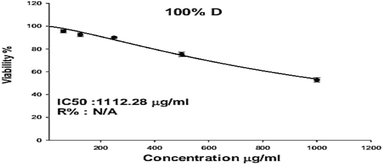
This research aimed to explore the use of date seed powder in food manufacture. The date seeds were roasted, powdered (RDSP) and used in the manufacture of laboratory chocolate balls (CB), chocolate spread (CS) and dark chocolate (DC), where the cocoa powder (CP) was replaced with 25%, 50% and 75% RDSP in each processed product mentioned above. Chemical composition and total phenol content were determined, phenols and flavonoids were identified, and the mineral composition of RDSP, CB, CS and DC was investigated. Moreover, the cytotoxicity of RDSP was determined, and a sensory evaluation of CB, CS and DC samples was estimated. The results show that RDSP exhibits a high content of crude fibre, total carbohydrates, total phenol, potassium, a considerable amount of potassium, sodium, iron, calcium and magnesium. The RDSP showed dose-dependent cytotoxicity, where the cell viability at 62.5, 125, 250, 500 and 1000 µg mL−1 of RDSP was 95.63%, 92.48%, 89.99%, 75.22% and 52.85% for the MCF-7 cells, respectively, and the IC50 value was 1112.28 µg mL−1 in MCF-7 cells. The inclusion of RDSP reinforced the crude fibre, total phenol, sodium and potassium content and improved the phenolic and flavonoid compounds of the CB, CS and DC samples. Moreover, its overall acceptability ranged between very good and good grades. Therefore, RDSP could be recommended for use in the manufacture of chocolate products, and it exhibited anti-cancer properties.
Sustainability spotlight
Date seeds are considered food waste that most people do not care to reuse. However, they contain many phenols, vitamins, minerals and fibers. Therefore, these seeds have been used in the preparation of functional foods that have a high percentage of fiber and phenols, which are considered antioxidants and help in preventing diseases, especially cancers. The process leads to reduced waste without affecting the environment or leading to the depletion of natural resources, which is in line with the United Nations Sustainable Development Goals.
|
1. Introduction
Dates (Phoenix dactylifera L.) belong to the Palmacea family and are a staple food in arid and semi-arid areas. About 10–15% of the weight of a date fruit is the date seed, often known as the stone or pit.1 Date seeds contain significant quantities of phenolic compounds, fibre, fat, protein, moisture, and vitamins.2 They also contain high concentrations of minerals (Ca, Mg, K, Na and Fe)3 and oil (5–13%), which is rich in tocopherols, phytosterols and fatty acids (oleic, linoleic, palmitic, meristic and lauric acids).4 Date seeds' dietary fiber has therapeutic applications for a number of illnesses, including colorectal, prostate, and colon cancers, diabetes, obesity, hypertension, coronary heart disease, intestinal problems, and hyperlipidemia. Additionally, plant bioactive chemicals have been used to fend off diseases such as cancer, and seed extracts have been discovered to be helpful in preventing cell death.1,5 Date seeds are a by-product of dates and currently pose an environmental problem, as large quantities of date seeds are generated as waste by the date products industry. Date palm processing produces 6.11–11.47% of date seeds as waste products.5,6
Chocolate is one of the most popular foods all over the world, and as a sweet-tasting product, it is a popular ingredient in various culinary applications.7 It is a highly nutritious energy source and has a variety of potential health benefits, including fertility and sexual activity.8 It can be prepared with a variety of ingredients to enhance its nutritional value and produce functional foods. Chocolate is obtained by processing the seeds of the tropical cacao tree. Some people believe that chocolate is the ‘food of the gods’ as it appears to have been utilized as a medicinal remedy that decreases heart risks.9 Given that date seeds can be used in the manufacture of many food products with high nutritional value, the goal of this study was to utilize date seed powder in food manufacture. Thus, date seed powder was used in chocolate balls, chocolate spread and dark chocolate processing. Moreover, roasted date seed powder was assessed for its cytotoxicity, and its sensory properties were estimated for all the chocolate balls, chocolate spread and dark chocolate samples.
2. Material and methods
2.1 Materials
Date seeds (Phoenix dactylifera L.), Saidy variety, were obtained from a local market, New Valley Governorate, Cairo, Egypt. Cocoa, biscuit, sugar, corn oil, vanilla, milk and sweetened condensed milk were obtained from a local market, Cairo, Egypt.
2.2 Methods
2.2.1 Preparation of roasted date seed powder.
Roasted date seed powder (RDSP) was prepared according to a previous report.10 The date seeds were separated manually from the date fruit, washed, and roasted in a preheated oven for 1 h, in order to achieve a steady-state condition, at 160 °C for 30 minutes until the seeds became light brown. The seeds were then crushed using a blender (Laboratory Mill 3100; Perten instruments AB, Sweden) and sieved (60 mesh) to obtain a fine seed powder that was finally packed and stored at −18 °C.
2.2.2 Preparation of chocolate balls.
The chocolate balls (CB) were prepared according to a previous report11 by mixing crushed biscuit, cocoa and condensed milk together in proportions that made the mixture smoother with good consistency for rolling into a ball shape. The CBs were then placed in a prepared loaf pan and refrigerated for 2–3 h until they became firm and could be easily sliced. Cocoa powder was replaced with RDSP at levels of 25% (CB2), 50% (CB3) and 75% (CB4), and the control sample was prepared with 100% CP (CB1).
2.2.3 Preparation of chocolate spread samples.
The chocolate spread (CS) was prepared according to a previous report.12 Cocoa, milk powder, sugar powder, and salt were mixed well, then placed in an electric blender, and vegetable oil was added gradually until the desired consistency of chocolate spread was obtained. Cocoa powder was replaced with RDSP at levels of 25% (CS2), 50% (CS3) and 75% (CS4), and the control sample was prepared with 100% CP (CS1).
2.2.4 Preparation of dark chocolate samples.
The dark chocolate (DC) was prepared according to ref. 13. Cocoa butter was added to a pot and heated over medium-low heat until melted, cocoa and sugar powder were added, and the mixture was whisked until smooth and no clumps remained. Chopped nuts were added, and the mixture was poured into a silicone chocolate mold, which was placed on a tray and kept in the refrigerator until it set and was ready for analysis. Cocoa powder was replaced with RDSP at levels 25% (DC2), 50% (DC3) and 75% (DC4), and the control sample was prepared with 100% CP (DC1).
2.2.5 Analytical methods.
2.2.5.1 Cytotoxicity determination by sulforhodamine B (SRB) assay for RDSP.
The cytotoxicity effects of RDSP were analyzed by Nawah Scientific Inc. (Mokatam, Cairo, Egypt). The compound was tested against breast adenocarcinoma cells (MCF-7) that were maintained in DMEM supplemented with 100 mg mL−1 of streptomycin, 100 units per mL of penicillin and 10% of heat-inactivated fetal bovine serum in a humidified, 5% (v/v) CO2 atmosphere at 37 °C. Aliquots of 100 µL cell suspension (5 × 10³ cells) were placed in 96-well plates and incubated for 24 hours in full medium. Another aliquot of 100 µL media containing RDSP at different concentrations was used to treat the cells. Cells were fixed by substituting medium with 150 µL of 10% TCA after 72 hours of drug treatment, and they were then incubated for one hour at 4 °C. The TCA solution was removed, and the cells were washed five times with distilled water. After adding aliquots of 70 µL SRB solution (0.4% w/v), the mixture was allowed to sit at room temperature for 10 minutes in the dark. After three rounds of washing with 1% acetic acid, the plates were left to air-dry overnight. The protein-bound SRB stain was then dissolved in 150 µL of TRIS (10 mM), and a BMGLABTECH®-FLU Ostar Omega microplate reader (Ortenberg, Germany) was used to measure the absorbance at 540 nm.14,15
2.2.6 Chemical composition.
The moisture, crude protein, total ash, ether extract and crude fiber contents of RDSP, CB, CS and DC samples were estimated according to ref. 16. Total carbohydrates were determined by differences.
2.2.7 Total phenol content.
The prepared extracts of RDSP, CB, CS and DC samples were used for total phenol content determination according to the methodology described previously.17 The sample (2 g) was homogenized with 20 mL of 80% ethanol. The mixture was kept in the dark at room temperature overnight, filtered (0.45 µm), and stored at −18 °C until analysis. An aliquot of the alcoholic extract (1 mL) was added to 1 mL of 95% ethanol, 5 mL of distilled water, and 0.5 mL 1 N Folin-Ciocalteu reagent, then 1 mL of 5% Na2CO3 was added after 5 min, and the reagent mixture was kept for 60 min at room temperature. The phenolic compounds were quantified spectrophotometrically by measuring the absorbance at 725 nm in a UV-vis spectrophotometer (Shimadzu 1240). Gallic acid (10–100 µg mL−1) in 95% ethanol was used to obtain a standard curve.
2.2.8 Total phenol compounds identification.
Phenolic and flavonoid compounds in the RDSP, CB, CS and DC samples were determined by using high-performance liquid chromatography (HPLC) analysis according to ref. 18 in the Desert Research Center laboratories, Cairo, Egypt, with a Thermo HPLC system (UltiMate 3000), which consisted of a pump, automatic sample injector, and DELL-compatible computer supported with Cromelion7 interpretation program. A diode array detector DAD-3000 was used. A Thermo-hypersil reversed phase C18 column 2.5 × 30 cm was operated at 25 °C. The mobile phase was 0.05% trifluoroacetic acid/acetonitrile (solvent A) and distilled water (solvent B). The UV absorption spectra of both standards and samples were recorded in the range of 230–400 nm. Samples, standard solutions, and the mobile phase were degassed, then purified by using a 0.45 µm membrane filter (Millipore). Samples (0.1 g) were dissolved in 10 mL of methanol, vortexed for 10 minutes, and filtered and stored in the refrigerator (4 °C) until analysis. Identification of the compounds was done by comparison of their retention time and UV absorption spectrum with those of the standards.
2.2.9 Mineral composition.
The mineral composition of RDSP, CB, CS and DC samples were determined in terms of sodium, potassium, iron, calcium and magnesium by using Inductively Coupled Plasma (Ultimate 2JY plasma) analysis, performed at the Soil, Water and Environment Research Institute, Agriculture Research Centre, Giza, Egypt. Mineral concentrations were obtained as the average value (mg kg−1 of dry weight).
2.2.10 Sensory evaluation.
The sensory evaluation of the prepared chocolate samples was conducted organoleptically. Ten panelists in the desert research centre were requested to evaluate the most acceptable samples for sensory attributes of CB, CS and DC supplemented with RDSP. Sensory evaluation of the prepared date seed products was estimated according to ref. 19; every quality received a score ranging from 1 (poor) to 10 (great).
2.2.11 Statistical analysis.
The collected data were analysed using the SPSS (statistical package for the social sciences) Statistics Version 20 for computing the mean values, LSD, ANOVA (p < 0.05) and Duncan Multiple Range test.20
3. Results and discussion
3.1 Nutritional value of RDSP
The data in Table 1 show that the moisture content of RDSP was 1.11%, meanwhile, the crude protein, total ash, ether extract, crude fibre and total carbohydrate contents were 5.36%, 1.78%, 4.37%, 20.80% and 66.58%, respectively, on a dry weight basis. The data in Table 1 also show that the roasted date seed powder contains a good proportion of total phenol content (5070 mg GAE/100 g), while Table 2 shows that the potassium, calcium, sodium, magnesium and iron contents of RDSP were 240.83, 11.31, 29.72, 56.88 and 2.11 mg/100 g, respectively.
Table 1 Chemical composition of the roasted date seed powder (based on dry weight)a
| Parameters |
RDSP |
|
Calculated by differences, ±: standard deviation, and RDSP: roasted date seed powder.
|
| Moisture content (%) |
1.11 ± 0.01 |
| Crude protein (%) |
5.36 ± 0.01 |
| Total ash (%) |
1.78 ± 0.10 |
| Ether extract (%) |
4.37 ± 0.08 |
| Crude fibre (%) |
20.80 ± 0.06 |
| Total carbohydratesa (%) |
66.58 ± 0.15 |
| Total phenol content (mg GAE/100 g) |
5070 ± 0.31 |
Table 2 Minerals in the roasted date seed powder (based on dry weight)a
| Parameters |
RDSP |
|
RDSP: roasted date seed powder.
|
| Potassium (mg/100 g) |
240.83 ± 1.17 |
| Sodium (mg/100 g) |
11.31 ± 0.01 |
| Iron (mg/100 g) |
2.11 ± 0.01 |
| Ca (mg/100 g) |
29.72 ± 0.08 |
| Mg (mg/100 g) |
56.88 ± 0.01 |
Data showed that the roasted date seed powder has high nutritional value, with protein, carbohydrate, fat, ash and fibre contents of 5.92%, 58.62%, 7.5%, 0.96% and 21.25%, respectively.21 Also, data illustrated that Al Wadi AL Jadid dried date seeds contain crude protein (5.62%), crude fibre (18.01%), total ash (1.48%), ether extract (8.5%) and total carbohydrates (56.76%) but recorded a lower proportion of total phenol content (3010.05 mg GAE/100 g) and potassium (215.9 mg/100 g), and a higher proportion of sodium (30.5 mg/100 g), iron (6.53 mg/100 g), calcium (136.7 mg/100 g) and magnesium (67 mg/100 g).22 Add to, the data showed23 that the roasted date seeds with lower total ash (1.16%), total carbohydrate content (57.66%) and calcium (18.97 mg/100 g) but higher crude protein, crude fibre and fat contents, with values of 7.41, 25.66 and 8.11%, respectively, and also higher content of potassium, magnesium, sodium and iron (379.0, 77.00, 15.50 and 3.64 mg/100 g, respectively).
The resulting total phenol content was close to that observed by ref. 24, who stated that the total phenolic content of date seed powder was 3490.15 mg GAE/100 g but higher than that found by ref. 25, who highlighted that the total phenol content of date seed powder was 2.53 mg GAE/100 g, and ref. 26 noted that date seed powder contains a total phenolic content that ranged from 1.98 to 4.65 mg GAE/100 g. Also, ref. 1 reported that date seeds are considered to be a good source of phenolic compounds. The cultivar is one element that is likely to have an impact on the profile of polyphenols and antioxidant qualities in plant products and, more broadly, the composition of nutrients.27
3.2 Cytotoxic activity of RDSP
The sulforhodamine B (SRB) assay is a colorimetric method used to determine the cytotoxicity effect through assessment of cell viability.28
Fig. 1 shows the cytotoxic activity of RDSP against MCF-7 cells examined using the SRB assay. A dose-dependent cytotoxic reaction to RSDP was reported against MCF-7 cells after 72 hours of exposure. The percentage cell viability at doses of 62.5, 125, 250, 500 and 1000 µg mL−1 of RDSP was found to be 95.63%, 92.48%, 89.99%, 75.22% and 52.85% in MCF7 cells, respectively, and the IC50 value was determined to be 1112.28 µg mL−1. This means that as the RDSP concentration increased, the cell viability decreased. Results were in agreement with those of ref. 1, who reported that the percent cell viability at doses of 250, 500, and 1000 µg mL−1 of sun-dried date seed extract was 77%, 51%, and 35%, respectively, while the IC50 value was 769.2 µg mL−1. The same trend of action was also observed by ref. 29, who found that roasted date seed increased cytotoxic activity against WISH (normal amniotic cells), HepG2 (human hepatocellular carcinoma) and HCT116 (colon cancer) as the concentration increased and noted that the cytotoxic effect may be due to the content of phenolic compounds and their antioxidant effects. Moreover, ref. 30 stated that flavonoids have a potential role in killing tumour cells. Concerning IC50, ref. 31 suggested that samples that had IC50 values below 125 µg mL−1 could be strong potential cancer therapeutic agents, whilst samples with IC50 values between 125 and 5000 µg mL−1 were considered to be moderate potential cancer therapeutic agents. Finally, the results showed that the date seed extract reduced MCF-7 cell viability within 48 h, and the IC50 was 678.4 µg mL−1.32
 |
| | Fig. 1 Dose response curve of the roasted date seed powder on cell viability. | |
3.3 Chemical composition of chocolate balls, chocolate spread and dark chocolate samples
The chemical composition of CB, CS and DC samples is summarized in Tables 3–5 with significant decreases (p < 0.05).
Table 3 Chemical composition of the chocolate ball samples (g/100 g DW)a
| Chemical composition (%) |
Samples |
| CB1 |
CB2 |
CB3 |
CB4 |
|
CB1: 100% CP (control sample), CB2: 25% RDSP + 75% CP, CB3: 50% RDSP + 50% CP, and CB4: 75% RDSP + 25% CP. Each value represents the mean of three replicates (mean ± SD). The same letter in each column represents an insignificant difference (p < 0.05).
|
| Moisture |
0.66 ± 0.1c |
0.66 ± 0.1c |
0.75 ± 0.2b |
0.94 ± 0.1a |
| Protein |
10.94 ± 0.02a |
10.94 ± 0.02a |
6.56 ± 0.01b |
3.28 ± 0.01c |
| Total ash |
3.57 ± 0.004d |
2.85 ± 0.004c |
1.48 ± 0.004b |
0.97 ± 00.04a |
| Ether extract |
19.75 ± 0.02b |
14.94 ± 0.02d |
17.46 ± 0.02c |
20.45 ± 0.02a |
| Fibre |
1.48 ± 0.04d |
6.56 ± 0.02c |
11.13 ± 0.002b |
15.79 ± 0.02a |
| Carbohydrates |
64.26 ± 0.01b |
64.93 ± 0.01a |
63.37 ± 0.03c |
59.51 ± 0.01d |
Table 4 Chemical composition of the chocolate spread samples (g/100 g DW)a
| Chemical composition (%) |
Samples |
| CS1 |
CS2 |
CS3 |
CS4 |
|
CS1: 100% CP (control sample), CS2: 25% RDSP + 75% CP, CS3: 50% RDSP + 50% CP, and CS4: 75% RDSP + 25% CP. Each value represents the mean of three replicates (mean ± SD). The same letter in each column represents an insignificant difference (p < 0.05).
|
| Moisture |
0.25 ± 0.02c |
0.25 ± 0.04c |
0.26 ± 0.03b |
0.29 ± 0.02a |
| Protein |
12.69 ± 0.02a |
7.66 ± 0.01b |
6.68 ± 0.03c |
6.47 ± 0.01c |
| Total ash |
2.99 ± 0.01d |
2.10 ± 0.01c |
1.01 ± 0.01b |
0.97 ± 0.02a |
| Ether extract |
64.88 ± 0.05a |
64.00 ± 0.02b |
63.62 ± 0.04c |
62.46 ± 0.04a |
| Fibre |
1.100 ± 0.01d |
4.95 ± 0.002c |
9.82 ± 0.04b |
14.75 ± 0.02a |
| Carbohydrates |
18.34 ± 0.02b |
21.29 ± 0.04a |
18.87 ± 0.03c |
13.35 ± 0.04d |
Table 5 Chemical composition of the dark chocolate samples (g/100 g DW)a
| Chemical composition (%) |
Samples |
| DC1 |
DC2 |
DC3 |
DC4 |
|
DC1: 100% CP (control sample), DC2: 25% RDSP + 75% CP, DC3: 50% RDSP + 50% CP, and DC4: 75% RDSP + 25% CP. Each value represents the mean of three replicates (mean ± SD). The same letter in each column represents an insignificant difference (p < 0.05).
|
| Moisture |
0.81 ± 0.04c |
0.84 ± 0.02c |
0.88 ± 0.03b |
0.91 ± 0.05a |
| Protein |
12.19 ± 0.01a |
7.20 ± 0.03b |
6.45 ± 0.04c |
6.25 ± 0.02c |
| Total ash |
3.15 ± 0.05d |
2.92 ± 0.02c |
1.99 ± 0.07b |
1.05 ± 0.06a |
| Ether extract |
63.79 ± 0.2a |
63.67 ± 0.1b |
63.65 ± 0.1c |
63.59 ± 0.3d |
| Fibre |
0.07 ± 0.02d |
4.35 ± 0.01c |
9.24 ± 0.02b |
14.55 ± 0.03a |
| Carbohydrates |
20.08 ± 0.02b |
21.86 ± 0.03a |
18.67 ± 0.02c |
14.56 ± 0.01d |
For the CB samples, it was found that the moisture content increased from 0.66% in CB1 to 0.94% in CB4. Moreover, increasing the proportion of roasted date seed powder led to a remarkable increase in both ether extract and crude fibre content, where the values increased from 19.75% and 1.48% for CB1, to 20.45% and 15.79% for CB4, respectively. Meanwhile, a decrease was observed in the content of crude protein and total ash; thus, the crude protein value decreased from 10.94% for CB1 to 3.28% for CB4, while the total ash value was 3.57% and decreased to 0.97%, respectively.
For the CS samples, there was an increment in crude fibre content and a decrement in content of crude protein, total ash, ether extract and total carbohydrates as the proportion of RDSP was increased. The data in Tables 3–5 show an increment in the crude fibre and moisture content and a slight decrement in ether extract content as the RDSP proportion increased, whereas the crude protein and total ash content showed a remarkable decline for the DC samples. Finally, it could be concluded that, among the three food products under study, the use of RDSP positively affects the crude fibre content, which may be due to the fact that RDSP contains a good proportion of crude fibre, as mentioned above.
Therefore, ref. 24 highlighted an increment in crude fibre content and a decrement in fat content for both uncooked and cooked beef meatballs when the replacement level of date seed powder was increased. The same trend in results was observed by ref. 33, who noted that as the amount of roasted date seed was increased, the crude fibre level increased, while moisture content, total ash, ether extract content and total carbohydrates decreased in three types of coffee processed from roasted date seeds. They mentioned that the dietary fibre content of roasted date seeds makes them suitable for the preparation of dietary supplements and high-fibre-based food.
Data in ref. 23 showed a decrease in crude protein and total carbohydrate content and an increase in crude fibre as the replacement level of roasted date seed powder was increased in processed cake samples. Data found in ref. 12 illustrated that both crude fibre and total ash content increased in chocolate spread as the level of replacement of cocoa powder with the roasted date seed powder was increased.
3.4 Total phenol content of chocolate balls, chocolate spread and dark chocolate samples
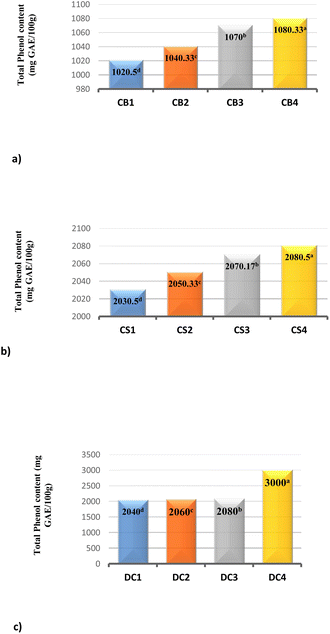
Phytochemical compounds such as phenolic compounds have a healthy effects because of for their antioxidants and anticarcinogenic, also, for their bioavailability into human body.34 Therefore, total phenol content (TP) was investigated for CB, CS and DC; the results are presented in Fig. 2a–c. It can be seen that there was an increasing trend in TP content in all samples as the RDSP proportion increased; the TP values increased from 1020.5 to 1080.33 mg GAE/100 g for the CB1 and CB4 samples, from 2030.5 to 2080.5 mg GAE/100 g for the CS1 and CS4 samples, and from 2040 to 3000 mg GAE/100 g for the DC1 and DC4 samples, respectively. The results were along the same lines as those observed by ref. 12, who found that the total phenol content increased as the proportion of roasted date seed powder replacement for cocoa powder was increased in chocolate spread and mentioned that this was because of the high total phenol content of the date seed powder. Data in ref. 33 showed that roasted date seed coffee contained a total phenolic content higher than two kinds of coffee: one containing coffee seeds only and another containing 60% roasted date seeds and 30% barley seeds. Results recorded in ref. 24 showed an improvement in the total phenolic content for both uncooked and cooked beef meatballs as the replacement level of date seed powder increased when compared to the control samples.
 |
| | Fig. 2 (a) Total phenol content of the chocolate ball samples (p < 0.05). (b) Total phenol content of chocolate spread samples (p < 0.05). (c) Total phenol content of the dark chocolate samples (p < 0.05). | |
3.5 Total phenol compounds identification of chocolate balls, chocolate spread and dark chocolate samples
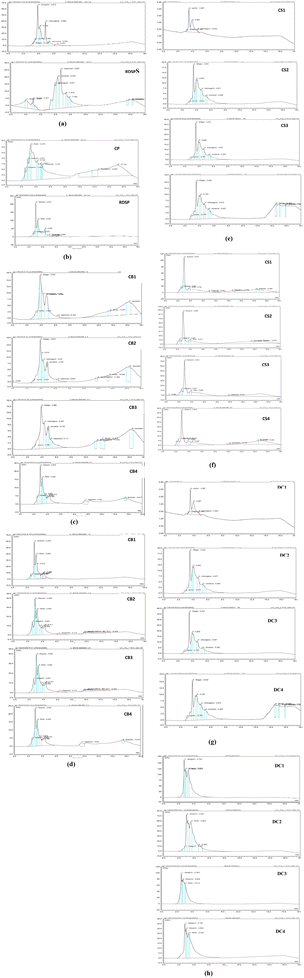
The phenol compounds in the CP, RDSP, CB, CS and DC samples were identified by HPLC, and the results are shown in Tables 6–13 and Fig. 3a–h. In total, 16 phenol compounds were identified (10 polyphenols and 6 flavonoids). From the data presented in Tables 6, 7 and Fig. 3a and b, it was clear that RDSP contains high levels of quinic acid (0.0117 mg/100 g), ellagic acid (0.0031 mg/100 g), chlorogenic acid (0.0378 mg/100 g), cinnamic acid (0.4552 mg/100 g), resorcinol (0.0199 mg/100 g), pyrocatechol (0.0013 mg/100 g), vanillic acid (0.0007 mg/100 g), ferulic acid (0.0007 mg/100 g), phenanthrene (0.0019 mg/100 g), apigenin (0.8439 mg/100 g), diosmin (0.5627 mg/100 g), rutin (7.0620 mg/100 g), hesperidin (5.3637 mg/100 g) and kaempferol (0.01877 mg/100 g) as compared to CP.
Table 6 Total phenol compounds identified in the cocoa powder and roasted date seed powdera
| Total phenol compounds |
mg/100 g |
| CP |
RDSP |
|
CP: cocoa powder and RDSP: roasted date seed powder.
|
| Quinic acid |
0.0013 |
0.0117 |
| Ellagic acid |
0.0004 |
0.0031 |
| Chlorogenic acid |
0.0016 |
0.0378 |
| Cinnamic acid |
0.0168 |
0.4552 |
| Resorcinol |
0.0033 |
0.0199 |
| Pyrocatechol |
n.a. |
0.0013 |
| Vanillic acid |
n.a. |
0.0007 |
| Ferulic acid |
n.a. |
0.0007 |
| Phenanthrene |
0.0002 |
0.0019 |
Table 7 Flavonoid compounds identified in the cocoa powder and roasted date seed powdera
| Flavonoid compounds |
mg/100 g |
| CP |
RDSP |
|
CP: cocoa powder and RDSP: roasted date seed powder.
|
| Apigenin |
0.0831 |
0.8439 |
| Diosmin |
0.5935 |
0.5627 |
| Rutin |
1.4871 |
7.0620 |
| Hesperidin |
0.9719 |
5.3637 |
| Kaempferol |
n.a. |
0.1877 |
Table 8 Total phenol compounds identified in the chocolate ball samplesa
| Phenolic compounds |
mg/100 g |
| CB1 |
CB2 |
CB3 |
CB4 |
|
CB1: 100% CP (control sample), CB2: 25% RDSP + 75% CP, CB3: 50% RDSP + 50% CP, and CB4: 75% RDSP + 25% CP.
|
| Quinic acid |
0.0100 |
0.0015 |
0.0021 |
0.0002 |
| Ellagic acid |
0.0024 |
0.0026 |
0.0034 |
0.0031 |
| Chlorogenic acid |
0.0003 |
n.a. |
0.0002 |
0.0003 |
| Cinnamic acid |
0.0065 |
0.0002 |
0.0026 |
0.0043 |
| Resorcinol |
0.0001 |
0.0032 |
0.0002 |
n.a. |
| Pyrocatechol |
n.a. |
0.0001 |
0.0001 |
0.0000 |
| Vanillic acid |
n.a. |
0.0000 |
0.0001 |
n.a. |
| Ferulic acid |
0.0000 |
n.a. |
n.a. |
n.a. |
| Phenanthrene |
n.a. |
0.0000 |
n.a. |
n.a. |
| Coumaric acid |
0.0088 |
n.a. |
0.0081 |
0.0001 |
Table 9 Flavonoid compounds identified in the chocolate ball samplesa
| Flavonoid compounds |
mg/100 g |
| CB1 |
CB2 |
CB3 |
CB4 |
|
CB1: 100% CP (control sample), CB2: 25% RDSP + 75% CP, CB3: 50% RDSP + 50% CP, and CB4: 75% RDSP + 25% CP.
|
| Apigenin |
0.0197 |
0.0809 |
0.0753 |
0.0208 |
| Diosmin |
0.2007 |
0.0987 |
0.0990 |
0.1009 |
| Rutin |
1.7056 |
0.4452 |
0.6911 |
0.3051 |
| Hesperidin |
n.a. |
n.a. |
0.1678 |
0.4359 |
| Kaempferol |
n.a. |
n.a. |
0.2641 |
n.a. |
Table 10 Total phenol identified in the chocolate spread samplesa
|
|
mg/100 g |
| CS1 |
CS2 |
CS3 |
CS4 |
|
CS1: 100% CP, CS2: 25% RDSP + 75% CP, CS3: 50% RDSP + 50% CP, and CS4: 75% RDSP + 25% CP.
|
| Quinic acid |
0.0004 |
0.0003 |
0.0002 |
0.0002 |
| Ellagic acid |
0.0000 |
0.0018 |
0.0009 |
0.0008 |
| Chlorogenic acid |
0.0000 |
0.0006 |
n.a. |
n.a. |
| Cinnamic acid |
n.a. |
0.0032 |
0.0005 |
0.0004 |
| Resorcinol |
n.a. |
n.a. |
0.0017 |
0.0020 |
| Pyrocatechol |
n.a. |
n.a. |
n.a. |
n.a. |
| Vanillic acid |
n.a. |
n.a. |
n.a. |
n.a. |
| Ferulic acid |
n.a. |
n.a. |
n.a. |
n.a. |
| Phenanthrene |
n.a. |
n.a. |
n.a. |
0.0001 |
| Coumaric acid |
n.a. |
n.a. |
n.a. |
0.0001 |
Table 11 Flavonoid compounds identified in the chocolate spread samplesa
| Flavonoid compounds |
mg/100 g |
| CS1 |
CS2 |
CS3 |
CS4 |
|
CS1: 100% CP, CS2: 25% RDSP + 75% CP, CS3: 50% RDSP + 50% CP, and CS4: 75% RDSP + 25% CP.
|
| Apigenin |
0.1377 |
0.1051 |
0.0994 |
0.0577 |
| Diosmin |
0.5624 |
0.6593 |
0.5199 |
0.3494 |
| Rutin |
0.6832 |
0.6487 |
0.5562 |
0.0015 |
| Hesperidin |
2.8826 |
n.a. |
0.2327 |
n.a. |
| Kaempferol |
1.5774 |
4.6104 |
n.a. |
0.0368 |
| Quercetin |
0.0478 |
0.1490 |
n.a. |
0.0925 |
Table 12 Phenolic compounds identified in the dark chocolate samplesa
| Phenolic compounds |
mg/100 g |
| DC1 |
DC2 |
DC3 |
DC4 |
|
DC1: 100% CP, DC2: 10% RDSP + 90% CP, DC3: 20% RDSP + 80% CP, and DC4: 30% RDSP + 70% CP.
|
| Quinic acid |
20.9786 |
14.1253 |
13.2550 |
0.6218 |
| Ellagic acid |
3.3903 |
1.9364 |
2.2284 |
4.7255 |
| Chlorogenic acid |
11.5280 |
7.4094 |
6.6897 |
2.5675 |
| Cinnamic acid |
0.4297 |
0.2087 |
0.1446 |
0.0465 |
| Resorcinol |
0.7334 |
0.1972 |
0.2715 |
0.0522 |
| Pyrocatechol |
0.1643 |
0.0175 |
n.a. |
0.0130 |
| Vanillic acid |
0.0143 |
n.a. |
n.a. |
0.0076 |
| Ferulic acid |
0.0565 |
n.a. |
n.a. |
0.0370 |
| Phenanthrene |
0.1526 |
0.2888 |
0.2367 |
0.2375 |
| Coumaric acid |
4.5590 |
4.6393 |
4.7025 |
5.7115 |
Table 13 Flavonoid compounds identified in the dark chocolate samplesa
| Flavonoid compounds |
mg/100 g |
| DC1 |
DC2 |
DC3 |
DC4 |
|
DC1: 100% CP, DC2: 10% RDSP + 90% CP, DC3: 20% RDSP + 80% CP, and DC4: 30% RDSP + 70% CP.
|
| Apigenin |
0.7278 |
0.0900 |
0.6348 |
0.3374 |
| Diosmin |
0.4362 |
0.3607 |
0.2261 |
0.1032 |
| Rutin |
4.3042 |
3.4640 |
1.6834 |
0.7770 |
| Hesperidin |
n.a |
n.a. |
n.a |
n.a. |
| Kaempferol |
n.a. |
n.a. |
n.a. |
n.a. |
 |
| | Fig. 3 (a) Total phenol compounds identified in the cocoa powder and roasted date seed powder. (b) Total flavonoid compounds identified in the cocoa powder and roasted date seed powder. (c) Total phenol compounds identified in the chocolate ball samples. (d) Total flavonoid compounds identified in the chocolate ball samples. (e) Total phenol compounds identified in the chocolate spread samples. (f) Total flavonoid compounds identified in the chocolate spread samples. (g) Total phenol compounds identified in the dark chocolate samples. (h) Total flavonoid compounds identified in the dark chocolate samples. | |
Regarding the total phenol compounds for the CP, RDSP, CB, CS and DC samples, data in Tables 6–13 and Fig. 3a–h show that there was an enhancement in ellagic acid, chlorogenic acid, apigenin, diosmin, hesperidin and quercetin for the CB samples as the proportion of RDSP increased. Moreover, CB3 was found to have a good content of quinic acid, cinnamic acid, coumaric acid and kaempferol when compared to CB1. Also, for the CS samples, it was noted that the content of ellagic acid, chlorogenic acid, cinnamic acid, diosmin, kaempferol and quercetin was increased in CS2 as compared to those in CS1. Concerning the DC samples, the ellagic acid, phenanthrene and coumaric acid content increased in DC4 as the RDSP proportion increased.
Data reported in ref. 23 and 24 illustrated that date seed powder contains a good content of phenolic and flavonoid components. The data mentioned in ref. 35 showed that roasted date seeds manifested a higher overall content of flavonoids compared to raw date seeds.
3.6 Mineral content of chocolate balls, chocolate spread and dark chocolate samples
Minerals are considered to play a key role in determining overall mental and physical well-being. They are important for bones, teeth, blood, nerve cells, and the immune and brain systems. Minerals are also vital to overall mental and physical well-being.36 Therefore, iron, magnesium, calcium, sodium and potassium were investigated in CB, CS and DC samples. Data of the mineral content are listed in Tables 14–16 at p < 0.05. The results show that there was an increasing trend in both potassium and sodium components as the proportion of replacement of cocoa powder with RDSP increased for all the CB, CS and DC samples. In contrast, the amounts of iron, magnesium, and calcium decreased for all the CB, CS and DC samples as the proportion of replacement of cocoa powder with RDSP increased. Thus, it could be concluded that both the sodium and potassium content of CB, CS and DC samples were reinforced.
Table 14 Mineral components in the chocolate ball samplesa
| Minerals (mg/100 g) |
Samples |
| CB1 |
CB2 |
CB3 |
CB4 |
|
CB1: 100% CP (control sample), CB2: 25% RDSP + 75% CP, CB3: 50% RDSP + 50% CP, and CB4: 75% RDSP + 25% CP. Each value represents the mean of three replicates (mean ± SD). The same letter in each column represents an insignificant difference (p < 0.05).
|
| Fe |
11.90 ± 0.1a |
8.75 ± 0.2b |
7.13 ± 0.1c |
4.24 ± 0.1d |
| Mg |
189.78 ± 0.5a |
165.47 ± 0.5b |
159.22 ± 0.3c |
105.98 ± 0.3d |
| Ca |
147.91 ± 0.03a |
131.64 ± 0.2b |
103.24 ± 0.1c |
80.13 ± 0.1d |
| Na |
2.70 ± 0.1d |
6.60 ± 0.1c |
8.11 ± 0.2b |
12.43 ± 0.2a |
| K |
102.45 ± 0.2d |
155.00 ± 0.3c |
195.00 ± 0.5b |
274.00 ± 0.6a |
Table 15 Mineral components of chocolate spread samplesa
| Minerals (mg/100 g) |
Samples |
| CS1 |
CS2 |
CS3 |
CS4 |
|
CS1: 100% CP (control sample), CS2: 25% RDSP + 75% CP, CS3: 50% RDSP + 50% CP, and CS4: 75% RDSP + 25% CP. Each value represents the mean of three replicates (mean ± SD). The same letter in each column represents an insignificant difference (p < 0.05).
|
| Fe |
11.20 ± 0.3a |
9.25 ± 0.1b |
6.20 ± 0.3c |
4.12 ± 0.2d |
| Mg |
153.90 ± 0.4a |
135.32 ± 0.1b |
129.97 ± 0.2c |
75.12 ± 0.1d |
| Ca |
117.00 ± 0.3a |
101.70 ± 0.2b |
73.10 ± 0.1c |
52.05 ± 0.4d |
| Na |
2.20 ± 0.3d |
4.30 ± 0.1c |
6.70 ± 0.1b |
9.35 ± 0.1a |
| K |
95.3.0 ± 0.2d |
137.00 ± 0.3c |
167.67 ± 0.1b |
201.45 ± 0.2a |
Table 16 Mineral components of dark chocolate samplesa
| Minerals (mg/100 g) |
Samples |
| DC1 |
DC2 |
DC3 |
DC4 |
|
DC1: 100% CP (control sample), DC2: 25% RDSP + 75% CP, DC3: 50% RDSP + 50% CP, and DC4: 75% RDSP + 25% CP. Each value represents the mean of three replicates (mean ± SD). The same letter in each column represents an insignificant difference (p < 0.05).
|
| Fe |
11.2 ± 0.2a |
9.10 ± 0.3b |
6.15 ± 0.1c |
4.32 ± 0.1d |
| Mg |
151.70 ± 0.3a |
139.24 ± 0.2b |
122.34 ± 0.4c |
78.15 ± 0.4d |
| Ca |
117.00 ± 0.3a |
103.04 ± 0.2b |
77.10 ± 0.2c |
50.97 ± 0.1d |
| Na |
2.20 ± 0.4d |
4.39 ± 0.1c |
6.77 ± 0.0.4b |
9.05 ± 0.0.1a |
| K |
95.30 ± 0.1d |
135.13 ± 0.1c |
161.67 ± 0.3b |
204.85 ± 0.4a |
3.7 Sensory evaluation of chocolate balls, chocolate spread and dark chocolate samples
The data in Tables 17–19 summarizes the sensory evaluation of CB, CS and DC samples with significant differences (p < 0.05). It was noted that sensory parameters estimated between very good and good levels for odor, taste, color and texture parameters for all the CB, CS and DC samples that contain RDSP as compared to each control sample of the three products under study that contained CP only. Moreover, there were no significant differences in overall acceptability for both CB and CS samples when compared with the control sample; however, for the DC samples, the overall acceptability of DC3 and DC4 samples was significantly lower compared to DC1 and DC2 samples, with slightly different values. The overall acceptability of both DC and CS samples was rated as very good, whilst the CB samples were rated between very good and good, as compared to the control sample, which indicates that replacement of CP with different proportions of RDSP did not negatively affect the sensory properties of CB, CS samples and the sensory properties of low-fat ice cream samples were evaluated by ref. 37 and contained 3.5 and 2.5% date seed powder instead of cocoa and observed that the sample containing 3.5% of date seed powder exhibited superior taste, texture, and general acceptance compared to other studied samples. Also, data reported in ref. 38 showed that cheese spread samples fortified with date seed powder were sensorially acceptable. Data reported in ref. 12 illustrated that the chocolate spread sample processed using 4% date seed powder was superior to other treatment samples in terms of taste, texture and aroma, taking into consideration that a reduction in bitterness occurred in the chocolate spread sample containing 100% date seed powder.
Table 17 Sensory evaluation of chocolate ball samplesa
| Sensory parameters |
Samples |
| CB1 |
CB2 |
CB3 |
CB4 |
|
CB1: 100% CP (control sample), CB2: 25% RDSP + 75% CP, CB3: 50% RDSP + 50% CP, and CB4: 75% RDSP + 25% CP. Each value represents the mean of three replicates (mean ± SD). The same letter in each column represents an insignificant difference (p < 0.05).
|
| Odor |
9.67 ± 0.21a |
9.25 ± 0.36a,b |
9.17 ± 0.40a,b |
8.33 ± 0.42b |
| Taste |
9.67 ± 0.21a |
9.58 ± 0.27a |
9.58 ± 0.27a |
9.00 ± 0.26a |
| Color |
10.00 ± 0.00a |
9.83 ± 0.17a |
9.67 ± 0.21a |
9.08 ± 0.20b |
| Texture |
9.67 ± 0.17a |
9.58 ± 0.15a |
9.50 ± 0.22a |
9.42 ± 0.24a |
| Overall acceptability |
9.67 ± 0.21a |
9.42 ± 0.27a |
9.17 ± 0.31a |
8.83 ± 0.31a |
Table 18 Sensory evaluation of chocolate spread samplesa
| Sensory parameters |
Samples |
| CS1 |
CS2 |
CS3 |
CS4 |
|
CS1: 100% CP (control sample), CS2: 25% RDSP + 75% CP, CS3: 50% RDSP + 50% CP, and CS4: 75% RDSP + 25% CP. Each value represents the mean of three replicates (mean ± SD). The same letter in each column represents an insignificant difference (p < 0.05).
|
| Odor |
9.33 ± 0.33a |
9.33 ± 0.21a |
9.00 ± 0.37a |
9.00 ± 0.37a |
| Taste |
9.67 ± 0.21a |
9.50 ± 0.22a |
9.30 ± 0.22a,b |
8.58 ± 0.33b |
| Color |
9.33 ± 0.33a |
8.75 ± 0.36a |
9.00 ± 0.37a |
8.83 ± 14.8a |
| Texture |
9.17 ± 0.31a |
8.75 ± 0.17a |
9.17 ± 0.31a |
8.92 ± 0.33a |
| Overall acceptability |
8.92 ± 0.33a |
9.17 ± 0.4a |
9.25 ± 0.25a |
9.17 ± 0.40a |
Table 19 Sensory evaluation of dark chocolate samplesa
| Sensory parameters |
Samples |
| DC1 |
DC2 |
DC3 |
DC4 |
|
DC1: 100% CP (control sample), DC2: 25% RDSP + 75% CP, DC3: 50% RDSP + 50% CP, and DC4: 75% RDSP + 25% CP. Each value represents the mean of three replicates (mean ± SD). The same letter in each column represents an insignificant difference (p < 0.05).
|
| Odor |
10.00 ± 0.00a |
9.58 ± 0.15a |
9.00 ± 0.00a |
8.75 ± 0.11a |
| Taste |
10.00 ± 0.00a |
9.67 ± 0.11b |
9.17 ± 0.11c |
9.00 ± 0.00c |
| Color |
10.00 ± 0.00a |
10.00 ± 0.00a |
9.67 ± 0.11a |
8.92 ± 0.24b |
| Texture |
8.92 ± 0.24b |
10.00 ± 0.00b |
9.67 ± 0.11b |
8.92 ± 0.24b |
| Overall acceptability |
10.00 ± 0.00a |
9.83 ± 0.11a |
9.00 ± 0.00b |
9.00 ± 0.13b |
4. Conclusion
The purpose of the present investigation was to assess the potential use of roasted date seed powder in the manufacture of chocolate products. The results demonstrated that the RDSP showed dose-dependent cytotoxicity in all the tested cell lines, where the cell viability was found to be 95.63%, 92.48%, 89.99%, 75.22% and 52.85% for the MCF-7 cells at 62.5, 125, 250, 500 and 1000 µg mL−1 doses of RDSP, respectively, and the IC50 value was 1112.28 µg mL−1 in MCF-7 cells. Moreover, RDSP was found to be a good source of total phenol, crude fibre and total carbohydrate, and also contains a good proportion of potassium and sodium, and considerable amounts of magnesium, calcium and iron. Distinct outcomes were observed when CP was replaced with RDSP, where crude fibre, total phenol, potassium, and sodium content, as well as phenolic and flavonoid components among CB, CS and DC samples were enhanced. The overall acceptability of all the chocolate product samples recorded a good score. Therefore, these findings support the use of RDSP as an excellent source of crude fibre, total phenol, potassium and sodium, with an excellent cytotoxicity effect, which has a positive effect on killing cancer cells.
Author contributions
The author was responsible for manuscript preparation, methodology design, statistical analysis, sample processing, and writing, reviewing, and editing of the document.
Conflicts of interest
The author announces there is no conflict of interest with respect to the content of this article.
Data availability
The data supporting this article have been included within the article.
Acknowledgements
The author would like to thank the Desert Research Center and the Nawah laboratory.
References
- E. S. Al-Sheddi, Anticancer potential of seed extract and pure compound from Phoenix dactylifera on human cancer cell lines, Phcog, 2019, 15, 494–499 CrossRef CAS.
- H. M. Habib, C. Platat, E. Meudec, V. Cheynier and W. H. Ibrahim, Polyphenolic Compounds in Date Fruit Seed (Phoenix dactylifera): Characterisation and Quantification by Using UPLC-DAD-ESI-MS, J. Sci. Food Agric., 2014, 94, 1084–1089 CrossRef CAS PubMed.
- A. Mrabet, G. Rodríguez-Gutiérrez, R. Guillén-Bejarano, R. R. Arcos, A. Ferchichi, M. Sindic and A. Jiménez-Araujo, Valorization of Tunisian secondary date varieties (Phoenix dactylifera L.) by hydrothermal treatments: new fiber concentrates with antioxidant properties, LWT, 2015, 60, 518–524 Search PubMed.
- Y. Halabi, C. Nasri, C. El Guezzane, H. Harhar, S. Gharby, A. Bellaouchou and I. Warad, Date palm Phoenix dactylifera l. Seed oil: variety effects on physicochemical characteristics, fatty acid composition, sterol and tocol contents, J. Microbiol., Biotechnol. Food Sci., 2023, 12(4), e5725 Search PubMed.
- H. M. Habib and W. H. Ibrahim, Nutritional quality evaluation of eighteen date pit varieties, Int. J. Food Sci. Nutr., 2009, 60, 99–111 Search PubMed.
- M. Chandrasekaran and A. Bahkali, Valorization of date palm (Phoenix dactylifera) fruit processing by-products and wastes using bioprocess technology-review, Saudi J. Biol. Sci., 2013, 20, 105–120 Search PubMed.
- T. T. Hapsari and A. F. Yuniasih, The determinant factors of Indonesian competitiveness of cocoa exports to Germany, J. Econ. Dev., 2020, 18(1), 75–84 Search PubMed.
- C. Zugravu and M. R. Otelea, Dark chocolate: to eat or not to eat? A review, J. AOAC Int., 2019, 102(5), 1388–1396, DOI:10.5740/jaoacint.19-0132.
-
K. Gunners, 7 proves of health benefits of dark chocolate, 2018, https://www.healthline.com, accessed on 9 June 2022 Search PubMed.
- M. Fikry, Y. A. Yusof and A. M. Al-Awaadh, Effect of the roasting conditions on the physicochemical, quality and sensory attributes of coffee-like powder and brew from defatted palm date seeds, Foods, 2019, 8(61), 1–19 Search PubMed.
-
Happy valley, Chocolate balls, 2019, https://happyvalley.sa.edu.au/wp-content/uploads/2019/05/Chocolate-Balls.pdf, last accessed (6/2025) Search PubMed.
- R. H. Tlay and A. M. Al-Baidhani, The possibility of benefiting from date seed powder in the manufacture of chocolate spread and studying its quality characteristics, Euphrates J. Agri. Sci., 2023, 15(2), 294–307 Search PubMed.
-
Harvest Skillet, Homemade Dark Chocolates, 2022, https://www.theharvestskillet.com/homemade-dark-chocolates/ Search PubMed.
- P. Skehan, R. Storeng, D. Scudiero, A. Monks, J. McMahon and D. Vistica,
et al.). New colorimetric cytotoxicity assay for anticancer-drug screening, J. Natl. Cancer Inst., 1990, 82(13), 1107–1112 Search PubMed.
- R. M. Allam, A. M. Al-Abd, A. Khedr and O. A. Sharaf,
et al.). Fingolimod interrupts the cross talk between estrogen metabolism and sphingolipid metabolism within prostate cancer cells, Toxicol. Lett., 2018,(291), 77–85 CrossRef CAS PubMed.
-
A. O. A. C., Official method, of analysis of the asocial official analytical chemists, 18th edn, current through revision 2, ed. Dr William horwitz and Dr George, Latimer jr, Washington, USA, 2007 Search PubMed.
- V. T. Renata, B. P. Rânie, R. F. G. Carlos and D. H. Miriam, Microencapsulation of flaxseed oil by spray drying: effect of oil load and type of wall material, Drying Technol., 2012, 30, 1491–1501 CrossRef.
- N. Biswas, P. Balac, S. K. Narlakanti, E. Haque and M. Hassan, Identification of phenolic compounds in processed cranberries by HPLC method, J. Nutr. Food Sci., 2013, 3(1), 1–6 Search PubMed.
- A. Said, N. A. M. Nasir, C. A. Abu Bakar and W. A. F. W. Mohamad, Chocolate spread emulsion: effects of varying oil types on physico-chemical properties, sensory qualities and storage stability, J. Agric., 2019, 10(2), 32–42 CAS.
-
N. Y. Armonk, IBM Spss Statistics for
Windows, version 20.0. IBM crop, 2011 Search PubMed.
- C. H. Sriharsha, R. Swamy and T. V. N. Padmavathi, Preparation and quality evaluation of date seed powder, Pharm. Innov. J., 2021, 10(12), 1500–1502 CAS.
- H. Ahfaiter, A. M. Zeitoun and A. E. Abdalla, Physicochemical properties and nutritional value of Egyptian date seeds and its applications in some bakery products, J. Adv. Agric. Res., 2018, 23(2), 260–279 Search PubMed.
- N. S. Y. Hassan, Improving of the quality properties of cake using date seed powder, Curr. Sci. Intl., 2021, 10(4), 787–796 Search PubMed.
- B. S. Abdel-Maksoud, M. A. El-Waseif, H. M. Fahmy, E. I. AbdElazim and H. A. Shaaban, Study effect of addition date seeds powder on quality criteria and antioxidant properties of beef meatballs, Egypt. J. Chem., 2022, 65(11), 627–640 Search PubMed.
- M. A. Kelany, S. A. Limam and M. A. H. Toweir, Impact of date seed powder as a natural antioxidant for improving oxidative stability of beef and chicken burgers, Assiut J. Agric. Sci., 2024, 55(2), 111–124 Search PubMed.
- F. Al-Juhaimi, K. Ghafoor and M. M. Ozcan, Physical and chemical properties, antioxidant activity, total phenol and mineral profile of seeds of seven different date fruit (Phoenix dactylifera L.) varieties, Int. J. Food Sci. Nutr., 2012, 63, 84–89 Search PubMed.
- A. Baiano and C. Terracone, Varietal differences among the phenolic profiles and antioxidant activities of seven table grape cultivars grown in the south of Italy based on chemometrics, J. Agric. Food Chem., 2011, 59, 9815–9826 CrossRef CAS PubMed.
- V. Vichai and K. Kirtikara, Sulforhodamine B colorimetric assay for cytotoxicity screening, Nat. Protoc., 2006, 1(3), 1112–1116 CrossRef CAS PubMed.
- D. M. El-Sheikh, E. A. El-Kholany and S. M. Kamel, Nutritional value, cytotoxicity, anti-carcinogenic and beverage evaluation of roasted date pits, World J. Dairy Food Sci., 2014, 9(2), 308–316 Search PubMed.
- T. Kobayashi, T. Nakata and T. Kuzumaki, Effect of flavonoids on cell cycle progression in prostate cancer cells, Cancer Lett., 2002, 176, 17–23 CrossRef CAS PubMed.
- J. Manosroi, P. Dhumtanom and A. Manosroi, Anti-proliferative activity of essential oil extracted from Thai medicinal plants on KB and P388 cell lines, Cancer Lett., 2006, 235, 114–120 CrossRef CAS PubMed.
- S. Hilary, J. Kizhakkayil, U. Souka, F. Al-Meqbaali, W. Ibrahim and C. Platat,
In vitro investigation of polyphenol-rich date (Phoenix dactylifera L.) seed extract bioactivity, Nutrition and Food Science Technology, 2021, 8, 1–15 Search PubMed.
- T. I. M. Ragab and N. S. Y. Hassan, A comparative study between different additives for date pits coffee beverage: health and nutritional evaluation, Egypt. J. Chem., 2020, 63(3), 777–790 Search PubMed.
- A. M. Martín-Sánchez, S. Cherif, J. Ben-Abda, X. Barber-Vallés, J. A. Pérez-Álvarez and E. Sayas-Barberá, Phytochemicals in date co-products and their antioxidant activity, Food Chem., 2014, 158, 513–520 CrossRef PubMed.
- R. Paranthaman, P. P. Kumar and S. Kumaravel, HPLC and HPTLC determination of caffeine in raw and roasted date seeds (Phoenix dactylifera L), J. Chromatogr. Sep. Tech., 2012, 1, 249–252 Search PubMed.
- S. M. T. Gharibzahedi and S. M. Jafari, The importance of minerals in human nutrition: bioavailability, food fortification, processing effects and nanoencapsulation, Trends Food Sci. Technol., 2017, 62, 119–132 CrossRef CAS.
- R. A. M. Khalil and K. I. Blassey, Novel functional low fat ice cream flavored with roasted date seed, Egypt. J. Dairy Sci., 2016, 44, 137–149 Search PubMed.
- A. A. Darwish, M. A. Tawfek and E. A. Baker, Texture, sensory attributes and antioxidant activity of spreadable processed cheese with adding date seed powder, J. Food Dairy Sci., 2020, 11(12), 377–383 CrossRef.
|
| This journal is © The Royal Society of Chemistry 2026 |
Click here to see how this site uses Cookies. View our privacy policy here. 

 Open Access Article
 This Open Access Article is licensed under a Creative Commons Attribution-Non Commercial 3.0 Unported Licence


