Incorporation of microcrystalline cellulose into extruded rice analogue: effects on the physicochemical, technofunctional, textural, cooking and structural properties, in vitro digestibility and estimated glycaemic index
Received
13th June 2025
, Accepted 1st January 2026
First published on 2nd January 2026
Abstract
Rice is one of the staple foods that is often criticized for its low dietary fibre content. The addition of dietary fibre to food products is gaining popularity due to its numerous health benefits. This study aimed to investigate the impact of the addition of microcrystalline cellulose (MCC), from 1–5% MCC at an interval of 0.5%, on the functional and nutritional properties of pre-extruded blends and fibre-enriched rice analogues made through extrusion technology. The incorporation of MCC significantly enhanced functional properties such as water absorption capacity (336.01% ± 0.51%), oil absorption capacity (79.47% ± 0.01%), emulsion capacity (60.83% ± 0.72%) and stability (59.58% ± 0.72%) in analogues made with 5% inclusion of MCC. MCC incorporation also increased L* values (79.47 ± 0.01), but it did not significantly alter the textural characteristics. Starch digestibility was reduced as the resistant starch increased from 11.73% to 19.52%, thereby lowering the estimated glycaemic index value from 81.43 to 79.69 from the control to the 5% MCC-RA sample. These findings reveal a promising pathway for advancing healthier, fibre-enriched rice analogues that align with the increasing consumer preference for nutritious and health-oriented food choices.
Sustainability spotlight
This study focuses on the valorisation of broken rice, a by-product of the rice milling industry, for the development of rice analogues fortified with dietary fibre, iron, folic acid, and cyanocobalamin. This approach helps in the transformation of an agricultural waste into a nutritionally enriched food product, addressing food security and supporting the Sustainable Development Goals (SDGs). Specifically, the formulation contributes to SDG 2 (zero hunger) through enhanced nutrition, SDG 3 (good health and well-being) via dietary fibre enrichment, and SDG 9 (industry, innovation, and infrastructure) by introducing a novel processing method. Additionally, it supports SDG 12 (responsible consumption and production) by promoting the sustainable utilization of food processing by-products for human consumption.
|
1 Introduction
Rice, a staple food for nearly two-thirds of the world's population, serves as a crucial source of calories and essential nutrients.1 Consumers widely prefer white rice for its appealing texture, palatability, and appearance.2 Although white rice provides significant caloric value, it is often criticized for its low dietary fibre content as most of the fibre is lost during milling, an essential operation for extending the shelf life of rice.3 Dietary fibre, commonly known as roughage, represents the component of plant-based foods that the human digestive system cannot digest or completely break down. It comprises two primary fractions: soluble and insoluble fibres.4 Soluble fibres dissolve in water, form a gel that slows digestion, and have been shown to lower cholesterol and glucose levels, contributing to improved metabolic health. In contrast, insoluble fibres add bulk to stool, facilitating faster passage through the digestive tract and alleviating issues such as constipation.5 Additionally, dietary fibre promotes satiety by increasing the volume of food and retaining substantial amounts of water, which may aid in weight management.6 Research shows that dietary fibre intake is inversely associated with total mortality rates, particularly deaths from cardiovascular, infectious, and respiratory diseases in individuals.7–9 The Indian Council of Medical Research recommends that adults consume at least 40 g of dietary fibre per day, based on a 2000 kcal diet, highlighting the importance of adequate fibre intake for ensuring overall health.10
To tackle the challenge of low dietary fibre content in rice and align with dietary recommendations, the fortification of rice with added soluble and insoluble fibres for the development of rice analogues has gained significant popularity in recent years.11–13 Rice analogues are known for their enhanced nutritional profile without compromising sensory qualities. Reconstituted rice or rice analogues have emerged as innovative solutions for integrating functional ingredients. Rice analogues are rice-shaped kernels that replicate the taste and flavour of conventional rice, often produced using extrusion technology.14
Fiber incorporation into rice analogues significantly modulates structural integrity and other physicochemical properties of rice analogues, primarily through distinct molecular interactions in comparison with native rice starch.12,13 Soluble fibres are known to increase viscosity and improve structure and texture while imparting health benefits like blood sugar control.15
Soluble fiber aids in digestion and promotes satiety due to its fibrous nature; it creates a fibrous network that adds bulk, hinders molecular linking, and contributes to a denser texture. However, in rice analogues, insoluble fibres can interfere with the process of gelation when dispersed in a starch or protein matrix, impacting the structural continuity. The full hydration and swelling potential of starch granules are also impaired.16 Several studies have been undertaken to study the effects of different sources of starch for the development of rice analogue, and these studies reveal that the addition of alternative macromolecules, mainly dietary fiber, interferes with amylose rearrangement, leading to lower hardness of kernels, which in turn causes higher gruel losses.12,13,15 Hence, insoluble fibre is often modified to produce functionally enhanced products with improved performance and texture. Modified fibres are developed by modifying native fibres via physical, chemical and biological techniques for enhanced functionality.17–19 One of the most commonly used modified insoluble fibres in the food industry is microcrystalline cellulose (MCC), a white, odourless crystalline powder produced by treating alpha cellulose with mineral acids, primarily composed of insoluble dietary fibre, and can be extracted from cellulose-rich agricultural waste streams such as onion peel and sugarcane bagasse.20–22 MCC, when utilized in food products, acts as a stabilizer, fat replacer, and emulsifier, and is known to significantly improve food texture. When utilised in rice analogues, MCC acts as a bridge for linking the amylose molecules, which in turn improves the quality of rice analogues, in addition to increasing bulk and enhancing the dietary fibre content in rice analogues.23–25 Furthermore, MCC remains undigested in the small intestine and does not contribute to elevating blood sugar levels, which, in turn, reduces the glycaemic response of the rice analogue. It also ferments in the large intestine and promotes the growth of beneficial gut microflora, making it an ideal fibre additive for rice analogues.26
The current study aims to evaluate the influence of MCC as a fibre additive on the properties of rice analogues, specifically examining both pre- and post-extrusion effects. By investigating various concentrations of MCC, this study seeks to elucidate its role in enhancing the functional and nutritional characteristics of reconstituted rice. The findings of this research will provide valuable insights into the application of MCC in developing healthier, fibre-enriched rice analogues, aligning with contemporary trends toward health-conscious food options without compromising the natural taste and flavour of conventional rice.
2 Materials and methods
2.1 Raw materials
Raw rice of the Swarna variety was procured from the local market of IIT Kharagpur. Food-grade MCC with an average particle size of 50 microns was procured from Ases Chemical Works, Brahm Bagh, Jalori Gate, Jodhpur (India).
2.2 Sample preparation
Raw rice was ground into flour with a particle size of less than 250 µm using a micro pulveriser (M/s. Basic Technology Private Limited, Kolkata, India). The MCC at varying concentrations (1%, 1.5%, 2%, 2.5%, 3%, 3.5%, 4%, 4.5%, and 5%) was mixed into rice flour through multistage mixing and then blended in a planetary mixer (M/s. Reico Equipment & Instrument Pvt. Ltd, Kolkata, India) at a rotational speed of 400 rpm for 30 minutes. Rice flour of the same variety, without any addition of MCC (0%), was considered the control sample. After this mixing step, a portion of the mixture (pre-extruded blend) was taken for analysis, and the remaining sample was processed further. A calculated amount of reverse osmosis-ultraviolet (RO-UV) treated water was added to get a moisture content of 30% wb, and the mixture was conditioned overnight at 4 °C to equilibrate. The conditioned dough was extruded into rice analogues using a pilot-scale twin-screw extruder (15 kg h−1 capacity, fabricated locally in Kolkata, India). The extrusion conditions were adopted from Dalbhagat & Mishra (2019) with slight modifications and were maintained consistently across all the samples.27 The die temperature was set at 76 °C, the screw speed was held at 50 rpm, and the feed rate was adjusted to 13 rpm. The extruded rice analogue kernels were dried at 23–26 °C in a forced air dryer to achieve a final moisture content of 11–12% wb. The dried rice analogues were polished and stored in zip-lock pouches (low-density polyethylene) at room temperature. Some dried samples were ground, sieved (150 µm), and stored in zip-lock polyethylene pouches for analysis.
2.3 Physicochemical properties
2.3.1 Colour.
The colour attributes of the pre-extruded blend and extruded rice analogues were measured in terms of Hunter lab coordinates, viz., lightness (L*), redness (a*), and yellowness (b*), using a colorimeter (Model: CM 5, M s−1. Konica Minolta, Tokyo, Japan).28
2.3.2 Density.
The bulk density (BD) was measured by pouring a known mass of the pre-extruded blend and the extruded rice analogues into a 25 ml volumetric cylinder from a consistent height. The volume occupied by the sample was then recorded, and the BD was expressed in grams per millilitre (g ml−1).29 To determine the tapped density (TD) of the pre-extruded blend, the cylinder was tapped 300 times to eliminate the airspaces in the pre-extruded blend, and the volume was measured.30 The true density (TrD) of the extruded rice analogues was measured using the toluene displacement method as reported in the literature.31 A 25 ml graduated measuring cylinder was filled with toluene (10 ml), and 5 g of the rice analogue kernels were dropped into it. The volume of toluene displaced was recorded, and the true density was calculated by dividing the sample mass by the displaced volume.
2.4 Techno-functional properties
2.4.1 Water absorption capacity, oil absorption capacity, and water solubility index.
The water absorption capacity (WAC) and oil absorption capacity (OAC) were determined by adding 10 ml of distilled water (for WAC) or refined oil (for OAC) to one gram of the powdered sample in a pre-weighed centrifuge tube. The contents were vortexed for 30 min and centrifuged at 8000 rpm for 30 minutes. The supernatant was removed, and the tubes were inverted on a paper towel for 5 minutes. The final weight of the sample was then measured to calculate the percentage of water or oil absorbed. Additionally, the supernatant obtained from the WAC measurement was dried to determine the water solubility index (WSI).27,32
2.4.2 Swelling capacity (SC).
The swelling capacity of the samples was assessed following the method outlined by Chandra et al. (2015). The powdered sample was placed in a 25 ml graduated cylinder up to the 5 ml mark, and distilled water was added to achieve a total volume of 25 ml. The measuring cylinder was sealed, and its contents were mixed by inversion. After 2 minutes, the suspension was inverted again and left to stand for an additional 8 minutes. The volume occupied by the sample was then measured at the end of the 8 minutes.33
2.4.3 Emulsion activity (EA) and emulsion stability (ES).
EA and ES were measured using the procedure outlined by Qadir & Wani (2023b) with minor modifications. Briefly, 1 g of the powdered sample was placed in a centrifuge tube, and 10 ml of distilled water and 10 ml of soybean oil were added. The mixture was homogenized using an Ultra Turrax T18 homogenizer (IKA India Private Limited, India) to form an emulsion. It was then centrifuged at 2000 rpm for 5 minutes. Emulsion activity (EA) was calculated as the percentage ratio of the volume of the emulsion layer to the total volume of the mixture. For emulsion stability (ES), after centrifugation, the emulsion was heated in a water bath at 80 °C for 30 minutes, then cooled for 15 minutes, and centrifuged again at 2000 rpm for 15 minutes. ES was calculated as the percentage ratio of the volume of the emulsified layer to the total volume of the mixture.34
2.5 Textural properties
The textural properties of rice analogues were measured before and after cooking using a texture analyser (CT3, Brookfield Technologies Corporation). The hardness of uncooked rice analogues was assessed with a 50 kg load cell. A single kernel was horizontally placed under a 6 mm diameter TA41 probe, and compression was applied at 1.00 mm s−1 until breakage. Texture Profile Analysis (TPA) of the cooked samples was conducted using a 25.4 mm cylindrical TA11/1000 probe. Ten cooked kernels were evaluated for various textural attributes, including hardness, adhesiveness, gumminess, springiness, chewiness, and cohesiveness.35 The textural properties were assessed in quintuplicate.
2.6 Cooking properties
The cooking properties of rice analogues were analyzed according to the methods outlined by Dalbhagat & Mishra (2019). Approximately five grams of kernels were added to 50 ml of boiling distilled water. Every two minutes, a few grains were examined between glass slides to determine the cooking time (CT) at which the white core disappeared. For solid losses (SL), another 5 g of kernels was cooked under the CT, and the resulting cooking water was collected, dried, and weighed to determine the percentage of lost solids. To calculate the water absorption ratio (WAR), 5 g of sample was cooked under the CT, then drained, blotted dry, and weighed to determine the cooked weight relative to the initial weight.27
2.7 Pasting properties
The pasting profile of samples was evaluated using a rheometer (MCR52 Rheometer, Anton Paar, Graz, Austria). The canister of the instrument was loaded with a 10% (w/v) flour suspension. The temperature profile for pasting analysis was as follows: incubation at 50 °C for 1 minute, heating to 95 °C at a rate of 12 °C min−1, holding at 95 °C for 2.5 minutes, cooling to 50 °C at a rate of 12 °C min−1, and holding at 50 °C for 2 minutes. The pasting curve of each sample was used to calculate its peak viscosity (PV), holding strength (HS), final viscosity (FV), setback from peak viscosity (SPV), and setback from trough viscosity (STV).36
2.8 Structural and analytical characterization
2.8.1 Crystallinity.
Crystallinity was assessed using X-ray diffraction (XRD). An X-ray diffractometer (Bruker AXS D2, India), with Cu K-α radiation (λ = 1.5406 Å), working at 30 kV and 10 mA, was used to analyse the structural properties of the extruded samples by XRD analysis. The powdered sample was filled into a stainless-steel sample pan, and the diffractograms were recorded over a 2θ angle range of 4° to 40°.37 Relative crystallinity was determined as the ratio of areas under the peaks to the total area of diffractograms.
2.8.2 SEM analysis.
The surface morphology and transverse cut section of the extruded rice analogues were analyzed using a Scanning Electron Microscope (SEM) (ZEISS EVO 60, Germany) with a tungsten filament at 5 kV. The samples were mounted on pin stubs with carbon tape and coated with gold–palladium (360 Å thick). The SEM images, taken at EHT = 5 kV, Signal A = SE2, WD = 16.8 mm to 18.2 mm, with magnification (31×–37×), defined the detailed morphological characteristics and changes brought by the extrusion process.
2.9
In vitro starch digestibility and estimated glycaemic index (eGI)
Approximately 50 mg of rice analogue kernels were taken in a 50 ml conical flask and cooked in an autoclave at 120 °C for 30 minutes with 5 ml of distilled water. Following cooking, 10 ml of HCl–KCl buffer solution (pH 1.5) was added to the samples, which were then homogenized for 2 minutes using a probe homogenizer (Ultra Turrax T18 homogenizer, IKA India Private Limited, India). Subsequently, 0.2 ml of a pepsin enzyme solution, prepared by dissolving 22 mg of pepsin (Porcine Stomach Mucosa) in 10 ml of HCl–KCl buffer, was added to each homogenized sample, followed by incubation at 40 °C for 60 minutes in a shaking water bath (Reico Equipment and Instruments Pvt. Ltd, India). After incubation, tris-maleate buffer solution (pH 6.9) was added to bring the sample volume to 25 ml. To hydrolyse the starch present in the sample, 5 ml of an α-amylase solution, prepared by adding 2.6 UI of α-amylase to tris-maleate buffer, was introduced to each liquid sample. These samples were incubated at 37 °C using a shaking water bath. During this incubation period, 0.1 ml aliquots were collected from each tube every 30 minutes, from 0 to 180 minutes, and immediately placed in boiling water for 5 minutes to inactivate the α-amylase. The samples were subsequently incubated at 60 °C for 45 minutes with 0.3 ml of 0.4 M sodium acetate buffer (pH 4.75) and 60 µl of amylo-glucosidase from Aspergillus niger (ref. 101087442) to further hydrolyse the digested starch into glucose. The glucose content was determined by the Arkray GOD–POD kinetic assay Kit (93DP100-74). Total starch content was found by multiplying it by a factor of 0.9. The rate of starch hydrolysis was expressed as a percentage of total starch hydrolysed at specified time intervals: 30, 60, 90, 120, 150, and 180 min. The hydrolysis index (HI) was calculated by dividing the area under the curve (AUC) of each sample by the AUC of the reference food, white bread. The eGI was estimated using the following model:38,39
Additionally, the proportions of rapidly digestible starch (RDS), slowly digestible starch (SDS), and resistant starch (RS) in the sample were calculated as follows:40
where
G0,
G20, and
G120 are the contents of glucose released within 0, 20, and 120 min of hydrolysis, respectively; TS is total starch; 0.9 is the starch conversion factor.
2.10 Sensory evaluation
Sensory evaluation was carried out for cooked RA samples to determine the consumer acceptability. A semi-trained panel of 30 members evaluated the samples using the 9-point hedonic scale, where 1 = extreme dislike, and 9 = extreme like. The main attributes considered were appearance, aroma, texture, taste, and overall acceptability. The hedonic data were then analysed using Principal Component Analysis (PCA) to understand which sensory attributes had the most influence on panel scores. PCA was also used to determine the level of MCC that could be incorporated into the samples without causing much change in the sensory attributes, as compared to the control.41
2.11 Statistical analysis
Unless otherwise specified, all analyses were performed in triplicate, and the data are presented as mean ± standard deviation (mean ± SD, n = 3). Data analysis was conducted using one-way ANOVA, performed separately for pre-extruded blend and rice analogues, followed by Tukey's HSD test for post hoc comparisons, with statistical differences indicated by Tukey's letters and the significance level set at P ≤ 0.05. These statistical analyses were performed using IBM SPSS Statistics (Version 27). XRD data were processed using Origin 18 (Origin Lab Corporation, USA).
3 Results and discussion
3.1 Physicochemical properties
3.1.1 Colour.
Colour was analysed to assess any visual changes in the samples due to MCC incorporation. Hunter colour coordinates of samples are presented in Table 1. In pre-extruded blends, lightness slightly increased with higher MCC levels from the control (95.56 ± 0.03) to the 5% MCC (95.61 ± 0.02) blend. The a* changed from more negative (green) values to less negative (towards red) values with higher MCC concentrations, while b* values decreased, indicating a shift from yellow to blue, with the most significant change observed at 5% MCC. The observed subtle increase in lightness may be attributed to the dilution of the rice pigments upon MCC addition by acting as a diluent. In rice analogues, lightness values were reduced from 77.71 ± 0.05 to 78.80 ± 0.08 but showed minimal deviation with MCC incorporation. The a* values continued to shift towards red with increasing MCC, though less pronounced than in the pre-extruded blend, and b* values decreased further, reinforcing the trend towards bluer tones with higher MCC concentrations. The observed increases in L*, a*, and b* values upon the incorporation of MCC in both the pre-extruded blend and extruded kernels might be attributed to the higher lightness and the red and yellow hues of MCC. The colour changes observed are minimal, which may be attributed to the ability of MCC to act as an inert filler without affecting the colour of the sample.20 The observed increasing lightness trend is likely due to MCC diluting the starch matrix. While starch becomes gelatinized and darkened during extrusion, MCC remains colour-stable, leading to lighter final products. The decreased L* and increased a* and b* of samples upon extrusion may be due to the starch gelatinization and non-enzymatic reactions, such as Maillard reactions and caramelization.42,43
Table 1 Color and density of pre-extruded blends and rice analoguesa
|
|
Samples |
Colour |
Bulk density (g ml−1) |
Tapped density (g ml−1) |
True density (g ml−1) |
|
L* |
a* |
b* |
ΔE |
|
Data in each column sharing the same superscript letter indicate no significant difference (p < 0.05). Statistical tests were performed separately for samples before (pre-extrusion blend) and after extrusion (rice analogue).
|
| Pre-extruded blend |
Control |
95.56 ± 0.03cde |
−0.59 ± 0.01a |
6.01 ± 0.03a |
— |
0.63 ± 0.01ab |
0.83 ± 0.01a |
— |
| 1% MCC |
95.51 ± 0.04ef |
−0.55 ± 0.02b |
5.95 ± 0.04a |
— |
0.63 ± 0.00ab |
0.82 ± 0.01ab |
— |
| 1.5% MCC |
95.65 ± 0.05ab |
−0.52 ± 0.02c |
5.58 ± 0.04b |
— |
0.62 ± 0.01abc |
0.82 ± 0.01ab |
— |
| 2% MCC |
95.67 ± 0.02a |
−0.50 ± 0.01d |
5.39 ± 0.04c |
— |
0.62 ± 0.01ab |
0.82 ± 0.01ab |
— |
| 2.5% MCC |
95.59 ± 0.09cd |
−0.48 ± 0.02e |
5.38 ± 0.22c |
— |
0.62 ± 0.01ab |
0.82 ± 0.01ab |
— |
| 3% MCC |
95.61 ± 0.08bc |
−0.44 ± 0.02e |
5.07 ± 0.19e |
— |
0.62 ± 0.01ab |
0.82 ± 0.01ab |
— |
| 3.5% MCC |
95.53 ± 0.01efd |
−0.47 ± 0.01f |
5.31 ± 0.01d |
— |
0.61 ± 0.01abc |
0.82 ± 0.01ab |
— |
| 4% MCC |
95.49 ± 0.01f |
−0.41 ± 0.02g |
5.03 ± 0.11ef |
— |
0.61 ± 0.01bc |
0.81 ± 0.00b |
— |
| 4.5% MCC |
95.53 ± 0.02ef |
−0.42 ± 0.02g |
4.98 ± 0.11f |
— |
0.60 ± 0.01c |
0.81 ± 0.00b |
— |
| 5% MCC |
95.61 ± 0.02 cb |
−0.41 ± 0.02g |
4.90 ± 0.02g |
— |
0.60 ± 0.01c |
0.81 ± 0.01b |
— |
| Rice analogues |
Control |
77.17 ± 0.05a |
−0.13 ± 0.01a |
17.03 ± 0.05a |
— |
0.77 ± 0.01ab |
— |
1.42 ± 0.01a |
| 1% MCC |
77.71 ± 0.28b |
−0.12 ± 0.02a |
17.06 ± 0.06 ab |
0.54 |
0.78 ± 0.01ab |
— |
1.42 ± 0.02a |
| 1.5% MCC |
77.80 ± 0.30b |
−0.13 ± 0.02a |
17.11 ± 0.05bc |
0.63 |
0.77 ± 0.01abc |
— |
1.41 ± 0.02a |
| 2% MCC |
78.02 ± 0.05c |
0.03 ± 0.01b |
17.14 ± 0.03c |
0.88 |
0.76 ± 0.01bcd |
— |
1.41 ± 0.01ab |
| 2.5% MCC |
78.28 ± 0.05d |
0.09 ± 0.01c |
17.17 ± 0.04cd |
1.14 |
0.76 ± 0.01bcd |
— |
1.40 ± 0.01abc |
| 3% MCC |
78.49 ± 0.07e |
0.12 ± 0.01c |
17.21 ± 0.04de |
1.35 |
0.75 ± 0.00d |
— |
1.40 ± 0.01abc |
| 3.5% MCC |
78.60 ± 0.10ef |
0.18 ± 0.01d |
17.23 ± 0.01de |
1.48 |
0.75 ± 0.01cd |
— |
1.39 ± 0.01abc |
| 4% MCC |
78.69 ± 0.10ef |
0.21 ± 0.10de |
17.27 ± 0.02ef |
1.58 |
0.75 ± 0.00d |
— |
1.38 ± 0.01bcd |
| 4.5% MCC |
78.72 ± 0.06f |
0.22 ± 0.10de |
17.30 ± 0.02f |
1.61 |
0.75 ± 0.01cd |
— |
1.37 ± 0.01cd |
| 5% MCC |
78.80 ± 0.08f |
0.23 ± 0.01f |
17.32 ± 0.01f |
1.69 |
0.75 ± 0.00d |
— |
1.36 ± 0.01d |
3.1.2 Density.
BD measures the mass of particles within a given volume, indicating the material's compactness. The bulk density decreased slightly in both pre-extruded blends and extruded kernels (Table 1) as the MCC concentration increased. This reduction in BD was likely due to the fibrous nature and low density of MCC,44 which introduced additional void spaces in pre-extruded blends and interfered with starch gelatinization, resulting in a less compact matrix in extruded kernels. The tapped density of the pre-extruded blend also followed a similar decreasing trend, indicating the consistent packing behaviour of the sample. The true density of rice analogues decreased from 1.42 ± 0.01 to 1.36 ± 0.01 g ml−1 from the control to the 5% MCC-incorporated sample, indicating that the addition of MCC resulted in a looser matrix, which is favourable for the easy penetration of water during cooking. Supporting results were observed in the cooking time, which decreased with increasing MCC concentration, and in the microstructure, where an increase in air cells was evident.
3.2 Techno-functional properties
3.2.1 Water absorption capacity (WAC).
WAC is a measure to evaluate the hydration properties of the samples and serves as an indicator of the starch transformation degree during extrusion.45 The WAC of pre-extruded blends exhibited a significant decrease (p < 0.05) from 130.61% ± 0.43% in the control to 124.59 ± 0.11% in the 5% MCC-incorporated pre-extruded blend with increasing concentrations of MCC (Fig. 1(A)). This reduction in WAC is attributed to the hydrophobic nature of MCC, which diminished the overall hydrophilicity of the rice matrix in the pre-extrusion blends. As MCC concentration increased, the ability of samples to absorb and retain water correspondingly decreased. On the contrary, WAC values increased significantly in rice analogues (p < 0.05) with increasing MCC concentration from 323.68 ± 0.55 in the control sample to 336.01% ± 0.51% in the 5% MCC sample. The upward trend in WAC post-extrusion can be attributed to insoluble fibres promoting a more porous and open matrix structure in the extrudate. This porous structure can effectively trap water, prevent its loss, and thereby enhance the WAC of samples.46 Similar findings were reported by Kallu et al. (2017),47 who observed an increase in WAC in extruded starches upon the incorporation of cellulose. Another plausible reason for the observed downward trend in the pre-extruded blend and upward trend in the rice analogue could be because of the partial conversion of crystalline regions of cellulose into amorphous regions due to the high temperatures and shearing during extrusion,48 exposing more hydroxyl groups of cellulose that can easily form hydrogen bonds with water.49 The observed higher values of WAC of the extruded sample than the pre-extruded blend could be attributed to starch gelatinization, since gelatinization will disrupt the crystalline regions and render the starch into an amorphous form that can absorb higher amounts of water. The thermal effects of the extrusion disrupt the hydrogen bonds in the starch, enabling more hydroxyl groups of the polysaccharide to interact with water.50 Increased WAC upon MCC incorporation is beneficial to humans, as it is associated with enhanced intestinal peristalsis, reduced food intake, increased stool volume, removal of carcinogens, and regulation of gut microbiota.51
 |
| | Fig. 1 Techno-functional properties of samples before (pre-extrusion blend) and after extrusion (rice analogues), including the (A) water absorption capacity, (B) water solubility index, (C) oil absorption capacity, (D) swelling capacity, (E) emulsification capacity, and (F) emulsification stability. | |
3.2.2 Water solubility index (WSI).
WSI indicates the extent of starch disintegration during extrusion52 for starch-rich products. WSI values are depicted in Fig. 1(B). For the pre-extruded blend, a slight decrease in WSI with increasing MCC might be due to the hydrophobic properties of MCC, which may marginally reduce the solubility of the blend from 1.71% ± 0.06% to 1.48% ± 0.06% with the increase in MCC concentration up to 5%. The upward trend in WSI with increasing MCC concentrations post extrusion can be attributed to MCC's role as an insoluble fibre, which increases friction inside the extruder barrel, thereby facilitating the mechanical disruption of starch into smaller fragments and thereby increasing solubility. Similar findings were observed in extruded instant products47 and extruded starches.53 Post-extrusion, WSI values of samples increased due to starch gelatinization, disrupting the crystalline structure and leaching amylose, and enhancing solubility. Mechanical shear during extrusion further breaks starch into soluble forms, contributing to the increased WSI.
3.2.3 Oil absorption capacity (OAC).
OAC evaluates the ability of a product to absorb and retain oils, impacting the texture, flavour, and overall quality. OAC increased with the increasing MCC concentration from the control to the 5% MCC incorporation in both pre-extruded (73.40% ± 0.13% to 78.77% ± 0.08%) and extruded (78.69% ± 0.02% to 79.47% ± 0.01%) samples (Fig. 1(C)). This enhancement is likely due to the oil-binding properties of MCC, which, combined with its fibrous nature, provide additional binding sites, increasing the overall OAC in both pre-extruded blends and extruded samples. Several studies have highlighted the high OAC of MCC due to its porous structure and large surface area.54,55 The observed increase in OAC values upon extrusion is likely due to structural modifications that enhance surface area and porosity. These findings align with those of Kesselly et al. (2023), who observed an increase in the OAC of pulse flour due to extrusion, regardless of extrusion temperature.56 High OAC is linked to promoting satiety and reducing overall calorie intake, which can significantly contribute to weight management and obesity prevention.57
3.2.4 Emulsification capacity (EC) and emulsification stability (ES).
EC refers to the ability to form and stabilize the initial emulsion of two immiscible liquids by reducing surface tension, and ES is the ability of the emulsion to be stable throughout time without phase separation. Both EC and ES demonstrated a significant increase (p < 0.05) with higher concentrations of MCC in both pre-extruded and extruded samples (Fig. 1(E and F)). EC increased from 44.17% ± 0.72% to 46.67% ± 0.72% in the pre-extruded blend and from 53.3% ± 0.72% to 60% ± 1.25% in the extruded sample when comparing the control to the 5% MCC sample. ES was enhanced from 42.08% to 45.83% in the pre-extruded blend and from 52.92% to 59.58% in the extruded sample from the control to the maximum MCC-incorporated sample. These findings were attributed to MCC's ability to form Pickering emulsions.58 MCC enhanced the emulsifying properties of both pre-extruded blends and extruded rice analogues by increasing the available surface area and stabilizing emulsions. The observed rise in ES and EC upon extrusion could be attributed to the thermal and mechanical effects of the extrusion process, which increase the gelatinized starch content that has good emulsifying properties.59–61 An increased emulsification capacity may enhance the binding of bile acids to cholesterol, thus preventing its absorption and thereby helping to lower the risk of cardiovascular diseases.62
3.2.5 Swelling capacity (SC).
Swelling capacity refers to the ability of starches to absorb water and increase in size.63 As shown in Fig. 1(D), SC decreased by 3.85% from the control to the 5% MCC sample in the pre-extruded blends, while it increased by 2.5% following the extrusion process. The reduction in swelling power in the pre-extruded blends may be attributed to the hydrophobic nature of MCC, which does not absorb water and dilutes the starch matrix, resulting in diminished swelling capacity. Supporting findings were noted in WAC, which also exhibited a decrease in the pre-extruded blend. This may be due to the crystalline nature of cellulose, which has extensive hydrogen bonding within the molecule64 and cannot bind with other water molecules. Post-extrusion, the observed increasing trend of swelling power with increasing MCC might be attributed to the formation of a porous matrix that can retain water, leading to a corresponding rise in swelling power as evidenced by an increase in WAC. This aligns with the findings of a previous study, which reported an increase in the swelling power of the insoluble fractions of rice bran upon extrusion treatment.65 The increased swelling capacity of extruded samples is due to starch gelatinization, which disrupts crystalline structures and exposes hydroxyl groups, enhancing water absorption and swelling.66 Increased swelling capacity is associated with enhanced satiety, resulting in a decrease in excess calorie consumption.57
3.3 Textural properties
The incorporation of MCC into rice analogues significantly impacted some of the textural attributes (Table 2). As MCC concentration increased, the hardness of uncooked kernels decreased (486.53 ± 3.59 to 423.29 ± 4.90), indicating a matrix softening of the rice analogues. This reduction in hardness is likely due to the fibrous nature of MCC, which created a porous matrix by hindering starch gelatinization during extrusion. Supporting results are evidenced by the decreasing peak viscosity in the pasting profile. As a result, the starch granules became less densely packed, leading to a softer texture in the extruded product, as indicated by the reduction in density. Baek et al. in 2014 and Na-Nakorn et al. in 2021 also observed a softer product when they incorporated corn bran into extruded rice noodles and extruded rice, respectively.67,68 In contrast, the hardness of cooked kernels increased slightly with higher MCC concentrations; however, this increase was statistically insignificant. Adhesiveness and gumminess remained relatively similar across all MCC treatments, suggesting that the addition of MCC did not significantly alter the stickiness of the rice analogues. Cohesiveness values also remained stable, with no significant differences across the various treatments, indicating the ability of rice analogues to maintain structure and resist fragmentation, which is essential for product quality. Notably, springiness values slightly increased from the control to a higher MCC concentration, indicating enhanced recovery from deformation. Furthermore, the chewiness increased from 17.26 ± 0.64 in the control sample to 18.42 ± 0.20 in the 5% MCC sample. This may be attributed to the fibrous nature of MCC and its higher water retention capacity that enhances chewiness.
Table 2 Textural and cooking properties of rice analogues with added MCCa
| Sample |
Texture |
Cooking properties |
| Uncooked hardness (N) |
Cooked |
Cooking time (min) |
Solid losses (%) |
WAR |
| Hardness (N) |
Adhesiveness (mJ) |
Gumminess (N) |
Chewiness (mJ) |
Cohesiveness |
Springiness (mm) |
|
Samples with different letters in the same column are significantly different at p < 0.05.
|
| Control |
486.53 ± 3.59a |
31.96 ± 3.44a |
1.06 ± 0.07a |
16.53 ± 0.32a |
17.26 ± 0.64c |
0.48 ± 0.03a |
1.10 ± 0.06ab |
15.27 ± 0.04a |
32.48 ± 0.17c |
2.89 ± 0.00a |
| 1% MCC |
474.57 ± 1.94b |
32.03 ± 1.29a |
1.03 ± 0.03a |
16.39 ± 0.33a |
17.54 ± 0.49bc |
0.48 ± 0.02a |
1.11 ± 0.01ab |
15.16 ± 0.03 ab |
32.66 ± 0.35bc |
2.86 ± 0.01a |
| 1.5% MCC |
464.40 ± 4.82c |
32.57 ± 0.67a |
1.05 ± 0.02a |
16.38 ± 0.24a |
17.66 ± 0.24bc |
0.49 ± 0.01a |
1.09 ± 0.04b |
15.14 ± 0.02bc |
32.93 ± 0.16abc |
2.86 ± 0.01ab |
| 2% MCC |
459.69 ± 2.81cd |
33.46 ± 0.76a |
1.08 ± 0.03a |
16.14 ± 0.24a |
17.93 ± 0.18abc |
0.49 ± 0.02a |
1.11 ± 0.05ab |
15.12 ± 0.10 cd |
32.99 ± 0.26abc |
2.85 ± 0.00abc |
| 2.5% MCC |
453.84 ± 2.61de |
33.84 ± 0.78a |
1.08 ± 0.03a |
16.51 ± 0.38a |
17.94 ± 0.31abc |
0.49 ± 0.02a |
1.14 ± 0.01ab |
15.10 ± 0.01de |
33.06 ± 0.21abc |
2.85 ± 0.01abc |
| 3% MCC |
447.45 ± 3.88e |
34.22 ± 0.40a |
1.11 ± 0.02a |
16.51 ± 0.12a |
18.05 ± 0.31ab |
0.48 ± 0.01a |
1.14 ± 0.02ab |
15.06 ± 0.03f |
33.13 ± 0.31abc |
2.84 ± 0.06abc |
| 3.5% MCC |
438.54 ± 1.41f |
34.31 ± 0.28a |
1.11 ± 0.02a |
16.55 ± 0.21a |
18.00 ± 0.22ab |
0.49 ± 0.01a |
1.16 ± 0.01ab |
15.02 ± 0.06g |
33.29 ± 0.24ab |
2.83 ± 0.00abc |
| 4% MCC |
437.69 ± 7.52f |
34.35 ± 0.53a |
1.10 ± 0.01a |
16.48 ± 0.18a |
18.09 ± 0.27ab |
0.49 ± 0.01a |
1.15 ± 0.02ab |
14.58 ± 0.02gh |
33.39 ± 0.36ab |
2.82 ± 0.03abc |
| 4.5% MCC |
427.46 ± 4.15g |
34.40 ± 0.48a |
1.09 ± 0.01a |
16.43 ± 0.15a |
18.16 ± 0.32 ab |
0.49 ± 0.01a |
1.15 ± 0.02ab |
14.49 ± 0.07hi |
33.45 ± 0.26a |
2.79 ± 0.02bc |
| 5% MCC |
423.29 ± 4.90g |
34.16 ± 0.81a |
1.04 ± 0.02a |
16.08 ± 0.30a |
18.42 ± 0.20a |
0.51 ± 0.01a |
1.13 ± 0.02ab |
14.52 ± 0.04ij |
33.56 ± 0.24a |
2.78 ± 0.03c |
3.4 Cooking properties
The cooking properties of extruded rice analogues were evaluated to determine their practical usability. The results demonstrated a significant decrease in cooking time with increasing concentrations of MCC (Table 2). This reduction in cooking time is likely due to the enhanced porosity of the rice analogues and the disruption of the native starch structure, which promotes more efficient water penetration, thereby reducing the cooking time. Rheological analysis supported these findings, revealing a decrease in peak viscosity corresponding to the increased concentration of MCC. The inclusion of green pea fibre, corn fibre and polydextrose had a significant effect on cooking time. As the concentration of the soluble fibers from given sources increased, a decrease in cooking time was observed. This indicates that the level of fibres influences the water absorption and texture of the final product.69 Cooking losses, which are indicative of structural integrity,27 slightly increased with MCC incorporation due to MCC hindering the gelatinization process. This increase can be attributed to reduced integrity due to MCC hindering the gelatinization process. Supporting results were observed in the rheology, where the peak viscosity and final viscosity decreased with the increase in MCC concentration. The physical presence of MCC, because of its fibrous nature, interferes with the gelatinization of starch by creating physical barriers that prevent the starch granules from fully swelling and gelatinizing during extrusion.70 This can result in a less cohesive structure that is more susceptible to leaching during cooking. The WAR of the extruded products indicates the ability of the products to absorb water during cooking without disintegrating.71 It was found to slightly decrease with the increasing MCC concentration. The observed slight decrease may be attributed to the leached solids as the MCC concentration increased. The increase in solid losses is significant and is well above the acceptable limit of only 10%.
3.5 Pasting properties
The pasting parameters for the pre-extruded blends and extruded kernels are presented in Table 3, while the corresponding pasting curves are shown in Fig. 2. Peak viscosity indicates the maximum viscosity reached during the heating and swelling phase of the starch granules. Peak viscosity (PV) values decreased with increasing MCC concentration in both pre-extruded blends (from 2060 ± 11.31 to 1700 ± 39.60 cP) and extruded kernels (626.40 ± 32.95 to 458.95 ± 11.53 cP). This reduction can be attributed to the dilution of starch by MCC particles, which disrupts the continuous phase of the starch paste and results in pastes with lower viscosity compared to the control. Holding strength, or trough viscosity, is the viscosity at the end of the holding period at a high temperature, indicating the paste's ability to withstand heat and mechanical shear. There was a slight increase in holding strength with 1% MCC, but a gradual decrease was observed as MCC concentration increased beyond 1%. The observed trend is indicative of the reduction in the stability of the paste under thermal and mechanical stress. The setback values, which indicate the degree of retrogradation, also decreased with increasing MCC concentration in both pre-extruded and extruded samples, likely due to the interference of MCC in the reassociation of starch chains, thereby reducing the extent of starch retrogradation. Final viscosity (FV) is measured after the cooling phase and indicates the re-association of starch molecules. FV decreased significantly (p ≤ 0.05) from 2962.5 ± 36.06 to 2493 ± 60.10 cP in the pre-extruded blend and from 993.35 ± 51.83 to 743.40 ± 16.97 cP in the extruded samples with increasing MCC concentration up to 5%. A decreasing trend in FV with increasing MCC concentration might be attributed to MCC interfering with the retrogradation process of starch molecules, leading to lower viscosities upon cooling. These findings align with the observations made by Dey et al. (2023), who reported a similar pasting profile in corn extrudates following the incorporation of MCC.70 Additionally, the observed decrease in peak viscosity, holding strength, setback values, and final viscosity of the extruded samples compared to the pre-extruded ones is due to the disruption of the crystalline structure of the starch granules during extrusion. This disruption, along with the extent of retrogradation, reduces their ability to swell and thicken when mixed with water, leading to a decrease in the viscosity profile.
Table 3 Pasting properties of rice flour with added MCCa
| Samples |
Pre-extruded blend |
Rice analogue |
| Peak viscosity (cP) |
Holding strength (cP) |
Final viscosity (cP) |
Setback from peak (cP) |
Setback from trough (cP) |
Peak viscosity (cP) |
Holding strength (cP) |
Final viscosity (cP) |
Setback from peak (cP) |
Setback from trough (cP) |
|
Means of three replicates ± standard deviation. Samples with different letters in the same column are significantly different at p < 0.05.
|
| Control |
2065.0 ± 11.31a |
1294.50 ± 17.68ab |
2962.5 ± 36.06a |
897.8 ± 24.89a |
2217.0 ± 26.87a |
626.40 ± 32.95a |
417.55 ± 25.81a |
993.35 ± 51.83a |
366.85 ± 18.74a |
784.40 ± 44.55a |
| 1% MCC |
1959.5 ± 60.10ab |
1310.50 ± 0.71ab |
2842.5 ± 54.45ab |
882.95 ± 5.30a |
2194.0 ± 4.24a |
548.55 ± 18.46bc |
357.55 ± 10.82bc |
901.25 ± 3.46b |
352.70 ± 14.99a |
710.25 ± 4.17b |
| 1.5% MCC |
1944.0 ± 11.31bc |
1215.50 ± 21.92cd |
2754.5 ± 3.54bc |
811.0 ± 7.64 ab |
2026.5 ± 14.85c |
565.10 ± 1.41b |
369.90 ± 3.54b |
925.00 ± 6.36 ab |
359.85 ± 7.71a |
729.75 ± 4.17ab |
| 2% MCC |
1891.0 ± 4.24bc |
1195.50 ± 28.99 cd |
2688.5 ± 21.92bcd |
798.0 ± 25.74abc |
1993.5 ± 3.54cd |
521.80 ± 2.26bcd |
352.05 ± 2.90bc |
878.70 ± 6.93bc |
356.95 ± 4.60a |
709.05 ± 7.57b |
| 2.5% MCC |
1864.5 ± 19.09bcd |
1249.00 ± 4.24bc |
2711.0 ± 18.38cde |
846.55 ± 0.35bc |
2095.5 ± 4.95b |
510.10 ± 1.56cde |
343.40 ± 0.42bcd |
887.30 ± 3.11bc |
377.25 ± 1.63a |
720.55 ± 1.20ab |
| 3% MCC |
1850.0 ± 18.38cde |
1178.00 ± 4.24ce |
2665.5 ± 37.48cdef |
815.5 ± 18.95bc |
1993.5 ± 23.33cd |
496.65 ± 6.43cde |
330.85 ± 1.48cde |
864.45 ± 9.26bcd |
352.60 ± 8.63a |
679.60 ± 6.22bc |
| 3.5% MCC |
1776.0 ± 15.56def |
1179.00 ± 7.07ce |
2608.5 ± 33.23defg |
832.2 ± 18.53bc |
2011.5 ± 12.02 cd |
490.00 ± 1.27de |
308.50 ± 2.97def |
817.85 ± 7.85cde |
310.15 ± 1.63b |
642.45 ± 13.65cd |
| 4% MCC |
1739.5 ± 13.44f |
1164.50 ± 4.95ce |
2545.0 ± 41.01efg |
777.45 ± 11.81bc |
1963.0 ± 12.73de |
433.00 ± 11.17f |
299.35 ± 0.21def |
789.95 ± 8.27de |
286.80 ± 5.23bc |
586.20 ± 5.37de |
| 4.5% MCC |
1743.5 ± 27.58ef |
1163.50 ± 10.61de |
2554.5 ± 4.95 fg |
786.8 ± 11.88bc |
1967.5 ± 2.12de |
478.50 ± 12.30def |
307.20 ± 9.90ef |
755.50 ± 16.69e |
277.00 ± 4.38bc |
584.20 ± 14.28de |
| 5% MCC |
1700.0 ± 39.60f |
1137.00 ± 9.90e |
2493.5 ± 60.10g |
793.3 ± 20.22c |
1930.0 ± 9.90e |
458.95 ± 11.53ef |
288.95 ± 2.62f |
743.40 ± 16.97e |
261.85 ± 4.45c |
564.60 ± 14.99e |
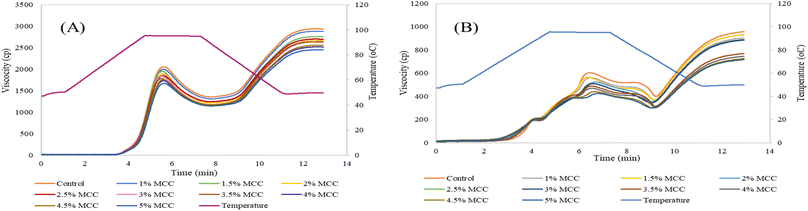 |
| | Fig. 2 Pasting profiles of samples: (A) pre-extruded blend and (B) rice analogues. | |
3.6
In vitro starch digestibility and estimated glycaemic index (eGI)
The contents of Rapidly Digestible Starch (RDS), Slowly Digestible Starch (SDS), and Resistant Starch (RS) were determined by measuring the glucose released during starch hydrolysis within 0–20 minute and 20–120-minute intervals, with RS representing the starch that remains undigested at the end of 120 minutes. The eGI was calculated in comparison to the reference sample (white bread). The values for RDS, SDS, RS, and eGI, and the in vitro starch digestibility curve are shown in Fig. 3. The incorporation of MCC into rice analogues demonstrated a gradual reduction in the eGI from 81.43 to 79.69 as the concentration of MCC increased. The addition of MCC, an insoluble fibre, increased the RDS (53.24% to 56.11%) and RS (11.73% to 19.52%) but decreased the SDS (35.03% to 24.37%) of rice analogues. The increase in RDS might be attributed to the increased soluble solids with the MCC incorporation, as seen in an observed increase in WSI. The decrease in SDS and increase in RS content in extrudates with the addition of MCC might be attributed to the formation of a physical barrier created by the fibre around starch particles, which reduces the contact between digestive enzymes and starch.72 Supporting results from the XRD analysis also demonstrated an increase in V-type crystallinity, indicative of resistant starch. The incorporation of MCC into rice analogue kernels showed a gradual reduction in the eGI as the concentration of MCC increased. Zhang et al. (2022) also found that dietary fibre can act as a physical barrier, reducing starch digestibility through its effects on viscosity, maintaining cell wall integrity, and physically embedding starch particles.73 Parallel findings were reported by T. Liu et al. (2021) and Sozer et al. (2014), who observed a decrease in starch digestibility upon the inclusion of insoluble dietary fibre.74,75 This consistent trend of decline in starch digestibility thus suggests that the inclusion of MCC successfully brings about a reduction in glycemic response through dilution of the starch matrix and lessening the tendency of the starch to be affected by the action of digestive enzymes. Despite the decrease in GI with increased MCC addition, insoluble dietary fibres have a weak impact on GI in comparison with soluble dietary fibres. He et al. reported that the addition of guar gum increased the complexation with starch, significantly reducing GI, whereas in the current study, MCC showed only slight GI deviation.76
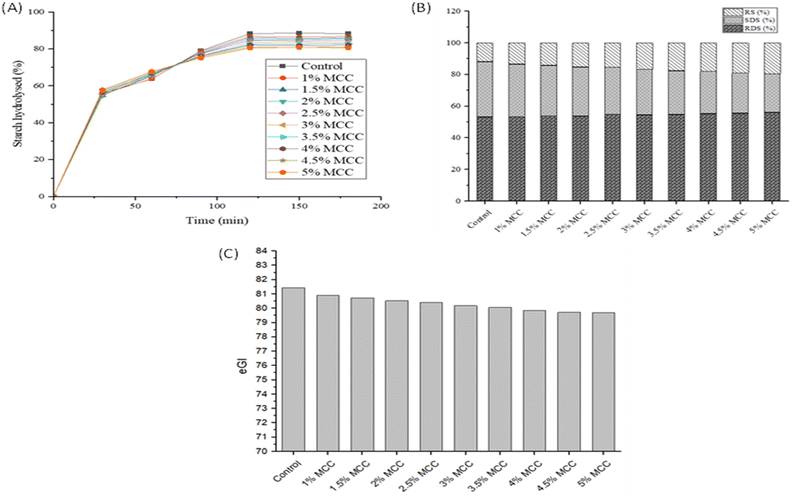 |
| | Fig. 3 (A) In vitro starch digestibility curve, (B) RDS, SDS, and RS fractions, and the (C) estimated glycaemic index of rice analogues. | |
3.7 XRD
The X-ray diffractograms of the extruded samples are presented in Fig. 4. The samples exhibited a typical A-type pattern, characterized by peaks at 15°, 17°, 18°, and 23°, similar to native cereal starch.77,78 Additionally, they displayed a V-type pattern, identified by a small peak at 20°, indicative of the amylose–lipid complex formed upon extrusion.35 The incorporation of MCC into rice analogues led to a decrease in A-type crystallinity, indicating a disruption of the native starch crystalline structure. This finding is corroborated by the increase in WSI values, suggesting the breakdown of the starch network. Additionally, an increase in V-type crystallinity was observed, as indicated by the intensified peak at 20°, which is attributed to the formation of an amylose–lipid complex. This peak intensity increased with higher MCC content, likely due to the greater availability of amylose resulting from the breakdown of the starch network. Related results were reported by Nithya et al. (2024), who observed a reduction in V-type crystallinity with reduced available amylose.35 Overall, a decline in total crystallinity was observed, indicating that the incorporation of MCC disrupts the original crystalline structure of the starch in the rice analogues.
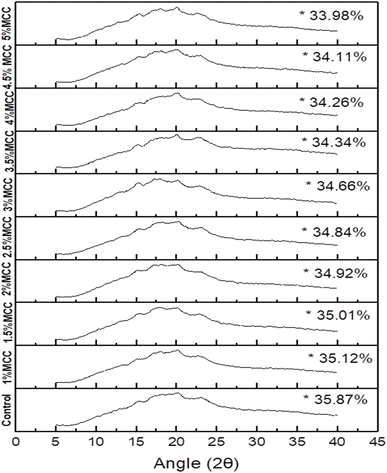 |
| | Fig. 4 X-ray diffractograms of the extruded rice analogues; * denotes the relative crystallinity. | |
3.8 SEM analysis
SEM micrographs of the extrudates incorporated with MCC are displayed in Fig. 5, providing a qualitative analysis of the microstructure, including the air cell size and continuity of the matrix. The inclusion of MCC demonstrated a nucleating effect on the extrudates by increasing the number of air cells (Fig. 5). The presence of cellulose or other insoluble fibres can disrupt the continuous phase of molten starch, resulting in a diminished capacity to expand and form aerated structures within the extrudate. A similar observation was reported by Dey et al. (2023) in corn extrudates with MCC incorporation.70 Additionally, Jiang et al. (2019) and Robin et al. (2011) reported analogous findings, noting an increase in air cell formation with fibre inclusion.79,80 This phenomenon may result from fibre inclusion disrupting the continuity of the starch matrix, leading to fibre aggregation47,81 and the formation of air spaces.
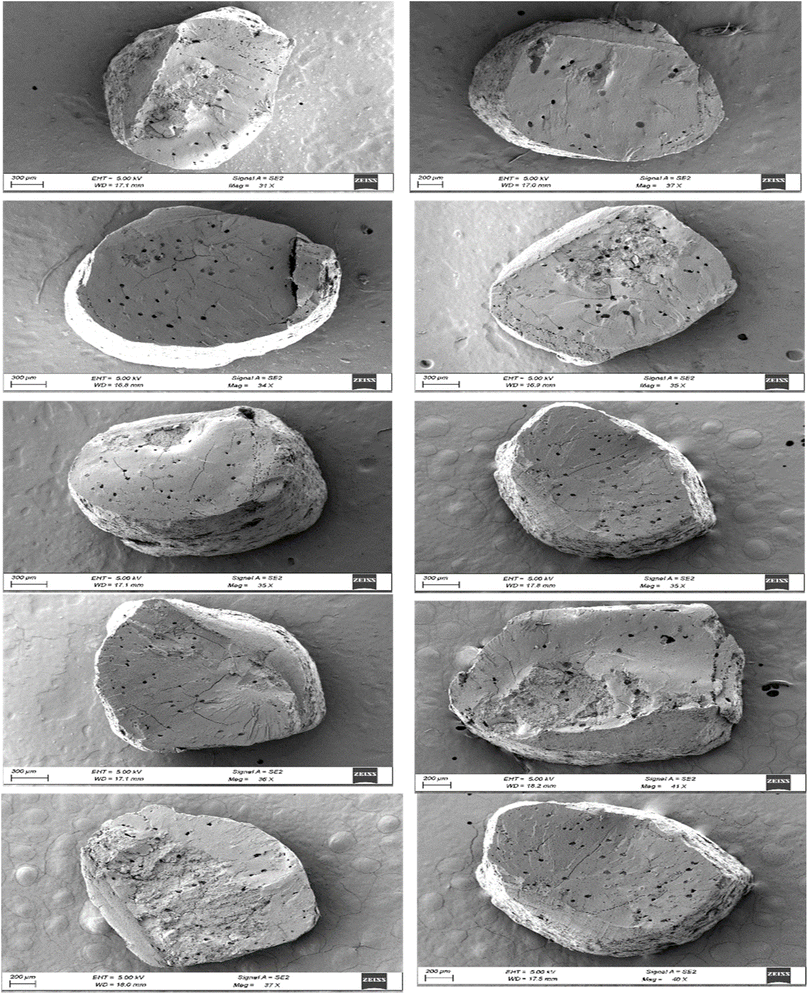 |
| | Fig. 5 Cross-sectional scanning electron micrographs of rice analogues. | |
3.9 Sensory evaluation
The sensory evaluation of RA samples showed that panellists rated overall acceptability in the range of 5.8 to 7.0 on the 9-point hedonic scale, depending on the level of MCC incorporated. The control, 1% and 1.5% MCC samples scored similarly (6.6–6.8), while 2–3% MCC showed the highest liking (7.0–7.02). Acceptability declined at 3.5–4.5% MCC (6.5–6.6) and was lowest at 5% MCC (5.85), indicating that higher MCC levels reduced consumer preference. PCA of the sensory attributes of RA explained about 89% of the total variation in the data. The first component (PC1, 73.5%) mainly represented overall product quality, combining appearance, taste, mouthfeel, and acceptability, while the second component (PC2, 15.5%) contrasted aroma against mouthfeel. The pattern seen in the PCA scores was consistent with the observed hedonic ratings (given in the SI). The control, 1% and 1.5% MCC samples, with overall acceptability scores around 6.6–6.8, were grouped close together and did not differ much in sensory terms. Samples with 2% to 3% MCC, however, shifted positively along PC1 and also showed the highest liking (7.0–7.02), suggesting these levels enhanced the sensory quality of the RA. The samples with higher MCC (3.5–4.5%) gave moderate acceptability scores (around 6.5–6.6) and were separated in the positive PC2 direction, which can be linked with stronger aroma but at the same time lower mouthfeel. At 5% MCC, the product was clearly separated, with the lowest hedonic rating (5.85), showing that too much MCC reduced the consumer liking. Overall acceptability was most strongly related to appearance (r = 0.84), mouthfeel (r = 0.78), and taste (r = 0.77), while aroma (r = 0.60) had less influence. Sensory analysis suggests that an MCC level of about 2–3% is optimal for maintaining balance in sensory attributes, while higher levels (3.5% and above) tend to lower consumer acceptance mainly due to undesirable mouthfeel (Fig. 6).
 |
| | Fig. 6 (a) Spider chart for the sensory evaluation of the MCC-incorporated rice analogues. (b) PCA analysis for the sensory evaluation of rice analogues. | |
4 Conclusion
The incorporation of MCC into rice analogues significantly enhances their functional and nutritional properties while modifying the quality parameters, addressing the low dietary fibre content of typical traditional rice. This study demonstrated that varying MCC concentrations (1–5%) positively influenced physicochemical attributes, including color, density, and texture, while also improving techno-functional properties, such as water and oil absorption capacities and emulsification ability. Although a slight increase in cooking losses and reduced hardness was observed, the minimal deviation indicated no significant impact on the overall sensory, physicochemical, functional and nutritional properties of cooked rice analogues. The changes in water absorption capacity and solubility index underscore the role of MCC in forming a more porous matrix, enhancing hydration properties post-extrusion. Additionally, the incorporation of MCC led to reduced starch digestibility, contributing to a lower glycaemic index. However, the deviation in the estimated GI is relatively low. The addition of MCC provides active sites for water and oil to bind, improving the WAC and OAC. On the contrary, increased concentrations of MCC in rice analogues interfere with the intramolecular interactions of starch, reducing the density, cooking time, water solubility, hardness, peak viscosity, final viscosity and setback. Furthermore, the addition of MCC contributes to the crystalline cellulose in the rice analogues, increasing the overall A-type crystallinity. However, the interference with starch also increases the solid losses in rice analogues. Thus, utilizing MCC as a fibre additive offers a promising strategy for developing healthier, fibre-enriched rice analogues that align with consumer preferences for nutritious food options. However, the studies considering the storage stability of the rice analogues, mass consumer acceptance and its scaling-up feasibility will be of great scope for further commercialization.
Author contributions
Malla Vandana – conceptualization; formal analysis; investigation; data curation; writing – original draft. Siddharth Vishwakarma – software; data curation. Shubham Mandliya – data curation; visualization. Yuvraj Khasherao Bhosale – conceptualization; methodology; data curation; writing – original draft. Hari Niwas Mishra – conceptualization; methodology; writing – original draft; supervision; project administration; funding acquisition.
Conflicts of interest
The authors declare no conflict of interest.
Data availability
The data will be made available on appropriate request to corresponding author.
Supplementary information (SI): the hedonic scorings of the sensory evaluation of rice analogues. See DOI: https://doi.org/10.1039/d5fb00272a.
Acknowledgements
The authors acknowledge the financial assistance from the Bill and Milinda Gates Foundation for the project Innovation Hub on Rice Fortification with the sanction order IITD/IRD/BMGF/NIH/RP04446/122497 dated 09/02/2023.
References
- K. V. D. Karthik, B. D. Rao, A. Das, E. Kiranmai, M. Dharini, S. R. Mogulla and D. Sharma, Future Foods, 2024, 10, 100389 CrossRef CAS.
- S. A. Mir, M. A. Shah, S. J. D. Bosco, K. V. Sunooj and S. Farooq, Cereal Chem., 2020, 97, 895–903 CrossRef.
- Z. Q. Ma, C. P. Yi, N. N. Wu and B. Tan, Cereal Chem., 2020, 97, 1158–1171 CrossRef CAS.
- D. Dhingra, M. Michael, H. Rajput and R. T. Patil, J. Food Sci. Technol., 2012, 49, 255–266 CrossRef CAS PubMed.
-
M. Ciudad-Mulero, V. Fernández-Ruiz, M. C. Matallana-González and P. Morales, Dietary Fiber Sources and Human Benefits: the Case Study of Cereal and Pseudocereals, Elsevier Inc., 1st edn, 2019, vol. 90 Search PubMed.
- M. Akhlaghi, Crit. Rev. Food Sci. Nutr., 2024, 64, 3139–3150 CrossRef CAS PubMed.
- X. Xu, J. Zhang, Y. Zhang, H. Qi and P. Wang, J. Transl. Med., 2022, 20, 1–8 Search PubMed.
- F. Ramezani, F. Pourghazi, M. Eslami, M. Gholami, N. Mohammadian Khonsari, H. S. Ejtahed, B. Larijani and M. Qorbani, Clin. Nutr., 2024, 43, 65–83 CrossRef PubMed.
- Y. Yang, L. G. Zhao, Q. J. Wu, X. Ma and Y. B. Xiang, Am. J. Epidemiol., 2015, 181, 83–91 Search PubMed.
- I. N. E. G. on N. R. for I. Revised Short Summary Report-2024, Recommended Dietary Allowances & Estimated Average Requirements for Indians-2020.
- X. Liu, J. Zhao, X. Zhang, Y. Li, J. Zhao, T. Li, B. Zhou, H. Yang and L. Qiao, RSC Adv., 2018, 8, 26682–26690 RSC.
- C. Y. Liu, R. Amani, S. Sulaiman, K. Mahmood, F. Ariffin and A. Mohammadi Nafchi, Food Sci. Nutr., 2022, 10, 1626–1637 CrossRef CAS PubMed.
- S. Sumardiono, B. Budiyono, H. Kusumayanti, N. Silvia, V. F. Luthfiani and H. Cahyono, Foods, 2021, 10(12) DOI:10.3390/foods10123023.
- A. Mishra, H. N. Mishra and P. Srinivasa Rao, Int. J. Food Sci. Technol., 2012, 47, 1789–1797 CrossRef CAS.
- J. R. Shaikh, A. M. Pathare, S. Chakraborty and U. S. Annapure, J. Food Sci., 2025, 90, e70443 CrossRef CAS PubMed.
- N. Aravind, M. Sissons, N. Egan and C. Fellows, Food Chem., 2012, 130, 299–309 CrossRef CAS.
- Y. Y. Yang, S. Ma, X. X. Wang and X. L. Zheng, J. Chem., 2017, 2017, 1 Search PubMed.
- D. Amirtham, A. Dahuja, P. R. Kumar and S. Praveen, Int. J. Appl. Sci. Eng. Technol., 2022, 6, 203–210 Search PubMed.
- R. J. Redgwell and M. Fischer, Mol. Nutr. Food Res., 2005, 49, 521–535 CrossRef PubMed.
-
A. Y. Chaerunisaa, S. Sriwidodo and M. Abdassah, in Pharmaceutical Formulation Design, U. Ahmad and J. Akhtar, IntechOpen, Rijeka, 2019 Search PubMed.
- U. Harini, S. Harish, A. Harishankar, M. Buvaneswaran and V. R. Sinija, Food Bioprod. Process., 2024, 144, 92–101 CrossRef CAS.
- S. M. Varghese, Y. K. Bhosale, U. K. Aruna Nair, V. Hema and V. R. Sinija, Waste Biomass Valoriz., 2022, 13, 1931–1944 CrossRef CAS.
- J. Nsor-Atindana, M. Chen, H. D. Goff, F. Zhong, H. R. Sharif and Y. Li, Carbohydr. Polym., 2017, 172, 159–174 Search PubMed.
- S. M. Varghese, Y. K. Bhosale, U. K. Aruna Nair, V. Hema and V. R. Sinija, Waste Biomass Valoriz., 2022, 13, 1931–1944 CrossRef CAS.
- D. Dey, B. J. Gu, P. Ek, C. F. Ross, S. R. Saunders and G. M. Ganjyal, J. Food Sci., 2023, 88, 784–794 CrossRef CAS PubMed.
- J. Nsor-Atindana, M. Chen, H. D. Goff, F. Zhong, H. R. Sharif and Y. Li, Carbohydr. Polym., 2017, 172, 159–174 CrossRef CAS PubMed.
- C. G. Dalbhagat and H. N. Mishra, J. Cereal. Sci., 2019, 89, 102782 CrossRef CAS.
- P. Zhang, B. Li, Z. Hu, Q. Zhang, Y. Zhu and W. Hao, J. Cereal. Sci., 2024, 116, 103856 CrossRef CAS.
- M. S. Kamarudin, C. R. de Cruz, C. R. Saad, N. Romano and E. Ramezani-Fard, Anim. Feed Sci. Technol., 2018, 236, 122–130 Search PubMed.
- Q. Bian, R. P. K. Ambrose and B. Subramanyam, J. Stored Prod. Res., 2015, 64, 21–26 Search PubMed.
- N. Qadir and I. A. Wani, Appl. Food Res., 2023, 3(1) DOI:10.1016/j.afres.2023.100280.
- Y. K. Bhosale, T. Perumal, S. M. Varghese, H. Vincent and S. V. Ramachandran, Int. J. Food Eng., 2022, 18, 27–39 CrossRef CAS.
- S. Chandra, S. Singh and D. Kumari, J. Food Sci. Technol., 2015, 52, 3681–3688 CAS.
- N. Qadir and I. A. Wani, Int. J. Biol. Macromol., 2023, 237, 124205 CrossRef CAS PubMed.
- A. Nithya, S. Vishwakarma, C. G. Dalbhagat and H. N. Mishra, Carbohydr. Polym., 2024, 338, 122213 CrossRef CAS PubMed.
- S. Vishwakarma, S. Mandliya, C. G. Dalbhagat, J. Majumdar and H. N. Mishra, Foods, 2023, 12(5), 1–19 CrossRef PubMed.
- G. P. Yadav, C. G. Dalbhagat and H. N. Mishra, J. Food Process. Preserv., 2021, 45, 1–11 Search PubMed.
- I. Goni, A. Garcia-Alonso and F. Saura-Calixto, Nutr. Res., 1997, 17, 427–437 Search PubMed.
-
G. P. Yadav, C. G. Dalbhagat and H. N. Mishra, Food Science and Engineering, 2022, 30–43 Search PubMed.
- S. Li, L. Zhang, Q. Sheng, P. Li, W. Zhao, A. Zhang and J. Liu, Food Chem., 2024, 440, 138228 Search PubMed.
- A. Nithya, S. Vishwakarma, C. G. Dalbhagat and H. N. Mishra, Carbohydr. Polym., 2024, 338, 122213 CrossRef CAS PubMed.
- R. Y. Pismag, M. P. Polo, J. L. Hoyos, J. E. Bravo and D. F. Roa, F1000Research, 2024, 12, 1–16 Search PubMed.
- C. G. Dalbhagat, D. K. Mahato and H. N. Mishra, Trends Food Sci. Technol., 2019, 85, 226–240 CrossRef CAS.
-
L. D. Rajapaksha, H. A. D. Saumyadi, A. M. P. B. Samarasekara, D. A. S. Amarasinghe and L. Karunanayake, 3rd International Moratuwa Engineering Research Conference, MERCon 2017, 2017, 182–186 Search PubMed.
- A. Nithya, C. G. Dalbhagat and H. N. Mishra, Int. J. Food Sci. Technol., 2022, 57, 1325–1332 CrossRef CAS.
- J. L. Tobias-Espinoza, C. A. Amaya-Guerra, A. Quintero-Ramos, E. Pérez-Carrillo, M. A. Núñez-González, F. Martínez-Bustos, C. O. Meléndez-Pizarro, J. G. Báez-González and J. A. Ortega-Gutiérrez, Foods, 2019, 8, 1–14 CrossRef PubMed.
- S. Kallu, R. J. Kowalski and G. M. Ganjyal, J. Food Sci., 2017, 82, 1647–1656 CrossRef CAS PubMed.
- S. Deguchi, K. Tsujii and K. Horikoshi, Green Chem., 2008, 10, 191–19 RSC.
- M. Simon, R. Fulchiron and F. Gouanvé, Polymers, 2022, 14(14) DOI:10.3390/polym14142836.
- R. R. Mauro, A. J. Vela and F. Ronda, Foods, 2023, 12(12) DOI:10.3390/foods12122281.
- Y. He, B. Wang, L. Wen, F. Wang, H. Yu, D. Chen, X. Su and C. Zhang, Food Sci. Hum. Wellness, 2022, 11, 1–10 CrossRef.
- A. Nithya, C. G. Dalbhagat and H. N. Mishra, Int. J. Food Sci. Technol., 2022, 57, 1325–1332 CrossRef CAS.
- J. L. Tobias-Espinoza, C. A. Amaya-Guerra, A. Quintero-Ramos, E. Pérez-Carrillo, M. A. Núñez-González, F. Martínez-Bustos, C. O. Meléndez-Pizarro, J. G. Báez-González and J. A. Ortega-Gutiérrez, Foods, 2019, 8, 1–14 CrossRef PubMed.
- S. T. Keshavarz, M. Imani and F. Farahmandghavi, J. Mol. Struct., 2020, 1205, 127558 CrossRef CAS.
- R. Randis, D. B. Darmadi, F. Gapsari and A. A. A. Sonief, Case Stud. Chem. Environ. Eng., 2024, 9, 100616 CrossRef CAS.
- S. R. Kesselly, R. Mugabi and Y. B. Byaruhanga, Sci. Afr., 2023, 19, e01532 CAS.
- Y. He, B. Wang, L. Wen, F. Wang, H. Yu, D. Chen, X. Su and C. Zhang, Food Sci. Hum. Wellness, 2022, 11, 1–10 CrossRef.
- B. Nurhadi, D. Wiraputra, H. Wijaya, M. Mahani, N. Masruchin and R. A. Saputra, CyTA–J. Food, 2023, 21, 542–553 CrossRef CAS.
- K. Kasprzak, K. Wojtunik-Kulesza, T. Oniszczuk, M. Kuboń and A. Oniszczuk, Nat. Prod. Commun., 2018, 13, 1934578X1801300836 CrossRef CAS.
- A. Timgren, M. Rayner, P. Dejmek, D. Marku and M. Sjöö, Food Sci. Nutr., 2013, 1, 157–171 CrossRef CAS PubMed.
- M. Lopez-Silva, E. Agama-Acevedo, H. Yee-Madeira, L. A. Bello-Perez and J. Alvarez-Ramirez, Food Chem., 2022, 375, 131657 CrossRef CAS PubMed.
- J. S. Cohn, A. Kamili, E. Wat, R. W. S. Chung and S. Tandy, Atherosclerosis Suppl., 2010, 11, 45–48 CrossRef CAS PubMed.
- M. Kaur, D. P. S. Oberoi, D. S. Sogi and B. S. Gill, J. Food Sci. Technol., 2011, 48, 460–465 CrossRef CAS PubMed.
- A. Etale, A. J. Onyianta, S. R. Turner and S. J. Eichhorn, Chem. Rev., 2023, 123, 2016–2048 CrossRef CAS PubMed.
- Y. Hou, S. Luo, Z. Li, H. Zhang, T. Chen and C. Liu, Food Res. Int., 2024, 190, 114599 CrossRef CAS PubMed.
- L. I. Sotelo-Díaz, M. Igual, J. Martínez-Monzó and P. García-Segovia, Foods, 2023, 12(2) DOI:10.3390/foods12020298.
- J. J. Baek, Y. Kim and S. Lee, J. Cereal. Sci., 2014, 60, 311–316 Search PubMed.
- K. Na-Nakorn, B. R. Hamaker and S. Tongta, LWT, 2021, 151, 112196 Search PubMed.
- M. E. Rodriguez-Huezo, N. Valeriano-Garcia, A. Totosaus-Sanchez, E. J. Vernon-Carter and J. Alvarez-Ramirez, Appl. Food Res., 2022, 2, 100187 Search PubMed.
- D. Dey, B. J. Gu, P. Ek, C. F. Ross, S. R. Saunders and G. M. Ganjyal, J. Food Sci., 2023, 88, 784–794 CrossRef CAS PubMed.
- C. G. Dalbhagat and H. N. Mishra, J. Food Process. Preserv., 2021, 45, 1–9 Search PubMed.
- N. Qadir and I. A. Wani, Int. J. Biol. Macromol., 2023, 237, 124205 CrossRef CAS PubMed.
- H. Zhang, S. Sun and L. Ai, Curr. Opin. Food Sci., 2022, 48, 100940 CrossRef CAS.
- T. Liu, K. Wang, W. Xue, L. Wang and C. Zhang, LWT, 2021, 142, 111008 CrossRef CAS.
- N. Sozer, L. Cicerelli, R. Heiniö and K. Poutanen, J. Cereal. Sci., 2014, 60, 105–113 CrossRef CAS.
- H. He, C. Chi, F. Xie, X. Li, Y. Liang and L. Chen, Food Hydrocoll., 2020, 102, 105637 CrossRef CAS.
- Y. Liu, J. Chen, S. Luo, C. Li, J. Ye, C. Liu and R. G. Gilbert, Carbohydr. Polym., 2017, 175, 265–272 CrossRef CAS PubMed.
- C. G. Dalbhagat and H. N. Mishra, J. Food Process. Preserv., 2021, 45, 1–9 Search PubMed.
- Y. Jiang, Y. Zhao, Y. Zhu, S. Qin, Y. Deng and Y. Zhao, Food Chem., 2019, 297, 124902 CrossRef CAS PubMed.
- F. Robin, C. Dubois, N. Pineau, H. P. Schuchmann and S. Palzer, J. Food Eng., 2011, 107, 80–89 CrossRef.
- S. Wang, R. J. Kowalski, Y. Kang, A. M. Kiszonas, M. J. Zhu and G. M. Ganjyal, Food Bioprocess Technol., 2017, 10, 394–406 CrossRef CAS.
|
| This journal is © The Royal Society of Chemistry 2026 |
Click here to see how this site uses Cookies. View our privacy policy here. 

 Open Access Article
 This Open Access Article is licensed under a Creative Commons Attribution-Non Commercial 3.0 Unported Licence
 *
*


