


 PLATFORM UPDATE:

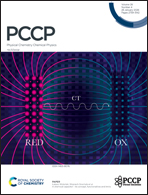
IAPP surface-induced aggregation and corilagin's inhibitory effect

Abstract
Proteins and peptides spontaneously assemble into various structured supramolecular entities that perform vital physiological functions. In pathology and biopharmaceutics, protein assemblies can form cytotoxic oligomers or protofibrils. Most studies focus on aggregation and inhibition processes in bulk solutions. However, local surface interactions are largely responsible for protein structural changes leading to aggregation. To date, research on surface-induced protein aggregation remains insufficient to comprehend underlying mechanisms. This work reports a systematic process to produce islet amyloid polypeptide (IAPP), exclusively surface-induced fibrils, on mica and polyethylene glycol (PEG)-, poly-hydroxyethyl methacrylate (pHEMA)- and polystyrene (PS) polymeric-coated substrates. IAPP adsorbed and generated protofibrils, fibrils or spherical nanoscale particles, contingent upon the type of polymeric-coated surfaces. Polyphenols are known to alter structures and inhibit protein aggregation, preventing oligomeric cytotoxicity. This study further explores the effect of corilagin on surface-induced aggregation. Overall, corilagin exhibited differing inhibitory effects on the surface-induced IAPP structures, depending on the type of surfaces.

- This article is part of the themed collection: Showcasing the Breadth of Physical Chemistry Chemical Physics Research in Canada
 Please wait while we load your content...


