Advances in organelle-targeted photosensitizer-mediated pyroptosis for photodynamic tumor therapy: overcoming immunological limitations

Jianlei Xie , Yu Xiao , Baoxin Peng , Xiasang Chen , Xinyin Zhang , Diqi Chen , Lijuan Song , Meiqian Xu *, Wenjing Liao * and Xiaowen Zhang *
The State Key Laboratory of Respiratory Disease, Department of Otolaryngology, Head and Neck Surgery, Laboratory of ENT-HNS Disease, Guangzhou Institute of Respiratory Health, The First Affiliated Hospital, Guangzhou Medical University, Guangzhou 510120, China. E-mail: entxiaowen@163.com

Received 12th November 2025 , Accepted 21st January 2026

First published on 9th February 2026


Abstract

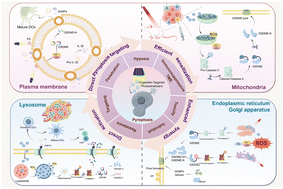
While photodynamic therapy (PDT) shows promise for tumor treatment, its efficacy is often constrained by the immunosuppressive tumor microenvironment. Pyroptosis, a Gasdermin-mediated inflammatory programmed cell death, augments PDT by releasing inflammatory cytokines and damage-associated molecular patterns that trigger robust antitumor immunity. This review systematically outlines the fundamental principles of PDT and critically analyzes existing immunological limitations in tumor treatment, highlighting the immunostimulatory mechanisms of pyroptosis in overcoming these specific therapeutic barriers. In addition, we summarize the rational design principles and recent advances in organelle-targeted photosensitizers—including those targeted to the plasma membrane, mitochondria, lysosomes, Golgi apparatus, and endoplasmic reticulum—for the effective induction of pyroptosis. We further discuss the persisting challenges associated with employing organelle-targeted photosensitizer-induced pyroptosis in tumor therapy. This review provides a strategic framework and future perspectives for developing next-generation precision photo-immunotherapies that harness pyroptosis–PDT synergy.

1. Introduction

Cancer ranks as one of the most pressing public health challenges of the 21st century, accounting for approximately 10 million deaths annually.1 Photodynamic therapy (PDT) has emerged as an innovative and promising modality for cancer treatment, attracting increasing attention in recent years and yielding notable advancements.2–4 The therapeutic principle of PDT relies on the interplay of three indispensable elements: a photosensitizer (PS), a light source with a specific wavelength, and molecular oxygen (O2). Upon irradiation, the PS absorbs photon energy and transfers it to neighboring oxygen molecules, initiating the in situ generation of reactive oxygen species (ROS) such as singlet oxygen (1O2), hydroxyl radicals (˙OH), and superoxide anion radicals (˙O2).5,6 These ROS exhibit potent cytotoxicity, capable of damaging essential biomolecules and inducing apoptosis or necrosis, thereby achieving tumor control (Fig. 1).7,8
image file: d5cc06431g-f1.tif
Fig. 1 Mechanistic overview of PDT illustrating the photochemical reactions and subsequent biological effects. Following photosensitizer excitation and ISC, Type I (electron transfer) and Type II (excitation energy transfer) pathways generate ROS, including ˙O2, ˙OH, and 1O2. These cytotoxic agents induce organelle-specific damage—targeting mitochondria, lysosomes, the endoplasmic reticulum, and the nucleus—culminating in cell death. ISC, intersystem crossing; 1O2, singlet oxygen; ˙OH, hydroxyl radicals; ˙O2, superoxide anion radical; 3O2, ground-state triplet oxygen; ERS, endoplasmic reticulum stress; ROS, reactive oxygen species (created using Figdraw).

Mechanistically, PDT reactions are categorized into two principal types based on the prevailing ROS generation pathway.9 Type I PDT entails electron or hydrogen abstraction from the triplet-state PS to O2 or substrates, forming species such as ˙O2 and ˙OH. These ROS can be generated via dismutation, the Haber–Weiss reaction, or Fenton chemistry, and maintain activity even under severe hypoxia.3,10 By targeting a broad spectrum of biomolecules—nucleic acids, lipids, and proteins—Type I PDT can induce extensive oxidative damage and subsequent cell death.11 In contrast, Type II PDT proceeds predominantly through energy transfer from the triplet-state PS to ground-state triplet oxygen (3O2), producing 1O2 (Fig. 1).12,13 This highly reactive electrophile selectively oxidizes biomolecules such as unsaturated lipids, nucleic acids, proteins, and mitochondrial membranes, leading to structural compromise and cell death. While Type I PDT requires less oxygen and retains partial efficacy in hypoxic tumor microenvironments (TMEs), Type II PDT is highly dependent on adequate oxygen availability, making it susceptible to hypoxic constraints.14,15 Notably, ROS from Type I typically exhibit higher oxidation potential and broader reactivity, whereas Type II derived 1O2 mediates targeted oxidative injury.11

As the central component of PDT, PSs determine treatment efficacy and encompass inorganic nanomaterials, organic chromophores, and polymeric conjugates.16,17 While porphyrins were historically favored, recent nanotechnology-enabled PSs offer superior stability and delivery.18 PDT functions through ROS-mediated cytotoxicity, disrupting bacterial membrane or inducing apoptosis and necrosis in tumor cells.19 Despite its promise, PDT faces persistent hurdles, including limited light penetration, suboptimal PS properties, and complex clinical limitations, necessitating ongoing research to address these barriers.20

Pyroptosis, a Gasdermin (GSDM)-mediated pro-inflammatory programmed cell death, offers synergistic therapeutic benefits as a potential adjunct to PDT by directly amplifying tumor cell elimination through membrane pore formation, swelling, and lysis, and more importantly, by potently activating antitumor immunity via the release of copious damage-associated molecular patterns to convert immunologically “cold” tumors into “hot” tumors.21–23 Given this immunostimulatory potential, inducing pyroptosis has become a promising strategy for PDT to overcome the limitations of conventional treatments. Yan et al. demonstrated that ROS generated during PDT directly activate the inflammasome, triggering GSDM-mediated pore formation in the cell membrane, thereby significantly enhancing tumor immunogenicity.24 The study by Wang et al. further elucidated that the cleavage of GSDM proteins to generate GSDM-N fragments represents a critical molecular event in pyroptosis initiation, leading to increased membrane permeability and the release of damage-associated molecular patterns (DAMPs).25 Notably, Lu and colleague employed flow cytometry to confirm that pyroptosis, characterized by its unique membrane pore formation mechanism, circumvents the resistance often observed in apoptosis, providing experimental support for the application of PDT in solid tumor therapy.26 Collectively, these findings highlight that pyroptosis-inducing PDT achieves local tumor eradication and systemic immune activation, offering potential for suppressing distant metastasis.

At the subcellular level, PDT-induced pyroptosis can be manipulated via organelle-targeted strategies. Membrane-anchored PSs (e.g., TCF-Mem) generate ROS to directly compromise membrane integrity and activate D-dependent pyroptotic pathways.27 Mitochondria-targeting PSs (e.g., Th-M, TCF-Mito) induce ROS-mediated mitochondrial dysfunction, triggering caspase-3/GSDME cleavage.27,28 Lysosome-targeted PSs cause lysosomal rupture, releasing cathepsin B and activating the NOD-like receptor family pyrin domain containing 3 (NLRP3)/caspase-1/GSDMD pathway.29,30 Golgi apparatus-targeted PSs (e.g., BTF-DNBS) promote rod-like accumulation to induce NLRP3-mediated pyroptosis via caspase-1/GSDMD activation, while also facilitating lysosomal escape for improved therapeutic delivery.31 In addition, endoplasmic reticulum stress (ERS) is increasingly recognized as a key modulator of PDT-mediated pyroptosis. Organelle-targeting strategies provide a powerful means to fine-tune pyroptotic mechanisms within PDT, significantly enhancing the precision and efficacy of cancer immunotherapy.

Despite these promising avenues, translating the synergy of PDT and pyroptosis into clinical practice faces considerable challenges, such as tumor-intrinsic resistance, inefficient in vivo nanoformulation delivery, the risk of cytokine storms, and a lack of predictive animal models; addressing these is essential to realize the therapy's full potential. Therefore, this review systematically evaluates how nanotechnology and organelle-targeted delivery can be harnessed to precisely induce pyroptosis, thereby overcoming key limitations of PDT and guiding the development of next-generation, immunity-synergistic strategies (Fig. 2).


image file: d5cc06431g-f2.tif
Fig. 2 Current application of PDT in cancer therapy faces inherent limitations. Pyroptosis-driven immune activation, when combined synergistically with PDT, can help overcome these barriers and enhance antitumor efficacy, in which the induction of pyroptosis via organelle-targeted photosensitizers plays a pivotal role in promoting such synergy. DC, dendritic cell; DAMPs, damage-associated molecular patterns; PS, photosensitizer; GSDMD, Gasdermin D; GSDME, Gasdermin E; IL, interleukin; CRT, calreticulin; HMGB1, high-mobility group protein box 1; TME, tumor microenvironment; ROS, reactive oxygen species (created using Figdraw).

2. Existing immunological limitations of PDT in tumor treatment

The development of PDT has progressed from the discovery of its basic principle to multiple generations of technological innovations. The theoretical foundation of PDT, established by Oscar Raab and later realized clinically through HpD and Photofrin®, was limited by poor purity and significant photosensitivity. Second-generation PSs, such as phthalocyanines, improved reactivity but faced solubility and targeting challenges. Modern third-generation systems utilize nanocarriers like liposomes and inorganic materials to enhance efficacy.32 Innovations now focus on near-infrared or X-ray activation, internal light sources, and smart or combination therapies to optimize safety and performance.33,34 PDT triggers immunogenic cell death (ICD) through acute oxidative stress, releasing DAMPs to activate adaptive immunity.35 However, despite extensive agent development, few effectively induce sufficient ICD due to inadequate oxidative stress or limited DAMP release.36 This challenge is compounded by the immunosuppressive TME, tumor heterogeneity, and immune escape mechanisms, which blunt anti-tumor responses and impede clinical efficacy. Consequently, developing robust ICD-inducing PDT agents capable of overcoming these complex immunological barriers is critical for advancing cancer immunotherapy.

2.1. Insufficient activation of antitumor immunity

PDT can elicit ICD, leading to the release of DAMPs. This process promotes dendritic cell (DC) maturation and antigen presentation, thereby recruiting tumor-specific cytotoxic T lymphocytes (CTLs) to eliminate malignant cells.37,38 Cetuximab saratolacan, a first-in-class EGFR-targeting conjugate approved in Japan, induces potent ICD and durable antitumor immunity in head and neck cancer after red-light activation.39

However, the magnitude and persistence of PDT-induced immune activation are often insufficient in the context of an immunosuppressive TME. DC antigen presentation declines due to inhibitory signals and factors within the TME, leading to reduced activation of naïve T cells.40 T-cell proliferation and effector function are restricted by cytokines such as TGF-β and interleukin (IL)-10,41 metabolic stress caused by high lactate and nutrient depletion, and direct interactions with suppressive cell types including regulatory T cells (Tregs), myeloid-derived suppressor cells (MDSCs), and M2-type tumor-associated macrophages (TAMs).41 Natural killer (NK) cells also suffer functional impairment within the TME, losing cytotoxicity and their ability to sustain antitumor responses.40,42–44

The physical properties of the TME, particularly dense extracellular matrix (ECM) structures and abnormal neovasculature, further constrain immune activation by limiting the infiltration of DCs, CTLs, and NK cells into the tumor core and interfering with leukocyte trafficking, which spatially restricts the effects of PDT to the illuminated margins and prevents immune cells from reaching distal regions.41,45–47

Even when PDT is combined with immunotherapies such as immune checkpoint blockade (ICB), activation deficits remain a major obstacle. Suppressive cells and cytokines within the TME limit the reinvigoration of exhausted T cells.48–52 Moreover, immune infiltrates recruited after PDT may fail to persist within deeper or more suppressive tumor areas, leaving regions of immune privilege intact. The absence of robust and sustained ICD reduces opportunities for memory T-cell generation, impairing rapid recall responses upon tumor relapse.

Inadequate activation of antigen-presenting cells, combined with effector cell dysfunction and physical exclusion by the TME, constrains both the immediate and long-term antitumor potential of PDT. Organelle-targeted pyroptosis represents a promising solution to this dilemma. By generating a quantitatively superior release of DAMPs and potent cytokines (IL-1β, IL-18), it uniquely overcomes insufficient immune activation.53 Unlike standard ICD, this intense, synchronized inflammatory surge forcibly drives DC maturation and neutralizes Tregs and MDSCs, effectively compensating for weak antigenic signals. By amplifying the “danger” signal, this strategy fundamentally reverses TME-mediated immunosuppression and establishes robust, systemic antitumor immunity.54

2.2. Immunosuppressive tumor microenvironment

Hypoxia is a defining feature of the TME and exerts a profound impact on the efficacy of PDT, whether applied as monotherapy or in combination with other treatments. Abnormal tumor vasculature generates chronic and cycling hypoxia, activating HIFs to drive angiogenesis, multidrug resistance, EMT, and metabolic reprogramming, thereby fostering tumor adaptation and metastasis.55–58 In NSCLC, fibronectin triggers HIF-1α/WISP3-dependent Wnt activation;56 in KSHV-infected cells, HIF-1 induces PKM2 to drive the Warburg effect and pro-angiogenic signaling.57 Furthermore, HIF-1α orchestrates EMT by upregulating SNAIL, SLUG, TWIST1, and ZEB transcription factors and engaging the TGF-β, Wnt/β-catenin, Hedgehog, and Notch pathways.58

Hypoxia establishes a profoundly immunosuppressive TME by impairing NK and CTL cytotoxicity, stimulating M2 macrophage polarization, and recruiting MDSCs and Tregs, while concurrently upregulating immune checkpoints such as PD-L1 and CD47 to promote immune evasion.59–61 Beyond hypoxia, abundant immunosuppressive cells release inhibitory cytokines like IL-10 and TGF-β that suppress T cell activation and antigen presentation, whereas structural components like dense collagen and abnormal vasculature physically restrict immune cell infiltration.41,62 Furthermore, persistent MDSCs and TAMs following PDT secrete factors that maintain immune tolerance and block long-term memory formation. Collectively, these biochemical and physical barriers create a resilient TME that blunts PDT-induced immune activation, significantly reducing CD8+ T cell function and longevity, thereby impeding complete tumor regression and limiting synergistic efficacy with ICB.48,52

To overcome these refractory barriers, integrating pyroptosis with organelle targeting is uniquely essential. Unlike apoptosis or monotherapies that often fail to breach physical defenses, pyroptosis generates a potent inflammatory storm that actively degrades the ECM to drive deep immune infiltration.63,64 Concurrently, organelle-specific stress is critical for reprogramming TAMs from an immunosuppressive to a pro-inflammatory state, reversing immune exclusion that other modalities cannot rectify.65 This synergistic approach is distinctively capable of penetrating both stromal and biochemical resistance, thereby restoring potent and durable anti-tumor immunity.

2.3. Tumor immune evasion and adaptive resistance

Even when PDT successfully induces ICD and activates innate and adaptive immunity, tumors evade surveillance through rapid molecular, cellular, and structural adaptations that compromise durability. A key immune escape pathway involves the alteration or loss of tumor antigens combined with defects in antigen presentation machinery, diminishing recognition by CTLs and NK cells. Tumor cells may downregulate major histocompatibility complex (MHC) molecules or alter antigen processing pathways, resulting in reduced T-cell receptor engagement and diminished immune-mediated clearance.48–52 This antigen modulation can occur through selective survival of clones with low immunogenicity after PDT. A second mechanism is neutralization of PDT-induced oxidative damage. Elevated levels of intracellular glutathione (GSH) and related antioxidants such as superoxide dismutase (SOD) and catalase can react with PDT-generated ROS, diminishing direct tumor cell killing and interrupting ROS-mediated immunostimulatory signalin.66–68 Reduced ROS generation blunts DAMP release, weakening DCs recruitment and antigen presentation, thereby impairing sustained antitumor immunity.

Adaptive resistance is further promoted by the upregulation of immunosuppressive molecules and checkpoints within the tumor and its microenvironment. Hypoxia and IFN-γ induce PD-L1 and CTLA-4, leading to CTL exhaustion, while increased “don’t eat me” signals like CD47 evade macrophage phagocytosis by binding SIRPα.59–61,69 Metabolic reprogramming further entrenches resistance, as hypoxia-driven lactate accumulation and arginase-1 (ARG1) activity nutrient-starve and disrupt T-cell metabolism, while recruiting MDSCs and M2-type TAMs to establish immune-privileged niches.70–74 Structural mechanisms also protect resistant populations: dense ECM and aberrant vasculature physically restrict immune infiltration, exemplified in PDAC where stromal barriers impede CTLs and disrupt chemokine signaling.75 Additionally, endothelial FasL expression triggers the apoptosis of infiltrating CTLs, forming a potent immuno-tolerant shield that synergizes with molecular escape pathways to maintain tumor sanctuaries.76

Collectively, adaptive resistance following PDT is driven by antigen downregulation, ROS neutralization, checkpoint upregulation, metabolic suppression, and structural isolation, which blunt the efficacy of ICB combination therapies. To conquer these multifaceted barriers, integrating pyroptosis with organelle targeting is uniquely essential. Unlike apoptosis or standard PDT, organelle-targeted pyroptosis generates overwhelming oxidative damage that overcomes antioxidant defenses and induces robust ICD to restore antigenicity.53 Concurrently, the intense inflammatory response degrades the ECM to overcome structural exclusion and upregulates immune checkpoints, thereby sensitizing tumors to ICB.64,77 This mechanism uniquely dismantles the physical and biochemical shields of resistance, establishing a potent and durable anti-tumor response.

These barriers constitute a self-reinforcing network limiting PDT efficacy. Integrating pyroptosis with organelle targeting offers a necessary solution to this resistance. By generating potent inflammatory signals to disrupt physical barriers and reprogramming suppressive cells, this combination addresses the multifactorial nature of the TME, overcoming critical limitations of conventional therapies.

3. Pyroptosis and its role in antitumor immunity

Pyroptosis is a form of programmed cell death characterized by prominent inflammatory features.78 This process is mediated by the GSDM family of proteins (e.g., GSDMD, GSDME), where caspase protease activation (including caspase-1/4/5/11) cleaves GSDM proteins to liberate their N-terminal domains, which oligomerize to form pores in the plasma membrane, resulting in cell swelling, membrane rupture, and massive release of inflammatory cytokines (e.g., IL-1β, IL-18) and DAMPs.79,80 This “lytic death” modality starkly contrasts with the “quiet” demise of apoptosis, and its intense inflammatory response plays a dual role in antitumor immunity.81

Pyroptosis is primarily activated through three core pathways. The first is the canonical inflammasome pathway, wherein pattern recognition receptors (e.g., NLRP3) recognize pathogen-associated molecular patterns or DAMPs, leading to the recruitment and activation of caspase-1, which subsequently cleaves GSDMD and facilitates the maturation of IL-1β and IL-18.82 The second is the non-canonical pathway. Intracellular lipopolysaccharide directly activates caspase-4/5/11 (caspase-4/5 in humans, caspase-11 in mice), which likewise cleaves GSDMD to induce pyroptosis (Fig. 3a).83 Lastly, pathways involving other GSDM family proteins. For instance, chemotherapeutic agents, granzyme, or death receptor signaling can activate caspase-3/8 to cleave GSDME or GSDMB, thereby triggering pyroptosis.23,84 Recent research has revealed that hypoxia-induced PD-L1 upregulates GSDMC expression, while the inflammatory cytokine TNFα activates caspase-8 to cleave GSDMC, leading to pyroptosis in cancer cells (Fig. 3b).85,86


image file: d5cc06431g-f3.tif
Fig. 3 (a) Basic mechanisms of canonical and noncanonical pathways. Reproduced with permission from ref. 86. Copyright2022, Springer Nature. (b) Mechanisms of pyroptosis regulated by other gasdermin proteins. Reproduced with permission from ref. 86. Copyright 2022, Springer Nature.

Beyond directly inducing tumor cell death, pyroptosis-mediated modulation of the TME enhances antitumor immunotherapy through multiple mechanisms.87 Tumors often reside in an immunosuppressed state, characterized by insufficient T cell infiltration and elevated expression of immune checkpoint molecules.88 DAMPs such as IL-1β, IL-18, ATP, and high-mobility group protein box 1 (HMGB1) released by pyroptotic cells recruit and activate DCs, CTLs, and NK cells, converting immunologically “cold” tumors into “hot” tumors and enhancing responsiveness to immune checkpoint inhibitors (e.g., anti-PD-1/PD-L1). Studies have shown that pyroptosis in less than 20% of tumor cells in a mouse model of triple-negative breast cancer is sufficient to elicit a T-cell-mediated immune response capable of eliminating the entire tumor.22 Simultaneously, tumor-associated antigens released during pyroptosis are captured and presented by DCs, activating antigen-specific T cells to establish long-term immunological memory and suppress tumor recurrence and metastasis.89 For instance, granzymes secreted by CTLs and NK cells can directly cleave GSDMB/E, inducing tumor cell pyroptosis and establishing a positive feedback loop that amplifies the immune response.23,84 Furthermore, pyroptosis demonstrates significant synergistic effects with various cancer therapeutic strategies, particularly ICB.22,23 Many tumors develop primary or secondary resistance to ICB therapies such as PD-1/PD-L1 antibodies, due largely to the immunosuppressive TME and insufficient T cell infiltration. The inflammatory milieu created by pyroptosis markedly enhances T cell infiltration and sensitizes tumors to ICB therapy.22

4. Organelle-targeted photosensitizers for pyroptosis in antitumor therapy

Although PDT shows great potential in cancer treatment, its clinical application still faces multiple challenges, including core limitations such as a hypoxic TME, immunosuppressive microenvironment, limited light penetration depth, and low PS delivery efficiency.90,91 To overcome these hurdles, researchers have gradually shifted their focus to precision intervention strategies at the subcellular organelle level.92 Organelle-targeted PSs concentrate the photodynamic effect on specific subcellular structures, not only significantly increasing the local concentration and lethal efficiency of ROS but also efficiently inducing pyroptosis by activating specific signaling pathways (e.g., the inflammasome pathway).93 The distinct biological functions and oxidative stress response mechanisms of different organelles provide diverse targeting strategies to address specific PDT limitations (Table 1). Accordingly, we classify pyroptosis-inducing PSs into the following four categories based on their target organelles: plasma membrane-targeting, mitochondrial-targeting, lysosomal-targeting, and Golgi apparatus and endoplasmic reticulum (ER)-targeted pyroptosis-inducing PSs (Table 2).
Table 1 Comparative analysis of organelle-targeted photosensitizers for pyroptosis induction
Target organelle ROS action depth and characteristics Dominant GSDM pathway Systemic immune activation vs. local damage tendency Potential toxicity/considerations
Plasma Membrane The most shallow depth, with action highly confined to the plasma membrane. The extremely short half-life of ROS (especially ˙OH) necessitates precise localization for effective membrane disruption Caspase-1/GSDMD (primary) Extremely prone to eliciting strong systemic immunity. Plasma membrane rupture enables the fastest and most massive release of DAMPs, potently activating DCs. However, uncontrolled local membrane damage may cause nonspecific death of normal cells Relatively low, but off-target risks must be considered. If the PS lacks high selectivity for tumor cell membranes, it may damage normal tissues
Mitochondria Medium depth. ROS generated inside mitochondria can trigger cascade effects such as membrane potential collapse and cytochrome c release, amplifying damage Caspase-3/GSDME (primary) or Caspase-1/GSDMD (secondary) Can effectively induce systemic immunity. The release of mitochondrial DAMPs (e.g., mtDNA) and the co-existence of apoptosis/pyroptosis generate substantial immunogenicity. However, the effect may be slightly inferior to direct membrane rupture The impact on the energy factories of normal cells requires attention. Mitochondria are central to cell survival, so off-target toxicity can be significant. The use of targeting moieties like TPP can improve selectivity
Lysosomes Depth progresses from shallow to deep. Initial disruption of the lysosomal membrane is followed by the release of hydrolases (e.g., cathepsin B), which can further damage other cellular structures Caspase-1/GSDMD (primary) Can effectively activate immunity. Leakage of lysosomal contents strongly initiates inflammatory responses. However, the potency of this immune activation may depend on the efficient release and activation of hydrolases The main risk is that leakage of hydrolases may cause significant local inflammatory reactions or even tissue damage. Precise control over the degree of damage is required
Golgi Apparatus/ ER Depth involves the core of cellular function. ROS-induced ERS and the UPR can lead to widespread cellular dysfunction Caspase-1/GSDMD or Caspase-3/GSDME By inducing severe ERS and UPR, it can release unique immune signaling molecules, with the potential to elicit strong immune responses. Research in this area is ongoing Disruption of protein synthesis and processing may affect fundamental cellular functions; the potential toxicity requires further evaluation. The targeting strategy is usually more complex


Table 2 An overview of photosensitizers for inducing pyroptosis based on targeted classification of different cellular organelles
Target organelle Nanomaterials Targeting strategy Light source (wavelength) Dominant pyroptotic pathway Ref.
Plasma Membrane D1 Inherent membrane-targeting ability of AIEgen White light (400–700 nm) Caspase-1/GSDMD 100
TCF-Mem AIE-based photosensitizer with hydrophobic chains for membrane anchoring 660 nm laser Caspase-1/GSDMD 27
PMTPN Palmitic acid lipid chain + cell-penetrating peptide (RR) 660 nm laser Caspase-1/GSDMD 101
TBD-3C AIE photosensitizer with membrane-targeting groups White light (400–700 nm) or 405 nm laser Caspase-1/GSDMD 102
Mitochondria Th-M Triphenylphosphonium (TPP) cation White light Caspase-3/GSDME 28
Icy-P CYP2J2 enzyme-responsive, in situ covalent anchoring 660 nm laser Caspase-1/GSDMD 103
Z1 Thiopyrylium derivative with mitochondrial affinity due to lipophilic cations 808 nm laser Caspase-1/GSDMD 104
M-TOP Triphenylphosphine (TPP) moiety for mitochondrial membrane potential-driven uptake 640 nm laser Caspase-3/ GSDME 105
Lysosome ENBS Inherent lysotropism 808 nm laser Cathepsin B/NLRP3/Caspase-1/GSDMD 29
M@P Inherent lysotropism, co-assembled with Poly(I:C) 520 nm laser Ferroptosis + Caspase-1/GSDMD 106
PTQ-TPA3 AIEgen with inherent lysosomal tropism 808 nm laser Caspase-1/GSDMD 107
Golgi apparatus BTF-DNBS GSH-responsive, escapes lysosomes to target Golgi apparatus 465 nm LED light Caspase-1/GSDMD 31
ChS-Ce6 Chondroitin sulfate (ChS) polymer targeting CD44 receptors on Golgi apparatus 660 nm laser Caspase-3/GSDME 108
Endoplasmic Reticulum MBTP-PA Alkynamide covalent warhead White light (400–1000 nm) Ferroptosis + Caspase-1/GSDMD 109
PCANER pH-sensitive nanoparticles that accumulate in the ER via endocytosis 660 nm laser Caspase-1/GSDMD 110


Plasma membrane-targeting PSs operate at the final stage of pyroptosis execution by directly inducing pore formation in the plasma membrane. They generate ROS in situ to disrupt the lipid bilayer, thereby mimicking and amplifying the pore-forming effect of GSDM proteins.94 This action causes rapid cell lysis and substantial release of DAMPs, effectively reversing the immunosuppressive TME. As central hubs of cellular energy metabolism and regulators of apoptosis/pyroptosis, mitochondria represent ideal targets for enhancing PDT efficacy. Mitochondria-targeted PSs utilize the negative membrane potential to achieve localized accumulation. Through localized ROS generation, they directly disrupt the electron transport chain, induce collapse of the mitochondrial membrane potential, and trigger massive release of pro-death signals such as cytochrome c. This process efficiently initiates pyroptosis by activating either the caspase-3/GSDME or caspase-1/GSDMD pathways.95,96 Lysosomes are rich in hydrolases and maintain an acidic microenvironment (pH 4.5–5.5). Lysosome-targeted PSs, upon light irradiation, induce lysosomal membrane permeabilization or rupture (LMP), leading to the release of enzymes such as cathepsin B. These enzymes act as potent activators of the NLRP3 inflammasome, thereby amplifying pyroptosis induction through the caspase-1/GSDMD axis. This strategy not only addresses the issue of PS inactivation due to lysosomal sequestration but also, via a dual mechanism that synergizes enzymatic activation with oxidative damage, significantly enhances therapeutic efficacy against deep-seated solid tumors and effectively counteracts the hypoxic microenvironment.97 As a central hub for protein synthesis, processing, and distribution, the Golgi apparatus serves as a critical platform for inflammasome assembly and activation. PSs targeting this organelle can disrupt proteostasis, induce ERS, and proximally activate the NLRP3 inflammasome, thereby efficiently initiating pyroptosis.98 Furthermore, PSs targeting the ER can effectively activate the unfolded protein response and induce ERS through precise localization and disruption of ER homeostasis.99 This subsequently leads to efficient pyroptosis induction via multiple signaling crosstalk pathways, offering unique mechanisms and strategic advantages for overcoming several limitations of conventional PDT.

Beyond existing reviews, this study highlights a unified design paradigm that integrates precise subcellular targeting, specific molecular pathway triggering, and microenvironment modulation. We articulate design rules for organelle-specific PSs capable of reliably engaging Caspase/GSDM pathways. Key strategies encompass exploiting biophysical and biochemical gradients: utilizing inherent amphiphilicity or hydrophobic chains for plasma membrane anchoring; conjugating lipophilic cations like triphenylphosphonium (TPP) for mitochondrial accumulation driven by membrane potential; employing weak bases (lysosomotropism) for acidic lysosomal trapping; leveraging stimuli-responsive linkers (e.g., GSH-cleavable groups) for Golgi apparatus translocation; and utilizing sulfonamide or covalent warheads for ER retention. Furthermore, we emphasize implementing TME-responsive activation mechanisms, such as GSH/H2O2-sensitive switches, to ensure tumor-specific selectivity. By correlating these distinct localization strategies with Type I/II ROS mechanisms, these PSs reliably trigger specific pathways—such as caspase-3/GSDME-mediated pyroptosis in mitochondria or caspase-1/GSDMD activation in lysosomes. Ultimately, this spatial-temporal control not only induces precise cell death but also remodels the immunosuppressive TME via ICD and macrophage repolarization, thereby maximizing therapeutic outcomes.

4.1. Plasma membrane-targeted pyroptosis-inducing photosensitizers

In research on PDT-induced tumor cell pyroptosis, plasma membrane-targeting strategies demonstrate unique advantages due to their direct action on the execution terminal of pyroptosis. The plasma membrane serves as the ultimate site where GSDM family proteins form pores, triggering cell lysis and the release of inflammatory factors. Several pioneering studies have demonstrated the efficacy of membrane-targeted PSs in inducing pyroptosis to potentiate immunotherapy, each employing distinct targeting approaches. For example, Tang et al. reported an aggregation-induced emission PS dimer D1 targeting the tumor cell membrane, which was found to achieve highly efficient ICD through the synergistic effects of photodynamic and photothermal therapy (Fig. 4a).100 Under light irradiation, D1 enables synergistic photodynamic and photothermal processes, wherein generated Type I ROS and thermal energy respectively initiate and amplify tumor pyroptosis. This triggers caspase-1-mediated cleavage of GSDMD, leading to pyroptosis and the release of DAMPs. The synergistic PDT and photothermal effects of D1 not only ablated primary tumors in 4T1 mouse models but also elicited systemic antitumor immunity, inhibiting distant tumor growth by promoting DC maturation and CTL infiltration. Additionally, to address the two major limitations of traditional PDT, namely tumor hypoxia and the strong oxygen dependence of Type II PSs, Xiang et al. designed and synthesized a series of near infrared (NIR) Type I PSs with AIE characteristics (Fig. 4b).27 Through precise molecular engineering, these PSs can be targeted to various organelles including mitochondria, ER, lipid droplets, lysosomes, and the plasma membrane. Among all targeted versions, TCF-Mem demonstrated superior plasma membrane targeting and prolonged retention capabilities, alongside potent tumor cell killing through massive ROS generation at the membrane that induces pyroptosis primarily via the caspase1/GSDMD pathway. Finally, researchers administered 4T1 cancer cells treated with TCF-Mem plus laser (undergoing pyroptosis) as a “vaccine” to healthy mice. Seven days later, these mice were challenged with live 4T1 cancer cells. Mice that received the “pyroptosis vaccine” showed significantly inhibited tumor growth. This indicates that a single vaccine dose successfully elicited specific and long-lasting immune memory, preventing tumor formation.
image file: d5cc06431g-f4.tif
Fig. 4 (a) Schematic illustration of pyroptosis-mediated photothermal/photodynamic immunotherapy enabled by D1 and its inhibition effect of metastatic tumor demonstrated by intratumoral injection of primary tumor. Reproduced with permission from ref. 102. Copyright 2023, Wiley-VCH. (b) Structures of an NIR Type I AIE photosensitizer and membrane-targeted type I ROS-induced pyroptosis enhancing anti-tumor immunity. Reproduced with permission from ref. 27. Copyright 2024, Wiley-VCH. (c) Schematic illustrations of the PMTPN to potentiate ICB therapy by initiating tumor cell pyroptosis and depleting infiltrating B cells. Reproduced with permission from ref. 101. Copyright 2025, Wiley-VCH. (d) Schematic illustration of antitumor immunotherapy induced by photodynamic pyroptosis. Reproduced with permission from ref. 102. Copyright 2022, Wiley-VCH.

Recently, peptide-PS self-assembly strategies have garnered attention for effectively enhancing PS targeting capabilities while avoiding quenching effects caused by aggregation. Consequently, Zhong et al. designed a plasma membrane-targeted photodynamic nanoagonist (PMTPN) by conjugating a chimeric peptide with a Bruton's tyrosine kinase inhibitor (Ibrutinib) (Fig. 4c).101 This system achieved dual functionality: precise membrane anchoring via electrostatic interactions and lipid insertion enabled photodynamic-induced pyroptosis, while Ibrutinib release depleted immunosuppressive infiltrating B cells, reducing IL-10 secretion and Treg populations. Consequently, PMTPN enhanced ICB therapy by boosting CTL activation and DC maturation in bilateral tumor models, effectively suppressing both primary and metastatic lesions. Further advancing this paradigm, Wang et al. explored a membrane-anchoring AIE PS (TBD-3C) for pancreatic cancer immunotherapy (Fig. 4d).102 TBD-3C's rapid plasma membrane localization facilitated ROS generation under light exposure, inducing GSDMD-dependent pyroptosis and ICD markers. In vitro and in vivo analyses revealed that pyroptotic cells polarized macrophages toward an M1 phenotype, matured DCs, and activated CD8+ T cells, converting immunologically “cold” pancreatic TMEs into “hot” ones. This approach not only inhibited orthotopic tumor growth but also generated abscopal effects, eradicating distant tumors via systemic immune memory.

In summary, the design of plasma membrane-targeted PSs for pyroptosis induction prioritizes motifs that ensure stable anchoring to the lipid bilayer, such as cationic groups or lipid chains. A critical design principle is the incorporation of PSs capable of efficiently generating a high local concentration of ROS at the membrane interface. This spatially confined oxidative burst is essential for directly perturbing membrane integrity and activating the canonical caspase-1/GSDMD pathway. This strategy is particularly advantageous for achieving rapid, immunogenic cell death, with key design principles focusing on maximizing local ROS concentration and ensuring efficient DAMP release.

4.2. Mitochondria-targeted pyroptosis-inducing photosensitizers

PDT generates abundant ROS that cause mitochondrial damage, triggering an oxidative stress storm and inducing pyroptosis. However, most ROS types suffer from short half-lives and limited diffusion distances. For instance, the highly cytotoxic ˙OH has an extremely short half-life and diffuses merely 1–2 nm; whereas 1O2 exhibits a slightly longer half-life but remains confined to 10–20 nm intracellular diffusion. Therefore, designing mitochondria-targeted PSs can significantly amplify ROS-induced mitochondrial damage, thereby enhancing pyroptosis induction efficiency and achieving synergistic sensitization of antitumor immunity.

To address this challenge, Peng et al. developed Th-M, an AIE-type PS for Type I PDT against tongue squamous cell carcinoma (TSCC).28 Th-M demonstrates exceptional mitochondrial targeting. Upon white light irradiation, it induces mitochondrial dysfunction, triggering the cleavage of caspase-3 and GSDME to initiate pyroptosis in TSCC cells. Meanwhile, 2′,7′-dichlorodihydrofluorescein diacetate (DCFH-DA) staining assays indicated that Th-M generates substantial ROS under light irradiation. Western blot analysis demonstrated that Th-M plus light treatment induced marked cleavage of the upstream pyroptosis regulator caspase-3, leading to increased exposure of the GSDME-N. This series of experimental results verifies that Th-M induces pyroptosis via the ROS/caspase-3/GSDME pathway upon light exposure. Finally, a CAL27 cell xenograft model was established via subcutaneous injection, followed by intratumoral administration. By day 18, the Th-M + light group showed an 11.98% reduction in tumor volume compared to the PBS group, demonstrating the potent antitumor efficacy of this PS.

Additionally, Xia et al. designed a novel PS (Icy-P) by integrating a hemicyanine skeleton, iodine atoms, a CYP2J2 enzyme-responsive switch, and a quinone methide-based in situ anchoring mechanism (Fig. 5b).103 Upon CYP2J-mediated cleavage of the recognition moiety, a cascade reaction is triggered, generating a highly reactive quinone methide intermediate. This intermediate rapidly forms covalent bonds with surrounding protein nucleophilic groups (–SH, –NH2), thereby permanently “anchoring” the activated Icy-P within mitochondria. Under 660 nm laser irradiation, Icy-P efficiently generates ROS within mitochondria, causing severe mitochondrial damage that subsequently activates the caspase-1/GSDMD pathway to mediate pyroptosis. Microscopy clearly showed characteristic pyroptotic morphology in Icy-P + light treated cells: cell swelling, large membrane bubbles, and eventual rupture. In HepG2 tumor-bearing mice, intratumoral injection of Icy-P followed by laser irradiation significantly suppressed tumor growth, with efficacy markedly superior to control groups. Immunofluorescence staining of tumor tissues revealed significantly higher levels of HMGB1 release and calreticulin (CRT) exposure in the Icy-P + Light group compared to other groups.


image file: d5cc06431g-f5.tif
Fig. 5 (a) Schematic illustration of CYP2J2-responsive PSs Icy-P targeting tumors and inhibiting them through pyroptosis and ICD. Reproduced with permission from ref. 28. Copyright 2024, American Chemical Society. (b) Schematic Illustration of Mitochondria-Targeted Type I AIE-Based PS (Th-M) for Photodynamic Therapy; the Intracellular Signal Pathway Diagram Indicates the Mechanism of Th-M Initiates Pyroptosis and Induces Cell Death. Reproduced with permission from ref. 103. Copyright 2025, Wiley-VCH. (c) Schematic diagram of NIR-II photosensitizer Z1/Z1 NPs and its bio-applications. Reproduced with permission from ref. 104. Copyright 2024, Wiley-VCH. (d) Schematic diagram of M-TOP targeting tumor mitochondria and regulating apoptosis and pyroptosis conversion to inhibit tumors. Reproduced with permission from ref. 105. Copyright 2024, American Chemical Society.

Wang et al. developed a mitochondria-targeted PS that, under the guidance of dual-modal NIR-II fluorescence imaging and photoacoustic imaging, effectively induces a combined effect of pyroptosis and apoptosis, offering a pioneering approach for cancer phototherapy (Fig. 5c).104 This study addressed key limitations of conventional PDT, such as hypoxia-induced resistance, lack of subcellular targeting, and shallow tissue penetration, by designing a series of thiol-based molecules (Z1–Z4). Among them, Z1, featuring the highest number of benzene rings, demonstrated superior properties, including efficient Type I ROS generation, a large Stokes shift, and excellent mitochondrial targeting capabilities. In a 4T1 tumor-bearing mouse model, Z1 NP-mediated PDT under 808 nm laser irradiation significantly suppressed tumor growth with minimal side effects. This was evidenced by reduced tumor volume, histopathological analysis (H&E staining showing apoptosis and necrosis), and the absence of body weight loss or organ damage.

Yi et al. developed a novel mitochondria-targeted Type I PS, M-TOP, which utilizes a Nile blue derivative as the photoactive core and achieves precise mitochondrial targeting via TPP modification (Fig. 5d).105 This design, activated by near-infrared light, generates Type I ROS, overcoming the limitations imposed by the hypoxic TME on conventional photodynamic therapy. The unique advantage of M-TOP lies in its dose-dependent precise modulation of caspase-3 activity, enabling intelligent switching of cell death modes: low doses induce apoptosis, while high doses trigger pyroptosis via the caspase-3/GSDME pathway. Notably, M-TOP treatment not only suppresses primary tumors but also inhibits the growth of non-irradiated distant tumors by activating systemic immunity, producing an “abscopal effect”. This mitochondria-targeted photo-immunotherapy platform represents a paradigm shift in oncology by upgrading the traditional direct cell-killing strategy to an immune system-activating approach. It offers an innovative solution to overcome tumor resistance and metastasis.

The effective induction of pyroptosis via mitochondrial targeting hinges on incorporating delocalized lipophilic cations, notably TPP, to ensure robust organelle accumulation and employing Type I PSs to guarantee reliable ROS generation under the hypoxic conditions prevalent in tumors. The primary design goal is to induce sufficient mitochondrial membrane depolarization and cytochrome c release, thereby activating the caspase-3/GSDME axis or, alternatively, the mitochondrial-dependent NLRP3/caspase-1/GSDMD pathway.

In summary, these mitochondria-targeted PDT agents represent a significant leap forward in cancer therapy, transitioning from direct cell killing to a combined approach with the immune system. Through rational design integrating mitochondrial targeting, Type I ROS generation, and pyroptosis induction, they provide a versatile and effective strategy to overcome therapeutic resistance, mitigate hypoxia-related limitations, and activate durable antitumor immunity, paving the way for their clinical translation as next-generation photo-immunotherapeutic agents.

4.3. Lysosome-targeted pyroptosis-inducing photosensitizers

The lysosome's unique acidic environment and enrichment with over 60 hydrolases make it a high-risk yet highly attractive therapeutic target. Upon lysosomal membrane rupture, released hydrolases such as cathepsin B serve as potent activators of the NLRP3 inflammasome. This provides a highly direct signal that activates caspase-1, cleaves GSDMD, forms membrane pores, and induces pyroptosis.

To effectively leverage this promising target, Li et al. developed a lysosome-targeting NIR-triggered type I ˙O2 generator (ENBS), which induces pyroptosis and antitumor immunity (Fig. 6a).29 Western blot analysis detected cleavage of the key executioner protein GSDMD, yielding the GSDMD-N. The characteristic bubble-like protrusions in cell morphology, coupled with substantial LDH release, demonstrated the potent pyroptosis-inducing ability of ENBS. Coculture of ENBS-treated tumor cells with immature DCs led to a high proportion of CD80+CD86+ mature DCs, as detected by flow cytometry, indicating that pyroptotic cells effectively activate antigen-presenting cells. In vivo experiments showed that analysis of mouse spleens and tumors revealed significantly higher proportions and infiltration of CD8+ and CD4+ T cells in the ENBS + light treatment group compared to controls. Serum levels of immune-activating cytokines such as IFN-γ, IL-6, and IL-12p70 were also highest in this group.


image file: d5cc06431g-f6.tif
Fig. 6 (a) Schematic illustration of the lysosome-anchoring Type I photosensitizer, Named ENBS, which evokes pyroptosis and anti-tumor immune responses. Reproduced with permission from ref. 29. Copyright 2024, American Chemical Society. (b) Illustration of multifunctional nanoplatforms M@P inducing cancer cells pyroptosis and ferroptosis for cancer photoimmunotherapy. Reproduced with permission from ref. 106. Copyrightv2025, Springer Nature. (c) Schematic illustration of the preparation of NIR-II AIE J-aggregate NPs and pyroptosis-mediated photothermal/photodynamic immunotherapy. Reproduced with permission from ref. 107. Copyright 2025, Elsevier.

Wang et al. constructed a lysosome-targeted photoimmunotherapeutic nanoplatform (M@P) by self-assembling a PS with the immune adjuvant poly(I:C), followed by encapsulation in an amphiphilic polymer (Fig. 6b).106 This platform enables the dual induction of light-triggered pyroptosis and ferroptosis while co-delivering an immunoadjuvant. The PS MTCN-3 exhibits a minimal singlet–triplet energy gap, which grants it optimal near-infrared luminescence, ROS generation capabilities, and photothermal efficacy. Moreover, it intrinsically exhibits lysotropic accumulation tendencies. Under 520 nm laser irradiation, MTCN-3 enriched within lysosomes produces abundant ROS and thermal energy. ROS and thermal assault induce LMP, releasing contents such as cathepsin B into the cytoplasm. Released cathepsin B cleaves and activates caspase-1, which subsequently processes GSDMD to execute pyroptosis in tumor cells. Flow cytometry revealed a significant increase in CD80+CD86+ double-positive mature DCs within tumors post-treatment, rising from 26.4% to 45.3%. In a bilateral tumor model where only the primary tumor received irradiation, the M@P plus laser group suppressed primary tumor growth by 90.26%. Furthermore, it significantly reduced the progression of non-irradiated distal tumors by 44.55%. These data demonstrate that M@P successfully activates a systemic antitumor immune response.

Xiang et al. designed and synthesized a lysosome-targeted AIE PS, PTQ-TPA3, through a molecular evolution strategy described as “receptor unit ring-fusion and rotor integration” (Fig. 6c).107 PTQ-TPA3 achieves highly efficient ROS generation via a Type I PDT mechanism, exhibits NIR-II fluorescence emission, and exhibits photothermal conversion properties. The burst of ROS within lysosomes leads to severe organelle dysfunction, triggering caspase-1-mediated cleavage of the pyroptosis executioner protein GSDMD. This results in the characteristic morphological features of pyroptosis, including cell swelling, membrane blebbing, and eventual rupture, leading to the release of DAMPs such as HMGB1, CRT, and pro-inflammatory cytokines. In vivo studies in Panc02 tumor-bearing mice revealed that PTQ-TPA3 NP-mediated therapy, guided by multimodal NIR-II fluorescence, photoacoustic, and photothermal imaging, significantly enhances DC maturation, CD8+ and CD4+ T cell infiltration into tumors, and secretion of cytokines like TNF-α and IFN-γ. This immune activation led to potent inhibition of primary tumor growth and elicited an abscopal effect, suppressing distant tumors without direct irradiation.

The strategic design of lysosome-targeted PSs represents a paradigm shift in precision cancer therapy, leveraging the organelle's acidic milieu and hydrolase-rich environment to amplify ICD. Key design principles for lysosome-targeted pyroptosis inducers include leveraging the inherent lysotropism of weak bases or incorporating specific peptides for organelle sequestration. The strategic use of PSs that cause LMP is paramount, as it facilitates the release of cathepsins, which are potent activators of the NLRP3 inflammasome. The optimal outcome relies on a design that balances LMP induction with the controlled release of contents to activate caspase-1/GSDMD effectively. These platforms, often coupled with multimodal imaging (NIR-II/photoacoustic), offer unparalleled spatiotemporal control, overcome hypoxia constraints, and validate lysosome targeting as a potent strategy for revolutionizing photo-immunotherapy.

4.4. Golgi apparatus and ER-targeted pyroptosis-inducing photosensitizers

Following exploration into PSs targeting organelles like mitochondria and lysosomes, the research focus has gradually shifted to the Golgi apparatus, which is a pivotal organelle regulating protein fate and inflammatory signaling. Compared to other targets, the Golgi apparatus-targeting strategy offers unique advantages: it serves not only as a crucial platform for NLRP3 inflammasome activation, significantly enhancing pyroptosis induction efficiency, but also synergistically triggers multiple cell death modalities and enables precise localization and activation via mechanisms like “lysosome escape”. Capitalizing on these significant advantages, a series of ingeniously designed Golgi apparatus-targeting PSs for pyroptosis induction have emerged. For instance, Li et al. developed a GSH-responsive and Golgi apparatus-targeting nano-PS, BTF-DNBS, by conjugating a 2,4-dinitrobenzenesulfonyl (DNBS) group to an AIE-active core scaffold (BTF-OH) (Fig. 7a).31 BTF-DNBS initially enters lysosomes, where it is activated by various hydrolases to form BTF-OH. The cyanophenyl group of BTF-OH promotes the formation of rod-like π–π stacking assemblies, a unique supramolecular structure that enables efficient lysosomal escape and subsequent specific accumulation within the Golgi apparatus. High concentrations of ROS induce severe oxidative stress in the Golgi apparatus, activating the NLRP3/caspase-1 signaling pathway. Concurrently, BTF-DNBS-mediated depletion of GSH potentiates PDT. Pyroptosis induced via the NLRP3/caspase1/GSDMD axis significantly augments the immunogenic effect of PDT. Experimental data showed a marked increase in CD80+CD86+ mature DCs in tumors treated with BTF-DNBS plus light. Both primary and distant tumors in treated mice exhibited significantly enhanced CD8+ T cell infiltration, with levels reaching 50.5% in primary tumors and 41.8% in distal tumors. In a bilateral tumor model (with treatment only on the primary tumor), results showed that BTF-DNBS + L therapy on the primary tumor alone strongly suppressed or even eradicated growth in the untreated distant tumor.
image file: d5cc06431g-f7.tif
Fig. 7 (a) Illustration of the design rationale of the GSH-responsive PS BTF-DNBS. Reproduced with permission from ref. 31. Copyright 2025, American Chemical Society. (b) A schematic representation of the preparation and use of Golgi apparatus-targeted ChS-Ce6 nanovesicles for the treatment of NSCLC-SM. Reproduced with permission from ref. 108. Copyright 2023, American Chemical Society. (c) Schematic illustrations of ferroptosis- and pyroptosis-mediated immunotherapy facilitated by the click reaction therapy and PDT, and its inhibitory effect on metastatic tumors is demonstrated by the injection of MBTP-PA nanoparticles into the primary tumor. Reproduced with permission from ref. 109. Copyright 2025, Wiley-VCH. (d) Schematic illustration of PCANER tuning the type of ICD and reshaping the tumor immune microenvironment by cascading the delivery of photosensitizers from lysosomes to ER. Reproduced with permission from ref. 110. Copyright 2025, American Chemical Society.

Hu et al. designed nanovesicles based on chondroitin sulfate (ChS) and Ce6, termed ChS-Ce6 nanovesicles (Fig. 7b).108 ChS is a linear polysaccharide that specifically targets the CD44 receptor on tumor cell surfaces. Leveraging its N-acetylgalactosamine (GalNAc) component, it binds to the Golgi apparatus surface receptor GalNAc-T1, achieving efficient Golgi apparatus accumulation. Under 660 nm laser irradiation, the ChS-Ce6 nanovesicles generate substantial amounts of Type I ROS within the Golgi apparatus, inducing oxidative stress. The ROS activate the NLRP3 inflammasome, leading to caspase-1 activation and GSDMD, generating its GSDMD-N, which forms pores in the plasma membrane and induces pyroptosis. Golgi apparatus-specific targeting ensures the ROS burst occurs within a specific organelle, directly activating NLRP3 and enhancing pyroptosis efficiency. The use of the NLRP3 inhibitor MCC950 reversed this effect, verifying the specificity of the pathway. In a bilateral tumor model, the growth of the distant, non-irradiated tumor was suppressed by 44.55%, indicating the activation of systemic immunity. Furthermore, tumor rechallenge experiments showed an increased proportion of effector memory T cells (CD44+CD62L), leading to long-term suppression of recurrence.

Building upon the existing AIE PS scaffold (MBTP-A) developed by Wang et al., the target molecule MBTP-PA was synthesized by chemically conjugating propargylic acid as a covalent warhead (Fig. 7c).109 In contrast, colocalization coefficients with mitochondrial, lysosomal, or lipid droplet probes were low. The high colocalization coefficient indicates specific enrichment of MBTP-PA in the ER. MBTP-PA is an efficient Type I PS, primarily generating ˙O2 and ˙OH, which is particularly advantageous under hypoxic conditions. Concurrently, its covalent reaction depletes GSH, disrupting the cellular antioxidant system and further elevating oxidative stress. Western Blot analysis revealed that MBTP-PA, upon light irradiation, activates caspase-1 and cleaves its substrate GSDMD into GSDMD-N, indicating pyroptosis activation. In a bilateral tumor model, intratumoral injection of MBTP-PA nanoparticles followed by local illumination not only completely eradicated the primary tumors but also significantly suppressed the growth of distant tumors, demonstrating a potent abscopal effect. Analysis of DCs isolated from the spleen showed a significantly increased proportion of mature DCs expressing activation markers CD80 and CD86 in the treatment group, reaching 87.98% in the MBTP-PA + L group, thereby demonstrating an activated antigen-presenting function. Examination of distant tumors revealed a marked increase in CD4+ T cell infiltration, indicating successful activation of the adaptive immune response, a process critical for the elimination of abscopal tumors.

ERS, by activating the unfolded protein response, induces the translocation of CRT from the ER lumen to the plasma membrane, significantly enhancing the antigen presentation efficiency of the PS. Zhang et al. reported a pH/cathepsin B dual-responsive nanocarrier delivery platform (PCANER) that precisely induces ERS to regulate type II ICD, offering an innovative strategy for tumor immunotherapy (Fig. 7d).110 Under 660 nm laser irradiation, PCANER generates substantial ROS within the ER, directly triggering intense ERS and type II ICD. The ROS generated in situ within the ER directly disrupt protein folding and bypass the GSH defense system. This further activates the caspase-3/GSDME pathway, inducing pyroptosis and thereby enhancing immunogenicity. In a CT26 bilateral tumor model, the PCANER plus laser treatment completely eradicated the non-irradiated distal tumors in 66.7% of mice, demonstrating an abscopal effect. The proportion of CD8+IFN-γ+ T cells in the spleen increased by 2.4-fold, accompanied by an expansion of the effector memory T cell population.

In summary, the design of PSs targeting the secretory pathway organelles—the Golgi apparatus and the ER—exploits their central roles in protein homeostasis to induce immunogenic stress. For Golgi apparatus targeting, key principles involve evading lysosomal sequestration and directly inducing Golgi apparatus fragmentation, which disrupts protein trafficking and potently activates the proximal NLRP3 inflammasome, leading to caspase-1/GSDMD-dependent pyroptosis. In contrast, ER-targeted designs prioritize strategies for prolonged organelle retention, such as sulfonamide-based localization or covalent alkynamide warheads. The induction of severe ERS and the unfolded protein response not only activates caspase-1/GSDMD pyroptosis but often synergistically triggers parallel apoptotic or ferroptotic pathways, amplifying ICD. Thus, the overarching design logic for these organelles centers on provoking distinct proteotoxic stresses to activate specific inflammasome pathways, while managing the collateral induction of complementary death mechanisms for optimal antitumor immunity.

5. Discussion

PDT presents a promising avenue for tumor treatment, yet it is confronted with several limitations that impede its comprehensive clinical application. Challenges regarding light penetration are being addressed through advances in NIR light sources and novel delivery systems,111–114 but existing immunological limitations of PDT in tumor treatment remain a critical obstacle to long-term efficacy. A primary facet of this is tumor hypoxia; because PDT relies on oxygen to generate cytotoxic ROS, its effectiveness is severely compromised in the hypoxic TME, limiting the induction of robust immune responses.115 While strategies such as co-delivering oxygen-carrying agents or using oxygen-independent PSs are under investigation, these approaches often fail to fully reverse the complex, adaptive immunosuppression inherent to tumors.116–118 Furthermore, the immunosuppressive nature of the TME actively inhibits systemic immune activation. Although combining immunomodulatory agents with PDT has been suggested to improve outcomes, current therapeutic regimens have not adequately overcome the resilient barriers—such as T-cell exhaustion and inhibitory cell populations—that prevent sustained antitumor immunity.119,120 Consequently, these intricate immunological constraints continue to undermine the durability of PDT responses.

Organelle-specific targeting via PSs represents an emerging approach to overcome limitations in PDT,93,121 offering a more precise means through triggering pyroptosis. Technological advancements have bolstered the feasibility of this approach, with improvements in the design of organelle-targeted PSs and a deeper understanding of the mechanisms underlying pyroptosis.

However, current organelle-targeted pyroptosis induction PDT strategies face significant challenges that limit their clinical translation.

5.1. Delivery and hierarchical targeting

Delivery and hierarchical targeting face significant deficiencies across multiple biological scales, beginning with tumor accumulation. Nanoparticles frequently struggle to reach effective concentrations within tumor tissues, failing to surpass the necessary therapeutic thresholds.122 Even when localization at the tumor site is achieved, the efficacy is often compromised by surface property-induced limitations that hinder efficient cellular internalization. Moreover, a critical failure point lies in subcellular localization, where delivered agents frequently deviate from the intended organelle targets. This lack of specificity—whether due to incomplete endosomal escape, mitochondrial mislocalization, or nuclear entry barriers—leads to suboptimal therapeutic action and represents a major bottleneck in maximizing treatment potency.122 These limitations are exacerbated by the predominantly static design of current delivery systems, which lack dynamic targeting capabilities. Unlike biological systems that adapt to physiological changes, these nanocarriers cannot adjust to the shifting TME—such as fluctuations in pH or redox potential—and therefore fail to implement the temporally staged targeting strategies required for precise navigation from the tissue level down to the organelle level.123 This imprecise hierarchical targeting results in non-specific distribution. In photodynamic applications, this issue is acute as ROS generated may diffuse beyond the desired locus, causing systemic damage such as acute kidney injury, while the carrier materials themselves can trigger unintended immune responses.124 Furthermore, controlled release remains problematic, with premature drug leakage rates reaching 30–50%, compounded by unstable environmental-responsive thresholds and significant batch-to-batch variability.125 At the technical level, design methodology is constrained by heavy reliance on empirical intuition, with a success rate below 20%,126 limited exploration of chemical space, and lengthy validation cycles spanning months. Furthermore, real-time cross-scale monitoring is hindered by insufficient subcellular resolution in conventional microscopy, the absence of standardized quantitative metrics for organelle-targeting efficiency, and difficulty in simultaneously tracking interactions among more than two organelles.127

To dismantle these persistent bottlenecks, future research should prioritize the development of environment-adaptive targeting designs. Moving beyond static carriers, the next generation of nanomedicines would benefit from dynamically interacting with the shifting pathophysiological landscape of the tumor by sensing gradients in pH, redox potential, or enzymatic activity.128 This adaptability facilitates multi-stage navigation, enabling systems to transition from stealth modes in circulation to adhesive states at the tumor site, and finally to cell-penetrating or organelle-escaping modes upon internalization. By integrating these responsive elements to overcome hierarchical barriers, researchers can ensure precise subcellular routing, representing a vital trajectory for surmounting current deficiencies and unlocking the full potential of hierarchical targeting.129,130

5.2. Safety and toxicity

In the context of safety and toxicity, the clinical application of pyroptosis is constrained by significant risks primarily stemming from its profound, uncontrolled inflammatory nature. Unlike apoptosis, which is typically immunologically silent, pyroptosis acts as a potent double-edged sword; while it stimulates anti-tumor immunity, excessive or prolonged pyroptotic activity poses a severe threat of triggering deleterious chronic inflammation.131 Systemic activation of this pathway can precipitate a cytokine storm, a potentially fatal systemic inflammatory response characterized by the overwhelming release of pro-inflammatory cytokines such as IL-1β and IL-18, which can lead to multi-organ failure.132 Furthermore, the risk of off-target pyroptosis in healthy tissues is a critical concern, as inadvertent GSDM pore formation in non-malignant cells can cause acute tissue damage and exacerbate systemic toxicity, thereby compromising the therapeutic window.133,134 The mechanistic complexity of pyroptosis further confounds safety profiles, as it is intricately intertwined with other regulated cell death pathways like apoptosis, necroptosis, and ferroptosis.135 This crosstalk creates unpredictable regulatory layers where shared mediators, such as caspase-8, can diverge toward activating apoptosis or triggering pyroptosis depending on contextual stimuli. For example, while ferroptosis combined with pyroptosis may yield amplified antitumor effects, unintended pathway switching could drive unchecked tumor progression or resistance.135 Adding to these challenges is the difficulty in modulating the intensity and duration of the inflammatory response once initiated, making current blunt-force strategies clinically risky.

Consequently, to harness the immunotherapeutic benefits of pyroptosis while strictly mitigating these severe toxicities, future research must pivot toward the development of orthogonal release triggering mechanisms.136 These sophisticated control systems are designed to decouple drug release from non-specific physiological fluctuations, relying instead on multiple, distinct biochemical inputs—such as the simultaneous presence of tumor-specific enzymes and ROS—to activate pyroptosis exclusively within malignant cells.137 By ensuring orthogonal control over therapeutic activation, researchers can prevent off-target inflammation and fine-tune the immune response, offering a precise solution to the safety bottlenecks currently limiting pyroptosis-based therapies.

5.3. TME and metabolic plasticity

TME and metabolic plasticity constitute a formidable barrier to the reliable implementation of pyroptosis-mediated therapies, creating a biological landscape where treatment efficacy is constantly undermined by adaptive resistance. A primary constraint is the profound immunosuppression within the TME, which necessitates a delicate balance between pro-immunogenic cytotoxicity and the mitigation of pro-tumor inflammatory risks. This challenge is exemplified in “cold” tumors, such as pancreatic ductal adenocarcinoma, where dense stromal architectures and multifaceted immunosuppressive cell populations blunt pyroptosis-derived danger signals, preventing sustained cytotoxic immunity.138,139 Even within responsive tumors, intratumoral heterogeneity ensures that genetically and metabolically distinct subpopulations exhibit variable sensitivity to pyroptotic triggers, rendering single-agent approaches inadequate. Furthermore, adaptive remodeling following initial therapy—such as PD-L1 upregulation and NF-κB hyperactivation in hypoxic zones—establishes sophisticated feedback loops that facilitate immune evasion.140

Metabolic plasticity further entrenches this resistance by actively suppressing canonical pyroptotic machinery through specific molecular pathways. For instance, tumors dominated by glycolysis can inhibit the NLRP3-caspase-1-GSDMD signaling axis via ERRα-mediated suppression, effectively blocking the execution of pyroptosis even when danger signals are present.141 Simultaneously, the upregulation of glutamine metabolism provides a robust oxidative stress buffer through GSH synthesis, neutralizing the ROS required to initiate these pathways.142 Hypoxia acts as a powerful exacerbating factor; it not only limits the efficacy of ROS-generating interventions but also triggers adenosine 5′-monophosphate-activated protein kinase (AMPK)-dependent suppression of pyroptotic components, a phenomenon particularly pronounced in the avascular cores of solid tumors.141 Consequently, pyroptosis functions not as a universally beneficial intervention, but as a conditional modality vulnerable to conversion into a tumor-promoting mechanism under these specific microenvironmental stresses.

To navigate this highly adaptive ecosystem and overcome the unpredictable variability in patient responses, future research must prioritize the integration of computationally aided rational design.143,144 By leveraging advanced modeling and bioinformatics to decode the complex interplay between metabolic states and pyroptotic susceptibility, researchers can move beyond empirical trial-and-error.145 This data-driven approach allows for the precise prediction of how specific metabolic profiles will respond to pyroptotic induction, enabling the engineering of tailored therapies that proactively circumvent resistance mechanisms and adapt to the unique biochemical fingerprint of individual tumors.

5.4. Models and translation

Models used in preclinical research frequently fail to recapitulate the complex pathophysiology of human tumors, creating a significant bottleneck for evaluating organelle-targeted pyroptosis therapies. Accurate in vitro and in vivo systems that faithfully replicate the human TME are essential, yet current options suffer from distinct limitations.146 Conventional cell lines are cultured under artificial conditions devoid of physiological context, while standard animal models are confounded by species-specific differences in immunity and tumor biology that limit their translational relevance. Advanced three-dimensional models, such as spheroids and organoids, have been introduced to better mimic tumor architecture, cell–cell interactions, and microenvironmental features, allowing for a more relevant assessment of PDT-induced pyroptosis; however, issues of scalability and reproducibility remain persistent technical challenges. In vivo, patient-derived xenografts preserve key tumor genetic and phenotypic traits but lack a functional immune system, rendering them inadequate for immunotherapy evaluation. Conversely, humanized mouse models, which can simulate human immunity more accurately, are still in early developmental stages and involve prohibitive costs.146

Establishing standardized quantitative metrics for organelle-targeting efficiency offers a promising direction to resolve inconsistencies across diverse experimental systems. By developing universal benchmarks to rigorously assess subcellular delivery and pyroptosis induction, researchers can better compare data from 3D cultures to humanized models, thereby significantly enhancing the predictive validity of preclinical studies.

Translation of these therapies from the bench to the bedside is further complicated by rigorous regulatory and ethical requirements that govern clinical adoption. New therapeutic strategies, particularly those involving potent inflammatory responses like pyroptosis, require strict regulatory approval pathways to demonstrably ensure their safety and efficacy before they can be implemented in clinical practice.147 Navigating this complex landscape demands extensive preclinical evidence that satisfies both safety standards and therapeutic potential, a process that is often hindered by the lack of standardized models mentioned previously. To bridge the translational gap, future research should prioritize the development of regulatory science frameworks specifically tailored to ICD. Establishing clear guidelines for safety and efficacy endpoints unique to pyroptosis-based therapies will facilitate the approval process and accelerate their adoption in clinical practice.148

5.5. Pyroptotic immunogenic efficacy

First, while a seminal study by Shao et al. established that pyroptosis in approximately 20% of tumor cells is sufficient to activate a potent systemic antitumor immune response and clear the entire tumor in a mouse model, this critical threshold remains largely unexplored for most organelle-targeted PDT strategies.22 There is a striking lack of quantitative, comparative data defining how this threshold varies across different tumor models, targeting strategies, and therapeutic contexts. Establishing such dose-response relationships is essential for translating these therapies. Second, the field would benefit immensely from direct, head-to-head comparative studies that evaluate different organelle-targeting strategies within the same experimental framework, including identical tumor models, light doses, and immunological readouts. Such comparisons are currently absent but are crucial for identifying the most efficacious and clinically viable targeting paradigms. Addressing these gaps should be a priority for future research, paving the way for the design of more predictable and potent pyroptosis-based immunotherapies.

A critical, yet often underexplored, layer of complexity is the crosstalk between pyroptosis and other cell death modalities, such as apoptosis and ferroptosis. While the cleavage of GSDMD or GSDME serves as a definitive marker for pyroptosis, the observed antitumor effects in many studies likely results from a synergistic combination of death pathways. For instance, mitochondrial-targeted PSs frequently initiate apoptotic signaling through mitochondrial outer membrane permeabilization, and the ensuing caspase-3 activation can concurrently cleave GSDME, leading to a secondary pyroptotic outcome. Therefore, attributing therapeutic efficacy solely to pyroptosis in such cases is an oversimplification. To accurately delineate the specific contribution of pyroptosis to tumor regression and immune activation, future studies must employ more rigorous mechanistic dissection. This includes the use of genetic knockout models (e.g., GSDMD/, GSDME/) and specific pharmacologic inhibitors to isolate the pyroptosis component from concomitant apoptosis or ferroptosis. Embracing this complexity will lead to a more critical and accurate interpretation of experimental results and inform the design of combination regimens that intentionally leverage multiple death pathways.

6. Conclusions

Recent research has demonstrated that combining organelle-targeted pyroptosis with PDT can overcome key limitations in tumor treatment. By utilizing organelle-targeted PSs to precisely induce pyroptosis, this strategy not only enables direct tumor cell elimination but also amplifies durable antitumor immunity, effectively addressing the issue of immunosuppression. Organelle-targeted strategies further enhance the precision and efficiency of pyroptosis, making it a more effective therapeutic option. However, several key obstacles persist. While this approach improves PDT, it may not fully resolve issues of poor tissue penetration and TME hypoxia. Furthermore, the highly inflammatory nature of pyroptosis can trigger side effects such as systemic inflammation or autoimmune-like reactions. Organelle-targeted delivery itself faces major challenges, including complex synthesis, potential off-target effects, and poor in vivo stability or biocompatibility. These hurdles are further exacerbated by the immunosuppressive TME, collectively forming critical barriers to clinical translation.

Future investigations must integrate advanced technologies and multidisciplinary approaches. Developing new light-delivery systems could overcome poor tissue penetration, while smart nanomaterials responsive to the TME could provide precise control over pyroptosis to mitigate side effects. Specifically, in organelle-targeted delivery, leveraging techniques from chemistry, materials science, and synthetic biology can improve the design of PSs to enhance their targeting efficiency and biocompatibility. By doing so, the field can advance beyond simple combination therapies toward comprehensive strategies that restore systemic immune homeostasis.

Author contributions

Jianlei Xie: methodology, investigation, writing – original draft, writing – review & editing. Yu Xiao: writing – original draft, writing – review & editing. Baoxin Peng: writing-original draft, writing – review & editing. Xiasang Chen, Xinyin Zhang, Diqi Chen, Lijuan Song, Meiqian Xu, Wenjing Liao: writing – review & editing. Xiaowen Zhang: writing – review & editing, supervision.

Conflicts of interest

The authors declare no conflicts of interest.

Data availability

No primary research results, software, or code have been included and no new data were generated or analyzed as part of this review.

Acknowledgements

This work was supported by the Guangdong Basic and Applied Basic Research Foundation (Grant No. 2023A1515010621), the Guangzhou Science and Technology Bureau Basic Research Project of the City University (Hospital) Co-funded Project (Grant No. 2024A03J1153), the Nanshan Talent Project of the First Affiliated Hospital of Guangzhou Medical University (Grant No. 20229006), the National Natural Science Foundation of China (Grant No. 32101060), and the grant of State Key Laboratory of Respiratory Disease (Grant No. SKLRD-Z-202218). We thank Figdraw (https://www.figdraw.com) for the assistance in creating Fig. 1 and 2, and the graphical abstract.

Notes and references

  1. R. L. Siegel, K. D. Miller, H. E. Fuchs and A. Jemal, CA. Cancer J. Clin., 2022, 72, 7–33 Search PubMed.
  2. Z. Luksiene, Med, 2003, 39, 1137–1150 Search PubMed.
  3. J. M. Dąbrowski, Advances in Inorganic Chemistry, Elsevier, 2017, vol. 70, pp. 343–394 Search PubMed.
  4. A. Nowak-Stepniowska, P. Pergoł and A. Padzik-Graczyk, Postepy Biochem., 2013, 59, 53–63 Search PubMed.
  5. X. Li, J. F. Lovell, J. Yoon and X. Chen, Nat. Rev., Clin. Oncol., 2020, 17, 657–674 CrossRef PubMed.
  6. A. Escudero, C. Carrillo-Carrión, M. C. Castillejos, E. Romero-Ben, C. Rosales-Barrios and N. Khiar, Mater. Chem. Front., 2021, 5, 3788–3812 RSC.
  7. D. Viswanath and Y.-Y. Won, ACS Biomater. Sci. Eng., 2022, 8, 3644–3658 CrossRef CAS PubMed.
  8. M. M. Agwa, H. Elmotasem, H. Elsayed, A. S. Abdelsattar, A. M. Omer, D. T. Gebreel, M. S. Mohy-Eldin and M. M. G. Fouda, Int. J. Biol. Macromol., 2023, 239, 124294 CrossRef CAS PubMed.
  9. C. A. Robertson, D. H. Evans and H. Abrahamse, J Photochem Photobiol B, 2009, 96, 1–8 CrossRef CAS PubMed.
  10. M. Li, J. Xia, R. Tian, J. Wang, J. Fan, J. Du, S. Long, X. Song, J. W. Foley and X. Peng, J. Am. Chem. Soc., 2018, 140, 14851–14859 CrossRef CAS PubMed.
  11. D. Chen, Q. Xu, W. Wang, J. Shao, W. Huang and X. Dong, Small, 2021, 17, e2006742 CrossRef PubMed.
  12. U. Chilakamarthi and L. Giribabu, Chem. Rec., 2017, 17, 775–802 CrossRef CAS PubMed.
  13. X. Li, N. Kwon, T. Guo, Z. Liu and J. Yoon, Angew. Chem., Int. Ed., 2018, 57, 11522–11531 CrossRef CAS PubMed.
  14. C. Ji, W. Cheng, Y. Hu, Y. Liu, F. Liu and M. Yin, Nano Today, 2021, 36, 101020 CrossRef CAS.
  15. J. Li, Y. Luo and K. Pu, Angew. Chem., Int. Ed., 2021, 60, 12682–12705 Search PubMed.
  16. Y. Zhang, B.-T. Doan and G. Gasser, Chem. Rev., 2023, 123, 10135–10155 CrossRef CAS PubMed.
  17. L. Gourdon, K. Cariou and G. Gasser, Chem. Soc. Rev., 2022, 51, 1167–1195 RSC.
  18. J. Jia, X. Wu, G. Long, J. Yu, W. He, H. Zhang, D. Wang, Z. Ye and J. Tian, Front. Immunol., 2023, 14, 1219785 Search PubMed.
  19. A. Juarranz, P. Jaén, F. Sanz-Rodríguez, J. Cuevas and S. González, Clin. Transl. Oncol., 2008, 10, 148–154 CrossRef CAS PubMed.
  20. Z. Zhou, J. Song, L. Nie and X. Chen, Chem. Soc. Rev., 2016, 45, 6597–6626 RSC.
  21. P. Zhao, M. Wang, M. Chen, Z. Chen, X. Peng, F. Zhou, J. Song and J. Qu, Biomaterials, 2020, 254, 120142 CrossRef CAS PubMed.
  22. Q. Wang, Y. Wang, J. Ding, C. Wang, X. Zhou, W. Gao, H. Huang, F. Shao and Z. Liu, Nature, 2020, 579, 421–426 Search PubMed.
  23. Z. Zhang, Y. Zhang, S. Xia, Q. Kong, S. Li, X. Liu, C. Junqueira, K. F. Meza-Sosa, T. M. Y. Mok, J. Ansara, S. Sengupta, Y. Yao, H. Wu and J. Lieberman, Nature, 2020, 579, 415–420 Search PubMed.
  24. D. Yan, M. Wang, Q. Wu, N. Niu, M. Li, R. Song, J. Rao, M. Kang, Z. Zhang, F. Zhou, D. Wang and B. Z. Tang, Angew. Chem., Int. Ed., 2022, 61, e202202614 Search PubMed.
  25. Y. Wang, W. Gao, X. Shi, J. Ding, W. Liu, H. He, K. Wang and F. Shao, Nature, 2017, 547, 99–103 CrossRef CAS PubMed.
  26. Y. Lu, F. Xu, Y. Wang, C. Shi, Y. Sha, G. He, Q. Yao, K. Shao, W. Sun, J. Du, J. Fan and X. Peng, Biomaterials, 2021, 278, 121167 CrossRef CAS PubMed.
  27. C. Xiang, Y. Liu, Q. Ding, T. Jiang, C. Li, J. Xiang, X. Yang, T. Yang, Y. Wang, Y. Tan, L. Mei, Z. Lu, J. S. Kim and P. Gong, Adv. Funct. Mater., 2025, 35, 2417979 Search PubMed.
  28. Y. Peng, R. Mo, M. Yang, H. Xie, F. Ma, Z. Ding, S. Wu, J. W. Y. Lam, J. Du, J. Zhang, Z. Zhao and B. Z. Tang, ACS Nano, 2024, 4c06808 CrossRef PubMed.
  29. G. Li, L. Gu, C. Yang, X. Kong, Y. Qin and L. Wu, ACS Mater. Lett., 2024, 6, 1820–1830 CrossRef CAS.
  30. J. Liu, Y. Yan, Y. Zhang, X. Pan, H. Xia, J. Zhou, F. Wan, X. Huang, W. Zhang, Q. Zhang, B. Chen and Y. Wang, J. Am. Chem. Soc., 2024, 146, 34568–34582 CrossRef CAS PubMed.
  31. Y. Li, M. Tian, X. Zhao, Y. Chang, R. Wang, Y. Li, J. Guo, Y. Liu and P. Liu, J. Med. Chem., 2025, 68, 16446–16458 CrossRef CAS PubMed.
  32. S. Li, M. Gu, J. Wang, H. Zhou, Y. Qin, Q.-W. Zhang and R. Wang, Chem. Commun., 2025, 61, 17589–17600 RSC.
  33. N. Ma, J. Wang, H. Tang, S. Wu, X. Liu, K. Chen, Y. Zhang and X. Yu, Adv. Sci., 2025, 12, e2413365 CrossRef PubMed.
  34. A. Mushtaq, M. Z. Iqbal, J. Tang and W. Sun, J. Nanobiotechnol., 2024, 22, 655 CrossRef PubMed.
  35. Y. Zhang, Q. Jia, F. Nan, J. Wang, K. Liang, J. Li, X. Xue, H. Ren, W. Liu, J. Ge and P. Wang, Biomaterials, 2023, 293, 121953 CrossRef CAS PubMed.
  36. Z. Zeng, C. Zhang, J. Li, D. Cui, Y. Jiang and K. Pu, Adv. Mater., 2021, 33, e2007247 CrossRef PubMed.
  37. L. Galluzzi, I. Vitale, S. Warren, S. Adjemian, P. Agostinis, A. B. Martinez, T. A. Chan, G. Coukos, S. Demaria, E. Deutsch, D. Draganov, R. L. Edelson, S. C. Formenti, J. Fucikova, L. Gabriele, U. S. Gaipl, S. R. Gameiro, A. D. Garg, E. Golden, J. Han, K. J. Harrington, A. Hemminki, J. W. Hodge, D. M. S. Hossain, T. Illidge, M. Karin, H. L. Kaufman, O. Kepp, G. Kroemer, J. J. Lasarte, S. Loi, M. T. Lotze, G. Manic, T. Merghoub, A. A. Melcher, K. L. Mossman, F. Prosper, Ø. Rekdal, M. Rescigno, C. Riganti, A. Sistigu, M. J. Smyth, R. Spisek, J. Stagg, B. E. Strauss, D. Tang, K. Tatsuno, S. W. van Gool, P. Vandenabeele, T. Yamazaki, D. Zamarin, L. Zitvogel, A. Cesano and F. M. Marincola, J. ImmunoTher. Cancer, 2020, 8, e000337 Search PubMed.
  38. L. Galluzzi, A. Buqué, O. Kepp, L. Zitvogel and G. Kroemer, Nat. Rev. Immunol., 2017, 17, 97–111 CrossRef CAS PubMed.
  39. L. C. Gomes-da-Silva, O. Kepp and G. Kroemer, Oncoimmunology, 2020, 9, 1841393 Search PubMed.
  40. Y. Zou, F. Ye, Y. Kong, X. Hu, X. Deng, J. Xie, C. Song, X. Ou, S. Wu, L. Wu, Y. Xie, W. Tian, Y. Tang, C.-W. Wong, Z.-S. Chen, X. Xie and H. Tang, Adv. Sci., 2023, 10, e2203699 CrossRef PubMed.
  41. K. G. K. Deepak, R. Vempati, G. P. Nagaraju, V. R. Dasari, N. S. D. N. Rao and R. R. Malla, Pharmacol. Res., 2020, 153, 104683 CrossRef CAS PubMed.
  42. C. Falcomatà, S. Bärthel, G. Schneider, R. Rad, M. Schmidt-Supprian and D. Saur, Cancer Discov., 2023, 13, 278–297 CrossRef PubMed.
  43. Y. Zhou, D. Yang, Q. Yang, X. Lv, W. Huang, Z. Zhou, Y. Wang, Z. Zhang, T. Yuan, X. Ding, L. Tang, J. Zhang, J. Yin, Y. Huang, W. Yu, Y. Wang, C. Zhou, Y. Su, A. He, Y. Sun, Z. Shen, B. Qian, W. Meng, J. Fei, Y. Yao, X. Pan, P. Chen and H. Hu, Nat. Commun., 2020, 11, 6322 Search PubMed.
  44. S. Zhang, W. Fang, S. Zhou, D. Zhu, R. Chen, X. Gao, Z. Li, Y. Fu, Y. Zhang, F. Yang, J. Zhao, H. Wu, P. Wang, Y. Shen, S. Shen, G. Xu, L. Wang, C. Yan, X. Zou, D. Chen and Y. Lv, Nat. Commun., 2023, 14, 5123 Search PubMed.
  45. L. A. Boykin, S. Jayashankar, K. K. K. Budhwani, B. M. K. Budhwani, D. Samal, C. L. Crawford, A. Tsung and K. I. Budhwani, bioRxiv, 2025, 2025.6.25.661355 Search PubMed.
  46. T. M. Pentimalli, S. Schallenberg, D. León-Periñán, I. Legnini, I. Theurillat, G. Thomas, A. Boltengagen, S. Fritzsche, J. Nimo, L. Ruff, G. Dernbach, P. Jurmeister, S. Murphy, M. T. Gregory, Y. Liang, M. Cordenonsi, S. Piccolo, F. Coscia, A. Woehler, N. Karaiskos, F. Klauschen and N. Rajewsky, Cell Syst., 2025, 16, 101261 Search PubMed.
  47. E. I. Harper and A. T. Weeraratna, Cancer Discov., 2023, 13, 1973–1981 CrossRef CAS PubMed.
  48. C. Kong and X. Chen, Int. J. Nanomed., 2022, 17, 6427–6446 Search PubMed.
  49. X. Ma, E. Bi, Y. Lu, P. Su, C. Huang, L. Liu, Q. Wang, M. Yang, M. F. Kalady, J. Qian, A. Zhang, A. A. Gupte, D. J. Hamilton, C. Zheng and Q. Yi, Cell Metab, 2019, 30, 143–156 Search PubMed.
  50. R. Eil, S. K. Vodnala, D. Clever, C. A. Klebanoff, M. Sukumar, J. H. Pan, D. C. Palmer, A. Gros, T. N. Yamamoto, S. J. Patel, G. C. Guittard, Z. Yu, V. Carbonaro, K. Okkenhaug, D. S. Schrump, W. M. Linehan, R. Roychoudhuri and N. P. Restifo, Nature, 2016, 537, 539–543 Search PubMed.
  51. M. Peng, N. Yin, S. Chhangawala, K. Xu, C. S. Leslie and M. O. Li, Science, 2016, 354, 481–484 Search PubMed.
  52. J. L. Raynor, N. M. Chapman and H. Chi, Cold Spring Harbor Perspect. Biol., 2021, 13, a037770 Search PubMed.
  53. P. Lu, X. Liu, X. Chu, F. Wang and J.-H. Jiang, Chem. Sci., 2023, 14, 2562–2571 Search PubMed.
  54. D. Wu, Y. Zhang, Y. Guo and Z. Dong, Biochem. Pharmacol., 2026, 244, 117587 CrossRef CAS PubMed.
  55. R. Y. Hapke and S. M. Haake, Cancer Lett., 2020, 487, 10–20 CrossRef CAS PubMed.
  56. F. Zhou, J. Sun, L. Ye, T. Jiang, W. Li, C. Su, S. Ren, F. Wu, C. Zhou and G. Gao, Exp. Hematol. Oncol., 2023, 12, 61 CrossRef CAS PubMed.
  57. T. Ma, H. Patel, S. Babapoor-Farrokhran, R. Franklin, G. L. Semenza, A. Sodhi and S. Montaner, Angiogenesis, 2015, 18, 477–488 Search PubMed.
  58. S. Y. Tam, V. W. C. Wu and H. K. W. Law, Front. Oncol., 2020, 10, 486 Search PubMed.
  59. M. Z. Noman, K. Van Moer, V. Marani, R. M. Gemmill, L.-C. Tranchevent, F. Azuaje, A. Muller, S. Chouaib, J. P. Thiery, G. Berchem and B. Janji, Oncoimmunology, 2018, 7, e1345415 Search PubMed.
  60. D. Samanta, Y. Park, X. Ni, H. Li, C. A. Zahnow, E. Gabrielson, F. Pan and G. L. Semenza, Proc. Natl. Acad. Sci. U. S. A., 2018, 115, E1239–E1248 Search PubMed.
  61. A. Peixoto, E. Fernandes, C. Gaiteiro, L. Lima, R. Azevedo, J. Soares, S. Cotton, B. Parreira, M. Neves, T. Amaro, A. Tavares, F. Teixeira, C. Palmeira, M. Rangel, A. M. N. Silva, C. A. Reis, L. L. Santos, M. J. Oliveira and J. A. Ferreira, Oncotarget, 2016, 7, 63138–63157 CrossRef PubMed.
  62. K. Aliazis, A. Christofides, R. Shah, Y. Y. Yeo, S. Jiang, A. Charest and V. A. Boussiotis, Nat. Cancer, 2025, 6, 924–937 CrossRef PubMed.
  63. H. Ma, C. Xie, Z. Chen, G. He, Z. Dai, H. Cai, H. Zhang, H. Lu, H. Wu, X. Hu, K. Zhou, G. Zheng, H. Xu and C. Xu, Cell Death Discovery, 2022, 8, 209 CrossRef CAS PubMed.
  64. H. Li, Z. Xing, H. Dong, F. Qi, Q. Yu, J. Li, H. Jiang, C. Wang, J. Li, B. Zhang and J. Yu, Int. Immunopharmacol., 2026, 168, 115890 CrossRef CAS PubMed.
  65. K. R. Neupane, S. P. Aryal, B. T. Harvey, G. S. Ramon, B. Chun, J. R. McCorkle, J. M. Kolesar, P. M. Kekenes-Huskey and C. I. Richards, Adv. Healthcare Mater., 2024, 13, e2401906 CrossRef PubMed.
  66. R. Shah, B. Ibis, M. Kashyap and V. A. Boussiotis, Metabolism, 2024, 151, 155747 Search PubMed.
  67. T. W. Mak, M. Grusdat, G. S. Duncan, C. Dostert, Y. Nonnenmacher, M. Cox, C. Binsfeld, Z. Hao, A. Brüstle, M. Itsumi, C. Jäger, Y. Chen, O. Pinkenburg, B. Camara, M. Ollert, C. Bindslev-Jensen, V. Vasiliou, C. Gorrini, P. A. Lang, M. Lohoff, I. S. Harris, K. Hiller and D. Brenner, Immunity, 2017, 46, 1089–1090 CrossRef CAS PubMed.
  68. L. A. Sena, S. Li, A. Jairaman, M. Prakriya, T. Ezponda, D. A. Hildeman, C.-R. Wang, P. T. Schumacker, J. D. Licht, H. Perlman, P. J. Bryce and N. S. Chandel, Immunity, 2013, 38, 225–236 Search PubMed.
  69. L.-Y. Ye, W. Chen, X.-L. Bai, X.-Y. Xu, Q. Zhang, X.-F. Xia, X. Sun, G.-G. Li, Q.-D. Hu, Q.-H. Fu and T.-B. Liang, Cancer Res., 2016, 76, 818–830 Search PubMed.
  70. H. She, J. Zheng, G. Zhao, Y. Du, L. Tan, Z.-S. Chen, Y. Wu, Y. Li, Y. Liu, Y. Sun, Y. Hu, D. Zuo, Q. Mao, L. Liu and T. Li, Signal Transduction Targeted Ther., 2025, 10, 167 Search PubMed.
  71. C. Li, Y. Xue, E. Yinwang and Z. Ye, Cancer Rep., 2025, 8, e70044 CAS.
  72. M. Cao, W. Huang, Y. Chen, G. Li, N. Liu, Y. Wu, G. Wang, Q. Li, D. Kong, T. Xue, N. Yang and Y. Liu, Int. J. Cancer, 2021, 149, 460–472 CrossRef CAS PubMed.
  73. Q. Li and M. Xiang, Acta Pharmacol. Sin., 2022, 43, 1337–1348 Search PubMed.
  74. H. Wang, F. Zhou, W. Qin, Y. Yang, X. Li and R. Liu, Theranostics, 2025, 15, 2159–2184 CrossRef CAS PubMed.
  75. J. Chen, F. Ma, Y. Chen, M. Xu, Y. Zhang, S. Wang, H. Liu, L. Xu, Y. Liu, R. Ma, J. Yu and L. Shi, Bioact. Mater., 2025, 52, 287–299 CAS.
  76. G. T. Motz, S. P. Santoro, L.-P. Wang, T. Garrabrant, R. R. Lastra, I. S. Hagemann, P. Lal, M. D. Feldman, F. Benencia and G. Coukos, Nat. Med., 2014, 20, 607–615 CrossRef CAS PubMed.
  77. W. Lin, Y. Zhang, Y. Yang, B. Lin, M. Zhu, J. Xu, Y. Chen, W. Wu, B. Chen, X. Chen, J. Liu, H. Wang, F. Teng, X. Yu, H. Wang, J. Lu, Q. Zhou and L. Teng, Adv. Sci., 2023, 10, e2303908 Search PubMed.
  78. B. T. Cookson and M. A. Brennan, Trends Microbiol., 2001, 9, 113–114 Search PubMed.
  79. P. Broz, P. Pelegrín and F. Shao, Nat. Rev. Immunol., 2020, 20, 143–157 CrossRef CAS PubMed.
  80. J. Ding, K. Wang, W. Liu, Y. She, Q. Sun, J. Shi, H. Sun, D.-C. Wang and F. Shao, Nature, 2016, 535, 111–116 CrossRef CAS PubMed.
  81. Y. Wang, W. Gao, X. Shi, J. Ding, W. Liu, H. He, K. Wang and F. Shao, Nature, 2017, 547, 99–103 CrossRef CAS PubMed.
  82. J. Shi, Y. Zhao, K. Wang, X. Shi, Y. Wang, H. Huang, Y. Zhuang, T. Cai, F. Wang and F. Shao, Nature, 2015, 526, 660–665 CrossRef CAS PubMed.
  83. N. Kayagaki, I. B. Stowe, B. L. Lee, K. O’Rourke, K. Anderson, S. Warming, T. Cuellar, B. Haley, M. Roose-Girma, Q. T. Phung, P. S. Liu, J. R. Lill, H. Li, J. Wu, S. Kummerfeld, J. Zhang, W. P. Lee, S. J. Snipas, G. S. Salvesen, L. X. Morris, L. Fitzgerald, Y. Zhang, E. M. Bertram, C. C. Goodnow and V. M. Dixit, Nature, 2015, 526, 666–671 CrossRef CAS PubMed.
  84. Z. Zhou, H. He, K. Wang, X. Shi, Y. Wang, Y. Su, Y. Wang, D. Li, W. Liu, Y. Zhang, L. Shen, W. Han, L. Shen, J. Ding and F. Shao, Science, 2020, 368, eaaz7548 CrossRef CAS PubMed.
  85. J. Hou, R. Zhao, W. Xia, C.-W. Chang, Y. You, J.-M. Hsu, L. Nie, Y. Chen, Y.-C. Wang, C. Liu, W.-J. Wang, Y. Wu, B. Ke, J. L. Hsu, K. Huang, Z. Ye, Y. Yang, X. Xia, Y. Li, C.-W. Li, B. Shao, J. A. Tainer and M.-C. Hung, Nat. Cell Biol., 2020, 22, 1264–1275 CrossRef CAS PubMed.
  86. X. Wei, F. Xie, X. Zhou, Y. Wu, H. Yan, T. Liu, J. Huang, F. Wang, F. Zhou and L. Zhang, Cell. Mol. Immunol., 2022, 19, 971–992 CrossRef CAS PubMed.
  87. R. Loveless, R. Bloomquist and Y. Teng, J. Exp. Clin. Cancer Res., 2021, 40, 264 CrossRef CAS PubMed.
  88. J. Galon and D. Bruni, Nat. Rev. Drug Discovery, 2019, 18, 197–218 CrossRef CAS PubMed.
  89. L. Galluzzi, E. Guilbaud, D. Schmidt, G. Kroemer and F. M. Marincola, Nat. Rev. Drug Discovery, 2024, 23, 445–460 CrossRef CAS PubMed.
  90. P. Agostinis, K. Berg, K. A. Cengel, T. H. Foster, A. W. Girotti, S. O. Gollnick, S. M. Hahn, M. R. Hamblin, A. Juzeniene, D. Kessel, M. Korbelik, J. Moan, P. Mroz, D. Nowis, J. Piette, B. C. Wilson and J. Golab, CA. Cancer J. Clin., 2011, 61, 250–281 Search PubMed.
  91. D. E. J. G. J. Dolmans, D. Fukumura and R. K. Jain, Nat. Rev. Cancer, 2003, 3, 380–387 CrossRef CAS PubMed.
  92. R. Wang, X. Li and J. Yoon, ACS Appl. Mater. Interfaces, 2021, 13, 19543–19571 CrossRef CAS PubMed.
  93. X. Du, S. Huang, Z. Lin, G. Chen, Y. Jiang and H. Zhang, Chem. Commun., 2025, 61, 7236–7252 RSC.
  94. Q. Wang, Y. Wang, J. Ding, C. Wang, X. Zhou, W. Gao, H. Huang, F. Shao and Z. Liu, Nature, 2020, 579, 421–426 CrossRef CAS PubMed.
  95. M. P. Murphy and R. A. J. Smith, Annu. Rev. Pharmacol. Toxicol., 2007, 47, 629–656 CrossRef CAS PubMed.
  96. J. Yu, S. Li, J. Qi, Z. Chen, Y. Wu, J. Guo, K. Wang, X. Sun and J. Zheng, Cell Death Dis., 2019, 10, 193 CrossRef PubMed.
  97. J. Zhang, Y. Hu, X. Wen, Z. Yang, Z. Wang, Z. Feng, H. Bai, Q. Xue, Y. Miao, T. Tian, P. Zheng, J. Zhang, J. Li, L. Qiu, J.-J. Xu and D. Ye, Nat. Nanotechnol., 2025, 20, 563–574 CrossRef CAS PubMed.
  98. J. Chen and Z. J. Chen, Nature, 2018, 564, 71–76 CrossRef CAS PubMed.
  99. C.-S. Shi, K. Shenderov, N.-N. Huang, J. Kabat, M. Abu-Asab, K. A. Fitzgerald, A. Sher and J. H. Kehrl, Nat. Immunol., 2012, 13, 255–263 CrossRef CAS PubMed.
  100. Y. Tang, H. K. Bisoyi, X. Chen, Z. Liu, X. Chen, S. Zhang and Q. Li, Adv. Mater., 2023, 35, 2300232 CrossRef CAS PubMed.
  101. Y. Zhong, Z. Qiu, K. Zhang, Z. Lu, Z. Li, Y. Cen, S. Li and H. Cheng, Adv. Mater., 2025, 37, 2415078 CrossRef CAS PubMed.
  102. M. Wang, M. Wu, X. Liu, S. Shao, J. Huang, B. Liu and T. Liang, Adv. Sci., 2022, 9, 2202914 CrossRef PubMed.
  103. X. Xia, R. Wang, Y. Hu, H. Gu, W. Sun, J. Fan and X. Peng, Adv. Funct. Mater., 2025, 35, 2422823 CrossRef CAS.
  104. B. Wang, H. Zhou, L. Chen, Y. Ding, X. Zhang, H. Chen, H. Liu, P. Li, Y. Chen, C. Yin and Q. Fan, Angew. Chem., Int. Ed., 2024, 63, e202408874 CrossRef CAS PubMed.
  105. Z. Yi, X. Qin, L. Zhang, H. Chen, T. Song, Z. Luo, T. Wang, J. Lau, Y. Wu, T. B. Toh, C.-S. Lee, W. Bu and X. Liu, J. Am. Chem. Soc., 2024, 146, 9413–9421 CrossRef CAS PubMed.
  106. Z. Wang, Y. Tang and Q. Li, Light: Sci. Appl., 2025, 14, 16 CrossRef CAS PubMed.
  107. C. Xiang, Y. Liu, Q. Ding, T. Jiang, C. Li, J. Xiang, X. Yang, Y. Wang, T. Yang, W. Tong, K. Qian, Q. Zhao, Z. Lu, Z. Cheng and P. Gong, Biomaterials, 2026, 324, 123490 CrossRef CAS PubMed.
  108. Z.-C. Hu, B. Wang, X.-G. Zhou, H.-F. Liang, B. Liang, H.-W. Lu, Y.-X. Ge, Q. Chen, Q.-W. Tian, F.-F. Xue, L.-B. Jiang and J. Dong, ACS Nano, 2023, 17, 21153–21169 CrossRef PubMed.
  109. B. Wang, G. Zhang, Z. Chen, H. Shen, C. Li, J. Li, M. Yi, J. Sun, R. T. K. Kwok, J. W. Y. Lam, A. Qin and B. Z. Tang, Adv. Mater., 2025, 37, 2415673 CrossRef CAS PubMed.
  110. Y. Zhang, Y. Yan, J. Liu, H. Xia, J. Zhou, Y. Cui, X. Huang, J. Chang, W. Zhang, W. Chen, Q. Zhang, S. Wang, Y. Wang and B. Chen, Adv. Mater., 2025, 37, e2501953 CrossRef CAS PubMed.
  111. P. Repetowski, M. Warszyńska and J. M. Dąbrowski, Adv Colloid Interface Sci, 2025, 336, 103356 CrossRef CAS PubMed.
  112. M. D. Stringasci, T. C. Fortunato, L. T. Moriyama, J. D. V. Filho, V. S. Bagnato and C. Kurachi, Lasers Med. Sci., 2017, 32, 1009–1016 CrossRef PubMed.
  113. Z. Kafrashian, S. Brück, P. Rogin, M. Khamdan, H. S. U. B. Farrukh, S. Pearson and A. Del Campo, Adv. Mater., 2025, 37, e2309166 CrossRef PubMed.
  114. L. G. Arnaut and M. M. Pereira, Chem. Commun., 2023, 59, 9457–9468 RSC.
  115. Y. Tang, Y. Li, B. Li, W. Song, G. Qi, J. Tian, W. Huang, Q. Fan and B. Liu, Nat. Commun., 2024, 15, 2530 Search PubMed.
  116. M. Li, J. Xiong, Y. Zhang, L. Yu, L. Yue, C. Yoon, Y. Kim, Y. Zhou, X. Chen, Y. Xu, X. Peng and J. S. Kim, Chem. Soc. Rev., 2025, 54, 7025–7057 RSC.
  117. Y. Xu, D. An, T. Zhang, X. Wu, S. Wang, J. Shao, L.-L. Qu, Y. Guo and X. Dong, Adv. Mater., 2025, 37, e2418894 CrossRef PubMed.
  118. L. Yao, S. Xie, Y. Liu, L. Mengqi, J. Xia and B. Lu, Chem. Commun., 2024, 60, 14012–14021 RSC.
  119. M. Penetra, L. G. Arnaut and L. C. Gomes-da-Silva, Oncoimmunology, 2023, 12, 2226535 Search PubMed.
  120. M. Wei, T. Yin, C. Chu, M. Ji, J. Zhao, X. Liang, X. Bi, J. Gou, H. He, X. Tang and Y. Zhang, ACS Nano, 2025, 19, 25830–25850 CrossRef CAS PubMed.
  121. G. S. Attar, M. Kumar and V. Bhalla, Chem. Commun., 2024, 60, 11610–11624 RSC.
  122. D. Fan, Y. Cao, M. Cao, Y. Wang, Y. Cao and T. Gong, Signal Transduction Targeted Ther., 2023, 8, 293 CrossRef PubMed.
  123. L. Maksymova, Y. A. Pilger, L. Nuhn and J. A. Van Ginderachter, Mol. Cancer, 2025, 24, 65 Search PubMed.
  124. V. Sunil, J. H. Teoh, B. C. Mohan, A. Mozhi and C.-H. Wang, J. Controlled Release, 2022, 350, 215–227 CrossRef CAS PubMed.
  125. V. Sunil, A. Mozhi, W. Zhan, J. H. Teoh, P. B. Ghode, N. V. Thakor and C.-H. Wang, Biomaterials, 2022, 290, 121843 Search PubMed.
  126. J. Dong, J. Qian, K. Yu, S. Huang, X. Cheng, F. Chen, H. Jiang and W. Zeng, Research, 2023, 6, 75 CrossRef PubMed.
  127. T. Calì and M. Brini, Nat. Protoc., 2021, 16, 5287–5308 CrossRef PubMed.
  128. S. Yin, Y. Gao, Y. Zhang, J. Xu, J. Zhu, F. Zhou, X. Gu, G. Wang and J. Li, ACS Appl. Mater. Interfaces, 2020, 12, 18273–18291 CrossRef CAS PubMed.
  129. J. Liu, H. Cabral and P. Mi, Adv. Drug Delivery Rev., 2024, 207, 115239 Search PubMed.
  130. A. Saminathan, M. Zajac, P. Anees and Y. Krishnan, Nat. Rev. Mater., 2021, 7, 355–371 CrossRef.
  131. Y. Zhang, D. Zhao, T. Wang, P. Li, D. Yu, H. Gao, M. Zhao, L. Qin and K. Zhang, Cell Death Discovery, 2025, 11, 289 CrossRef PubMed.
  132. S. O. Vasudevan, B. Behl and V. A. Rathinam, Semin. Immunol., 2023, 69, 101781 Search PubMed.
  133. C. Zhu, S. Xu, R. Jiang, Y. Yu, J. Bian and Z. Zou, Signal Transduction Targeted Ther., 2024, 9, 87 CrossRef CAS PubMed.
  134. J. Wang, L.-L. Li, Z.-A. Zhao, C.-Y. Niu and Z.-G. Zhao, Int Immunopharmacol, 2025, 154, 114560 Search PubMed.
  135. S. Wang, Q. Guo, R. Xu, P. Lin, G. Deng and X. Xia, J. Nanobiotechnol., 2023, 21, 383 CrossRef CAS PubMed.
  136. E. R. Hebels, S. Dietl, M. Timmers, J. Hak, A. van den Dikkenberg, C. J. F. Rijcken, W. E. Hennink, R. M. J. Liskamp and T. Vermonden, Bioconjugate Chem., 2023, 34, 2375–2386 Search PubMed.
  137. N. Joshi, S. Chavan, A. Gadhiya, S. Devda, D. S. Upadhyay and D. U. Upadhyay, JETIR, 2024, 11, 0–29 Search PubMed.
  138. W. Gao, X. Wang, Y. Zhou, X. Wang and Y. Yu, Signal Transduction Targeted Ther., 2022, 7, 196 Search PubMed.
  139. F. Ding, J. Liu, K. Ai, C. Xu, X. Mao, Z. Liu and H. Xiao, Adv. Mater., 2024, 36, e2306419 Search PubMed.
  140. W. Zhou, H. Liu, Z. Yuan, J. Zundell, M. Towers, J. Lin, S. Lombardi, H. Nie, B. Murphy, T. Yang, C. Wang, L. Liao, A. R. Goldman, T. Kannan, A. V. Kossenkov, R. Drapkin, L. J. Montaner, D. T. Claiborne, N. Zhang, S. Wu and R. Zhang, Cancer Cell, 2023, 41, 740–756 Search PubMed.
  141. T. Li, Y. Zhang, C. Li, Y. Song, T. Jiang, Y. Yin, M. Chang, X. Song, X. Zheng, W. Zhang, Z. Yu, W. Feng, Q. Zhang, L. Ding, Y. Chen and S. Wang, Adv. Mater., 2025, 37, e2503138 CrossRef PubMed.
  142. P. Su, X. Mao, J. Ma, L. Huang, L. Yu, S. Tang, M. Zhuang, Z. Lu, K. S. Osafo, Y. Ren, X. Wang, X. Lin, L. Huang, X. Huang, E. I. Braicu, J. Sehouli and P. Sun, J. Exp. Clin. Cancer Res.: CR, 2023, 42, 274 Search PubMed.
  143. R. Kumar, R. Ruhel and A. J. van Wijnen, Acad. Biol., 2024, 2(4) DOI:10.20935/acadbiol7428.
  144. F. Eyassu and C. Angione, R. Soc. Open Sci., 2017, 4, 170360 Search PubMed.
  145. A. Lin, J. Ye, C. Qi, L. Zhu, W. Mou, W. Gan, D. Zeng, B. Tang, M. Xiao, G. Chu, S. Peng, H. Z. H. Wong, L. Zhang, H. Zhang, X. Deng, K. Li, J. Zhang, A. Jiang, Z. Li and P. Luo, Briefings Bioinf., 2025, 26, bbaf357 CrossRef CAS PubMed.
  146. C. Zhang, Y. Sui, S. Liu and M. Yang, Curr. Res. Biotechnol., 2024, 7, 100210 CrossRef CAS.
  147. Y. Liu, Y. Zhang, H. Li and T. Y. Hu, Acta Pharm Sin B, 2025, 15, 97–122 Search PubMed.
  148. J. C. Patel, M. Shukla and M. Shukla, Front. Bioeng. Biotechnol., 2025, 13, 1639439 Search PubMed.

Footnote

J. Xie, Y. Xiao and B. Peng contributed equally to this work.

This journal is © The Royal Society of Chemistry 2026
Click here to see how this site uses Cookies. View our privacy policy here.