

 Open Access Article
 This Open Access Article is licensed under a Creative Commons Attribution-Non Commercial 3.0 Unported Licence
Maximized lipase-catalysed production of a monoester of ferulic acid derivatives and ethylene glycol: a key step toward intrinsically antioxidant biosourced polymers
Felipe D.
Blanco
 a,
Melissa P. M.
Geevers
b,
Ulf
Hanefeld
b,
Jean-Luc
Six
c,
Latifa
Chebil
a,
Catherine
Humeau
a and
Yann
Guiavarc'h
*a
a,
Melissa P. M.
Geevers
b,
Ulf
Hanefeld
b,
Jean-Luc
Six
c,
Latifa
Chebil
a,
Catherine
Humeau
a and
Yann
Guiavarc'h
*a
aUniversité de Lorraine, CNRS, LRGP, F-54000 Nancy, France. E-mail: yann.guiavarch@univ-lorraine.fr
bTechnische Universiteit Delft, Afdeling Biotechnologie, van der Maasweg 9, 2629 HZ Delft, Netherlands
cUniversité de Lorraine, CNRS, LCPM, F-54000 Nancy, France
First published on 10th September 2025
Abstract
Ferulic acid, a powerful antioxidant, is found in agricultural by-products. Valorising this phenolic acid through the production of intrinsically antioxidant and original biopolymers is clearly of great interest. This study focuses on the enzymatic production of the monoester of dihydroferulic acid, a ferulic acid derivative, and ethylene glycol, the intermediary molecule in the pathway towards an original monomer. The performance of the acid and ethyl ester as acyl donors was compared in two different media: one using 2-methyl-2-butanol as a solvent and another based on a solvent-free approach. In organic solvent, the molar excess of ethylene glycol resulted in yields up to 74% and 71% of ethylene glycol hydroferulate, for the ester and acid, respectively. More interestingly, the solvent-free approach combined with the addition of 10% v/v of water and ethyl ester as the substrate led to a maximum yield of 99% of monoester with full lipase activity retention at 55 °C even after numerous cyclings.
Green foundation1. A valorisation pathway towards intrinsically antioxidant polymers from ferulic acid, a natural radical scavenger found in agricultural waste, is proposed and investigated. The intermediary molecule, the monoester ethylene glycol hydroferulate (EGHF), was produced enzymatically both in organic solvent and in a solvent-free approach with extremely high selectivity over the diester by-product.2. The solvent-free approach was developed in a highly polar media consisting of ethylene glycol, a recommended molecule by CHEM21, ideally completed with 10% v/v pure water. This resulted in a high reaction yield of 96% towards the monoester at 55 °C. Importantly, the enzyme retained full activity after five cycles under these conditions, which allows the reuse of the biocatalyst. 3. Further studies on the purification of ethylene glycol hydroferulate from the solvent-free approach and on process intensification to reduce ethylene glycol excess can improve industrial viability. |
1. Introduction
Hydroxycinnamic acids are phenolic compounds found in abundance in plant sources as secondary metabolites, where they play different roles in their survival and defence.1 In general, these acids are not found in their free acid form, but linked through ester bonds to polysaccharides, such as arabinoxylans, xyloglucans, and pectin.2 Hydroxycinnamic acids and their amine or ester derivatives have shown important biological activities, including antioxidant, antimicrobial, antiviral, anti-inflammatory properties, as well as protective effects against ultraviolet (UV) exposure, cancer, and cardiovascular diseases.3–6In particular, ferulic acid (FA) is an important p-hydroxycinnamic acid. It can be mainly found bound to cell walls in plant biomass, with concentrations ranging from 1 to 16 g of FA per kg of lignocellulosic biomass in feedstocks such as sugar beet pulp, corn stover, rice straw, sugarcane bagasse, and wheat straw.7 Several methods have been developed for the recovery of ferulic acid from these raw materials, including extraction techniques (solvent extraction, ultrasound or microwave-assisted extraction, subcritical water extraction, pressurized liquid extraction), alkaline hydrolysis, and enzymatic hydrolysis.8 The purification of ferulic acid after pre-treatment has also been studied extensively and includes the use of resins, membrane filtration, and organic extraction, among others.9 Other methods to obtain FA are the chemical synthesis, through the Knoevenagel–Doebner reaction, and the production by engineered microorganisms.9
For most ferulic acid applications, the molecule is modified to improve its performance regarding solubility, either in hydrophilic or hydrophobic media, stability, and antioxidant properties. These modifications are often performed enzymatically, as biocatalysts allow greener chemistry and greater selectivity for the desired reaction.10,11 Using lipases or feruloyl esterases, ferulic acid has been used to obtain functionalized lipids12–19 and alkyl esters,20–24 to improve the solubility in hydrophobic media. Inversely, with the goal to improve the solubility in hydrophilic media, amino acids were grafted onto FA using an aminoacylase.25 Laccases have also been used with ferulic acid to obtain dimers with improved antioxidant properties,26 or to functionalize pectin,27 chitosan,28 or synthetic polymers.29,30 Phenolic acid decarboxylases (PAD) were used to obtain 4-vinylguaiacol from FA, a molecule with bioactive properties, such as antioxidant, anti-inflammatory, and antifungal activities, and can be used as a monomer in polymer synthesis.31–34
Recently, ferulic acid has garnered the interest of the field of synthetic polymers for the production of bio-based and antioxidant monomers or additives. For example, different phenolic acids have been incorporated to polylactic acid (PLA) and poly(3-hydroxybutyrate-co-3-hydroxyvalerate) (PHBV) film blends to tune their physical properties.35 Through chemical pathways, ferulic acid or derivatives have been used as monomers to obtain polyester,36–38 poly(ether-ester),39 polyamide,40 polymethacrylates41–43 and polyurethanes.44 Enzymatic reactions catalysed by Candida antarctica Lipase B (CALB) have also been applied for polymer production, both directly in the polymerization45 and in the production of monomers46–49 or addititives.50
Although this enzyme has been extensively used on the esterification of ferulic acid, in general, aromatic acids are a challenging substrate for lipases. Investigations through both docking simulation51 and experiments52 have shown that the presence of aromatic ring, a double bond between carboxylic acid and aromatic group, and the substitution pattern of the aromatic ring can have a negative impact on the reactivity. This is due to the steric hindrance caused by the bulky aryl group, combined with the rigidity conveyed by the double bond. The mesomeric effect of substitution groups on the cycle may also reduce the electrophilic character of the carboxyl group. For this reason, the use of dihydroferulic acid (DHFA), the hydrogenated version of ferulic acid, or the ester ethyl hydroferulate (EHF) has proved to be important on the efficiency of the reaction. Although part of the antioxidant property of ferulic acid is directly related to the presence of the unsaturated chain and its conjugation with the aromatic ring and phenolic hydroxyl,53 some studies suggest that dihydroferulic acid may present a radical scavenging activity as high as its precursor.54,55 Additionally, DHFA and its esters have also shown important fungicidal activity,56 demonstrating the potential of this phenolic acid.
Despite some advances in the utilisation of ferulic acid and derivatives in the field of synthetic biopolymers, there is still much to be explored on the production of intrinsically antioxidant biomaterials. Khalil et al.57,58 have recently proposed a pathway towards poly(meth)acrylate or polyacrylamide carrying gallic acid (GA) substituents. In this approach, the phenolic hydroxyl groups of the gallic acid are benzylated or acetylated to protect them, enabling the photo-mediated RAFT (Reversible Addition Fragmentation Chain Transfer) polymerization of (meth)acrylate or acrylamide monomers with one protected GA as a lateral substituent. Although radical polymerization has been previously performed directly with ferulic acid to obtain FA-based poly(meth)acrylates,41,43 the phenolic hydroxyl group was not protected, which resulted in the insertion of both the double bond and the phenolic group in the polymeric chain. Applying a similar approach to the one used by Khalil et al., but with ferulic acid derivatives to ensure a phenolic acid as a lateral substituent, is of great interest to maximize the valorisation of its numerous properties. Pion et al.46,47 have performed the enzymatic transesterification of ethyl hydroferulate into diesters and triesters, followed by functionalization with acrylate using a chlorine-based substrate, which could be avoided in a fully enzymatic pathway.
To obtain a dihydroferulic acid-based monomer, a two-step pathway was applied, starting by the enzymatic grafting of a diol, ethylene glycol (EG). Different to previous works that focused on the complete esterification of the alcohol functions, the current work aims to selectivity obtain the monoesterified molecule, ethylene glycol hydroferulate (EGHF), which contains a free hydroxyl that can be further functionalized with acrylate to eventually produce the intrinsically antioxidant polymer. For a green and sustainable synthesis, it is essential that high selectivity for monoester production is achieved. The formation of EGHF from acid (DHFA) or ester (EHF) as substrate was therefore investigated, as well as the impact of the reaction media on conversion and ratio of monoester to diester by-product. Of particular interest is whether DHFA gives similar results as EHF does, as it would make the preparation of EHF from DHFA unnecessary. Finally, the novel molecule ethylene glycol hydroferulate was purified and characterized for its radical scavenging ability, and compared with its precursors, ferulic acid and dihydroferulic acid.
2. Materials & methods
2.1 Materials
Ferulic acid was obtained from Fluka AG (Buchs, Switzerland), dihydroferulic acid and ethyl hydroferulate were obtained from Biosynth (Bratislava, Slovakia). Ethylene glycol, acetic acid, Trolox (6-hydroxy-2,5,7,8-tetramethylchroman-2-carboxylic acid), ABTS (2,2′-azino-bis(3-ethylbenzothiazoline-6-sulfonic acid)) diammonium salt, DPPH (2,2-diphenyl-1-picrylhydrazyl) were obtained from Sigma-Aldrich (Steinheim, Germany). 2-Methyl-2-butanol, acrylic acid, and formic acid were purchased from Thermo Fisher Scientific (Dreieich, Germany). Ethyl acetate was acquired from Carlo Erba Reagents (Val de Reuil, France) and cyclohexane was purchased from VWR chemicals (Leuven, Belgium). Lipozyme® 435 (Candida antarctica Lipase B immobilized on macroporous polymethacrylate-divinylbenzene copolymer) was obtained from Novozymes A/S (Bagsraerd, Denmark). Before use, dihydroferulic acid was dried in desiccators at room temperature with P2O5. The enzyme was also dried in a desiccator with silica gel at 4 °C. The solvent was dried with molecular sieve 4 Å.2.2 Enzyme activity assay
The standard activity assay of p-nitrophenyl butyrate (pNB) hydrolysis was performed to characterize the Lipozyme® 435. The formation of the product p-nitrophenol was followed by measuring the absorbance at 400 nm with a Multiskan™ GO Microplate Spectrophotometer (Thermo Scientific™). In a 96 well microplate, 1 mg of enzyme was added to each well and the plate was incubated at 37 °C for 5 minutes. After incubation, 200 μL of the reaction medium, 0.55 mM of pNB in KPi buffer (50 mM, pH 7.5), was added to the wells with immobilized enzyme to start the reaction. To follow the background hydrolysis, 200 μL of the reaction media was added to wells without the enzyme. All reactions were performed in triplicate at 37 °C under agitation, with absorbance measurements at 400 nm every 30 seconds. Specific activity is measured in p-nitrophenyl butyrate units per gram of immobilized enzyme (pNBU per g).2.3 Ethylene glycol hydroferulate synthesis in organic solvent
In a typical reaction, 120 mM of dihydroferulic acid (DHFA) was dissolved in 2-methyl-2-butanol previously dried with molecular sieve 4 Å. Ethylene glycol was added to the solution in varying concentrations (40 mM, 120 mM, 360 mM, and 720 mM) to achieve different molar ratios between the acyl donor and alcohol. Coumarin was used as internal standard (10 mM). Water activity of the media was measured at 25 °C before carrying out the experiment with HygroPalmAW1 (Rotronic). Reactions were performed on the Carousel 6 Plus Reaction Station™ and in 25 mL glass vessels (Radleys). A volume of 10 mL of the reaction media was added to the glass tubes, heated to 55 °C and mixed at 250 rpm. The reaction was started with the addition of 100 mg of Lipozyme® 435 (10 g L−1 of enzyme, 10.0 pNBU per g). Samples were taken before the addition of the enzyme and at different time intervals during the procedure and diluted 20 times in MeOH![[thin space (1/6-em)]](https://www.rsc.org/images/entities/char_2009.gif) :H2O 80:20 v/v for analysis by HPLC-PDA. Water activity was measured at the end of each experiment. Reactions were performed in duplicate. Ethyl hydroferulate (EHF) was dissolved in dried 2-methyl-2-butanol to achieve 120 mM, together with ethylene glycol (720 mM) and coumarin as internal standard (10 mM). Water activity of the media was measured at 25 °C before carrying out the experiment. Reactions were performed and monitored as described above, in the same conditions of temperature, agitation and enzyme load.
:H2O 80:20 v/v for analysis by HPLC-PDA. Water activity was measured at the end of each experiment. Reactions were performed in duplicate. Ethyl hydroferulate (EHF) was dissolved in dried 2-methyl-2-butanol to achieve 120 mM, together with ethylene glycol (720 mM) and coumarin as internal standard (10 mM). Water activity of the media was measured at 25 °C before carrying out the experiment. Reactions were performed and monitored as described above, in the same conditions of temperature, agitation and enzyme load.
For larger production of ethylene glycol hydroferulate, the reaction was performed in a rotating bed reactor (RBR S2 model, SpinChem®). Dihydroferulic acid (120 mM) and ethylene glycol (720 mM) were dissolved in dried 2-methyl-2-butanol and 200 mL of the media was added to the reactor and heated to 55 °C. In the rotating bed, 2 g of Lipozyme® (10 g L−1 of enzyme, 10.0 pNBU per g) was added, 1 g in each compartment, as well as 8 g of molecular sieve 4 Å, equally distributed in two compartments as well. The reaction started with the insertion of the rotating bed into the media and it was performed during 72 h at 800 rpm.
After the reaction was completed, ethylene glycol hydroferulate was purified in a two-step procedure. First, the excess of ethylene glycol was removed by a liquid–liquid extraction, using dichloromethane and water saturated with NaCl. The organic phase, containing the monoester (EGHF), residual dihydroferulic acid, traces of ethylene glycol and the by-product diester, was dried until a yellowish powder was obtained. In the second step, EGHF was further purified through column chromatography. Silica gel was used as stationary phase and the eluent was composed of 54.75% ethyl acetate, 44.75% cyclohexane and 0.5% acetic acid. The solvents were removed with a rotary evaporator to obtain a white powder (molar yield: 55%). To verify the molecular structure, 1H and 13C NMR spectra of the product were obtained, as well as the two-dimensional analysis 1H COSY, 1H–13C HMBC and 1H–13C HSQC (Fig. S1 to S5 from SI).
2.4 Solvent-free ethylene glycol hydroferulate synthesis
The impact of the percentage of water on the performance of the enzyme was studied, using a ThermoMixer® C with its ThermoTop® (Eppendorf). Reactions were performed in 1.5 mL microtubes, where 10 mg of Lipozyme® (10 g L−1 of enzyme, 10.0 pNBU per g) was added to 1 mL of ethylene glycol with different volumetric percentages of distilled water and 120 mM of ethyl hydroferulate. Microtubes were kept at 55 °C during 24 h under agitation of 1000 rpm. A sample was taken before the addition of the enzyme and after 24 h of reaction for each cycle. All samples were diluted 20 times in MeOH:H2O 80:20 v/v and analysed with HPLC-PDA. All conditions were performed in triplicate. The water activity was measured both before the enzyme was added and at the end of the reaction.
For comparison between acyl donors in solvent-free approach, reaction media were prepared by diluting 120 mM of DHFA or EHF in ethylene glycol with 10% v/v of distilled water and coumarin as internal standard (10 mM). Reactions were performed on the Carousel 6 Plus Reaction Station™ and in 25 mL glass vessels from Radleys. A volume of 10 mL of the reaction media was added to the glass tubes and heated to 55 °C or 70 °C and mixed at 400 rpm. Reaction started with the addition of 100 mg of Lipozyme® 435 (10 g L−1 of enzyme, 10.0 pNBU per g). Samples were taken before the addition of the enzyme and at different time intervals during the experiment and were diluted 20 times in MeOH:H2O 80:20 v/v for analysis by HPLC-PDA. Reactions were performed in duplicate. The water activity was measured both before the enzyme was added and at the end of the reaction.
To verify the reusability of the enzyme under these conditions, the reaction of ethyl hydroferulate in 90% ethylene glycol and 10% v/v water was used as a reference. Experiments were performed using a ThermoMixer® C with its ThermoTop® (Eppendorf). In a 1.5 mL microtube, 10 mg of Lipozyme® (10 g L−1 of enzyme, 10.0 pNBU per g) was added to 1 mL of the medium and the reaction was performed at 55 °C or 70 °C during 24 h with agitation of 1000 rpm. After the procedure, the immobilized enzyme was filtered off and used in a new reaction at the same conditions. A sample was taken before the addition of the enzyme and after 24 h of reaction for each cycle. All samples were diluted 20 times in MeOH:H2O 80:20 v/v and analysed with HPLC-PDA. The cycles were repeated five times and performed in triplicate.
2.5 Radical scavenging activity
The radical scavenging activity of ethylene glycol hydroferulate was measured against the radical ABTS. The solution was prepared by dissolving 7 mM of ABTS and 2.45 mM of potassium persulfate, then incubating this solution in the dark at room temperature for 12–16 hours. The resulting stock solution was diluted with ethanol to an absorbance around 0.7 at 734 nm, and measured using a Multiskan™ GO Microplate Spectrophotometer (Thermo Scientific™). Ethylene glycol hydroferulate was added to this solution in different concentrations and the absorbance was measured at 734 nm after 30 minutes incubation in the dark to the determine the concentration of EGHF needed to inhibit 50% of the radical (IC50). The radical scavenging capacity of dihydroferulic acid and ferulic acid were also measured for comparison with the procedure as described above.2.6 HPLC analysis
For quantification of the substrates and products during the reaction, HPLC analysis coupled with PDA was performed. The column used was an Acclaim™ RSLC 120 C18 2.2 μm 120 Å (2.1 × 100 mm). The mobile phases were acetonitrile + 0.1% formic acid and ultra-pure water + 0.1%. Volumetric flow was 0.2 mL min−1, oven temperature was 30 °C, injection volume 2 μL and the results were measured at 280 nm. Calibration curves for dihydroferulic acid, ethyl hydroferulate, and ethylene glycol ferulate were measured using solutions with concentrations between 0.5 mM and 10 mM. For the internal standard coumarin, concentrations ranging from 0.05 mM to 5 mM were used. All calibration curves were performed in triplicate and resulted in R2 > 0.999 and are available in Fig. S6–S9.3. Results and discussion
Dihydroferulic acid is a potential precursor for an intrinsically antioxidant polyacrylate biomaterial. In this work, the proposed pathway towards the polymer starts with the reaction between ethylene glycol and dihydroferulic acid or ethyl hydroferulate, as illustrated in Scheme 1. In the reaction with a diol, two products can be obtained, a monoester (in this case, ethylene glycol monohydroferulate, EGHF) and a diester (ethylene glycol dihydroferulate, EGDHF). To produce the polyacrylate, the monoester will be further transformed through the addition of acrylate by esterification or transesterification. Therefore, the production of monoester EGHF must be properly controlled and maximized. The selected biocatalyst was the well-known Candida antarctica Lipase B (CALB) immobilized by adsorption on macroporous beads of polymethacrylate-divinylbenzene copolymer and commercially known as Lipozyme® 435 from Novozymes. As seen in previous works, lipases are promising enzymes for the derivation of DHFA and, in particular, CALB is a stable and efficient biocatalyst.59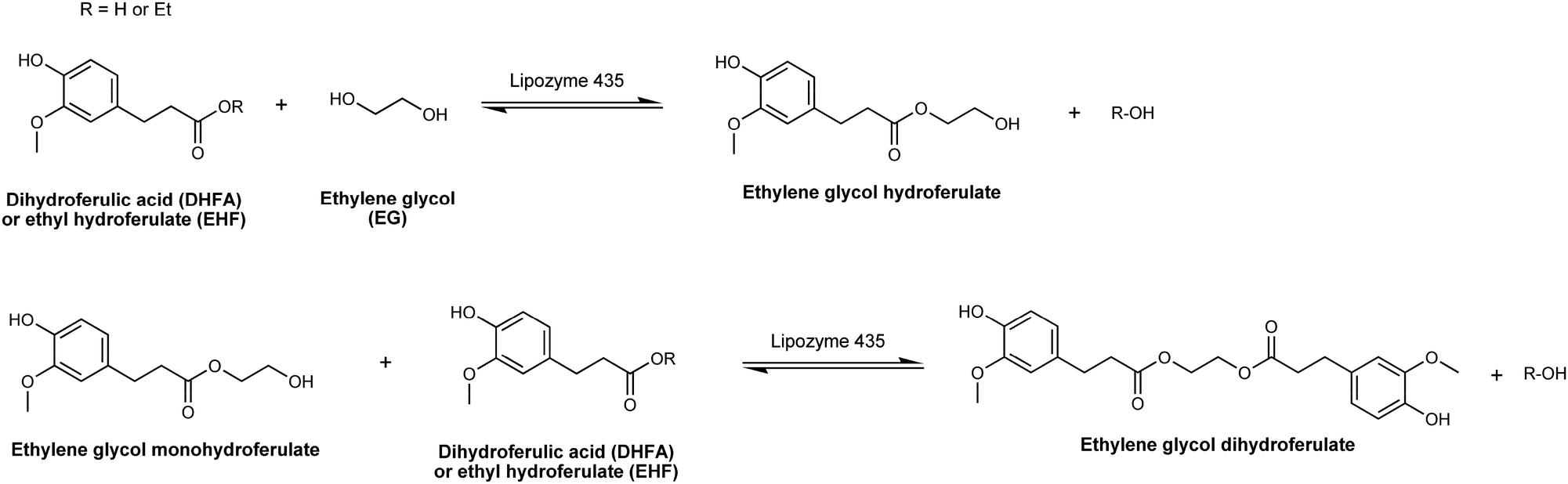 | ||
| Scheme 1 Reaction between ethylene glycol and hydroferulate acyl donors (dihydroferulic acid or ethyl hydroferulate). | ||
3.1 Ethylene glycol hydroferulate synthesis in organic solvent
Initially, the reaction in organic solvent, 2-methyl-2-butanol (2M2B), was examined. The media were dried before use and the initial water activity was lower than 0.1 (Table 1). Dihydroferulic acid was used as acyl donor, with different concentrations of ethylene glycol to obtain varying molar ratios. An increase of ethylene glycol in the media resulted in a higher yield of ethylene glycol hydroferulate (EGHF), improving from 33% in equimolar to 72% in 6 times excess case. Additionally, for 3-times excess of the acid, the maximum yield obtained was 31% after 24 h. When using ethyl hydroferulate (EHF) with a molar ratio of 1:6 EHF:EG, the maximum yield is 74% and the equilibrium is reached after only 48 h, faster than the 72 h necessary for the acid. This improvement is expected as the use of alkyl esters to achieve higher efficiency has been described previously.46,60,61 After 48 h of reaction with ethyl hydroferulate, there is a decrease in the yield due to the production of the diester by-product, indicating an initially kinetically driven reaction, common in transesterification.62
| 1:1 DHFA:EG |
3:1 DHFA:EG |
1:3 DHFA:EG |
1:6 DHFA:EG |
1:6 EHF:EG |
|
|---|---|---|---|---|---|
| a Not applicable. | |||||
| a wi | 0.085 | 0.080 | 0.085 | 0.052 | 0.057 |
| a wf | 0.110 | 0.095 | 0.133 | 0.112 | 0.096 |
| Δaw | 0.025 | 0.015 | 0.048 | 0.060 | 0.039 |
| K 0 (M−1) | 0.747 | 0.436 | 0.597 | 0.617 | NAa |
| Limiting substrate conversion (%) | 38% | 40% | 58% | 79% | 81% |
| EGHF yield (%) | 33% | 31% | 55% | 72% | 74% |
| EGDHF content (%) | 2.8% | 4.5% | 1.8% | 3.6% | 6.2% |
| Time to equilibrium (h) | 24 | 24 | 48 | 72 | 48 |
In lipase-mediated esterification and transesterification, the control of water activity (aW) is crucial for the efficiency of the reaction, justifying the need for drying procedure of the organic solvent. Without any system to control water concentration during the experiment, aw increases during the esterification reaction. The Δaw is proportional to the amount of monoester produced, which is observed from 1:1 to 1:3 and 1:6 DHFA:EG. The case with an excess of dihydroferulic acid (3:1 DHFA:EG) has a smaller difference in water activity because esterification was limited by the low concentration of ethylene glycol, which in turn limited the ester production.
Water activity can also be used to calculate the equilibrium constant K0 of the reaction performed with acid as acyl donor, as described by Valivety et al.63 and Svensson et al.:64

All equilibrium constants calculated keep the same order of magnitude, with a maximum difference of 58%. This may confirm that the equilibrium was reached in all cases. Thermodynamic data to calculate the theoretical equilibrium constant and compare it to the calculated value of the reaction was not found in the literature.
In terms of the reaction selectivity, the studied conditions maintained a high selectivity towards the monoester and produced diester at low values, with the highest yield of the by-product being only 6.2%. In contrast, in previous studies involving lipase-catalysed transesterification,46,47 the diester was obtained in higher amounts. In these studies, the strategy employed involved using an excess of acyl donor and applying a vacuum to remove the ethanol produced in the transesterification of ethyl hydroferulate. These approaches shift the equilibrium of the monoester production, as well as the equilibrium of subsequent reactions towards the diesters. In contrast, with the strategy applied in this work, the excess of acyl receptor only shifts the equilibrium of the first reaction, favouring the production of the monoester EGHF over the diester.
3.2 Solvent-free ethylene glycol hydroferulate synthesis
As the results showed a great potential when performing the reaction with an excess of ethylene glycol, a solvent-free reaction was considered. At first, dihydroferulic acid or ethyl hydroferulate were diluted in pure ethylene glycol to obtain solution of 120 mM of the acyl donors. In both cases, no reaction was observed (data not shown), even with vigorous mixing or higher temperature to compensate for the higher viscosity of the reaction mixture. In the solvent-free reaction, the medium is hydrophilic (logPEG = −1.36 (ref. 65)), whereas 2-methyl-2-butanol is hydrophobic (logP2M2B = 0.89 (ref. 65)). The presence of water is essential for enzyme activity, as it is involved in interactions such as hydrogen bonding, ionic interactions, and hydrophobic and van der Waals forces (Keesom, Debye, London forces), which are responsible for the three-dimensional conformation of the protein.66 Studies have shown that the water bound to the structure of the enzyme, the hydration layer, is crucial and the polarity of the solvent can directly impact it. Zaks and Klibanov, 1988,67 demonstrated that the amount of water bound to the enzyme is more important than the water content of the media and that a hydrophobic solvent requires less water to maximize activity than a hydrophilic solvent. Subsequent work by Gorman and Dordick, 199268 showed that polar solvents can disrupt the hydration layer of the enzyme, thus decreasing its activity or even deactivating it completely. More recently, this effect was observed in a mutated lipase from Bacillus subtilis.69 They observed that increasing the amount of acetone, acetonitrile, or dimethylformamide in the media resulted in the enzyme losing almost all of its hydrolytic activity at 60% v/v of solvent.
In order to activate the enzyme in ethylene glycol, various amounts of ultrapure water were added to the media (Table 2). Indeed, with a water content as low as 1% v/v, it was possible to obtain activity towards esterification, with high selectivity but with modest conversion. Increasing the water content from 5 to 10 and 20% v/v not only resulted in higher values of conversion but also a decrease in yield, as more hydrolysis of ethyl hydroferulate was observed, which is typical of reactions under kinetic conditions.62 Regarding the production of EGHF, the case with 10% v/v had better overall results, at 96% yield, due to a good balance between conversion and selectivity. These results indicate that the hydration level considerably influences the enzyme activity when it is in the presence of a highly polar solvent. To further examine the impact of ethylene glycol, the experiment was also performed without hydration before the reaction. After 2, 8, or 24 h, 10% of water was added and the reaction was carried out for more 24 h. In these cases, no conversion was observed, indicating that the incubation of CALB with pure ethylene glycol has irreversibly deactivated the enzyme. To confirm, the biocatalyst was incubated in EG during 24 h, filtered off and thoroughly washed with water. Standard activity assay showed that the biocatalyst had a residual activity that represented only 3% of the original value.
| Water content (% v/v) | a w | EGHF yield (%) | EGHF selectivity (%) | EHF conversion (%) |
|---|---|---|---|---|
| 0.1 | 0.024 | 0% | 0% | 0% |
| 1 | 0.046 | 15% | 97% | 16% |
| 5 | 0.143 | 91% | 100% | 91% |
| 10 | 0.248 | 96% | 97% | 99% |
| 20 | 0.419 | 90% | 90% | 99% |
The ratio of the products, the desired EGHF and the undesired EGDHF is greatly improved. In all cases (Table 2), only unquantifiable traces of diester were detected, improving the selectivity towards the desired molecule beyond the results with dried 2-methyl-2-butanol. Previous studies70,71 have also shown a direct relation between the polarity of media and the extent of the lipase-catalysed acylation of polyols. As solvents with lower logP values were used, the ratio between monoester and diester at equilibrium increased. Similarly, in this work, the use of ethylene glycol, a highly polar molecule, resulted in higher monoester EGHF yields.
The condition involving the addition of 10% (v/v) of water to ethylene glycol was further evaluated at two different temperatures, using either dihydroferulic acid (Fig. 1a) or ethyl hydroferulate (Fig. 1b) as acyl donors. The case with acid as substrate resulted in a maximum yield of 57% after 72 h at 55 °C and increasing the temperature did not improve the results, as the yield dropped to just 9%. For the ester substrate, the yield over time was very similar at both temperatures, rapidly achieving equilibrium after only 8 h. The maximum yields were 97% and 99% for 55 °C and 70 °C, respectively.
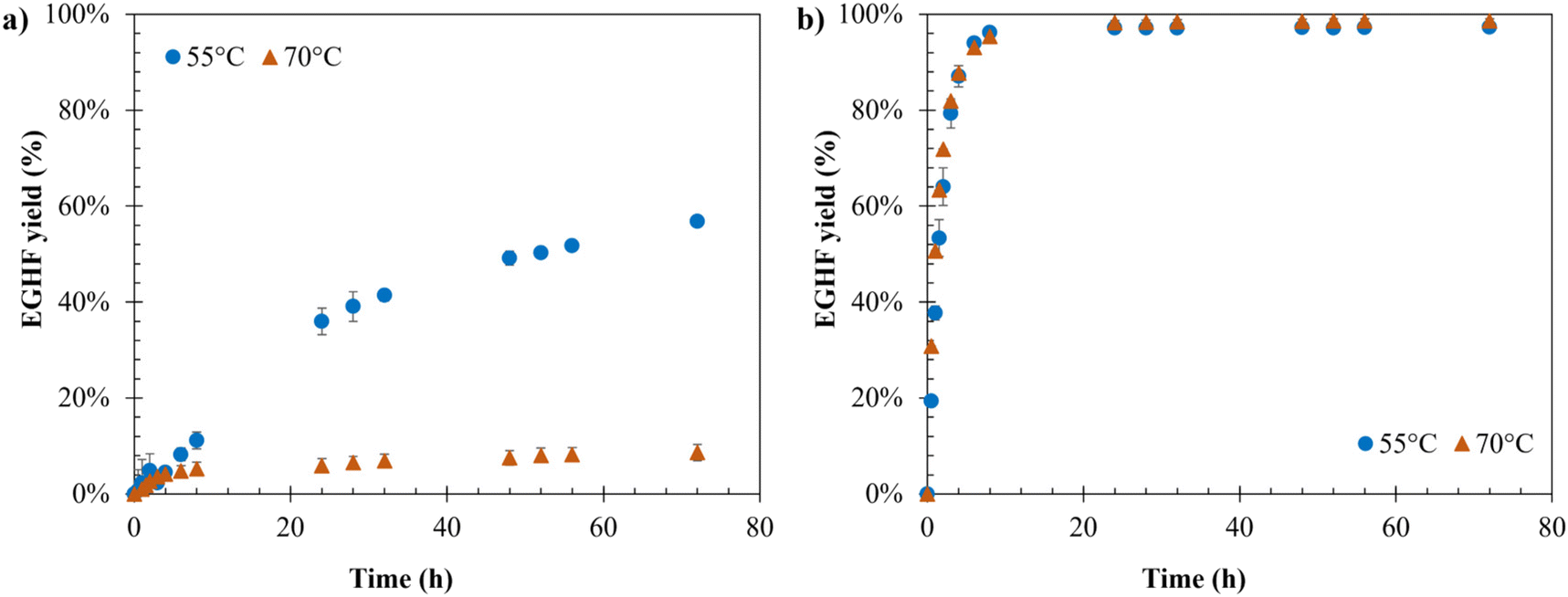 | ||
| Fig. 1 EGHF yield in 10 mL of ethylene glycol with 10% (v/v) of ultrapure water with 10 g L−1 of Lipozyme® 435, at 55 °C (●) and 70 °C (▲) and 400 rpm. (a) Dihydroferulic acid (120 mM) and (b) Ethyl hydroferulate (120 mM). | ||
The impact of incubating the enzyme in the presence of the dihydroferulic acid or the ethyl hydroferulate was also assessed. The lipase was first incubated in the reaction media containing 120 mM of DHFA or 120 mM of EHF for 24 h at 55 °C. After this, the enzyme was filtered off and used in another reaction to assess the performance under conditions that had previously been shown to be favourable with fresh enzyme: EG:H2O 90:10 and EHF as acyl donor. It was observed that while the enzyme samples incubated in the presence of the ester retained full activity, the samples incubated in the presence of the acid showed a clear decline in activity, indicating an acid-induced deactivation of the enzyme (Fig. S11).
The negative impact of the dihydroferulic acid on the enzyme stability corroborates the results presented in Table 1 and Fig. 1, in which a higher yield was obtained quicker for the ethyl ester. This indicates that ethyl hydroferulate is a more suitable starting substrate for the pathways leading to bio-based monomers. However, the biomass valorization pathway begins with the extraction of ferulic acid and DHFA is obtained in a single step, whereas the ethyl ester requires an additional step. The esterification of ferulic acid with ethanol to produce ethyl ferulate can be performed either enzymatically21 or catalyzed by acid.46 Given the high selectivity of CALB and its stability when utilizing EHF in the EGHF formation, this additional step represents a minor disadvantage.
For long-term application, the impact of the temperature on the stability and reusability of the biocatalyst was investigated in recycling studies. Five cycles of EGHF production were performed, with ethyl hydroferulate as substrate and in EG:H2O 90:10 media, for 24 h at 55 °C and 70 °C (Fig. 2). At the lower temperature, it could be performed at least five reaction cycles, keeping the product yield after 24 h nearly identical, maintaining nearly identical product yield after 24 hours and retaining at least 92% of the performance of the fresh enzyme. Conversely, at higher temperatures, the lipase showed a great reduction of its stability after only two reuses, prompting the termination of the experiment.
 | ||
| Fig. 2 EGHF yield after successive reaction cycles. Reaction conditions for each cycle: 1 mL of ethylene glycol with 10% (v/v) of ultrapure water with 10 g L−1 of Lipozyme® 435, ethyl hydroferulate (120 mM) as substrate, for 24 h, at 55 °C (five cycles) and 70 °C (two cycles). | ||
3.3 Radical scavenging activity
After obtaining the ethylene glycol hydroferulate, its antioxidant capacity was characterized through its radical scavenging activity with ABTS molecule and compared it to that of ferulic acid and dihydroferulic acid. The values of IC50, the concentration of the analyte necessary to reduce the concentration of radicals by 50%, are presented in Table 3. The monoester exhibits a similar level of radical scavenging activity to that of its precursors, ferulic acid and dihydroferulic acid. The results are in accordance with the literature on the effect of modifications to hydroxycinnamic acids on their antioxidant properties.55 The addition of an alkyl side chain to the acids has different effects, depending on the position of the aromatic ring substitutions. While caffeate esters have slightly improved radical scavenging capacity, the effect is reversed for ferulate and sinapate esters.| FA | DHFA | EGHF |
|---|---|---|
| 7.7 ± 0.8 | 13.4 ± 6.6 | 9.2 ± 1.4 |
4. Conclusion
An enzymatic pathway for a novel antioxidant monomer was proposed and the intermediary molecule, ethylene glycol hydroferulate, was enzymatically obtained using an immobilized lipase from dihydroferulic acid or ethyl hydroferulate and ethylene glycol as substrates. Excellent selectivity for the desired ethylene glycol monoester was achieved with both starting materials. An excess of acyl receptor proved to be essential to improve selectivity and yield for the desired molecule, the monoester. Using 2-methyl-2-butanol as an organic solvent, both acyl donors, dihydroferulic acid and ethyl dihydroferulate, gave similar yields (74% and 72%), but the use of ethyl dihydroferulate enabled a much faster reaction. For the solvent-free systems, with an excess of ethylene glycol in the place of 2-methyl-2-butanol, the addition of water was essential for the reaction to proceed and 10% (v/v) of ultra-pure water was the optimum hydration value. This water requirement is possibly due to the high polarity of EG. In the solvent-free system, the EHF proved the better acyl donor, enabling 97% yield at 55 °C and 99% yield at 70 °C after 24 h of reaction. At 55 °C, the Lipozyme® 435 showed remarkable reusability, keeping 92% of the initial activity after five cycles of 24 h in the solvent-free systems. In contrast, at 70 °C, there was a sharp decline in enzyme activity after only two cycles. This study results in an improvement of ethylene glycol hydroferulate production at conditions that are in accordance with green chemistry principles: lower temperatures for energy efficiency, higher selectivity producing fewer derivatives and solvents-free reactions.Author contributions
F. D. B, M. P. M. G and Y. G. conducted experiments. F. D. B drafted the manuscript. All authors read, edited and approved the final article.Conflicts of interest
The authors declare no conflict of interest.Data availability
The data supporting this article have been included as part of the SI. NRM spectra, HPLC-PDA calibration curves, and yield results can be found in the SI file. See DOI: https://doi.org/10.1039/d5gc02821c.Acknowledgements
This work was supported by the French PIA project “Lorraine Université d'Excellence” and the mobility grant “LUE DrEAM”, reference ANR-15-IDEX-04-LUE. The project also benefited from the mobility grant “Eole” from the Réseau Franco-Néerlandais.References
- D. Tsimogiannis and V. Oreopoulou, Chapter 16 - Classification of Phenolic Compounds in Plants, in Polyphenols in Plants (Second Edition), ed. R. R. Watson, Academic Press, 2019, pp 263–284. DOI:10.1016/B978-0-12-813768-0.00026-8.
- P. A. Kroon and G. Williamson, Hydroxycinnamates in Plants and Food: Current and Future Perspectives, J. Sci. Food Agric., 1999, 79(3), 355–361, DOI:10.1002/(SICI)1097-0010(19990301)79:3<355::AID-JSFA255>3.0.CO;2-G.
- S. Kiokias, C. Proestos and V. Oreopoulou, Phenolic Acids of Plant Origin—A Review on Their Antioxidant Activity In Vitro (O/W Emulsion Systems) Along with Their in Vivo Health Biochemical Properties, Foods, 2020, 9(4), 534, DOI:10.3390/foods9040534.
- O. Taofiq, A. M. González-Paramás, M. F. Barreiro and I. C. F. R. Ferreira, Hydroxycinnamic Acids and Their Derivatives: Cosmeceutical Significance, Challenges and Future Perspectives, a Review, Molecules, 2017, 22(2), 281, DOI:10.3390/molecules22020281.
- S. Kiokias and V. Oreopoulou, A Review of the Health Protective Effects of Phenolic Acids against a Range of Severe Pathologic Conditions (Including Coronavirus-Based Infections), Molecules, 2021, 26(17), 5405, DOI:10.3390/molecules26175405.
- F. Shahidi and A. Chandrasekara, Hydroxycinnamates and Their in Vitro and in Vivo Antioxidant Activities, Phytochem. Rev., 2010, 9(1), 147–170, DOI:10.1007/s11101-009-9142-8.
- R. Tramontina, I. Ciancaglini, E. K. B. Roman, M. G. Chacón, T. L. R. Corrêa, N. Dixon, T. D. H. Bugg and F. M. Squina, Sustainable Biosynthetic Pathways to Value-Added Bioproducts from Hydroxycinnamic Acids, Appl. Microbiol. Biotechnol., 2023, 107(13), 4165–4185, DOI:10.1007/s00253-023-12571-8.
- K. Pyrzynska, Ferulic Acid—A Brief Review of Its Extraction, Bioavailability and Biological Activity, Separations, 2024, 11(7), 204, DOI:10.3390/separations11070204.
- A. L. Flourat, J. Combes, C. Bailly-Maitre-Grand, K. Magnien, A. Haudrechy, J.-H. Renault and F. Allais, Accessing P-Hydroxycinnamic Acids: Chemical Synthesis, Biomass Recovery, or Engineered Microbial Production?, ChemSusChem, 2021, 14(1), 118–129, DOI:10.1002/cssc.202002141.
- E. M. M. Abdelraheem, H. Busch, U. Hanefeld and F. Tonin, Biocatalysis Explained: From Pharmaceutical to Bulk Chemical Production, React. Chem. Eng., 2019, 4(11), 1878–1894, 10.1039/C9RE00301K.
- A. R. Alcántara, P. Domínguez de María, J. A. Littlechild, M. Schürmann, R. A. Sheldon and R. Wohlgemuth, Biocatalysis as Key to Sustainable Industrial Chemistry, ChemSusChem, 2022, 15(9), e202102709, DOI:10.1002/cssc.202102709.
- J. A. Laszlo, D. L. Compton, F. J. Eller, S. L. Taylor and T. A. Isbell, Packed-Bed Bioreactor Synthesis of Feruloylated Monoacyl- and Diacylglycerols: Clean Production of a “Green” Sunscreen, Green Chem., 2003, 5(4), 382–386, 10.1039/B302384B.
- Y. Yoshida, Y. Kimura, M. Kadota, T. Tsuno and S. Adachi, Continuous Synthesis of Alkyl Ferulate by Immobilized Candida Antarctica Lipase at High Temperature, Biotechnol. Lett., 2006, 28(18), 1471–1474, DOI:10.1007/s10529-006-9113-8.
- S.-D. Sun, L. Shan, Y.-F. Liu, Q.-Z. Jin, L.-X. Zhang and X.-G. Wang, Solvent-Free Enzymatic Preparation of Feruloylated Monoacylglycerols Optimized by Response Surface Methodology, J. Agric. Food Chem., 2008, 56(2), 442–447, DOI:10.1021/jf0728911.
- T. Matsuo, T. Kobayashi, Y. Kimura, A. Hosoda, H. Taniguchi and S. Adachi, Continuous Synthesis of Glyceryl Ferulate Using Immobilized Candida Antarctica Lipase, J. Oleo Sci., 2008, 57(7), 375–380, DOI:10.5650/jos.57.375.
- T. Matsuo, T. Kobayashi, Y. Kimura, M. Tsuchiyama, T. Oh, T. Sakamoto and S. Adachi, Synthesis of Glyceryl Ferulate by Immobilized Ferulic Acid Esterase, Biotechnol. Lett., 2008, 30(12), 2151–2156, DOI:10.1007/s10529-008-9814-2.
- J. A. Laszlo, Y. Yu, S. Lutz and D. L. Compton, Glycerol Acyl-Transfer Kinetics of a Circular Permutated Candida Antarctica Lipase B, J. Mol. Catal. B: Enzym., 2011, 72(3–4), 175–180, DOI:10.1016/j.molcatb.2011.06.002.
- S. Sun, F. Song, Y. Bi, G. Yang and W. Liu, Solvent-Free Enzymatic Transesterification of Ethyl Ferulate and Monostearin: Optimized by Response Surface Methodology, J. Biotechnol., 2013, 164(2), 340–345, DOI:10.1016/j.jbiotec.2013.01.013.
- K. Sankar and A. Achary, Synthesis of Feruloyl Ester Using Bacillus Subtilis AKL 13 Lipase Immobilized on Celite® 545, Food Technol. Biotechnol., 2017, 55(4), 542–552, DOI:10.17113/ftb.55.04.17.5331.
- C. Chandel, A. Kumar and S. S. Kanwar, Enzymatic Synthesis of Butyl Ferulate by Silica-Immobilized Lipase in a Non-Aqueous Medium, J. Biomater. Nanobiotechnol., 2011, 02(04), 400–408, DOI:10.4236/jbnb.2011.24049.
- A. Kumar and S. S. Kanwar, Synthesis of Ethyl Ferulate in Organic Medium Using Celite-Immobilized Lipase, Bioresour. Technol., 2011, 102(3), 2162–2167, DOI:10.1016/j.biortech.2010.10.027.
- K.-C. Huang, Y. Li, C.-H. Kuo, Y.-K. Twu and C.-J. Shieh, Highly Efficient Synthesis of an Emerging Lipophilic Antioxidant: 2-Ethylhexyl Ferulate, Molecules, 2016, 21(4), 478, DOI:10.3390/molecules21040478.
- S. Hüttner, M. Zezzi Do Valle Gomes, L. Iancu, A. Palmqvist and L. Olsson, Immobilisation on Mesoporous Silica and Solvent Rinsing Improve the Transesterification Abilities of Feruloyl Esterases from Myceliophthora Thermophila, Bioresour. Technol., 2017, 239, 57–65, DOI:10.1016/j.biortech.2017.04.106.
- W. Song, J. Xin, C. Yu, C. Xia and Y. Pan, Alkyl Ferulic Acid Esters: Evaluating Their Structure and Antibacterial Properties, Front. Microbiol., 2023, 14, 1135308, DOI:10.3389/fmicb.2023.1135308.
- M. Koreishi, F. Asayama, H. Imanaka, K. Imamura, M. Kadota, T. Tsuno and K. Nakanishi, Purification and Characterization of a Novel Aminoacylase from Streptomyces Mobaraensis, Biosci., Biotechnol., Biochem., 2005, 69(10), 1914–1922, DOI:10.1271/bbb.69.1914.
- O. E. Adelakun, T. Kudanga, A. Parker, I. R. Green, M. le Roes-Hill and S. G. Burton, Laccase-Catalyzed Dimerization of Ferulic Acid Amplifies Antioxidant Activity, J. Mol. Catal. B: Enzym., 2012, 74(1), 29–35, DOI:10.1016/j.molcatb.2011.08.010.
- N. Karaki, A. Aljawish, L. Muniglia, S. Bouguet-Bonnet, S. Leclerc, C. Paris, J. Jasniewski and C. Humeau-Virot, Functionalization of Pectin with Laccase-Mediated Oxidation Products of Ferulic Acid, Enzyme Microb. Technol., 2017, 104, 1–8, DOI:10.1016/j.enzmictec.2017.05.001.
- A. Aljawish, I. Chevalot, B. Piffaut, C. Rondeau-Mouro, M. Girardin, J. Jasniewski, J. Scher and L. Muniglia, Functionalization of Chitosan by Laccase-Catalyzed Oxidation of Ferulic Acid and Ethyl Ferulate under Heterogeneous Reaction Conditions, Carbohydr. Polym., 2012, 87(1), 537–544, DOI:10.1016/j.carbpol.2011.08.016.
- E. H. Acero, D. Ribitsch, R. D. Rodriguez, A. Dellacher, S. Zitzenbacher, A. Marold, K. J. Greimel, M. Schroeder, A. Kandelbauer, S. Heumann, G. S. Nyanhongo, H. Schwab and G. M. Guebitz, Two-Step Enzymatic Functionalisation of Polyamide with Phenolics, J. Mol. Catal. B: Enzym., 2012, 79, 54–60, DOI:10.1016/j.molcatb.2012.03.019.
- P. A. Bersanetti, V. H. Escobar, R. F. Nogueira, F. d. S. Ortega, P. Schor and A. d. A. Morandim-Giannetti, Enzymatically Obtaining Hydrogels of PVA Crosslinked with Ferulic Acid in the Presence of Laccase for Biomedical Applications, Eur. Polym. J., 2019, 112, 610–618, DOI:10.1016/j.eurpolymj.2018.10.024.
- J. M. Landete, H. Rodríguez, J. A. Curiel, B. de las Rivas, J. M. Mancheño and R. Muñoz, Gene Cloning, Expression, and Characterization of Phenolic Acid Decarboxylase from Lactobacillus Brevis RM84, J. Ind. Microbiol. Biotechnol., 2010, 37(6), 617–624, DOI:10.1007/s10295-010-0709-6.
- H. Leisch, S. Grosse, K. Morley, K. Abokitse, F. Perrin, J. Denault and P. C. K. Lau, Chemicals from Agricultural Biomass: Chemoenzymatic Approach for Production of Vinylphenols and Polyvinylphenols from Phenolic Acids, Green Process. Synth., 2013, 2(1), 7–17, DOI:10.1515/gps-2012-0082.
- E. Mittmann, S. Gallus, P. Bitterwolf, C. Oelschlaeger, N. Willenbacher, C. M. Niemeyer and K. S. Rabe, A Phenolic Acid Decarboxylase-Based All-Enzyme Hydrogel for Flow Reactor Technology, Micromachines, 2019, 10(12), 795, DOI:10.3390/mi10120795.
- A. Lomascolo, E. Odinot, P. Villeneuve and J. Lecomte, Challenges and Advances in Biotechnological Approaches for the Synthesis of Canolol and Other Vinylphenols from Biobased P-Hydroxycinnamic Acids: A Review, Biotechnol. Biofuels Bioprod., 2023, 16(1), 173, DOI:10.1186/s13068-023-02425-w.
- E. Hernández-García, M. Vargas and A. Chiralt, Effect of Active Phenolic Acids on Properties of PLA-PHBV Blend Films, Food Packag. Shelf Life, 2022, 33, 100894, DOI:10.1016/j.fpsl.2022.100894.
- M. A. Ouimet, J. Griffin, A. L. Carbone-Howell, W.-H. Wu, N. D. Stebbins, R. Di and K. E. Uhrich, Biodegradable Ferulic Acid-Containing Poly(Anhydride-Ester): Degradation Products with Controlled Release and Sustained Antioxidant Activity, Biomacromolecules, 2013, 14(3), 854–861, DOI:10.1021/bm3018998.
- M. A. Ouimet, J. J. Faig, W. Yu and K. E. Uhrich, Ferulic Acid-Based Polymers with Glycol Functionality as a Versatile Platform for Topical Applications, Biomacromolecules, 2015, 16(9), 2911–2919, DOI:10.1021/acs.biomac.5b00824.
- D. Pospiech, A. Korwitz, H. Komber, D. Jehnichen, K. Arnhold, H. Brünig, H. Scheibner, M. T. Müller and B. Voit, Polyesters with Bio-Based Ferulic Acid Units: Crosslinking Paves the Way to Property Consolidation, Polym. Chem., 2021, 12(36), 5139–5148, 10.1039/D1PY00851J.
- A. Parthiban and V. A. Vasantha, Biorenewable Functional Oligomers and Polymers – Direct Copolymerization of Ferulic Acid to Obtain Polymeric UV Absorbers and Multifunctional Materials, Polymer, 2020, 188, 122122, DOI:10.1016/j.polymer.2019.122122.
- E. A. Castillo, H. Miura, M. Hasegawa and T. Ogawa, Synthesis of Novel Polyamides Starting from Ferulic Acid Dimer Derivative, Des. Monomers Polym., 2004, 7(6), 711–725, DOI:10.1163/1568555042474185.
- F. Puoci, F. Iemma, M. Curcio, O. I. Parisi, G. Cirillo, U. G. Spizzirri and N. Picci, Synthesis of Methacrylic−Ferulic Acid Copolymer with Antioxidant Properties by Single-Step Free Radical Polymerization, J. Agric. Food Chem., 2008, 56(22), 10646–10650, DOI:10.1021/jf802302k.
- O. I. Parisi, F. Puoci, F. Iemma, G. De Luca, M. Curcio, G. Cirillo, U. G. Spizzirri and N. Picci, Antioxidant and Spectroscopic Studies of Crosslinked Polymers Synthesized by Grafting Polymerization of Ferulic Acid, Polym. Adv. Technol., 2010, 21(11), 774–779, DOI:10.1002/pat.1499.
- F. Iemma, F. Puoci, M. Curcio, O. I. Parisi, G. Cirillo, U. G. Spizzirri and N. Picci, Ferulic Acid as a Comonomer in the Synthesis of a Novel Polymeric Chain with Biological Properties, J. Appl. Polym. Sci., 2010, 115(2), 784–789, DOI:10.1002/app.31067.
- C. Du, D. A. Fikhman and M. B. B. Monroe, Shape Memory Polymer Foams with Phenolic Acid-Based Antioxidant Properties, Antioxidants, 2022, 11(6), 1105, DOI:10.3390/antiox11061105.
- A. Bazin, L. Avérous and E. Pollet, Ferulic Acid as Building Block for the Lipase-Catalyzed Synthesis of Biobased Aromatic Polyesters, Polymers, 2021, 13(21), 3693, DOI:10.3390/polym13213693.
- F. Pion, A. F. Reano, P.-H. Ducrot and F. Allais, Chemo-Enzymatic Preparation of New Bio-Based Bis- and Trisphenols: New Versatile Building Blocks for Polymer Chemistry, RSC Adv., 2013, 3(23), 8988–8997, 10.1039/C3RA41247D.
- F. Pion, P.-H. Ducrot and F. Allais, Renewable Alternating Aliphatic–Aromatic Copolyesters Derived from Biobased Ferulic Acid, Diols, and Diacids: Sustainable Polymers with Tunable Thermal Properties, Macromol. Chem. Phys., 2014, 215(5), 431–439, DOI:10.1002/macp.201300702.
- R. Ménard, S. Caillol and F. Allais, Ferulic Acid-Based Renewable Esters and Amides-Containing Epoxy Thermosets from Wheat Bran and Beetroot Pulp: Chemo-Enzymatic Synthesis and Thermo-Mechanical Properties Characterization, Ind. Crops Prod., 2017, 95, 83–95, DOI:10.1016/j.indcrop.2016.10.016.
- R. Ménard, S. Caillol and F. Allais, Chemo-Enzymatic Synthesis and Characterization of Renewable Thermoplastic and Thermoset Isocyanate-Free Poly(Hydroxy)Urethanes from Ferulic Acid Derivatives, ACS Sustainable Chem. Eng., 2017, 5(2), 1446–1456, DOI:10.1021/acssuschemeng.6b02022.
- S. Kasmi, A. Gallos, J. Beaugrand, G. Paës and F. Allais, Ferulic Acid Derivatives Used as Biobased Powders for a Convenient Plasticization of Polylactic Acid in Continuous Hot-Melt Process, Eur. Polym. J., 2019, 110, 293–300, DOI:10.1016/j.eurpolymj.2018.11.036.
- R. T. Otto, H. Scheib, U. T. Bornscheuer, J. Pleiss, C. Syldatk and R. D. Schmid, Substrate Specificity of Lipase B from Candida Antarctica in the Synthesis of Arylaliphatic Glycolipids, J. Mol. Catal. B: Enzym., 2000, 8(4–6), 201–211, DOI:10.1016/s1381-1177(99)00058-2.
- J. Cassani, H. Luna, A. Navarro and E. Castillo, Comparative Esterification of Phenylpropanoids versus Hydrophenylpropanoids Acids Catalyzed by Lipase in Organic Solvent Media, Electron. J. Biotechnol., 2007, 10(4), 508–513, DOI:10.4067/S0717-34582007000400004.
- M. Srinivasan, A. R. Sudheer and V. P. Menon, Ferulic Acid: Therapeutic Potential Through Its Antioxidant Property, J. Clin. Biochem. Nutr., 2007, 40(2), 92, DOI:10.3164/jcbn.40.92.
- S. A. Ordoudi, M. Z. Tsimidou, A. P. Vafiadis and E. G. Bakalbassis, Structure−DPPH˙ Scavenging Activity Relationships: Parallel Study of Catechol and Guaiacol Acid Derivatives, J. Agric. Food Chem., 2006, 54(16), 5763–5768, DOI:10.1021/jf060132x.
- J. Teixeira, A. Gaspar, E. M. Garrido, J. Garrido and F. Borges, Hydroxycinnamic Acid Antioxidants: An Electrochemical Overview, BioMed Res. Int., 2013, 2013(1), 251754, DOI:10.1155/2013/251754.
- J. J. Beck, J. H. Kim, B. C. Campbell and S.-C. Chou, Fungicidal Activities of Dihydroferulic Acid Alkyl Ester Analogues, J. Nat. Prod., 2007, 70(5), 779–782, DOI:10.1021/np0606345.
- A. Khalil, C. Gerardin-Charbonnier, H. Chapuis, K. Ferji and J.-L. Six, Original Bio-Based Antioxidant Poly(Meth)Acrylate from Gallic Acid-Based Monomers, ACS Sustainable Chem. Eng., 2021, 9(34), 11458–11468, DOI:10.1021/acssuschemeng.1c03607.
- A. Khalil, C. Moya Lopez, F. C. Pérez-Martínez, C. Gerardin-Charbonnier, K. Ferji, C. Alonso Moreno and J.-L. Six, Polymers with One Free Gallic Acid per Monomer Unit. Controlled Synthesis and Intrinsic Antioxidant/Antibacterial Properties, Eur. Polym. J., 2024, 211, 113022, DOI:10.1016/j.eurpolymj.2024.113022.
- C. Ortiz, M. L. Ferreira, O. Barbosa, J. C. S. d. Santos, R. C. Rodrigues, Á. Berenguer-Murcia, L. E. Briand and R. Fernandez-Lafuente, Novozym 435: The “Perfect” Lipase Immobilized Biocatalyst?, Catal. Sci. Technol., 2019, 9(10), 2380–2420, 10.1039/C9CY00415G.
- D. L. Compton, J. A. Laszlo and M. A. Berhow, Lipase-Catalyzed Synthesis of Ferulate Esters, J. Am. Oil Chem. Soc., 2000, 77(5), 513–519, DOI:10.1007/s11746-000-0082-9.
- S. Sun, L. Shan, Q. Jin, Y. Liu and X. Wang, Solvent-Free Synthesis of Glyceryl Ferulate Using a Commercial Microbial Lipase, Biotechnol. Lett., 2007, 29(6), 945–949, DOI:10.1007/s10529-007-9338-1.
- S. R. Marsden, L. Mestrom, D. G. G. McMillan and U. Hanefeld, Thermodynamically and Kinetically Controlled Reactions in Biocatalysis – from Concepts to Perspectives, ChemCatChem, 2020, 12(2), 426–437, DOI:10.1002/cctc.201901589.
- R. H. Valivety, G. A. Johnston, C. J. Suckling and P. J. Halling, Solvent Effects on Biocatalysis in Organic Systems: Equilibrium Position and Rates of Lipase Catalyzed Esterification, Biotechnol. Bioeng., 1991, 38(10), 1137–1143, DOI:10.1002/bit.260381004.
- I. Svensson, E. Wehtje, P. Adlercreutz and B. Mattiasson, Effects of Water Activity on Reaction Rates and Equilibrium Positions in Enzymatic Esterifications, Biotechnol. Bioeng., 1994, 44(5), 549–556, DOI:10.1002/bit.260440502.
- Y. C. Martin, Exploring QSAR: Hydrophobic, Electronic, and Steric Constants, J. Med. Chem., 1996, 39(5), 1189–1190, DOI:10.1021/jm950902o.
- G. E. Schulz and R. H. Schirmer, Noncovalent Forces Determining Protein Structure, in Principles of Protein Structure, ed. G. E. Schulz and R. H. Schirmer, Springer, New York, NY, 1979, pp 27–45. DOI:10.1007/978-1-4612-6137-7_3.
- A. Zaks and A. M. Klibanov, The Effect of Water on Enzyme Action in Organic Media, J. Biol. Chem., 1988, 263(17), 8017–8021, DOI:10.1016/S0021-9258(18)68435-2.
- L. A. S. Gorman and J. S. Dordick, Organic Solvents Strip Water off Enzymes, Biotechnol. Bioeng., 1992, 39(4), 392–397, DOI:10.1002/bit.260390405.
- M. Z. Kamal, P. Yedavalli, M. V. Deshmukh and N. M. Rao, Lipase in Aqueous-Polar Organic Solvents: Activity, Structure, and Stability, Protein Sci., 2013, 22(7), 904–915, DOI:10.1002/pro.2271.
- S.-J. Kuo and K. L. Parkin, Solvent Polarity Influences Product Selectivity of Lipase-Mediated Esterification Reactions in Microaqueous Media, J. Am. Oil Chem. Soc., 1996, 73(11), 1427, DOI:10.1007/BF02523507.
- J. C. Bellot, L. Choisnard, E. Castillo and A. Marty, Combining Solvent Engineering and Thermodynamic Modeling to Enhance Selectivity during Monoglyceride Synthesis by Lipase-Catalyzed Esterification, Enzyme Microb. Technol., 2001, 28(4–5), 362–369, DOI:10.1016/S0141-0229(00)00326-4.
| This journal is © The Royal Society of Chemistry 2025 |