DOI:
10.1039/D5FO03684D
(Paper)
Food Funct., 2025,
16, 9344-9358
Pentadecanoic acid (C15:0) promotes placental angiogenesis by activating the placental PI3K-AKT signaling
Received
30th August 2025
, Accepted 25th October 2025
First published on 12th November 2025
Abstract
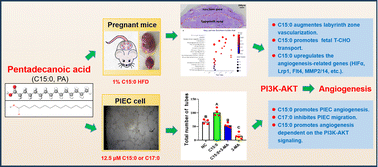
Maternal obesity impairs placental angiogenesis, increasing the risks of gestational metabolic disorders and fetal developmental compromise. Odd-chain saturated fatty acids (OCS-FAs), particularly pentadecanoic acid (PA, C15:0), demonstrate protective metabolic properties, yet their roles in placental angiogenesis remain unexplored. In this study, pregnant mice were fed a high-fat diet (HFD, 60% kcal) or isocaloric HFD supplemented with 1% (w/w) PA ethyl-ester (HFD + PA). Porcine iliac artery endothelial cells (PIEC) were used to assess angiogenic mechanisms in vitro. Our results showed that PA supplementation induced mild glucose intolerance (elevated 90/120 min glycemia, P < 0.05) without altering the body composition, fasting insulin, HOMA-IR, or plasma lipids (TG, T-CHO, HDL/LDL). PA augmented labyrinth zone (LZ) vascularization (P = 0.052) and upregulated fetal T-CHO transport (P = 0.002). RNA-seq revealed PA-activated PI3K-AKT signaling and enhanced the pro-angiogenic factor expression (HIFα, Lrp1, Flt4, MMP2/14, P < 0.05). Immunohistochemistry confirmed PI3K activation and increased CD31 endothelium in LZ. PA promoted PIEC tube formation (12.5 µM, P < 0.01) in vitro, while heptadecanoic acid (HA, C17:0) had no such effect and inhibited PIEC (12.5–25 µM, P < 0.01). PA's pro-angiogenic effect was abolished by PI3K inhibitor 3-MA (P < 0.01). In conclusion, PA promotes placental angiogenesis by activating the placental PI3K-AKT signaling, despite mild maternal glucose intolerance. These findings highlight PA's potential as a functional nutrient for mitigating gestational metabolic complications.
1. Introduction
Maternal obesity or over-nutrition is associated with an increased risk for obstetrical complications such as gestational diabetes mellitus, gestational hypertension, preeclampsia, pre-term delivery and caesarian section.1–7 The placenta is a highly vascularized tissue that provides all the nutrients necessary for fetal growth during pregnancy, and a proper placental angiogenesis is essential for fetal development.8–10 Previous studies have found that maternal obesity is associated with impaired placental function, resulting in restricted placental blood vessel development and fetal developmental disorders.11–13 In addition, obesity or over-nutrition during pregnancy can lead to fat deposition in the placenta, causing placental lipotoxicity and inhibiting placental angiogenesis and fetal development in sows.14,15 Therefore, the targeted regulation of placental angiogenesis by nutrients may be an effective measure to ensure the growth and development of offspring.
Accumulating epidemiological data demonstrate that odd chain saturated fatty acids (OCS-FAs) exhibit a strong negative relationship with metabolic conditions linked to obesity.16–18 Patients diagnosed with type II diabetes, non-alcoholic fatty liver disease, hypertension, and coronary heart disease exhibit notably lower circulating levels of pentadecanoic acid (PA, C15:0) and heptadecanoic acid (HA, C17:0), alongside substantially elevated concentrations of the even-chain saturated fatty acids C14:0, C16:0, and C18:0.16,19–23 As one of the most prevalent OCS-FAs, PA demonstrates hepatoprotective effects through anti-inflammatory mechanisms.21,24 PA attenuates thioacetamide-induced liver fibrosis by modulating oxidative stress, inflammation, and ferroptosis pathways in rat.25 Emerging research further indicates PA's potential to decrease overall adiposity and mitigate the NASH pathology.21,22 Additionally, PA acts as a dual, partial agonist for PPAR α/δ receptors, contributing to the restoration of mitochondrial function.26 Complementary in vitro evidence reveals that PA enhances both basal and insulin-stimulated glucose uptake in myotubes via the AMPK-AS160 signaling pathway.27 Our previous studies have shown that PA promotes the growth of the offspring partly through up-regulating liver PPARα and MAPK signaling pathways.28 Collectively, these findings imply a significant role of PA in modulating energy metabolism during gestation. However, the effects of PA on maternal metabolism and placental angiogenesis under obesity or over-nutrition conditions remain unclear. Consequently, this study used HFD to construct a gestational over-nutrition model to investigate the effects of PA on placental angiogenesis and fetal development to inform the potential development of PA-based functional foods. We also investigated the mechanism of PA regulating placental angiogenesis using porcine iliac artery endothelial cells (PIEC) in vitro.
2. Materials and methods
2.1 Experience design and dietary
In this study, ten-week-old C57BL6/J male and female mice were mated overnight. Pregnancy was confirmed by the presence of a vaginal plug, and was assigned the title E0.5. Pregnant mice were randomly assigned to 2 groups (n = 7–8 mice per group). Group 1 received a 60% kcal high-fat-diet (HFD) supplemented with 30.1% w/w lard (TROPHIC Animal Feed High-Tech Co. Ltd, China, TP 23300). Group 2 was fed an equal-weight PA-ethyl ester (1% w/w, HFD + PA). Here, lard oil was replaced with 10 g PE-ethyl ester of equal weight per kg of feed in the HFD (Macklin, E865528, ≥97% purity molecular). The feed formulas of the diet are shown in Table 1. At E17.5, the mice were starved overnight, then sacrificed by cervical dislocation. Placentas and fetuses were collected by cesarean section, and each fetus and its corresponding placenta were separated for angiogenesis analysis. Animal experiments were performed according to the guidelines of the Animal Care and Use Committee of Zhongkai University of Agriculture and Engineering. The protocol for this study was approved by the same institution (ethical approval number ZHKU-2020-0601).
Table 1 Composition of the diet
| Ingredient (g kg−1) |
HFD |
HFD + PA |
| Casein |
267 |
267 |
| Maltodextrin |
157 |
157 |
| Sucrose |
89 |
89 |
| Soybean oil |
33 |
33 |
| Lard |
301 |
291 |
| Pentadecanoic acid ethyl ester |
0 |
10 |
| Corn starch |
0 |
0 |
| Cellulose |
67 |
67 |
| Mineral Mix, M1020 |
66 |
66 |
| Vitamin Mix, V1010 |
13 |
13 |
|
L-Cystine |
4 |
4 |
| Choline bitartrate |
3 |
3 |
| Total |
1000 |
1000 |
| Protein (%) |
19.4 |
19.4 |
| Carbohydrate (%) |
20.6 |
20.6 |
| Fat (%) |
60 |
60 |
| Energy (kcal g−1) |
5.0 |
5.0 |
2.2 OGTTs
For oral glucose tolerance tests (OGTTs), the mice were starved for 6 h before injection with 2 g kg−1 glucose.8,29 HOMA-IR was calculated by multiplying the fasting blood glucose by the fasting blood insulin, except 22.5.
2.3 Glucolipid metabolism and oxidative stress measurement
Maternal and offspring plasma glucose, triglyceride (TG), low-density lipoprotein cholesterol (LDL-C), high-density lipoprotein cholesterol (HDL-C), total cholesterol (T-CHO), total antioxidant activity(T-AOC), malondialdehyde (MDA), total superoxide dismutase activity (T-SOD), H2O2 level, and catalase (CAT) activity were measured using commercial diagnostic kits (Jiancheng Bioengineering Institute, Nanjing, China). Maternal and offspring plasma insulin levels were measured (n = 6–8 mice per group) using ultrasensitive mouse insulin immunoassay kits (MS100, EZassay, China).
2.4 Total RNA isolation, RT-PCR and RNA-Seq Analysis
Total RNA from E17.5 placenta tissues were extracted using the TRIzol reagent (Invitrogen, USA) and converted into cDNA using the ReverTra Ace qPCR RT Kit (TOYOBO, Japan), according to the manufacturer's protocol.8 For each pregnant mice model group, 1–2 placentas were randomly selected (n = 12 per group). RT-PCR was performed using iQ SYBR green Supermix (BioRad, USA) on a CFX™ 384 Touch qPCR system (BioRad, USA). TBP served as the endogenous control.9 The results were analyzed with the 2−ΔΔCt method. The primers used are listed in Table S1. mRNA sequencing was performed using a BGISEQ-500 sequencer. The expression of each gene was quantified as fragments per kilobase of exon per million mapped fragments (FPKMs). Differentially expressed genes (DEGs) were identified based on the following criteria: |log
2 (fold change)| ≥ 0 at q < 0.001. Six biological replicates were performed for each test.
2.5 Histology and immunohistochemistry
Placenta periodic acid Schiff (PAS) (n = 8–11 per group), placenta immunohistochemistry (IHC) (n = 6 per group) analyses were performed as previously described.8 The following primary antibodies were used in the immunohistochemical analysis: anti-PI3 Kinase p85α (phospho Y607) (Abcam, ab182651, USA), and anti-pan-AKT (Abcam, ab8805, USA).
2.6 Cell culture
PIEC (A mature commercial cell, Institute of Biochemistry and Cell Biology, Chinese Academy of Sciences, P. R. China, No: GNO15) was derived spontaneously from a porcine iliac artery endothelial cell culture.30 PIEC were cultured in RPMI 1640 medium (Gibco, 12633012, USA) supplemented with 10% fetal bovine serum (FBS) (Gibco, 26170043, USA) and 1% penicillin/streptomycin solution (TransGen Biotech, FG101-01, China) at 37 °C in a 5% CO2 incubator.31,32
2.7 C15:0 and C17:0 solutions
The C15:0 (Purity ≥99%, Sigma, P6125, China) and C17:0 (Purity ≥99%, Sigma, H3500, China) solutions were prepared, following the method of Elsner et al.33,34 Briefly, a 50 mM stock solution was prepared for both C15:0 and C17:0 using 90% ethanol, and heated at 60 °C for 5 min. Then, it was combined with 2% fatty acid-free bovine serum albumin (BSA) (Aladdin, B265986, China) in RPMI 1640 culture medium supplemented with 1% FBS. The final BSA:
C15:0 or C17:0 ratio was 2% BSA: 1 mM C15:0 or C17:0. Before treatment with PIEC, 1 mM C15:0 or C17:0 were diluted to the respective concentrations in serum-free basic RPMI 1640 medium.
2.8 Cytotoxicity assay
Cellular cytotoxicity was detected using the LDH cytotoxicity assay kit (Beyotime, C0017, China). PIEC were seeded at a density of 104 cells per well in 96-well plates (n = 5 per group). After reaching 70% confluency, PIEC were treated with 150 μL of different concentrations of C15:0 or C17:0 (0, 25, 50, 100, 200, 400 μM) for 24 h. Then, the cell culture supernatant (120 μL) was aspirated for the assay. The absorbance was measured at 490 nm using a plate reader.
2.9 Cell proliferation assay
The cell viability of the PIEC after treatment with C15:0 or C17:0 was tested using the MTT (3-[4,5-dimethylthiazol-2-yl]-2,5-diphenyl-tetrazolium bromide) assay (Beyotime, ST316, China). PIEC were seeded at a density of 104 cells per well in 96-well plates (n = 5 per group). After reaching 50% confluency, PIEC were treated with 100 μL of different concentrations of C15:0 or C17:0 (0, 25, 50, 100, 200, 400 μM) for 24 h. Next, 10 μL of the MTT reagent (5 mg mL−1 in phosphate-buffered saline) was added to each well and incubated for another 4 h. After discarding the culture media, 150 μL DMSO was added to each well and agitated for 10 min to facilitate dissolution. The absorbance was measured at 490 nm using a plate reader.
2.10 Wound-healing assay
The wound-healing assay in PIEC was performed following the method of Wang et al.35 Briefly, 80% confluent PIEC were placed in 12-well plates with serum-free basic medium for 24 h, followed by treatment with different concentrations of C15:0 or C17:0 (0, 12.5, and 25 µM) for 24 h (n = 3 per group). Next, the confluent cell layer was scratched with a 10 µL pipette tip, washed with PBS, and treated with serum-free basic RPMI 1640 medium for another 24 h. Images were recorded both before and after the experimental treatment, and the migration area was quantified using the Adobe Photoshop CS3 software.
2.11 Tube formation assay
The angiogenic potential of the PIEC was assayed based on their tube-forming ability.36 Corning® atrigel® Basement Membrane Matrix (Corning, 354234, USA) was added into ice-cold 96-well plates (50 µL per well) and allowed to polymerize at 37 °C for 30 min. After treatment with C15:0, C17:0, or 3-methyladenine (3-MA, a selective PI3K inhibitor, Selleck, S2767, China) for 24 h, the PIEC were digested and seeded into 96-well plates at a density of 2 × 10⁴ cells per well (n = 5 per group). Tube formation images were captured at 12 h after the treatment, and the total number of tubes were analyzed using the Image J software.
2.12 Statistical analysis
Data in figures were expressed as mean ± SEM. A two-tailed Student's T-test was used to analyze differences between the two groups (Fig. 1–6). P < 0.05 was considered statistically significant. One-way ANOVA was performed using SAS 9.2 (SAS Inst. Inc., NC, USA) (Fig. 7–9). The Tukey post-hoc multiple comparison test was performed to compare significant variations.
 |
| | Fig. 1 Effects of HFD and PA on the body weight, food intake and body fat content of pregnant mice. Primiparous mice were fed a HFD or equi-energy PA diet throughout gestation. Mice were fasted for 6 h prior to injection with 2 g kg−1 glucose on day E16.5. After 12 h fasting (E17.5), pregnant mice were sacrificed. (A) Maternal weight during gestation. (B) Food intake during gestation. (C) Total food intake (g). (D) Body weight (g). (E) BMI (body weight (g)/[body length (nose-tip to tail-base) (cm)]2). (F) Body fat (%). (G) Subcutaneous fat (%). (H) Visceral fat (%). (I) Liver weight (g). (J) Liver index (%). Student's test, P < 0.05 was considered statistically significant, n = 7–8 mice per group. | |
 |
| | Fig. 2 Effects of HFD and PA on the glucose tolerance and insulin sensitivity of pregnant mice. Primiparous mice were fed a HFD or equi-energy PA diet throughout gestation. Mice were fasted for 6 h prior to injection with 2 g kg−1 glucose on day E16.5. After 12 h fasting (E17.5), pregnant mice were sacrificed. (A) OGTTs. (B) Area under the curve of OGTT. (C) Fasting insulin levels. (D) Fasting glucose levels. (E) HOMA-IR. (F) Maternal plasma TG content. (G) Maternal plasma T-CHO content. (H) Maternal plasma HDL-C content. (I) Maternal plasma LDL-C content. (J) Maternal plasma MDA content. Student's test, P < 0.05 was considered statistically significant; *P < 0.05; **P < 0.01; n = 7–8 mice per group. | |
 |
| | Fig. 3 Effects of HFD and PA on fetal and placental development. At E17.5, pregnant mice were fasted for 12 h and sacrificed. Placentas and fetuses were collected by cesarean section, n = 7–8 mice per group. (A) Fetal weight (g). (B) Placental weight (g). (C) Placental efficiency (fetal weight/placental weight). (D) Litter weight (g). (E) Litter size. (F) Embryo photographs and placental PAS staining. (G) Placental area (mm2). (H) Placental junction area and ratio. (I) Placental labyrinth area and ratio. Student's test, P < 0.05 was considered statistically significant, n = 7–8 mice per group. | |
 |
| | Fig. 4 Effects of HFD and PA on fetal and placental lipid and oxidative stress. Primiparous mice were fed a HFD or equi-energy PA diet throughout gestation. At E17.5, pregnant mice were fasted for 12 h and sacrificed. Placentas and fetuses were collected by cesarean section, n = 10 mice per group. (A) Placental TG and T-CHO content. (B) Fetal TG and T-CHO content. (C) Placental oxidative stress index. (D) Fetal oxidative stress index. Student's test, P < 0.05 was considered statistically significant, n = 7–8 mice per group. | |
 |
| | Fig. 5 Effect of HFD and PA treatment on the expression of genes in the placenta of pregnant mice. The placenta of pregnant mice in HFD and PA groups was used to extract RNA for RNA-seq. (A) Statistics of differentially expressed genes, |log 2(fold change)| ≥ 0 and q < 0.001, n = 6 per group. (B) Enrichment map of the KEGG pathway of the specific up-regulated gene. (C) Enrichment map of the KEGG pathway of the specific down-regulated gene. | |
 |
| | Fig. 6 Effect of HFD and PA treatment on the expression of placental angiogenesis genes and the PI3K-AKT signaling pathway. (A) mRNA expression of placental angiogenesis genes (n = 12 per group). (B–C) Immunohistochemical analysis of CD31 in placenta labyrinth zone (brown, n = 6 per group), 400×. Student’s test, P < 0.05 was considered statistically significant. | |
 |
| | Fig. 7 Effect of PA and HA (heptadecanoic acid, C17:0) treatments on PIEC cytotoxicity and proliferation. (A) Effect of PA and HA on the PIEC cells’ cytotoxicity. (B) Effect of PA and HA on the PIEC cells’ proliferation. One-way ANOVA, different letters denote significant differences, P < 0.01, n = 5 per group. | |
 |
| | Fig. 8 Effect of PA and HA treatments on PIEC migratory capabilities and tube formation. (A) Representative photomicrographs of the wounded PIEC monolayer following 24 h of treatment with PA and HA (n = 3 per group). (B) Relative migration after treatment with PA. (C) Relative migration after treatment with HA. (D) Representative photomicrographs captured under 40× magnification (n = 5 per group). (E) Total number of tubes after PA treatment. (F) Total number of tubes after HA treatment. One-way ANOVA, different letters denote significant differences, P < 0.01. | |
 |
| | Fig. 9 PA promotes placental angiogenesis that is dependent on the PI3K signaling. Quantification of tube formation in PIECs treated with PA alone or in combination with the PI3K inhibitor 3-MA. (A) Representative photomicrographs were captured under 40× magnification. (B) Total number of tubes after C15:0 (12.5 μM) or 3-MA (2 mM) treatments. One-way ANOVA, Tukey post-hoc multiple comparison test. Different letters denote significant differences, P < 0.01, n = 4 per group. | |
3. Results
3.1 PA treatment had little effect on the maternal body composition during pregnancy, while it caused a mild maternal glucose intolerance
In this study, pregnant mice were fed either a 60% kcal high-fat diet (HFD) or an equal-energy pentadecanoic acid ethyl ester diet (1% w/w, HFD + PA). The PA intake had no effect on the body fat accumulation rates, BMI and liver index (Fig. 1A–J). To evaluate the effect of PA on the maternal glucose and lipid metabolism during pregnancy, intraperitoneal glucose tolerance tests (IPGTTs) were conducted at E16.5. We found that the 90 min and 120 min plasma glucose concentration of the HFD + PA group were significantly increased, while there were no differences in the area under the curve (AUC) of glucose (Fig. 2A and B). The PA intake had no effect on the fasting insulin, glucose and HOMA-IR (Fig. 2C–E). No significant differences were observed in the TG, T-CHO, HDL-C, LDL-C and MDA levels in the maternal plasma (Fig. 2F–J). These results indicated that PA treatment slightly reduced glucose tolerance during gestation.
3.2 PA treatment had no effect on the antioxidant capacity of the embryo, while it improved placental nutrient transport
No differences were observed in the placenta weight, fetal weight, placental efficiency, litter weight and litter size between the two groups (Fig. 3A–F). PAS staining results showed that PA had no effect on the placenta area, the ratio of the junction zone (JZ) area, and the ratio of the labyrinth zone (LZ) area, while it tended to increase the LZ area (P = 0.052, Fig. 3G–I). Supplementing with PA had no effect on placental TG and T-CHO content (Fig. 4A); however, the fetus T-CHO content was notably increased, and no significant differences were observed in the fetus TG levels (Fig. 4B). There was also no significant effect on placental and fetus T-AOC and T-SOD activities and the H2O2 and MDA contents (Fig. 4C and D). These results indicated that PA may improve placental nutrient transport.
3.3 PA activates the placental PI3K signaling pathway and promotes placental angiogenesis
To comprehensively evaluate the effects of PA on placenta development, the expression of genes in the placenta of pregnant mice was evaluated by RNAseq. A total of 778 upregulated and 530 downregulated genes were identified (Fig. 5A). The upregulated genes mainly regulate events related to ECM-receptor interaction, focal adhesion, the PI3K-AKT signaling pathway, and others. The downregulated genes mainly regulate hippo signaling (Fig. 5B and C). Detailed differential genes are listed in the SI tables (Tables S2 and S3). PA treatment significantly promotes the expression of angiogenesis-related genes such as HIFα, Lrp1, Flt4, Vegfa, MMP2 and MMP14 in the placenta (Fig. 6A). The IHC assay also confirmed the activation of the PI3K-AKT signaling pathways and CD31 protein expression, a specific endothelial cell marker, in the placental labyrinth zone (Fig. 6B). In addition, the expression of some lipid and cholesterol transport related genes, including Fabp4 (log2 FC = 0.246), Apob (log2 FC = 0.235), Abca2 (log2 FC = 0.202), Vldlr (log2 FC = 0.133), Npc1 (log2 FC = 0.118), and Scarb2 (log2 FC = 0.075), were significantly upregulated (Tables S2 and S3).
3.4 PA promotes PIEC angiogenesis and HA inhibits angiogenesis
To evaluate whether PA and HA (Heptadecanoic acid, C17:0) promote PIEC angiogenesis, we treated PIEC cells with different concentrations of PA and HA (Heptadecanoic acid, C17:0) (0, 25, 50, 100, 200, 400 μM) in vitro. The results showed that 25 μM PA and HA caused significant cytotoxicity (Fig. 7A). Furthermore, 50 μM PA and HA inhibited PIEC cell proliferation (Fig. 7B). Therefore, we chose 25 μM as the maximum concentration in the follow-up experiments. A wound-healing assay was conducted to study the effect of PA and HA on the migration behavior of PIEC. We found that 12.5 and 50 μM of PA had no effect on the migratory capacity of PIEC; however, with an increase in the concentration of HA (from 12.5 to 25 μM), a significant reduction was observed in the migratory area of PIEC (Fig. 8A–C). Tube forming ability was conducted to further confirm the effect of PA and HA on PIEC angiogenesis in vitro. We found that 12.5 μM of HA significantly promoted tube formation in PIEC (Fig. 8D–F). On the contrary, HA (from 12.5 to 25 μM) has no effect on the tube formation ability of PIEC (Fig. 8D–F).
3.5 PA promotes PIEC angiogenesis depending on the PI3K-AKT signaling
To evaluate whether PA promotes PIEC angiogenesis through the PI3K signaling pathway, we treated PIEC cells with both PA and the PI3K inhibitor 3-MA. We found that 3-MA significantly inhibited the effect of PA on promoting angiogenesis in PIECs. Among them, 3MA had the most significant inhibitory effect on angiogenesis (Fig. 9A and B).
4. Discussion
OCS-FA is primarily derived from dietary sources, with milk fat containing a relatively high proportion of 1.5%–2.5%. This component is mainly synthesized through the fermentation activity of rumen microorganisms, followed by incorporation into the host's metabolic pathways for milk fat synthesis.37–39 The average total concentration of phospholipids containing OCFAs in human milk ranges from 8.75% to 11.75% (relative to the phospholipid concentration) during lactation, and the average total triacylglycerol-containing OCFA content ranges from 0.37% to 1.85% (relative to the triacylglycerol concentration).18 In this study, the amount of PA added was calculated based on the upper limit of OCFA available in the human diet. The normal range of milk fat intake in typical Western countries generally varies from 0% to 11.7%.40 Therefore, the upper limit of OCS-FA content in food is approximately equating to 0.2925% (11.7% multiplied by 2.5%). The 1% mass fraction of PA added in this study is roughly 3.4 times the upper limit of achievable food content, and it has not yet surpassed 10 times the clinical exposure level. Consequently, we consider this additive amount to be reasonable. Recent studies have shown that gut microbe-derived PA may represent a novel health-promoter via multiple pathways.39,41 For instance, galactooligosaccharides and Limosilactobacillus reuteri synergistically alleviate gut inflammation and barrier dysfunction by enriching Bacteroides acidifaciens for PA biosynthesis.42 Gut Parabacteroides distasonis can use dietary fiber to generate PA to suppress NASH. Recent studies have shown that PA has protective effects on NASH.21,43,44 PA also shows great potential in improving metabolic syndrome and promoting growth. Venn-Watson et al. reported that the increased dietary intake of PA was associated with decreasing ferritin and alleviated metabolic syndrome in dolphins.45 Ciesielski found that supplementation of PA led to a significant growth rate increase and induced the synthesis of odd-chain n-8 PUFAs.46 Our previous studies have shown that PA promotes the growth of offspring partly through upregulating liver PPARα and MAPK signaling pathways.28 However, the effects of PA on placental function and angiogenesis are currently poorly understood, especially under gestational obesity or over-nutrition conditions. In this study, we demonstrate that dietary PA rescues maternal obesity-induced placental angiogenesis restriction via PI3K-AKT activation, enhancing vascularization and fetal nutrient transport despite mild glucose intolerance.
The placenta is a highly vascularized tissue that provides all the nutrients necessary for fetal growth during pregnancy. Proper placental angiogenesis is essential for fetal development.8,31 The PI3K-AKT signaling pathway is a crucial regulatory pathway that promotes angiogenesis through the induction of HIFα and Vegfa as well as other gene expressions.47–49 In this study, we found that PA significantly activated the PI3K-AKT signaling pathway in mouse placenta, promoting the expression of angiogenesis-related genes such as HIFα, Lrp1, Flt4, and MMP2/14. This result is consistent with the findings from our previous RNA-seq analysis of the liver in pregnancies supplemented with a low-fat diet containing 1% palmitic acid (PA). We observed that in addition to the previously reported enrichment of PPAR and MAPK signaling pathways, the PI3K-AKT pathway was the most significantly enriched KEGG pathway in the liver. This suggests that PA-induced activation of the PI3K-AKT signaling pathway may be a common response across different tissue types.28 However, no significant differences were observed in the maternal body fat percentage, blood lipid levels, insulin concentration, or glucose levels. This indicates that the administered dose of PA did not induce significant maternal metabolic disturbances in glucose or lipid homeostasis. Furthermore, our data revealed a mild impairment in glucose tolerance following PA administration. This is consistent with our previous results that a maternal low-fat diet with 1% PA could induce significant insulin resistance during pregnancy under a low-fat diet.28 This may be attributed to PA activation of hepatic PPARα and MAPK signaling pathways. Notably, although PA significantly increased the LZ area of the placenta, the fetal weight remained unchanged. This may be attributed to the fact that the HFD model employed in this study does not involve nutrient restriction. In contrast, Wu et al. utilized an IUGR model induced by a 6% low-protein isocaloric diet and demonstrated that targeted enhancement of placental angiogenesis could significantly increase the fetal weight, highlighting the importance of model selection in determining fetal phenotypic outcomes.50
Cholesterol (CHO) plays a crucial role in placental hormone metabolism, serving as a precursor for the synthesis of steroid hormones such as progesterone and estrogen, which are essential for the maintenance of normal pregnancy.51,52 CHO is mainly internalized and transported to the fetus from VLDL in maternal circulation by placental trophoblast cells to play a growth-promoting role.53 Studies have shown that cadmium exposure in late pregnancy can cause cholesterol metabolism disorders, decrease the level of progesterone in pregnant mice, and lead to impaired placental vascular development, resulting in fetal growth restriction.54 In the present study, we found that PA increased fetal T-CHO content, which may be related to the placental CHO transport rate, and PA promoted placental angiogenesis, which favored CHO transport from the maternal side to the fetal side. Although placental cholesterol/lipid transporter expression was not detected by quantitative PCR, analysis of RNA-seq data revealed significant upregulation of several genes, including Fabp4, Apob, Abca2, Vldlr, Npc1, Scarb2, and others. This upregulation may contribute to the observed increase in fetal cholesterol levels.
Similar to other tissues, placental angiogenesis can be divided into the following steps: endothelial cell proliferation and migration, tube formation, and vessel elongation and maturation.55,56 In this study, we found that both PA and HA showed very low cytotoxicity in PIEC cells under low concentration conditions. In addition, PA and HA showed a certain inhibitory effect on the proliferation of PIEC cells. However, PA significantly promoted tube formation under low concentration conditions. On the contrary, HA has no effect on the tube formation ability, while it exhibited significant reduction in the migratory capabilities. These results suggest that PA and HA have different effects on placental angiogenesis. Our previous study showed that dietary PA supplementation could significantly increase HA content in maternal serum and fetal tissues, which support the de novo elongation of PA to HA in vivo. However, the physiological functions of different OCS-FAs need to be further verified. It should be noted that we did not stratify the placental angiogenesis data by fetal sex due to sample size limitations and the primary focus on maternal dietary interventions. Future studies with larger sample sizes and sex-specific stratification are warranted to clarify the sex-specific effects of PA on placental angiogenesis.
5. Conclusion
In conclusion, our study systematically evaluated the effects of PA intake on maternal metabolism and placental angiogenesis during pregnancy. Our results suggest that 1% PA can rescue obesity-associated placental angiogenesis restriction via PI3K-AKT pathway activation, despite mild maternal glucose intolerance.
Author contributions
Chunyang Wang and Yimei Tang: methodology, formal analysis, data curation, writing – original draft, writing – review & editing; Yanlin Zhang and Ziying Li: methodology, formal analysis; Jun Wang: investigation, data curation; Jinming Peng and Jie Peng: supervision, conceptualization, visualization, writing – review& editing. All the authors read and agreed to publish the final version of the manuscript.
Conflicts of interest
We confirm that all co-authors have no known competing financial interests or personal relationships that could have appeared to influence the work reported in this paper.
Data availability
The data supporting this article have been included as part of the supplementary information (SI). Supplementary information is available. See DOI: https://doi.org/10.1039/d5fo03684d.
Acknowledgements
This work was supported by the National Natural Science Foundation of China (Grant No. 82202843 and 32202755), the Natural Science Foundation of Guangdong Province (2023A1515010272), the Guangzhou Science and Technology Plan Project (Grant No. 2025A04J5335), the Qingyuan Science and Technology Project (Grant No. 2024BQW014).
References
- J. Arroyo and V. Winn, Vasculogenesis and Angiogenesis in the IUGR Placenta, Semin. Perinatol, 2008, 32, 172–177 CrossRef PubMed.
- S. Sohlberg, O. Stephansson, S. Cnattingius and A. K. Wikström, Maternal Body Mass Index, Height, and Risks of Preeclampsia, Am. J. Hypertens., 2012, 25, 120 CrossRef PubMed.
- C. L. Chu and T. Mahmood, Obesity in pregnancy, Best Pract. Res. Clin. Obstet. Gynaecol., 2015, 29, 309–319 CrossRef PubMed.
- K. R. Howell and T. L. Powell, Effects of maternal obesity on placental function and fetal development, Reproduction, 2017, 153, R97 CAS.
- A. Meher, D. Sundrani and S. Joshi, Maternal nutrition influences angiogenesis in the placenta through peroxisome proliferator activated receptors: A novel hypothesis, Mol. Reprod. Dev., 2015, 82, 726–734 CrossRef CAS PubMed.
- E. Jarvie, S. Haugueldemouzon, S. M. Nelson, N. Sattar, P. M. Catalano and D. J. Freeman, Lipotoxicity in obese pregnancy and its potential role in adverse pregnancy outcome and obesity in the offspring, Clin. Sci., 2010, 119, 123–129 CrossRef CAS PubMed.
- J. Peng, X. Zhao, Y. Tang, Z. Li, Y. He, Q. Huang, G. Tan, W. Chen, S. Mo and G. Wang, Black Soldier Fly Larvae Oil: A Functional Lipid that Improves Insulin Sensitivity Mainly by Inhibiting the PPAR and MAPK Signaling, Future Foods, 2025, 100653 CrossRef CAS.
- J. Peng, Y. Zhou, Z. Hong, Y. Wu, A. Cai, M. Xia, Z. Deng, Y. Yang, T. Song and J. Xiong, Maternal eicosapentaenoic acid feeding promotes placental angiogenesis through a Sirtuin-1 independent inflammatory pathway, BBA, Biochim. Biophys. Acta, Mol. Cell Biol. Lipids, 2019, 1864, 147–157 CAS.
- J. Peng, J. Xiong, C. Cui, N. Huang, H. Zhang, X. Wu, Y. Yang, Y. Zhou, H. Wei and J. Peng, Maternal Eicosapentaenoic Acid Feeding Decreases Placental Lipid Deposition and Improves the Homeostasis of Oxidative Stress Through a Sirtuin–1 (SIRT1), Independent Manner, Mol. Nutr. Food Res., 2019, 1900343 CrossRef CAS PubMed.
- J. Peng, Y. Zhang, Q. Liu, Y. Tang, W. Zhang, S. Zheng, W. Huang, M. Yang, Y. He, Z. Li, L. Xie, J. Li, J. Wang and Y. Zhou, Allicin in pregnancy diets modulates steroid metabolism in pregnant sows and placental sulphate metabolism promoting placental angiogenesis and foetal development, Animal, 2024, 18, 101224 CrossRef CAS PubMed.
- M. Wang, Z. Wang, Y. Miao, H. Wei, J. Peng and Y. Zhou, Diallyl Trisulfide Promotes Placental Angiogenesis by Regulating Lipid Metabolism and Alleviating Inflammatory Responses in Obese Pregnant Mice, Nutrients, 2022, 14, 2230 CrossRef CAS PubMed.
- M. Kovo, E. Zion-Saukhanov, L. Schreiber, N. Mevorach, M. Divon, A. Ben-Haroush and J. Bar, The effect of maternal obesity on pregnancy outcome in correlation with placental pathology, Reprod. Sci., 2015, 22, 1643–1648 CrossRef CAS PubMed.
- T. Kretschmer, E. M. Turnwald, A. Thiele, C. Kallage, L. Neweling, M. Kammerer, R. Janoschek, P. Zentis, M. Handwerk, M. Wohlfarth, S. Kalis, E. Nüsken, K. D. Nüsken, I. Bae-Gartz, A. Köninger, A. Gellhaus, D. Gründemann, E. Hucklenbruch-Rother, J. Dötsch, M. A. Alejandre Alcazar and S. Appel, Maternal body composition and the placental-fetal unit under maternal high-fat feeding partially improve by metformin treatment or lifestyle interventions during pregnancy in a mouse model, Placenta, 2025, 171, 91–101 CrossRef PubMed.
- Y. Zhou, T. Xu, A. Cai, Y. Wu, H. Wei, S. Jiang and J. Peng, Excessive backfat of sows at 109 d of gestation induces lipotoxic placental environment and is associated with declining reproductive performance, J. Anim. Sci., 2018, 96, 250–257 CrossRef PubMed.
- T. Song, J. Lu, Z. Deng, T. Xu, Y. Yang, H. Wei, S. Li, S. Jiang and J. Peng, Maternal obesity aggravates the abnormality of porcine placenta by increasing N6-methyladenosine, Int. J. Obes., 2018, 42, 1812–1820 CrossRef CAS PubMed.
- F. Imamura, A. Fretts and M. Marklund, Fatty acid biomarkers of dairy fat consumption and incidence of type 2 diabetes: A pooled analysis of prospective cohort studies, PLoS Med., 2018, 15, e1002670 CrossRef CAS PubMed.
- S. Venn-Watson and N. J. Schork, Pentadecanoic Acid (C15:0), an Essential Fatty Acid, Shares Clinically Relevant Cell-Based Activities with Leading Longevity-Enhancing Compounds, Nutrients, 2023, 15, 4607 CrossRef CAS PubMed.
- X.-Y. Chen, M.-T. Yang, S.-Y. Huang, Y.-Z. Qiu, W. Wei, C.-Y. Jiang, S. Song, H.-L. Zhu and Q.-Y. Lan, Concentration and composition of odd-chain fatty acids in phospholipids and triacylglycerols in Chinese human milk throughout lactation, Food Funct., 2024, 15, 5352–5363 RSC.
- N. G. Forouhi, A. Koulman, S. J. Sharp, F. Imamura, J. Kroger, M. B. Schulze, F. L. Crowe, J. M. Huerta, M. Guevara, J. W. Beulens, G. J. van Woudenbergh, L. Wang, K. Summerhill, J. L. Griffin, E. J. Feskens, P. Amiano, H. Boeing, F. Clavel-Chapelon, L. Dartois, G. Fagherazzi, P. W. Franks, C. Gonzalez, M. U. Jakobsen, R. Kaaks, T. J. Key, K. T. Khaw, T. Kuhn, A. Mattiello, P. M. Nilsson, K. Overvad, V. Pala, D. Palli, J. R. Quiros, O. Rolandsson, N. Roswall, C. Sacerdote, M. J. Sanchez, N. Slimani, A. M. Spijkerman, A. Tjonneland, M. J. Tormo, R. Tumino, A. D. van der, Y. T. van der Schouw, C. Langenberg, E. Riboli and N. J. Wareham, Differences in the prospective association between individual plasma phospholipid saturated fatty acids and incident type 2 diabetes: the EPIC-InterAct case-cohort study, Lancet Diabetes Endocrinol., 2014, 2, 810–818 CrossRef CAS PubMed.
- W. Yoo, D. Gjuka, H. L. Stevenson, X. Song, H. Shen, S. Y. Yoo, J. Wang, M. Fallon, G. N. Ioannou, S. A. Harrison and L. Beretta, Fatty acids in non-alcoholic steatohepatitis: Focus on pentadecanoic acid, PLoS One, 2017, 12, e0189965 CrossRef PubMed.
- W. Wei, C. C. Wong, Z. Jia, W. Liu, C. Liu, F. Ji, Y. Pan, F. Wang, G. Wang, L. Zhao, E. S. H. Chu, X. Zhang, J. J. Y. Sung and J. Yu, Parabacteroides distasonis uses dietary inulin to suppress NASH via its metabolite pentadecanoic acid, Nat. Microbiol., 2023, 8, 1534–1548 CrossRef CAS PubMed.
- Y. C. Chooi, Q. A. Zhang, F. Magkos, M. Ng, N. Michael, X. Wu, V. S. B. Volchanskaya, X. Lai, E. R. Wanjaya, U. Elejalde, C. C. Goh, C. P. L. Yap, L. H. Wong, K. J. Lim, S. S. Velan, J. Yaligar, M. D. Muthiah, Y. S. Chong, E. X. L. Loo and J. G. Eriksson, Effect of an Asian-adapted Mediterranean diet and pentadecanoic acid on fatty liver disease: the TANGO randomized controlled trial, Am. J. Clin. Nutr., 2024, 119, 788–799 CrossRef CAS PubMed.
- T. Chen, J. Luo, S. Li, X. Li, W. Wang, W. Lu, Y. He and X. Xu, Associations between serum pentadecanoic acid (C15: 0) and heptadecanoic acid (C17: 0) levels and hypertension: a cross-sectional analysis of NHANES data, Lipids Health Dis., 2025, 24, 219 CrossRef CAS PubMed.
- W. Yoo, D. Gjuka, H. L. Stevenson, X. Song, H. Shen, S. Y. Yoo, J. Wang, M. Fallon, G. N. Ioannou, S. A. Harrison and L. Beretta, Fatty acids in non-alcoholic steatohepatitis: Focus on pentadecanoic acid, PLoS One, 2017, 12, e0189965 CrossRef PubMed.
- M. Aabis, P. Tiwari, V. Kumar, G. Singh, A. Panghal and G. Jena, Pentadecanoic acid attenuates thioacetamide-induced liver fibrosis by modulating oxidative stress, inflammation, and ferroptosis pathways in rat, Naunyn-Schmiedeberg's Arch. Pharmacol., 2025, 1–20 Search PubMed.
- S. Venn-Watson, R. Lumpkin and E. A. Dennis, Efficacy of dietary odd-chain saturated fatty acid pentadecanoic acid parallels broad associated health benefits in humans: could it be essential?, Sci. Rep., 2020, 10, 8161 CrossRef CAS PubMed.
- W. C. Fu, H. Y. Li, T. T. Li, K. Yang, J. X. Chen, S. J. Wang, C. H. Liu and W. Zhang, Pentadecanoic acid promotes basal and insulin-stimulated glucose uptake in C2C12 myotubes, Food Nutr. Res., 2021, 65, 4527 CAS.
- J. Wang, S. Zheng, Z. Li, Y. Tang, Y. Huang, J. Wang, R. Li and J. Peng, Pentadecanoic acid (C15:0, PA) induces mild maternal glucose intolerance and promotes the growth of the offspring partly through up-regulating liver PPARα and MAPK signaling pathways, Food Funct., 2024, 15, 11400–11414 RSC.
- S. Andrikopoulos, A. R. Blair, N. Deluca, B. C. Fam and J. Proietto, Evaluating the glucose tolerance test in mice, Am. J. Physiol.: Endocrinol. Metab., 2008, 295, E1323 CrossRef CAS PubMed.
- Y. Zhang, F. Dong, Z. Liu, J. Guo, J. Zhang and J. Fang, Nanosecond pulsed electric fields promoting the proliferation of porcine iliac endothelial cells: An in vitro study, PLoS One, 2018, 13, e0196688 CrossRef PubMed.
- J. Peng, M. Xia, J. Xiong, C. Cui, N. Huang, Y. Zhou, H. Wei and J. Peng, Effect of Sows Gestational Methionine/Lysine Ratio on Maternal and Placental Hydrogen Sulfide Production, Animal, 2020, 10, 251 Search PubMed.
- J. Zhang, C. Wang, H. Nie, D. Wu and W. Ying, SIRT2 plays a significant role in maintaining the survival and energy metabolism of PIEC endothelial cells, Int. J. Physiol., Pathophysiol. Pharmacol., 2016, 8, 120–127 CAS.
- M. Elsner, W. Gehrmann and S. Lenzen, Peroxisome generated hydrogen peroxide as important mediator of lipotoxicity in insulin-producing cells, Diabetes, 2011, 60, 200–208 CrossRef CAS PubMed.
- T. Plotz, M. Hartmann, S. Lenzen and M. Elsner, The role of lipid droplet formation in the protection of unsaturated fatty acids against palmitic acid induced lipotoxicity to rat insulin-producing cells, Nutr. Metab., 2016, 13, 16–16 CrossRef PubMed.
- R. Wang, W. Wang, L. Ao, Z. Wang, X. Hao and H. Zhang, Benzo[a]pyrene-7,8-diol-9,10-epoxide suppresses the migration and invasion of human extravillous trophoblast HTR-8/SVneo cells by down-regulating MMP2 through inhibition of FAK/SRC/PI3K/AKT pathway, Toxicol. Sci., 2018, 166, 25–38 CrossRef PubMed.
- H. Gonzalez-King, N. A. García, I. Ontoria-Oviedo, M. Ciria, J. A. Montero and P. Sepúlveda, Hypoxia inducible factor-1 alpha potentiates Jagged 1-mediated angiogenesis by mesenchymal stem cell-derived exosomes, Stem Cells, 2017, 1747–1759 CrossRef CAS PubMed.
- F. Dohme-Meier and G. Bee, Feeding Unprotected CLA Methyl Esters Compared to Sunflower Seeds Increased Milk CLA Level but Inhibited Milk Fat Synthesis in Cows, Asian-Australas. J. Anim. Sci., 2012, 25, 75–85 CrossRef CAS PubMed.
- I. Stefanov, V. Baeten, O. Abbas, B. Vlaeminck and B. De Baets, Evaluation of FT-NIR and ATR-FTIR Spectroscopy Techniques for Determination of Minor Odd- and Branched-Chain Saturated and trans Unsaturated Milk Fatty Acids, J. Agric. Food Chem., 2013, 61, 3403–3413 CrossRef CAS PubMed.
- Y. Yang, Y. Fu and C. Wu, Gut microbes-derived pentadecanoic acid could represent a novel health-promoter via multiple pathways, Food Funct., 2025, 16, 4636–4653 RSC.
- B. Jenkins, J. A. West and A. Koulman, A review of odd-chain fatty acid metabolism and the role of pentadecanoic Acid (c15:0) and heptadecanoic Acid (c17:0) in health and disease, Molecules, 2017, 20, 2425–2444 CrossRef PubMed.
- V. Ciesielski, P. Legrand, S. Blat and V. Rioux, New insights on pentadecanoic acid with special focus on its controversial essentiality: A mini-review, Biochimie, 2024, 227, 123–129 CrossRef CAS PubMed.
- Y. Wu, X. Zhang, X. Liu, Z. Zhao, S. Tao, Q. Xu, J. Zhao, Z. Dai, G. Zhang and D. Han, Galactooligosaccharides and Limosilactobacillus reuteri synergistically alleviate gut inflammation and barrier dysfunction by enriching Bacteroides acidifaciens for pentadecanoic acid biosynthesis, Nat. Commun., 2024, 15, 9291 CrossRef CAS PubMed.
- W. Wenchao, W. C. Chun, J. Zhongjun, L. Weixin, L. Changan, J. Fenfen, P. Yasi, W. Feixue, W. Guoping and Z. Liuyang, Parabacteroides distasonis uses dietary inulin to suppress NASH via its metabolite pentadecanoic acid, Nat. Microbiol., 2023, 8, 1534–1548 CrossRef PubMed.
- Y. C. Chooi, Q. A. Zhang, F. Magkos, M. Ng, N. Michael, X. Wu, V. S. Brok Volchanskaya, X. Lai, E. R. Wanjaya, U. Elejalde, C. C. Goh, C. P. Lian Yap, L. H. Wong, K. J. Lim, S. S. Velan, J. Yaligar, M. D. Muthiah, Y. S. Chong, E. X. Ling Loo and J. G. Eriksson, Effect of an Asian-adapted Mediterranean diet and pentadecanoic acid on fatty liver disease: the TANGO randomized controlled trial, Am. J. Clin. Nutr., 2024, 119, 788–799 CrossRef CAS PubMed.
- S. K. Venn-Watson, P. Celeste, B. Mark, S. Sacha, C. Kevin, D. Risa, C. R. Smith, J. Richard, R. S. Wells and R. Sam, Increased Dietary Intake of Saturated Fatty Acid Heptadecanoic Acid (C17:0) Associated with Decreasing Ferritin and Alleviated Metabolic Syndrome in Dolphins, PLoS One, 2015, 10, e0132117 CrossRef PubMed.
- V. Ciesielski, T. Guerbette, L. Fret, M. Succar, Y. Launay, P. Dahirel, P. Legrand, M. Vlach, S. Blat and V. Rioux, Dietary pentadecanoic acid supplementation at weaning in essential fatty acid-deficient rats shed light on the new family of odd-chain n-8 PUFAs, J. Nutr. Biochem., 2025, 137, 109814 CrossRef CAS PubMed.
- Z. Zhang, L. Yao, J. Yang, Z. Wang and G. Du, PI3K/Akt and HIF-1 signaling pathway in hypoxia-ischemia (Review), Mol. Med. Rep., 2018, 18, 3547–3554 CAS.
- B. H. Jiang and L. Z. Liu, PI3K/PTEN signaling in angiogenesis and tumorigenesis, Adv. Cancer Res., 2009, 102, 19–65 CrossRef CAS PubMed.
- R. Huo, Y. Yang, Y. Sun, Q. Zhou, S. Zhao, Z. Mo, H. Xu, J. Wang, J. Weng and Y. Jiao, Endothelial hyperactivation of mutant MAP3K3 induces cerebral cavernous malformation enhanced by PIK3CA GOF mutation, Angiogenesis, 2023, 26, 295–312 CrossRef CAS PubMed.
- Z. Wu, Q. Xiang, L. Feng, D. Wu, S. Huang, L. Zhang, S. Rao, J. Luo, W. Xiong, J. Deng, K. Zhou, Y. Yin, W. Shi and C. Tan, Adenosine-ADORA2A Promotes Ang-Induced Angiogenesis in Intrauterine Growth Restriction Placenta via the Stat3/Akt Pathway, Arterioscler., Thromb., Vasc. Biol., 2023, 43, e190–e209 CrossRef CAS PubMed.
- W. Y. Ho, H. Hartmann and S. C. Ling, Central nervous system cholesterol metabolism in health and disease, IUBMB Life, 2022, 74, 826–841 CrossRef CAS PubMed.
- R. C. Tuckey, Progesterone synthesis by the human placenta, Placenta, 2005, 26, 273–281 CrossRef CAS PubMed.
- M. J. Yañez and A. Leiva, Human Placental Intracellular Cholesterol Transport: A Focus on Lysosomal and Mitochondrial Dysfunction and Oxidative Stress, Antioxidants, 2022, 11, 500 CrossRef PubMed.
- Y. W. Xiong, H. L. Zhu, Y. Nan, X. L. Cao, X. T. Shi, S. J. Yi, Y. J. Feng, C. Zhang, L. Gao, Y. H. Chen, D. X. Xu and H. Wang, Maternal cadmium exposure during late pregnancy causes fetal growth restriction via inhibiting placental progesterone synthesis, Ecotoxicol. Environ. Saf., 2020, 187, 109879 CrossRef CAS PubMed.
- P. Kaufmann, T. M. Mayhew and D. S. Charnock-Jones, Aspects of human fetoplacental vasculogenesis and angiogenesis. II. Changes during normal pregnancy, Placenta, 2004, 25, 127–139 CrossRef PubMed.
- D. Chen, L. Feng, J. K. Hodges, T. J. Lechuga and H. Zhang, Human trophoblast-derived hydrogen sulfide stimulates placental artery endothelial cell angiogenesis, Biol. Reprod., 2017, 97, 478–489 CrossRef PubMed.
Footnote |
| † These authors contributed equally to this work. |
|
| This journal is © The Royal Society of Chemistry 2025 |
Click here to see how this site uses Cookies. View our privacy policy here.