

In situ synthesis of flame retardant organic–inorganic hybrids by a molten blending method based on thermoplastic polyurethane elastomer and polybutyl titanate
Xilei Chen,
Wenduo Wang and
Chuanmei Jiao*
College of Environment and Safety Engineering, Qingdao University of Science and Technology, Qingdao, Shandong 266042, PR China. E-mail: jiaochm@qust.edu.cn; Fax: +86-532-84022703; Tel: +86-532-84022703
First published on 9th September 2016
Abstract
A novel type of organic–inorganic hybrid prepared using an in situ synthesis method by molten blending polybutyl titanate (BTP) and thermoplastic polyurethane elastomer (TPU) is reported. Structure characterization indicated that titanium compounds dispersed homogeneously in a polyurethane resin with an amorphous structure. The flame retardant and smoke suppression properties of the organic–inorganic hybrids were intensively investigated using the limiting oxygen index (LOI), cone calorimeter test (CCT), microscale combustion colorimeter test (MCC), and thermogravimetric/infrared spectroscopy (TG-IR). The CCT results showed that the peak heat release rate (pHRR) value of the sample with 0.5 wt% BTP decreased by 69.9%; the peak smoke production rate (pSPR) value decreased by 63.9%; the mass of residual carbon residue increased by 88% compared with pure TPU. The TG-IR data showed that titanium compounds from the hydrolysis of BTP promoted the release of H2O and CO2 at the beginning of the decomposition, whereas they reduced the production of H2O and CO2 at high temperatures. This study gives a new method to fabricate flame retardant polymers by the in situ synthesis of organic–inorganic hybrids, which has very good development prospects.
1. Introduction
Thermoplastic polyurethane (TPU) is used widely in numerous fields because of its excellent high tension, high tensile strength, toughness and resistance to aging.1,2 However, the high flammability of TPU not only limits its further applications, but also causes fire along with casualties and serious economic loss. This suggests that it is important to improve the flame retardancy and smoke suppression of TPU.3–6Recently, great progress has been made in the flame retardancy of TPU.7 However, most of the flame retardants for TPU are made by dispersing solid fillers in molten TPU and in particular by an extrusion process. However, the need for a specific degree of dispersion often requires pre or post-modification of the filler and/or the polymer matrix.8 This is particularly the case with non-polar polymers such as polyolefins because of the poor compatibility of hydrophilic nanoparticles with conventional hydrophobic polymer matrices.9–11 In addition, the manipulation of nanoparticles is being questioned increasingly with regard to the operator and environmental protection aspects.
A novel way to overcome these problems is the in situ synthesis of the inorganic filler in a molten polymer matrix.12–15 Compared with standard top-down dispersion, this bottom-up approach by the in situ synthesis of the inorganic phase from inorganic precursors is an elegant way to process organic/inorganic hybrid structures.16,17 The development of such advanced multifunctional materials may have a major impact on future applications in diverse fields such as optics and electronics.18–20 Geng Lina et al. summarized organic–inorganic hybrid materials polymerized by the in situ synthesis method for applications as optical materials, electrical materials, coating materials, catalytic materials, magnetic materials, and biological materials.21 Xiao Mingyan and Chen Jianmin studied the preparation methods and the applications of organic–inorganic hybrid materials in the field of high technology.22 Polybutyl titanate is hydrolyzed easily in air, and it has been used as a heat resistant paint because of the high Ti and O content. There are many related researches about the applications of BTP in numerous fields. However, similar research on flame retardancy of TPU has not been found.23
In this study, novel organic–inorganic hybrids were prepared using an in situ synthesis method by molten blending TPU and BTP. After a series of pretreatments, some tests were conducted to study the flame retardant and smoke suppression effects of the hybrids. The flame retardant performance, smoke suppression and thermal stability of samples were then characterized intensively by LOI, CCT, MCC, and TG-IR.
2. Experimental section
2.1. Materials
TPU (9380A) was produced by Bayer, Germany. The basic properties of TPU are as follows: density, 1.11 g cm−3 (ISO1183); hardness, 82A (ISO868); tensile strength, 40 MPa (ISO527-1, -3); and elongation at break, 500% (ISO527-1, -3). Polybutyl titanate (BTP) was supplied by Daoning chemistry Co., Ltd. (Nanjing, China). The basic properties of BTP are as follows: density, 1.10–1.17 g cm−3 (ISO787-8) and flash point, 32–38 °C (ISO2719).2.2. Sample preparation
TPU was dried in a vacuum oven at 80 °C for 12 h and placed into a mixer with a rotation speed of 30 rpm for 3 min at 175 ± 5 °C. Polybutyl titanate was then added to the mixer; it takes about 10 min to make the polymer composites blend homogenously. Finally, the TPU composites were molded as 100 × 100 × 3 mm3 samples using a plate vulcanizer at 175 ± 5 °C. The extruded samples were placed in an artificial climate chest, in which the temperature was 30 °C and humidity was 85% for 24 h to ensure BTP was hydrolyzed completely. The formulations of TPU composites are presented in Table 1.| Sample code | TPU/wt% | BTP/wt% |
|---|---|---|
| TPU | 100.00 | 0.000 |
| TPU/BTP-1 | 99.875 | 0.125 |
| TPU/BTP-2 | 99.750 | 0.250 |
| TPU/BTP-3 | 99.500 | 0.500 |
2.3. Characterization of TPU/BTP composites
The component analysis of the pyrolysis gas from the TG analyzer was performed using a FTIR spectrometer (170SX) (Shimadzu, Japan), and the wavenumber range was 4000–400 cm−1.
3. Results and discussion
3.1. Characterization of TPU/BTP
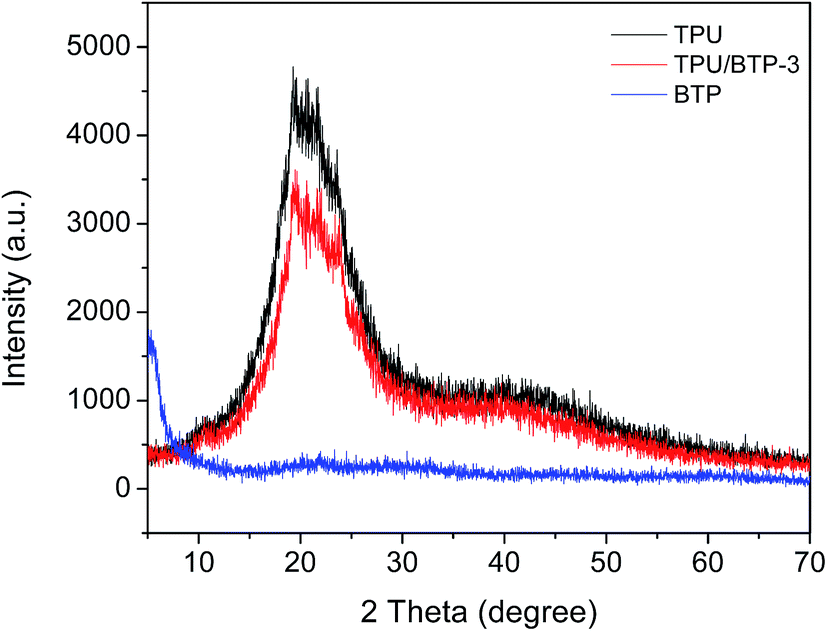 | ||
| Fig. 1 XRD patterns of the TPU/BTP composites. | ||
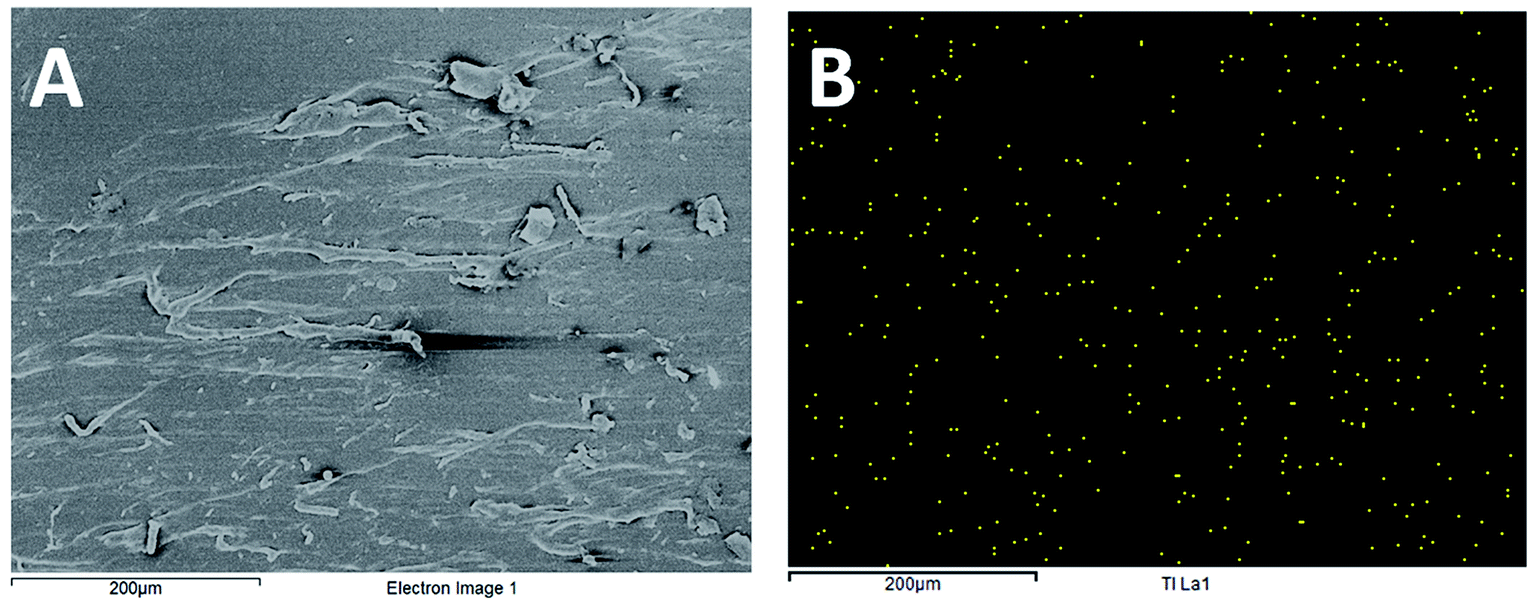 | ||
| Fig. 2 SEM and titanium elemental distribution of the TPU/BTP composites. | ||
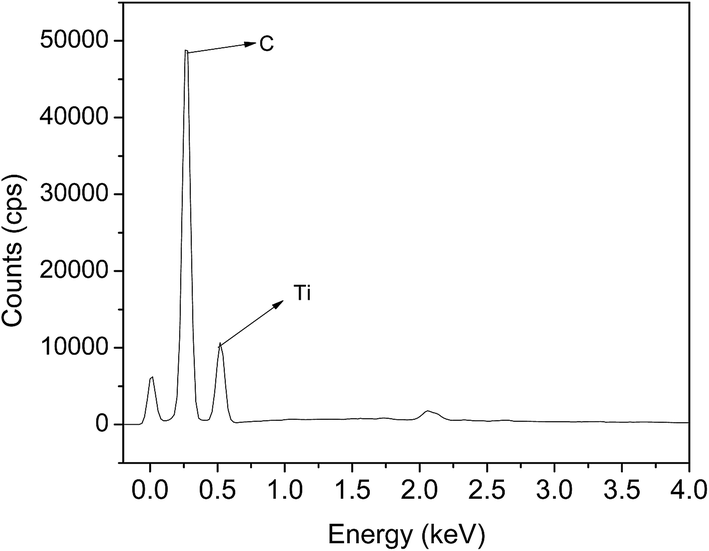 | ||
| Fig. 3 EDS of the TPU/BTP composites. | ||
3.2. Limiting oxygen index (LOI)
LOI is defined as the minimum percentage of oxygen in an oxygen–nitrogen mixture that is just sufficient to sustain the combustion of the sample after ignition. Higher LOI values make the polymer easier to burn. The LOI of flammable materials is lower than 22, the LOI between 22 and 27 indicates combustible materials and LOI more than 27 indicates flame retardant materials. The LOI test is used widely to evaluate the thermal stability of polymer materials, particularly for screening the flame retardant formulations of polymers. The LOI obtained from TPU composites are presented in Fig. 4. The LOI of TPU is 23.5, and the LOIs of the TPU/BTP composites were slightly lower than that of TPU. In contrast, the LOI of TPU with 0.5 wt% BTP is just 21.5, which indicates that the sample belongs to flame retardant materials.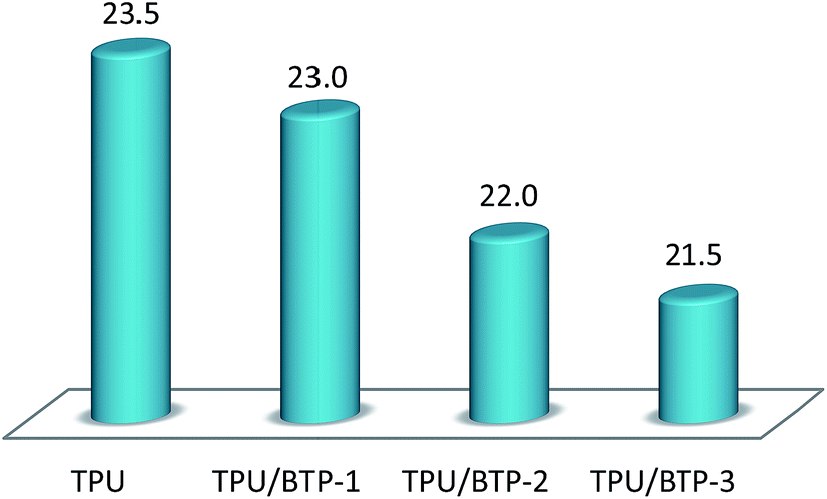 | ||
| Fig. 4 LOI of the TPU/BTP composites. | ||
The LOI is lower because the thermal stability of polymer was reduced due to the titanium hydrolyzed from BTP. As a result, the TPU with titanium compounds was ignited more easily than pure TPU, which was detrimental to the flame retardant of the polymer.
3.3. Cone calorimeter test (CCT)
Although the LOI is a useful small-scale test for high-lighting and ranking flame retardant polymers, the cone calorimeter test (CCT) provides a wealth of information on the combustion behavior under ventilated conditions. CCT is based on the oxygen consumption principle; it truly simulates the combustion of the polymers in a real fire situation, showing great importance in the research and development of new flame-retardant materials.3 Some characteristic data of the cone calorimeter test are shown in Table 2.| Sample code | pHRR (kW m−2) | Mass (%) | THR (MJ m−2) | TSR (m2 m−2) | pSPR (m2 s−1) | SF (MW m−2) |
|---|---|---|---|---|---|---|
| TPU | 1108.6 | 7.5 | 113.7 | 819.7 | 0.061 | 908.7 |
| TPU/BTP-1 | 436.7 | 10.8 | 103.2 | 648.5 | 0.024 | 283.2 |
| TPU/BTP-2 | 367.0 | 11.2 | 88.7 | 611.9 | 0.024 | 224.4 |
| TPU/BTP-3 | 353.1 | 14.1 | 101.3 | 728.9 | 0.022 | 242.9 |
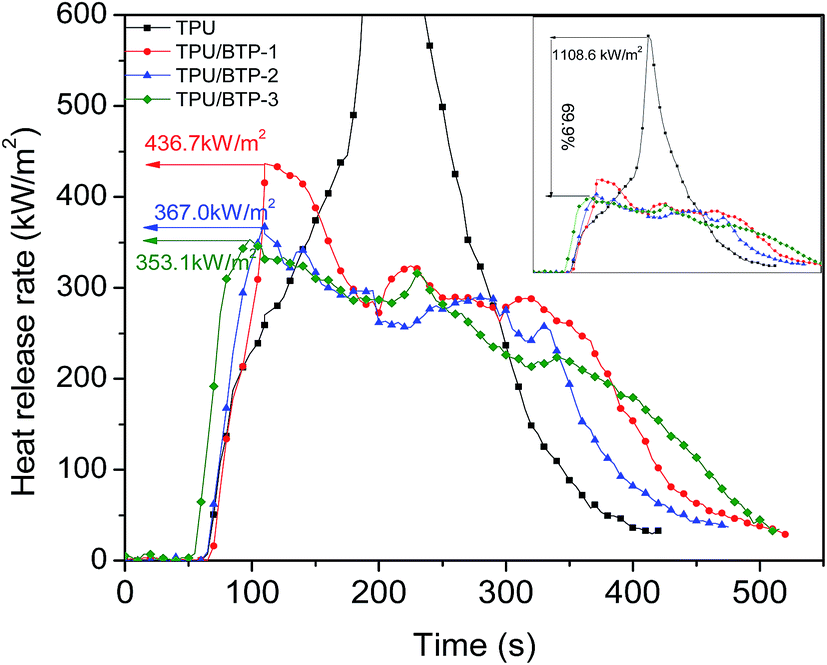 | ||
| Fig. 5 HRR of the TPU/BTP composites at a flux of 35 kW m−2. | ||
The reasons for the abovementioned phenomenon are on the one hand, titanium can reduce the thermal stability of TPU, which is obtained from LOI test, and therefore the HRR value of TPU/BTP composites is slightly higher than that of TPU before 150 s.28,33 On the other hand, titanium also can provide a fast cross linking reaction34,35 and change the pyrolysis process of the large molecular chain in the condensed phase, promoting dehydration, condensation, ring and other reactions. As a result, the amount of carbon increased, whereas the production of flammable gases reduced; therefore, the HRR reduced and the combustion time was prolonged.
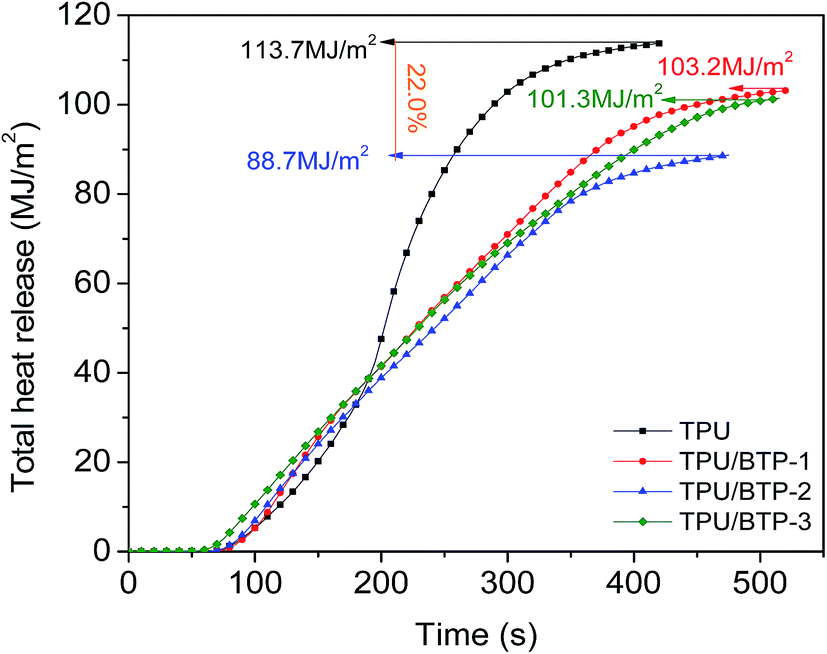 | ||
| Fig. 6 THR of the TPU/BTP composites at a flux of 35 kW m−2. | ||
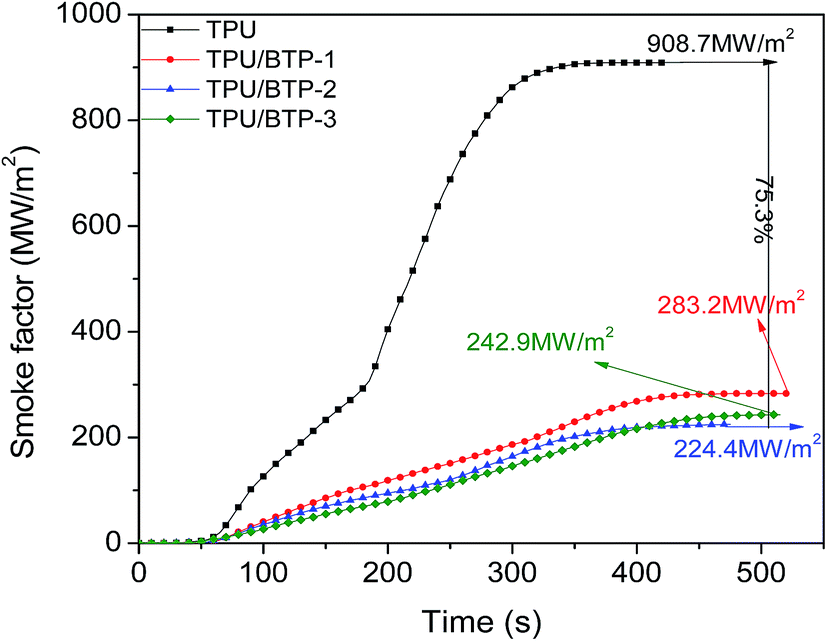 | ||
| Fig. 7 SF of the TPU/BTP composites at a flux of 35 kW m−2. | ||
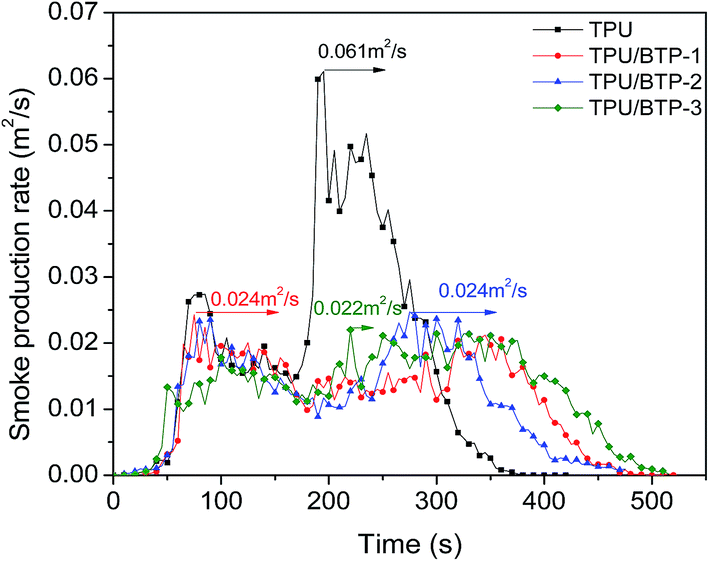 | ||
| Fig. 8 SPR of the TPU/BTP composites at a flux of 35 kW m−2. | ||
The reason that can be used to explain this phenomenon is consistent with HRR and THR. Gases produced before 200 s consisted of more fuel and less smoke because the thermal stability of TPU was reduced by the titanium hydrolyzed from BTP. After 200 s, the function of char forming played an important role in combustion with the effect of titanium. The generated carbon layer prevented the formation and escape of fuel gas. As a result, the curves showed a decrease. With the reaction going on, the carbon layer decomposed because the structure of the carbon layer was amorphous. This is why the SPR values of the TPU composites were much higher than that of pure TPU after 300 s.
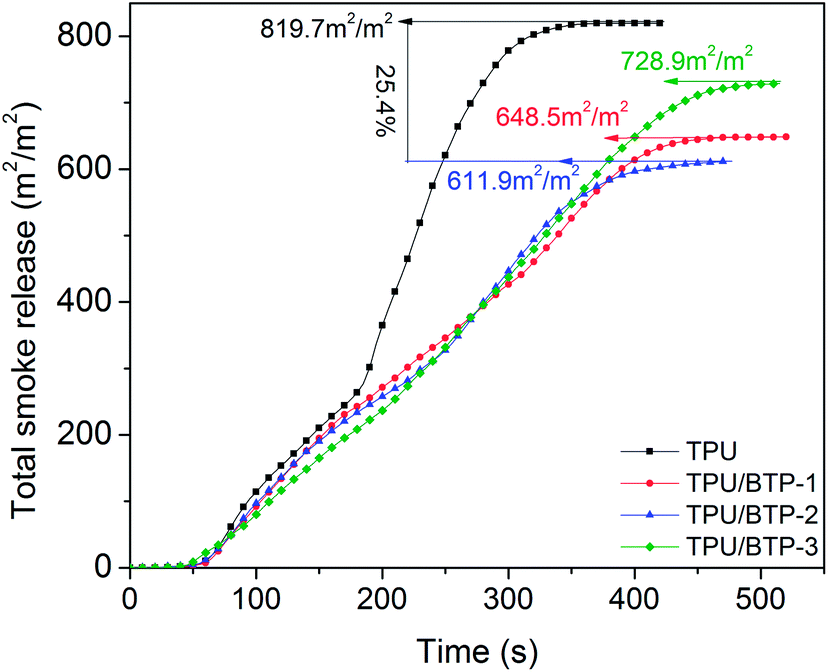 | ||
| Fig. 9 TSR of the TPU/BTP composites at a flux of 35 kW m−2. | ||
It was not difficult to observe that the reason for these results in this phenomenon was char formation. Before 200 s, titanium from BTP could promote the decomposition of TPU, and more flammable gases and less smoke gases were released. As a result, the TSR value of the TPU composites was slightly lower than that of pure TPU. With the reaction progressing, the function of char formation played an important role in the combustion process, preventing the production of flammable gases, and as a result TSR decreased.
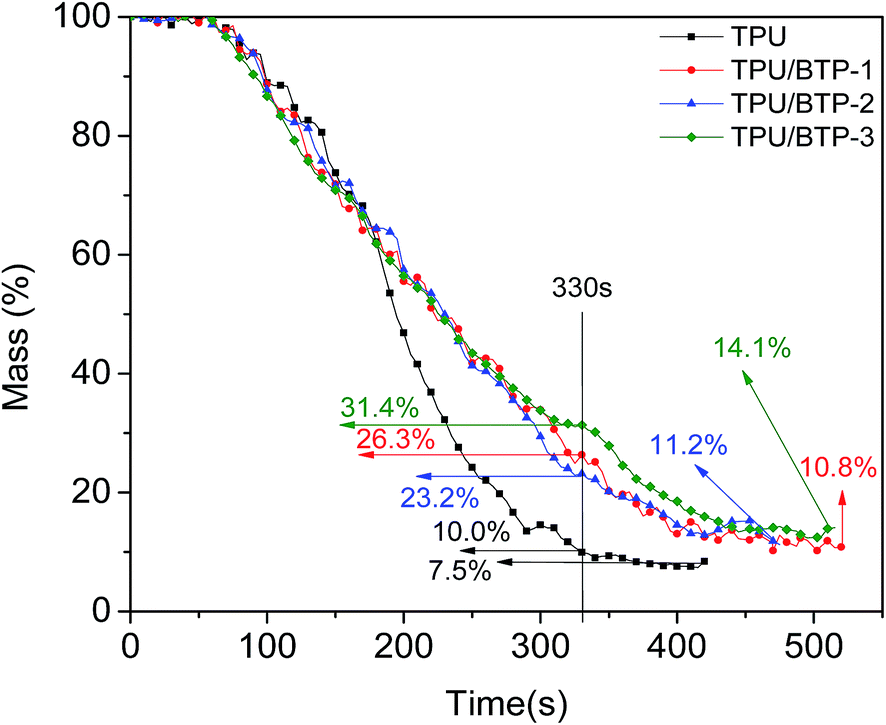 | ||
| Fig. 10 Mass of the TPU/BTP composites at a flux of 35 kW m−2. | ||
It is not difficult to draw the conclusion. At the beginning of the combustion progress, the thermal stability of TPU was reduced by the titanium compounds from BTP and more flammable gases were released; therefore, there was slightly higher mass loss than that of TPU. While titanium oxide can provide a fast cross linking reaction and after 200 s, char formation controlled most of the combustion, the carbon layer covered on the surface of the polymer and the burning was suppressed. As a result, the mass loss was lower and the amount of residual carbon residue increased.9,39 At about 330 s, the amorphous carbon layer decomposed; therefore, the mass of the TPU composites decreased rapidly. This is consistent with SPR and TSR in Fig. 8 and 9.
 | ||
| Fig. 11 Digital photographs for the residues after the cone calorimeter test. | ||
3.4. Microscale combustion colorimeter test (MCC)
The HRR further tested by MCC of pure TPU and TPU/BTP composites are presented in Fig. 12. The HRR values of TPU/BTP decreased significantly compared to pure TPU. There were two peaks in the curves of the TPU/BTP composites, whereas there was only one peak in TPU. The pHRR of the TPU/BTP-1 composite decreased to 206 W g−1 from 349 W g−1 of pure TPU, which was the lowest among the TPU/BTP composites. With increasing amount of BTP, pHRR increased, which was opposite to that of the conclusion from the cone calorimeter test. From the point of the temperature to reach the peak value, the pHRR of pure TPU appeared at about 438 °C, whereas the corresponding temperature of TPU/BTP composites was lower; the pHRR of the TPU/BTP-3 composite appeared at about 346 °C. This is consistent with the results obtained by the cone calorimeter test.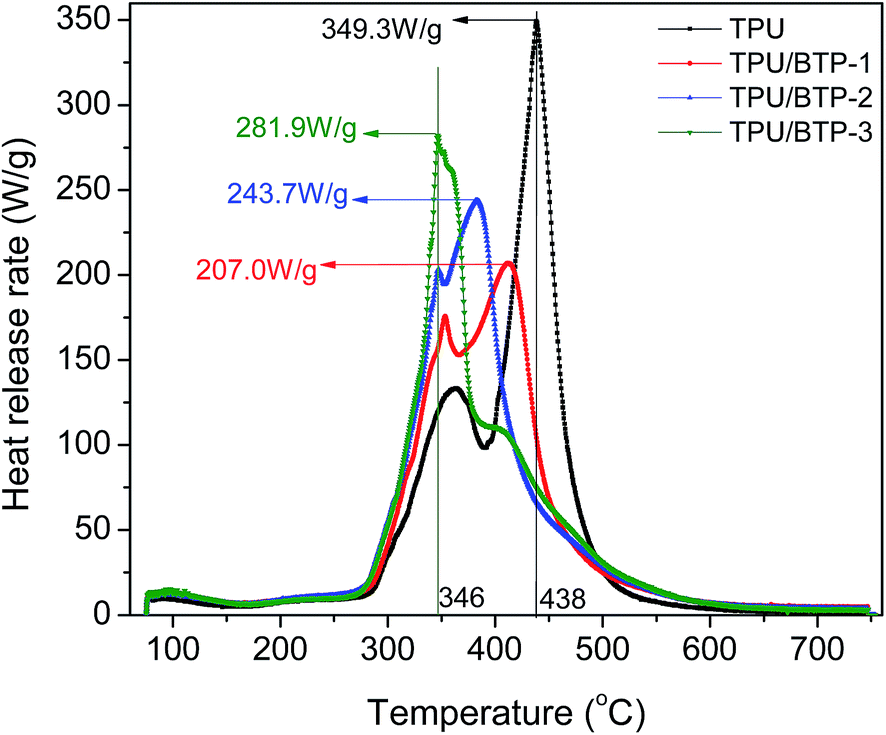 | ||
| Fig. 12 HRR of the TPU/BTP composites by the MCC test. | ||
There are numerous reasons that can explain the phenomenon. The time to the pHRR was shorter because the thermal stability of TPU was reduced by the effects of titanium compounds from BTP; therefore, the LOI decreased when BTP was added to TPU. This is consistent with HRR carried out by CCT in Fig. 5. With the combustion progressing, because titanium could promote char formation in the combustion process, the pHRR was lower after incorporating the BTP into TPU. The carbon layer was amorphous and weak in the early stage, therefore the peaks appeared and disappeared. On the other hand, the sample size tested by MCC was only 5 mg; samples were heated in a three-dimensional set up, and the carbon layer was very weak, which can explain the difference between CCT and MCC.
3.5. Thermogravimetric analysis (TG&DTG)
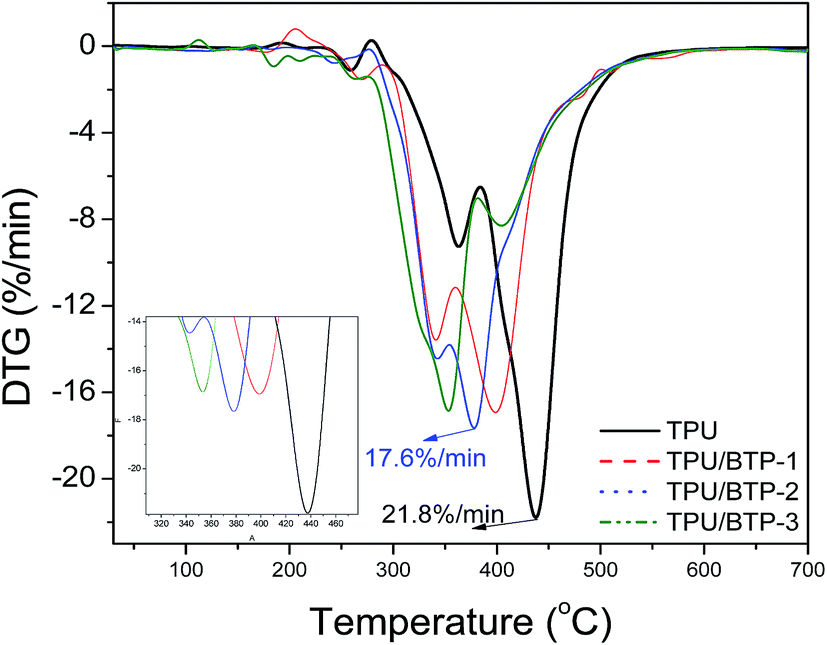
The thermal stability of TPU/BTP composites was evaluated by a synchronous thermal analysis (TG) because titanium compounds from BTP may affect the thermal stability of TPU.41,42 The TG curves are shown in Fig. 13. The initial decomposition temperatures of the samples with titanium compounds were lower than that of pure TPU. The decomposition temperature of pure TPU was about 240 °C, but it was about 200 °C for the TPU/BTP composites. Remarkably, while the BTP content was 0.5 wt%, the decomposition temperature of the sample was the lowest. This is mainly because the thermal stability of the TPU composites was reduced by the titanium compounds from BTP, which could promote the decomposition of TPU composites; this is consistent with HRR, THR and mass in Fig. 5, 6 and 10. Pure TPU started decomposing rapidly at about 320 °C, whereas the samples with BTP started decomposing rapidly at about 270 °C. The remaining mass of pure TPU was about 20% after the test, whereas the remaining mass of the samples with titanium was about 25%. It was obviously that samples containing titanium compounds were more likely to form carbon. In another words, titanium oxide played an important role in promoting charring in the combustion process of TPU.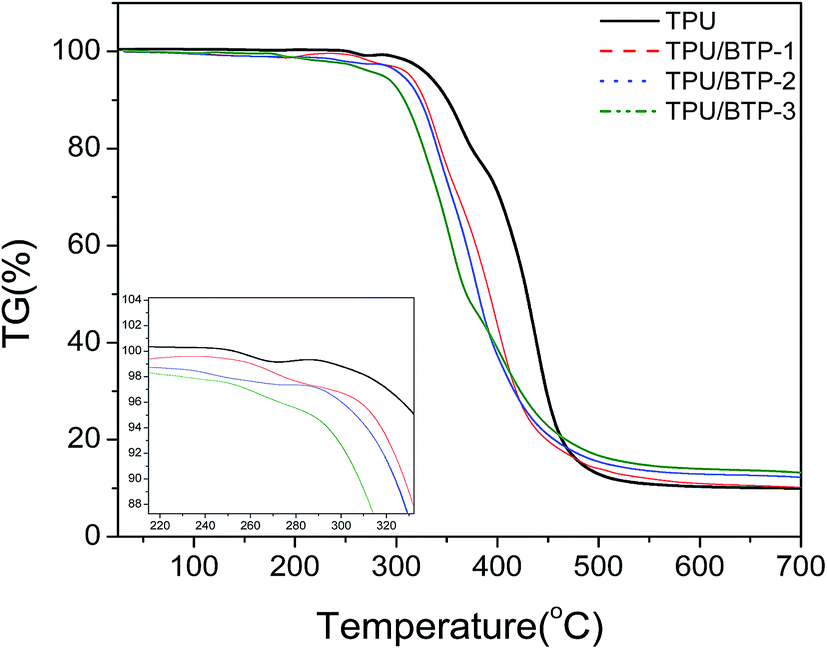 | ||
| Fig. 13 TG curves of the TPU/BTP composites. | ||
The curves of the DTG are shown in Fig. 14. At the beginning of the thermal degradation process, the mass loss rate was slightly higher than that of pure TPU in the TPU/BTP composites. The main differences were the peak values of DTG as well as the temperature reaching the peak values. The peak value of DTG of pure TPU was 21.8% per min. The difference in the peak values of the TPU/BTP composites was not obvious, whereas the sample with 0.25 wt% BTP had the highest decomposition rate of 17.8% per min. The temperatures for the peak value of DTG of the TPU/BTP composites were lower than that of TPU. Before 400 °C, the decomposition rates of TPU/BTP composites were much higher than that of pure TPU. After 400 °C, the decomposition rate of pure TPU occupied a huge advantage; it was much higher than that of the samples containing BTP.
 | ||
| Fig. 14 DTG curves of the TPU/BTP composites. | ||
It is easy to come to a conclusion that the thermal stability of TPU was reduced by the titanium compounds; therefore, the decomposition rate of TPU/BTP composites was higher than that of pure TPU before 400 s.43 The times to reach the peak decomposition rate were much shorter than that of pure TPU. However, with the help of char formation, the decomposition rates of TPU/BTP composites were going to be lower. As a result, the residual mass of the TPU/BTP composites was more than that of pure TPU.
3.6. Thermogravimetric analysis/infrared spectrometry (TG-IR)
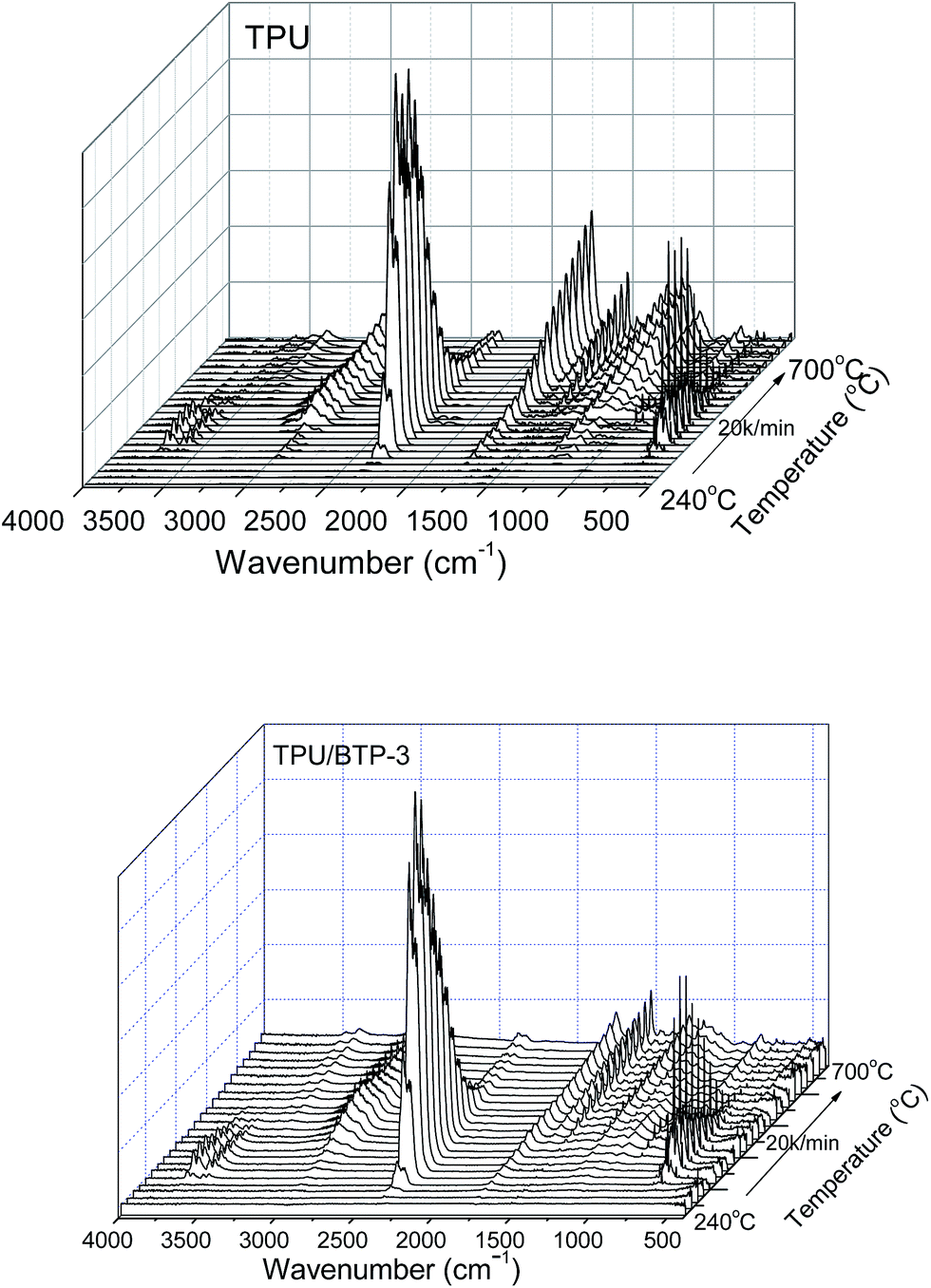
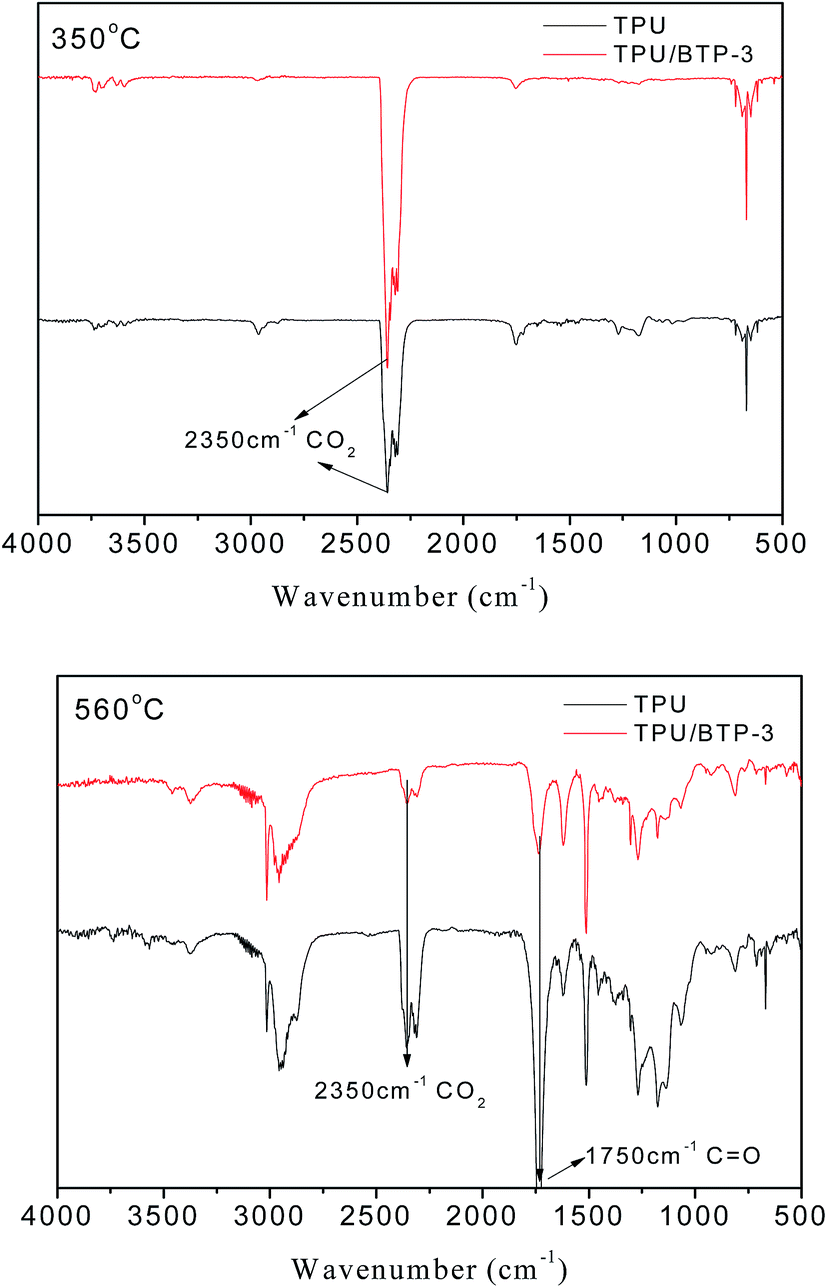
The infrared spectrum curve of the pyrolysis process of the pure TPU and TPU/BTP composites is presented in Fig. 15 and 16. The heating temperature range of the samples was 240–700 °C; the heating rate was 20 K min−1.44–46 The infrared spectra of pure TPU in Fig. 15 showed that there was a strong and broad absorption peak located at 2350 cm−1, which was formed by the cleavage of CO2. With increasing temperature, the absorption peak intensity of CO2 increased gradually, reaching the maximum at about 440 °C, and then began to decline gradually. When the temperature increased to 700 °C, the absorption peak of CO2 was observed, indicating that there still was CO2 released. When the temperature increased to 340 °C, the peak locating at 1750 cm−1 was attributed to the carbonyl group (C![[double bond, length as m-dash]](https://www.rsc.org/images/entities/char_e001.gif) O) in the TPU soft segment. The absorption peak at 2950 cm−1 corresponds to the flexural vibration of the C–H structure from 380 °C. The absorption peak at 3700 cm−1 corresponds to the flexural vibration of O–H in H2O at 340 °C. At 460 °C, the absorption peak at 1622 cm−1 indicated the existence of the CC structure and some aromatic compounds released during the thermal degradation of TPU at low wavenumber. When the temperature was about 480 °C, free N–H structure appeared, and the characteristic peak appeared at 3370 cm−1. From 460 °C, the characteristic absorption peak at 1250 cm−1 could be attributed to the stretching vibration of the C–O structure. When the temperature was over 460 °C, the small absorption peak at 800–1250 cm−1 was caused by the stretching vibration of the C–C skeleton structure.
O) in the TPU soft segment. The absorption peak at 2950 cm−1 corresponds to the flexural vibration of the C–H structure from 380 °C. The absorption peak at 3700 cm−1 corresponds to the flexural vibration of O–H in H2O at 340 °C. At 460 °C, the absorption peak at 1622 cm−1 indicated the existence of the CC structure and some aromatic compounds released during the thermal degradation of TPU at low wavenumber. When the temperature was about 480 °C, free N–H structure appeared, and the characteristic peak appeared at 3370 cm−1. From 460 °C, the characteristic absorption peak at 1250 cm−1 could be attributed to the stretching vibration of the C–O structure. When the temperature was over 460 °C, the small absorption peak at 800–1250 cm−1 was caused by the stretching vibration of the C–C skeleton structure.
 | ||
| Fig. 15 TGA-IR curves of the TPU and TPU/BTP composites. | ||
 | ||
| Fig. 16 FTIR spectra of the TPU and TPU/BTP composites obtained at 350 °C and 560 °C. | ||
It can be seen from the infrared pyrolysis of TPU/BTP composites in Fig. 15 and 16 that the characteristic absorption peak of CO2 at about 2350 cm−1 was much higher than that of TPU at 350 °C, but much lower when the temperature reached 560 °C. The CO absorption peaks of TPU/BTP composites at 1750 cm−1 were much lower than that of pure TPU at 560 °C. The C–H absorption peak at 2950 cm−1 appeared at about 440 °C, which was much higher than that of pure TPU, whereas the absorption peak of O–H in H2O at 3700 cm−1 appeared at a lower temperature. The aromatic compounds and the C–O characteristic peak at 1250 cm−1 decreased in the low band. The CC absorption peaks at 1622 cm−1 were almost zero.
It can be easily concluded that the thermal stability of TPU was reduced by the titanium compounds from BTP; therefore, the characteristic absorption peak of CO2 appeared at a lower temperature, which could be used to explain the decrease in the LOI of TPU/BTP composites. On the other hand, the absorption peaks of C–H and CC appeared at higher temperature in the TPU/BTP composites because char formation prevents the thermal decomposition of polymers; as a result, the HRR and SPR are lower than that of TPU. With help of the carbon layer, the CO2 absorption peak came to zero at about 560 °C. This is consistent with the results obtained by the cone calorimeter.
4. Conclusion
(1) Novel flame retardant organic–inorganic hybrids have been synthesized in situ by a molten blending method based on thermoplastic polyurethane elastomer and polybutyl titanate. The SEM-EDS and XRD results showed that titanium hydrolyzed from BTP was amorphous and had good dispersion in TPU.(2) The LOI test results showed that the titanium compounds hydrolyzed from BTP could promote the decomposition of TPU to form some flammable gases. The CCT test research results showed that the HRR, THR, TSR, SF, and mass loss of the TPU/BTP composites decreased significantly because of the addition of BTP. Remarkably, the pHRR value of the sample with 0.5 wt% of BTP decreased by 69.9%; the pSPR decreased by 63.9%, and the mass of the burning residue of TPU/BTP composites was 14.1%. The MCC test also showed that HRR could be reduced because of the addition of BTP, and the titanium compounds from BTP catalyzed TPU decomposition at low temperature.
(3) The results of the TG test showed that the thermal stability of the TPU composites was reduced significantly by the addition of BTP at the beginning of degradation, but the char forming property was also improved effectively. The TG-IR results showed that the characteristics of the CO2 absorption peak of the TPU/BTP composites at about 2350 cm−1 appeared at a lower temperature and disappeared at a lower temperature than that of pure TPU, which means that the thermal stability of the TPU composites was reduced and the char forming property was also improved effectively by the existence of titanium compounds.
In this study, the flame retardant properties, smoke suppression properties and thermal stability of organic–inorganic hybrids prepared using in situ synthesis method by molten blending BTP and TPU were tested by the various measures mentioned above. The results showed that the flame retardant properties of TPU had been proved using this method. Although there are still many inadequacies and problems to prove and solve. It provided a new idea to study flame retardant polymers.
Acknowledgements
The authors gratefully acknowledge the National Natural Science Foundation of China (No. 51106078, No. 51206084), the University Research and Development Projects from Shandong Province (J14LA13), and the Major Special Projects of Science and Technology from Shandong Province (2015ZDZX11011).References
- Lubrizol Advanced Materials, TPU masterbatches from Lubrizol provide improved performance, Additives for Polymers, Cleveland, OH, USA, 2008, vol. 12, p. 5 Search PubMed.
- A. Toldy, G. Harakály, B. Szolnoki, E. Zimonyi and G. Marosi, Polym. Degrad. Stab., 2012, 97, 2524–2530 CrossRef CAS.
- X. Chen, C. Ma and C. Jiao, Polym. Degrad. Stab., 2016, 129, 275–285 CrossRef CAS.
- H. Li, N. Ning, L. Zhang, Y. Wang, W. Liang and M. Tian, Polym. Degrad. Stab., 2014, 105, 86–95 CrossRef CAS.
- D. Tabuani, F. Bellucci, A. Terenzi and G. Camino, Polym. Degrad. Stab., 2012, 97, 2594–2601 CrossRef CAS.
- Q. Tai, R. K. K. Yuen, L. Song and Y. Hu, Chem. Eng. J., 2012, 183, 542–549 CrossRef CAS.
- U. Almeida Pinto, L. L. Y. Visconte, J. Gallo and R. C. R. Nunes, Polym. Degrad. Stab., 2000, 69, 257–260 CrossRef.
- D. Xu, Z. Li, Y.-X. Peng, J. Geng, H.-F. Qian and W. Huang, Dyes Pigm., 2016, 133, 143–152 CrossRef CAS.
- J. L. Benedé, A. Chisvert, D. L. Giokas and A. Salvador, Anal. Chim. Acta, 2016, 926, 63–71 CrossRef PubMed.
- M. Commodo, G. De Falco, R. Larciprete, A. D'Anna and P. Minutolo, Exp. Therm. Fluid Sci., 2016, 73, 56–63 CrossRef CAS.
- I. Vikholm-Lundin, E. Rosqvist, P. Ihalainen, T. Munter, A. Honkimaa, V. Marjomäki, W. M. Albers and J. Peltonen, Appl. Surf. Sci., 2016, 378, 519–529 CrossRef CAS.
- M. M. Alavianmehr, S. M. Hosseini and F. Akbari, J. Mol. Liq., 2015, 212, 900–906 CrossRef CAS.
- M. Soleymaniha and J. R. Felts, Int. J. Heat Mass Transfer, 2016, 101, 166–174 CrossRef CAS.
- Y. Liu, Y.-T. Pan, X. Wang, P. Acuña, P. Zhu, U. Wagenknecht, G. Heinrich, X.-Q. Zhang, R. Wang and D.-Y. Wang, Chem. Eng. J., 2016, 294, 167–175 CrossRef CAS.
- Y.-T. Pan, C. Trempont and D.-Y. Wang, Chem. Eng. J., 2016, 295, 451–460 CrossRef CAS.
- C. Bellitto, E. M. Bauer and G. Righini, Coord. Chem. Rev., 2015, 289–290, 123–136 CrossRef CAS.
- Ł. John, M. Podgórska, J.-M. Nedelec, Ł. Cwynar-Zając and P. Dzięgiel, Mater. Sci. Eng., C, 2016, 68, 117–127 CrossRef PubMed.
- A. Seifitokaldani, O. Savadogo and M. Perrier, Int. J. Hydrogen Energy, 2015, 40, 10427–10438 CrossRef CAS.
- F. Tong, J. Gong, M. Li, C. Zeng and L. Zhang, Microporous Mesoporous Mater., 2015, 213, 1–7 CrossRef CAS.
- Y. Yin, T. Xu, G. He, Z. Jiang and H. Wu, J. Power Sources, 2015, 276, 271–278 CrossRef CAS.
- H. C. Geng Li-na and W. U. Yan, et al., Chem. World, 2011, 52, 699–702 Search PubMed.
- C. J.-m. Xiao Ming-yan, Polym. Mater.: Sci. Eng., 2001, 46–50 Search PubMed.
- D. Saikia, S.-Y. Ho, Y.-J. Chang, J. Fang, L.-D. Tsai and H.-M. Kao, J. Membr. Sci., 2016, 503, 59–68 CrossRef CAS.
- B. Hazra, A. K. Varma, A. K. Bandopadhyay, S. Chakravarty, J. Buragohain, S. K. Samad and A. K. Prasad, J. Nat. Gas Sci. Eng., 2016, 32, 239–255 CrossRef CAS.
- T. Hurma and S. Kose, Optik, 2016, 127, 6000–6006 CrossRef CAS.
- G. Velraj, S. Tamilarasu and R. Ramya, Materials Today: Proceedings, 2015, 2, 934–942 CrossRef.
- F. Shu, Z. Tian, H. Zhao, W. He, S. Sui and B. Liu, Mater. Lett., 2016, 176, 306–309 CrossRef CAS.
- X. C. Zhong, X. W. Huang, X. Y. Shen, H. Y. Mo and Z. W. Liu, J. Alloys Compd., 2016, 682, 476–480 CrossRef CAS.
- K. Dejun, W. Jinchun, G. Haoyuan and W. Wenchang, Rare Met. Mater. Eng., 2015, 44, 3000–3004 CrossRef.
- A. Bonati, S. Rainieri, G. Bochicchio, B. Tessadri and F. Giuliani, Fire Saf. J., 2015, 74, 25–31 CrossRef CAS.
- R. Sonnier, A. Viretto, L. Dumazert and B. Gallard, Combust. Flame, 2016, 169, 1–10 CrossRef CAS.
- Z. Yang, h. Ai, J.-y. Liu and X. Zhao, Procedia Eng., 2016, 135, 584–587 CrossRef.
- J. P. Toinin, K. Hoummada, M. Bertoglio and A. Portavoce, Scr. Mater., 2016, 120, 45–48 CrossRef CAS.
- M. Mbarek, F. Abbassi and K. Alimi, J. Mol. Struct., 2016, 1120, 125–131 CrossRef CAS.
- L. Wang, Y. Xu, S. Wang and Z. Song, Int. J. Min. Sci. Technol., 2016, 26, 353–359 CrossRef CAS.
- C. Feng, M. Liang, J. Jiang, J. Huang and H. Liu, J. Anal. Appl. Pyrolysis, 2016, 119, 75–86 CrossRef CAS.
- G. Wang and W. Xu, Polym. Degrad. Stab., 2013, 98, 2323–2330 CrossRef CAS.
- R. J. Patel and Q. Wang, J. Loss Prev. Process Ind., 2016, 41, 411–418 CrossRef CAS.
- M. Pandey, A. K. Pandey, A. Mishra and B. D. Tripathi, Chemosphere, 2015, 134, 466–474 CrossRef CAS PubMed.
- X. Zhao, Z. Cai, T. Wang, S. E. O'Reilly, W. Liu and D. Zhao, Appl. Catal., B, 2016, 187, 134–143 CrossRef CAS.
- J. K. Sinha, W. Hahn, K. Elbhbah and K. G. Obi-Mgbam, Measurement, 2016, 90, 36–42 CrossRef.
- X. Zeng, S. Zheng, H. Zhou, Q. Fang and C. Lou, Appl. Therm. Eng., 2016, 103, 1156–1163 CrossRef CAS.
- X. Chen, J. Zhuo and C. Jiao, Polym. Degrad. Stab., 2012, 97, 2143–2147 CrossRef CAS.
- L. Tian, W. Yang, Z. Chen, X. Wang, H. Yang and H. Chen, J. Energy Inst., 2016, 89, 264–270 CrossRef CAS.
- S. Werle, D. Bisorca, A. Katelbach-Woźniak, M. Pogrzeba, J. Krzyżak, I. Ratman-Kłosińska and D. Burnete, J. Energy Inst., 2016 DOI:10.1016/j.joei.2016.04.002.
- X. Zhu, S. Yang, L. Wang, Y. Liu, F. Qian, W. Yao, S. Zhang and J. Chen, Environ. Pollut., 2016, 211, 20–27 CrossRef CAS PubMed.
| This journal is © The Royal Society of Chemistry 2016 |