Isoliquiritigenin and liquiritin from Glycyrrhiza uralensis inhibit α-synuclein amyloid formation

Mingyan Liao a, Yudan Zhaoa, Lizi Huanga, Biao Chengb and Kun Huang*ac
aTongji School of Pharmacy, Huazhong University of Science and Technology, Wuhan, 430030, China. E-mail: kunhuang2008@hotmail.com
bThe Department of Pharmacy, The Central Hospital of Wuhan, Wuhan, 430023, China
cCenter for Biomedicine Research, Wuhan Institute of Biotechnology, Wuhan, 430075, China

Received 12th July 2016 , Accepted 1st September 2016

First published on 6th September 2016


Abstract

Parkinson's disease (PD), with widespread aggregation of α-synuclein in the form of Lewy bodies as a neuropathological hallmark, is a rising threat for ageing society. Glycyrrhiza uralensis is an herbal medicine and sweets used for centuries in Asia and Europe, its major pharmacologically active ingredients include isoliquiritigenin (ILG), liquiritin (LT), liquiritigenin (LG) and glycyrrhizic acid (GA). Here, we investigated the effects of Glycyrrhiza uralensis ethanol extract (GUE) and the above four compounds, on the aggregation of α-synuclein in vitro and in a transgenic Caenorhabditis elegans PD model NL5901. In vitro, ILG, LT and GUE inhibit the amyloid formation of α-synuclein and alleviate the toxicity caused by aggregates; moreover, ILG could disaggregate preformed fibrils. In vivo, ILG, LT and GUE not only reduce amyloid formation in C. elegans NL5901, but also extend its life span. Together, these data suggest that ILG and LT may be further considered as candidates for PD treatment.

1. Introduction

Parkinson's disease (PD), one of the most common neurodegenerative diseases, is characterized by the selective loss of dopaminergic neurons and the formation of intracellular inclusions called Lewy bodies (LBS) within the substantia nigra in PD patients.1 These inclusions are principally composed of a 140-amino acid neuronal protein encoded by PARK1 known as α-synuclein,2,3 which is predominantly expressed in the central nervous system4 and plays a role in the control of synaptic membrane process5 and neural plasticity.6 In the disease state, unfolded α-synuclein monomers misfold into oligomers that subsequently assemble into β-sheet-rich fibrillar amyloids,7 which aggravate the lipid peroxidation by raising the reactive oxygen species (ROS) load and further threaten dopaminergic neurons.8 Thus, preventing the formation of toxic α-synuclein aggregates has been viewed as a plausible therapeutic approach for PD.9,10

Glycyrrhiza uralensis is a traditional herbal medicine and sweets used for centuries in Asia and Europe. It has a variety of pharmacological activities, including anti-oxidation, anti-inflammation, anti-cancer, anti-diabetes, anti-depression and memory enhancing activities, which are mostly contributed to the triterpene saponins and flavonoids of licorice.11–14 Glycyrrhizic acid (GA) is the most abundant triterpene saponins component of licorice and has been shown to have neuroprotective effects;14 on the other hand, the major flavonoids, like isoliquiritigenin (ILG), liquiritin (LT) and liquiritigenin (LG), contribute to the anti-oxidation, anti-cancer, anti-spasmodics and anti-inflammation activities of licorice (Fig. 1).15–18 Interestingly, ILG, LT and LG have been shown to inhibit neurotoxicity caused by amyloid β (Aβ) aggregates in mice19–22 and C. elegans,23 which is one of the key pathogenesis in Alzheimer's disease (AD). Moreover, Glycyrrhiza uralensis is found in ca. 40% of traditional Chinese medicine prescriptions for the treatment of PD,24 implying its neuroprotective effects in PD. Therefore, we hypothesize that the licorice may have inhibitory effects on α-synuclein aggregation and alleviate the toxicity of α-synuclein aggregates. To test this possibility, a series of in vitro and in vivo assays were applied to measure the effects of Glycyrrhiza uralensis ethanol extract (GUE), as well as compounds ILG, LT, LG and GA on the aggregation of α-synuclein.


image file: c6ra17770k-f1.tif
Fig. 1 Chemical structures of compounds used in this study. ILG (A), LG (B), GA (C), LT (D).

2. Materials and methods

2.1 Materials

Plasmid expressing human α-synuclein PT7-7 was obtained from Addgene (Cambridge, MA, USA). Isoliquiritigenin (ILG, ≥98%), liquiritin (LT, ≥98%), liquiritigenin (LG, ≥98%) were purchased from Aladdin-reagent Inc. (Shanghai, China). Glycyrrhizic acid (GA, ≥98%) was purchased from J&K Scientific Ltd. (Shanghai, China). 2-Oleoyl-1-palmitoyl-sn-glycerol-3-phospho-rac-(1-glycerol) sodium salt (POPG), carboxyfluorescein and Thioflavin-T (ThT) were purchased from Sigma-Aldrich (St. Louis, USA). Anti-amyloid oligomers polyclonal antibody (A11, cat. #AB9234) and anti-amyloid fibrils polyclonal antibody (OC, cat. #AB2286) were obtained from Merck Millipore (Billerica, USA). Goat anti-rabbit IgG-HRP conjugate was from Bio-Rad Laboratories, Inc. (Hercules, USA). Anti-GFP-tag mouse monoclonal antibody (9F6) was from Sungene Inc. (Tianjin, China). Transgenic Caenorhabditis elegans strain NL5901 [unc-54p::alphasynuclein::YFP + unc-119(+)] was obtained from the Caenorhabditis Genetics Center (University of Minnesota, Minneapolis, MN). Other chemicals used were of the highest grade available.

2.2 Expression and purification of human α-synuclein

The expression and purification of human α-synuclein were performed as previously reported.25 Briefly, human α-synuclein was expressed in E. coli BL21 and induced by isopropyl β-D-thiogalactoside (IPTG). After collecting crude α-synuclein by lysis and protein precipitation, reversed phase high performance liquid chromatography (RP-HPLC) was applied for further purification and the purified human α-synuclein was lyophilized, quantified and stored at −20 °C until use.

2.3 Preparation of the Glycyrrhiza uralensis extract (GUE)

The preparation of GUE was performed as previously reported.26 Glycyrrhiza uralensis powder (10 g) was soaked in 50 ml 70% ethanol for 6 h at 25 °C. The extract was centrifuged at 3000g for 10 min. The supernatant (Glycyrrhiza uralensis extract (GUE)) was lyophilized and stored at −20 °C until use.

2.4 RP-HPLC analysis

RP-HPLC was used to identify the components of GUE. ILG, LT, LG and GA were used as standards. RP-HPLC was performed on a Hitachi L-2000 HPLC system (Hitachi, Tokyo, Japan) with an Apollo C18 column (5 μm, 250 × 4 mm, Grace, USA) and detected with a UV detector set at 254 nm. The mobile phase: (A) water (0.1% trifluoroacetic acid); (B) ACN (0.1% trifluoroacetic acid); the gradient was set as previously reported:27 0–10 min: 15–25% B; 10–20 min: 25–32% B; 20–24 min: 32–34% B; 24–30 min: 34–36% B; 30–32 min: 36–42% B; 32–43 min, 42–51% B; 43–45 min: 51–80% B; 45–60 min, 80% B. The flow rate was 1 ml min−1.

2.5 Amyloid formation

α-Synuclein aggregation was conducted with a protein misfolding cyclic amplification (PMCA) approach as previously reported.28–30 Briefly, α-synuclein was dissolved in 50 mM PBS buffer (pH 7.4) containing 100 mM NaCl to a final concentration of 100 μM and then sonicated for 2 min with a SB25-12DTD sonicator (Scientz Biotechnology, China). Peptide solutions were incubated in eppendorf tubes containing 37.9 ± 0.7 mg of 1.0 mm zirconia/silica beads (Gong Tao INC., Shanghai, China). ILG, LT, LG, GA, GUE were dissolved in DMSO and added at different final concentrations. Samples were incubated at 37 °C and sonicated for 30 s every 1 h. For disaggregation assay, α-synuclein was pre-incubated for 35 h to reach the plateau stage, followed by adding compounds and then further incubated for another 12 h.31

2.6 Thioflavin-T (ThT) fluorescence assay

ThT fluorescence assay was performed on a Hitachi FL-2700 fluorometer (Tokyo, Japan) as we previously reported.32 Peptide solutions in the absence or presence of different compounds were aliquot at designated time intervals for ThT fluorescence assay to detect the formation of amyloid. The assay solution contains 20 μM ThT, 50 mM PBS (100 mM NaCl, pH 7.4). The excitation and emission wavelength were set at 450 nm and 482 nm, respectively. All experiments were repeated at least three times.

2.7 Transmission electron microscopy (TEM) assay

TEM was performed as we previously described.31 Briefly, 5 μl sample was applied onto a 300-mesh formvar-carbon-coated copper grid (Zhongjingkeyi, Shanghai, China) followed by staining with 1% freshly prepared uranyl formate. Samples were air-dried and observed under a JEOL JEM-1400 plus transmission microscope (Tokyo, Japan) operating at an accelerating voltage of 100 kV.

2.8 Dot blot assay

Dot blot assay was performed as we previously described.28 Briefly, 2 μl samples were spotted on nitrocellulose membrane (Bio-rad, Hercules, USA) and dried at room temperature. Nitrocellulose membrane was blocked at room temperature for 1 h with 5% skimmed milk and then washed with Tris-buffered saline (TBST, 0.1% Tween 20, 20 mM Tris–HCl, 150 mM NaCl, pH 7.4). Each membrane was then incubated at 4 °C overnight with A11, OC (1:2500, Millipore) or 9F6 antibody (1:2500, Sungene). Membranes were further washed in TBST and then incubated with secondary anti-rabbit IgG (1:2000) for 2 h at room temperature. The blots were further incubated with ECL reagent (Millipore) for 1 min, and developed.

2.9 Dynamic light scattering (DLS) analysis

DLS was performed using a zeta pals potential analyzer (Brookhaven Instruments, New York, USA) as we described previously.31 Briefly, samples were measured with a scattering angle of 90°. Each sample was scanned for 3 times (30 s per scan) and the mean particle size and multimodal size distribution (MSD) were recorded.

2.10 Circular dichroism (CD) analysis

CD spectra were recorded at 25 °C under a constant flow of N2 by using a JASCO-810 spectropolarimeter (Tokyo, Japan). α-Synuclein was dissolved in 50 mM PBS containing 100 mM NaCl to a final concentration of 5 μM. Data were recorded from 260 nm to 200 nm with 2 nm bandwidth, 1 mm path length, 1 s response and 200 nm min−1 scanning speed. Each result was given as the average of three measurements.

2.11 Dye leakage assay

Dye leakage assay was performed as we previously described.33 Briefly, 5 mg POPG was dissolved in 500 μl chloroform and the solvent was evaporated to form lipid film. Carboxyfluorescein was dissolved in 50 mM PBS containing 100 mM NaCl to a final concentration of 40 mM, following added into lipid films to form POPG vesicles. POPG vesicles containing carboxyfluorescein were further purified by a PD-10 column (Sangon Biotech., Shanghai, China). Samples incubated for 50 h were then added into the POPG vesicles at a final peptide concentration of 4 μM, and the fluorescence intensities were measured after mixing for 10 min with excitation and emission wavelengths set at 493 nm and 518 nm, respectively. POPG vesicles alone were tested as baseline and the signals of POPG vesicles treated with 0.2% (v/v) Triton X-100 (complete membrane leakage) were measured as the positive control. All of the experiments were performed at least three times.

2.12 Hemolysis assay

Hemolysis assay was conducted as we previously reported.33 Fresh human blood was centrifuged at 1400g for 10 min, and erythrocytes were separated from plasma and then washed with isotonic phosphate buffered saline (pH 7.4). Protein sample incubated with or without compounds for 50 h was then added to the resuspended erythrocytes (1% hematocrit) to a final concentration of 10 μM. The cell suspensions were incubated at 37 °C for 6 h followed by centrifugation at 1400g for 10 min and the supernatant was determined at 540 nm. The hemolytic rate was calculated in relation to the hemolysis of erythrocytes in 10 mM phosphate buffer, which was taken as 100%.

2.13 Caenorhabditis elegans culture

The C. elegans strains NL5901 (constitutively expressing α-synuclein/yellow fluorescent protein in its muscle cells) was kept on nematode growth media (NGM) at 20 °C and fed with E. coli OP50. For all experiments, C. elegans eggs, obtained from gravid hermaphrodites by bleach buffer (1 M NaOH, 1.2 M NaClO), were used to obtain an age-synchronized population. The age-synchronized worms were treated with 2 mM ILG, LT or 1 mg ml−1 GUE (dissolved in DMSO) on the third day after hatching. A group treated with solvent DMSO only (4% of the final volume) was served as the negative control.

2.14 Analysis of α-synuclein expression in C. elegans NL5901

After treated with compounds for three days, the worms were washed with M9 buffer (22 mM KH2PO4, 42.3 mM Na2HPO4, 85.5 mM NaCl, 1 mM MgSO4), dropped onto slides and fixed with 30% (v/v) glycerin, covered with coverslips for image analysis with an Olympus IX71 fluorescence microscope (Tokyo, Japan).34,35

2.15 Dot-blot assay of C. elegans NL5901

After treated with compounds for three days, the worms (200 worms per group) were centrifuged for 1 min at 3000 rpm, followed by addition of RIPA lysis buffer (strong) containing 1 mM PMSF and then subjected to sonication and freeze thaw for complete lysis. BCA protein assay kit was used to quantify total protein. Equal amount of protein was spotted on nitrocellulose membrane and for further dot blot assay as described above.

2.16 Life span measurements of C. elegans NL5901

Life span measurements were performed as we previously described.25 Worms treated with compounds were transferred onto newly treated NGM plates every two days. Each group contains 180 larvae in 3 plates and the numbers of survived worms were recorded under a ZSA 302 digital stereo microscope (COOC, Chongqing, China) every day, the results were analyzed with software GraphPad Prism.

2.17 Live subject statement

All experiments were performed in compliance with the relevant laws and institutional guidelines, and the committee of Tongji School of Pharmacy, Huazhong University of Science and Technology (Wuhan, China) has approved the experiments. The informed consent was obtained for any experimentation with human subjects.

2.18 Statistical analysis

All results were expressed as the mean ± SD. The Kruskal–Wallis test and the Mann–Whitney test were used to assess statistical significance. Difference was considered statistically significant at p < 0.05.

3. Results

3.1 Expression and purification of human α-synuclein

α-Synuclein expression was verified by SDS-PAGE (data not shown) and 5.4 mg α-synuclein (≥95%) was obtained per 1 L E. coli culture after RP-HPLC purification.

3.2 The content of ILG, LT, LG and GA in GUE

544 mg GUE was obtained from 10 g Glycyrrhiza uralensis powder. RP-HPLC was used to analyze the content of several typical active ingredients ILG, LT, LG and GA in GUE. The retention time of the standards were 32.11, 12.28, 20.68, 37.17 min, respectively (Fig. 2A). Comparing the chromatographic profiles of GUE with the standards (Fig. 2B), we measured the content of ILG, LT, LG and GA in 1 mg GUE as 3.0 μg, 19.7 μg, 2.5 μg and 97.8 μg, respectively.
image file: c6ra17770k-f2.tif
Fig. 2 RP-HPLC profile of standards (A) and GUE (B).

3.3 ILG, LT and GUE inhibited the amyloid formation of α-synuclein

Thioflavin-T (ThT) fluorescence based assay was used to monitor amyloid formation of α-synuclein. 100 μM α-synuclein gave a strong ThT emission, reaching the plateau stage after 35 h incubation with a lag time of 14.43 ± 0.98 h (Fig. 3A). In the presence of high concentration of ILG (250 μM), LT (250 μM) or GUE (1 mg ml−1), the relative fluorescence intensity of α-synuclein aggregation was reduced to 36.9 ± 1.7% (p < 0.0001), 62.5 ± 1.5% (p < 0.01), 66 ± 5.5% (p < 0.05) of that of α-synuclein alone, with the lag time of 8.4 ± 3.4 h, 13.4 ± 1.4 h, 18.7 ± 2.3 h, respectively (Fig. 3A and B). At a lower concentration, ILG (100 μM) reduced the relative fluorescence intensity to 60.4 ± 1.9% (p < 0.01) of that of α-synuclein, while LT (100 μM) and GUE (500 μg ml−1) showed little or none inhibitory effect on α-synuclein amyloid formation (Fig. 3C). In contrast, no significant changes on the relative fluorescence intensity were observed in the presence of 250 μM LG or GA (Fig. 3A and B). After 50 h of incubation, under TEM, α-synuclein formed extensive linear tangled fibrils (Fig. 3E); in contrast, α-synuclein co-incubated with ILG (250 μM), LT (250 μM) or GUE (1 mg ml−1) showed fewer aggregates and shorter fibrils, which is consistent with ThT fluorescence results (Fig. 3F–H).
image file: c6ra17770k-f3.tif
Fig. 3 ILG, LT and GUE inhibited the formation of α-synuclein fibril. (A) Relative ThT fluorescence intensity of α-synuclein incubated with or without high concentration of ILG, LT, LG, GA and GUE. (B) Relative ThT fluorescence intensity at 50 h. *, p < 0.05; **, p < 0.01; ***, p < 0.0001. (C) Relative ThT fluorescence intensity of α-synuclein incubated with or without low concentration of ILG, LT and GUE. (D) Relative ThT fluorescence intensity of pre-incubated α-synuclein incubated with or without high concentration of ILG, LT and GUE. (E–H) TEM image of α-synuclein incubated with or without high concentration of compounds at 50 h. (E) α-Synuclein alone. (F) α-Synuclein co-incubated with ILG. (G) α-Synuclein co-incubated with LT. (H) α-Synuclein co-incubated with GUE. Scale bar represents 200 nm.

We further tested whether ILG, LT or GUE could depolymerize preformed α-synuclein fibrils. The results suggested that compared to the untreated controls, in the presence of ILG (250 μM), the relative fluorescence intensity was decreased to 48.3 ± 1.5% after 12 h incubation (Fig. 3D), while LT (250 μM) and GUE (1 mg ml−1) showed little or none depolymerization effect on α-synuclein fibrils.

3.4 ILG, LT and GUE inhibited both oligomer and fibril formation

The effects of ILG (250 μM), LT (250 μM) and GUE (1 mg ml−1) on α-synuclein oligomerization and fibrillation were further determined by dot blot. A11 and OC are polyclonal antibodies recognizing generic epitopes or a peptide backbone epitope that are common to amyloid oligomers or fibrils, respectively.36,37 For α-synuclein, A11- and OC-positive dots were readily observed at 25 h and 50 h (Fig. 4A). The presence of ILG, LT and GUE reduced the oligomer and fibril to different extents (Fig. 4A). Both ILG and LT exhibited an inhibitory effect on the formation of oligomer and fibril, while GUE only inhibited the formation of fibril (Fig. 4A).
image file: c6ra17770k-f4.tif
Fig. 4 Effects of ILG, LT and GUE on α-synuclein oligomerization and fibrillation detected by dot blot (A) and by dynamic light scattering (B).

The particle size distribution of amyloid aggregates was further determined by dynamic light scattering (DLS). After 25 h incubation, the average diameter of α-synuclein alone was 138 nm with a large portion of particles distribution at 82 and 317 nm (Fig. 4B). In the presence of ILG (250 μM), LT (250 μM) and GUE (1 mg ml−1), the average diameter of α-synuclein was 75, 131 and 114 nm (Fig. 4B), respectively. At 50 h, particles size around 1680 nm was detected for α-synuclein alone (Fig. 4B). In comparison, ILG, LT and GUE showed significant inhibitory effects on the size of α-synuclein, with no particle size above 1000 nm was detected (Fig. 4B).

3.5 LT and GUE delayed the secondary structure transition of α-synuclein

To gain insights into the effects of active compounds on the secondary structures of α-synuclein aggregation, far-UV circular dichroism was applied to monitor secondary structural transition over time. At the beginning of incubation, the spectrum of α-synuclein was characteristic of predominant random coil structure, which is consistent with previous reports.38 After 25 h of incubation, an intensity increase was observed for a negative band around 218 nm, which represents a conversion from random coil to β-sheet-rich structure (Fig. 5A). The presence of ILG (250 μM) showed no inhibitory effects on the structural transition (Fig. 5B); while in the presence of LT (250 μM) or GUE (1 mg ml−1), the structure remained in random coil (Fig. 5C and D). At 50 h, a typical sign of β-sheet was observed in all sample groups except for the LT treated group (Fig. 5).
image file: c6ra17770k-f5.tif
Fig. 5 Effects of ILG, LT and GUE on the secondary structures transition of α-synuclein. (A) α-Synuclein alone. (B) α-Synuclein co-incubated with ILG. (C) α-Synuclein co-incubated with LT. (D) α-Synuclein co-incubated with GUE.

3.6 ILG, LT and GUE reduced the membrane toxicity caused by the α-synuclein aggregation

It has been reported that α-synuclein oligomers and fibrils could disrupt cell membranes, which results in dopaminergic neurons injury and apoptosis.39 The dye leakage assays were performed by using vesicles prepared with POPG to probe the membrane disruption capacity of α-synuclein. POPG vesicles treated with 0.2% (v/v) Triton X-100 were measured as the positive control, which was set as 100% disruption. α-Synuclein aggregates at 50 h were co-incubated with POPG vesicles at 37 °C for 10 min. Control studies suggested compounds alone only caused mild membrane disruption (Fig. 6A). α-Synuclein aggregates at 50 h induced the membrane disruption with a relative dye leakage of 79.1 ± 5.3%. The presence of ILG (250 μM) significantly decreased dye leakage to 66.2 ± 0.7% (p < 0.05), while LT (250 μM) or GUE (1 mg ml−1) showed no significant protective effect with the relative intensity of dye leakage of 77.1 ± 4.6% and 66.8 ± 3.5%, respectively (Fig. 6A).
image file: c6ra17770k-f6.tif
Fig. 6 Effects of ILG, LT and GUE on the aggregated α-synuclein related membrane damage (A) and hemolysis (B). *, p < 0.05; **, p < 0.01; ***, p < 0.0001.

The effects of ILG (250 μM), LT (250 μM) and GUE (1 mg ml−1) on α-synuclein induced damaging erythrocytes and hemolysis were further studied. The hemolytic rate was 14.7 ± 0.3% in the presence of 10 μM α-synuclein. In presence of ILG, LT or GUE, the hemolytic rates of α-synuclein were decreased to 5.2 ± 1.3% (p < 0.0001), 7.1 ± 1.2% (p < 0.01) and 10.2 ± 1.7% (p < 0.05), respectively. Control studies suggested compounds alone only caused mild erythrocytes hemolysis (Fig. 6B).

3.7 ILG and LT inhibited aggregation of α-synuclein in C. elegans NL5901 without affecting the expression level of α-synuclein

NL5901, a transgenic C. elegans strain that constitutively expresses human α-synuclein/YFP, was used to test the effect of compounds on α-synuclein in vivo.25 There is no significantly difference of the fluorescence and 9F6-positive blots intensities among the control and the ILG or LT treated groups, suggesting similar expression level of α-synuclein among different groups (Fig. 7A and B), while the GUE treated group slightly decreased the expression level of α-synuclein (Fig. 7B). Further dot blot assays suggested in the groups treated with ILG, LT or GUE, inhibitory effects on the formation of oligomer and fibril were found, among which ILG showed the strongest effect (Fig. 7B).
image file: c6ra17770k-f7.tif
Fig. 7 ILG, LT and GUE protected C. elegans NL5901 from α-synuclein aggregation. (A) The autofluorescence images of the head of NL5901 treated with or without ILG, LT or GUE. (B) Dot blot assays of α-synuclein oligomer and fibril with or without ILG, LT or GUE. (C) The life span of NL5901 C. elegans treated with or without ILG, LT or GUE. (D) T50 of NL5901 in life span assay. *, p < 0.05; **, p < 0.01; ***, p < 0.0001.

3.8 ILG, LT and GUE extended the life span of C. elegans NL5901

We further investigated the effect of ILG, LT and GUE on the life span of C. elegans NL5901. The life span of NL5901 treated with DMSO was 21.6 ± 0.5 d. When treated with ILG, LT or GUE, the life span of NL5901 was extended to 26.3 ± 0.5 d (p < 0.0001), 25 ± 1.0 d (p < 0.01) and 25 ± 1.0 d (p < 0.01), respectively (Fig. 7C). The T50 (time of half survival) of NL5901 treated with DMSO was 15.0 ± 0.1 d, whereas the T50 of ILG, LT or GUE treated was 17.3 ± 0.23 d (p < 0.0001), 16.3 ± 0.26 d (p < 0.01), 16.4 ± 0.11 d (p < 0.0001), respectively (Fig. 7D).

4. Discussion

The toxic aggregation of α-synuclein has been regarded to be a causative factor of dopaminergic neuron dysfunction. The most investigated mechanism of α-synuclein aggregation associated toxicity includes oxidative stress, mitochondrial dysfunction, proteasome inhibition, endoplasmic reticulum stress and formation of pore-like structures in cellular membranes which allows passage of small molecules and metal ions.40–44 Therefore, inhibiting toxic amyloid formation of α-synuclein may provide a way to prevent or treat PD. A number of compounds have been screened or designed as α-synuclein amyloid inhibitors, among which flavonoids have been extensively reported.45

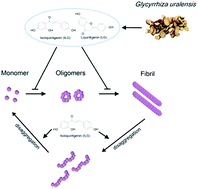
In our study, we found GUE, ILG and LT significantly reduced the amyloid formation of α-synuclein (Fig. 3A) and showed inhibitory effects on membrane toxicity caused by the aggregated α-synuclein in vitro (Fig. 6); in addition, ILG could disaggregate preformed mature fibril (Fig. 3D). In vivo, ILG, LT and GUE reduced amyloid formation and extended the life span of NL5901, among which ILG exhibited the greatest beneficial effects (Fig. 7C and D), consistent with its high potency in inhibiting oligomerization and fibrillization of α-synuclein in C. elegans (Fig. 7B & 8).


image file: c6ra17770k-f8.tif
Fig. 8 A schematic representation of how ILG, LT affect α-synuclein aggregation.

Flavonoids have been widely regarded as a class of potential amyloid inhibitors,46–48 some electron-donating groups such as hydroxyl, amino or methoxyl have been reported to enhance the binding and inhibitory capacities of flavonoids to amyloidogenic protein.49,50 Comparing chemical structures, ILG has more phenolic hydroxyls than LT, which may contribute to the higher inhibitory effect of ILG. Moreover, the disaggregation effect of ILG on preformed mature fibril may also alleviate the toxicity caused by the toxic α-synuclein aggregation in C. elegans.

It has been shown that the concentration of α-synuclein ranged from 2.7 to 2.9 × 10⁻⁵ μM in the cerebrospinal fluid of normal people and PD patients,51 which was significantly lower than the present in vitro study, whereas the concentrations of ILG and LT have been reported to reach 3 × 10⁻² μM and 0.1 μM in rat brain after oral administration of Si–Ni-San extract, a well-known traditional Chinese medicine formula containing Glycyrrhiza uralensis, at a dose of 10 g kg−1,52 suggesting that under physiological conditions the stoichiometry of ILG and LT to α-synuclein may actually be much higher than those used in this study. Thus, even greater protection effects are predicted.

In summary, our data provide the first evidence that ILG and LT could attenuate the aggregation of α-synuclein both in vitro and in a transgenic Caenorhabditis elegans PD model (NL5901). While C. elegans is suited to study aging and age-related disease, it lacks the complex nervous and vertebrate system. It is noticed that ILG has been shown protective effects on 6-hydroxydopamine (6-OHDA) induced neurotoxicity in dopaminergic cell lines;53 while LT was found to ameliorate glutamate-induced mitochondrial apoptotic alterations and intracellular calcium overload of PC12 cell line.54 Meanwhile, ILG and GUE have been found to prominently inhibit the aggregation of Aβ, reduce the number of plaques in the C. elegans AD model (CL2006) and counteract acute Aβ toxicity by delaying the paralysis in another C. elegans AD model (CL4176), indicating the inhibitory effects of ILG and GUE on oligomerization and fibrillization of Aβ in C. elegans.23 Therefore, it would be interesting to confirm the beneficial effects of ILG, LT and other possibly constituents of GUE as potential candidates against PD in animal models such as rodents, and further explore their working mechanisms.

Conflict of interest

The authors declare no conflict of interest associate with this work.

Abbreviations

CDCircular dichroism
DMSODimethyl sulphoxide
GAGlycyrrhizic acid
GUEGlycyrrhiza uralensis extract
HPLCHigh performance liquid chromatography
ILGIsoliquiritigenin
LGLiquiritigenin
LTLiquiritin
PBSPhosphate buffered saline
PDParkinson's disease
POPG2-Oleoyl-1-palmitoyl-sn-glycero-3-phospho-rac-(1-glycerol) sodium salt
TEMTransmission electron microscopy
TFATrifluoroacetic acid
ThTThioflavin-T
ADAlzheimer's disease

Acknowledgements

The authors thank the Analytical and Testing Center of Huazhong University of Science and Technology for technical supports. This work was supported by the Natural Science Foundation of China (No. 31671195, 81603013, 81222043 and 31471208), the Municipal Key Technology Program of Wuhan (Wuhan Bureau of Science & Technology, No. 201260523174), the Natural Science Foundation of Hubei Province (No. 2014CFA021) and the Front Youth Program of Huazhong University of Science and Technology.

References

  1. V. N. Uversky, J. Neurochem., 2007, 103, 17–37 CAS.
  2. M. G. Spillantini, M. L. Schmidt, V. M. Lee, J. Q. Trojanowski, R. Jakes and M. Goedert, Nature, 1997, 388, 839–840 CrossRef CAS PubMed.
  3. J. E. Duda, B. I. Giasson, Q. Chen, T. L. Gur, H. I. Hurtig, M. B. Stern, S. M. Gollomp, H. Ischiropoulos, V. M. Lee and J. Q. Trojanowski, Am. J. Pathol., 2000, 157, 1439–1445 CrossRef CAS PubMed.
  4. C. Lavedan, Genome Res., 1998, 8, 871–880 CAS.
  5. A. Bellucci, M. Zaltieri, L. Navarria, J. Grigoletto, C. Missale and P. Spano, Brain Res., 2012, 1476, 183–202 CrossRef CAS PubMed.
  6. J. M. George, H. Jin, W. S. Woods and D. F. Clayton, Neuron, 1995, 15, 361–372 CrossRef CAS PubMed.
  7. E. A. Waxman and B. I. Giasson, Biochim. Biophys. Acta, 2009, 1792, 616–624 CrossRef CAS PubMed.
  8. B. K. Binukumar, A. Bal, R. J. Kandimalla and K. D. Gill, Mol. Brain, 2010, 3, 35 CAS.
  9. B. Cheng, H. Gong, H. Xiao, R. B. Petersen, L. Zheng and K. Huang, Biochim. Biophys. Acta, 2013, 1830, 4860–4871 CrossRef CAS PubMed.
  10. M. L. Evans, E. Chorell, J. D. Taylor, J. Aden, A. Gotheson, F. Li, M. Koch, L. Sefer, S. J. Matthews, P. Wittung-Stafshede, F. Almqvist and M. R. Chapman, Mol. Cell, 2015, 57, 445–455 CrossRef CAS PubMed.
  11. K. Wojcikowski, L. Stevenson, D. Leach, H. Wohlmuth and G. Gobe, J. Altern. Complement. Med., 2007, 13, 103–109 CrossRef PubMed.
  12. L. Rackova, V. Jancinova, M. Petrikova, K. Drabikova, R. Nosal, M. Stefek, D. Kostalova, N. Pronayova and M. Kovacova, Nat. Prod. Res., 2007, 21, 1234–1241 CrossRef CAS PubMed.
  13. C. K. Lee, K. K. Park, S. S. Lim, J. H. Park and W. Y. Chung, Biol. Pharm. Bull., 2007, 30, 2191–2195 CAS.
  14. L. Luo, Y. Jin, I. D. Kim and J. K. Lee, Exp. Neurol., 2013, 22, 107–115 Search PubMed.
  15. H. Haraguchi, N. Yoshida, H. Ishikawa, Y. Tamura, K. Mizutani and T. Kinoshita, J. Pharm. Pharmacol., 2000, 52, 219–223 CrossRef CAS PubMed.
  16. G. Yoon, B. Y. Kang and S. H. Cheon, Arch. Pharmacal Res., 2007, 30, 313–316 CrossRef CAS.
  17. Y. Sato, J. X. He, H. Nagai, T. Tani and T. Akao, Biol. Pharm. Bull., 2007, 30, 145–149 CAS.
  18. L. Kolbe, J. Immeyer, J. Batzer, U. Wensorra, K. tom Dieck, C. Mundt, R. Wolber, F. Stab, U. Schonrock, R. I. Ceilley and H. Wenck, Arch. Dermatol. Res., 2006, 298, 23–30 CrossRef CAS PubMed.
  19. R. T. Liu, L. B. Zou and Q. J. Lu, Acta Pharmacol. Sin., 2009, 30, 899–906 CrossRef CAS PubMed.
  20. H. K. Lee, E. J. Yang, J. Y. Kim, K. S. Song and Y. H. Seong, Arch. Pharmacal Res., 2012, 35, 897–904 CrossRef CAS PubMed.
  21. Y. Yang, G. X. Bian and Q. J. Lu, China J. Chin. Mater. Med., 2008, 33, 931–935 CAS.
  22. R. T. Liu, J. T. Tang, L. B. Zou, J. Y. Fu and Q. J. Lu, Eur. J. Pharmacol., 2011, 669, 76–83 CrossRef CAS PubMed.
  23. P. Link, B. Wetterauer, Y. Fu and M. Wink, Planta Med., 2015, 81, 357–362 CrossRef CAS PubMed.
  24. Z. C. Zhao, Chin. Med. Sci. J., 2013, 3, 107–109 Search PubMed , (in Chinese).
  25. K. Ji, Y. Zhao, T. Yu, Z. Wang, H. Gong, X. Yang, Y. Liu and K. Huang, Food Funct., 2016, 7, 409–416 CAS.
  26. X. N. Shang, P. S. Song, X. Yang, L. R. He, J. B. Zhao and Y. H. Ding, Mod. Chin. Med., 2012, 14, 27–31 CAS , (in Chinese).
  27. Y. R. Zhao and D. Lu, Chin. Tradit. Pat. Med., 2014, 36, 867–869 CAS , (in Chinese).
  28. C. Guo, L. Ma, Y. Zhao, A. Peng, B. Cheng, Q. Zhou, L. Zheng and K. Huang, Sci. Rep., 2015, 5, 13556 CrossRef PubMed.
  29. M. E. Herva, S. Zibaee, G. Fraser, R. A. Barker, M. Goedert and M. G. Spillantini, J. Biol. Chem., 2014, 289, 11897–11905 CrossRef CAS PubMed.
  30. G. P. Saborio, B. Permanne and C. Soto, Nature, 2001, 411, 810–813 CrossRef CAS PubMed.
  31. H. Gong, Z. He, A. Peng, X. Zhang, B. Cheng, Y. Sun, L. Zheng and K. Huang, Sci. Rep., 2014, 4, 5648 CAS.
  32. B. Cheng, X. Liu, H. Gong, L. Huang, H. Chen, X. Zhang, C. Li, M. Yang, B. Ma, L. Jiao, L. Zheng and K. Huang, J. Agric. Food Chem., 2011, 59, 13147–13155 CrossRef CAS PubMed.
  33. L. Jiao, X. Zhang, L. Huang, H. Gong, B. Cheng, Y. Sun, Y. Li, Q. Liu, L. Zheng and K. Huang, Food Chem. Toxicol., 2013, 56, 398–405 CrossRef CAS PubMed.
  34. R. H. Fu, Y. C. Wang, C. S. Chen, R. T. Tsai, S. P. Liu, W. L. Chang, H. L. Lin, C. H. Lu, J. R. Wei, Z. W. Wang, W. C. Shyu and S. Z. Lin, Neuropharmacology, 2014, 82, 108–120 CrossRef CAS PubMed.
  35. C. Voisine, H. Varma, N. Walker, E. A. Bates, B. R. Stockwell and A. C. Hart, PLoS One, 2007, 2, e504 Search PubMed.
  36. C. G. Glabe, J. Biol. Chem., 2008, 283, 29639–29643 CrossRef CAS PubMed.
  37. R. Kayed, E. Head, J. L. Thompson, T. M. McIntire, S. C. Milton, C. W. Cotman and C. G. Glabe, Science, 2003, 300, 486–489 CrossRef CAS PubMed.
  38. A. Deleersnijder, M. Gerard, Z. Debyser and V. Baekelandt, Trends Mol. Med., 2013, 19, 368–377 CrossRef CAS PubMed.
  39. S. M. Butterfield and H. A. Lashuel, Angew. Chem., Int. Ed., 2010, 49, 5628–5654 CrossRef CAS PubMed.
  40. L. R. Feng, H. J. Federoff, S. Vicini and K. A. Maguire-Zeiss, Eur. J. Neurosci., 2010, 32, 10–17 CrossRef PubMed.
  41. E. Colla, P. Coune, Y. Liu, O. Pletnikova, J. C. Troncoso, T. Iwatsubo, B. L. Schneider and M. K. Lee, J. Neurosci., 2012, 32, 3306–3320 CrossRef CAS PubMed.
  42. M. S. Parihar, A. Parihar, M. Fujita, M. Hashimoto and P. Ghafourifar, Int. J. Biochem. Cell Biol., 2009, 41, 2015–2024 CrossRef CAS PubMed.
  43. W. W. Smith, H. Jiang, Z. Pei, Y. Tanaka, H. Morita, A. Sawa, V. L. Dawson, T. M. Dawson and C. A. Ross, Hum. Mol. Genet., 2005, 14, 3801–3811 CrossRef CAS PubMed.
  44. E. Junn and M. M. Mouradian, Neurosci. Lett., 2002, 320, 146–150 CrossRef CAS PubMed.
  45. X. Meng, L. A. Munishkina, A. L. Fink and V. N. Uversky, J. Parkinson's Dis., 2010, 2010, 650794 Search PubMed.
  46. N. Popovych, J. R. Brender, R. Soong, S. Vivekanandan, K. Hartman, V. Basrur, P. M. Macdonald and A. Ramamoorthy, J. Phys. Chem. B, 2012, 116, 3650–3658 CrossRef CAS PubMed.
  47. F. Meng, A. Abedini, A. Plesner, C. B. Verchere and D. P. Raleigh, Biochemistry, 2010, 49, 8127–8133 CrossRef CAS PubMed.
  48. Y. Porat, A. Abramowitz and E. Gazit, Chem. Biol. Drug Des., 2006, 67, 27–37 CAS.
  49. Z. P. Zhuang, M. P. Kung, C. Hou, K. Plossl, D. Skovronsky, T. L. Gur, J. Q. Trojanowski, V. M. Lee and H. F. Kung, Nucl. Med. Biol., 2001, 28, 887–894 CrossRef CAS PubMed.
  50. H. F. Kung, C. W. Lee, Z. P. Zhuang, M. P. Kung, C. Hou and K. Plossl, J. Am. Chem. Soc., 2001, 123, 12740–12741 CrossRef CAS PubMed.
  51. A. Ohrfelt, P. Grognet, N. Andreasen, A. Wallin, E. Vanmechelen, K. Blennow and H. Zetterberg, Neurosci. Lett., 2009, 450, 332–335 CrossRef PubMed.
  52. T. Li, Z. Yan, C. Zhou, J. Sun, C. Jiang and X. Yang, Biomed. Chromatogr., 2013, 27, 1041–1053 CAS.
  53. C. K. Hwang and H. S. Chun, Biosci., Biotechnol., Biochem., 2012, 76, 536–543 CrossRef CAS PubMed.
  54. L. Teng, Q. Meng, J. Lu, J. Xie, Z. Wang, Y. Liu and D. Wang, Mol. Med. Rep., 2014, 10, 818–824 CAS.

Footnote

These authors contribute equally to this work.

This journal is © The Royal Society of Chemistry 2016
Click here to see how this site uses Cookies. View our privacy policy here.