Dynamic polyrotaxane-coated surface for effective differentiation of mouse induced pluripotent stem cells into cardiomyocytes

Ji-Hun Seoacd, Mitsuhi Hiratabd, Sachiro Kakinokibd, Tetsuji Yamaokabd and Nobuhiko Yui*ad
aInstitute of Biomaterials and Bioengineering, Tokyo Medical and Dental University, Tokyo 101-0062, Japan. E-mail: yui.org@tmd.ac.jp
bDepartment of Biomedical Engineering, National Cerebral and Cardiovascular Center Research Institute, Osaka 565-8565, Japan
cDepartment of Materials Science and Engineering, Korea University, Seoul 136-701, Republic of Korea
dJST-CREST, Tokyo 102-0076, Japan

Received 13th February 2016 , Accepted 28th March 2016

First published on 29th March 2016


Abstract

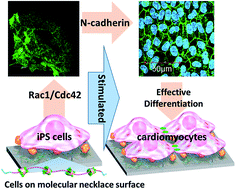
The effect of increasing molecular mobility, on hydrated polyrotaxane (PRX)-coated surfaces, on differentiation of mouse induced pluripotent stem cells (iPS cells) into cardiomyocytes was examined. PRX is composed of α-cyclodextrin (α-CD) threaded on linear poly(ethylene glycol) (PEG)-capped terminals with bulky end-groups. The degree of molecular mobility at the hydrated state (Mf) on the PRX surfaces can be varied by changing the number of threaded α-CDs. Rac1 expression was significantly upregulated for adhering iPS cells on the PRX surface with high Mf value, while it was downregulated on surfaces with low Mf value. Furthermore, the expression of N-cadherin, which is an important marker protein for cardiomyogenic differentiation of stem cells, was greatly upregulated for adhering iPS cells on the PRX surface with high Mf value, while those on surfaces with low Mf value showed low N-cadherin expression. Finally, the PRX surface with higher Mf value was found to be higher in cardiomyogenesis and beating colony formation from iPS cells, the extent of which was much higher than that on gelatin-coated surfaces. This suggests that surface hydrated molecular mobility, varied by varying a supramolecular PRX architecture on materials, plays a significant role in controlling cytoskeletal signaling pathways, eventually contributing to the direction of stem cell commitment.

1. Introduction

Cells are known to regulate their physiological activity through continuous communication with their surrounding environment.1 Stem cell differentiation into specific cells is also known to greatly depend on many factors, including the extracellular matrix (ECM) architecture, solubility factors, and degree of cell–cell interactions mediated by specific proteins such as cadherins.2–5 Among these factors, the ECM architecture is directly affected by physicochemical properties, such as the stiffness, charge density, surface geometry, or polarity, of material surfaces.6 Therefore, extensive research has been conducted on the regulation of stem cell fate by modulation of the physicochemical properties of cell-contacting materials. One representative series of studies relied on the effect of surface stiffness on stem cell lineage commitment. For instance, mesenchymal stem cells (MSCs) adhering to hard polyacrylamide hydrogel surfaces were found to be preferentially differentiated toward an osteogenic lineage, rather than myogenic or adipogenic cells. In contrast, cells on soft elastomer surfaces show preferential differentiation toward a myogenic or adipogenic lineage.7

We have previously demonstrated that polyrotaxane (PRX)-coated surfaces with varying extent of hydrated molecular mobility (molecular factor, Mf), estimated by quartz crystal microbalance-dissipation (QCM-D) measurement, strongly influence the fate of adhering cells. PRX is a molecular necklace-like supermolecule that contains host molecules (e.g. α-cyclodextrin [α-CD]) threaded on a linear guest molecule, e.g. poly(ethylene glycol) [PEG].8 When a determined composition of hydrophobic n-butyl groups and anti-biofouling phosphorylcholine groups were introduced at the end of the PRX segment, the PRX segment could be stably immobilized on the various cell culture dishes due to the moderate hydrophobic interaction induced by the n-butyl groups. Moreover, we have observed that changing the number of threaded α-CDs is effective for the modulation of the Mf value of PRX surfaces, and the morphologies of various cells are greatly affected by the Mf value.9 Narrower and more protruded morphology, with a disrupted actin fiber orientation, was observed for mouse fibroblasts, human umbilical vein endothelial cells, and rat-MSCs cultivated on the PRX surfaces with higher Mf value.10–12 Furthermore, increasing the Mf value on PRX surfaces was found to be favorable for the adipogenesis of rMSCs, while osteogenesis on the PRX surfaces is more pronounced when their Mf value is decreased.13

It is well recognized that the focal adhesion kinase (FAK) of cells phosphorylates α-actinin or p190RhoGEF in the course of binding with the extracellular matrix through integrins and it eventually determines their morphology.14 When FAK tends to phosphorylate α-actinin rather than p190RhoGEF, the expression level of the cytoskeletal signaling pathway, Ras homolog gene family A (RhoA), and the downstream Rho-associated protein kinase (ROCK), which is known as a molecular switch to direct multipotent stem cells for preferential differentiation into hard tissue cells (e.g. osteogenic cells) rather than soft tissue cells (e.g. adipogenic cells), is greatly downregulated.15–18 We have also confirmed that the RhoA-ROCK signaling pathway is significantly downregulated for rMSCs on the PRX surface with high Mf value, which leads rMSCs to preferentially differentiate into adipogenic cells.13 In general, cells with a downregulated RhoA-ROCK signaling pathway are known to easily upregulate another important cytoskeletal signaling pathway, Rac1/Cdc42, accompanied by the formation of a characteristic morphology such as filopodia or lamellipodia.19,20 Recently, it was reported that cells with an upregulated Rac1/Cdc42 expression tend to form a strong cell–cell junction by expressing the specific junction protein, N-cadherin, and that this provides conditions that promote stem cell differentiation into cardiomyocytes.21–23

From this perspective, we further hypothesize that stem cells adhering to the PRX surface with high Mf value may be effectively differentiated into cardiomyocytes, by activating Rac1/Cdc42 with downstream N-cadherin expression. In this study, differentiation characteristics of mouse induced pluripotent stem cells (iPS cells) into cardiomyocytes were evaluated on PRX surfaces with different Mf values.

2. Experimental

2.1 Preparation of polymer surfaces

All the polymers were prepared as previously reported.10–13 In brief, 0.35 g of di-functionalized PEG (20k) chain transfer agent (CTA) was mixed with 3.5 g of α-CD in 25 mL of water at room temperature until a light pink and turbid precipitate was formed. The precipitate was isolated by centrifugation and lyophilisation. The obtained pseudo-PRX macro CTA (0.600 g) was then reacted at 60 °C with a mixture of 2-methacryloyloxyethyl phosphorylcholine (MPC) (0.354 g) and n-butyl methacrylate (BMA) (0.633 g) in 7 mL of ethanol/toluene (1[thin space (1/6-em)]:[thin space (1/6-em)]1) mixed solvent using 0.820 mg of AIBN as an initiator. After 24 h, the polymer was precipitated by centrifugation and washed with ethanol, acetone, dimethyl sulfoxide, and acetone to remove residual monomers. The methylation of the PRX block copolymers were conducted as previously reported.10–13

The polymers were dispersed in 5 mL of ethanol and 5 mL of distilled water was added to prepare 0.05 wt% polymer solutions. One hundred microliters of each polymer solution was cast on a glass-bottom dish (p = 27 mm; Iwaki Glass, Tokyo, Japan), dried overnight in a clean box, and used for subsequent applications.

To prepare the gelatin-coated surface, gelatin powder (Life Technologies, Carlsbad, CA, USA) was dissolved in ultrapure water (0.1 wt%), and 200 μL of gelatin solution was placed in contact with a glass-bottomed dish at 37 °C for 30 min. After washing with fresh water, the surface was used for subsequent applications.

2.2 Cell lines

Mouse iPS cells (iPS-MEF-Ng-178B-5) were kindly provided by the Center for iPS Cell Research and Application (CiRA, Kyoto University, Kyoto, Japan) and SNL 76/7 feeder cells were purchased from the European Collection of Cell Cultures (ECCC, Salisbury, UK). The SNL feeder cells were deactivated prior to use with 12 μg mL−1 mitomycin C at 37 °C for 140 min in DMEM (11965, Gibco Invitrogen Corp., Grand Island, NY, USA) supplemented with 1% L-glutamine (Gibco 25030), 1% penicillin-streptomycin (P4333; Sigma-Aldrich, St. Louis, MO, USA), and 7% fetal bovine serum (FBS; Equitech-Bio, Inc., Kerrville, TX, USA).

2.3 Cell culturing for non-differentiated iPS cells

The iPS cells (3.2 × 10⁴ cells per mL) were dispersed in DMEM (Gibco) supplemented with 15% FBS (Equitech-Bio, Inc.), 0.1 mM of 2-mercaptoethanol (Life Technologies), 0.1 mM of MEM non-essential amino acids solution (NEAA, Gibco), and 0.1% leukemia inhibitory factor (ESGRO®LIF, Millipore, Darmstadt, Germany). The prepared cell solution (1 mL) was uniformly dispersed on the sample surfaces and the samples were incubated at 37 °C in a humidified atmosphere of 5% CO2. The culture medium was substituted by fresh medium daily.

2.4 Differentiation of iPS cells into cardiomyocytes

The iPS cells (2.0 × 10⁴ cells per mL) were dispersed in α-MEM (Gibco) supplemented with 10% FBS (Equitech-Bio, Inc.) and 0.05 mM of 2-mercaptoethanol (Life Technologies). Furthermore, 1 mL of cell solution was seeded on the sample surfaces and the medium was exchanged with fresh medium after 3 and 5 days. After 7 days post differentiation, the medium was exchanged with fresh medium containing 10 ng mL−1 trichostatin A (Wako, Tokyo, Japan) and incubated for 1 day. On day 8, the medium was exchanged with fresh medium without trichostatin A, and this medium change was repeated every 2 days. After 8 days post-differentiation, the Ca2+ from adhering iPS cells were imaged using the Screen Quest™ Rhod-4 NW Calcium Assay Kit (AAT Bioquest®, Inc., Sunnyvale, CA, USA), according to the manufacturer's instructions.

2.5 Quantitative real-time PCR analysis

Adhering iPS cells were washed with fresh PBS and 2.0 μg of the total RNA was isolated using a PureLink™ RNA Mini kit (Ambion Life Technologies, Carlsbad, CA, USA). The isolated RNA was then reverse-transcribed using a cDNA reverse transcription kit (Applied Biosystems, Darmstadt, Germany). PCR was conducted with 50 ng (4 μL) of cDNA with 25 μL of SYBR real-time PCR master mix (Toyobo, Osaka, Japan) and 2.0 μL of forward and reverse primer mix (25 × 10−6 M). All primers were purchased from Sigma-Aldrich Chemical Co. (St. Louis, MO, USA), and the sequences are listed below.36–39 The cycling conditions were as follows: 95 °C for 2 min, followed by 40 cycles of 95 °C for 20 s, 55 °C for 30 s, and 68 °C for 30 s. The resulting single band structure of the PCR mixture was confirmed using electrophoresis in 2% agarose gel, which was stained with ethidium bromide, followed by UV visualization. The expression level of the marker gene was normalized to the house keeping gene (GAPDH) level and calculated with the 2−ΔCT formula.

α-MHC: F-5′-ACGGTGACCATAAAGGAGGA-3′, R-5′-TGTCCTCGATCTTGTCGAAC-3′;

HCN4: F-5′-CGACAGCGCATCCATGACTA-3′, R-5′-GCTGGAAGACCTCGAAACGC-3′;

TnT2: F-5′-GAAACAGGATCAACGACAACCA-3′, R-5′-CGCCCGGTGACTTTGG-3′;

GATA4: F-5′-AAAACGGAAGCCCAAGAACCT-3′, R-5′-TGCTAGTGGCATTGCTGGAGT-3′;

PAX6: F-5′-TGCCCTTCCATCTTTGCTTG-3′, R-5′-TCTGCCCGTTCAACATCCTTAG-3′;

NeuroD1: F-5′-ATGACCAAATCGTACAGCGAG-3′, R-5′-GTTCATGGCTTCGAGGTCGT-3′;

EOMES: F-5′-CACCGCCACCAAACTGAGAT-3′, R-5′-CGAACACATTGTAGTGGGCAG-3′;

Fibronectin: F-5′-ACCGAAGCCGGGAAGAGCAA-3′, R-5′-GGTCCGTTCCCACTGCTGAT TTATC-3′;

Plastin3: F-5′-CCTTCCGTAACTGGATGAACTC-3′, R-5′-GGATGCTTCCCTAATTCAACAG-3′;

GAPDH: F-5′-TGCGACTTCAACAGCAACTC-3′, R-5′-CTTGCTCAGTGTCCTTGCTG-3′.

2.6 Immunostaining of iPS cells

Adhering iPS cells were rinsed with PBS twice and fixed with 4.0% formaldehyde for 15 min at room temperature. The iPS cells were then rinsed with PBS and permeabilized with 1.0% Triton-X100 for 5 min at room temperature. The samples were then immersed in block solution consisting of PBS with 5.0% goat serum and 0.30% Triton-X100 for 1 h at room temperature and then allowed to react with the primary antibody [anti-Rac1/Cdc42 antibody from rabbit (4651, Cell Signaling Technology, Danvers, MA, USA) or anti-N-cadherin antibody from rabbit (ab18203, Abcam, Cambridge, UK)] overnight at 4 °C. After washing with PBS three times, the samples were allowed to react with the secondary antibody (goat anti-rabbit IgG H/L Alexa488, 4412S, Cell Signaling Technology) for 1 h in the dark. After rinsing with PBS three times, the samples were mounted with ProLong Gold antifade reagent containing DAPI for confocal laser microscopy.

2.7 Quantitative analysis of E- and N-cadherin expression by ELISA

To evaluate the expression level of E- and N-cadherin, the total protein of adherent iPS cells was extracted using a Minute™ detergent-free protein extraction kit (Invent Biotechnologies Inc., Eden Prairie, MN, USA), according to the manufacturer's instructions. The concentration of the total protein was calculated using a micro-BCA™ (Thermo Fisher Scientific, Waltham, MA, USA) kit with bovine serum albumin-based calibration. The concentration of the protein solution was adjusted to 100 ng μL−1 and 100 μL of the solution was immediately used for the ELISA kit (E-cadherin ELISA kit [ELM-E-cadherin, RayBiotech, Inc., Norcross, GA, USA], and N-cadherin ELISA kit [EK1155, Boster Bio, Pleasanton, CA, USA]), according to the manufacturer's instructions.

2.8 Evaluation of expression level of cytoskeletal signaling pathway

Expressions of active RhoA (RhoA-GTP), active ROCK (ROCK-GTP), and active-Rac1/Cdc42 (Rac1-GTP) were analyzed by immunoblotting. Prior to immunoblotting, active proteins were collected from 100 μg of total protein using a commercialized activity assay kit (RhoA assay kit [ab173237, Abcam], ROCK activity immunoblot kit [STA-415, Cell Biolabs, Inc., San Diego, CA, USA] and Rac1 activation assay kit [17-283, Millipore]), according to the manufacturer's instructions.

The collected active proteins (10 μL) were mixed with 10 μL Laemmli Buffer (161-0737, Bio-Rad, Richmond, CA, USA) containing 2.5% 2-mercaptoethanol and boiled at 98 °C for 5 min. The samples were loaded onto 4–20% gradient acrylamide gel (Mini-Protean TGX, Bio-Rad) and electrophoresis was conducted for 30 min at 200 V. The samples were then transferred to PVDF membrane (170-4156, Bio-Rad) using the Trans-Blot Turbo Transfer System (Bio-Rad), and incubated in blocking solution (5% skim milk in TBST, 20 mM Tris, 0.5 M NaCl, 0.05% Tween-20, pH 7.5) at room temperature for 1 h. Furthermore, the blocking solution was exchanged with the primary antibody solution (included in the assay kit, diluted to 1/1000 in TBST blocking solution) and allowed to react overnight at 4 °C. The membrane was then washed with fresh TBST for 5 min, three times. The membrane was then brought into contact with HRP-conjugated goat anti-rabbit antibody (7074, Cell Signaling Technology) solution (1/1000 diluted in 5% skim milk TBST) and allowed to react at room temperature for 90 min. After being washed with fresh TBST, the protein band was detected by ImageQuant LAS 500 (GE Healthcare, Uppsala, Sweden), using the ECL Select™ Western Blotting Detection System (GE Healthcare).

Statistical analysis. All experiments were conducted at least three times. Statistical analysis of the data was conducted using Student's t-test and p < 0.05 was considered a meaningful difference. Data are presented as mean ± s.d.

3. Results

The molecular structure of PRX block copolymers and the overall research scheme is shown in Fig. 1. Two PRX block copolymers, with varying numbers of methylated α-CDs, were used for developing polymer surfaces with varied molecular mobility. As it provides a surface with less Mf value than the PRXs, a random copolymer containing similar composition of chemical groups to that of the PRX block copolymers was used. Table 1 shows the resulting compositions and Mf value of the PRX block and random copolymers.13
image file: c6ra03967g-f1.tif
Fig. 1 Schematic of the overall research concept. Two types of PRX block copolymers containing different numbers of threading α-CDs were used. The polymer solutions were cast on the glass bottom dish and used after drying for downstream cell culture application.
Table 1 Molecular profile of synthesized polymers
PRX block copolymers MPC (mol% in PMB, 1H NMR) nBMA (mol% in PMB, 1H NMR) Number of α-CD (/PEG chain, 1H NMR)a Methylation (%, 1H NMR) OMe (wt%, 1H NMR) Viscoelasticity (Mf, ×10−6)
a The number of α-CDs per PEG (number average molecular weight = 20[thin space (1/6-em)]000).
PRX-A 12.0 88.0 12 >90 6.1 0.95
PRX-B 24.6 75.4 104 61.1 13.5 0.60

Random copolymers MPC (mol%, 1H NMR) nBMA (mol%, 1H NMR) HEMA (mol%, 1H NMR) MEA (mol%, 1H NMR) OMe (wt%, 1H NMR) Viscoelasticity (Mf, ×10−6)
Random 6.60 33.1 10.6 49.7 10.6 0.16


The optical microscopy images and the following Nanog-GFP images of iPS cells cultured in non-differentiation medium were taken after 8 days incubation. Spheroid aggregates of iPS cells with strong Nanog-GFP expression were clearly observed on the feeder cells (SNL cells) and the PRX-A surface for 8 days, while spread morphologies with weak Nanog-GFP expression were observed on the other surfaces (Fig. 2).


image file: c6ra03967g-f2.tif
Fig. 2 (A) Optical and fluorescence (for Nanog-GFP) microscopy images (bar = 100 μm), (B) E- and N-cadherin expression, and (C) specific gene expression in adhering iPS cells cultured in non-differentiation medium, for 8 days. Data are presented as mean ± s.d. (n = 4). Statistical analysis of the data was conducted using Student's t-test and p < 0.05 was considered a meaningful difference.

To confirm the degree of cell–cell junction for spheroid aggregation, we analyzed the expression level of E- and N-cadherins in adhering iPS cells by enzyme-linked immunosorbent assay (ELISA). No significant E- and N-cadherin expression was observed for iPS cells on SNL cells. In contrast, E- and N-cadherin expression was significantly upregulated on bare glass and polymer-coated surfaces. Characteristically, N-cadherin expression was significantly upregulated on the PRX-A surface, compared to the other polymer surfaces. The representative gene expression in the germ layer was analyzed by real-time PCR after 8 days in a non-differentiated state. No significant marker gene expression was observed for iPS cells cultured on the SNL feeder cells, while GATA4 (cardiac mesoderm) and fibronectin (mesenchymal marker gene) expression was strongly observed on the bare glass or polymer-coated surfaces.

The morphology of adhering iPS cells and the following GFP-Nanog fluorescence images in both non-differentiating and cardiomyogenic differentiation mediums after 3 days of cultivation were shown in Fig. 3. Herein, the gelatin-coated surface was chosen as a positive control for the cardiomyogenic differentiation of iPS cells, because gelatin has been known as an effective surface for directing iPS cells towards cardiomyogenic differentiation.24 With the exception of cells adhering to the gelatin-coated surface, cells on most of the surfaces showed a certain level of Nanog-GFP expression during the cultivation in non-differentiating medium, and this expression almost disappeared when they were cultivated in a cardiomyogenic differentiation medium.


image file: c6ra03967g-f3.tif
Fig. 3 Optical and fluorescence microscopy images of iPS cells in non-differentiation and differentiation medium for 3 days. Fluorescence microscopy image shows the expression of GFP-Nanog. (Bar = 100 μm).

To confirm the expression level of the cytoskeletal signaling pathway in differentiated cells, immunostaining and immunoblotting was conducted. Fig. 4A shows the images of confocal laser microscopy taken after immunostaining of Rac1 after 3 days-post differentiation. The cells on the PRX-A and gelatin-coated surfaces showed positively stained Rac1/Cdc42 proteins. The expression level of active Rac1 and other cytoskeletal signaling pathways, i.e., active RhoA-ROCK, was analyzed by immunoblotting (Fig. 4B). The expression of active-Rac1 was the highest in the cells adhering onto the PRX-A surface, while the active RhoA-ROCK pathway was significantly downregulated. The expression of active-Rac1 became moderate when PRX was changed to that of lower Mf value, but the level of RhoA-ROCK expression was slightly increased. When the surface was changed to the random copolymer, which did not contain the PRX segment, the expression of active Rac1 was almost negligible, with a slight increase in active RhoA-ROCK expression.


image file: c6ra03967g-f4.tif
Fig. 4 (A) Confocal laser microscopy images of differentiated cells in differentiation medium for 3 days. Blue: nucleus, green: Rac1/Cdc42, bar = 50 μm. (B) Immunoblotting of active Rac1/Cdc42, ROCK, RhoA, and total RhoA as a reference, respectively, in differentiated cells after 3 days. The immunoblotting was conducted with the total protein solution with the same concentration (100 ng μL−1).

To confirm whether the upregulated state of Rac1 expression (initial cell–materials interaction) affects intercellular interaction (later cellular responses), E- and N-cadherin expression was quantitatively analyzed by ELISA, after 8 and 17 days post-differentiation (Fig. 5). The expression level of E-cadherin in differentiated cells was decreased when the culturing time was increased from 8 days to 17 days, except in cells on the gelatin-coated surface. The expression levels of N-cadherin after 8 days were not significantly different from those on the sample surfaces. However, a significant increase (∼2 fold) in N-cadherin expression was observed only for the cells on the PRX-A and gelatin-coated surfaces, 17 days post-differentiation. As the decrease in E-cadherin and increase in N-cadherin may represent characteristics of cardiomyogenic differentiation lineage or tumor cell formation, the gene expression of a representative marker protein of mesenchymal transition (fibronectin) and tumor cell formation (plastin3) was estimated. Significant gene expression of fibronectin was observed for the cells on all sample surfaces, whereas no significant expression of plastin3 was observed.


image file: c6ra03967g-f5.tif
Fig. 5 (A) E-cadherin and (B) N-cadherin expression in differentiated cells after 8 and 17 days. Data are presented as mean ± s.d. (n = 4). (C) Specific gene expression of fibronectin, plastin3, and GAPDH in the differentiated cells. Data are presented as normalized values to GAPDH, i.e. 2−ΔCT as mean ± s.d. (n = 4). Statistical analysis of the data was conducted using Student's t-test and p < 0.05 was considered a meaningful difference.

Further onto the ELISA analysis, we estimated the distribution of N-cadherin on differentiated cells by immunostaining, and the resulting confocal laser microscopy images are shown in Fig. 6. After 3 days post-differentiation, no significant N-cadherin expression was observed for differentiated cells on any of the sample surfaces. After 8 days, the fluorescence intensity of the secondary antibody began to increase on all sample surfaces. However, the distribution of N-cadherin was not specifically localized in cells. After 17 days, N-cadherin-mediating cell–cell junction was clearly observed, only in the cells on the PRX-A and gelatin-coated surfaces.


image file: c6ra03967g-f6.tif
Fig. 6 Confocal laser microscopy images of differentiated cells after 3, 8, and 17 days, respectively. Blue: nucleus, green: N-cadherin (bar = 50 μm).

The appearance of a beating colony during cardiomyogenic differentiation was monitored by optical microscopy. Fig. 7 shows the optical microscopy images of cultured cells taken at 8 days post-differentiation and the fluorescence image of the Quest-Rhod4™ assay for Ca2+ staining on the beating colonies. The characteristic cell aggregation, i.e., large areas of crowded cell aggregates (the white region in the images), was observed on the PRX-A and gelatin-coated surfaces and the beating colonies appeared only on these two surfaces. In contrast, the size of the cell aggregates was much smaller and the beating colony did not appear on the other sample surfaces. When the Quest-Rhod4™ assay was conducted for staining the Ca2+ generated as a part of the beating process, the beating area was more clearly observed on the PRX-A and gelatin-coated surfaces.


image file: c6ra03967g-f7.tif
Fig. 7 Optical and fluorescence (taken after Ca2+ staining) microscopy images of differentiated cells after 8 days. White circles indicate the periodic (1 s) change of the Ca2+ pumping that results in beating of cardiomyocytes (bar = 100 μm). No periodic Ca2+ pumping image was observed on the glass, PRX-B, and random surfaces.

The number of beating colonies per culturing well was monitored over 17 days and the result is shown in Fig. 8. On the PRX-A surface, the number of beating colonies significantly increased over 17 days and a large area of beating colonies was formed. However, the beating colonies were almost saturated at the early stages of differentiation on the gelatin-coated surface and the beating area also significantly decreased with culturing time.


image file: c6ra03967g-f8.tif
Fig. 8 (A) The number of beating colonies per dish of differentiated iPS cells. Data are presented as mean ± s.d. (n = 10). (B) Optical microscopy images of differentiated iPS cells taken after 8, 12, 17 days on PRX-A and gelatin-coated surfaces, respectively (bar = 100 μm). Statistical analysis of the data was conducted using Student's t-test and p < 0.05 was considered as a meaningful difference.

The specific gene expression of cardiomyocytes was analyzed by quantitative real-time PCR (Fig. 9). The overall expression level of specific genes in cardiomyocytes (HCN4, TNT2, α-MHC, GATA4) on the PRX-A surface gradually increased as differentiation progressed and the levels were the highest at 17 days post-differentiation. In the case of differentiated cells on the gelatin-coated surface, gene expression specific for cardiomyocytes was heterogeneously observed after 17 days. Although several marker genes, such as α-MHC and HCN4, were highly expressed during differentiation, important marker genes for cardiomyocyte maturation, i.e., GATA4 (cardiac progenitor) and TNT-2 (cardiomyocyte), were not significantly expressed. Moreover, the expression levels were saturated at 12 days and gradually decreased with the differentiation time.


image file: c6ra03967g-f9.tif
Fig. 9 Specific gene expression in differentiated iPS cells: (A) α-MHC, (B) TnT-2, and (C) HCN4, and (D) resulting PCR band. Data are presented as normalized values to GAPDH, i.e., 2−ΔCT as mean ± s.d. (n = 4). Electrophoresis image shows the resulting band of RT-PCR in iPS cells in differentiating medium for 17 days. Statistical analysis of the data was conducted using Student's t-test and p < 0.05 was considered a meaningful difference.

4. Discussion

In our previous studies, the modulation of hydrated molecular mobility on material surfaces using a supramolecular PRX frame proved effective in regulating the expression of the specific cytoskeletal signaling pathway RhoA-ROCK, eventually directing MSC differentiation between osteogenesis and adipogenesis.7,8

PRX block copolymer surfaces containing a larger number of threading α-CDs (PRX-B) showed much lower viscoelasticity in the hydrated state than that of PRX-A in the hydrated state when the viscoelasticity was measured using QCM-D.10–13 Because surface hydrophilicity was not significantly different between PRX-A and PRX-B, this result was considered to be due to the difference in dynamic properties of different numbers of threading α-CDs in PRX surfaces.10 The present study clearly demonstrates a continuous increase in the number of beating colonies (Fig. 8) and homogeneous expression of marker genes for cardiomyocytes on the PRX-A surface (Fig. 9). This finding strongly suggests the effectiveness of increasing hydrated molecular mobility of PRX surfaces for differentiating cells into cardiomyocytes.

Stem cell lineage commitment induced by mechanotransduction has been widely studied over the last decade.25,26 The ECM formed on different types of materials generally induce different integrin-mediated intracellular signaling pathways. Transcriptional activators YAP/TAZ then translate different types of physical information into different expression levels of messenger RNA for determining stem cell fate.27,28 The relationship between the cytoskeletal signaling pathway and the formation of cell–cell junctions is considered a critical issue, as the formation of a beating colony by cardiomyocytes requires strong cell–cell junctions, mediated by N-cadherin.29 It was reported that if the intercellular interaction is enhanced by increasing the expression level of cell junction proteins, such as E- or N-cadherin, non-differentiated iPS cells tend to form spheroid aggregations with increased pluripotency.30,31 Interestingly, iPS cells on the PRX-A surface with high Mf value showed spheroid aggregation with strongly increased N-cadherin expression, in contrast to embryonic spheroid aggregation with negligible expression level of N-cadherin on SNL cells. The maintenance of stemness and embryonic spheroid formation is dependent on the expression level of cytoskeletal proteins such as cadherins and catenins. In the present study, slight differences in Nanog-GFP expression and the shapes of spheroid aggregation among the polymer surfaces are probably due to the different expression levels of the cytoskeletal signaling pathway resulting in different expression levels of cadherin.32

As cells on the PRX-A surface have been found to significantly downregulate the RhoA-ROCK signaling pathway,13 we may hypothesize that the downregulated state of RhoA-ROCK on the PRX-A surface is an important condition for the formation of a cell–cell junction by expressing N-cadherin. It has been reported that the Rac1/Cdc42 signaling pathway is easily upregulated for characteristic cell morphologies, such as lamellipodia and filopodia, when cells encounter conditions in which RhoA-ROCK is downregulated.19,20 It has also been reported that N-cadherin-mediated cell–cell junction development, which is an essential condition for the formation of cardiac tissue, was more easily observed for Rac1/Cdc42 upregulated cells.21–23 Based on these findings, it is hypothesized that the PRX-A surface may provide an optimized condition for iPS cells to express N-cadherin by activating the Rac1/Cdc42 signaling pathway, which would lead iPS cells to preferentially differentiate into cardiomyocytes. The activation of Rac1, and the subsequent increased expression of N-cadherin, was successfully observed on the PRX-A surface (Fig. 4B and 5B). Interestingly, a decrease in E-cadherin and an increase in N-cadherin expression were observed only for adhering iPS cells on the PRX-A surface. When embryonic stem cells are stimulated into mesodermal lineage, e.g., during cardiomyogenesis, several transition steps are required such as the epithelial-mesenchymal transition (EMT) step. An exchange in cadherin, i.e., a decrease in E-cadherin and an increase in N-cadherin expression, is a critical step for this transition process.33 The characteristic N-cadherin expression, with decreased E-cadherin expression on the PRX-A surface, likely indicates that iPS cells are in the position for a successful transition towards cardiomyogenic differentiation. It has also been reported that N-cadherin expression is upregulated when embryonic stem cells are differentiated into tumor-like cells.34,35 Because no significant expression of plastin3 was observed for iPS cells on any of the sample surfaces, it is suggested that the PRX-A surface is an effective surface for directing the differentiation of iPS cells into cardiomyocytes. On the gelatin-coated surface, the rapid appearance of the beating colony was characteristic; however, the expression of marker genes and cadherin exchange were not observed to a significant extent. The rapid passing through of the cardiac progenitor states on the gelatin surface possibly result in decreased gene expression compared to that of PRX-A. Although the underlying reason is not yet clearly understood, incomplete cadherin exchange (i.e. continuous strong E-cadherin expression, as shown in Fig. 5) during differentiation may suggest the possibility of incomplete transition of stem cells into cardiac mesoderm, which is an essential step in the differentiation into cardiac progenitor cells and finalized cardiomyocytes, on the gelatin-coated surface. As gelatin can induce strong surface–cell interaction at the embryonic stem cell stage, we hypothesize that this acts as an obstacle to the completion of the EMT step for differentiation into cardiomyocytes. In any event, it is confirmed that the PRX-A surface with high Mf value is very effective for directing iPS cells into cardiomyocytes, by controlling cell–material interactions and downstream formation of cell–cell junctions.

5. Conclusions

Molecularly movable PRX surfaces show promise for application in the direction of stem cells towards differentiation into cardiomyocytes. The iPS cells on the PRX-A surface activate the Rac1/Cdc42 cytoskeletal signaling pathway and exhibit strong cell–cell interaction mediated by highly expressed N-cadherin. As a result, it was found that iPS cells were successfully differentiated into cardiomyocytes and this effect was more significant than that observed for a conventional gelatin-coated surface. Based on these results, it can be concluded that modulating surface mobility at the hydrated stage, using PRX-framed materials, is a promising approach to the control of the cytoskeletal signaling pathway of adhering iPS cells and the subsequent differentiation into specific cell types.

Acknowledgements

This study was partially supported by Scientific Research B (ID25282142, Japan Society for the Promotion of Science).

Notes and references

  1. D. Discher, D. J. Mooney and P. W. Zandstra, Science, 2009, 324, 1673–1677 CrossRef CAS PubMed.
  2. R. Peernai, B. M. Rao, C. Bauwens, T. Yin, G. A. Wood, A. Nagy, E. Kumacheva and P. W. Zandstra, EMBO J., 2007, 26, 4744–4755 CrossRef PubMed.
  3. G. C. Reilly and A. J. Engler, J Biomech., 2010, 43, 55–62 CrossRef PubMed.
  4. N. M. Shah and D. J. Anderson, Proc. Natl. Acad. Sci. U. S. A., 1997, 94, 11369–11374 CrossRef CAS.
  5. J. S. Haug, X. C. He, J. C. Grindley, J. P. Wunderlich, K. Gaudenz, J. T. Ross, A. Paulson, K. P. Wagner, Y. Xie, R. Zhu, T. Yin, J. M. Perry, M. J. Hembree, E. P. Redenbaugh, G. L. Radice, C. Seidei and L. Li, Cell Stem Cell, 2008, 2, 367–379 CrossRef CAS PubMed.
  6. K. Saha, J. F. Pollock, D. V. Schaffer and K. E. Healy, Curr. Opin. Chem. Biol., 2007, 11, 381–387 CrossRef CAS PubMed.
  7. A. J. Engler, S. Sen, H. L. Sweeney and D. E. Discher, Cell, 2006, 126, 677–689 CrossRef CAS PubMed.
  8. A. Harada, J. Li and M. Kamachi, J. Am. Chem. Soc., 1994, 116, 3192–3196 CrossRef CAS.
  9. J.-H. Seo, S. Kakinoki, Y. Inoue, T. Yamaoka, K. Ishihara and N. Yui, Soft Matter, 2012, 8, 5477–5485 RSC.
  10. J.-H. Seo, S. Kakinoki, Y. Inoue, K. Nam, T. Yamaoka, K. Ishihara, Y. Kishida and N. Yui, Biomaterials, 2013, 34, 3206–3214 CrossRef CAS PubMed.
  11. S. Kakinoki, J.-H. Seo, Y. Inoue, K. Ishihara, N. Yui and T. Yamaoka, J. Biomater. Sci., Polym. Ed., 2013, 24, 1320–1332 CrossRef CAS PubMed.
  12. J.-H. Seo, S. Kakinoki, Y. Inoue, T. Yamaoka, K. Ishihara and N. Yui, J. Am. Chem. Soc., 2013, 135, 5513–5516 CrossRef CAS PubMed.
  13. J.-H. Seo, S. Kakinoki, T. Yamaoka and N. Yui, Adv. Healthcare Mater., 2015, 4, 215–222 CrossRef CAS PubMed.
  14. J. Zhai, H. Lin, Z. Nie, J. Wu, R. Canete-Soler, W. W. Schlaepfer and D. D. Schlaepfer, J. Biol. Chem., 2003, 278, 24865–24873 CrossRef CAS PubMed.
  15. R. A. Worthylake and K. Burridge, J. Biol. Chem., 2003, 278, 13578–13584 CrossRef CAS PubMed.
  16. E. J. Arnsdorf, P. Tummala, R. Y. Kwon and C. R. Jacobs, J. Cell Sci., 2009, 112, 546–553 CrossRef PubMed.
  17. K. A. Kilian, B. Bugarija, B. T. Lahn and M. Mrksich, Proc. Natl. Acad. Sci. U. S. A., 2010, 107, 4872–4877 CrossRef CAS PubMed.
  18. F. Guilak, D. M. Cohen, B. T. Estes, J. M. Gimble, W. Liedtke and C. S. Chen, Cell Stem Cell, 2009, 5, 17–26 CrossRef CAS PubMed.
  19. B. K. Chauhan, M. Lou, Y. Zheng and R. A. Lang, Proc. Natl. Acad. Sci. U. S. A., 2011, 108, 18289–18294 CrossRef CAS PubMed.
  20. C. Nobes and A. Hall, Cell, 1995, 81, 53–62 CrossRef CAS PubMed.
  21. I. Laplante, R. Beliveau and J. Paauin, J. Neurobiol., 2004, 60, 289–307 CrossRef CAS PubMed.
  22. A. Woods, G. Wang, H. Dupuis, Z. Shao and F. Beier, J. Biol. Chem., 2007, 282, 23500–23508 CrossRef CAS PubMed.
  23. M.-H. Kim, M. Kino-oka, N. Maruyama, A. Saito, Y. Sawa and M. Taya, Biomaterials, 2010, 31, 7666–7677 CrossRef CAS PubMed.
  24. L. Zwi, O. Caspi, G. Arbel, I. Huber, A. Gepstein, I.-H. Park and L. Gepstein, Circulation, 2009, 120, 1513–1523 CrossRef CAS PubMed.
  25. M. P. Lutolf, P. M. Gilbert and H. M. Blau, Nature, 2009, 462, 433–441 CrossRef CAS PubMed.
  26. S. Mitragotri and J. Lahann, Nat. Mater., 2009, 8, 15–23 CrossRef CAS PubMed.
  27. S. Dupont, L. Morsut, M. Aragona, E. Enzo, S. Giulitti, M. Cordenonsi, F. Zanconato, J. Le Digabel, M. Forcato, S. Bicciato, N. Elvassore and S. Piccolo, Nature, 2011, 474, 179–183 CrossRef CAS PubMed.
  28. C. Yang, M. W. Tibbitt, L. Basta and K. S. Anseth, Nat. Mater., 2014, 13, 645–652 CrossRef CAS PubMed.
  29. T. Matsuda, K. Takahashi, T. Nariai, T. Ito, T. Takatani, Y. Fujio and J. Azuma, Biochem. Biophys. Res. Commun., 2005, 326, 228–232 CrossRef CAS PubMed.
  30. X. S. Yue, Y. Murakami, T. Tamai, M. Nagaoka, C.-S. Cho, Y. Ito and T. Akaike, Biomaterials, 2010, 31, 5287–5296 CrossRef CAS PubMed.
  31. K. Hawkins, L. Mohamet, S. Ritson, C. L. R. Merry and C. M. Ward, Stem Cells, 2012, 30, 1842–1851 CrossRef CAS PubMed.
  32. E. Farahani, H. K. Patra, J. R. Jangamreddy, I. Rashedi, M. Kawalec, R. K. R. Pariti, P. Batakis and E. Wiechec, Carcinogenesis, 2014, 35, 747–759 CrossRef CAS PubMed.
  33. J. P. Thiery, Curr. Opin. Cell Biol., 2003, 15, 740–746 CrossRef CAS PubMed.
  34. M. J. Wheelock, Y. Shintani, M. Maeda, Y. Fukumoto and K. R. Johnson, J. Cell Sci., 2008, 121, 727–735 CrossRef CAS PubMed.
  35. T. Yokobori, H. Iinuma, T. Shimamura, S. Imoto, K. Sugimachi, H. Ishii, M. Iwatsuki, D. Ota, M. Ohkuma, T. Iwaya, N. Nishida, R. Kogo, T. Sudo, F. Tanaka, K. Shibata, H. Toh, T. Sato, G. F. Barnard, T. Fukagawa, S. Yamamoto, H. Nakanishi, S. Sasaki, S. Miyano, T. Watanabe, H. Kuwano, K. Mimori, K. Pantel and M. Mori, Cancer Res., 2013, 73, 2059–2069 CrossRef CAS PubMed.
  36. M.-H. Kim and M. Kino-oka, Biomaterials, 2014, 35, 5670–5678 CrossRef CAS PubMed.
  37. C. T. Hang, J. Yang, P. Han, H.-L. Cheng, C. Shang, E. Ashley, B. Zhou and C.-P. Chang, Nature, 2010, 466, 62–67 CrossRef CAS PubMed.
  38. A. Miskon, T. Ehashi, A. Mahara, H. Uyama and T. Yamaoka, J. Artif. Organs, 2009, 12, 111–117 CrossRef CAS PubMed.
  39. A. Haque, X. Yue, A. Motazedian, Y. Tagawa and T. Akaike, Biomaterials, 2012, 33, 5094–5106 CrossRef CAS PubMed.

This journal is © The Royal Society of Chemistry 2016
Click here to see how this site uses Cookies. View our privacy policy here.