Biogenic gold nanoparticles induce cell cycle arrest through oxidative stress and sensitize mitochondrial membranes in A549 lung cancer cells

V. Ramalingama, S. Revathidevib, T. Shanmuganayagamc, L. Muthulakshmic and R. Rajaram*a
aDNA Barcoding and Marine Genomics Laboratory, Department of Marine Science, School of Marine Sciences, Bharathidasan University, Tiruchirappalli – 620 024, Tamil Nadu, India. E-mail: drrajaram69@rediffmail.com; dnabarcodingram@gmail.com; Fax: +91-431-240745; Tel: +91-9842874661
bDepartment of Genetics, Institute of Basic Medical Sciences, Madras University, Taramani Campus, Chennai – 600 113, Tamil Nadu, India
cCentre for Biotechnology, Kalasalingam University, Krishnankoil – 626 126, Tamil Nadu, India

Received 15th December 2015 , Accepted 1st February 2016

First published on 3rd February 2016


Abstract

The present study aims to find a facile, green and more yielding approach for the synthesis of high stability gold nanoparticles (AuNPs) with a monodispersed nature using an aqueous extract of Sesuvium portulacastrum L. The synthesis and yield of AuNPs under different pH values, temperatures and times were determined using a UV-spectrophotometer. A morphological study shows that the synthesized AuNPs are mostly spherical in shape with an average particle size of ∼37 nm and these results were compared with the particle size acquired using DLS and XRD data by the Scherrer formula. The selected area electron diffraction pattern indicated a crystalline nature of the AuNPs that was further confirmed using XRD analysis. In the present study, we carried out in vitro analysis to demonstrate the anticancer efficiency of AuNPs against an A549 lung cancer cell line and the results showed that an IC50 dose effectively induces apoptosis and necrosis of A549 cells. Generation of oxidative stress and reactive oxygen species by AuNPs might induce the sensitization of the mitochondrial membrane that leads to triggering the apoptosis pathway. Furthermore, cell cycle analysis showed that AuNPs arrest the cell cycle at the G0/G2 phase in A549 cells. Together, these results clearly show that biogenic synthesized AuNPs have been proven to have excellent anticancer activity against A549 cells and a lower toxicity against HBL100 cells.

1. Introduction

Lung cancer is presently one of the most significant diseases that is causing a higher mortality rate across the world and its effect is also increasing day by day. The development of a novel drug to inhibit the proliferation of lung cancer cells is facing difficulties. Modern nanotechnology is a new technical approach that uses materials and equipment capable of controlling the physical as well as chemical properties of a material which has potential biomedical applications. In addition, biotechnology uses the knowledge and techniques of biology to control molecular, genetic and cellular processes to develop products and services which can be used in various fields from biomedicine to agriculture.1 Nanoparticles (NPs) afford a platform for important biomedical applications including drug delivery and imaging. Advances in these biomedical applications require a basic understanding of the complex interactions between NPs, biomolecules and biosystems.2,3 Among the various metal nanoparticles used for biomedical applications, gold nanoparticles have attracted significant interest.4

Over the past two decades, the attractive colors and distinctive electronic properties of gold nanoparticles have also attracted incredible interest owing to their historical applications in art and ancient medicine, and recent applications in improved biomedical applications.5 AuNPs are classified into nanorods, nanoshells and nanocages based on their size, shape and other physical properties. The unique combinational properties of AuNPs are just beginning to be fully realized for their potential roles in a range of medical diagnostic and therapeutic applications. AuNPs can act as specialized microscopic probes to study cancer cells, since they show bright light scattering when they accumulate on the surface of cancer cells.6 AuNPs can bind with many proteins and anticancer agents and regulate the expression of cancer cell surface receptors. Advantageously, AuNPs are biocompatible, and depending upon the concentration, AuNPs could also be toxic which is proved by in vitro and in vivo systems.7

Previously, a γ-irradiation method was evidenced to be the best method to synthesize AuNPs with controllable size and high purity. More recently, a microwave irradiation method has been proved to prepare gold nanoparticles using citric acid as a reducing agent and cetyltrimethyl ammonium bromide (CTAB) as a binding agent.8 Using reducing agents such as citric acid,9 sodium borohydride,10 sodium citrate,11,12 glutathione,13 collagen14 and thiophene15 to synthesize AuNPs was cost effective.

Preparation of metal nanoparticles using plant extracts has been emerging in recent years as it is easy and convenient as well as an alternative to chemical and physical methods. Although gold nanoparticle synthesis using plant extracts has already been reported for various plants such as Lippia citriodora, Salvia officinalis, Pelargonium graveolens, Punica granatum,16 Nerium oleander,17 Salicornia brachiate,18 Plumeria alba,19 Stevia rebaudiana,20 Eucommia ulmoides,21 Acer saccharum,22 Costus pictus,23 Magnolia kobus and Diopyros kaki,24 there is still a lot of attention paid to this field because of the diversity and high potential of plants to produce nanoparticles with different shapes. In the present study, the salt marsh plant Sesuvium portulacastrum L. was used to reduce HAuCl4 to AuNPs and the anticancer activity of the AuNPs was evaluated against an A549 human non-small cell lung cancer cell line. Previously the reduction ability of extracts from the callus and leaf of S. portulacastrum L. was proved for the synthesis of antimicrobial silver nanoparticles using silver nitrate.25 The biogenic synthesis of AuNPs was characterized using UV-spectrophotometry, transmission electron microscopy (TEM), dynamic light scattering (DLS), selected area electron diffraction (SAED), energy dispersive spectroscopy (EDS) and X-ray diffraction (XRD).

2. Materials and methods

2.1. Chemicals used

Dulbecco’s modified Eagle’s medium (DMEM), fetal bovine serum (FBS), penicillin/streptomycin, DMSO (cell culture grade), MTT (dimethylthiazolyltetrazolium bromide), acridine orange, ethidium bromide, chloroauric acid (HAuCl4), 1× phosphate buffer saline (PBS) and glutamine were purchased from HiMedia Laboratories, Mumbai, India. 2′,7′-Dichlorofluorescein-diacetate (DCFH-DA), rhodamine-123 and 4′,6-diamidino-2-phenylindole (DAPI) dye were purchased from Sigma-Aldrich, USA. Propidium iodide was purchased from Thermo Fisher Scientific, India.

2.2. Biogenic synthesis of AuNPs

Salt marsh S. portulacastrum L. leaves were collected from the Tuticorin coast, Southeast Coast of India (latitude 8.8096° N and longitude 78.1476° E). The collected plant leaves were washed with sea water and sterilized with distilled water, dried and powdered using a mortar and pestle. 10 g of leaf powder was mixed with 100 ml of water and incubated at 60 °C for 30 min. After cooling, the extracts were filtered with Whatman no. 1 filter paper and stored at 4 °C.18 For reduction of HAuCl4, a 95 ml aqueous solution of 1 mM HAuCl4 was added to 5 ml of plant extract in a 250 ml Erlenmeyer flask and incubated in a shaker. The reaction mixture was spectrometrically monitored every 10 min from 0 to 60 min. The reduction of HAuCl4 was examined by the change in color at different times (0–8 h), different pH values (2.6–9) and different temperatures (24–50 °C).

2.3. Characterization of nanoparticles

The structure and phase purity of the synthesized AuNPs were analysed by powder XRD. The crystalline quality of the AuNPs were examined by a TEM equipped for SAED while elemental compositional analysis was carried out by EDS. The size and colloidal stability was characterized by DLS and zeta potential measurement respectively.

2.4. Anticancer activity of AuNPs

2.4.1. Cell line cultures. The A549 human Non-Small Cell Lung Cancer (NSCLC) cell line and HBL100 human normal cell line were purchased from National Centre for Cell Science (NCCS), Pune, India. The cells were cultured in Dulbecco’s Modified Eagle Medium (DMEM) supplemented with fetal bovine serum (10%), 1% antibiotic (50[thin space (1/6-em)]000 units per l of penicillin and 50 mg l−1 of streptomycin) and 5 mM glutamine. Cultures were incubated in tissue culture flasks at 37 °C in 5% CO2 and 95% relative humidity. The culture medium was replaced at least twice a week.
2.4.2. Cytotoxic assay. The cytotoxicity of the AuNPs was investigated against the A549 and HBL100 cell lines using an MTT assay.26 To perform this assay, cells were seeded in a 96-well plate (1 × 10⁵ cells per well) and incubated for 24 h at 37 °C to allow attachment. The cells were treated with different concentrations of AuNPs for 24 h in the presence of 5% CO2 and 95% relative humidity. The respective amounts of DMSO in PBS buffer instead of AuNPs were used as controls. After treatment, the medium was changed with 100 μl of fresh medium containing 25 μl of MTT solution and incubated for 4 h at 37 °C. The color intensity developed by intracellular formazan was measured at 570 nm using a microplate reader. The percentage of cell death was calculated as the percentage of the absorption of treated cells to the absorption of non-treated cells. Each treatment condition was replicated thrice and the IC50 of the AuNPs was calculated and considered as the treatment concentration for further studies.
2.4.3. Acridine orange/ethidium bromide (AO/EB) double staining assay. Apoptosis of the A549 cells was confirmed using a previously described method.27 Briefly, A549 cells (5 × 10⁵) were seeded on a cover slip in a 6-well plate, and incubated with AuNPs at their IC50 dose. Cover slips were removed from the plate, and the cells were washed with 1× PBS buffer and treated with 10 μl ml−1 of AO (10 mg ml−1) and EB (10 mg ml−1). After incubation for 5 min, unbound dye was removed using 1× PBS buffer. The cells were examined under a fluorescence microscope (Carl Zeiss, Jena, Germany) and representative fields were captured at 40× magnification.
2.4.4. DCFH-DA staining. The oxidative stress in response to nanoparticle treatment was measured by determining the intracellular ROS generation. Intracellular ROS were determined by the oxidative conversion of cell-permeable DCFH-DA to fluorescent 2′,7′ dichlorofluorescein (DCF). For this assay, A549 cells were seeded in a 96-well plate at a density of 5 × 10⁵ cells per well and treated with the IC50 of AuNPs. The DCFH-DA stain in serum free medium was co-incubated with the A549 cells at 37 °C for 20 min. After incubation, the medium was replaced with fresh medium, and the cells were treated with the AuNPs and allowed to incubate at 37 °C for 24 h. After three washes with 1× PBS, DCF fluorescence was measured at 40× magnification using a fluorescence microscope.28
2.4.5. Rhodamine staining. Collapse of the mitochondrial membrane potential (Δψm) leads to the release of cytochrome c from mitochondria to cytosol that induces the final stage of apoptosis. Following the treatment with the appropriate IC50 of the AuNPs, A549 cells were harvested by 0.25% trypsinization, washed with 1× PBS buffer and resuspended in 1× PBS. The washed cells were treated with 50 μl of rhodamine 123 stain (10 μg ml−1) for 45 min and incubated at 37 °C for 24 h in a CO2 incubator.29 The excess dye was removed by washing with 1× PBS and the morphology of the cells was captured at 40× magnification using a fluorescence microscope for analysing the Δψm.
2.4.6. DAPI staining. After being treated with AuNPs, both the floating and adherent A549 cells were harvested, washed with ice-cold 1× PBS, fixed with 1 ml of 4% paraformaldehyde for 20 min and washed again with ice-cold 1× PBS. The cells were then stained with DAPI stain (2 μg ml−1) and incubated at 37 °C for 30 min. Excess dye was removed by washing with 1× PBS and the cells were observed using fluorescence microscopy with standard excitation filters in random microscopic fields at 40× magnification.30
2.4.7. Cell cycle analysis. Following AuNP treatment, to investigate the percentages of cells that exist in specific phases of the cell cycle, flow cytometry cell cycle analysis was performed. Briefly, A549 cells were cultured in a 6 well plate and treatment was administered according to the method described earlier for 24 h. After treatment, the cells were washed with PBS, fixed in 70% ice-cold ethanol and stored at 20 °C. For flow cytometry analysis, the fixed cell suspension was centrifuged and the cell pellet was collected. The cells were redispersed in 1× PBS (750 μl) and 5 μl of 2 mg ml−1 RNase was added and incubated at 37 °C for 30 min. After RNase treatment, the cells were stained with 75 μl of propidium iodide (1 mg ml−1). The cells were incubated at room temperature for 15 min and analyzed on a BD LSR II (BD Biosciences) with 488 nm excitation. Flow cytometry data were analyzed using flow cytometry analysis software, FlowJo.

3. Results

3.1. Biogenic synthesis of AuNPs

The concentration of HAuCl4 and the water extract of S. portulacastrum was fixed and the reaction between the reducing agent and precursor was determined by varying the pH, temperature and time interval. AuNP synthesis was primarily confirmed by a color change from yellow to dark violet using spectrophotometry. As the absorption maximum of HAuCl4 is at 530 nm, high peak intensity was observed at pH 2.6. While the pH is increased from 2.6 to 9, this intensity as well as the yield of AuNPs decreased, which indicates that pH variation could affect the biogenic synthesis of AuNPs (Fig. 1a). Variations in temperature moderately affected the synthesis of AuNPs and there was not much difference observed in synthesis of AuNPs when temperature was increased from 24 °C to 50 °C (Fig. 1b), but the yield of AuNPs was high at 37 °C. Different time intervals showed that an increase in incubation time increases the peak intensity (Fig. 1c) at 530 nm which evidently suggested that the incubation time significantly influences the synthesis of AuNPs. These findings showed that the synthesis of AuNPs was high at pH 2.6 and that negligible changes were obtained when the temperature and incubation time were increased.
image file: c5ra26781a-f1.tif
Fig. 1 UV-vis absorption spectra of AuNPs synthesized using aqueous extract of Sesuvium portulacastrum (L.) at different pH values (a), temperatures (b) and incubation times (c).

3.2. Characterization of biologically synthesized AuNPs

TEM micrographs showed that the nanoparticles are mostly spherical in shape with a diameter ranging from 35–40 nm (Fig. 2a and b). Most of the nanoparticles were spheroid in shape with smooth surfaces and few nanoparticles were hexagonal in shape without any uniform edges. The size distribution of AuNPs measured using DLS (Fig. 2c) showed that the average size of the AuNPs was 37 nm and a polydispersity index (PDI) value of 0.565 was obtained which indicated that the AuNPs were monodispersed in nature. The difference in the size of the AuNPs obtained from TEM and DLS is due to technical variations in the sample preparation and a larger hydrodynamic volume of AuNPs. The dry sample used for TEM depicts the actual size of the AuNPs while the hydrated state of the AuNPs was used to measure the size by DLS. Furthermore, the crystal nature of the AuNPs was proved by SAED and XRD and the elemental composition was evidenced by EDS analysis. SAED (Fig. 3a) and XRD (Fig. 3b) patterns showed that the AuNPs were cubic in nature and this was confirmed by the JCPDS database (PDF no. 652870). A number of 2θ peak intensities were observed at 38°, 43°, 65° and 78° corresponding to lattice planes indexed to (111), (200), (220), and (311) facets of gold, while EDS (Fig. 3c) spectral analysis also confirmed the presence of gold atoms. The size of the AuNPs was calculated as 36.35 nm using XRD data according to the line width of the maximum intensity reflection peak by the Scherrer formula d = (0.9λ/β[thin space (1/6-em)]cos[thin space (1/6-em)]θ). The zeta potential of the AuNPs (Fig. 3d) was obtained at −20.2 mV indicating that the AuNPs were stable in nature and a negative charge distribution on AuNPs surface.
image file: c5ra26781a-f2.tif
Fig. 2 Morphology, size and shape were analysed using TEM micrographs of the biogenic AuNPs (a & b). Size distribution was further confirmed using DLS (c).

image file: c5ra26781a-f3.tif
Fig. 3 Crystalline nature of the AuNPs was analysed using the SAED pattern (a) and their size was measured from the XRD pattern (b) using the Scherrer formula. The presence of Au+ ions was confirmed using EDS (c). Stability of biogenic AuNPs was measured by analysing the zeta potential (d).

3.3. Anticancer activity of AuNPs

3.3.1. Cytotoxic activity against A549 cells. A cytotoxic assay is one of the important parameters for toxicological studies that explains cellular responses to toxic materials, and can provide information on cell death, survival and metabolic activities. The cytotoxic activity of AuNPs at different concentrations was evaluated using an MTT assay against A549 cells (Fig. 4a) and the results indicated that increasing the concentration of AuNPs increases the cell death of A549 cells. About 81% cell death was observed with 20 μg ml−1 AuNPs and 12% cell death was observed with 2 μg ml−1 AuNPs. About 54% cell death was observed at 14 μg ml−1 and this concentration was selected as the IC50 of biogenic AuNPs for further study. The biologically synthesized AuNPs altered the morphological changes in A549 cells after being treated with a 14 μg ml−1 concentration of AuNPs (Fig. 4b and c).
image file: c5ra26781a-f4.tif
Fig. 4 Cytotoxic activity against A549 cells (a) of biogenic AuNPs after 24 h treatment. Morphological variations were observed in control (b) and treated (c) cells after AuNP treatment.
3.3.2. Cytotoxic activity against HBL100 cells. The cytotoxic activity of the AuNPs was also evaluated against HBL100 cells and the results showed that a high concentration of AuNPs (70 μg ml−1) only induces 50% cytotoxic activity in HBL100 cells (Fig. 5a). Morphological changes in the HBL100 cells were analysed after being treated with the IC50 concentration of AuNPs (70 μg ml−1) but no apparent changes were observed in the HBL100 cells (Fig. 5b and c). The results showed that biogenic AuNPs could not induce toxicity and could not affect the proliferation of HBL100 cells after treatment.
image file: c5ra26781a-f5.tif
Fig. 5 (a) Cytotoxic activity of HBL100 cells using different concentrations of biogenic AuNPs after 24 h treatment. Morphology of the control (b) and treated cells (c) observed using a phase contrast microscope.
3.3.3. Cellular morphology analysis by dual staining assay. In order to elucidate the mechanism of cell death induced by AuNPs in A549 cells, a simple method based on microscopic observations of cells stained with AO/EB was performed. AO/EB staining revealed a uniform green nucleus in all cells that were not exposed to AuNPs (Fig. 6a). However, the morphological features of apoptosis were observed in the A549 cell lines after treatment with 14 μg ml−1 of AuNPs for 24 h (Fig. 6b). Yellow color fluorescence was revealed in early apoptotic cells, whereas red fluorescence showed late apoptosis which was predominantly observed in the AuNP treated A549 cells. Necrosis (characterized by a structurally normal orange nucleus) was also observed in A549 cell lines after 24 h treatment with AuNPs.
image file: c5ra26781a-f6.tif
Fig. 6 Apoptotic morphology in control (a) and AuNP treated (b) A549 cells, visualized using AO-EB dual staining assay under a fluorescence microscope.
3.3.4. Effect of AuNPs on ROS generation. To investigate whether AuNPs were involved in ROS generation and ROS-related apoptosis signalling in A549 cells, the fluorescence probe DCFH-DA, was used to measure the intracellular ROS levels. After 24 h treatment, the biologically synthesized AuNPs (14 μg ml−1) increased the ROS generation in A549 cells (Fig. 7). These results indicated that the increase of intracellular ROS by AuNPs may be a mechanism underlying the cell death of A549 cells.
image file: c5ra26781a-f7.tif
Fig. 7 Formation of ROS in A549 cells was monitored using DCFH-DA staining in control (a) and AuNP treated (b) cells.
3.3.5. Effect of AuNPs on the mitochondrial membrane potential (Δψm). The increase of ROS levels in a cell can change the mitochondrial membrane permeability resulting in a collapse of the Δψm. We measured AuNP induced mitochondrial changes using rhodamine 123 stain. After 24 h, AuNP (14 μg ml−1) treated cells had a low fluorescence intensity due to the collapse of the Δψm. However, in the control cells, the amount of fluorochrome was high due to a healthy Δψm and hence a high fluorescence intensity was observed (Fig. 8). The results suggested that a decrease in the uptake of the fluorochrome in the A549 cells reveals the collapse of the Δψm due to AuNP treatment.
image file: c5ra26781a-f8.tif
Fig. 8 Sensitization of the mitochondrial membrane in A549 control (a) and AuNP treated (b) cells, visualized using a rhodamine 123 staining assay.
3.3.6. Effect of AuNPs on chromatin condensation. The effect of AuNPs on chromatin was also evaluated using DAPI staining and the results showed that a significant number of cells with condensed chromatin, a loss of nuclear construction and the formation of apoptotic bodies were observed in the AuNP treated A549 cells whereas the control cells showed healthy nuclei with less chromatin condensation after 24 h treatment (Fig. 9). These findings suggested that AuNPs can damage the chromatin and DNA of A549 cells after treatment for 24 h.
image file: c5ra26781a-f9.tif
Fig. 9 Changes in the morphology of nuclei during biogenic AuNP induced apoptosis in A549 cells detected by DAPI staining.
3.3.7. Cell cycle analysis. Evaluation of the cell cycle distribution was performed using PI staining analysis of the control and AuNP treated A549 cells (Fig. 10). Cells treated with AuNPs showed a different cell cycle profile with an increased cell cycle arrest in the G0/G2 phase. Accumulation of A549 cells was also increased in the S phase and G0/G2 phase compared to the control cells. About 18% and 17% of the treated A549 cells were arrested at the G0 and S phase compared with those of the control treatment suggesting that AuNPs are effectively involved in the cell cycle arrest of A549 cells.
image file: c5ra26781a-f10.tif
Fig. 10 Flow cytometry analysis of A549 cells in control and AuNP treated cells studied using a PI staining method.

4. Discussion

Cancer is a leading cause of death in developing as well as developed countries. The four most frequent life threatening cancers identified are lung, breast, colorectal and stomach. The currently available chemotherapy agents have complications like severe side effects, poor solubility and non-specificity. Recently gold complexes have gained more attention for designing new metal based anticancer therapeutics with an emphasis on their use as drug delivery vehicles for the selective targeting of cancer cells. The results of the present study provide clear evidence that human NSCLC cells were highly sensitive to AuNPs compared to human normal HBL100 cells. In this study, biogenic AuNPs were synthesized by the reduction of HAuCl4 using water extracts of S. portulacastrum.

The formation of AuNPs was monitored using UV visible spectroscopy by measuring the absorbance in the 525–540 nm range. In general, AuNPs exhibit a dark violet color in aqueous solution due to the excitation of surface plasmon resonance under a UV spectrophotometer31,32 and also the reaction between HAuCl4 and leaf extract. Initially, AuNP synthesis was optimized by varying pH, temperature and reaction time, and excitation of SPR was observed between 525–540 nm in all experiments. Based on the UV absorbance data it was observed that the peak intensity of the AuNPs increased with increasing reaction time and temperature which reveals stability of AuNPs over the time and temperature. But change in the pH of the reaction solution can change the UV absorbance intensity due to the acidic nature of the precursor. The increase of pH strengthens the bond between Au+ ions and Cl ions which minimizes the reduction of HAuCl4 to Au+ ions. Moreover, the increase of pH also decreases the yield as well as peak intensity of the AuNPs.

The synthesized AuNPs under optimized conditions were further characterized for size and morphology. The results indicated that most AuNPs were spherical in nature and a minimal number of hexagonal nanoparticles were observed. The size of the AuNPs was observed to be in the 35–40 nm range as analyzed using a DLS method. Wang et al.33 reported that the size and shape of AuNPs strongly depend upon the time and temperature of synthesis. In the present study, high stability AuNPs were observed over time and temperature variations but the size and shape of the AuNPs did not show any change with time and temperature. There are a number of reports stating that size and shape determines the drug delivery efficiency of AuNPs for specifically targeting cancer cells.34–36 Chithrani et al.37 reported that 50 nm size AuNPs showed the highest radiation dose enhancement among NPs of sizes between 14 and 74 nm. The ability of AuNPs to penetrate into tumors and desirably associate with cancer cells greatly depends upon the size of the AuNPs.38 The XRD and SAED patterns of the AuNPs showed the cubic crystalline nature of the nanomaterials and the size was calculated as 37 nm using XRD data. Das et al.39 reported that TEM measurement is considered to be more accurate as polydispersity and shape variation may cause inaccuracy in the Debye–Scherrer’s equation. The strongest peak intensity was obtained at (1 1 1) which reveals that synthesized AuNPs were crystalline in nature and this strong (1 1 1) orientation corresponds to the Au+ ions. Furthermore, impurity peaks other than that of the AuNP orientation were also obtained due to the presence of the biogenic components of S. portulacastrum.

The anticancer activity of biogenic synthesized AuNPs was evaluated against A549 human lung cancer cell lines and HBL100 human normal cell lines. The results indicated that AuNPs possess potential anticancer activity against A549 cells as well as lower toxicity against HBL100 cells. Initially the cytotoxic activity of AuNPs was observed using an MTT assay which is a rapid and sensitive assay for screening the anticancer potential of AuNPs.40,41 The positive results of the AuNPs in the MTT assay is due to their interaction with organic moieties and their irregular shape.22

AO/EB fluorescence staining can differentiate between the morphological changes in apoptotic cells and distinguish between normal cells, early apoptotic cells, late apoptotic cells and necrotic cells. The AO/EB dual staining assay is a qualitative and quantitative method to detect apoptosis.42 Briefly, AO is taken up by both live and dead cells and emits green fluorescence if it binds with DNA, and EB is taken up only by dead cells and emits red fluorescence.43 Accordingly the live cells have a normal green nucleus, whereas early apoptotic cells have a bright green nucleus with condensed or fragmented chromatin and late apoptotic cells exhibits condensed and fragmented orange chromatin.44 To correlate with previous reports, after 24 h treatment with AuNPs, A549 cells exhibit early and late apoptosis along with necrosis.

Generation of ROS in the mitochondrial inner membrane is a key point in detecting apoptosis during drug treatment and the present study reveals that the IC50 concentration of AuNPs elevates ROS generation after 24 h of treatment. Evidence suggested that AuNPs can act as both anti-oxidant45–47 and pro-oxidant agents depending upon their concentration and target cells. Xie et al.28 reported that the critical balance of ROS in cells disrupted by any chemotherapeutic agent leads to the damaging of intracellular and extracellular macromolecules that changes signalling pathways and leads to apoptosis.

Mollick et al.48 reported that sensitization of the mitochondrial membrane is due to functional changes in ATP synthesis and its level leads to either apoptosis or necrosis. AuNPs sensitize the Δψm inducing the release of Cyt C from mitochondria to cytosol that triggers the intrinsic apoptosis pathway of A549 cells. During apoptosis, a mitochondrial membrane control matrix induces condensation of the membrane resulting in the exposure of cytochrome c to intermembrane space facilitating its release from the mitochondria to cytosol.49

Cell exposure is a sequence of characteristic morphological changes such as nuclear condensation, DNA fragmentation, dissolution of chromatin and alterations in cellular membrane during apoptosis.50 To analyse specific changes during AuNP induced apoptosis in A549 cells, a DAPI staining assay was used to distinguish the changes in the nucleus and mitochondria of AuNP treated cells. After staining, DAPI specifically binding with double stranded DNA of viable cells exhibits blue nuclei, while apoptotic cells, those that have undergone the AuNP treatment, could not be stained.51

Understanding the dynamic basis of the cell cycle is crucial not only under normal physiological conditions, but also under pathological conditions due to the deregulation of the cell cycle which is associated with aberrant cell proliferation and cancer.52 Interestingly, AuNPs arrest all stages of the cell cycle and vary the presence of cells from one phase to another phase.53 In this study, AuNPs arrest the cell cycle of A549 cells in the S phase and G0 phase as well as increase the accumulation of dead cells rather than viable cells. Zhang et al.54 stated that apoptosis is characterized by cytoplasmic shrinkage, chromatin condensation and DNA fragmentation, and is an active form of cell death through cell cycle arrest that occurs in response to several agents, including nanoparticles.

5. Conclusion

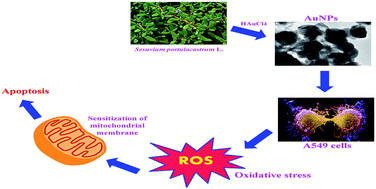
In the present study, biogenic AuNPs were designed and synthesized using leaf extracts of S. portulacastrum through an eco-friendly and cost effective method under optimized conditions. These biogenic AuNPs were found to be highly stable and biocompatible for anticancer activity against A549 cells lines and less toxic against HBL100 human normal cells. The results disclose anti-proliferative action and stimulation of apoptosis and necrosis by AuNPs in A549 cells after 24 h treatment. Furthermore, AuNPs significantly increase ROS generation through oxidative stress which leads to sensitization of the Δψm. Moreover, the AuNPs also induce cell cycle arrest at the G0/G2 phase and increase the number of cells accumulating in the S phase. Based on these findings, the AuNPs induce apoptosis in A549 cells through ROS generation, sensitization of the mitochondrial membrane and cell cycle arrest (Fig. 11). The anticancer potential of these AuNPs may lead to the discovery of effective chemotherapeutic agents for A549 cells as well as many human diseases.
image file: c5ra26781a-f11.tif
Fig. 11 Schematic representation of AuNPs acting as potential anticancer drugs.

References

  1. M. Fakruddin, Z. Hossain and H. Afroz, J. Nanobiotechnol., 2010, 10, 31 CrossRef PubMed.
  2. G. Y. Tonga, K. Saha and V. M. Rotello, Adv. Mater., 2014, 26(3), 359–370 CrossRef CAS PubMed.
  3. R. A. Petros and J. M. DeSimone, Nat. Rev. Drug Discovery, 2010, 9, 615–627 CrossRef CAS PubMed.
  4. S. K. Nune, P. Gunda, P. K. Thallapally, Y. Y. Lin, M. L. Forrest and C. J. Berkland, Expert Opin. Drug Delivery, 2009, 6(11), 1175–1194 CrossRef CAS PubMed.
  5. E. C. Dreaden, A. M. Alkilany, X. Huang, C. J. Murphy and M. A. El-Sayed, Chem. Soc. Rev., 2012, 41, 2740–2779 RSC.
  6. I. H. El-Sayed, I. Huang and M. A. El-Sayed, Cancer Lett., 2006, 239, 129–135 CrossRef CAS PubMed.
  7. S. Jain, D. G. Hirst and J. M. Brit, J. Radiol., 2012, 85, 101–113 CrossRef CAS PubMed.
  8. T. S. Rezende, G. R. S. Andrade, L. S. Barreto, N. B. Costa, I. F. Gimenez and L. E. Almeida, Mater. Lett., 2010, 64, 882–884 CrossRef CAS.
  9. H. Namazia and A. M. P. Fard, Mater. Chem. Phys., 2011, 129, 189–194 CrossRef.
  10. J. W. Kim, J. H. Kim, S. J. Chunga and B. H. Chung, Analyst, 2009, 134, 1291–1293 RSC.
  11. I. Ojea-Jimenez, F. M. Romero, N. G. Bastu and V. Puntes, J. Phys. Chem. C, 2010, 114, 1800–1804 CAS.
  12. X. Qiao, X. Liu, X. Li and S. Xing, New J. Chem., 2015, 39(11), 8588–8593 RSC.
  13. L. Wang, Z. Tang, X. Liu, W. Niu, K. Zhou, H. Yang, W. Zhou, L. Li and S. Chen, RSC Adv., 2015, 5(125), 103421–103427 RSC.
  14. R. Xing, T. Jiao, L. Yan, G. Ma, L. Liu, L. Dai, J. Li, H. Mohwald and X. Yan, ACS Appl. Mater. Interfaces, 2015, 7(44), 24733–24740 CAS.
  15. Q. Guo, S. Zou, J. Li, D. Li, H. Jiao and J. Shi, J. Nanopart. Res., 2014, 16(11), 2702 CrossRef.
  16. P. Elia, R. Zach, S. Hazan, S. Kolusheva, Z. Porat and Y. Zeiri, Int. J. Nanomed., 2014, 9, 4007–4021 CAS.
  17. K. Tahir, S. Nazir, B. Li, A. F. Khan, Z. U. H. Khan, P. Y. Gong, S. U. Khan and A. Ahmad, Mater. Lett., 2015, 156, 198–201 CrossRef CAS.
  18. K. B. Ayaz Ahmed, S. Subramanian, A. Sivasubramanian, G. Veerappan and A. Veerappan, Spectrochim. Acta, Part A, 2014, 130, 54–58 CrossRef CAS PubMed.
  19. M. Rani, B. Aswathy and S. Sudha Rani, Particuology, 2016, 24, 78–86 CrossRef.
  20. B. Sadeghi, M. Mohammadzadeh and B. Babakhani, J. Photochem. Photobiol., B, 2015, 148, 101–106 CrossRef CAS PubMed.
  21. M. Guo, W. Li, F. Yang and H. Liu, Spectrochim. Acta, Part A, 2015, 142, 73–79 CrossRef CAS PubMed.
  22. K. Krishnaswamy and V. Orsat, Ind. Crops Prod., 2015, 66, 131–136 CrossRef CAS.
  23. N. Jayachandra Reddy, B. Ekta, S. Kitlangki and S. S. Rani, J. Mater. Sci. Technol., 2015, 31(10), 986–994 Search PubMed.
  24. J. Y. Song, H. K. Jang and B. S. Kim, Process Biochem., 2009, 44, 1133–1138 CrossRef CAS.
  25. A. Nabikhan, K. Kandasamy, A. Raj and N. M. Alikunhi, Colloids Surf., B, 2010, 79, 488–493 CrossRef CAS PubMed.
  26. R. Bhat, V. G. Sharanabasava, R. Deshpande, U. Shetti, G. Sanjeev and A. Venkataraman, J. Photochem. Photobiol., B, 2013, 125, 63–69 CrossRef CAS PubMed.
  27. S. Karthik, R. Sankar, K. Varunkumar and V. Ravikumar, Biomed. Pharmacother., 2014, 68(3), 327–334 CrossRef CAS PubMed.
  28. J. Xie, Y. Xu, X. Huang, Y. Chen, J. Fu, M. Xi and L. Wang, Tumor Biol., 2015, 36, 1279–1288 CrossRef CAS PubMed.
  29. S. Karthik, R. Sankar, K. Varunkumar, C. Anusha and V. Ravikumar, Biomed. Pharmacother., 2015, 69, 337–344 CrossRef CAS PubMed.
  30. E. Soderstjerna, F. Johansson, B. Klefbohm and U. E. Johansson, PLoS One, 2013, 8(3), e58211 Search PubMed.
  31. S. S. Shankar, A. Ahmad, R. Pasricha and M. Sastry, J. Mater. Chem., 2003, 13, 1822–1826 RSC.
  32. S. Mukherjee, M. Dasari, S. Priyamvada, R. Kotcherlakota, V. S. Bollu and C. R. Patra, J. Mater. Chem. B, 2015, 3, 3820–3830 RSC.
  33. Y. Q. Wang, W. S. Liang and C. Y. Geng, J. Nanopart. Res., 2010, 12(2), 655–661 CrossRef CAS.
  34. J. A. Champion, Y. K. Katare and S. Mitragotri, J. Controlled Release, 2007, 121, 3–9 CrossRef CAS PubMed.
  35. E. A. Simone, T. D. Dziubla and V. R. Muzykantov, Expert Opin. Drug Deliv., 2008, 5(12), 1283–1300 CrossRef CAS PubMed.
  36. S. Venkataraman, J. L. Hedrick, Z. Y. Ong, C. Yang, P. L. R. Ee, P. T. Hammond and Y. Y. Yang, Adv. Drug Delivery Rev., 2011, 63, 1228–1246 CrossRef CAS PubMed.
  37. B. D. Chithrani, A. A. Ghazani and W. C. W. Chan, Nano Lett., 2006, 6, 662–668 CrossRef CAS PubMed.
  38. E. A. Sykes, J. Chen, G. Zheng and W. C. W. Chan, ACS Nano, 2014, 8(6), 5696–5706 CrossRef CAS PubMed.
  39. R. K. Das, B. B. Borthakur and U. Bora, Mater. Lett., 2010, 64(13), 1445–1447 CrossRef CAS.
  40. P. Wang, S. M. Henning and D. Heber, PLoS One, 2010, 5, e10202 Search PubMed.
  41. P. Joshi, S. Chakraborti, J. E. Ramirez-Vick, Z. A. Ansari, V. Shanker, P. Chakrabarti and S. P. Singh, Colloids Surf., B, 2012, 95, 195–200 CrossRef CAS PubMed.
  42. K. Liu, P. C. Liu, R. Liu and X. Wu, Medical Science Monitor Basic Research, 2015, 21, 15–20 CrossRef PubMed.
  43. M. C. Liu, S. J. Yang, L. H. Jin, D. Y. Hu, W. Xue, B. A. Song and S. Yang, Eur. J. Med. Chem., 2012, 58, 128–135 CrossRef CAS PubMed.
  44. S. Yang, Q. Zhao, H. Xiang, M. Liu, Q. Zhang, W. Xue, B. Song and S. Yang, Cancer Cell Int., 2013, 13, 12 CrossRef CAS PubMed.
  45. M. Scampicchio, J. Wang, A. J. Blasco, A. S. Arribas, S. Mannino and A. Escarpa, Anal. Chem., 2006, 78, 2060–2063 CrossRef CAS PubMed.
  46. Z. Nie, K. J. Liu, C. J. Zhong, L. F. Wang, Y. Yang, Q. Tian and Y. Liu, Free Radicals Biol. Med., 2007, 43(9), 1243–1254 CrossRef CAS PubMed.
  47. S. Medhe, P. Bansal and M. M. Srivastava, Appl. Nanosci., 2014, 4, 153–161 CrossRef CAS.
  48. M. M. R. Mollick, B. Bhowmick, D. Mondal, D. Maity, D. Rana, S. K. Dash, S. Chattopadhyay, S. Roy, J. Sarkar, K. Acharya, M. Chakraborty and D. Chattopadhyay, RSC Adv., 2014, 4, 37838 RSC.
  49. E. Gottlieb, S. M. Armour, M. H. Harris and C. B. Thompson, Cell Death Differ., 2003, 10, 709–717 CrossRef CAS PubMed.
  50. R. J. Bold, P. M. Termuhlen and D. J. McConkey, Surg. Oncol., 1997, 6, 133–142 CrossRef CAS PubMed.
  51. X. Q. Xu, X. H. Gao, L. H. Jin, P. S. Bhadury, K. Yuan, D. Y. Hu, B. A. Song and S. Yang, Cell Div., 2011, 6(1), 14–26 CrossRef CAS PubMed.
  52. C. Gerard and A. Goldbeter, Interface Focus, 2014, 4, 20130075 CrossRef PubMed.
  53. T. Ashokkumar, D. Prabhu, R. Geetha, K. Govindaraju, R. Manikandan, C. Arulvasu and G. Singaravelu, Colloids Surf., B, 2014, 123, 549–556 CrossRef CAS PubMed.
  54. Z. Zhang, L. Miao, C. Lv, H. Sun, S. Wei, B. Wang, C. Huang and B. Jiao, Cell Death Dis., 2013, 4, e657 CrossRef CAS PubMed.

This journal is © The Royal Society of Chemistry 2016
Click here to see how this site uses Cookies. View our privacy policy here.