DOI:
10.1039/C5RA21067D
(Paper)
RSC Adv., 2015,
5, 101494-101506
In situ gel-forming dual drug delivery system for synergistic combination therapy of colorectal peritoneal carcinomatosis
Received
11th October 2015
, Accepted 13th November 2015
First published on 17th November 2015
Abstract
Colorectal peritoneal carcinomatosis (CRPC) is a common form of systemic metastasis of intra-abdominal cancers, occurring in as many as 50% of colon cancer patients, and is associated with a poor prognosis. For the treatment of CRPC, cytoreductive surgery alone is inadequate at the microscopic level, and systemic chemotherapy has a limited effect due to the peritoneal-plasma barrier. Intraperitoneal chemotherapy is logically proposed early after surgery to treat the residual small and microscopic tumors. Traditional chemotherapy is typically infused intravenously. However, intraperitoneal chemotherapy allows direct contact of anti-cancer agents with tumor cells, which could improve tumor regression efficacy and minimize systemic toxicity. Furthermore, injectable and thermosensitive polymer hydrogels have shown promising applications as controlled drug delivery systems for in situ chemotherapy. In this study, a biodegradable thermogelling block copolymer poly(L-lactide acid)–Pluronic L35–poly(L-lactide acid) (PLLA–L35–PLLA) was synthesized to fabricate a novel local drug delivery system (DOC-M/OXA-H) composed of docetaxel loaded micelles (DOC-M) and an oxaliplatin loaded hydrogel (OXA-H). DOC, a widely used anticancer drug with extremely high hydrophobicity, was loaded into the biodegradable copolymer micelles by the membrane dialysis method without using any surfactants or excipients. And DOC-M was encapsulated in OXA-H to achieve the aim of synergistic combination therapy with significantly high efficacy and good patient compliance. As a result, DOC-M/OXA-H was an injectable flowing sol at ambient temperature and became a solid-like gel at physiological temperature without any crosslinking agent. Meanwhile, DOC-M/OXA-H demonstrated a slow and sustained drug release profile and the combination therapy of DOC and OXA exhibited quite potent cytotoxicity in vitro. Furthermore, an in vivo antitumor test with CRPC-bearing mice suggested that DOC-M/OXA-H was more competent for suppressing tumor growth and prolonging survival time by inhibiting tumor cell proliferation and angiogenesis and increasing apoptosis of tumor cells. Overall, our data suggested that DOC-M/OXA-H may be potentially useful in the treatment of CRPC.
1. Introduction
Colorectal cancer is the third leading cause of tumor-related death among men and women in the United States.1 Peritoneum is the second most common site for recurrence after colorectal cancer resections, occurring in as many as 50% of patients.2 Because it is difficult to detect colorectal peritoneal carcinomatosis (CRPC) by imaging at an early stage and to treat at a clinically overt stage, CRPC has been historically associated with a very poor prognosis.3 For conventional systemic chemotherapy, effective CRPC treatment demands an increased dose due to the peritoneal-plasma barrier, however, this would consequently lead to more severe side effects.4 Therefore, it is necessary to prevent the development of CRPC through an effective adjuvant treatment.
In addition to cytoreductive surgery, intraperitoneal chemotherapy is logically proposed early after surgery to treat the residual small and microscopic tumors.5,6 Compared with systemic chemotherapy, peritoneal administration could improve the concentration of chemotherapeutic agents in direct contact with the tumor cells and minimize systemic toxicity. However, the efficiency of intraperitoneal chemotherapy is impeded by the low bioavailability of small molecular drugs in the abdominal cavity.7,8 Thus, the essential challenge of intraperitoneal chemotherapy is to develop suitable drug-delivery systems to extend residence time and improve concentration of drugs.
In solid tumors, chemotherapy using certain cytotoxic drugs can lead to dramatic but shot-lived clinical responses because resistant cancer cells arise rapidly. Combination therapy with multiple chemotherapeutics is a major strategy proposed for overcoming resistance.9–11 Moreover, anticancer drug combinations with different mechanisms can act synergistically and increase therapeutic effects.12,13 Although combination therapy has improved survival, it invariably comes with substantial toxicity.14,15 Therefore, novel combination drug-delivery systems with superior tumor regression while minimizing toxicities are needed.16,17
In recent years, novel drug-delivery systems, such as liposomes, microspheres, micelles, hydrogels, or nanofibers, have been developed to overcome the drawbacks of conventional drug formulations by improving drug efficiency and reducing systemic toxicity.13,18–20 Among them, biodegradable hydrogels, particularly thermosensitive physical hydrogels with in situ gel-forming characteristics, have considerable potential in biomedical applications.21–23 These hydrogels can easily be mixed with pharmaceutical agents such as hydrophilic drugs, micelles, microspheres or nanoparticles at room temperature to form an injectable formula that would serve as a sustained drug-release depot upon injection in vivo.24,25 Furthermore, biodegradable polymeric micelles have attracted substantial interest due to their excellent biocompatibility, prolonged circulation time, and enhanced tumor accumulation.26,27 The nanoscale aggregates provide a promising platform that can be carefully tuned for targeted and controlled anticancer drug delivery.19,28
Docetaxel (DOC) and oxaliplatin (OXA) are cytotoxic drugs with a broad spectrum of antitumor activity in preclinical testing, and OXA has been approved in the United States for the treatment of metastatic colorectal cancer.29–31 It has been shown that the combination of OXA and taxanes may have additive and/or synergistic anticancer effects on various in vitro and in vivo tumor models.32 In clinical practice, the combination has produced high response rates and long progression-free survival in patients with advanced gastric cancer and advanced non-small cell lung cancer.33,34 However, in these studies, DOC and OXA were intravenously administered one after the other, which is not convenient and increases the chances of adverse side effects. Furthermore, cytotoxic drugs with non-selectivity nature between normal tissue and the pathological site exhibit obvious systemic toxicity and pose a challenge for the treatment of tumors.35 Consequently, there is a great need to develop novel multi-drug carriers with controlled release characteristics and improved patient compliance.
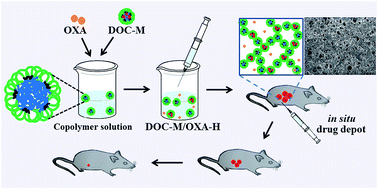
To improve the intraperitoneal chemotherapeutic effects on CRPC, we used the biocompatible block copolymer PLLA–L35–PLLA (Mn = 4.12 × 10³) to formulate a new injectable in situ gel-forming drug-delivery system (DOC-M/OXA-H). In the dual-drug carrier, DOC was formulated into biodegradable micelles using the membrane dialysis method without the use of any surfactants or excipients. The currently marketed form of DOC (Taxotere®) containing a high concentration of Tween 80® could easily cause hypersensitivity.29 Thus, the DOC-M may be an alternative, less toxic and more efficacious delivery system to overcoming the solubility, stability and toxicity problems of DOC. The DOC-M/OXA-H composite was an injectable flowing sol at room temperature, and upon injected in vivo, it became a solid-like gel and served as drug depot. Moreover, an in vivo antitumor test showed that DOC-M/OXA-H had superior effects on suppressing tumor growth and prolonging survival time. Our results suggested that DOC-M/OXA-H may be an efficient and promising protocol for the treatment of CRPC.
2. Materials and methods
2.1. Materials, cell lines and animals
Oxaliplatin, stannous octoate [Sn(Oct)2], Pluronic® L35 (PEG–PPG–PEG, Mn = 1900), and 3-(4,5-dimethylthiazol-2-yl)-2,5-diphenyl-tetrazolium bromide (MTT) were purchased from Sigma-Aldrich (USA). L-Lactic acid (L-LA) was provided by the Guangshui National Chemical Co. (China). Docetaxel was provided by the Sichuan Xieli Pharmaceutical Co., Ltd. (China). All other chemicals used in this paper were of analytical grade.
Colon cancer cell line CT26, human embryonic kidney cell line HEK293 and 3T3 cells were provided by the American Type Culture Collection (ATCC, USA). CT26 was cultured in RPMI-1640, HEK 293 and 3T3 were cultured in DMEM with 10% fetal bovine serum (FBS, Gibco, USA) at 37 °C with a humidified 5% CO2 atmosphere.
BALB/c mice (6–8 weeks old) were purchased from the Laboratory Animal Center of Sichuan University. The mice were acclimatized at controlled temperature of 25 ± 2 °C and relative humidity of 70 ± 5% under natural light/dark conditions for 1 week prior to dosing. All animal procedures were performed following the Guide for the Care and Use of Laboratory Animals, Institute of Laboratory Animal Resources.
2.2. Synthesis and characterization of PLLA–L35–PLLA copolymer
The PLLA–L35–PLLA block copolymers were synthesized and purified following a previously described method.18 In brief, the ring-opening copolymerization of the monomer L-LA was initiated by Pluronic® L35 and catalysed by Sn(Oct)2. The obtained copolymers were characterized using 1H nuclear magnetic resonance spectroscopy (1H NMR, Bruker Avance 400, Bruker, Germany) and gel permeation chromatography (HLC-8320GPC EcoSEC, Tosoh Corp., Tokyo, Japan).
2.3. Preparation and characterization of DOC-M
The DOC-loaded PLLA–L35–PLLA micelles (DOC-M) were prepared using membrane dialysis method. Briefly, 94 mg of PLLA–L35–PLLA (Mn = 4.12 × 10³) copolymer and 6 mg of DOC were dissolved in 10 mL of N,N-dimethylformamide (DMF), and then 20 mL of deionized water was added drop-wise under stirring. The mixture was transferred to a dialysis bag (molecular weight cutoff = 2 kDa) and dialyzed against deionized water with magnetic stirring for 24 h. Finally, the micelles were freeze-dried for 48 h.
The drug loading (DL) and encapsulation efficiency (EE) of DOC-M were determined by high-performance liquid chromatography (HPLC, Waters Alliance 2695, Waters, Milford, USA) with a reversed phase C18 column (4.6 × 250 mm to 5 μm, Inertsil/WondaSil, Japan). Ten milligrams of lyophilized DOC-M were dissolved in 0.1 mL of acetonitrile, and sample solution was measured at 230 nm. The mixture of acetonitrile and ultrapure water (65
:
35, v/v) were used as the mobile phase. The DL and EE of the DOC-M were calculated according to eqn (1) and (2):
| |
 | (1) |
| |
 | (2) |
The particle size distribution and polydisperse index (PDI) of the micelles were measured by dynamic light scattering (DLS) using a Malvern Nano-ZS 90 laser particle size analyzer at 25 °C. The morphology of the micelles was observed using a transmission electron microscope (TEM, H-6009IV, Japan). Crystallographic analyses of DOC, PLLA–L35–PLLA copolymer, physical mixture of DOC and PLLA–L35–PLLA, and DOC-M were performed on an X'Pert Pro MPD DY1291 (PHILIPS, Netherlands) diffractometer. The samples were also characterized by Fourier transform infrared spectroscopy (FTIR, Nicolet 200 SXV, Thermo Fisher Scientific, USA). The thermogravimetric analyses (TGA) of the samples were performed on a TGA Q 500 series thermogravimetric analyzer (TA Instrument, USA) at a heating rate of 10 °C min−1 from room temperature to 600 °C.
2.4. Preparation and characterization of DOC-M/OXA-H
The purified copolymer (PLLA–L35–PLLA, Mn = 4.12 × 10³) was dissolved in normal saline at 25 °C to form a black hydrogel, and then a predetermined amount of OXA was added into the blank hydrogel in the sol state to form OXA-H. To prepare injectable DOC-M/OXA-H, a predetermined amount of DOC-M was dispersed in OXA-H at 25 °C. The hydrogel concentration was adjusted to 35 wt%, and it was stored at 4 °C until use. The surface morphology of the hydrogel was investigated using a scanning electron microscope (SEM, JSM-7500F, JEOL, Japan). The samples were coated with gold prior to the SEM observation. Rheological measurements were conducted by rheometry (AR Rheometer 2000ex rheometer, TA Instruments, USA) using parallel plates with a 40 mm diameter and 31 μm gap.
2.5. In vitro drug release behavior
In vitro drug release profiles of DOC-M/OXA-H, DOC-M, OXA-H, free DOC and free OXA were evaluated using a dialysis method with some modifications. Briefly, 500 μL aliquots of the sample solutions were placed in dialysis bags (molecular weight cutoff = 1 kDa). Then, the dialysis bags were immersed in 10 mL of PBS (pH 7.4, containing 5% v/v Twain 80®) and were shaken at 100 rpm at 37 °C. At fixed time intervals, all the release media were removed and replaced by pre-warmed fresh release media. After centrifugation at 13
000 rpm for 10 min, the supernatant of the removed release media was collected and stored at −20 °C until analysis. The concentrations of released DOC were determined by RP-HPLC as the method described above. And OXA was measured at 250 nm, and the mixture of methanol and ultrapure water (10
:
90, v/v) were used as the mobile phase. All results were the mean of three samples.
2.6. In vitro cytotoxicity assay
The in vitro cytotoxicity of the PLLA–L35–PLLA block copolymers were determined through standard MTT assays using HEK293, 3T3 and CT26 cells. Briefly, the cells were seeded in a 96-well plate at a density of 5 × 10³ per well and incubated overnight. The cells were exposed to different concentrations of the copolymer solution for 24 h. Then, 20 μL of MTT was added to each well. After 4 h, the precipitated formazan was dissolved in 150 μL of dimethyl sulfoxide (DMSO), and the absorbance at 570 nm was measured. All results were the mean of six test runs, and all data were expressed as the mean ± SD.
The in vitro cytotoxicity studies were performed using the MTT method as described above. CT26 cells were seeded at a density of 5 × 10³ cells in 96-well plate. After 24 h, a series of DOC-M, free DOC, free OXA, free DOC and OXA combination (DOC/OXA) at different ratio were added into the cultured cells. Furthermore, black M/H, OXA-H and DOC-M/OXA-H were extracted with the culture medium for 48 h at 37 °C, then the stock solutions were sequentially diluted to obtain the leachates of different concentrations. Cytotoxicity of the leachates was also determined by MTT assay. These assays were repeated for six times, and the results were expressed as mean ± SD.
2.7. In vitro antitumor activity
Fluorescence microscopy was used to measure the induction apoptosis effects. CT26 cells were cultured in 6-well plates with acid-etched glass coverslips at a density of 3 × 10⁵ cells and cultured in 2 mL of medium overnight. The cells were treated with free DOC (2 μg mL−1), free OXA (2 μg mL−1) and free DOC/OXA (1
:
1, 2 μg mL−1). Cells treated with only medium were used as a control. After 24 h, the medium was removed and the cells were subsequently washed twice with PBS, fixed with cold acetone, washed again with PBS, stained with DAPI, and examined using a fluorescence microscopy (DM2500, LEICA, Germany).
The in vitro antitumor activity was also investigated by flow cytometry (FCM) analysis. CT26 cells were seeded in 6-well plate overnight and exposed to free DOC (2 μg mL−1), free OXA (2 μg mL−1) and free DOC/OXA (1
:
1, 2 μg mL−1). After 24 h, the cells were harvested, washed twice with PBS, stained with FITC-conjugated Annexin V/propidium iodide (PI), and analyzed by a flow cytometer (Beckman Coulter, Miami, USA). Both early apoptotic (Annexin V-positive, PI-negative) and late apoptotic (Annexin V-positive and PI-positive) cells were measured.
2.8. In vivo antitumor activity
A total of 2 × 10⁵ CT26 cells were injected into the murine abdominal cavity. After 7 days, the mice were randomly divided into six groups (n = 18), which were treated with NS, black micelle/hydrogel (M/H), free DOC and OXA (1.5 mg kg−1 of DOC, 1.5 mg kg−1 of OXA), DOC-M (6 mg kg−1), OXA-H (6 mg kg−1) and DOC-M/OXA-H (3 mg kg−1 of DOC, 3 mg kg−1 of OXA), respectively. The free drug group was treated twice a week and the other groups were administered drugs once a week. On 21st day of treatment, 6 mice per group were sacrificed, the number of tumor nodes was measured and the tumor tissues were collected for further studies. Survival times of the mice in each group were observed (12 mice per group) in the following days.
Tumor tissues were fixed in 4% paraformaldehyde, embedded in paraffin, and sectioned. Ki-67 staining was conducted using the labeled streptavidin–biotin method. Apoptotic cells within the tumor tissues were detected using a commercially available terminal deoxynucleotidyl transferase-mediated dUTP nick-end labeling kit (TUNEL, Promega, USA) according to the manufacturer's instructions. Furthermore, the frozen sections were stained with rat anti-mouse CD31 (platelet endothelial cell adhesion molecule-1) polyclonal antibody (1
:
50; BD Pharmingen, USA). All the presented images presented were representatives of all replicates, and the quantities of Ki-67 labeling index, apoptotic index and microvessel density (MVD) were determined by two independent investigators in a blinded fashion.
2.9. Statistical analysis
Data were analyzed using the software program Origin Pro 7.5. Comparisons of experimental data in different groups were performed by one-way analysis of variance (ANOVA) using SPSS 15.0 software (Chicago, IL, USA). A p value < 0.05 on a 2-tailed test was considered statistically significant.
3. Results
3.1. Characterization of the PLLA–L35–PLLA copolymer
The biodegradable PLLA–L35–PLLA copolymer was prepared using the ring-opening polymerization method, as indicated by the synthetic route shown in Fig. 1A. A typical 1H NMR spectrum of the PLLA–L35–PLLA copolymer is presented in Fig. 1B. The molecular weight and distribution of PLLA–L35–PLLA copolymers were detected by GPC, and narrow and symmetrical single peaks were observed, as shown in Fig. 1C.
 |
| | Fig. 1 (A) Synthesis scheme of the PLLA–L35–PLLA block copolymer; (B) 1H NMR spectrum of the PLLA–L35–PLLA block copolymer in CDCl3; (C) GPC curve of the prepared PLLA–L35–PLLA block copolymer. | |
3.2. Characterization of DOC-M
In this study, DOC-M was prepared using the membrane dialysis method. The DOC-M had a particle size of 40.2 ± 1.4 nm and a PDI of 0.115 ± 0.034. The DL and EE of DOC-M were 4.42 ± 0.49 and 77.49 ± 2.57%, respectively. The appearance of the prepared DOC-M is shown in Fig. 2C. A clear and transparent solution of DOC-M could be observed (Fig. 2C-d), implying its good solubility in water. In contrast, DOC formed a turbid suspension in water, indicating that DOC cannot dissolve in aqueous solution (Fig. 2C-b). The TEM image (Fig. 2D) revealed that DOC-M were spherical, monodispersed, and well-distributed.
 |
| | Fig. 2 (A) Preparation scheme of DOC-M; (B) particle size distribution of black micelles (a) and DOC-M (b); (C) morphology of normal saline (NS) (a), DOC in NS (b), black PLLA–L35–PLLA copolymer micelles (c) and DOC-M (d); (D) TEM images of DOC-M. | |
During the crystallographic analysis, the characteristic peaks of DOC originating from its crystalline structure were not recorded in the diffraction pattern of DOC-M, which suggested that intermolecular interactions occurred between DOC and PLLA–L35–PLLA (Fig. 3A). The FTIR spectrum of the black micelles showed an ester band at 1730 cm−1 which was also observed in the spectrum of DOC-M (Fig. 3B). As shown in Fig. 3C, the tendency of the thermal degradation curves of DOC-M did not show clear difference compared with those of the blank micelles. This result may suggest that DOC was successfully loaded in the micelles.
 |
| | Fig. 3 (A) XRD spectra and (B) FTIR spectra (KBr) of the physical mixture of DOC and PLLA–L35–PLLA copolymer (a), DOC-M (b), PLLA–L35–PLLA copolymer (c), and DOC (d); (C) TG spectra of DOC, DOC-M, and the black micelles. | |
3.3. Characterization of DOC-M/OXA-H
DOC-M/OXA-H exhibited a temperature-dependent sol–gel phase transition. As shown in Fig. 4A, the composite was a free-flowing sol at room temperature, but it formed a solid-like gel at a physiological temperature of approximately 37 °C. The morphology analysis result shown in Fig. 4B revealed that the DOC-M/OXA-H possesses a porous 3D structure and that the irregular pores are interconnected. Fig. 4C and D show the change in the storage modulus (G′) and loss modulus (G′′) of DOC-M/OXA-H and the PLLA–L35–PLLA copolymer hydrogel as a function of temperature. Compared with the PLLA–L35–PLLA copolymer hydrogel, the sol–gel transition temperature of DOC-M/OXA-H decreased slightly, and the width of the gel window broadened.
 |
| | Fig. 4 (A) Photographs of DOC-M/OXA-H exhibiting a free-flowing sol at 25 °C (left) and a solid-like gel after heated to 37 °C (right); (B) SEM image of DOC-M/OXA-H; rheology analysis of DOC-M/OXA-H (C) and PLLA–L35–PLLA copolymer hydrogel (D) as a function of temperature. | |
3.4. In vitro drug release profile
The cumulative release of DOC from DOC-M and DOC-M/OXA-H at 37 °C is shown in Fig. 5A. This figure shows that only 16.59 ± 3.43% of DOC released from DOC-M/OXA-H within 24 h, whereas DOC-M and free DOC released approximately 26.59 ± 1.43% and 58.31 ± 2.32% into the surrounding media. Fig. 5B shows that the cumulative release rate of OXA from DOC-M/OXA-H was considerably slower compared with the release rate of free OXA, which can be attributed to the internal structural characteristics of polymeric hydrogel.
 |
| | Fig. 5 In vitro drug release profile of DOC from free DOC, DOC-M, and DOC-M/OXA-H (A) and OXA from free OXA, OXA-H, and DOC-M/OXA-H (B) in PBS solution at pH 7.4. Data were presented as mean ± SD, n = 3. | |
3.5. Cytotoxicity assay
As indicted by the results of the MTT assay depicted in Fig. 6A, the percentage viability of the HEK 293, 3T3 and CT26 cells slightly decreased as the copolymer concentration increased. Consequently, the cytotoxicity of the PLLA–L35–PLLA copolymer was sufficiently low on HEK 293, 3T3 and CT26 cells according to the good cell viability.
 |
| | Fig. 6 (A) Cytotoxicity studies of PLLA–L35–PLLA copolymer on CT26, HEK293 and 3T3 cells; cytotoxicity evaluation of free DOC, free OXA, DOC-M (B) and free DOC/OXA combination at different ratio (C) on CT26 cells; (D) cell viability test of CT26 cells after incubation with M/H, OXA-H, and DOC-M/OXA-H extracts of different concentrations (100%, 50%, 25%, 12.5%, 0%). Data were presented as mean ± SD, n = 6. | |
MTT assays were also used to determine the effects of the drugs on CT26 cell viability. As shown in Fig. 6B, free OXA, free DOC and DOC-M had very high cytotoxic effects on CT26 cells in a concentration-dependent manner, and the combination of DOC and OXA (1
:
1) could significantly reduce the cell viability (Fig. 6C). Cells cultured in extracts from DOC-M/OXA-H showed lower viability compared with these cultured in extracts from OXA-H (Fig. 6D).
3.6. In vitro antitumor activity
The nuclear DAPI staining is a morphological method of detecting apoptosis. The normal nuclei are smooth under the fluorescence microscopy, while the apoptotic nuclei are characterized by condensed or fragmented chromatin. In Fig. 7A, cells treated with DOC/OXA combination presented more obvious characteristic apoptotic morphology changes compared with the other groups. The enhanced apoptosis effect of DOC/OXA combination (1
:
1) was also confirmed by FCM analysis. Fig. 7B showed that the level of apoptosis was much higher for DOC and OXA combination as compared to the free DOC and free OXA group at the same drug concentration.
 |
| | Fig. 7 (A) Fluorescent microscopy of apoptotic cells induced by free DOC, free OXA and free DOC/OXA combination (1 : 1). Nuclei were stained blue with DAPI, and arrows point to the apoptotic body. (B) Induction of apoptosis by free DOC, free OXA and free DOC/OXA combination (1 : 1) on CT26 cells. | |
3.7. In vivo antitumor activity
A CRPC mice model was established and used to evaluate the therapeutic effects. The images of the abdominal cavity showed that the number of tumor nodes in the DOC-M/OXA-H-treated group was significantly less than in the other groups (Fig. 8A). Furthermore, the weight of the tumor nodes was much smaller in comparison with that in the other groups (Fig. 8B). The body weight of mice in each group is shown in Fig. 8C. The beneficial effects of DOC-M/OXA-H on CRPC-bearing mice were also reflected in the survival time. As shown in Fig. 8D, there was a substantial increase in the life span of the DOC-M/OXA-H-treated group. For the other five groups, all mice died within 41 days. In contrast, 10% of the mice treated with DOC-M/OXA-H were still alive at day 45.
 |
| | Fig. 8 (A) Representative photographs of abdominal tumors in each group. NS (a), M/H (b), DOC-M (c), OXA-H (d), free DOC/OXA combination (e), and DOC-M/OXA-H (f); (B) number and weight of tumor nodules in each group; (C) body weight of mice in each group; (D) survival curve of mice in each group. | |
3.8. Immunohistochemical and immunofluorescent studies
Immunohistochemical staining of Ki-67 was performed to evaluate the proliferation activity of DOC-M/OXA-H. As shown in Fig. 9, markedly weak Ki-67 immunoreactivity was observed in the DOC-M/OXA-H-treated mice compared with the other groups. The Ki-67 LI of the DOC-M/OXA-H group (22.01 ± 4.97%) was significantly lower than that of the groups treated with free DOC/OXA (32.62 ± 3.39%, p < 0.05), OXA-H (50.43 ± 4.13%, p < 0.05), DOC-M (47.44 ± 1.23%, p < 0.05), M/H (67.26 ± 2.86%, p < 0.05) or NS (68.61 ± 4.13%, p < 0.05) (Fig. 10B).
 |
| | Fig. 9 Representative images of Ki-67 immunohistochemical staining of tumors treated with NS (A), M/H (B), DOC-M (C), OXA-H (D), free DOC/OXA (E) and DOC-M/OXA-H (F). (G) Mean Ki-67 LI in each group. Data were presented as mean ± SD, n = 6, p < 0.05 was considered significant. | |
 |
| | Fig. 10 Representative images of TUNEL immunofluorescent staining of tumors treated with NS (A), M/H (B), DOC-M (C), OXA-H (D), free DOC/OXA (E) and DOC-M/OXA-H (F). (G) Mean apoptotic index in each group. Data were presented as mean ± SD, n = 6, p < 0.05 was considered significant. | |
We analyzed the effect of DOC-M/OXA-H on apoptosis in CRPC bearing mice using immunofluorescent TUNEL staining assays. As shown in Fig. 10, considerably more apoptotic tumor cells could be observed in the DOC-M/OXA-H group. The apoptosis index in the DOC-M/OXA-H group (18.98 ± 1.88%, p < 0.05) was markedly higher than in the free DOC/OXA (11.94 ± 0.91%, p < 0.05), DOC-M (7.44 ± 1.70%, p < 0.05), OXA-H (6.78 ± 1.42%, p < 0.05), M/H (2.34 ± 0.71%, p < 0.05) or NS groups (1.98 ± 0.68%, p < 0.05).
The MVD of tumors in each group was examined through immunofluorescent CD31 staining assay. As shown in Fig. 11, significantly fewer microvessels were found in tumor tissue of the DOC-M/OXA-H group. The MVD of tumor tissues from the DOC-M/OXA-H-treated group (14.76 ± 2.43) was significantly lower compared with the free DOC/OXA (26.62 ± 2.45, p < 0.05), DOC-M (40.78 ± 4.01, p < 0.05), OXA-H (36.58 ± 2.15, p < 0.05), M/H (59.42 ± 1.57%, p < 0.05) or NS groups (59.79 ± 3.71, p < 0.05).
 |
| | Fig. 11 Representative images of CD31 immunofluorescent staining of tumors treated with NS (A), M/H (B), DOC-M (C), OXA-H (D), free DOC/OXA (E) and DOC-M/OXA-H (F). (G) MVD in each group. Data were presented as mean ± SD, n = 6, p < 0.05 was considered significant. | |
4. Discussion
In the clinical treatment of CRPC, complete cytoreductive surgery combined with intraperitoneal chemotherapy was developed to obtain locoregional disease control and long-term survival.2,6 Moreover, the emergence of novel drug-delivery systems has provided preferable options for local chemotherapy, which demonstrate various advantages, such as prolonged and controlled drug release profiles, maximum efficacy and minimum side effects.8,18 In particular, the injectable and thermosensitive polymer hydrogels have shown promising applications as controlled drug-delivery systems for in situ chemotherapy.23,36 Theoretically, various anticancer drugs or drug carriers can easily be entrapped in the polymeric sol at ambient temperature, and the mixture forms a gel depot after syringe injection. The thermogelling system shows improved patient compliance since it works as a sustained local drug release depot in vivo with minimal invasiveness.37–40
The commercial Pluronic® block copolymers and their derivatives are typical thermogelling polymers. In this study, the biodegradable block copolymers PLLA–L35–PLLA consisting of Pluronic® L35 and poly(L-lactic acid) (PLLA) were synthesized to develop an injectable composite local drug-delivery system. The Pluronic® copolymers have been widely investigated for controlled drug delivery due to their excellent biocompatibility and strong affinity toward small intestines.41 However, recent studies showed that the in vitro toxicity of the lyotropic liquid crystalline nanoparticles stabilized by Pluronic F127 was relatively high.42 Furthermore, the application of Pluronic® block copolymers in some biomedical fields has been greatly limited by their poor biodegradability and typically high critical micelle concentration. To overcome these drawbacks, Pluronic® block copolymers have been modified with a variety of biodegradable and hydrophobic polyester blocks such as poly(acrylic acid) (PAA), poly(vinyl pyrolidone) (PVP), poly(lactic acid) (PLA) and poly(ε-caprolactone) (PCL).43
Hence, we grafted PLLA chains onto both ends of Pluronic® L35 to modify its physical and biological properties. The block copolymer PLLA–L35–PLLA was successfully synthesized using the ring-opening polymerization method. The 1H NMR and GPC results revealed that the copolymer was successfully synthesized with a controlled macromolecular weight (Fig. 1B and C). Fig. 4D shows that the copolymer aqueous solution exhibited a sol–gel transition as a function of temperature. The cytotoxicity of the copolymer was examined using a MTT assay, and the results in Fig. 6A clearly suggest that copolymer solutions of different concentrations showed no statistically significant cytotoxic effect on HEK 293, 3T3 or CT26 cells. The thermosensitivity and biocompatibility of the PLLA–L35–PLLA copolymer indicates that it has potential application for the local delivery of anticancer drugs.
Notably, PLLA–L35–PLLA can be administered to fabricate drug-encapsulated micelles or thermosensitive hydrogels by simply modifying the concentration of the copolymer. Micelles prepared using amphiphilic block copolymers could overcome drug insolubility and increase drug bioavailability. DOC, a member of the second generation of the taxane family, is an effective and widely used anticancer drug in oncologic chemotherapy.7,27,38 DOC exerts its cytotoxic properties by disrupting the function of microtubules to interrupt tumor cell division.44 However, DOC has limitations for clinical use because of its poor water solubility, short half-life and nonspecific distribution in vivo.18,29 Recently, research on DOC delivery through novel drug-delivery systems such as polymeric micelles and nanoparticles has greatly grown.19,45 Hence, we loaded DOC into PLLA–L35–PLLA copolymer micelles using the membrane dialysis method to enhance its water solubility and stability.
In addition to the lack of any surfactants or excipients in the drug carrier, DOC-M was less toxic. The DLS and TEM results suggested that the DOC-M was mono-dispersed with particle size of 40.2 ± 1.4 nm and had a near-spherical shape (Fig. 2B and D). In the X-ray diffraction analysis, the characteristic peaks of DOC originating from its crystalline structure were not recorded in the diffraction pattern of DOC-M. The observed phenomenon indicated possible intermolecular interactions between the encapsulated DOC and PLLA–L35–PLLA polymer matrix, which is in agreement with the FTIR and GPC results (Fig. 3A–C).
OXA, one of the more potent agents used in the treatment of colorectal cancer, has been approved for this use.31 OXA is a third-generation platinum-based antineoplastic agent, and it functions by forming both intra- and inter-strand crosslinks in DNA, hence disrupting DNA replication and transcription, thereby resulting in cell death.46 Accumulating evidence indicates that the combination of DOC and OXA has significantly enhanced response rates and tumor growth inhibition than their monotherapy counterparts in the treatment of several types of cancer.33,34 Based on the encouraging efficacy of the DOC and OXA combination, we investigated the feasibility of combining the agents in the treatment of CRPC bearing mice.
In this study, we entrapped OXA into a thermogelling aqueous solution of PLLA–L35–PLLA to form an injectable biodegradable hydrogel (OXA-H). Moreover, the DOC-M/OXA-H composite was formulated by directly dispersing a predetermined amount of DOC-M into the OXA-H in the sol state. The rheological results indicate that the prepared hydrogel composite has excellent thermosensitivity, and it is a free-flowing sol at room temperature and becomes a solid-like gel upon injection in vivo. In addition, in vitro drug release studies were performed as it is crucial for an efficient drug-delivery system. DOC-M/OXA-H displayed slower and more sustained release profile of DOC and OXA in comparison with DOC-M and OXA-H (Fig. 5A and B). This delay of drug release indicates the potential applicability of a drug carrier to minimize the exposure of healthy tissues while increasing the accumulation of the therapeutic drug in the tumor site.
The in vivo anti-cancer effect evaluated in the CRPC-bearing mice model confirmed that DOC-M/OXA-H induced a stronger anti-tumor effect than free DOC and OXA combination, DOC-M, or OXA-H. The tumor nodes were much less, and the median survival time was significantly longer in the DOC-M/OXA-H group. Further, immunohistochemical and immunofluorescent analysis indicated that DOC-M/OXA-H inhibited the growth and metastasis of colon cancer by enhancing tumor cell apoptosis, suppressing tumor cell proliferation and inhibiting tumor angiogenesis. In summary, the in situ gel-forming controlled drug-delivery system (DOC-M/OXA-H) has promising applications in intraperitoneal chemotherapy of colorectal peritoneal carcinomatosis.
5. Conclusions
In this study, we reported the development of a novel in situ gel-forming controlled dual-drug-delivery system (DOC-M/OXA-H) and its anti-tumor effects against CT26 colon carcinoma in vitro and in vivo. The prepared injectable hydrogel composite could form a non-flowing gel upon in vivo injection, serving as a drug depot with a controlled drug release profile. Moreover, DOC-M/OXA-H significantly improved the anti-cancer activity and prolonged the survival time of tumor-bearing mice compared to the free DOC and OXA combination, DOC-M, or OXA-H. Due to its effectiveness and safety, the biodegradable and injectable DOC-M/OXA-H may have potential applications in the in situ treatment of colorectal peritoneal carcinomatosis.
Acknowledgements
This work was financially supported by National Natural Sciences Foundation of China (31471286), National S&T Major Project (2015ZX09102010), and Sichuan Provincial Science and Technology Department Support Project (2011SZ0222). The authors deeply appreciate Wang Hui, Wen Jiqiu and Zhu Xiaohong (Analytical & Testing Center, Sichuan University) for their great help on SEM observation, XRD and FTIR measurement, respectively.
References
- R. Siegel, C. Desantis and A. Jemal, Colorectal Cancer statistics, Ca-Cancer J. Clin., 2014, 64, 104–117 CrossRef PubMed.
- O. Glehen, F. Kwiatkowski, P. H. Sugarbaker, D. Elias, E. A. Levine, M. de Simone, R. Barone, Y. Yonemura, F. Cavaliere, F. Quenet, M. Gutman, A. A. Tentes, G. Lorimier, J. L. Bernard, J. M. Bereder, J. Porcheron, A. Gomez-Portilla, P. Shen, M. Deraco and P. Rat, Cytoreductive surgery combined with perioperative intraperitoneal chemotherapy for the management of peritoneal carcinomatosis from colorectal cancer: a multi-institutional study, J. Clin. Oncol., 2004, 22, 3284–3292 CrossRef CAS PubMed.
- J. Franko, Q. Shi, C. D. Goldman, B. A. Pockaj, G. D. Nelson, R. M. Goldberg, H. C. Pitot, A. Grothey, S. R. Alberts and D. J. Sargent, Treatment of colorectal peritoneal carcinomatosis with systemic chemotherapy: a pooled analysis of north central cancer treatment group phase III trials N9741 and N9841, J. Clin. Oncol., 2012, 30, 263–267 CrossRef PubMed.
- A. L. Bloemendaal, V. J. Verwaal, S. van Ruth, H. Boot and F. A. Zoetmulder, Conventional surgery and systemic chemotherapy for peritoneal carcinomatosis of colorectal origin: a prospective study, Eur. J. Surg. Oncol., 2005, 31, 1145–1151 CrossRef CAS PubMed.
- R. F. Ozols, M. A. Bookman and R. C. Young, Intraperitoneal chemotherapy for ovarian cancer, N. Engl. J. Med., 2006, 354, 1641–1643 CrossRef CAS PubMed.
- D. Elias, E. Benizri, D. Di Pietrantonio, P. Menegon, D. Malka and B. Raynard, Comparison of two kinds of intraperitoneal chemotherapy following complete cytoreductive surgery of colorectal peritoneal carcinomatosis, Ann. Surg. Oncol., 2007, 14, 509–514 CrossRef PubMed.
- R. de Souza, P. Zahedi, E. N. Moriyama, C. J. Allen, B. C. Wilson and M. Piquette-Miller, Continuous docetaxel chemotherapy improves therapeutic efficacy in murine models of ovarian cancer, Mol. Cancer Ther., 2010, 9, 1820–1830 CrossRef CAS PubMed.
- P. Zahedi, R. de Souza, M. Piquette-Miller and C. J. Allen, Chitosan–phospholipid blend for sustained and localized delivery of docetaxel to the peritoneal cavity, Int. J. Pharm., 2009, 377, 76–84 CrossRef CAS PubMed.
- A. S. Crystal, A. T. Shaw, L. V. Sequist, L. Friboulet, M. J. Niederst, E. L. Lockerman, R. L. Frias, J. F. Gainor, A. Amzallag, P. Greninger, D. Lee, A. Kalsy, M. Gomez-Caraballo, L. Elamine, E. Howe, W. Hur, E. Lifshits, H. E. Robinson, R. Katayama, A. C. Faber, M. M. Awad, S. Ramaswamy, M. Mino-Kenudson, A. J. Iafrate, C. H. Benes and J. A. Engelman, Patient-derived models of acquired resistance can identify effective drug combinations for cancer, Science, 2014, 346, 1480–1486 CrossRef CAS PubMed.
- J. Lehar, A. S. Krueger, W. Avery, A. M. Heilbut, L. M. Johansen, E. R. Price, R. J. Rickles, G. F. Short III, J. E. Staunton, X. Jin, M. S. Lee, G. R. Zimmermann and A. A. Borisy, Synergistic drug combinations tend to improve therapeutically relevant selectivity, Nat. Biotechnol., 2009, 27, 659–666 CrossRef CAS PubMed.
- I. Bozic, J. G. Reiter, B. Allen, T. Antal, K. Chatterjee, P. Shah, Y. S. Moon, A. Yaqubie, N. Kelly, D. T. Le, E. J. Lipson, P. B. Chapman, L. A. Diaz, B. Vogelstein and M. A. Nowak, Evolutionary dynamics of cancer in response to targeted combination therapy, eLife, 2013, 2, e00747 Search PubMed.
- A. Anitha, M. Sreeranganathan, K. P. Chennazhi, V. K. Lakshmanan and R. Jayakumar, In vitro combinatorial anticancer effects of 5-fluorouracil and curcumin loaded N,O-carboxymethyl chitosan nanoparticles toward colon cancer and in vivo pharmacokinetic studies, Eur. J. Pharm. Biopharm., 2014, 88, 238–251 CrossRef CAS PubMed.
- J. M. Munson, L. Fried, S. A. Rowson, M. Y. Bonner, L. Karumbaiah, B. Diaz, S. A. Courtneidge, U. G. Knaus, D. J. Brat, J. L. Arbiser and R. V. Bellamkonda, Anti-Invasive Adjuvant Therapy with Imipramine Blue Enhances Chemotherapeutic Efficacy Against Glioma, Sci. Transl. Med., 2012, 4, 127 Search PubMed.
- M. J. McConnell and P. M. Herst, Ascorbate combination therapy: New tool in the anticancer toolbox, Sci. Transl. Med., 2014, 6, 222 Search PubMed.
- L. D. Mayer, T. O. Harasym, P. G. Tardi, N. L. Harasym, C. R. Shew, S. A. Johnstone, E. C. Ramsay, M. B. Bally and A. S. Janoff, Ratiometric dosing of anticancer drug combinations: Controlling drug ratios after systemic administration regulates therapeutic activity in tumor-bearing mice, Mol. Cancer Ther., 2006, 5, 1854–1863 CrossRef CAS PubMed.
- C. Poon, C. He, D. Liu, K. Lu and W. Lin, Self-assembled nanoscale coordination polymers carrying oxaliplatin and gemcitabine for synergistic combination therapy of pancreatic cancer, J. Controlled Release, 2015, 201, 90–99 CrossRef CAS PubMed.
- H. Xiao, W. Li, R. Qi, L. Yan, R. Wang, S. Liu, Y. Zheng, Z. Xie, Y. Huang and X. Jing, Co-delivery of daunomycin and oxaliplatin by biodegradable polymers for safer and more efficacious combination therapy, J. Controlled Release, 2012, 163, 304–314 CrossRef CAS PubMed.
- R. R. Fan, Y. L. Wang, B. Han, Y. B. Luo, L. X. Zhou, X. R. Peng, M. Wu, Y. Zheng and G. Guo, Docetaxel load biodegradable porous microspheres for the treatment of colorectal peritoneal carcinomatosis, Int. J. Biol. Macromol., 2014, 69, 100–107 CrossRef CAS PubMed.
- L. Ostacolo, M. Marra, F. Ungaro, S. Zappavigna, G. Maglio, F. Quaglia, A. Abbruzzese and M. Caraglia, In vitro anticancer activity of docetaxel-loaded micelles based on poly(ethylene oxide)-poly(epsilon-caprolactone) block copolymers: Do nanocarrier properties have a role?, J. Controlled Release, 2010, 148, 255–263 CrossRef CAS PubMed.
- G. Guo, S. Z. Fu, L. X. Zhou, H. Liang, M. Fan, F. Luo, Z. Y. Qian and Y. Q. Wei, Preparation of curcumin loaded poly (ε-caprolactone)-poly (ethylene glycol)-poly (ε-caprolactone) nanofibers and their in vitro antitumor activity against Glioma 9L cells, Nanoscale, 2011, 3, 3825–3832 RSC.
- B. Jeong, Y. H. Bae, D. S. Lee and S. W. Kim, Biodegradable block copolymers as injectable drug-delivery systems, Nature, 1997, 388, 860–862 CrossRef CAS PubMed.
- D. Seliktar, Designing Cell-Compatible Hydrogels for Biomedical Applications, Science, 2012, 336, 1124–1128 CrossRef CAS PubMed.
- L. Yu and J. Ding, Injectable hydrogels as unique biomedical materials, Chem. Soc. Rev., 2008, 37, 1473–1481 RSC.
- R. L. Huang, W. Qi, L. B. Feng, R. X. Su and Z. M. He, Self-assembling peptide–polysaccharide hybrid hydrogel as a potential carrier for drug delivery, Soft Matter, 2011, 7, 6222–6230 RSC.
- C. He, S. W. Kim and D. S. Lee, In situ gelling stimuli-sensitive block copolymer hydrogels for drug delivery, J. Controlled Release, 2008, 127, 189–207 CrossRef CAS PubMed.
- S. C. Owen, D. P. Y. Chan and M. S. Shoichet, Polymeric micelle stability, Nano Today, 2012, 7, 53–65 CrossRef CAS.
- X. Zhang, X. Zeng, X. Liang, Y. Yang, X. Li, H. Chen, L. Huang, L. Mei and S. S. Feng, The chemotherapeutic potential of PEG-b-PLGA copolymer micelles that combine chloroquine as autophagy inhibitor and docetaxel as an anti-cancer drug, Biomaterials, 2014, 35, 9144–9154 CrossRef CAS PubMed.
- C. Deng, Y. J. Jiang, R. Cheng, F. H. Meng and Z. Y. Zhong, Biodegradable polymeric micelles for targeted and controlled anticancer drug delivery: promises, progress and prospects, Nano Today, 2012, 7, 467–480 CrossRef CAS.
- X. Gao, S. Wang, B. Wang, S. Deng, X. Liu, X. Zhang, L. Luo, R. Fan, M. Xiang, C. You, Y. Wei, Z. Qian and G. Guo, Improving the anti-ovarian cancer activity of docetaxel with biodegradable self-assembly micelles through various evaluations, Biomaterials, 2015, 53, 646–658 CrossRef CAS PubMed.
- J. Hrkach, D. von Hoff, M. Mukkaram, E. Andrianova, J. Auer, T. Campbell, D. de Witt, M. Figa, M. Figueiredo, A. Horhota, S. Low, K. McDonnell, E. Peeke, B. Retnarajan, A. Sabnis, E. Schnipper, J. J. Song, Y. H. Song, J. Summa, D. Tompsett, G. Troiano, T. van Geen Hoven, J. Wright, P. LoRusso, P. W. Kantoff, N. H. Bander, C. Sweeney, O. C. Farokhzad, R. Langer and S. Zale, Preclinical development and clinical translation of a PSMA-targeted docetaxel nanoparticle with a differentiated pharmacological profile, Sci. Transl. Med., 2012, 4, 128 Search PubMed.
- A. Stein and D. Arnold, Oxaliplatin: a review of approved uses, Expert Opin. Pharmacother., 2012, 13, 125–137 CrossRef CAS PubMed.
- S. Iqbal, H. J. Lenz, D. R. Gandara, S. I. Shibata, S. Groshen, T. W. Synold and E. M. Newman, A phase I trial of oxaliplatin in combination with docetaxel in patients with advanced solid tumors, Cancer Chemother. Pharmacol., 2013, 72, 85–91 CrossRef CAS PubMed.
- A. Atmaca, S. E. Al-Batran, D. Werner, C. Pauligk, T. Güner, A. Koepke, H. Bernhard, T. Wenzel, A. G. Banat, P. Brueck, K. Caca, N. Prasnikar, F. Kullmann, H. Günther Derigs, M. Koenigsmann, G. Dingeldein, T. Neuhaus and E. A. Jäger, A randomised multicentre phase II study with cisplatin/docetaxel vs. oxaliplatin/docetaxel as first-line therapy in patients with advanced or metastatic non-small cell lung cancer, Br. J. Cancer, 2013, 108, 265–270 CrossRef CAS PubMed.
- C. Barone, M. Basso, G. Schinzari, C. Pozzo, N. Trigila, E. D'Argento, M. Quirino, A. Astone and A. Cassano, Docetaxel and oxaliplatin combination in second-line treatment of patients with advanced gastric cancer, Gastric Cancer, 2007, 10, 104–111 CrossRef CAS PubMed.
- C. Yang, H. Z. Liu, Z. X. Fu and W. D. Lu, Oxaliplatin long-circulating liposomes improved therapeutic index of colorectal carcinoma, BMC Biotechnol., 2011, 11, 21–29 CrossRef CAS PubMed.
- H. J. Moon, D. Y. Ko, M. H. Park, M. K. Joo and B. Jeong, Temperature-responsive compounds as in situ gelling biomedical materials, Chem. Soc. Rev., 2012, 41, 4860–4883 RSC.
- M. K. Joo, M. H. Park, B. G. Choi and B. Jeong, Reverse thermogelling biodegradable polymer aqueous solutions, J. Mater. Chem., 2009, 19, 5891–5905 RSC.
- Y. Yang, J. C. Wang, X. Zhang, W. Lu and Q. Zhang, A novel mixed micelle gel with thermo-sensitive property for the local delivery of docetaxel, J. Controlled Release, 2009, 135, 175–182 CrossRef CAS PubMed.
- T. Y. Ci, L. Chen, L. Yu and J. D. Ding, Tumor regression achieved by encapsulating a moderately soluble drug into a polymeric thermogel, Sci. Rep., 2014, 4, 5473 CAS.
- K. Li, L. Yu, X. J. Liu, C. Chen, Q. H. Chen and J. D. Ding, A long-acting formulation of a polypeptide drug exenatide in treatment of diabetes using an injectable block copolymer hydrogel, Biomaterials, 2013, 34, 2834–2842 CrossRef CAS PubMed.
- H. J. Chung, Y. Le and T. G. Park, Thermo-sensitive and biodegradable hydrogels based on stereocomplexed Pluronic multi-block copolymers for controlled protein delivery, J. Controlled Release, 2008, 127, 22–30 CrossRef CAS PubMed.
- J. Zhai, M. H. Tracey, J. W. Lynne, F. Celesta, T. Nhiem, M. Xavier, J. D. Calum and W. M. Benjamin, Lipid–PEG conjugates sterically stabilize and reduce the toxicity of phytantriol-based lyotropic liquid crystalline nanoparticles, Langmuir, 2015, 31, 10871–10880 CrossRef CAS PubMed.
- X. J. Loh, Y. X. Tan, Z. Li, L. S. Teo, S. H. Goh and J. Li, Biodegradable thermogelling poly(ester urethane)s consisting of poly(lactic acid) – Thermodynamics of micellization and hydrolytic degradation, Biomaterials, 2008, 29, 2164–2172 CrossRef CAS PubMed.
- E. L. Schwartz, Antivascular actions of microtubule-binding drugs, Clin. Cancer Res., 2009, 15, 2594–2601 CrossRef CAS PubMed.
- F. Ungaro, C. Conte, L. Ostacolo, G. Maglio, A. Barbieri, C. Arra, G. Misso, A. Abbruzzese, M. Caraglia and F. Quaglia, Core-shell biodegradable nanoassemblies for the passive targeting of docetaxel: features, antiproliferative activity and in vivo toxicity, Nanomedicine, 2012, 8, 637–646 CrossRef CAS PubMed.
- L. Li, B. Ahmed, K. Mehta and R. Kurzrock, Liposomal curcumin with and without oxaliplatin: effects on cell growth, apoptosis, and angiogenesis in colorectal cancer, Mol. Cancer Ther., 2007, 6, 1276–1282 CrossRef CAS PubMed.
Footnote |
| † These authors contributed equally to this work. |
|
| This journal is © The Royal Society of Chemistry 2015 |
Click here to see how this site uses Cookies. View our privacy policy here.