DOI:
10.1039/C5RA17729D
(Paper)
RSC Adv., 2015,
5, 93995-94007
Chitosan-graft-PAMAM–alginate core–shell nanoparticles: a safe and promising oral insulin carrier in an animal model†
Received
1st September 2015
, Accepted 15th October 2015
First published on 16th October 2015
Abstract
The development of efficient, biodegradable and bio-safe polymeric nanocarriers for oral insulin delivery is a major goal in the biomedical field. PAMAM grafted chitosan (CS-g-PAMAM) was prepared using a Michael type addition reaction to graft polyamidoamine (PAMAM) onto native chitosan to improve the water solubility, pH responsiveness, and insulin encapsulation efficiency for the enhancement of the relative oral bioavailability of insulin. The insulin loaded nanoparticles were prepared by the formation of an ionotropic pre-gel with an alginate (ALG) core that entrapped insulin, followed by PAMAM grafted chitosan (CS-g-PAMAM) polyelectrolyte complexation. The mild preparation process not involving harsh chemicals is aimed to improve insulin bio-efficiency in vivo. The nanoparticles had an excellent core–shell architecture with an average particle size of 98–150 nm as shown by dynamic light scattering (DLS), with ∼97% insulin encapsulation and 27% insulin loading capacity. In vitro release data confirm a pH sensitive and self-sustained release of encapsulated insulin, protecting it from enzymatic deactivation in the gastrointestinal tract. The oral administration of these nanoparticles exhibits a pronounced hypoglycaemic effect in diabetic mice, producing a relative bioavailability of ∼11.78%. As no acute systemic toxicity is observed with peroral treatment, these core–shell nanoparticles can effectively serve as an efficient carrier of oral insulin in a mouse model.
1. Introduction
Over the last few decades, polymers shave been applied to solve the problem of oral insulin delivery using advanced nanotechnology to combat diabetes worldwide. The improvement of poor patient compliance that is associated with parenteral insulin delivery is highly possible by choosing the oral route as an alternative.1 However, several hindrances encountered in oral insulin delivery such as the harshly acidic stomach, extensive enzymatic degradation by different proteolytic enzymes of the gastrointestinal tract (GI tract), the mucosal surface and the tight junction in between the intestinal epithelial cells have to be resolved to achieve ultimate success. In spite of extensive research, an efficient oral insulin carrier is still not available to meet all these pressing demands. Nanoparticles from both natural and synthetic polymers,2–6 lipids and polysaccharides have gained special attention as efficient drug delivery devices for controlled and targeted release, aiming to improve the therapeutic effects by reducing the side effects of the drug formulations. Of these, chitosan (CS) and alginate (ALG) are extensively studied due to their biodegradable, biocompatible, non-toxic and non-immunogenic properties.7 CS, a natural polymer with (1–4)-linked 2-amino-2-deoxy-β-D-glucopyranose units, and derived from partial deacetylation of chitin (found in crab, shrimp and lobster shells and in some fungi or yeast), has received considerable attention in oral insulin research for the past few decades.8 It could offer certain advantages over other natural polymers in formulating nanoparticles in a better way for improved oral insulin delivery.9 Being cationic in nature (pKa 6.5), CS is easily solubilised in aqueous acidic media by protonation of the amine groups, facilitating effective encapsulation of several bio-molecules (proteins, drugs, DNA) etc. by electrostatic interactions. Furthermore, multiple functional groups (–NH2 and –OH) on its structure could prolong the residency time in the GI tract and aid sustained release of encapsulated insulin.10 Apart from the endowment of a positive charge on the surface of the nanoparticles, CS also increases the interaction time with the intestinal epithelium, enhancing permeation through the tight junction of the intestinal epithelium via paracellular transport.11 Most importantly, it is digested by chitosanase enzymes secreted by microorganisms of the intestinal lumen following oral ingestion.8,12,13 However, acidic chitosan solutions (pH < 6.5) may not be desirable in myriad applications in biomedicine.9 Hence, successive modifications are implemented in order to improve its water solubility, physicochemical and biochemical properties.14–18 Among them, graft co-polymerization with synthetic polymers has been extensively investigated to get novel biomaterials for successful oral insulin delivery applications.19 Dendrimers, a new class of synthetic polymers, came into focus for possessing highly branched, nano-spherical, well-defined architectures with precise molecular weights and multivalent functional sites that are necessary for oral drug delivery.20,21 The cationic polyamidoamine (PAMAM) dendrimers show a high density of primary amino groups at the surface with uniform sizes, excellent solubility in aqueous media and a non-immunogenic nature, aiding the enhanced delivery of diverse nucleic acids. However, the documentation of a certain degree of toxicity for higher generations (high density of primary amine groups) may hinder its wide application in insulin delivery.22 Hence, the chemical combination of chitosan with PAMAM could provide a unique biomaterial with improved water solubility, a higher charge density and lower toxicity for effective oral insulin administration.
Alginate (ALG) is another water soluble, pH sensitive natural polysaccharide, containing varying amounts of 1,4-linked β-D-mannuronic acid (M) and α-L-guluronic acid (G) residues, and is usually extracted from brown seaweed. It has also gained much attention in oral insulin delivery due to its shrinkage at lower pH,23 enabling complete retention of encapsulated insulin during the passage through the GI tract, hence providing protection against enzymatic deactivation. Biodegradability, biocompatibility, low toxicity, low immunogenicity and good mucoadhesion24,25 facilitate its wide application in oral drug delivery research. Nanoparticles can easily be formulated using ALG either by physical or chemical crosslinking for the sustained drug release studies. Physical crosslinking is usually preferred over chemical crosslinking26 to avoid toxicity issues. Calcium, a divalent cation is reported to crosslink alginate and also maintains the biological efficacy of insulin.7 Nanoparticles of chitosan and alginate are reported to efficiently protect insulin from the harsh acidic environment of the stomach and offer sustained insulin release in the intestinal milieu.27 Furthermore, pH sensitive, bio-adhesive chitosan–alginate nanoparticles also showed significant hypoglycaemic effects in the rat model too.28 In our previous study, we have successfully synthesized chitosan–alginate core–shell nanoparticles which showed prolonged hypoglycaemic effects with ∼8.11% insulin bioavailability producing no systemic toxicity within the animal system.7
Finally, in the present study, we have prepared and characterized a novel oral insulin carrier system of core–shell nanoparticles using PAMAM grafted chitosan and alginate with a comparatively smaller size compared to the previous reports7,27,28 in order to improve oral insulin bioavailability in animal models. The co-polymer synthesis is novel in terms of the easy and mild process involving no harsh or toxic chemicals, and it also provides a higher charge density with lower toxicity for effective oral insulin administration. The novelty also lies in its structural chemistry. The core–shell architecture of the nanoparticles, prepared using this unique biopolymer, helps to reduce the particle size and it allows easy internalization through the tight junctions between intestinal epithelial cells and ensures effective protection of the insulin molecules from gastrointestinal enzymes by sheltering it within the core of the nanoparticles. The full physical characterization of the nanoparticles and their insulin loading capacity, insulin encapsulation efficiency, in vitro insulin release, in vivo pharmacological response, and insulin bioavailability are investigated in detail in this article. Furthermore, a detailed in vivo systemic toxicity study has been carried out following the oral delivery of these nanoparticles to give an idea of the safety of the novel carrier system.
2. Experimental
2.1. Materials
Chitosan, molecular weight (MW) 222 kDa and degree of deacetylation (DDA) 82%, was obtained from Himedia (India). Low molecular weight chitosan (25 kDa, DDA 82%) was prepared by oxidative degradation using sodium nitrite (Merck, India) at room temperature according to our previous method.8 Low viscosity, low-G (α-L-guluronic acid) ALG (β-D mannuronic acid (M)/α-L-guluronic acid (G) content 64.5%/35.5%) was purchased from Loba Chemie, India. The molecular weight of alginate is 103 KDa. Ethylenediamine (EDA), methyl acrylate (MA), the creatinine merckotest kit and methanol were purchased from Merck, India. The PAMAM dendrimer (G 2.0) was synthesized and PAMAM grafted chitosan was prepared according to the previous reports.18,29 White crystalline potassium bromide (KBr) was purchased from Merck (India). Insulin (bovine insulin, 27USP units per mg) and alloxan monohydrate were purchased from Sigma-Aldrich. The bovine insulin ELISA kit (LILAC Medicare Pvt. Ltd), serum glutamate pyruvate transaminase (SGPT) ALAT(GPT)-LS and serum glutamate oxaloacetate transaminase (SGOT) AST(GOT)-LS kits (Piramal Healthcare Limited, Mumbai, India), lactate dehydrogenase LDH (P-L) kit (Crest Biosystems, Goa, India), creatinine merckotest kit (Merck Limited, Mumbai, India), and microprotein kit (Crest Biosystems, Goa, India) were purchased. Multistix reagent strips (Siemens, Baroda, India) were used for urine biochemical parameter analysis. Other chemicals of analytical grade were used as received.
2.1.1. Animals. Male Swiss albino mice of about 3–4 weeks old, (26 ± 2 g) (from M/s Chakraborty Enterprise, Calcutta, India) were housed in a controlled environment (room temperature: 23 ± 2 °C, relative humidity: 60 ± 5%, 12 h day/night cycle) with a balanced diet and water ad libitum. All the animal experiments were approved by the animal ethical committee, Department of Physiology, Calcutta University, in accordance with the guidelines of the Committee for the Purpose of Control and Supervision of Experiments on Animals (CPCSEA Ref no.: 820/04/ac/CPCSEA dated 06.08.2004), Government of India.
2.2. Preparation of the chitosan-graft-PAMAM copolymer (CS-g-PAMAM)
CS-g-PAMAM was prepared by two consecutive steps: preparation of N-carboxyethylchitosan methyl ester (NCME) followed by conjugation of the PAMAM dendrimer (G 2.0) with N-carboxyethylchitosan methyl ester according to our previous report.17 N-Carboxyethylchitosan methyl ester was prepared according to the previous report with slight modifications.30 At first, chitosan was purified by the re-precipitation method prior to the reaction.8 Then 1.0 g of purified chitosan was dissolved in 50 mL of 1% acetic acid solution under constant stirring for 30 min and diluted with 200 mL of ethyl alcohol. To this solution, methyl acrylate (10 equiv./NH2 of chitosan) was added slowly and the reaction was left for 48 h at 25 °C. After that, the reaction mixture was concentrated to approx. 100 mL under reduced pressure to remove excess amounts of methyl acrylate and solvent. The remaining mixture was dialyzed for 3 days against deionised water and lyophilized for another 3 days to obtain N-carboxyethylchitosan methyl ester.
To conjugate the PAMAM dendrimer with NCME, N-carboxyethylchitosan methyl ester (100 mg) was dispersed in methyl alcohol (50 mL) and then PAMAM (0.54 mmoL: 1.0 equiv./CO2Me) in MeOH (50 mL) was added to this suspension. The reaction mixture was allowed to stir at room temperature. After 3 days, the mixture was evaporated to dryness and dispersed in 0.2 M NaOH solution for 2 h at room temperature, dialyzed and finally lyophilized to get the final product.
2.3. Preparation of blank chitosan–alginate (CS/ALG) and chitosan-graft-PAMAM–alginate (CS-g-PAMAM/ALG) core–shell nanoparticles
Blank core–shell nanoparticles were prepared, initially by dissolving ALG in distilled water at a final concentration of 3.0 mg mL−1 and then the pH of the solution was adjusted to 5.1. Further, calculated amounts of CS and CS-g-PAMAM were dissolved in 1% acetic acid solution and in distilled water, respectively, under constant stirring for 30 min at room temperature to prepare CS and CS-g-PAMAM solutions with varying concentrations ranging from 0.25 mg mL−1 to 3 mg mL−1. The pH of the solution was adjusted to 5.5–5.7 by the addition of 0.1 M sodium hydroxide solution. The core–shell nanoparticles were prepared by using a two step method with slight modifications as previously reported by Rajaonarivony et al.31
At first, aqueous calcium chloride (1 mL of 3.35 mg mL−1) was added dropwise to 5 mL of an aqueous solution of ALG (3.0 mg mL−1) and then sonicated for 15 min using a probe ultrasonicator (Q Sonicasonicator). Then 2 mL of each CS solution and CS-g-PAMAM solution (0.25 mg mL−1 to 3 mg mL−1) was added dropwise, respectively, to the resultant calcium ALG pre-gel and again sonicated for 25–30 min at room temperature. The resultant opalescent suspensions were allowed to form nanoparticles of uniform particle sizes.
2.4. Preparation of insulin loaded chitosan–alginate (CS/ALG) and chitosan-graft-PAMAM-alginate (CS-g-PAMAM/ALG) core–shell nanoparticles
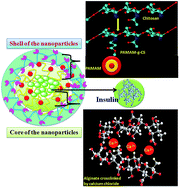
The calculated amount of insulin was dissolved in 0.1 M HCl solution with a final concentration of 1 mg mL−1 and then the pH of the solution was adjusted to pH 8.0–8.4 by 0.1 N tris (hydroxymethyl)aminomethane solution. A constant volume of 300 μL insulin solution was then mixed with the calcium chloride solution. Other processes were the same as those used above for the preparation of blank nanoparticles. Scheme 1 presents the process of core–shell nanoparticle preparation, chemical structure and its efficacy in oral insulin delivery.
 |
| | Scheme 1 Schematic diagram showing the preparation of insulin-loaded CS-g-PAMAM/ALG core–shell nanoparticles and the chemical structure of the nanoparticles used for successful oral insulin delivery. | |
2.5. Determination of the molecular weight of the polymers and FT-IR spectroscopic analysis
The molecular weight of chitosan and its derivatives were measured by gel permeation chromatography (GPC). The GPC equipment consisted of an ultrahydrogel 1000 (7.8 × 300 mm) column, 515 HPLC pump and 2414 RI detector (Waters, USA). The mobile phase was 0.1 M acetic acid/0.1 M sodium acetate buffer. The mobile phase and chitosan solution were filtered through a 0.45 μm filter (Millipore). The flow rate was maintained at 0.3 mL min−1. The sample concentration was 0.3 mg mL−1. Polyethylene glycol (Sigma-Aldrich) standards were used to calibrate the column. All data provided by the GPC system were analyzed using the Empower 2 software package.
Fourier transform infrared (FT-IR) analysis was carried out with an ATR-FT-IR (model-Alpha, Bruker, Germany) spectrometer, scanning from 4000 to 500 cm−1 for 42 consecutive scans at room temperature. All the samples were separately mixed with KBr and pressed into pellets for measurement.
2.6. Determination of the particle size and zeta potential
The particle size and zeta potential of insulin loaded CS/ALG and CS-g-PAMAM/ALG core–shell nanoparticles were determined using dynamic light scattering (DLS) with a Zetasizer Nano ZS (Malvern Instrument, UK).
2.7. Scanning electron microscopy (SEM)
Scanning electron microscopy was also carried out to check the size and the surface morphology of the insulin loaded CS/ALG and CS-g-PAMAM/ALG core–shell nanoparticles. About 10–12 μL of sample was dropped on a piece of glass slide and dried at room temperature. Then the samples were attached to the stub and sputter-coated with a thin layer of gold under vacuum to neutralize the charging effects prior to scanning using a scanning electron microscope (Hitachi, Japan, Model: 3400N) with an acceleration voltage of 20 kV.
2.8. Insulin loading and insulin encapsulation efficiency of CS/ALG and CS-g-PAMAM/ALG core–shell nanoparticles
Both insulin loaded CS/ALG and CS-g-PAMAM/ALG core–shell nanoparticle solutions were centrifuged at 14
000 rpm for 30 min at room temperature. The clear supernatant was analyzed for insulin content using a UV-vis spectrophotometer (LAMBDA-25, Perkin Elmer, USA) at 280 nm. All experiments were done in triplicate to calculate the insulin loading capacity (LC) and encapsulation efficiency (EE) by the following formulae:17| |
 | (1) |
| |
 | (2) |
2.9. In vitro insulin release profile
To determine the insulin release profiles from insulin loaded CS/ALG and CS-g-PAMAM/ALG core–shell nanoparticles, freeze-dried samples (∼50 mg) were immersed in buffer solutions (∼75 mL) of different pH values corresponding to the pH in the GI tract (i.e., pH 1.2, pH 6.8 and pH 7.4) with mild agitation at 37 °C. At specific time intervals, the samples were centrifuged and an aliquot of each sample was taken out. The concentration of the released insulin in the aliquot of each sample was determined using a UV spectrophotometer at 280 nm.7,17 To deduce the insulin release mechanism, the in vitro insulin release data were fitted to the Ritger–Peppas model:32,33| |
 | (3) |
where, Mt and M∞ are the absolute amount of insulin released at time (t) and infinite time, respectively; K is a constant showing the structural and geometric characteristic of the device and n is the release exponent reflecting the diffusion mechanism. The values of the release exponent (n) of 0.45, 0.45 < n < 0.89 and 0.89 indicate Fickian (Case I) diffusion, non-Fickian (anomalous) transport, and diffusion and zero-order (Case II) transport, respectively.
2.10. Ex vivo mucoadhesion studies
Mucoadhesion studies were carried out on the freshly excised tissue of the small intestines of mice according to a previously described method with slight modifications.17,34 A male Swiss albino mouse (∼28 g) was sacrificed by an overdose of anesthesia and the small intestine was carefully removed from the animal’s body. Saline was flushed through the freshly excised intestinal tissue to remove the luminal contents and it was very carefully cut open. Then the tissue was placed on a glass support with the help of adhesive. The nanoparticles (freeze-dried) were uniformly spread and allowed to interact with the intestinal mucosal lining for 10–15 min and then were mounted at an angle of 45° on a platform under a constant flow rate (10 mL min−1) of phosphate buffer (pH 7.4). The percentage of the nanoparticles adhered to the intestinal lumen was calculated by comparing the weights of the adhered particles and the applied particles.
2.11. In vivo pharmacological response of the insulin loaded CS/ALG and CS-g-PAMAM/ALG core–shell nanoparticles
A diabetic animal model was prepared by interperitoneal alloxan administration in Swiss albino mice.7,17 The diabetic mice were fasted overnight prior to treatment and remained fasting for another 12 h during the experiment, only being allowed water ad labitum. Insulin loaded CS/ALG and CS-g-PAMAM/ALG core–shell nanoparticles (∼500 μL) with a dose of insulin (50 IU kg−1 b.w.) were orally delivered to the diabetic animals (n = 6 for each group) using a feeding needle. Mice with a subcutaneous injection of 500 μL insulin solution (5.0 IU kg−1 b.w.) were used as a control. The blood samples (single drop, ∼20 μL) of the treated and control animals were taken from a tail vein and the blood glucose level was checked at regular time intervals (2 h) using Bayer’s glucose meter.
2.12. Determination of serum insulin and relative insulin bioavailability after oral administration of insulin loaded CS/ALG and CS-g-PAMAM/ALG core–shell nanoparticles
To determine the oral insulin bioavailability, initially diabetic mice were randomly divided into four groups (n = 6) and they were treated orally with insulin. The following formulations were administered to each group individually – Group I: oral insulin solution (50 IU kg−1 b.w.), Group II & III: oral insulin-loaded CS/ALG nanoparticle (50 IU kg−1 b.w.) and oral insulin-loaded CS-g-PAMAM/ALG core–shell nanoparticles (50 IU kg−1 b.w.) and finally, Group IV: subcutaneous injection of insulin solution (5 IU kg−1 b.w.). Blood samples were collected from the tail vein and the blood serum was separated by centrifugation at 5000 rpm, for 10 min at 4 °C and stored at −20 °C. Serum insulin levels were quantified using the enzyme linked immunosorbent assay (ELISA). The areas under the curves (AUC) of the concentration versus time profiles were calculated using the linear trapezoidal method. The relative bioavailability was calculated from the ratio of the respective AUC of the orally administered insulin loaded core–shell nanoparticles and subcutaneous (SC) doses of insulin.35 The relative bioavailability of insulin following oral administration of CS/ALG and CS-g-PAMAM/ALG core–shell nanoparticles was calculated using the following formula:| |
 | (4) |
where AUC is the total area under the curve of the plasma insulin concentration versus time.
2.13. Toxicity assay of the CS/ALG and CS-g-PAMAM/ALG core–shell nanoparticles in animal models
Acute toxicity studies were carried out in Swiss albino mice with the peroral treatment of CS/ALG and CS-g-PAMAM/ALG core–shell nanoparticles at a dose of 300 mg kg−1 b.w. per day. The animals were divided into the following three groups, each group containing 6 animals – Group I: animals received only 0.5 mL of 0.9% saline perorally, considered as the control; Group II: animals received CS/ALG nanoparticles (300 mg kg−1 b.w. per day) orally; and Group III: animals received CS-g-PAMAM/ALG nanoparticles (300 mg kg−1 b.w. per day) orally. The next day, urine was collected from all groups of the animals maintained under fasting conditions for 24 h. Then the animals were anesthetized and ∼200 μL blood was collected from the retro-orbital vein and the serum was separated.
2.13.1. Liver function test. Blood samples (∼200 μL) were collected from the mice by retro-orbital bleeding into tubes under anesthesia. The blood serum was separated by centrifugation at 5000 rpm for 10 min at 4 °C and stored at −20 °C. Then, the serum was used to estimate the serum glutamate pyruvate transaminase (SGPT) content using the ALAT(GPT)-LS kit (Piramal Healthcare Limited, Mumbai, India), serum glutamate oxaloacetate transaminase (SGOT) with the AST(GOT)-LS kit (Piramal Healthcare Limited, Mumbai, India) and lactate dehydrogenase activity (LDH) with the LDH (P-L) kit (Crest Biosystems, Goa, India) to analyse the liver function of the mice treated with the core–shell nanoparticles.
2.13.2. Nephro-toxicity test. Urine samples were analyzed for the quantitative measurement of creatinine and microproteins to evaluate the nephro-toxicity of the CS/ALG and CS-g-PAMAM/ALG nanoparticles. Urine samples were qualitatively analyzed for urobilinogen, protein, blood, ketone, bilirubin, glucose, pH and specific gravity using multistix reagent strips.For pathohistological diagnosis, the vital organs were examined. The liver, kidney and intestine were fixed in 10% phosphate buffered formalin and then the tissues were embedded in paraffin and subsequently sectioned. The tissue sections were stained with hematoxylin and eosin (H&E). The stomach was observed. The weight of each organ was examined after treatment with the core–shell nanoparticles.
2.14. Statistical analysis
All the acute toxicity results were expressed as the mean ± SE, n = 6. The significance level was determined by one-way ANOVA following Tukey’s post hoc test. p < 0.05 was considered significant.
3. Results and discussion
During the core–shell nanoparticle formation the molecular weight of CS, CS-g-PAMAM and the β-D-mannuronic acid (M) and α-L-guluronic acid (G) ratio of ALG play a significant role in controlling the physical properties of the core–shell nanoparticles and also influence the conditions of the interactions between the polymers and insulin. The molecular weight and the degree of deacetylation (DDA) of CS and depolymerised CS are shown in Table 1. To improve the water solubility of chitosan, CS was depolymerised by oxidation using nitrous acid and the molecular weight of native chitosan decreased from 222 kDa to 25 kDa but its molecular weight slightly increased from 25 kDa to 42.27 kDa due to the incorporation of the PAMAM dendrimer (G 2.0),17 as shown in Table 1.
Table 1 Molecular weight, degree of deacetylation and solubility of chitosan and modified chitosana
| Polymeric compound |
Average molecular weight (Mw) (kDa) |
Degree of deacetylation (DD%) |
Solubility in H2O |
| I = insoluble, S = soluble. |
| Chitosan |
222 |
86 |
I |
| Depolymerized chitosan |
25 |
85 |
I |
| CS-g-PAMAM |
42.27 |
85 |
S |
3.1. FT-IR spectroscopic analysis
The FTIR spectra of the polymers and nanoparticles are shown in Fig. 1. The FTIR spectrum of chitosan (Fig. 1a) shows the basic characteristic peaks at 3427 cm−1 (O–H stretch and N–H stretch overlapping), 2922 cm−1 and 2859 cm−1 (asymmetric and symmetric stretching of C–H, respectively), 1653 cm−1 (NH–CO(I) stretch), 1598 cm−1 (N–H bend), 1154 cm−1 (bridge –O– stretch), and 1092 cm−1 (C–O stretch).36 Fig. 1b depicts the spectrum of CS-g-PAMAM; it is found that the intensity of the absorption peaks at 1651 cm−1 (NH CO(I) stretch) and 3282 cm−1 and 1558 cm−1 (N–H stretching and bending, respectively) have increased after the reaction of the PAMAM dendrimer (G 2.0) with N-carboxyethylchitosan methyl ester and the peak for the ester group at 1728 cm−1 has disappeared, indicating the successful formation of CS-g-PAMAM from N-carboxyethylchitosan methyl ester. The IR spectrum of ALG (Fig. 1c) shows basic peaks at 1612 cm−1 and 1418 cm−1, assigned to the asymmetric and symmetric stretching of the carboxylate salt groups. Additionally, a band around 1056 cm−1 (C–O–C stretching) could be attributed to its saccharide structure.37 Insulin has a characteristic peak at 1656 cm−1 (C
O stretching of amide I) and the medium intensity peak of insulin at 1537 cm−1 is attributed to amide-II corresponding to the C–N stretching and N–H bending modes as shown in Fig. 1d. From the IR spectrum of the insulin loaded CS-g-PAMAM nanoparticles (Fig. 1e), it is observed that the asymmetrical stretching of the –COO− groups has shifted to 1641 cm−1 and the symmetrical stretching of the –COO− groups has shifted to 1418 cm−1. Moreover, the absorption band of CS-g-PAMAM at 1558 cm−1 has also shifted to 1538 cm−1 after mixing with ALG. The stretching vibration of –OH and –NH2 at 3406 cm−1 shifts to 3449 cm−1. Thus, the FT-IR study suggests that the insulin is encapsulated in the polymeric network and the amine groups of CS-g-PAMAM interact with the carboxylic groups of ALG to form the core–shell nanoparticles.
 |
| | Fig. 1 FT-IR spectra of (a) CS, (b) CS-g-PAMAM, (c) ALG, (d) insulin and (e) insulin loaded core–shell nanoparticles. | |
3.2. Particle size and zeta potential analysis
An appropriate particle size of nanocomplexes is an essential parameter for improved oral insulin delivery, and particles below 1000 nm diameter are usually more desirable for better insulin absorption through the intestinal milieu.22 The particle sizes of the insulin loaded CS/ALG and CS-g-PAMAM/ALG core–shell nanoparticles were determined by dynamic light scattering as presented in Fig. 2a. It is observed that the particle size of the CS-g-PAMAM/ALG core–shell nanoparticles at different weight ratios varies within the range of 84–194 nm whereas the particle size range of the unmodified CS/ALG insulin nanoparticles of a similar weight ratio are comparatively larger and vary between 98–216 nm.7 This can be attributed to the availability of more positive charges on the surface of CS-g-PAMAM (due to grafting of PAMAM) compared to the native CS, thereby resulting in a tighter entrapment of excess insulin to form smaller nanoparticles. Again, a slight increase in particle size is observed with further augmentation in polymer concentration; this has happened due to the generation of strong repulsive forces between the excess positive charges on the surface of the polymeric molecules after complete electrostatic interaction with the negatively charged insulin. Similar results are also found in our earlier reports.8,17 In previous studies, insulin loaded CS/ALG nanoparticles (98–216 nm)7 and dendronized CS/insulin self assembled nanocomplexes (80–175 nm) are used for oral insulin delivery;17 other polymeric systems with a particle size of 200 nm are also reported for insulin delivery.38 In the present work, the particle size of the core–shell nanoparticles is much smaller as compared to the earlier investigation.7 Therefore, the core–shell particles could serve as better oral insulin carriers through the intestinal cells.39
 |
| | Fig. 2 Comparative analysis of (a) particle size and (b) zeta potential of insulin loaded CS/ALG and CS-g-PAMAM/ALG core–shell nanoparticles. | |
The zeta potential values of the insulin loaded CS/ALG and CS-g-PAMAM/ALG core–shell nanoparticles are shown in Fig. 2b and are compared with those of insulin. The zeta value of insulin is −11.64 mV, whereas a sharp increase in the zeta potential of the insulin loaded CS/ALG and CS-g-PAMAM/ALG core–shell nanoparticles at a 0.25
:
3
:
1 weight ratio is observed and they are found to be +0.75 mV and +0.93 mV, respectively. Again, a further increase in the zeta potential was observed with the increasing weight ratio of the polymers (0.5
:
3
:
1, 1
:
3
:
1, 2
:
3
:
1 and 3
:
3
:
1) in the formation of the core–shell nanocomplexes as shown in Fig. 2b. The zeta potential of the nanoparticles is positive, whereas insulin is negatively charged (−11.64 mV). This may possibly happen due to the presence of excess positive charges in CS and CS-g-PAMAM after the neutralization of all the negative charges on the insulin molecules (Fig. 2b). CS-g-PAMAM carries comparatively more surface cationic charges than unmodified CS and thus the zeta potential of CS-g-PAMAM/ALG/INS nanoparticles shows a more positive zeta value compared to the insulin loaded CS/ALG nanocomplexes. Thus, the positive zeta potential of the core–shell particles could successfully prolong the interaction time with a negatively charged intestinal mucus layer that in turn facilitates the sustained release of entrapped insulin by increasing the stability and providing effective protection against self-aggregation.
3.3. Scanning electron microscopy (SEM)
The insulin loaded CS/ALG and CS-g-PAMAM/ALG core–shell nanoparticles were morphologically characterized using SEM as shown in Fig. 3. The micrographs show that the nanoparticles (1
:
3
:
1 weight ratio) have a smooth surface and distinct spherical shape as found in the earlier report.7 The core–shell structures of the nanoparticles of different compositions are also very distinct in the SEM observations. The diameters of the insulin loaded CS-g-PAMAM/ALG nanoparticles are roughly within the size range of 50–78 nm (Fig. 3b), much smaller as compared to the unmodified CS/ALG nanoparticles with sizes between 95–150 nm (Fig. 3a) at the same weight ratio. These results are quite consistent with the DLS measurements. Again, the higher number of cationic charges offered by CS-g-PAMAM (due to grafting of PAMAM) enables it to tightly condense a higher amount of negatively charged insulin, resulting in smaller particles compared to native CS. An independent scattering of the core–shell nanoparticles under SEM suggests possible stabilization against self-aggregation. Our previous reports also demonstrated similar results.7 However, the particle size observed in the SEM study was found to be smaller compared to those obtained from DLS analysis. This may be attributed to the higher hydrodynamic diameter of the freshly prepared nanoparticles measured by DLS, whereas the SEM images can nullify the swelling effects.
 |
| | Fig. 3 SEM image of (a) insulin loaded CS/ALG core–shell nanoparticles and (b) insulin loaded CS-g-PAMAM/ALG core–shell nanoparticles. | |
3.4. Insulin loading and encapsulation efficiency of the core–shell nanoparticles
Successful oral insulin delivery by polymeric nanoparticles demands a significant insulin encapsulation and loading capacity. Poor insulin encapsulation efficiency could limit the wide use of polymeric nanoformulations as they would not be able to perform the desired functions following oral administration. Therefore, the percentage of the insulin loading capacity and insulin encapsulation of these insulin loaded CS/ALG and CS-g-PAMAM/ALG core–shell nanoparticles with different weight ratios of CS or CS-g-PAMAM
:
ALG
:
INS (0.25
:
3
:
1, 0.5
:
3
:
1, 1
:
3
:
1, 2
:
3
:
1 and 3
:
3
:
1) were investigated, as shown in Fig. 4a and b, respectively. The percentage of the insulin loading capacity of the CS/ALG nanoparticles at different weight ratios varies between 8–20% and the maximum encapsulation efficiency was found to be ∼90% (weight ratio of 3
:
3
:
1) whereas the CS-g-PAMAM/ALG core–shell nanoparticles at the same weight ratios provided better insulin loading (10–29%) and showed a maximum insulin encapsulation efficiency of ∼97%. It is observed from the study that the insulin encapsulation efficiency improved with an increasing amount of CS or CS-g-PAMAM used in the nanoparticle formation. A fixed amount of ALG was used in all of the compositions of the core–shell nanoparticles to ensure that the calcium ALG was maintained in the pre-gel state to enable the necessary ionic interactions between ALG, calcium, and the cationic polymer CS or CS-g-PAMAM to form nanoparticles. Again, the CS-g-PAMAM formulated nanoparticles showed better encapsulation as compared to unmodified CS. This can be explained by the fact that CS-g-PAMAM carries more cationic charges than unmodified CS, leading to a stronger ionic interaction between the negative charges of insulin present in the ALG core and the positive charges of CS-g-PAMAM; this may result in a better loading capacity and elevated insulin encapsulation. However, nanoparticles with a CS or CS-g-PAMAM
:
ALG
:
INS weight ratio of 1
:
3
:
1 were further used for in vitro and in vivo studies due to their smaller particle size (from DLS analysis) and significant insulin encapsulation and loading with a comparatively lower amount of polymer. This composition could be easily internalized through the tight junction between intestinal cells for exerting the desired effect for diabetics.
 |
| | Fig. 4 Comparative study of (a) the insulin loading capacity and (b) the percentage of insulin encapsulation of insulin loaded CS/ALG and CS-g-PAMAM/ALG core–shell nanoparticles. | |
3.5. In vitro insulin release profile of the nanoparticles
The cumulative insulin release profiles of both the insulin loaded CS/ALG and CS-g-PAMAM/ALG nanoparticles were investigated in a pH gradient manner at different pH values corresponding to those of the GI tract, i.e., pH 2.0 (simulated gastric fluid, SGF), pH 6.8 (duodenum) and pH 7.4 (simulated intestinal fluid, SIF) [ileum] at 37 ± 0.5 °C as illustrated in Fig. 5. Initially, a burst release occurred in the case of both the core–shell nanoformulations (CS/ALG and CS-g-PAMAM/ALG) in the simulated gastric medium (pH 1.2) followed by slow and modulated release kinetics. The immediate release at pH 1.2 might happen because of weak interactions between insulin and the polyelectrolytes on the surface of the nanoparticles. As documented, a maximum of 32.6% and 27% insulin was released at pH 1.2 after 2 h in the case of the CS/ALG and CS-g-PAMAM/ALG nanoparticles, respectively. Then the nanoparticle formulations were transferred to the simulated intestinal fluid (SIF, pH 6.8 and 7.4) where a sustained and prolonged insulin release was observed, eluting 71–85% and 72–89% of the initial amount from CS/ALG and CS-g-PAMAM/ALG core–shell particles, respectively. Again, a more positively charged CS-g-PAMAM shell and tight network of the ALG core helps in retaining a higher amount of insulin at the lower pH of 1.2 than unmodified CS; it is expected that this might provide effective protection of the encapsulated insulin against proteolytic degradation in the stomach. On the contrary, at pH 6.8 and 7.4, the sustained and prolonged insulin release from the core–shell nanoparticles has been achieved due to the increased interactions between the alkaline solvent and the positively charged CS and CS-g-PAMAM shell, aiding a better penetration of the solvent towards the ALG core where insulin is present; the solvent could further penetrate the ALG core by a diffusion process, thereby releasing a significant amount of entrapped insulin. The swelling of ALG in alkaline media leading to an ionic state may also contribute towards higher insulin release. Therefore, CS-g-PAMAM/ALG core–shell nanoparticles are found to be efficient in protecting the insulin in an acidic environment, minimizing insulin loss in the stomach, thereby facilitating the successful oral delivery of insulin in vivo.
 |
| | Fig. 5 Cumulative insulin release profile of CS/ALG and CS-g-PAMAM/ALG core–shell nanoparticles at different pH values corresponding to those in the GI tract (i.e., pH 1.2, pH 6.8 and pH 7.4). | |
Generally, under several experimental conditions, the drug release mechanism from swellable polymeric formulations follows a non-Fickian (anomalous) behaviour. The mechanism of drug release from erodible, hydrophilic polymer matrices is a complex process because several physical factors are involved, such as penetration of water into the polymeric matrix with consequent swelling and solubilisation/erosion of the polymeric formulation and dissolution of the drug from the swollen matrix etc. For this type of release mechanism the Ritger–Peppas model is usually fitted.
Therefore, in the present study, to determine the actual mechanism of insulin release in the pH gradient media from the polymeric core shell nanoparticles, the parameter ‘n’ of the Ritger–Peppas equation was computed. The correlation coefficient values in the case of CS/ALG and CS-g-PAMAM/ALG nanoparticles were found to be 0.7799 and 0.7969 respectively (R ≥ 0.99); this clearly indicates that the release data is well fitted to the empirical equation. The release exponent ‘n’ ranges between 0.88–0.89 (0.8898 ± 0.07 in the case of the CS/ALG nanoparticles and 0.8999 ± 0.04 in the case of the CS-g-PAMAM/ALG nanoparticles), indicating a non-Fickian (anomalous) transport (0.45 < n < 0.89) for both the tested nanoparticles.32,33 Therefore, the results indicate diffusion controlled as well as swelling controlled insulin release kinetics (anomalous transport or non-Fickian diffusion mechanism) from the CS/ALG and CS-g-PAMAM/ALG core–shell nanoparticles.
3.6. Mucoadhesion and in vivo pharmacological response of the core–shell particles
Fig. 6a clearly demonstrates significant mucoadhesion of the core–shell nanoparticles, being firmly attached to freshly cut mouse intestinal lumen after continuous washing with buffer (pH 7.4) for 30 min. The mucoadhesive properties of the nanoparticles could be attributed to the mucoadhesive nature40 and adsorption enhancing properties of CS,1,22,41 CS-g-PAMAM and ALG,24 which might have contributed to such prolonged attachment to the intestinal wall. Furthermore, CS and modified CS could reversibly open the tight junctions of the intestinal epithelial cells,42 allowing progressive internalization of the nanoparticles. Again, strong interactions between the positively charged amino groups of CS-g-PAMAM and the negatively charged sialic acid groups of mucin could have offered easy penetration, resulting in a sustained release of encapsulated insulin in the intestinal lumen. The effective size of the core–shell nanoparticles might enable prolonged hypoglycaemic response via microfold cell (M cell) mediated uptake of insulin loaded core–shell nanoparticles overlaying the intestinal Peyer’s patches.43
 |
| | Fig. 6 (a) Mucoadhesion study in excised animal tissue, (b) in vivo pharmacological response and (c) serum insulin concentration after peroral treatment with CS/ALG and CS-g-PAMAM/ALG core–shell nanoparticles. | |
The in vivo pharmacological responses of the CS/ALG and CS-g-PAMAM/ALG core–shell nanoparticles following peroral treatment in diabetic mice are illustrated in Fig. 6b. Both the core–shell nanoparticles show hypoglycaemic effects when delivered orally, as compared to the control (subcutaneous injection of insulin 5 IU kg−1 b.w.) but the CS-g-PAMAM/ALG core–shell nanoparticles exhibited more pronounced effects in the lowering of blood glucose levels compared to the CS/ALG core–shell nanoparticles. After subcutaneous injection, the blood glucose levels start reducing significantly within 30–45 min and reach 82 mg dL−1 at the 2nd hour of post-administration but the hypoglycaemic effect is sustained for only 2 h further and subsequently returns to its basal level from the 5th hour onwards after administration (Fig. 6b). On the contrary, oral administration of the CS/ALG and CS-g-PAMAM/ALG core–shell nanoparticles (both 50 IU kg−1 b.w.) resulted in a significant reduction of glycaemia. In the case of these core–shell nanoparticles, the reduction in the blood sugar level in the diabetic animals initiated 2–3 h post-administration and the hypoglycaemic episode continued up to 7–8 h. However, the CS-g-PAMAM/ALG core–shell nanoparticles exhibited better sustained hypoglycaemic effects for 8 h, reducing the blood glucose level to 101 mg dL−1 compared to the CS/ALG core–shell nanoparticles. The CS/ALG shell nanoparticles could lower the glucose level to 131 mg dL−1 and the effects were sustained for another 30–45 min.
The corresponding serum insulin concentrations at different time intervals after oral delivery of the core–shell nanoparticles were investigated and plotted as shown in Fig. 6c. It is observed from the graph that the control group (with a subcutaneous insulin injection) showed a maximum serum insulin concentration at 2 h post-injection, indicating a direct and rapid absorption of insulin into the bloodstream but the oral administration of insulin loaded CS/ALG and CS-g-PAMAM/ALG core–shell nanoparticles at a dose of 50 IU kg−1 b.w. showed a maximum serum insulin concentration at the 7th hour of administration, suggesting successful internalization of the insulin loaded nanoformulations through the intestinal epithelial cells with their effective ability to stabilize and protect the encapsulated insulin from enzymatic degradation in the GI tract. Again, CS-g-PAMAM/ALG nanoparticles exhibited more serum insulin concentration as compared to native CS/ALG particles and the effect was sustained for another 45–60 min. In contrast, a negligible amount of serum insulin (bovine insulin) was detected after oral administration of free insulin solution (not encapsulated) because of the absorption of a smaller fraction of insulin by the insulin specific receptors located in the intestinal enterocytes. The overall variability in the results was quite similar and comparable to the previously reported investigations.7,44–46
From the AUC(0–10 h) data of the orally delivered insulin loaded CS-g-PAMAM/ALG core–shell nanoparticle treated animal groups, the relative insulin bioavailability is found to be ∼11.78%, whereas an ∼8.84% relative bioavailability of insulin was obtained with the CS/ALG nanoparticles, which is significantly higher as compared to the free oral insulin treated group. It is observed that the CS-g-PAMAM/ALG core–shell nanoparticles showed a significantly higher bioavailability, indicating an effective absorption of insulin in its active form. Generally, the oral insulin bioavailability trials have been reported to be low. For instance, only <2.5% insulin bioavailability has been reported with pH-responsive poly(methacrylic-g-ethylene glycol) hydrogel microparticles;44 ∼4% bioavailability has been shown with chitosan nanoparticles after peroral delivery;45 7% insulin bioavailability was found using alginate–chitosan nanoparticles;28 ∼4.43% insulin bioavailability was observed in our previous study with N-succinyl chitosan grafted polyacrylamide hydrogels13 and ∼9.19% oral insulin relative bioavailability was found in our earlier report with dendronized chitosan insulin self-assembled nanoparticles.17 Recently, Jain et al.47 have reported a two-fold increase in oral insulin bioavailability with folate-(FA) coupled polyethylene glycol (PEG)ylated polylactide-co-glycolide (PLGA) nanoparticles in diabetic rat models. In 2015, Malathi et al. showed an effective reduction in blood glucose levels by oral administration of insulin loaded D-α-tocopherol poly(ethylene glycol) 1000 succinate (TPGS)-emulsified poly(ethylene glycol) (PEG)-capped poly(lactic-co-glycolic acid) (PLGA) nanoparticles.48 Pechenkin and his group have shown ∼10% oral bioavailability of insulin in a rat model using chitosan–dextran sulfate microparticles.49 In the present study, the bioavailability is ∼11.78%, which is considerably higher in comparison to the previously reported study with CS/ALG core–shell nanoparticles (∼8.11% oral bioavailability).7 Both CS-g-PAMAM and ALG, being mucoadhesive in nature, may have contributed to the prolonged attachment to the intestinal milieu. Furthermore, CS-g-PAMAM can alter the tight junction reversibly better than native CS without compromising the epithelial cell architecture and viability; this in turn allows maximum insulin interaction and permeation into the bloodstream that finally overcomes the intestinal barriers.7,28 Therefore, it is observed that CS-g-PAMAM/ALG nanoparticles could provide good protection to insulin from enzymatic degradation by sheltering insulin within the core–shell structure of the nanoparticles. As the GI tract enzymes (pepsin and trypsin) are positively charged species, they cannot bind to the positively charged core–shell nanoparticles. On the other hand, an intimate contact of the nanoparticles with the intestinal wall is established. This allows significant insulin absorption, although some amount of the released insulin is probably damaged by the classical degradation phenomena during its GI tract transit. However, the zwitterionic chitosan/PAMAM complex has been documented as a potential carrier of drugs to solid tumors50 but in the present study, core–shell nanoparticles of PAMAM grafted chitosan–alginate for oral insulin delivery demonstrated excellent hypoglycaemic effects in vivo.
3.7. Evaluation of in vivo toxicity after oral administration of the core–shell nanoparticles
3.7.1. Minimum lethal dose (MLD). No mortality was observed up to the dose of 300 mg kg−1 b.w. of the core–shell nanoparticles, suggesting they are a safe polymeric carrier for oral insulin.
3.7.2. Hepato-toxicity analysis. As liver specific enzyme ASAT (asparate aminotransferase) and ALAT (alanine aminotransferase) are significantly elevated in hepatobiliary diseases, and also they have a direct correlation with liver parenchymal damage, the ALAT and ASAT levels were measured in the perorally delivered CS/ALG and CS-g-PAMAM/ALG nanoparticle treated animals and were compared to the control group. It is observed from Fig. 7a that the ASAT value of the control animal is 64.81 U L−1 and for the CS/ALG nanoparticle (300 mg kg−1 b.w.) treated animal, it is 79.2 U L−1, whereas it is 115.23 U L−1 in the CS-g-PAMAM/ALG nanoparticle (300 mg kg−1 b.w.) treated group. A significant change after oral treatment with the nanoparticles is observed as compared to the control but all the SGOT values are within the reference range of 55–251 U L−1 of the mouse. Further, the ASAT value of the control animal is 35.11 U L−1, and for the CS/ALG and CS-g-PAMAM/ALG nanoparticle (300 mg kg−1 b.w.) treated animal, it is 49.06 U L−1 and 69.88 U L−1, respectively (Fig. 7b). Although significant changes in SGPT values of the nanoparticle treated animal are found in comparison to the control group, the values come within the reference range of 28–184 U L−1 of the mouse.13 Similarly, it can be interpreted from the obtained results that neither the liver is damaged nor the liver function is disrupted by peroral treatment of the core–shell nanoparticles. The serum creatinine level is 0.71 mg dL−1 for the control animal, 0.83 mg dL−1 for the CS/ALG nanoparticle treated animals and 0.86 mg dL−1 for the CS-g-PAMAM/ALG nanoparticle treated animals (Fig. 7c), where the normal reference range is 0.7–1.1 mg dL−1. Again, it is observed from Fig. 7d that the serum LDH value of the control animal group is 240.1 U L−1 and it is 288.6 U L−1 and 377.42 U L−1 in the CS/ALG and CS-g-PAMAM/ALG nanoparticle (300 mg kg−1 b.w.) treated mice. Although a significant change is found as compared to the control one, the LDH values are still within the normal reference range of 230–460 U L−1. Therefore, from these serum parameters, it can be interpreted that no liver damage and no toxicological and functional disorders have occurred in the animals through the peroral treatment of CS-g-PAMAM/ALG core–shell nanoparticles.
 |
| | Fig. 7 Acute hepato-toxicity study of CS/ALG and CS-g-PAMAM/ALG core–shell nanoparticle-treated animals: (a) serum SGOT, (b) serum SGPT, (c) serum creatinine, (d) serum LDH. | |
3.7.3. Assessment of the nephro-toxicity. To assess the nephro-toxicity, serum creatinine is the most commonly measured parameter. A sharp rise in the serum creatinine level indicates a marked damage to the functioning nephrons. The serum creatinine concentration of the core–shell nanoparticle treated mice falls within the normal reference range (0.7–1.1 mg dL−1) indicating no acute oral toxicity. Urine creatinine is an indicator of urinary tract obstruction, kidney failure, dehydration, severe kidney disease, shock, renal outflow obstruction and acute tubular necrosis. Therefore, the concentration of urine creatinine is measured and presented in Fig. 8a. The creatinine value in the control mice is 8.78 mg kg−1 b.w. and it is 11.05 and 14.83 mg kg−1 b.w. in the CS/ALG and CS-g-PAMAM/ALG nanoparticle (300 mg kg−1 b.w.) treated mice, respectively. The values are within the reference range (8.4–24.6 mg kg−1 b.w.), indicating no nephro-toxicity. Proteins (albumin and globulin fractions) are known to be involved in the maintenance of the normal distribution of water between blood and the tissues. Proteinuria may result from increased glomerular permeability or defective tubular reabsorption. Therefore, urine microproteins were assayed after the peroral treatment with the CS/ALG and CS-g-PAMAM core–shell nanoparticles to evaluate renal disease or glomerular damage. The concentration of urine microproteins in the control animal is 102.55 mg/24 h, and for the CS/ALG and CS-g-PAMAM core–shell nanoparticle (300 mg kg−1 b.w.) treated animals, it is observed to be 114.64 mg/24 h and 126.41 mg/24 h (Fig. 8b). A significant change is found as compared to the control, but the values fall within the normal microprotein reference range (28–140 mg/24 h), ensuring no renal dysfunction. Moreover, the concentration of urea in urine was also measured and the results are shown in Fig. 8c. The urea concentration is 495.64 mmol in 24 h for the CS-g-PAMAM/ALG core–shell nanoparticle (300 mg kg−1 b.w.) treated animals and 461.33 mmol in 24 h for the CS/ALG core–shell nanoparticle treated mice (300 mg kg−1 b.w.). A significant change is observed as compared to the control animal group (332.21 mmol in 24 h), although these values are within the reference range of 333–583 mmol/24 h. Thus, all these studies suggest that the CS-g-PAMAM/ALG core–shell nanoparticle could be a safe polymer for oral insulin delivery.
 |
| | Fig. 8 Acute nephro-toxicity study of CS/ALG and CS-g-PAMAM/ALG core–shell nanoparticle-treated animals: (a) urine creatinine, (b) urine microprotein and (c) urine urea. | |
Again, the pathohistological study revealed no damage to the liver, kidney and intestinal tissues of the treated mice, after H&E (hematoxylin and eosin) staining (Fig. 9). The results are quite consistent with our previous report.51 The stomach was also examined. No ulcerative spot was observed in the stomach after nanoparticle treatment as shown in Fig. 9. This suggests that the stomach is not affected by the polymeric core–shell nanoparticles. Overall, in pathohistology, the appearance of the CS/ALG and CS-g-PAMAM core–shell nanoparticle treated liver sections are almost the same as that of the control tissue; a central vein with radiating hepatic cells is observed, illustrating no apparent hepato-toxicity after nanoparticle administration. Further, the sections of the kidneys of the CS/ALG, CS-g-PAMAM core–shell nanoparticle treated animal and the control animal show the presence of the renal corpuscle surrounded by Bowman’s capsule; kidney tubules are lined by a simple cuboidal epithelium. A urinary space (appearing as a clear space) was also visible in these histological slides. The glomerulus, a tuft of capillaries, also appears as a large cellular mass. These observations imply that there is no renal toxicity after oral treatment with the polymeric core–shell nanoparticles in the animal model.
 |
| | Fig. 9 Internal organs of a treated animal and sections of the liver, intestine and kidney (H&E staining, magnification ×40) of the control and treated (peroral insulin loaded CS/ALG and CS-g-PAMAM/ALG core–shell nanoparticles) mice. | |
Moreover, the qualitative analysis of different biochemical parameters (Table 2) of urine, showed no significant alteration after treatment with the CS/ALG and CS-g-PAMAM core–shell nanoparticles. Therefore, it can be interpreted from the acute toxicity study that the core–shell nanoparticles of CS-g-PAMAM/ALG could be a safe polymeric carrier for successful oral insulin delivery.
Table 2 Qualitative analysis of different biochemical parameters of urine in CS/ALG and CS-g-PAMAM/ALG nanoparticle-treated animals
| Parameters |
Control animal (treated with 0.9% NaCl) |
Peroral treatment with CS/ALG/INS nanoparticles (300 mg kg−1 b.w.) |
Peroral treatment with CS-g-PAMAM/ALG/INS nanoparticles (300 mg kg−1 b.w.) |
| Urobilinogen |
0.2 |
0.2 |
0.2 |
| Protein |
Negligible |
Trace |
Trace |
| pH |
7.5 |
7.5 |
8.0 |
| Blood |
Moderate (non-haemolysed) |
Moderate (haemolysed) |
Trace (haemolysed) |
| Specific gravity |
1.005 |
1.020 |
1.015 |
| Ketone |
Negligible |
Negligible |
Negligible |
| Bilirubin |
Negligible |
+ |
Negligible |
| Glucose |
Negligible |
Negligible |
Negligible |
4. Conclusions
The low toxicity, water soluble chitosan derivative, CS-g-PAMAM, was successfully prepared for oral insulin delivery. The present study concludes the successful preparation and characterization of insulin loaded CS-g-PAMAM/ALG core–shell nanoparticles in in vitro and in vivo systems. The almost spherical, core–shell structured nanoparticles showed ∼29% insulin loading and ∼97% insulin encapsulation efficiency and a pH responsive insulin release. The core–shell nanoparticles are able to establish a prolonged hypoglycaemic effect compared to those obtained from free oral insulin and native CS/ALG core–shell nanoparticle treatment, revealing a significantly enhanced relative oral insulin bioavailability (∼11.78%) compared to the unmodified CS/ALG core–shell nanoparticles (∼8.84%). Since no systemic toxicity was observed in the acute experimental trials, one can be assured that the CS-g-PAMAM/ALG core–shell nanoparticles could be a promising polymeric vehicle for oral insulin or other therapeutic drug delivery due to its efficient and safe mode of administration.
Acknowledgements
We are highly grateful to the Department of Science and Technology, Government of West Bengal for their financial support for this work and the project entitled ‘Synthesis of derivatives of chitosan and their IPNs for oral insulin delivery’ (Sanction No. 428 (Sanc.)/ST/P/S & T/2G-7/2011).
Notes and references
- P. Mukhopadhyay, R. Mishra, D. Rana and P. P. Kundu, Prog. Polym. Sci., 2012, 37, 1457 CrossRef CAS.
- A. Chaudhury and S. Das, AAPS PharmSciTech, 2011, 12, 10 CrossRef CAS PubMed.
- A. K. Prusty and S. K. Sahu, ISRN Nanotechnol., 2013, 2013, 1 CrossRef.
- S. Olya, M. Khorvash, H. R. Rahmani, S. Esmaeilkhanian, B. Olya and H. Sadri, Czech J. Anim. Sci., 2014, 59, 251 Search PubMed.
- Z. M. Wu, L. Ling, L. Y. Zhou, X. D. Guo, W. Jiang, Yu. Qian, K. Q. Luo and L. J. Zhang, Nanoscale Res. Lett., 2012, 7, 299 CrossRef PubMed.
- J. R. Azevedo, R. H. Sizilio, M. B. Brito, A. M. B. Costa, M. R. Serafini, A. A. S. Araújo, M. R. V. Santos, A. A. M. Lira and R. S. Nunes, J. Therm. Anal. Calorim., 2011, 106, 685 CrossRef CAS.
- P. Mukhopadhyay, S. Chakraborty, S. Bhattacharya, R. Mishra and P. P. Kundu, Int. J. Biol. Macromol., 2015, 72, 640 CrossRef CAS PubMed.
- P. Mukhopadhyay, K. Sarkar, M. Chakraborty, S. Bhattacharya, R. Mishra and P. P. Kundu, Mater. Sci. Eng., C, 2013, 33, 376 CrossRef CAS PubMed.
- K. Nagpal, S. K. Singh and D. N. Mishra, Chem. Pharm. Bull., 2010, 58, 1423 CrossRef CAS PubMed.
- H. L. Luessen, B. J. de Leeuw, M. W. Langemeÿer, A. B. de Boer, J. C. Verhoef and H. E. Junginger, Pharm. Res., 1996, 13, 1668 CrossRef CAS.
- S. Aiba, Int. J. Biol. Macromol., 1992, 14, 225 CrossRef CAS PubMed.
- S. Hiran, H. Seino, Y. Akiyama and I. Nonaka, Polym. Eng. Sci., 1988, 59, 897 Search PubMed.
- P. Mukhopadhyay, K. Sarkar, S. Bhattacharya, A. Bhattacharyya, R. Mishra and P. P. Kundu, Carbohydr. Polym., 2014, 112, 627 CrossRef CAS PubMed.
- E. A. Stepnova, V. E. Tikhonov, T. A. Babushkina, T. P. Klimova, E. V. Vorontsov, V. G. Babak, S. A. Lopatin and I. A. Yamskov, Eur. Polym. J., 2007, 43, 2414 CrossRef CAS.
- R. A. A. Muzzarelli and F. Tanfani, Carbohydr. Polym., 1985, 5, 297 CrossRef CAS.
- H. Sashiwa, N. Kawasaki, A. Nakayama, E. Muraki, N. Yamamoto and S. I. Aiba, Biomacromolecules, 2002, 3, 1126 CrossRef CAS PubMed.
- P. Mukhopadhyay, K. Sarkar, S. Bhattacharya, R. Mishra and P. P. Kundu, RSC Adv., 2014, 4, 43890 RSC.
- N. M. Alves and J. F. Mano, Int. J. Biol. Macromol., 2008, 43, 401 CrossRef CAS PubMed.
- R. Esfand and D. A. Tomalia, Drug Discovery Today, 2001, 6, 427 CrossRef CAS PubMed.
- S. Sadekar and H. Ghandehari, Adv. Drug Delivery Rev., 2012, 64, 571 CrossRef CAS PubMed.
- S. Svenson and D. A. Tomalia, Adv. Drug Delivery Rev., 2005, 57, 2106 CrossRef CAS PubMed.
- R. Duncan and L. Izzo, Adv. Drug Delivery Rev., 2005, 57, 2215 CrossRef CAS PubMed.
- J. Dusseault, F. A. Leblond, R. Robitaille, G. Jourdan, J. Tessier, M. Ménard, N. Henley and J. P. Hallé, Biomaterials, 2005, 26, 1515 CrossRef CAS PubMed.
- M. George and T. E. Abraham, J. Controlled Release, 2006, 114, 1 CrossRef CAS PubMed.
- E. Esposito, R. Cortesi and C. Nastruzzi, Biomaterials, 1996, 17, 2009 CrossRef CAS PubMed.
- P. R. Hari, T. Chandy and C. P. Sharma, J. Microencapsulation, 1996, 13, 319 CrossRef CAS PubMed.
- B. Sarmento, A. J. Ribeiro, F. Veiga, D. C. Ferreira and R. J. Neufeld, J. Nanosci. Nanotechnol., 2007, 7, 2833 CrossRef CAS PubMed.
- B. Sarmento, A. Ribeiro, F. Veiga, P. Sampaio, R. Neufeld and D. Ferreira, Pharm. Res., 2007, 24, 2198 CrossRef CAS PubMed.
- D. A. Tomalia, H. Baker, J. Dewald, M. Hall, G. Kallos, S. Martin, J. Roek, J. Ryder and P. Smith, Polym. J., 1985, 17, 117 CrossRef CAS.
- H. Sashiwa, Y. Shigemasa and R. Roy, Carbohydr. Polym., 2002, 47, 201 CrossRef CAS.
- M. Rajaonarivony, C. Vauthier, G. Couarraze, F. Puisieux and P. Couvreur, J. Pharm. Sci., 1993, 82, 912 CrossRef CAS PubMed.
- P. L. Ritger and N. A. Peppas, J. Controlled Release, 1987, 5, 37 CrossRef CAS.
- X. Zhang, Z. Wu, X. Gao, S. Shu, H. Zhang and Z. Wang, Carbohydr. Polym., 2009, 2, 394 CrossRef.
- S. Sajeesh and C. P. Sharma, Int. J. Pharm., 2006, 325, 147 CrossRef CAS PubMed.
- F. Cui, F. Qian, Z. Zhao, L. Yin, C. Tang and C. Yin, Biomacromolecules, 2009, 10, 1253 CrossRef CAS PubMed.
- P. Mukhopadhyay, K. Sarkar, S. Soam and P. P. Kundu, J. Appl. Polym. Sci., 2013, 129, 835 CrossRef CAS.
- S. J. Mahmood and A. Siddique, J. Saudi Chem. Soc., 2010, 14, 117 CrossRef CAS.
- F. Cui, K. Shi, L. Zhang, A. Tao and Y. Kawashima, J. Controlled Release, 2006, 114, 242 CrossRef CAS PubMed.
- A. Fasano, Trends Biotechnol., 1998, 16, 152 CrossRef CAS PubMed.
- C.-M. Lehr, J. A. Bouwstra, E. H. Schacht and H. E. Junginger, Int. J. Pharm., 1992, 78, 43 CrossRef CAS.
- L. Illum, Pharm. Res., 1998, 15, 1326 CrossRef CAS.
- M. Thanou, J. C. Verhoef and H. E. Junginger, Adv. Drug Delivery Rev., 2001, 50, 91 CrossRef.
- C. Prego, D. Torres and M. J. Alonso, Expert Opin. Drug Delivery, 2005, 2, 843 CrossRef CAS PubMed.
- A. M. Lowman, M. Morishita, M. Kajita, T. Nagai and N. A. Peppas, J. Pharm. Sci., 1999, 88, 933 CrossRef CAS PubMed.
- Z. Ma, T. M. Lim and L. Y. Lim, Int. J. Pharm., 2005, 293, 271 CrossRef CAS PubMed.
- Y. Pan, Y. J. Li, H. Y. Zhao, J. M. Zheng, H. Xu, G. Wei, J. S. Hao and F. D. Cui, Int. J. Pharm., 2002, 249, 139 CrossRef CAS PubMed.
- S. Jain, V. V. Rathi, A. K. Jain, M. Das and C. Godugu, Nanomedicine, 2012, 7, 1311 CrossRef CAS PubMed.
- S. Malathi, P. Nandhakumar, V. Pandiyan, T. J. Webster and S. Balasubramanian, Int. J. Nanomed., 2015, 10, 2207 CAS.
- M. A. Pechenkin, N. G. Balabushevich, I. N. Zorov, L. K. Staroseltseva, E. V. Mikhalchik, V. A. Izumrudov and N. I. Larionova, J. Bioequivalence Bioavailability, 2011, 3, 244 CAS.
- K. C. Liu and Y. Yeo, Mol. Pharm., 2013, 10, 1695 CrossRef CAS PubMed.
- P. Mukhopadhyay, S. Bhattacharya, A. Nandy, A. Bhattacharyya, R. Mishra and P. P. Kundu, Toxicol. Res., 2015, 4, 281 RSC.
Footnote |
| † Electronic supplementary information (ESI) available. See DOI: 10.1039/c5ra17729d |
|
| This journal is © The Royal Society of Chemistry 2015 |
Click here to see how this site uses Cookies. View our privacy policy here.