DOI:
10.1039/C5RA16199A
(Paper)
RSC Adv., 2015,
5, 87512-87520
Paramagnetic, pH and temperature-sensitive polymeric particles for anticancer drug delivery and brain tumor magnetic resonance imaging
Received
12th August 2015
, Accepted 27th September 2015
First published on 28th September 2015
Abstract
Smart polymer-based theranostic agents often have the problem of a low drug release rate and it is difficult for them to reach the site of brain tumors for magnetic resonance imaging (MRI). To synthesize a theranostic agent for brain tumor MRI with a high drug release rate, paramagnetic, pH and temperature-sensitive polymeric particles (PPPs) are synthesized using a simplified processes in this work. These dually sensitive polymeric particles show negligible cytotoxicity against HeLa and glioma (C6) cells. The obtained polymeric particles can effectively be loaded with the anticancer drug doxorubicin (DOX). In vitro drug release measurements exhibit retarded release profiles when subjected to varying pH or temperature. Moreover, DOX-loaded PPPs exhibit obvious antitumor properties for C6 cells. The percentage of cumulative DOX release is higher than 95% when both pH and temperature are changed. The T1-weighted relaxivity values at 3 T are 12.41 mM−1 s−1 (pH = 6.3) and 10.75 mM−1 s−1 (pH = 7.4). In vivo MRI reveals that the PPPs can be effectively imaged in brain tumors (gliomas). These results indicate that the PPPs have great potential in diagnosing and treating glioma.
1. Introduction
Gliomas are the most common and aggressive intracranial tumors causing central nervous system (CNS) cancers.1,2 Currently, cytoreductive surgery combining radiotherapy and chemotherapy is regarded as the most effective glioma treatment. However, the chemotherapy drug is hard to concentrate in the diseased area, which may harm normal issues. Moreover, how to accurately differentiate normal neurological tissues from diseased tissues is a big challenge. MRI, owing to its excellent soft-tissue contrast properties,3 has become a powerful neuroimaging technique and plays an important role in surgical glioma imaging.4,5 Theranostics, a platform that combines diagnosis and therapy, has attracted increasing interest in recent years.6–8 Hence, a theranostic agent combining MRI, targeted drug delivery, and controlled release in one entity, which can diagnose and treat glioma without harming normal tissues, is of great significance.
Stimuli responsive polymers have been suggested to be one of the most promising carriers of diagnostic and therapeutic agents.9–11 Nevertheless, it is challenging to make the polymer-based theranostic agent mentioned above reach the site of the glioma due to the blood tumor brain barrier (BTBB). An effective strategy to solve this problem is conjugating targeting receptors overexpressed on glioma cells to the polymeric theranostic agents.12–15 In contrast with the receptor-contained theranostic agent, those without receptors that can disrupt the BTBB are more fascinating due to their easy availability.
pH and temperature are attractive stimuli utilized to control drug release as a result of tumor regions processing a more acidic environment or a higher temperature.16 The control of drug release in most reported theranostic systems is triggered by a single stimulus such as pH or temperature.17–20 However, compared with a single stimulus controlled release system, with a multiple stimuli release system one can realize drug release when any stimulus the system is changed, which may enable more choices to achieve real controlled drug release. Additionally, dual stimuli controlled drug release platforms may improve drug release efficiency which is important in improving the utilization of drugs. There are some reports related to polymer drug carriers for dual stimuli controlled drug release.21,22 Unfortunately, to the best of our knowledge, there are still no reports about receptor-free and dually responsive polymer theranostic agents for glioma diagnosis and therapy.
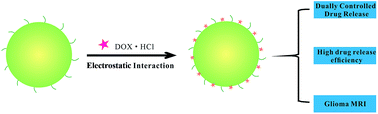
In order to prepare dually responsive polymeric theranostic agents with a high drug release efficiency, a hydrophilic stimuli responsive polymer should distribute in the outer space so that the loaded drug can easily escape from the polymeric particles. This can be realized by the copolymerization of a hydrophobic monomer such as styrene with a hydrophilic stimuli responsive polymer.23 In addition, the introduced hydrophobic monomer may make a contribution to the affinity of the receptor-free polymeric particles for glioma as hydrophobic polymers are more easily recognized by proteins.24 Hence, in this study, we first prepare paramagnetic, pH and temperature-sensitive polymeric particles (PPPs) using soap-free emulsion polymerization in the presence of methacrylic acid (a pH-sensitive monomer), N-isopropylacrylamide (a temperature-sensitive monomer), and hydrophobic styrene. Then we load doxorubicin (DOX) onto the PPPs. The obtained DOX-loaded PPPs can be used as an effective theranostic agent for pH/temperature-controlled drug release and glioma MRI (Scheme 1). The pH and temperature dual stimuli controlled drug release platform can achieve a high drug release rate when both the pH and temperature are changed. Furthermore, we find that the DOX-loaded polymeric particles without glioma cell-receptors can also traverse the BTBB to reach the glioma site enhancing MRI.
 |
| | Scheme 1 Illustration of the synthetic processes and formation of DOX-loaded PPPs. | |
2. Materials and methods
2.1 Materials
Methacrylic acid (MAA) was obtained from Aladdin. Styrene (St) and potassium peroxydisulfate (KPS) were purchased from Sinopharm Chemical Reagent Co. Ltd, China. Doxorubicin hydrochloride (DOX·HCl) was purchased from J&K Scientific. N-Isopropylacrylamide (NIPAM, 99%) was purchased from Acros Organics. NIPAM and KPS were purified by recrystallization from a toluene/hexane mixture (v/v = 1
:
1) and deionized water, respectively. St and MAA were purified by distillation under reduced pressure and stored at 2 °C. All the other reagents were analytical reagent (AR) grade and used as received.
2.2 Preparation of the paramagnetic, pH/temperature-responsive polymeric particles
The Gd(III)-monomer was synthesized using the method developed in our previous work.25 The PPPs were prepared by soap-free emulsion polymerization. Briefly, NIPAM (1.000 g), MAA (0.201 g), St (0.502 g), and KPS (0.150 g) were dispersed in 100 mL of deionized water, sonicated for minutes, and transferred to a 250 mL four-necked round-bottomed flask with a Teflon mechanical stirrer and condenser under flowing nitrogen. It was agitated vigorously at room temperature for 30 minutes under nitrogen and a semitransparent dispersion was obtained. The solution was heated to 79 °C in a water bath and a series of Gd(III)-monomer water solutions (the Gd(III)-monomer contents were 0, 0.025, 0.050, 0.075, 0.100, and 0.125 g) were added dropwise. The polymerization reaction lasted for 2.5 h at 79 °C under constant stirring and a series of PPPs (designated as PPP1 to PPP6) was obtained. The PPPs were dialyzed (cut-off Mw = 14
000 Da) against distilled water for 5 days to remove unreacted monomers and other low molecular weight molecules. The distilled water was changed every 8 hours. To obtain solid samples, a saturated calcium chloride/methanol solution was added to latex followed by centrifugation at 4000 rpm. The precipitate was rinsed with distilled water three times and then dried under vacuum at 50 °C for 48 h.
2.3 Preparation of DOX-loaded PPPs
The drug-loaded PPPs were prepared by directly mixing DOX·HCl with polymer particles. Typically, a 2.5 mL purified PPP5 emulsion (PPP5 25 mg) was diluted with 5 mL of ultrapure water, followed by adding 15 mL of a DOX·HCl aqueous solution (DOX·HCl 5 mg) into the diluted polymer emulsion dropwise. The mixture was reacted overnight in the dark at room temperature with constant stirring. The unloaded free drug was removed by dialysis using a dialysis bag (cutoff Mw = 14
000 Da) against 1000 mL of pure water with stirring at a rate of 300 rpm. Pure water was refreshed 8 times within 4 h (0.5 h time intervals). The drug loading efficiency (DLE) and drug loading content (DLC) were calculated according to the equations:
| DLC (%) = weight of drug encapsulated in PPP/weight of polymer × 100% |
| DLE (%) = weight of drug encapsulated in PPP/weight of drug in feed × 100% |
The concentration of DOX·HCl in distilled water was obtained from the calibration curve: c (μg mL−1) = (I − 0.08706)/0.01630 (R2 = 0.9998),17 where I is the UV absorption intensity at 485 nm obtained by subtracting the UV absorbance of the pure PPP solution from that of the DOX-loaded PPPs.
2.4 In vitro drug release measurements
After removing free DOX·HCl, the DOX-loaded PPPs were divided into several parts, which were put into six new dialysis tubes immediately to evaluate their drug release behavior. The drug release process was carried out by dialyzing 3.0 mL of DOX-loaded PPPs in a dialysis tube (cut-off Mn = 8000–10
000 Da) against 150 mL of tris-buffer (0.01 M; pH 5.0, pH 7.4) in a beaker (200 mL), with 250 rpm stirring; the six tubes were divided into three groups and the temperature kept at 25 °C, 37 °C, and 43 °C, respectively. At desired time intervals, 3.0 mL of the buffer in the beaker was removed for fluorescence spectroscopy (excitation at 461 nm and emission at 591 nm) and the cumulative release curve of DOX was obtained. The volume of the buffer outside of the dialysis tube in the beaker was kept at around 150 mL during the measurements.
2.5 Cytotoxicity assessment
The cytotoxicity of the PPPs, DOX-loaded PPPs, and free DOX against HeLa cells and glioma cancer (C6) cells was evaluated by typical 3-(4,5-dimethylthiazol-2-yl)-2,5-diphenylte-trazoliumbromide (MTT) assay. HeLa and C6 cells were seeded in a 96-well cell culture plate at a density of 1 × 10⁴ cells per well and incubated at 37 °C for 24 h under a 5% CO2 humid atmosphere. The medium was then replaced by PPPs, DOX-loaded PPPs, or free DOX solution at different concentrations and subsequently incubated for another 48 h. Untreated cells served as control groups. After incubation for 48 h, MTT (20 μL, 5 mg mL−1) was added to each well and incubated for 4 h. The growth medium was removed and 150 μL of DMSO was added to each well. The optical density (OD) was measured at 490 nm using a microplate reader (Rayto Rt2100c). The relative cell viability (%) was determined by comparing the OD of the experimental group with the control group.
2.6 In vitro T1-weighted MR imaging
The longitudinal relaxation rates (1/T1) of the PPPs in tris-buffer (0.01 M) with variable gadolinium concentrations (0.025, 0.05, 0.1, 0.2, and 0.4 mM) at pH values of 6.3 and 7.4 were determined at room temperature using a Siemens Magnetom Trio 3.0 T whole-body MR scanner. The spin-echo pulse sequence was used in the T1 measurements using the following parameters: field of view (FOV) = 10 × 10 cm; echo time (TE) = 9 ms; slice thickness = 3 mm. The repetition times (TR) were 300, 400, 500, 600, 800, 1000, 2000, and 3000 ms. The samples were set on a 96-well plate under the MR scanner to get different T1 and a linear fit was applied to 1/T1 versus Gd(III) concentration to estimate the longitudinal relaxation rates (r1).
2.7 Experimental animals
Several adult male Sprague-Dawley (SD) rats weighing approximately 250 g were used for in vivo glioma MRI. All the animals were managed and treated according to the rules and regulations of the Institutional Animal Care and Use Committee at Hubei University. Rat tumor xenografts were established using the solid orientation injection method of C6 glioma cancer cells with 1 × 10⁶ cells per bregma. After 15 days of tumor xenografts, the glioma tumor bearing rats were used for MRI investigations.
2.8 In vivo T1-weighted brain tumor MRI and biodistribution study
Glioma xenograft bearing rats (n = 6) were employed for in vivo MRI. Rats (dosage 0.05 mmol Gd per kg) were injected with PPPs via the tail vein and scanned on the 3.0 T Siemens Magnetom Trio clinical MR scanner. T1-weighted images of the brain were taken at various time points (0 min, 30 min, 1 h, 2 h, 3 h, and 6 h) with TE/TR = 10/0.44, thickness = 3 mm, and averages = 6 using a spin-echo pulse sequence. Three rats were sacrificed at 120 min post-injection for a biodistribution study. Organ and tissue samples of the liver, spleen, heart, lung, kidneys, brain (tumor), and muscle were collected and weighed. The samples were then cut into pieces and treated with 65% nitric acid and filtered. The gadolinium concentration in the filtrate was determined by ICP-OES and calculated as the percentage of the injected dose per gram of organ/tissue (%ID/g).
2.9 Characterization of PPPs
The Gd(III)-monomer and PPPs were characterized by Fourier transform infrared spectroscopy (FT-IR, Nicolet iS50 Thermofisher USA) after the dried samples were pressed with KBr into compact pellets. The gadolinium concentration was determined by inductively-coupled plasma optical emission spectrometry (ICP-OES, Optimal 8000 PE. USA). The morphology of the PPPs was examined by transmission electron microscopy (TEM, Tecnai G20, FEI Corp. USA, at 200 kV) and scanning electron microscopy (SEM, JSM6510LV, JEOL, Japan). Prior to conducting TEM, the samples were dispersed on amorphous carbon coated copper grids. The SEM samples were prepared by dropping the emulsion onto glass slides and dried at room temperature. The glass slides were then vacuum coated with a thin gold film. The hydrodynamic diameter, size distribution, and zeta potential were measured by a Zetasizer (ZS90, Malvern UK). The thermal stability of the PPPs was assessed by a Perkin-Elmer TGA-7 between 30 °C and 600 °C at a heating rate of 20 °C per minute. The fluorescence spectra were acquired by an LS-55 spectrometer (PE, USA).
3. Results and discussion
3.1 Synthesis and characterization of PPPs
The PPPs are synthesized by soap-free emulsion polymerization. Their chemical structure can be determined using their FT-IR spectrum. As shown in Fig. 1b and c, the O–H and N–H stretching vibration absorption peaks can be observed at 3401 cm−1 and 3300 cm−1 respectively. The peaks at 2973 cm−1, 2925 cm−1, and 2883 cm−1 can be assigned to the asymmetrical and symmetrical stretching of –CH3 and –CH2, respectively. The two peaks at 1578 cm−1 and 1545 cm−1 are the symmetrical stretching of O–C
O in PMAA. Moreover, the characteristic stretching absorption peak of C
O at 1706 cm−1 from carboxyl groups indicates the polymerization of MAA. The polymerization of NIPAM can be confirmed by the peaks at 1386 cm−1 and 1367 cm−1 corresponding to isopropyl groups. The peaks at 3033 cm−1 and 702 cm−1 are related to stretching and flexural vibration (δC–H) of the benzene ring indicating the polymerization of St. The weak peak of Gd–N at 550 cm−1 indicates the Gd(III)-monomer (Fig. 1a and c), the other Gd(III)-monomer bonds are either too weak or overlapped in the spectrum. The FT-IR spectra indicate that the NIPAM, MAA, St, and Gd(III)-monomer are polymerized.
 |
| | Fig. 1 FT-IR spectra of the PPPs: (a) Gd(III)-monomer; (b) PPP1 without Gd(III)-monomer, and (c) PPP5 (the content of the Gd(III)-monomer in PPP5 is 0.1 g). | |
3.2 Morphology and particle size
Particle size is an important factor for receptor-free probes to disrupt the BTBB of orthotopic xenograft glioma. Only particles with sizes lower than that of the orthotopic xenograft glioma (200–1200 nm) can go through the BTBB.26 The morphology and particle size are determined by TEM, SEM, and dynamic light scattering (DLS). The TEM images and SEM image (PPP5) in Fig. 2 reveal the monodispersed morphology. Additionally, the SEM image (Fig. 2e) indicates that the PPP5 has a structure similar to that of a core–shell because hydrophilic polymers which have low image contrast are distributed in the outer spaces. PPP1, PPP3, and PPP4 (Fig. 2a–c) have a diameter of about 200 nm under dry conditions, whereas the diameter of PPP5 (Fig. 2d and e) is about 240 nm under the same conditions. The hydrodynamic diameters (Dh) of PPP1 to PPP5 at 25 °C are 258.4 nm, 240.3 nm, 237.8 nm, 215.1 nm, and 277.9 nm, respectively. The PDI values are all below 0.1, suggesting monodispersity consistent with the TEM and SEM. The diameter in aqueous conditions is larger than that under dry conditions due to the hydrophilic properties and swelling of the polymeric particles in water. The Dh value of the particles decreases with increasing Gd(III)-monomer (0–0.075 g) content attributable to cross-linking of the Gd(III)-monomer with three double bonds. The particles shrink when they are copolymerized with other monomers. However, for a Gd(III)-monomer content over 0.075 g, the polymers are over cross-linked and the Dh of PPP5 increases by about 20 nm compared to PPP1. No stable emulsion is observed from PPP6. Those results indicate that the PPPs in such a size range are suitable for glioma MRI and the core–shell like structure may endow the PPPs with high drug release efficiency.
 |
| | Fig. 2 TEM images of (a) PPP1, (b) PPP3, (c) PPP4, and (d) PPP5; and (e) SEM image of PPP5. | |
3.3 pH and temperature sensitivity
The pH-dependent properties of the PPPs are investigated by dynamic light scattering (DLS). As shown in Fig. 3, when the pH is increased from 2 to 8, the hydrodynamic diameter (Dh) of the PPPs changes by about 50 nm because of variations in hydrogen bonds and ionization of carboxyl groups. At a low pH (<4), because of strong hydrogen bonds between the polymeric molecules and the intramolecular hydrogen bonds of macromolecules, the polymer chains become entangled and smaller particles are formed. In contrast, as the pH is increased and becomes higher than the reported pKa value of PMAA (∼6),27,28 the carboxyl groups are ionized and hydrogen bonding decreases. The polymer particles become more hydrophilic and swollen, resulting in a larger particle size.29 These results indicate the good pH-sensitive properties of the PPPs.
 |
| | Fig. 3 Hydrodynamic diameter of PPP5 as a function of pH. | |
The temperature dependence is assessed by DLS between 25 °C and 43 °C. As the temperature is increased, the particles shrink as shown in Fig. 4 due to the change in the wettability of the polymers in the aqueous system. When the temperature is above the lower critical solution temperature (LCST) of PNIPAM (∼32 °C), the reduction in hydrogen bonding results in the collapse of the polymeric particles and the system transforms to globules.30,31 The temperature sensitivity of PPP5 is better than that of PPP1 because the Gd(III)-monomer polymerizes with other monomers. The hydrophilic ability of the Gd(III)-monomer copolymers (PPP5) is better than that of the Gd(III)-monomer free copolymers (PPP1) due to the carboxylate groups in the Gd(III)-monomer. There are more hydrogen bonds in the aqueous system of PPP5 below the LCST and more hydrogen bonds are disrupted when the temperature is above the LCST. The sizes of the PPPs change with varying temperature demonstrating their temperature-sensitivity.
 |
| | Fig. 4 Hydrodynamic diameters of PPP1 and PPP5 between 25 °C and 43 °C. | |
3.4 Stability of PPPs
Stability has great influence on the biotoxicity of gadolinium-based MRI contrast agents and good stability is indispensable for biomedical applications. pH and temperature are two key factors affecting the stability of our PPPs. The pH-stability of PPP5 is evaluated by DLS and ICP-OES. The PPP5 emulsion is dialyzed against an aqueous solution at pHs of 4.0 and 8.5 for 5 days and the free Gd(III) ion concentration released from the PPP5 is determined by ICP-OES. There are negligible free Gd(III) ions released from the polymeric particles. The zeta potentials of the dialyzed PPP5 at pHs of 4.0 and 8.5 are −36.8 mV and −48.4 mV, respectively, suggesting that the PPPs are stable in this pH range.
The thermal stability of the PPPs is evaluated by thermogravimetric analysis (TGA). As shown in Fig. 5, the 7.4% loss in weight percentage near 100 °C corresponds to a loss of bound water from the PPPs and the sharp weight loss from 365 °C to 430 °C is related to the decomposition of the polymer backbone. The last weight loss stage in the TGA curves over 430 °C corresponds to the residual weight of the gadolinium existing as oxide. There is no residual weight percentage for PPP1 at 600 °C and the residual weight percentage of PPP5 at 600 °C is about 1.2%.
 |
| | Fig. 5 TGA curves of PPPs acquired between 30 and 600 °C at a heating rate of 20 °C per minute. | |
3.5 DOX-loading and in vitro release profiles of PPPs
For the purpose of evaluating the potential application of PPPs as a drug delivery vehicle, DOX loading and release were both studied with different pH values and temperatures. The DLC and DLE are determined by subtracting the UV absorbance of the PPPs from that of DOX-loaded PPPs at 485 nm. The electrostatic interactions between the –COO− groups of PMAA and –NH3+ of DOX·HCl drive the loading process. The drug loading content is about 16.1 wt% and the DLE is about 80.4 wt%, the DLE is higher than that of most reported drug delivery systems including polymers.32 In addition, the DOX concentration in the solution is about 150 μg mL−1. The in vitro release profiles of the DOX-loaded PPPs are shown in Fig. 6. First, to investigate the pH-triggered DOX release behavior of the PPPs, two pH values similar to those of blood and tumor regions are selected. As shown in Fig. 6a, the percentages of cumulative DOX release decreases with increased pH. After dialyzing for 53 h, when the temperature is fixed at 37 °C, 92.9% of the drug is released from the PPPs at pH = 5.0, which is 2.5 times higher than that at pH = 7.4 (36.3%). This can be attributed to the protonation of the –COO− groups in the PAA chains at pH 5.0 accelerating the DOX (pKa DOX·HCl = 8.25)33 release from the polymeric particle corona. The pH-sensitive drug release behavior is significant in practical applications because of the more acidic environment of tumor sites than those of the normal ones.
 |
| | Fig. 6 Cumulative drug release profiles of DOX-loaded PPPs in tris-buffer (0.01 M): (a) pH-controlled release at 37 °C, (b) temperature controlled release at pH 5.0, and (c) pH and temperature dually controlled release. | |
Additionally, we also investigate the temperature-sensitive release performance of the PPPs. Three temperatures below (25 °C), around (37 °C), and above (43 °C), normal human temperature are chosen while the pH value is kept at 5.0. The DOX release rates at 43 °C and 37 °C are 20.9% and 8.8% higher than that at 25 °C, respectively (Fig. 6b). This is because 25 °C is lower than the LSCT of the PPPs (∼32 °C). With increasing temperature, the polymeric particles shrink facilitating the release of drugs due to the decrease of the particle surface area. The size of the PPPs at 43 °C decreases heavily compared with that at 37 °C, thus, a higher release percentage can be obtained. The above results indicate the temperature-sensitive drug releasing property of the PPPs.
Moreover, we investigate the pH and temperature dual stimuli triggered releasing properties of the PPPs. As tumor regions generally exhibit a more acidic or a higher temperature environment,16 we optimize the pH to be 7.4 at 25 °C and 5.0 at 43 °C for comparison. As shown in Fig. 6c, when pH decreases from 7.4 to 5.0 with a simultaneous temperature increase from 25 °C to 43 °C, the percentage of cumulative DOX release improves by 65.9% and reaches 96.3%, which is much higher than that of the reported single stimulus controlled drug release systems,17,18,34 and also higher than that of the reported poly(NIPAM-MAA-ODA) system (ODA = octadecyl acrylate).22 The high release percentage can be attributed to the coaction of pH and temperature. At higher temperatures, the polymeric particles shrink simultaneously as electrostatic interactions between the polymer particles and the drugs are disrupted when the pH changes. In addition, after the electrostatic interactions are broken, no barrier interferes with the release of the drugs due to the –COO− groups in such copolymers being distributed in the outer space.35 The results indicate that both pH and temperature can dominate the release of DOX. More importantly, compared with a single stimulus triggered drug delivery system, dual stimuli triggered drug release systems have a high percentage of DOX release, which is very important in improving utilization of drugs and lowering the cost of therapy. Moreover, a dual stimuli triggered platform is more flexible to realize controllable drug release owing to its multi-responsive property.
3.6 Cytotoxicity of PPPs
The cytotoxicity of the PPPs is an important factor for their in vivo applications and is evaluated by standard MTT against HeLa and C6 cells. The PPPs at various concentrations are incubated with HeLa and C6 cells for 48 hours and the relative cell viability is calculated by measuring the optical density. The PPPs show excellent cytocompatibility in the concentration range and all the relative cell viabilities are above 80% (Fig. 7). This good biocompatibility can be ascribed to the good stability of the PPPs and biocompatibility of the polymers, particularly the synthetic method employed here as no toxic organic solvents and emulsifiers are used.
 |
| | Fig. 7 Cell viability against Hela and C6 cells assessed by MTT assay. | |
3.7 Antitumor properties of DOX-loaded PPPs
For further applications in biomedicine, it is necessary to study the antitumor properties. The in vitro antitumor properties of DOX-loaded PPPs are studied on HeLa and C6 cells via cell viability assay with free DOX as a control. As illustrated in Fig. 8, cell viability decreases significantly when HeLa or C6 cells are treated with DOX-loaded PPPs. The proper concentration of DOX to realize effective therapy (cell viability less than 40%) should be more than 5 μg mL−1. Furthermore, the DLC of PPP5 is 16.1 wt% and the drug release rate is more than 90%. Hence, the final concentration of DOX released from the PPPs can reach 135 μg mL−1, which is much higher than the essential concentration of 5 μg mL−1. However, when the DOX concentration is higher than 40 μg mL−1, the cell viability of HeLa cells is still near 49% (Fig. 8a), while C6 cells are only 27% (Fig. 8b). This result demonstrates that the antitumor ability of DOX-loaded PPPs for C6 cells is better than that for HeLa cells, indicating good affinity of DOX-loaded PPPs for C6 cells. While the cells are treated with DOX-loaded PPPs, C6 cells capture more DOX-loaded PPPs and thus a larger amount of the drug enters the cells resulting in lower cell viability. The good biocompatibility of the PPPs and the effective antitumor ability of the DOX-loaded PPPs make biomedical applications possible.
 |
| | Fig. 8 Antitumor activities of DOX-loaded PPPs against (a) HeLa cells and (b) C6 cells via cell viability assay with free DOX as control. | |
3.8 Relaxivity of PPPs
To assess the paramagnetic sensitivity of the PPPs, the longitudinal relaxation time (r1) of water protons in PPP5 is measured on a clinical 3.0 T MR scanner at various Gd(III) concentrations. The pH values of the PPP5 dispersion are 6.3 and 7.4, respectively. The relaxivity is 12.41 mM−1 s−1 at a pH value of 6.3 and 10.75 mM−1 s−1 at a pH value of 7.4, as shown in Fig. 9. As the pH is decreased from 7.4 to 6.3, larger relaxivity is observed, indicating that protonation of the carboxyl groups in PPP5 under acidic conditions renders the water molecules more accessible to the Gd(III) center.36,37 The r1 of PPP is about 2 times higher than Magnevist® (about r1 = 4.4 mM−1 s−1). In particular, the relaxivity is pH-dependent, which is significant in the diagnosis of tumors due to their acidic environment. The high relaxivity can be attributed to two reasons. The hydrophilic PMAA and PNIPAM in the particles improve the rotational correlation time (τr) and the water exchange rates (τm) based on SBM theory.38 The improved τr and τm lead to high relaxivity. Moreover, there are plenty of Gd(III) centers in the polymeric particles and the multiple center of Gd(III) in the paramagnetic particles can also contribute to the high relaxivity of the PPPs.39
 |
| | Fig. 9 T1-weighted relaxivity of PPP5. The longitudinal relaxation time (T1) is measured on a clinical 3.0 T MR scanner at various Gd(III) concentrations at pH 6.3 and 7.4. | |
3.9 In vivo brain tumor MRI
To explore the specificity of the PPPs and whether they are effective in brain tumor imaging, MRI is carried out on glioma-bearing SD rats. T1-weighted MR images of the brain tumors are obtained at several time points. Organs/tissues are collected from the glioma loaded rats 120 min after tail vein injection of the PPPs for biodistribution analysis. The amount of gadolinium in the organs/tissues is determined by ICP-OES and presented as a percentage of injected dose per gram of organ/tissues. As shown in Fig. 10, 0.5 h post-injection the PPPs show effective brain tumor (glioma) contrast enhancement. At 6 h post-injection, the PPPs still show obvious enhancement of MRI.
 |
| | Fig. 10 T1-weighted glioma-bearing rat MR images taken at time points of 0, 15, 60, 180, and 360 min. | |
Moreover, the biodistribution tests indicate that the gadolinium content in the brain tumor is the largest (27%) (Fig. 11), suggesting that the PPPs have a particular affinity for the brain tumor. This can be attributed to the special environment of the glioma. Some proteins such as β-catenin, which is indispensable in the formation of glioma, are overexpressed.1 Those proteins may show a specific affinity to carboxyl group-containing polymers. The –COO− groups in the PPPs, which are distributed in the outer space can react with amino groups in the proteins directly. Additionally, the diameter of the PPPs is about 270 nm. Vehicles with sizes ranging from 200 to 1200 nm can disrupt the blood brain tumor barrier and be captured by glioma through the enhanced permeability and retention (EPR) effect.5,26,40 Additionally, the copolymerization of hydrophobic St may also make a contribution to the capture of PPP by glioma. These results are of great significance in the diagnosis and treatment of brain tumors.
 |
| | Fig. 11 In vivo biodistribution of PPPs. The organs/tissues are collected from the glioma loaded rats 120 min after tail-vein injection of PPPs. The PPP content is determined by ICP-OES and presented as the percentage injected dose accumulated per mass unit of organ/tissue (%ID/g). | |
4. Conclusions
Paramagnetic particles sensitive to pH and temperature are prepared by soap-free polymerization. The PPPs, having a hydrodynamic diameter of about 250 nm, are monodispersed (PPP5 is 270 nm) and have excellent stability at different pH values. The excellent stability, DOX loading ability, good biocompatibility, pH/temperature controlled drug release property, effective antitumor properties, and brain tumor (glioma) MR imaging capability of the PPPs render them highly suitable for controlled drug delivery to brain tumors. Significantly, high drug release efficiency can improve the utilization of antitumor drugs which is very important for lowering the cost of treatment. Furthermore, we find that the receptor-free polymeric particles can also disrupt the BTBB for brain tumor MRI, which may suggest to us a new choice to fabricate agents for diagnosing and treating brain tumors.
Acknowledgements
This work was supported by the National Natural Science Foundation of China (Grant No. 51273058, 81171386, 81372369). This work was supported, in part, by Hong Kong Research Grants Council (RGC) General Research Funds (GRF) No. CityU 112212.
References
- J. T. Huse and E. C. Holland, Nat. Rev. Cancer, 2010, 10, 319–331 CrossRef CAS PubMed.
- D. Krex, B. Klink, C. Hartmann, A. von Deimling, T. Pietsch, M. Simon, M. Sabel, J. P. Steinbach, O. Heese, G. Reifenberger, M. Weller and G. Schackert, Brain, 2007, 130, 2596–2606 CrossRef PubMed.
- M. Rudin and R. Weissleder, Nat. Rev. Drug Discovery, 2003, 2, 123–131 CrossRef CAS PubMed.
- E. A. van Vliet, W. M. Otte, J. A. Gorter, R. M. Dijkhuizen and W. J. Wadman, Neurobiol. Dis., 2014, 63, 74–84 CrossRef CAS PubMed.
- X. Gao and C. Li, Small, 2014, 10, 426–440 CrossRef CAS PubMed.
- L. Twan, A. Silvio, E. H. Wim, S. Gert and K. Fabian, Acc. Chem. Res., 2011, 44, 1029–1038 CrossRef PubMed.
- Y. Zhang, H. F. Chan and K. W. Leong, Adv. Drug Delivery Rev., 2013, 65, 104–120 CrossRef CAS PubMed.
- G. Biana, T. Ennio, X. W. Liu, E. S. Rita and F. Mauro, Acc. Chem. Res., 2011, 44, 979–989 CrossRef PubMed.
- T. Krasia-Christoforou and T. K. Georgiou, J. Mater. Chem. B, 2013, 1, 3002–3025 RSC.
- A. K. Bajpai, S. K. Shukla, S. Bhanu and S. Kankane, Prog. Polym. Sci., 2008, 33, 1088–1118 CrossRef CAS PubMed.
- L. C. Ho, C. H. Hsu, C. M. Ou, C. W. Wang, T. P. Liu, L. P. Hwang, Y. Y. Lin and H. T. Chang, Biomaterials, 2015, 37, 436–446 CrossRef CAS PubMed.
- R. Huang, L. Han, J. Li, S. Liu, K. Shao, Y. Kuang, X. Hu, X. Wang, H. Lei and C. Jiang, Biomaterials, 2011, 32, 5177–5186 CrossRef CAS PubMed.
- D. Zhang, X. Y. Feng, T. D. Henning, L. Wen, W. Y. Lu, H. Pan, X. Wu and L. G. Zou, Eur. J. Radiol., 2009, 70, 180–189 CrossRef PubMed.
- J. Li, S. Huang, K. Shao, Y. Liu, S. An, Y. Kuang, Y. Guo, H. Ma, X. Wang and C. Jiang, Sci. Rep., 2013, 3, 1623 Search PubMed.
- D. Ni, J. Zhang, W. Bu, H. Xing, F. Han, Q. Xiao, Z. Yao, F. Chen, Q. He, J. Liu, S. Zhang, W. Fan, L. Zhou, W. Peng and J. Shi, ACS Nano, 2014, 8, 1231–1242 CrossRef CAS PubMed.
- D. Schmaljohann, Adv. Drug Delivery Rev., 2006, 58, 1655–1670 CrossRef CAS PubMed.
- Q. Liu, S. Chen, J. Chen and J. Du, Macromolecules, 2015, 48, 739–749 CrossRef CAS.
- Q. Liu, H. Zhu, J. Qin, H. Dong and J. Du, Biomacromolecules, 2014, 15, 1586–1592 CrossRef CAS PubMed.
- L. Zhou, X. Zheng, Z. Gu, W. Yin, X. Zhang, L. Ruan, Y. Yang, Z. Hu and Y. Zhao, Biomaterials, 2014, 35, 7666–7678 CrossRef CAS PubMed.
- Y. Li, G. H. Gao and D. S. Lee, Adv. Healthcare Mater., 2013, 2, 388–417 CrossRef CAS PubMed.
- R. Salehi, S. Rasouli and H. Hamishehkar, Int. J. Pharm., 2015, 487, 274–284 CrossRef CAS PubMed.
- X. Wu, Z. Wang, D. Zhu, S. Zong, L. Yang, Y. Zhong and Y. Cui, ACS Appl. Mater. Interfaces, 2013, 5, 10895–10903 CAS.
- S. Schmidt, T. Liu, S. Rütten, K.-H. Phan, M. Möller and W. Richtering, Langmuir, 2011, 27, 9801–9806 CrossRef CAS PubMed.
- J. Moselhy, X. Y. Wu, R. Nicholov and K. Kodaria, J. Biomater. Sci., Polym. Ed., 2000, 11, 123–147 CrossRef CAS PubMed.
- China Pat., CN 104672258 A, 2015.
- K. H. Susan, L. M. Wayne, Y. Fan, R. W. Gregory, G. Linda, P. T. Vladimir and K. J. Rakesh, Proc. Natl. Acad. Sci. U. S. A., 1998, 95, 4607–4612 CrossRef.
- K. Eugenia and A. S. Svetlana, Macromolecules, 2003, 36, 9950–9956 CrossRef.
- S. B. Rahane, J. A. Floyd, A. T. Metters and S. M. Kilbey, Adv. Funct. Mater., 2008, 18, 1232–1240 CrossRef CAS PubMed.
- J. Kost and R. Langer, Adv. Drug Delivery Rev., 2012, 64, 327–341 CrossRef PubMed.
- A. Chan, R. P. Orme, R. A. Fricker and P. Roach, Adv. Drug Delivery Rev., 2013, 65, 497–514 CrossRef CAS PubMed.
- H. Zhu, J. Tao, W. Wang, Y. Zhou, P. Li, Z. Li, K. Yan, S. Wu, K. W. Yeung, Z. Xu, H. Xu and P. K. Chu, Biomaterials, 2013, 34, 2296–2306 CrossRef CAS PubMed.
- X. Li, Y. Qian, T. Liu, X. Hu, G. Zhang, Y. You and S. Liu, Biomaterials, 2011, 32, 6595–6605 CrossRef CAS PubMed.
- C. Amira, L. S. Patrick and E. Adi, Langmuir, 2005, 21, 9308–9313 CrossRef PubMed.
- Y. T. Chiang and C. L. Lo, Biomaterials, 2014, 35, 5414–5424 CrossRef CAS PubMed.
- R. P. Todd Hoare, Langmuir, 2004, 20, 2123–2133 CrossRef.
- P. Caravan, Chem. Soc. Rev., 2006, 35, 512 RSC.
- K. S. Kim, W. Park, J. Hu, Y. H. Bae and K. Na, Biomaterials, 2014, 35, 337–343 CrossRef CAS PubMed.
- C. Peter, J. E. Jeffrey, J. M. Thomas and B. L. Randall, Chem. Rev., 1999, 99, 2293–2352 CrossRef PubMed.
- C. Shen and E. J. New, Curr. Opin. Chem. Biol., 2013, 17, 158–166 CrossRef CAS PubMed.
- H. Sarin, A. S. Kanevsky, H. Wu, A. A. Sousa, C. M. Wilson, M. A. Aronova, G. L. Griffiths, R. D. Leapman and H. Q. Vo, J. Transl. Med., 2009, 7, 1–13 CrossRef PubMed.
Footnote |
| † These two authors contributed equally to this work. |
|
| This journal is © The Royal Society of Chemistry 2015 |
Click here to see how this site uses Cookies. View our privacy policy here.