DOI:
10.1039/C5RA11706B
(Paper)
RSC Adv., 2015,
5, 72536-72543
Odontogenic differentiation of human dental pulp cells induced by silicate-based bioceramics via activation of P38/MEPE pathway
Received
18th June 2015
, Accepted 19th August 2015
First published on 20th August 2015
Abstract
To investigate whether silicate-based bioceramics have an odontogenic function, researchers mainly study the odontogenic differentiation potential of human dental pulp cells (hDPCs) cultured with the silicate-based Ca7Si2P2O16 (CSP) bioceramic extracts and the underlying mechanism. Firstly, the effects of CSP extracts on proliferation and odontogenic differentiation of hDPCs were studied. The dentine-related protein expression stimulated by CSP extracts was investigated and the influence of P38/MEPE pathway in this process was further explored. The results showed that CSP bioceramics not only presented good cytocompatibility with hDPCs, but also promoted the odontogenic gene and protein expression (DSPP, DMP1, OPN and RUNX2) of hDPCs. Western blot results further indicated that the possible mechanism might be related to the activation of P38/MEPE pathway. In summary, our findings suggest that CSP bioceramics can induce the odontogenic differentiation of hDPCs, offering essential evidence for the potential application of silicate-based bioceramics as pulp capping materials or additives.
1. Introduction
Pulp-capping materials are of great importance to protect the pulp from thermal, chemical, and other noxious damage. Calcium hydroxide (CH) has been clinically used as pulp-capping material for several years. Whereas more and more evidence has suggested that the pulp capped with CH might undergo inflammation or degeneration due to the strong alkaline of CH in body fluid, leading to the failure of pulp capping.1,2 More recently with the introduction of mineral trioxide aggregate (MTA), several clinical usage studies have shown that MTA has improved ability in decreasing pulp inflammation compared with CH-based materials.3 Previously, it was reported that tricalcium silicate, the major component of MTA, could induce odontogenic differentiation and biomineralization for human dental pulp cells (hDPCs).4 In the past several years, it has also been found that silicate-based bioceramics have distinctively osteostimulatory effect on several kinds of stem cells, including bone marrow stromal cells, human dental pulp cells, and adipose-derived stem cells.4–7 Even though tricalcium silicate was proved to release silicon (Si) ions and further induced the mineralization process of hard tissues,8 it could produce calcium hydroxide as a by-product of hydration, which resulted in high alkaline and might induce inflammation of hDPCs.9 For this reason, it is speculated that a mild bioceramic with the combination of Ca P-based composition (for mimicking the mineral composition of tooth) and silicate-based component (for odontogenic stimulation) will be of great interest for pulp-capping materials or its additives.
Ca7Si2P2O16 (CSP) is Ca-, Si- and P-containing bioceramic with a pure crystal structure. Our recent study found that CSP powders had excellent apatite-mineralization abilities in simulated body fluids.10 The Si and Ca ions released from CSP ceramics could not only induce the osteogenic/cementogenic differentiation of PDLCs, but also stimulate the bone-related gene and protein expression of bone marrow stromal cells (BMSCs),11,12 indicating that CSP bioceramics could be used for periodontal or bone tissue regeneration. As we all know, both teeth and bone are hard tissues of the human body, which are mainly composed of Ca–P-based hydroxyapatite crystals, and are also formed with similar mineralization process. Thus, we speculated that the CSP bioceramics might have specific effects on the biological response of hDPCs. To our knowledge, there is no report about the study of CSP's effects on odontogenic differentiation of hDPCs and its related mechanism. Therefore, the aim of this study is to investigate the effect of CSP extracts on the proliferation and odontogenic differentiation of hDPCs for potential application as pulp-capping materials.
The co-culture system of hDPCs and CSP extracts was designed in the study and the traditional CH powders were used as the control group. Firstly, the influence of ionic products dissolved from the CSP powders on proliferation of hDPCs was studied. Then the odontogenic gene and protein expression [e.g. dentin sialophosphoprotein (DSPP), dentin matrix protein 1 (DMP1), osteopontin (OPN) and runt-related transcription factor 2 (RUNX2)] was systematically investigated. Furthermore, we explored the expression of P38 pathway-related proteins such as P38, p-P38 and matrix extracellular phosphoglycoprotein (MEPE), trying to elucidate the potential molecular mechanism of Si-based bioceramics inducing odontogenic differentiation of hDPCs, offering scientific evidence for them used as pulp-capping materials.
2. Materials and methods
2.1. Preparation and characterization of materials
Ca7Si2P2O16 (CSP) powders were synthesized by sol–gel process using tetraethyl orthosilicate ((C2H5O)4Si, TEOS), triethyl phosphate ((C2H5O)3PO, TEP) and calcium nitrate tetrahydrate (Ca(NO3)2·4H2O) (Sigma-Aldrich) according to the previous publication.10 Calcium hydroxide (CH) powders were purchased from Pulpdent company (USA) as the control materials. The powders were characterized by X-ray diffraction (XRD) and energy dispersive spectrometry (EDS).
2.2. Preparation of the dissolution extracts
The dissolution extracts of two materials were prepared by soaking powders in high glucose Dulbecco's Modified Eagle Medium (h-DMEM; Hyclone) with the concentration of 200 mg mL−1 according to International Standard Organization (ISO/EN) 10993–5.13 After incubated at 37 °C for 24 h, the mixture was centrifuged and the supernatant was collected. Serial dilutions of extracts (100, 50, 25, 12.5 and 6.25 mg mL−1) were prepared using serum-free DMEM medium. Subsequently, the original and diluted extracts were supplemented with fetal bovine serum (FBS, 10 vol%; Hyclone) and penicillin/streptomycin (P/S, 1 vol%; Hyclone) for further cell culture experiments. The medium supplemented with 10% FBS and 1% P/S without addition of material extracts was used as control group. The Ca, Si and P concentrations of the different extracts were measured by inductive coupled plasma atomic emission spectrometry (ICP-AES, Perkin-Elmer Optima 7000DV).
2.3. Isolation of hDPCs and cell culture
The hDPCs were isolated from the pulp of the impacted third molar or the first premolar of patients aged 14–28 years old at Shanghai Ninth People's Hospital, Shanghai, China. The use of hDPCs in this study was approved by the Human Ethics Committee of Ninth People's Hospital affiliated to School of Medicine, Shanghai Jiao Tong University, following informed consent taken from all the patients. The pulp was separated from the crowns and roots, minced into small pieces and cultured in high-glucose Dulbecco modified eagle medium (Hyclone) containing 10% fetal bovine serum (Hyclone) along with 100 U mL−1 penicillin and 100 U mL−1 streptomycin (Hyclone). Cultures were maintained in a humidified atmosphere of 5% CO2 at 37 °C. Cell cultures from the third to seventh passages were used in this study.
2.4. Cell viability test
Cell viability was evaluated by 3-(4,5-dimethylthiazol-2-yl)-2,5-diphenyl tetrazolium bromide (MTT) colorimetric assay. Briefly, cells were seeded in 96-well plates at 5 × 10³ cells per well. The extracts described above were added respectively and incubated for 1, 3 and 7 days. Then 200 μL MTT solutions (0.5 mg mL−1 in PBS, Sigma Chemical, St. Louis, MO, USA) were added into each well. After 4 h of incubation, dimethyl sulfoxide (DMSO, Sigma) was used to dissolve the formazan crystals. The absorbance of formazan solution was measured at 570 nm and 630 nm using a microplate reader (Labsystems Dragon Wellscan MK3, Finland), and the difference value was recorded as the optical density value.
2.5. Alkaline phosphatase (ALP) staining and activity assay
ALP staining was performed using a BCIP/NBT ALP kit (Beyotime, Shanghai, China). Briefly, hDPCs were seeded in 6-well plates at 1 × 10⁵ cells per well and cultured for 3 days with different extracts. After being washed three times by PBS, the cells were fixed with 4% paraformaldehyde and incubated in a mixture of nitro-blue tetrazolium and 5-bromo-4-chloro-3-indolyl-phosphate for 30 min.14 Then the cells were observed and photographed by optical microscopy. Meantime, ALP activity on day 3 and 10 was assessed using ALP Detection kit (Beyotime, Shanghai, China). The ALP activity was examined according to the manufacturer's instructions and normalized to the total protein content measured using BCA method as previously described.15
2.6. Odontogenic gene expression
The odontogenic gene transcription of DSPP, DMP1, RUNX2 and OPN was detected by real-time polymerase chain reaction (PCR). Briefly, hDPCs were seeded in 6-well plates at 1 × 10⁵ cells per well. After treated with CSP and CH extracts for 3 and 10 days, total RNA of hDPCs was isolated using the TRIZOL reagent (Invitrogen, USA) and was then reversed into complementary DNA (cDNA) using PrimeScript 1st Strand cDNA Synthesis kit (TaKaRa, Japan) according to the manufacturer's instructions. Gene expression level was tested by a Bio-Rad sequence detection system (MyiQ2, USA) using a real-time PCR kit (SYBR Premix EX Taq, TaKaRa). The housekeeping gene GAPDH was used to normalize results. The sequences of primers for the above genes were shown in Table 1.
Table 1 Primer sequences for the gene observed in this study
| Genes |
Forward primer sequence (5′ to 3′) |
Reverse primer sequence (5′ to 3′) |
| DMP1 |
GTGAGTGAGTCCAGGGGAGATAA |
TTTTGAGTGGGAGAGTGTGTGC |
| DSPP |
CTGTTGGGAAGAGCCAAGATAAG |
CCAAGATCATTCCATGTTGTCCT |
| RUNX2 |
AGACCAACAGAGTCAGTGAG |
TGGTGTCACTGTGCTGAAGA |
| OPN |
CAGTTGTCCCCACAGTAGACAC |
GTGATGTCCTCGTCTGTAGCATC |
| GAPDH |
CTTTGGTATCGTGGAAGGACTC |
GTAGAGGCAGGGATGATGTTCT |
2.7. Measurement of odontogenic proteins
Firstly, hDPCs were seeded in 100 mm culture dishes at 1 × 10⁶ cells per dish. After treated with CSP and CH extracts for 3 days, the protein expression of DMP1, DSPP and OPN were analyzed using western blot. Total cellular proteins were extracted as previously described.16 Cells were lysed for 30 min in ice-cold lysis buffer (50 mM Tris–HCl, 150 mM NaCl, 1% NP-40, 0.1% sodium dodecyl sulfate (SDS), Applygen, Beijing, China) containing 1 mM phenylmethylsulphonyl fluoride (PMSF) (Sigma, St. Louis, MO, USA) and phosphatase inhibitor cocktail (Sigma, St. Louis, MO, USA). Cell lysates (40–50 μg protein) were loaded onto SDS–polyacrylamide gels (12% separation gels) and transferred onto nitrocellulose (NC) membranes (Amersham Biosciences, US). The membrane was incubated overnight at 4 °C with anti-DMP1 (1
:
300, a rabbit monoclonal antibody, Abcam, USA), anti-DSPP (1
:
250, rabbit monoclonal antibodies, Abcam, USA), anti-OPN (1
:
1000, a rabbit monoclonal antibody, Abcam, USA), β-actin (1
:
1000, rabbit polyclonal antibodies, Abcam, USA), then washed three times in Tris-buffered saline (TBS) containing 0.05% Tween-20 (TBST) prior to 1 h of incubation with appropriate horseradish peroxidase-conjugated secondary antibodies at 37 °C. The immunoreactive bands were visualized via the ECL chemiluminescence reagent (Millipore, USA).
2.8. P38/MEPE pathway-related protein expression
Firstly, hDPCs were seeded in 100 mm culture dishes at 1 × 10⁶ cells per dish. After treated with CSP and CH extracts for 1 day, the protein expression of p-P38, P38 and MEPE were analyzed using western blot. The explicit process is the same as the above method in 2.7 with the exception that the membrane was incubated overnight at 4 °C with anti-p-P38 and P38 (both 1
:
1000, rabbit polyclonal antibodies, Bioworld Technology, USA), anti-MEPE (1
:
1000, rabbit polyclonal antibodies, Abcam, USA), β-actin (1
:
1000, rabbit polyclonal antibodies, Abcam, USA).
2.9. Statistical analysis
All experiments were performed in triplicate and data were expressed as mean ± SEM at a significant level of P < 0.05. Data analysis involved the use of Graph Pad Prism software (version 5.0).
3. Results
3.1. XRD and EDS of two powders
XRD analysis (Fig. 1A) showed that CSP powders were composed of Ca7Si2P2O16 phase (JCPD card: 11-0676) and CH powders were mainly composed of Ca(OH)2 phase (JCPD card: 44-1481), indicating that two kinds of powders were pure without obvious impurity. EDS analysis (Fig. 1B) showed that the Ca, P, Si and O peaks were obvious from CSP powders; however, there was only Ca and O peaks in the patterns of CH powders.
 |
| | Fig. 1 XRD characterization of CH powders (A) and CSP ceramic powders (C), EDS characterization of CH powders (B) and CSP ceramic powders (D). | |
3.2. The ion concentration and pH value of the extracts
The ion concentrations of Ca, P, and Si in different extracts are shown in Table 2. When compared with h-DMEM, both CSP and CH powders (200 mg mL−1) released Ca ions into the medium during the immersion period, which reached 139.7 and 623.8 mg L−1, respectively. In addition to Ca ions, CSP released higher amount of Si ions (53.5 mg L−1) than the other two groups where Si ions were hardly detected. As shown in Table 2, the pH value of CSP200 was 8.9, indicating the weak alkaline of extracts. However, the pH value of CH200 reached up to 12.1 and the pH value was 8.5 when diluted to 25 mg mL−1, which was obviously higher than CSP group.
Table 2 The ionic concentrations (mg L−1) and pH of different powder extract
| |
h-DMEM |
200 |
100 |
50 |
25 |
12.5 |
6.25 |
| CSP |
CH |
CSP |
CH |
CSP |
CH |
CSP |
CH |
CSP |
CH |
CSP |
CH |
| Ca |
61.2 |
139.7 |
623.8 |
100.5 |
326.6 |
80.8 |
201.9 |
71 |
131.5 |
66.1 |
96.4 |
63.7 |
78.8 |
| P |
30.6 |
14 |
6 |
22.3 |
18.3 |
26.5 |
24.5 |
28.5 |
27.5 |
29.6 |
29.1 |
30.1 |
29.9 |
| Si |
0.03 |
53.5 |
0.04 |
26.8 |
0.03 |
13.4 |
0.03 |
6.7 |
0.03 |
3.4 |
0.03 |
1.7 |
0.03 |
| pH |
7.2 |
8.9 |
12.1 |
8.3 |
10.6 |
7.6 |
9.4 |
7.4 |
8.5 |
7.3 |
7.6 |
7.3 |
7.3 |
3.3. Cell viability of hDPCs cultured with different extracts
MTT assay was used to determine cell viability. As shown in Fig. 2, CSP groups did not significantly affect cell metabolic activity and proliferation of hDPCs compared with h-DMEM except CSP200, which has a slight toxicity on hDPCs. Whereas CH groups showed obvious cytotoxicity, especially the cell proliferation rate of CH200, CH100 and CH50 was not up to 10%. No significant difference was found between CH extracts and h-DMEM when CH extracts were diluted to 12.5 mg L−1.
 |
| | Fig. 2 Cell viability of hDPCs cultured with different extracts for 1, 3 and 7 days. Significantly different from h-DMEM group, *P < 0.05. | |
3.4. Odontogenic differentiation of hDPCs cultured with different extracts
The transcription profile of odontoblast markers in hDPCs cultured with different extracts was identified by real-time PCR. Results of gene expression analysis showed that the ionic products of CSP extracts significantly enhanced odontogenic differentiation of hDPCs over time throughout the assay period. Compared to those grown in normal culture medium and CH25 extracts, the odontogenic gene expression of hDPCs in CSP extracts was significantly upregulated, especially for DSPP, DMP1, OPN and RUNX2 in hDPCs by CSP200 extracts at days 3 and 10 (Fig. 3).
 |
| | Fig. 3 Gene expression profile of odontogenic differentiation related genes of hDPCs cultured with different extracts. (A) DSPP; (B) DMP1; (C) OPN; (D) RUNX2; significantly different from h-DMEM group,*P < 0.05. Significantly different from CH25 group, @ P < 0.05. Cells cultured in h-DMEM were set as the control group. | |
3.5. ALP activity and ALP staining of hDPCs with different extracts
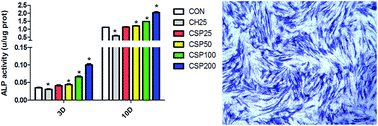
ALP activity of hDPCs with different extracts at day 3 and 10 was examined. Obviously as shown in Fig. 4A, ALP activity of hDPCs was significantly elevated in different concentrations of CSP powder extracts (CSP200, CSP100 and CSP50) as compared to the control group (P < 0.05). However, CH25 group significantly decreased ALP activity at day 3 and 10. A similar trend of the ALP staining in hDPCs cultured with extracts at day 3 was observed (Fig. 4B).
 |
| | Fig. 4 ALP activity of hDPCs cultured with different extracts for 3 and 10 days (A). ALP expression was stained after the cells were cultured in different extracts for 3 days (B). Significantly different from h-DMEM group, *P < 0.05. Cells cultured in h-DMEM were set as the control group. | |
3.6. Odontogenic protein expression of hDPCs cultured with CSP extracts
The expression levels of dentin-related proteins were analyzed using western blot. As shown in Fig. 5A, CSP extract at 200 mg mL−1 significantly upregulated the expression level of DSPP, DMP1 and OPN at day 3.
 |
| | Fig. 5 Expression of proteins related to odontogenic ability in hDPCs with 200 mg mL−1 CSP extracts. (A) The odontogenic proteins were detected by western blot for 3 days; (B) the odontogenic proteins were detected from hDPCs cultured in CSP extracts with or without 20 μM SB203580 for 3 days. Cells cultured in h-DMEM were set as the control group. | |
3.7. The activation of P38/MEPE pathway in hDPCs by CSP extracts
Based on the above results, we further examined whether P38/MEPE pathway might mediate the odontogenic differentiation of hDPCs after stimulated by CSP ceramic extracts. As shown in Fig. 6A, the protein level of p-P38 and MEPE in hDPCs was dramatically increased after interaction with CSP ceramic extracts for 1 day, whereas the total P38 was not affected. To identify whether the activation of P38 pathway is mainly responsible for the stimulation of hDPCs odontogenic differentiation, we inhibited the P38 signaling pathway by using SB203580, a special blocker of P38 pathway and hDPCs were also being subjected to the CSP extract induction. Obviously, the inhibitor blocked P38 phosphorylation and MEPE at day 1 (Fig. 6B). Furthermore, the expression of DSPP, DMP1 and OPN was blocked when cells were cultured for 3 days with SB203580 (Fig. 5B). What's more, the ALP activity and staining were distinctively inhibited by SB203580 (Fig. 7).
 |
| | Fig. 6 The activation of P38/MEPE pathway on the odontogenic differentiation of hDPCs. (A) The expression profile of phosphorylation of P38 and MEPE in hDPCs cultured for 1 day with 200 mg mL−1 CSP extracts. (B) hDPCs were cultured in CSP extracts with or without 20 μM SB203580 for 1 day, respectively. Cells cultured in h-DMEM were set as the control group. | |
 |
| | Fig. 7 (A) ALP activity of hDPCs cultured in 200 mg mL−1 CSP extracts with or without 20 μM SB203580 for 3 days. (B) ALP expression was stained after the cells were cultured in CSP extracts with or without 20 μM SB203580 for 3 days. *P < 0.05. Significantly different from h-DMEM group, cells cultured in h-DMEM were set as the control group. | |
4. Discussion
Operative dentistry has attempted to apply some regenerative approaches such as the use of CH and MTA for vital pulp therapy to stimulate reparative dentine. The chemical component of biomaterials has been shown to influence cell behavior, including cell morphology, adhesion, proliferation and differentiation.7,12,33 Silicate-based bioceramics have been found to foster osteoblast adhesion, proliferation and differentiation and have been used for hard tissue regeneration. Ca7Si2P2O16 (CSP) is Ca-, Si- and P-containing bioceramic and was proved to possess the ability for inducing the osteogenic differentiation of PDLCs and stimulating the bone-related gene and protein expression of BMSCs.11,12 However, it is unclear whether CSP could have positive effect on odontogenic differentiation of hDPCs and the related mechanism has not been reported till now.
It is known that during the treatment of pulp capping, the interactions between hDPCs and pulp-capping agents affect the proliferation and differentiation of hDPCs.17 An ideal pulp-capping material is expected to possess superior biocompatibility.18 To investigate the effect of CSP ceramic powders on hDPCs proliferation, we designed the co-culture system of CSP extracts and hDPCs. The results showed that CSP extracts have no negative effect on hDPCs proliferation except for the highest concentration group of CSP200 (pH value ∼ 8.9). Whereas CH extracts exhibited obvious cytotoxicity due to their high alkaline (pH value ∼ 12.1) and they did not present cytotoxicity on hDPCs until they were diluted to 12.5 mg mL−1, which suggested that CSP ceramic powders had the better cytocompatibility than CH. It is well known that alkaline is an important feature of pulp capping materials and plays a crucial role for antibacterial function of biomaterials.19,20 However, too high alkaline will inhibit cell viability and even lead to pulp coagulation necrosis or calcification.21,22 Therefore, coordination of the pH value is of great importance for the pulp capping biomaterials to exert positive biological effects. In this study, CSP ceramic powders showed weak alkaline without interfering with the vitality of hDPCs, suggesting their promising cytocompatibility to be further studied as pulp capping materials.
During the dentin formation, dental pulp cells (DPCs) undergo proliferation and differentiation into odontoblast-like cells that can secret dentin matrix proteins and induce dentin mineralization.23 Therefore, an ideal pulp-capping material is expected to not only possess superior cytocompatibility but also possess the ability to induce hDPCs odontogenic differentiation and biomineralization. To gain insight into odontogenic potential of CSP bioceramic powders, we investigated the effect of ionic products from CSP on odontogenic differentiation of hDPCs at both gene and protein levels. DSPP, primarily expressed in odontoblasts, is a specific marker for functional odontoblasts and is believed to play a regulatory role in the mineralization of reparative dentin.24,25 DMP1 was initially identified in odontoblasts during embryonic and postnatal development, and it is required at both early and late stages of odontogenesis.26 DMP1 is also considered as an odontoblastic marker even though it is less specific compared with DSPP. In this study, real-time PCR results showed the up-regulation of dentin-related gene expression (DSPP and DMP1) and shared the peak at day 10 in CSP extracts (Fig. 3A & B), which proved that the dissolved products of CSP powders could direct hDPCs differentiation toward the odontoblast lineage. In addition, it has been reported that during early odontogenic differentiation, DMP1 was able to bind specifically with the DSPP promoter and activate its transcription,27 which explained the synchronized expression of DSPP and DMP1 in our study. What's more, the western blot results confirmed that the up-regulated genes (DSPP and DMP1) were effectively translated to the corresponding proteins in order to perform odontogenic function (Fig. 5A).
OPN is a secreted glycophosphoprotein mainly expressed in dentin28 and is found in both mineralized and non-mineralized tissues, which is generally thought to regulate crystal growth by direct binding and inhibition at formed crystallographic surfaces.29 In our study, the gene and protein level of OPN was up-regulated by CSP extracts (Fig. 3C & 5A), suggesting that hDPCs cultured with CSP extracts differentiated into odontoblasts and secreted OPN as modulators of formation and growth of hydroxyl apatite during mineralization. In the meantime, the gene expression level of RUNX2, which is an essential transcription factor for odontogenic differentiation and regulates the expression of many bone- and tooth-related genes,30 increased during treatment with CSP extracts (Fig. 3D). It is reported that RUNX2-deficient mice show impaired tooth formation, progressing only to the cap/early bell stages.31 Expression of ALP activity at specific stages is essential for the differentiation of pulp cells to odontoblasts.32 Therefore, hDPCs in CSP extracts exhibited higher level of ALP activity, suggesting the functional activities of these cells to form mineralized tissue. In summary, our results suggested that CSP extracts could significantly promote the differentiation and mineralization of hDPCs both in gene and protein levels, leading to the formation of the reparative dentin. The PCR and ALP activity results showed that the odontogenic differentiation potential of CSP100 was significantly higher than CH25 (Fig. 3 & 4). Combining with the ICP results of two extracts, it was found that Si ions released by CSP100 play an essential role to contribute to its superior bioactivity. Si was reported to promote osteoblast proliferation and gene expression by involvement in metabolism, collagen synthesis, bone mineralization, and connective tissue cross-linking.33 Therefore, it is reasonable to speculate that the released Si ions from CSP ceramics may play a key role to induce the odontogenic differentiation of hDPCs.
Furthermore, we studied the signal transduction pathway related with odontogenic effect in order to unveil the hidden mechanism. It is well established that P38 mitogen activated protein kinase (MAPK) pathway plays a vital role in mediating inflammatory responses34 and in dentinogenesis35,36 as well as in the control of cellular quiescence.37 Matrix extracellular phosphoglycoprotein (MEPE), a marker of early odontoblast differentiation, is a prerequisite for late odontoblast differentiation.38 P38 MAPK was proved to stimulate MEPE expression and the differentiation of committed DPSCs.39 It was also reported that P38 MAPK is involved in BMP-2-induced odontoblastic differentiation of hDPCs.40 Previous research revealed that the bioactive silica nanoparticles could enter the cells through a caveolae-mediated endocytosis followed by stimulation of the MAPK ERK1/2 (p44/p42) and autophagy, suggesting a cellular mechanism for the stimulatory effects of silica nanoparticles on osteoblast differentiation and mineralization.41 In our study, the bioactive ions released from CSP bioceramic, which were more like soluble chemical signal, obviously activated MEPE expression through P38 MAPK pathway and promoted the expression of DSPP, DMP1 and OPN protein reflecting dentinogenic effect (Fig. 5A & 6A). After applied the specific inhibitor of P38 pathway SB203580, the protein expression levels of p-P38, MEPE, DSPP, DMP1, OPN and ALP activity were obviously attenuated (Fig. 5B, 6B & 7). Collectively, the study revealed that the dissolved ionic components from CSP bioceramic played as the chemical signal and induced odontogenic function of hDPCs through P38/MEPE pathway, offering scientific evidence for Si-based bioceramics used as pulp-capping materials.
5. Conclusion
The study created a beneficial ionic microenvironment for hDPCs by using CSP bioceramic extracts. CSP bioceramics exhibited proper alkaline level and presented good cytocompatibility with hDPCs. The released Si, Ca and P ions significantly promoted the expression of odontogenic gene and protein (DSPP, DMP1, OPN and ALP) for hDPCs through P38/MEPE signaling pathway, in which Si ions released from CSP bioceramics was found to be mainly responsible for stimulatory effect on odontogenic differentiation of hDPCs. These findings offer evidence for Si-based bioceramics as pulp capping materials or additives.
Acknowledgements
This work was supported by grants from Major Program of National Natural Science Foundation of China (81190312), Shanghai Sci-Tech Committee Foundation (13DZ2291100), the National High Technology Research and Development Program of China (863 Program, SS2015AA020302).
References
- M. S. Dominguez, D. E. Witherspoon and J. L. Gutmann, et al. Histological and scanning electron microscopy assessment of various vital pulp-therapy materials, J. Endod., 2003, 29, 324–333 CrossRef PubMed.
- A. H. Schuurs, R. J. Gruythuysen and P. R. Wesselink, Pulp capping with adhesive resin-based composite vs. calcium hydroxide: a review, Endod. Dent. Traumatol., 2000, 16, 240–250 CrossRef CAS.
- C. L. Chen, C. T. Kao and S. J. Ding, et al. Expression of the inflammatory marker cyclooxygenase-2 in dental pulp cells cultured with mineral trioxide aggregate or calcium silicate cements, J. Endod., 2010, 36, 465–468 CrossRef PubMed.
- W. Peng, W. Liu, W. Zhai, L. Jiang, L. Li and J. Chang, et al. Effect of tricalcium silicate on the proliferation and odontogenic differentiation of human dental pulp cells, J. Endod., 2011, 37, 1240–1246 CrossRef PubMed.
- H. Sun, C. Wu, K. Dai, J. Chang and T. Tang, Proliferation and osteoblastic differentiation of human bone marrow-derived stromal cells on akermanite-bioactive ceramics, Biomaterials, 2006, 27, 5651–5657 CrossRef CAS PubMed.
- L. Xia, Z. Zhang, L. Chen, W. Zhang, D. Zeng and X. Zhang, et al. Proliferation and osteogenic differentiation of human periodontal ligament cells on akermanite and beta-TCP bioceramics, Eur. Cells Mater., 2011, 22, 68–82 CAS.
- H. Gu, F. Guo, X. Zhou, L. Gong, Y. Zhang and W. Zhai, et al. The stimulation of osteogenic differentiation of human adipose-derived stem cells by ionic products from akermanite dissolution via activation of the ERK pathway, Biomaterials, 2011, 32, 7023–7033 CrossRef CAS PubMed.
- E. M. Carlisle, Silicon: a possible factor in bone calcification, Science, 1970, 167, 279–280 CAS.
- C. L. Chen, C. T. Kao and S. J. Ding, et al. Expression of the inflammatory marker cyclooxygenase-2 in dental pulp cells cultured with mineral trioxide aggregate or calcium silicate cements, J. Endod., 2010, 36, 465–468 CrossRef PubMed.
- Y. Zhou, C. Wu and Y. Xiao, The stimulation of proliferation and differentiation of periodontal ligament cells by the ionic products from Ca7Si2P2O16 bioceramics, Acta Biomater., 2012, 8, 2307–2316 CrossRef CAS PubMed.
- C. Wu, P. Han and M. Xu, et al. Nagelschmidtite bioceramics with osteostimulation properties: material chemistry activating osteogenic genes and WNT signalling pathway of human bone marrow stromal cells, J. Mater. Chem. B, 2013, 1, 876–885 RSC.
- X. Zhang, C. Wu and J. Chang, et al. Stimulation of osteogenic protein expression for rat bone marrow stromal cells involved in the ERK signalling pathway by the ions released from Ca7Si2P2O16 bioceramics, J. Mater. Chem. B, 2014, 2(7), 885–891 RSC.
- ISO/EN 10993–5 Biological evaluation of medical devices-part 5 tests for cytotoxicity, in vitro methods 82 tests on extracts: ISO/EN 10993–10995. Biological evaluation of medical devices-part 10995 tests for cytotoxicity, in vitro methods 10998.10992 tests on extracts.
- F. Yang, D. Yang, J. Tu and Q. Zheng, et al. Strontium enhances osteogenic differentiation of mesenchymal stem cells and in vivo bone formation by activating Wnt/catenin signaling, Stem Cells, 2011, 29, 981–991 CrossRef CAS PubMed.
- H. Sun, C. Wu, K. Dai, J. Chang and T. Tang, Proliferation and osteoblastic differentiation of human bone marrow-derived stromal cells on akermanite-bioactive ceramics, Biomaterials, 2006, 27, 5651–5657 CrossRef CAS PubMed.
- X. Liu and J. Sun, Endothelial cells dysfunction induced by silica nanoparticles through oxidative stress via JNK/P53 and NF-kappaB pathways, Biomaterials, 2010, 31, 8198–8209 CrossRef CAS PubMed.
- E. P. Guven, M. E. Yalvac and F. Sahin, et al. Effect of dental materials calcium hydroxide-containing cement, mineral trioxide aggregate, and enamel matrix derivative on proliferation and differentiation of human tooth germ stem cells, J. Endod., 2011, 37, 650–656 CrossRef PubMed.
- H. Minamikawa, M. Yamada and Y. Deyama, et al. Effect of N-acetylcysteine on rat dental pulp cells cultured on mineral trioxide aggregate, J. Endod., 2011, 37, 637–641 CrossRef PubMed.
- C. Sathom, P. Parashos and H. Messer, Antibacterial efficacy of calcium hydroxide intracanal dressing: a systematic review and meta-analysis, Int. Endod. J., 2007, 40(1), 2–10 CrossRef PubMed.
- J. F. Siqueira and H. P. Lopes, Mechanisms of antimicrobial activity of calcium hydroxide: a critical review, Int. Endod. J., 1999, 32(5), 361–369 CrossRef.
- M. S. Dominguez, D. E. Witherspoon and J. L. Gutmann, et al. Histological and scanning electron microscopy assessment of various vital pulp-therapy materials, J. Endod., 2003, 29, 324–333 CrossRef PubMed.
- A. H. Schuurs, R. J. Gruythuysen and P. R. Wesselink, Pulp capping with adhesive resin-based composite vs. calcium hydroxide: a review, Endod. Dent. Traumatol., 2000, 16, 240–250 CrossRef CAS.
- D. Tziafas, Basic mechanisms of cytodifferentiation and dentinogenesis during dental pulp repair, Int. J. Dev. Biol., 1995, 39, 281–290 CAS.
- R. N. D'Souza, T. Bachman and K. R. Baumgardner, et al. Characterization of cellular responses involved in reparative dentinogenesis in rat molars, J. Dent. Res., 1995, 74, 702–709 CrossRef PubMed.
- P. Papagerakis, A. Berdal and M. Mesbah, et al. Investigation of osteocalcin, osteonectin, and dentin sialophosphoprotein in developing human teeth, Bone, 2002, 30, 377–385 CrossRef CAS.
- Y. Lu, L. Ye and S. Yu, et al. Rescue of odontogenesis in Dmp1-deficient mice by targeted re-expression of DMP1 reveals roles for DMP1 in early odontogenesis and dentin apposition in vivo, Dev. Biol., 2007, 303, 191–201 CrossRef CAS PubMed.
- K. Narayanan, S. Gajjeraman and A. Ramachandran, et al. Dentin matrix protein 1 regulates dentin sialophosphoprotein gene transcription during early odontoblast differentiation, J. Biol. Chem., 2006, 281, 19064–19071 CrossRef CAS PubMed.
- Q. Zhang, M. Fan, Z. Bian, Z. Chen and Q. Zhu, Immunohistochemistry of bone sialoprotein and osteopontin during reparative dentinogenesis in vivo, Chin. J. Dent. Res., 2000, 3, 38–43 CAS.
- A. Gericke, C. Qin, L. Spevak, Y. Fujimoto, W. T. Butler and E. S. Sorensen, et al. Importance of phosphorylation for osteopontin regulation of biomineralization, Calcif. Tissue Int., 2005, 77, 45–54 CrossRef CAS PubMed.
- S. Chen, J. Gluhak-Heinrich and Y. H. Wang, et al. Runx2, Osx, and Dspp in tooth development, J. Dent. Res., 2009, 88, 904–909 CrossRef CAS PubMed.
- R. N. D'Souza, T. Aberg and J. Gaikwad, et al. Cbfa1 is required for epithelial-mesenchymal interactions regulating tooth development in mice, Development, 1999, 126, 2911–2920 Search PubMed.
- A. J. Sloan, R. B. Rutherford and A. J. Smith, Stimulation of the rat dentine-pulp complex by bone morphogenetic protein-7 in vitro, Arch. Oral Biol., 2000, 45, 173–177 CrossRef CAS.
- Y. Huang, X. G. Jin and X. L. Zhang, et al. In vitro and in vivo evaluation of akermanite bioceramics for bone regeneration, Biomaterials, 2009, 30, 5041–5048 CrossRef CAS PubMed.
- A. R. Clark and J. L. Dean, The p38 MAPK Pathway in Rheumatoid Arthritis: A Sideways Look, Open Rheumatol. J., 2012, 6, 209–219 CrossRef CAS PubMed.
- F. W. G. Paula-Silva, A. Ghosh, L. A. B. Silva and Y. L. Kapila, TNF-alpha promotes an odontoblastic phenotype in dental pulp cells, J. Dent. Res., 2009, 88, 339–344 CrossRef CAS PubMed.
- S. Simon, A. J. Smith, A. Berdal, P. J. Lumley and P. R. Cooper, The MAP Kinase Pathway Is Involved in Odontoblast Stimulation via p38 Phosphorylation, J. Endod., 2010, 36, 256–259 CrossRef PubMed.
- M. S. Sosa, A. Avivar-Valderas, P. Bragado, H.-C. Wen and J. A. Aguirre-Ghiso, ERK1/2 and p38/MAPK signaling in tumor cell quiescence: opportunities to control dormant residual disease, Clin. Cancer Res., 2011, 17(18), 5850–5857 CrossRef CAS PubMed.
- M. Goldberg, S. Lacerda-Pinheiro, F. Priam, N. Jegat, N. Six, M. Bonnefoix, D. Septier, C. Chaussain-Miller, A. Veis, P. Denbesten and A. Poliard, Matricellular molecules and odontoblast progenitors as tools for dentin repair and regeneration, Clin. Oral Investig., 2008, 12, 109–112 CrossRef CAS PubMed.
- J. Vandomme, Y. Touil and P. Ostyn, et al. IGF-1R and p38 MAPK signals inversely regulate STAT3 activity to control human dental pulp stem cell quiescence, propagation and differentiation, Stem Cells Dev., 2014, 23(8), 839–851 CrossRef CAS PubMed.
- W. Qin, Z. M. Lin and R. Deng, et al. p38a MAPK is involved in BMP-2-induced odontoblastic differentiation of human dental pulp cells, Int. Endod. J., 2012, 45(3), 224–233 CrossRef CAS PubMed.
- S.-W. Ha, M. Neale Weitzmann and G. R. Beck Jr, Bioactive silica nanoparticles promote osteoblast differentiation through Stimulation of autophagy and direct association with LC3 and p62, ACS Nano, 2014, 8(6), 5898–5910 CrossRef CAS PubMed.
|
| This journal is © The Royal Society of Chemistry 2015 |
Click here to see how this site uses Cookies. View our privacy policy here.