

Essential oil encapsulations: uses, procedures, and trends
Hamid Majeed*a,
Yuan-Yuan Biana,
Barkat Alia,
Anjum Jamilb,
Usman Majeedb,
Qaiser Farid Khanc,
Khalid Javed Iqbald,
Charles F. Shoemakere and
Zhong Fanga
aKey Laboratory of Food Colloids and Biotechnology, Ministry of Education, School of Food Science and Technology, Jiangnan University, Wuxi 214122, P.R. China. E-mail: fzhong@jiangnan.edu.cn; Tel: +86 13812536912
bDepartment of Veterinary Sciences, University of Agriculture Faisalabad, Pakistan
cMicrobial Electro-chemistry Research Group, Swette Centre for Environmental Biotechnology Biodesign Institute Arizona State University, Tempe, AZ, USA
dDepartment of Life Sciences, The Islamia University of Bahawalpur, Pakistan
eDepartment of Food Science and Technology, University of California, Davis, CA 95616, USA
First published on 18th June 2015
Abstract
Recently there has been an increased interest towards the biological activities of essential oils (EOs). However, EOs are unstable and susceptible to degradation when exposed to environmental stresses like oxygen, temperature, and light. Therefore, attempts have been made to preserve them through encapsulation in various colloidal systems such as microcapsules, nanospheres, nanoemulsions, liposomes, and molecular inclusion complexes. This review focuses on various techniques used for the encapsulation of EOs, potential applications in food, and their behaviours/trends after encapsulation. The encapsulation efficiency, particle size, and physical stability of EOs encapsulated in colloidal systems is dependent on the kind of technique and the type and concentration/ratio of emulsifier/wall material used. Moreover, the benefits associated after encapsulation, namely bioavailability, controlled release, and protection of EOs against environmental stresses are discussed. The applications of encapsulated EOs are also summarized in this review. Encapsulated EOs are promising agents that can be used to increase the anti-microbial, antifungal, antiviral, and pesticidal activities of EOs in real food systems, to study their action mechanism, and to provide nonlethal therapeutic agents to treat several diseases.
1. Introduction
EOs are a diverse group of natural aromatic compounds isolated mostly from non-woody plant materials by hydro-distillation, solvent–solvent extraction, and liquid CO2 extraction.1 They contain terpenoids, especially monoterpenes (C10), sesquiterpenes (C15), and diterpenes (C20), along with a variety of aliphatic hydrocarbons (low molecular weight), acids, alcohols, aldehydes, and esters.2–4 They are characterized by main constituents present in higher concentrations rather than components in trace quantities. For example, EOs of clove contains 85% eugenol, and 10–12% eugenol acetate, and these determine its biological activity.5 Due to these versatile compounds EOs possess bactericidal, fungicidal, antioxidant, virucidal, and anticarcinogenic properties. EOs have already been utilized to control bacterial and fungal contaminations.6–8 Fu and others (2007)6 evaluated the bactericidal and fungicidal potential of clove and rosemary EOs alone and in combination. They found significant inhibition of S. epidermidis, E. coli, and C. albicans at MIC values of 0.062–0.500% (v/v), 0.125–1.00% (v/v) for clove and rosemary EOs, respectively. Similarly, other researchers have also used EOs as antibacterial and antifungal agents.7–13 Gortzi and others (2008)14 used Myrtus communis extract to inhibit the oxidation of sunflower oil. The results showed considerable reduction in oxidation at 160 ppm, and the antioxidant activity of extracts further improved when encapsulated in liposome. EOs possess volatile constituents which are sensitive to oxygen, light, humidity, and heat. To increase their stability and functional performance EOs can be encapsulated.Encapsulation has been widely used for protection, target delivery, and enhanced biological functions of bioactive compounds.15–17 Wang and others (2009)17 prepared carvacrol loaded microcapsules, designed to target the intestine for enhanced antimicrobial activity and increased bioavailability. They found <20% oil released in stomach and rest was completely released in intestine. Similarly, variety of researchers reported sustained release characteristics of EOs after encapsulation in different matrices.15,16,18–20 Encapsulation not only provides controlled release, but also increased the bioavailability of bioactive compounds/drugs. The same trend was observed, when different EOs constituents (peppermint oil, eugenol, carvacrol and thymol) were nanoencapsulated, which resulted in enhanced antimicrobial activity compared to bulk oil.21,22 To achieve these benefits, EOs have been encapsulated by using various chemical, physicochemical and mechanical procedures. Among these liposomes,14 molecular inclusion,23,24 coacervation and complex coacervation,25,26 spray drying,27 emulsification,21,28 ionic gelation29 and emulsion extrusion17 have been used by many researchers to encapsulate EOs. Encapsulation consists of two important things namely core (bioactive) & wall material/emulsifier (that protects bioactive). The latter is of great importance because the stability, release behavior of core (bioactive) depends on its physiochemical nature, and further on type, and parameters of encapsulation technique. Different types of protein,26,30 polysaccharide21,31 and synthetic22,32 emulsifiers/wall materials have been used to encapsulate the EOs/constituents. This article will focus on various procedures employed for EOs encapsulation, benefits after entrapment, uses in food, and their trends.
2. Essential oils and their properties
EOs are complex natural, volatile aromatic compounds, characterized by two or three major components at fairly high concentrations (20–70%) compared to other components present in trace amounts. Biological activities of EOs are mainly due to main components that are present in high concentration. For example, Artemisia alba EO posses camphor 24%, while Mentha piperita contain menthol and menthone 59% and 19%, respectively. Because of these components, EOs have been largely employed for their well-known antibacterial, antifungal, antioxidant, and anticarcinogenic applications. Walsh and others (2003)8 reported antimicrobial properties of natural bactericidal compounds eugenol, thymol, triclocarban (TCC), and didecyldimethylammonium chloride (DDDMAC) against E. coli, S. aureus and P. aeruginosa. Eugenol, thymol, and alkyl dimethyl amine oxides (ADMAO) were effective against E. coli, S. aureus, while TCC showed activity only against S. aureus. The observed minimum inhibitory concentration values (MIC) of eugenol, and thymol against E. coli, S. aureus and P. aeruginosa were 0.05, 0.1 and >0.1% (v/v), respectively. Strong inhibitory action of eugenol, carvacrol, thymol, diacetyl, and cinnamic acid against E. sakazakii has also been confirmed.33 Fu and others (2007)34 suggested inhibition of S. epidermidis, S. aureus, B. subtilis, E. coli, P. vulgaris, P. aeruginosa, C. albicans and A. niger by clove and rosemary EOs alone and in combination. The MIC values for clove & rosemary EOs were in the range of 0.062% to 0.5% (v/v) and 0.125–1% (v/v). Bactericidal action of EOs have also been confirmed by many studies.9–11,13EOs possess promising antifungal activity, and have potential to replace synthetic preservatives as revealed by many researchers.35–41 Bansod and Rai (2008),42 suggested fungicidal action of Cymbopogon martini, Eucalyptus globules, and Cinnamomun zylenicum EOs against A. niger, and A. fumigatus. The MIC values were 0.06, 0.12, and 0.12% (v/v), respectively. Amiri and others (2008),43 reported eugenol (2 mg ml−1) induced mycelial growth inhibition of P. vagabunda, P. expansum, Bortrytiscinerea, and M. fructigena. The average growth inhibition varied between 88.6–90% at 4 °C and 72.5–84.4% at 20 °C, respectively. EOs also possess antioxidant activity as evidenced by many studies.44–50 Viuda-martos and others (2010)51 used EOs for in vitro evaluation. Among five spice EOs oregano, thyme, rosemary, sage, and clove, clove EO showed strong antioxidant potential as it inhibited (98.74%) DPPH radical. Antioxidant potential of cumin (Cuminum cyminum L.) stem, leaves, and flowers EOs have also been reported. They found that cumin flower acetone extract was more effective antioxidant interms of DPPH radical scavenger, lipid peroxidation inhibitor, and reducing agent with IC50 value 4, 32 and 8 μg ml−1, respectively.52
EOs have been also utilized as potential source of anticarcinogenic agents.53–60 The EOs from lemon grass (Cymbopogon flexuosus), sage (Salvia officinalis), katafa (Cedrelopsis grevei), and bugleweed (Lycopus lucidus) have been reported to be cytotoxic to human cancer cell lines.61–63 Sylvestre and others (2006),64 found significant tumor growth reduction of human lung carcinoma cell line A-549 and human colon adenocarcinoma cell line DLD-1, when treated with Croton flavens leaf EO. The GI50 values were 27 ± 4 μg ml−1 for A-549 and 28 ± 3 μg ml−1 for DLD-1, respectively. Similarly, Ashour (2008)65 reported anticarcinogenic potential of Eucalyptus sideroxylon and Eucalyptus torquata leaf, stem, and flower EOs against human hepatocellular carcinoma cell line (HEPG2), and human breast adenocarcinoma cell line (MCF7). Inspite of all these characteristics, EOs have certain limitations such as low water solubility, high volatility, and strong odor that limit their applications in food and pharmaceutical industry. To overcome such barriers, EOs can be encapsulated to retain their stability, flavor retention, and functional properties.
3. Encapsulation of essential oils (EOs): techniques/strategies
Encapsulation of EOs has been carried out by variety of chemical,15 physicochemical24 and mechanical procedures.21,22,28,30 Commonly used procedures to encapsulate EOs are summarized in Fig. 1. | ||
| Fig. 1 Showing different processes and materials utilized for encapsulation of essential oils, parameters (outside the boxes) that affect the encapsulated product and its characteristics. | ||
3.1 Chemical procedures
Among chemical approaches liposomes have been widely used for the encapsulation of EOs. Liposomes are normally prepared by mixing lipids in organic solvents and subsequent drying either by rotary evaporator, spray drying or by lyophilization. Phospholipids have typically been used for the preparation of liposomes. For thymol and carvacrol egg L-α phosphatidylcholine & cholesterol were mixed in methanol, solvent removed at 35 °C under nitrogen stream & the lipid film obtained was hydrated to prepare multilamellar vesicles (MLV) from unilamellar vesicle. A total of 1.07 mg carvacrol was added in liposomes and the encapsulated percentage was 4.16% (0.045 mg). The liposomes incorporated carvacrol & thymol showed enhanced antimicrobial activity and its long term retention favored its stability in liposomes as evident from stability study.71 In another study Myrtus communis extract was incorporated in liposomes prepared by L-α phosphatidylcholine & cholesterol mixed in chloroform–methanol solution to determine the antioxidant activity. Whereas, phosphatidylglycerol was replaced with L-α phosphatidylcholine for antimicrobial activity determination. The liposomes prepared were spherical in shape and the size was in the range of 270–300 nm.14 Similarly, Sinico and others (2005)32 prepared MLV of A. arborescens EO (2.5 mg ml−1) using soya phosphatidylcholine in chloroform. They reported less incorporation of EO in Brij 30 based vesicles, while soya phospholipid vesicles entrap 60–74% of A. arborescens EO with size in the range of 70–150 nm. The liposomes incorporated A. arborescens oil significantly reduced herpes simplex virus-1 (HSP-1) at 100 μg ml−1 while free/unencapsulated oil at similar dose showed poor activity. This result also confirmed the stability of oil in liposomes with increased bioactivity. In addition to chemical procedures various researchers used physicochemical procedures to encapsulate EOs.25,263.2 Physicochemical procedures
Coacervation is a physico-chemical process that involves phase separation of one or more hydrocolloids from solution and subsequent deposition of newly formed coacervate phase around the active ingredient suspended in the same reaction media. Rosmarinus and thymus EOs were dispersed in 10% gelatin solution prepared at 40 °C, mixture was emulsified using high shear mixer with subsequent addition of sodium sulphate (20% wt/wt) to obtain coacervate phase at 5 °C under continuous stirring for 1 hour. Further, glutaraldehyde (1 mmol per g gelatin) was added at pH 8 under stirring at 750 rpm at 5 °C for 3 hours and finally microparticles were filtered and freeze dried. The microcapsules prepared were spherical with an average diameter of 60 μm and retained 75% of oil in microcapsules. However, significant increase in morality of Indian meal moth (P. interpunctella) was recorded as concentration of microcapsules increased in the diet.26 Similarly, citronella oil was also encapsulated by simple coacervation as described earlier except formaldehyde solution (37% v/v) that was used to rigidize citronella oil entrapped gelatin microcapsules. The microcapsules showed slow release of citronella oil (CO) and after 10 hours 70% was released. The results of this study showed sustained release and protection of oil from environmental factors.31 In another study, lavender oil microcapsules were prepared using complex coacervation of collagen hydrolysate (CH), chitosan (C) crosslinked with glutaraldehyde. Briefly, both CH (5 g) and C (2.5 g) were dissolved separately in distilled water (100 ml), heated until transparency achieved. Both CH–C solution (1/0.0, 0.75/0.25, 0.5/0.5 & 0.25/0.75) were mixed under stirring (800 rpm) at 30 °C. After that temperature increased to 42 °C, lavender oil (2–10 ml) was added drop wise and coacervate formed by the addition of sodium sulphate (10% wt/v) at pH 7. Further microcapsules were cross-linked using glutaraldehyde (0.1–0.3 mmol g−1) under stirring at 42 °C for 6–8 hours, temperature reduced to 30 °C and microcapsules washed with 0.1% Tween 80 solution to remove surface oil & finally freeze dried. The microcapsules prepared were spherical and encapsulation efficiency was 36.84–73.73%.67 Complex coacervation was also used to prepare camphor oil loaded microcapsules of gelatin blended with gum arabic and further fabricated with polystyrene. The microcapsules showed encapsulation efficiency between 80–100% and particle sizes were 85.7, 167.2 & 294.7 μm respectively.25Ayala-Zavala and others (2008)23 prepared cinnamon and garlic oil loaded microcapsules using molecular inclusion/β-cyclodextrin inclusion complex method. Briefly, β-cyclodextrin (50 g) was dissolved in ethanol–water mixture (1![[thin space (1/6-em)]](https://www.rsc.org/images/entities/char_2009.gif) :2) at 55 °C, after that each EO dissolved in ethanol (10% w/v) was slowly added to warm β-cyclodextrin solution in variable weight ratios (0:100, 4:96, 8:92, 12:88 & 16:84). Finally, resultant mixture was stirred without heating for 4 h and precipitated oil–β-cyclodextrin microcapsules were filtered and dried in convection oven (50 °C). The microcapsules of both cinnamon & garlic oil showed encapsulation efficiency of 94.82, 93.76%, respectively and were effective against A. alternata fungus. Choi and others (2009)24 prepared eugenol loaded microcapsules using β-cyclodextrin & 2-hydroxyl propyl (2HP) β-cyclodextrin by molecular inclusion method. They reported higher encapsulation efficiency of eugenol–β-cyclodextrin (90.9%) than eugenol–2HP-β-cyclodextrin (89.1%) and confirmed that hydrophilic chain of 2-hydroxyl propyl group in 2HP-β-cyclodextrin was not efficient for the inclusion of lipophilic compounds like eugenol. Another research group encapsulated flax seed oil in β-cyclodextrin inclusion complexes in variable ratios (5:95–20:80 wt/wt). They obtained maximum load (95.8 mg of oil per g β-cyclodextrin) of flaxseed oil at 20:80 ratio and further no change in the composition of oil was observed after inclusion in β-cyclodextrin as evidenced from gas chromatography results. These results showed protection of eugenol and favored its encapsulation in inclusion complexes as suitable approach.81 PO,19 lemon oil82 in β-cyclodextrin inclusion complexes have also been encapsulated as described earlier. Hill and others (2013)83 prepared β-cyclodextrin inclusion complexes of eugenol, trans-cinnamaldehyde, clove extract, cinnamon bark extract and eugenol–trans-cinnamaldehyde via freeze drying. The particle sizes were in the range of 0.86–2.00 μm, showed spherical morphology with entrapment efficiency of 41.7–84.7%. They confirmed inhibitory action of microcapsules against S. enterica, Typhimurium & L. innocua but unencapsulated/free oil and extracts showed poor inhibition at same concentrations. These results showed better retention and protection of lipophilic compounds in inclusion complexes.
:2) at 55 °C, after that each EO dissolved in ethanol (10% w/v) was slowly added to warm β-cyclodextrin solution in variable weight ratios (0:100, 4:96, 8:92, 12:88 & 16:84). Finally, resultant mixture was stirred without heating for 4 h and precipitated oil–β-cyclodextrin microcapsules were filtered and dried in convection oven (50 °C). The microcapsules of both cinnamon & garlic oil showed encapsulation efficiency of 94.82, 93.76%, respectively and were effective against A. alternata fungus. Choi and others (2009)24 prepared eugenol loaded microcapsules using β-cyclodextrin & 2-hydroxyl propyl (2HP) β-cyclodextrin by molecular inclusion method. They reported higher encapsulation efficiency of eugenol–β-cyclodextrin (90.9%) than eugenol–2HP-β-cyclodextrin (89.1%) and confirmed that hydrophilic chain of 2-hydroxyl propyl group in 2HP-β-cyclodextrin was not efficient for the inclusion of lipophilic compounds like eugenol. Another research group encapsulated flax seed oil in β-cyclodextrin inclusion complexes in variable ratios (5:95–20:80 wt/wt). They obtained maximum load (95.8 mg of oil per g β-cyclodextrin) of flaxseed oil at 20:80 ratio and further no change in the composition of oil was observed after inclusion in β-cyclodextrin as evidenced from gas chromatography results. These results showed protection of eugenol and favored its encapsulation in inclusion complexes as suitable approach.81 PO,19 lemon oil82 in β-cyclodextrin inclusion complexes have also been encapsulated as described earlier. Hill and others (2013)83 prepared β-cyclodextrin inclusion complexes of eugenol, trans-cinnamaldehyde, clove extract, cinnamon bark extract and eugenol–trans-cinnamaldehyde via freeze drying. The particle sizes were in the range of 0.86–2.00 μm, showed spherical morphology with entrapment efficiency of 41.7–84.7%. They confirmed inhibitory action of microcapsules against S. enterica, Typhimurium & L. innocua but unencapsulated/free oil and extracts showed poor inhibition at same concentrations. These results showed better retention and protection of lipophilic compounds in inclusion complexes.
3.3 Mechanical procedures
Among these spray drying is the low cost, commercial process which is mostly used for the encapsulation of EOs. In spray drying, core material is dispersed in polymer solution, and sprayed into a hot air chamber. Arana-Sanchez and others74 spray dried OEO emulsion prepared using β-cyclodextrin, fed at room temperature with an inlet air temperature of 105 °C, and pump flow rate was 1.1 ml min−1. Microcapsules showed spherical to ovoid shape with size in the range of 0.71–20 μm, 1.42–28.14 μm, and 1.07–38 μm, respectively. The formulation with bigger size showed increased encapsulation efficiency (81.03%) compared to smaller sized capsules (0.71–20 μm) with 53.90%. Thymol loaded emulsion prepared with whey protein–maltodextrin conjugate was also spray dried with an inlet air temperature of 150 °C, compressed air pressure of 600 kpa, air flow rate of 35 m3 h−1, and feed rate was 6.67 ml min−1. The encapsulation efficiency was 73.8–82.8% at 10% volume fraction of oil phase, but reduced to 67.6% when oil phase fraction increased to 30%. They also reported loss of thymol due to inlet temperature that was equivalent to its vapor pressure (8.0 kpa), and concomitant loss of capsule shape i.e., ruptured wall that happened during spray drying as evident from AFM images.75,76 Another research group prepared powdered eugenol nano-dispersions by spray drying at 6.67 ml min−1 feed rate and outlet temperature was 80–90 °C. They reported stable and transparent nano-dispersions having small particle size.75,76 Basil oil emulsion emulsified with gum arabic was spray dried using emulsion feeding rate of 0.7 l h−1, drying temperature of 180 °C, and vapor pressure of 0.4 MPa.77 The droplets mean diameter was 1.17–2.87 μm, and oil retention varied from 56.43–88.28%. Baranauskiene and others30 spray dried peppermint oil (15.25% wt/wt) dispersed in wall material solutions of n-octenyl succinic anhydride modified starches. The dispersions were dried in Buchi mini spray drier at inlet air temperature of 200 ± 10 °C, outlet temperature of 120 ± 10 °C, and compressor pressure of 400 mm/H2O. They also reported increased retention of oil (39.2–97.4%) was associated with small size droplets compared to bigger ones. On the other hand, more oil evaporated/lost during atomization as modified starches take longer time for film formation around droplets during spray drying. Clove extract (2.5 g) emulsion prepared with maltodextrin (12 g) and gum arabic (6 g) was spray dried at inlet & outlet temperature of 150 °C & 86 °C, respectively. The powder particles showed (1–15 μm) shriveled morphology with yield percentage of 62%, when air flow, emulsion feed rate, and atomization pressure were kept at 40 mm, 6.67 ml min−1, −45 mbar, respectively. Rosemary EO emulsified with whey protein isolate, and inulin was fed into spray dryer at 0.9 l h−1 with an inlet temperature of 170 °C to prepare encapsulated powders. The microencapsulation efficiency was 28.97–38.34%, and the retention of oil was more when whey protein, and inulin concentration was 3:1 and 1:1. However, no increase in oil retention was observed with higher inulin concentration. They reported increased efficiency of EO during spray drying that was dependent on wall material type and its emulsifying capability.78 In another study rosemary EO dispersed in gum arabic solution (1:4 oil–wall) was spray dried to prepare encapsulated powder.79 Spray drying was done at an inlet temperature of 171 °C, feed rate of 0.92 l h−1, and atomizing air pressure was kept at 40 l h−1. They reported efficient drying at higher inlet temperature, and increased wall material concentration, which resulted in more powder recovery. They observed loss of oil content from particles due to volatilization during drying by atomization because of delay in the formation of semi permeable membrane when carrier concentration was low. However, maximum oil retention was 36.95% when wall material (gum arabic) concentration was 19.3%. Similarly, Beirao-da-costa and others (2013)18 spray dried OEO emulsion, the capsules prepared were in the range of 3–4.5 μm and some capsules represent ruptured wall due to high inlet temperature. Najafi and others (2011)80 compared spray and freeze drying method for the encapsulation of cardamom oil using HI CAP 100 and skim milk powder as wall materials. The spray drying retained more volatiles (91–94%) than freeze drying (84–86%) and microcapsules prepared were of high quality compared to freeze dried microcapsules. However, in case of skim milk powder, microcapsules particle size (13.97–19.91 μm) was smaller than HI CAP 100 (15.41–21.87 μm) but, former released volatile contents much faster during drying than later one. Therefore, spray drying was recommended as suitable method for the encapsulation of EOs.
Similarly, various researchers used high energy emulsification approach for the generation of EOs loaded nanoemulsions has been carried out by many researchers. For example, Liang and others (2012)21 for the preparation of PO loaded nanoemulsion, blended PO with medium chain triglyceride (MCT), and mixed with purity gum 2000 solution 12% (w/w) to prepare coarse emulsion using Ultra Turax (a high speed blender). Finally, coarse emulsions passed through high pressure homogenizer at 150Mpa, and 5 processing cycles, showed particle size <200 nm and were effective against S. aureus & L. monocytogenes till 24 hours at 0.25% (v/v) concentration. They confirmed similar composition of PO components before and after encapsulation. The long term inhibition of bacterial growth by PO nanoemulsions and their better protection promoted high energy emulsification a suitable method for encapsulation of EOs. Similarly, another research group prepared D-limonene, cinnamaldehyde and carvacrol loaded nanoemulsions (130–293 nm) using soy lecithin (3%), pea proteins (3%), sugar ester (1%) and glycerol monooleate with Tween 20 (0.5:0.5%) as emulsifying agents. The formulations with glycerol monooleate with Tween 20 showed prolonged bactericidal action against S. cerevisiae, E. coli & L. delbrueckii because of more availability of antimicrobial compound by this emulsifier compared to other emulsifiers. D-Limonene & terpenes mixture from Melaleuca alternifolia based nanoemulsions (74–365 nm) were also prepared using Tween 20 & glycerol monooleate, soy lecithin and cleargum individually as emulsifiers. Soy lecithin based emulsions formulations of D-limonene & terpene mixture were efficient and delayed growth of L. delbrueckii for 5 days in orange & 2 days in pear juice compared to control when added at concentration of 1 g l−1.28 Terjung and others (2012)22 also reported preparation of eugenol and carvacrol loaded nanoemulsions using high pressure homogenization technique. They observed antimicrobial activity of eugenol and carvacrol loaded variable particle sized emulsions (80, 200, 1000 and 3000 nm) against E. coli & L. innocua. They reported complete killing of bacterial cells when treated with bigger particle size (3000 nm) due to more concentration of antimicrobial compound and vice versa happens with smaller particle size (80 nm). Rosemary EO loaded emulsions prepared by high pressure homogenization was stable for 50 days at ambient conditions.84 Chang and others (2012)85 prepared thyme oil (10% v/v) loaded nanoemulsions with average particle size of (160, 170 nm) using high pressure homogenization. They reported decreased antimicrobial efficacy because of increased concentration of ripening inhibitors type (corn oil or medium chain triglyceride MCT oil) in lipid phase and when 70% ripening inhibitor was added in lipid phase the minimum inhibitory concentration against Zygosaccharomyces bailii containing corn & MCT oil were 750 and 3000 μg ml−1, respectively. These results showed physical stability of thyme oil in nanoemulsions droplets but decreased antimicrobial activity was due to partition coefficient. Vegetable,86 soybean,87 corn or octadecane,88 castor,89 citronella, basal & vetiver oil90 based nanoemulsions have also been prepared by using high pressure homogenization technique.
3.4 Other encapsulation methods
Eugenol and carvacrol grafted chitosan nanoparticles were prepared via Schiff base reaction.29 Briefly, chitosan nanoparticles (CH-NPs) were prepared using ionic gelation method. For this 0.5% w/v chitosan in 1% v/v acetic acid at pH 4.1, TTP solution (2.5 mg ml−1) was added drop wise in chitosan solution under stirring at 10000 rpm, separated by centrifugation and were freeze dried. Further, eugenol and carvacrol aldehydes were grafted on CH-NPs via Schiff base reaction. A 30 ml methanol, 100 mg CH-NPs with excess of eugenol & carvacrol aldehydes and reaction mixture was refluxed for 48 hours. Finally, eugenol and carvacrol grafted nanoparticles were separated by centrifugation and vacuum dried at 42 °C for 12 hours. Among eugenol (235 nm) & carvacrol (260 nm) grafted CH-NPs, eugenol grafted nanoparticles showed antioxidant activity at lower EC50 (2.6 mg ml−1) value than carvacrol grafted nanoparticles (>4.0 mg ml−1). On the other hand, eugenol grafted CH-NPs showed higher antimicrobial efficacy than carvacrol grafted CH-NPs. In another research, OEO was encapsulated in chitosan nanoparticles by two step process i.e., oil in water o/w emulsion and ionic gelation of chitosan with sodium tripolyphosphate (TPP). In this chitosan (1% w/v) in acetic acid (1% v/v) solution was stirred and Tween 80 was added to get homogenous mixture under stirring at 42 °C for 2 hours. After that OEO (0.04, 0.08, 0.16 & 0.32 g) was dissolved in CH2Cl2 (4 ml) and dropped in chitosan solution during homogenization to prepare oil in water emulsion. TTP solution was then added drop wise into agitated emulsions till 40 minutes. Finally, nanoparticles were centrifuged (9000g), suspension was sonicated in ice bath (0.7 s working & 0.3 s rest) and freeze dried at −35 °C for 72 hours. The prepared nanoparticles were spherical (40–80 nm) and the encapsulation efficiency was 21–47%.20 In the orifice method citronella oil loaded microcapsules were prepared as follows, 0.5 wt% yellow dye was added in citronella oil, citronella oil (2 ml) was added in chitosan solution (0.2, 0.5, 1 & 1.5%) under stirring. After that 0.1–1.5 wt% NaOH was added slowly and the prepared microcapsules were centrifuged to remove excessive material and kept in 5 wt% natural coconut oil for 10 days. Finally microcapsules were vacuum oven dried at 30 °C for overnight. They concluded that encapsulation efficiency affected by chitosan concentration and when these were 0.5, 1 & 1.5% the encapsulation efficiencies were 98.2, 95.8 and 94.7%, respectively.15 Carvacrol loaded microcapsules were also prepared by using Ca-alginate hydrogel using emulsion extrusion method. For this alginate (20 g l−1) in deionized water, carvacrol & Tween 80 were added to a final concentration of 200 and 0.5 g l−1 respectively. The mixture was emulsified using blender, emulsion was extruded into collecting water bath using 20 g l−1 CaCl2 in encapsulator with 500 μm nozzle. The microcapsules kept for 30 minutes in CaCl2 for hardening, washed and air dried for 30 h at 22 °C. The microcapsules showed strong antimicrobial activity against E. coli in vitro and during in vitro digestion only 20% carvacrol released in gastric fluid while remaining in intestinal fluid after 6 hours of incubation.17
Co-crystallization is another method used for the encapsulation of orange peel oil. In this process crystal structure of sucrose is modified from a perfect crystal to conglomerate. The resultant structure has porous configuration which can accept the addition of second ingredient. For orange peel oil sucrose syrup of 70° Brix was concentrated to 95° Brix under hot magnetic stirring, orange peel oil was added at variable ratios (100, 150, 170, 200 and 250 g oil per kg sucrose) using shear mixer till crystallization achieved. When crystallization started, heating was stopped and heat of crystallization eliminated water to make granular product. The encapsulation efficiency of sucrose syrup was >90% and oxidized flavor were observed in formulations that have antioxidants prior to co-crystallization. This method is rarely used for the encapsulation of food ingredients due to lack of versatility and health concerns related to sucrose.90 In the emulsion evaporation method.91 Poly(DL-lactide-co-glycolide) PLGA (50 mg) in dichloromethane (2 ml) with trans-cinnamaldehyde or eugenol (16% w/w) was prepared. After that aqueous phase containing poly vinyl alcohol (PVA: 0.3% w/v) mixed with organic phase and oil in water (O/W) emulsion was prepared using homogenization. Further, emulsions were sonicated at 2 °C for 10 minutes at 70 W energy output and organic phase evaporated using rotary evaporator. Finally, nanoparticles loaded with eugenol and trans-cinnamaldehyde were purified through ultrafiltration and freeze dried. The nanoparticles were in the size range of 200 nm with encapsulation efficiency of both compounds ranging from 92–98% and were effective against Salmonella and Listeria spp. These results favored encapsulation of EO using this approach because of its ability to protect and increased the shelf stability of encapsulated compound. Zein nanospheres loaded with thyme, cassia & oregano EO were prepared using phase separation method. For this each oil (250 mg) with zein (1 g) dissolved in ethanol (85%), solution was rapidly mixed with 0.01% silicone fluid till single phase formed and the opaque solution containing oil was lyophilized overnight. The nanospheres prepared were of irregular shape and the encapsulation efficiencies of oils were in the range of 65–75%. This technique is rapid, enabled protection of EOs and controlled its release in stomach, small intestine & large intestine.92 Emulsification external gelation method was used for the preparation of turmeric oil loaded nanocapsules.93 Briefly, turmeric oil solution in ethanol (20 mg ml−1) was mixed with alginate solution (0.6 mg ml−1) containing Tween 20 (1%/v) to prepare o/w emulsions. For gelification of oil droplets emulsions were combined with 0.67 mg ml−1 CaCl2 solution under stirring and another polymer chitosan (0–0.6 mg ml−1 acetic acid) was subsequently added, oil loaded alginate-chitosan nanocapsules were equilibrated overnight and solvent was removed using rotary evaporator. The nanocapsules prepared were in the size range of 162–667 nm and were stable for 120 days under room temperature and 4 °C. Yeast cell has been successfully used for the encapsulation of limonene. To carry out this, yeast cells cytoplasmic material was removed by plasmolyser, cells were washed with water, centrifuged and spray dried. Finally, yeast cells (80 g) were infused with limonene solution (9.1% w/w). The oil was successfully encapsulated as evident from transmission electron microscope (TEM) images and proved to be a suitable approach for the encapsulation of water soluble bioactives.68
3.5 Emulsifiers/wall materials used for essential oils
A variety of carbohydrate, proteins, and gums based emulsifiers or wall materials have been used for the encapsulation of EOs (Table 1). Among carbohydrates, β-cyclodextrin was used to prepare OEO loaded emulsions that were spray dried to obtain stable microcapsules having size in the range of 1.07–38 μm.74 Similarly a variety of researchers used β-cyclodextrin to prepare inclusion complex around hydrophobic EOs that protect them against oxidation, heat damage and increased their antibacterial efficacy for a longer time period.24,81–83 Beirao-da-costa and others (2013)18 used inulin as wall material for the encapsulation of OEO, microcapsules prepared were spherical (3–4.5 μm) and enabled sustained release of oil till 200 minutes. N-Octenyl succinic anhydride modified (HI CAP 100, Purity Gum 2000, Capsul & N-lock) and hydrolyzed starches (EnCapsul 855) used for the encapsulation of PO. Modified starches showed increased retention, better stability of oil in spray dried powder30 and nanoemulsions21 (<200 nm). Eugenol and Carvacrol were encapsulated by chitosan and tripoly phosphate (TPP) ionic cross linking and the nanoparticles produced (217, 235 & 260 nm) showed better retention of compounds incorporated. Further, nanoparticles were stable for extended time period before and after incorporation of EO components.29 Another research group encapsulated orange peel oil using sucrose syrup, the granular co-crystallizate showed 90% encapsulation efficiency and showed better protection against oxidation.90 In case of proteins, gelatin was used to encapsulate citronella, thyme and rosemary oil, microcapsules (60 μm) prepared were spherical and exhibited controlled release of oil (10 hours).26,31 Parris and others (2005)92 encapsulated thyme, oregano and cassia oil using zein, nanoparticles prepared had an average diameter of 100 nm and showed oil yield from 65–75%. They reported less release of oil from zein nanospheres during in vitro digestion in stomach, slow release in small intestine and rapid release in large intestine. Soy lecithin (3%) and pea proteins (3%) have been used as emulsifiers for the encapsulation of limonene, trans-cinnamaldehyde and Melaleuca alternifolia terpenes. The nanoemulsions prepared were stable in terms of particle size and had particle size in the range of 184–239 nm.28 Corn oil nanoemulsions have also been prepared using sodium caseinate and β-lactoglobulin and were physically stable having particle diameter 150 nm.89 Among gums acacia, gum arabic has been used for the encapsulation of ginger, basil and rosemary EO.77,94 Gum arabic (1:4 w/w oil to wall ratio) emulsified emulsions of both oils exhibited low viscosity and particles prepared after spray drying showed retention of basil and rosemary oil (56.43–90.6%:7.15–47.57%), respectively. They also reported more loss of EO from larger droplets compared to smaller ones during spray drying due to longer time of film formation around droplets. Najafi and others (2011)80 compared protein (skim milk powder) and carbohydrate (HI CAP 100) based wall material for the encapsulation of cardamom oil. They reported narrow droplets size (13.97–19.91 μm) prepared from HI CAP 100 compared to skim milk powder (15.41–21.87 μm) and subsequently more loss of volatiles occurred in skim milk encapsulated powders (Table 2).
| Essential oil | Reference | Technique used | Emulsifier type/wall material | Characteristics | Encapsulation efficiency (%) | Level/quantity | Particle size |
|---|---|---|---|---|---|---|---|
| Ginger oil | Kadam et al. 2011 | Spray drying | Acacia gum | — | — | 20 gram | 55.9–32.1 μm |
| Oregano oil | Arana-sanchez et al. 2010 | Spray drying | β-Cyclodextrin | Spherical capsules with no dent | 75–85 | 14.3% wt/wt | 1.07–38 μm |
| Oregano oil | Beirao-da-costa et al. 2013 | Spray drying | Inulin | Spherical capsules | — | — | 3–4.5 μm |
| Rosemary oil | Fernandes et al. 2013 | Spray drying | Gum arabic | Spherical with irregular surface but no dent | 47.57 | 1:4 oil:wall ratio |
13.6 μm |
| Rosemary oil | Fernandes et al. 2014 | Spray drying | Whey & inulin | Amorphous | 37.7 ± 0.2 | 25% | 11.5–11.0 μm |
| Clove extract | Chatterjee & Bhattacharjee 2013 | Spray drying | Maltodextrin & gum arabic (12:6 g) |
Shriveled | 65 | 2.5 g | 1–15 μm |
| Peppermint oil | Baranauskiene et al. 2007 | Spray drying | HI cap, N-lock & capsule | Spherical | 88.8–99.7 | 15.25% wt/wt | — |
| Basil oil | Garcia et al. 2008 | Spray drying | Gum arabic | — | 90.61 | 10–25% wt/wt | 1.28 μm |
| Eugenol oil | Shah et al. 2012 | Spray drying/emulsion evaporation | Maltodextrin–WPI maillard conjugates | — | 7.3% | 10% v/v | 127 nm |
| Thymol oil | Shah et al. 2012 | Spray drying/emulsion evaporation | Maltodextrin–WPI maillard conjugates | Spherical shell | 51.4 | 10% v/v | 1–5 μm |
| Cardamom oil | Najafi et al. 2011 | Spray drying | Skim milk powder and HI CAP 100 | Spherical | 75–86 | 5% wt/wt | 13.97–21.87 μm |
| Origanum dictamnus oil | Liolis et al. 2009 | Liposome | — | — | 4.16 | — | — |
| A. arborescens oil | Sinico et al. 2005 | Liposome | Brij 30 | — | 60–74 | 12.5 mg ml−1 | 70–150 nm |
| Myrtus extract | Gortzi et al. 2008 | Liposome | — | Spherical | — | — | 285 nm |
| Cinnamon & garlic oil | Ayala-Zavala et al. 2008 | Molecular inclusion | β-Cyclodextrin | — | 93.76, 94.82 | 0–9.54 g | — |
| Eugenol | Choi et al. 2009 | Molecular inclusion | β-Cyclodextrin, hydroxy propyl (HP)–β-cyclodextrin, poly caprolactone & pluronic 80 | Hexagonal & spherical | 90.9, 89.1 & 100 | 1:1 ratio |
319.7 ± 5.1, 312 ± 5.3, 321.2 ± 1.5 |
| Flax seed oil | Elkader and Aggor 2013 | Molecular inclusion | β-Cyclodextrin | — | 94.77 | 5/95–20/80 ratio | — |
| Lemon oil | Padukka et al. 2000 | Molecular inclusion | β-Cyclodextrin | — | — | 12% | — |
| Eugenol, trans-cinnamaldehyde, cinnamon bark and clove bud extract | Hill et al. 2013 | Molecular inclusion | β-Cyclodextrin | Spherical, smooth & agglomerated | 41.7–84.7 | 1:1 ratio |
2.006, 0.860, 1.229, 1.39 μm |
| Peppermint oil | Ciobanu et al. 2013 | Molecular inclusion | α, β, γ & HP–β-cyclodextrin | — | — | 1:1 ratio |
— |
| Lavender oil | Ocak B 2012 | Coacervation | Collagen hydrolysate, chitosan & glutaraldehyde | Spherical | 60.09 | 2–10% | 50 μm |
| Rosmarinus and thymus vulgaris oil | Passino et al. 2004 | Coacervation | Gelatin | — | 98 | 2:1 ratio |
60 μm |
| Citronella oil | Solomon et al. 2012 | Coacervation | Gelatin | — | 60 | — | — |
| Camphor oil | Chang et al. 2003 | Complex coacervation | Gelatin & gum arabic | — | 99.6 | 20–50 ml | 85.7, 167.2 & 294 μm |
| Lemon grass oil | Leimann et al. 2009 | Coacervation | SDS | ||||
| Peppermint oil | Rong et al. 2012 | Emulsification | Purity gum 2000 | Spherical | — | 12% | <200 nm |
| D. limonene & trans-cinnamaldehyde | Donsi et al. 2012 | Emulsification | Lecithin, pea proteins, sucrester and combination of glycerol monooleate with Tween 20 | — | — | 2% | <250 nm |
| D. limonene & melaleuca alternifolia terpenes | Donsi et al. 2011 | Emulsification | Soy lecithin, cleargum & Tween 20 and glycerol monooleate | Spherical | — | 50 g kg−1 | 74.4–365.7 nm |
| Eugenol & carvacrol | Terjung et al. 2012 | Emulsification | Tween 80 | — | — | 5–50 wt% | <100 nm |
| Corn oil | Qian & McClements 2011 | Emulsification | SDS, Tween 20, sodium caseinate & β-lactoglobulin | — | — | 5 wt% | 60 & 150 nm |
| Rosemary oil | Rodriguez-rozo et al. 2012 | Emulsification | Span 20, Tween 20 &80 | — | — | 50 ml | 2–5 μm |
| Thymol & carvacrol | Guarda et al. 2008 | Emulsification | Gum arabic & Tween 20 | — | — | 1–10% | 4.5 μm |
| Soybean oil | Hamouda & Baker 2000 | Emulsification | Triton X-100 | — | — | 64% | 400–800 nm |
| Thyme oil | Chang et al. 2006 | Emulsification | Tween 80 | — | — | 10% wt/wt | <200 nm |
| Citronella, basil & vetiver oil | Nuchuchua et al. 2009 | Emulsification | Montanov 82 | — | — | 20% wt/wt | 150–220 nm |
| Eugenol & carvacrol | Gaysinsky et al. 2005 | Emulsification | Surfynol | — | — | 0.85% eugenol, 0.55% carvacrol | 5.30–16.45 nm |
| Eugenol & carvacrol | Chen et al. 2009 | Ionic gelation | Chitosan & TPP | — | — | 70% | 217, 260 & 235 nm |
| Oregano oil | Hosseini et al. 2013 | Nanoemulsion & ionic gelation | Tween 80, chitosan & TPP | Spherical | 21–47 | 0.04–0.32 g | 40–80 nm |
| Citronella oil | Hsieh et al. 2006 | Orifice method | Chitosan | Spherical with no dent | 94.7–98.2 | 2 ml | 11, 131 & 225 μm |
| Carvacrol | Wang et al. 2009 | Emulsion extrusion | Sodium alginate | Spherical | 80 | 20% v/v | 0.7–1.2 mm |
| Neem oil | Jerobin et al. 2012 | Nanoemulsion coated beads | Tween 20 & sodium alginate | Spherical with dent | 66.5–81.8 | 1–8 ml | 1.28–1.49 mm |
| trans-Cinnamaldehyde & eugenol | Gomes et al. 2011 | Emulsion evaporation | PVA | Spherical | 92.56 & 98.27 | 16% wt/wt | 173–79 nm |
| Rosemary & thyme oil | Moretti et al. 2002 | Phase separation | Gelatin & Tween 80 | Spherical and agglomerated | 99.2 & 98.6 | 0.25–1% wt/wt | 58.5 & 56.7 μm |
| Oregano, thyme & cassia oil | Parris et al. 2005 | Phase separation | Zein | Irregular | 65–75 | 10–20% | 20–120 nm |
| Orange peel oil | Beristain et al. 1996 | Cocrystallization | Sucrose syrup | Granular | 94.6 | 100–250 oil per kg sugar | — |
| Turmeric oil | Lertsutthiwong et al. 2009 | Emulsification gelification and solvent removal | Tween 80, chitosan & alginate | — | 68.5 | 20 mg ml−1 | 162–667 nm |
| Limonene | Dardelle et al. 2007 | Yeast as delivery vehicle | — | — | — | 9.1% wt/wt | — |
| Essential oil | In vitro/vivo | Application | Reference |
|---|---|---|---|
| Peppermint oil | In vitro | L. monocytogenes & S. aureus | Liang and others 2012 |
| Eugenol | In vitro | E. coli & L. innocua | Terjung et al. 2012 |
| Terpenes mixture from M. alternifolia | In vivo (orange & pear juice) | L. delbrueckii | Donsi et al. 2011 |
| Carvacrol, D-limonene & trans-cinnamaldehyde | In vitro | E. coli, S. cerevisiae & L. delbrueckii | Donsi et al. 2012 |
| Oregano oil | In vitro | E. coli, S. aureus & P. aeruginosa and antioxidant activity | Arana-sanchez and others 2010 |
| Eugenol | In vivo (bovine milk) | E. coli | Shah et al. 2012 |
| Eugenol & trans-cinnamaldehyde | In vitro | Salmonella & Listeria spp S. aureus, epidermidis | Gomes et al. 2011 |
| Thymol & carvacrol | In vitro | Mutans, viridians, E. coli, E. cloacae, K. pneumoniae, P. aeruginosa, C. albicans, glabrata, tropicalis and L. monocytogene | Liolis et al. 2009 |
| Eugenol & carvacrol | In vitro | E. coli & S. aureus | Chen et al. 2009 |
| Thymol & carvacrol | In vitro | E. coli, S. aureus, L. monocytogene, S. cerevisiae & A. niger Zygosaccharomyces bailii | Guarda et al. |
| Thyme oil | In vitro | Chang et al. 2006 | |
| Myrtus communis extract | In vitro | S. aureus, epidermidis, mutans, viridians, E. coli, E. cloacae, K. pneumoniae, P. aeruginosa, C. albicans, glabrata, tropicalis and L. monocytogene | Gortzi et al. 2008 |
| Citronella, basil & vetiver | In vitro | Aedes aegypti | Nuchuchua et al. 2009 |
| Carvacrol | In vitro | E. coli | Wang et al. 2009 |
| Cinnamon & garlic oil | In vitro | A. alternata (fungus) | Ayala-Zavala et al. 2008 |
| Clove extract | In vivo (soybean oil) | Antioxidant | Chatterjee and Bhattacharjee 2013 |
| Lemongrass oil | In vitro | S. aureus & E. coli | Leimann et al. |
| Thyme & rosemary | In vitro | L. dispar (forest pest) | Moretti et al. 2002 |
| Thymus & rosemary | In vitro | P. interpunctella | Passino et al. 2004 |
Inspite of individual use of protein/carbohydrate based emulsifiers or wall materials, mixtures of carbohydrate:protein, carbohydrate:gums and protein:gums have also been used to encapsulate EOs for better retention and protection. Fernandes and others (2014)79 used whey protein isolate (WPI)–inulin blends for the encapsulation of rosemary EO. They reported better protection of oil particles in powder against oxidation due to low moisture content as WPI concentration in blend increased. WPI:inulin blends (1:1 & 3:1) were the effective carriers for the entrapment of rosemary oil and had particle size in the range of 11.5–11.9 μm. Similarly, WPI:maltodextrin maillard conjugates (1%/v) were used for the encapsulation of thymol oil,75 microcapsules prepared were spherical having size in the range of 1–5 μm and oil retention increased as concentration of maillard conjugates increased from 1–11.1% w/v. Chatterjee and Bhattacharjee (2013)27 used maltodextrin:gum arabic (12:6 g) mixture for the encapsulation of eugenol rich clove extract, microcapsules (1–15 μm) showed shrivelled morphology and maximum retention of eugenol was 65%. They reported increased percentage of carbohydrate (4.8) in relation to gum (2.4) that was effective in increasing the retention of oil.
In addition to above mentioned food grade emulsifiers/wall materials, variety of synthetic emulsifiers have also been used for the encapsulation of EOs. Sinico and others (2005)32 used Brij 30 (5.75 mg ml−1) as surfactant for the synthesis of A. arborescens oil loaded liposomes. They reported lower retention of oil (66.09%) in niosomal bilayers prepared with Brij 30 compared to phospholipid based liposome (74.15%). However, liposomes and niosomes were stable for one year when stored at 4–5 °C. The agglomeration of lemon grass oil microcapsules was overcome by the addition of 0.4 wt% sodium dodecyl sulphate (SDS) due to repulsion mechanism as it is ionic surfactant.55 Donsi and others (2011)28 prepared D-limonene & terpenes mixture from Melaleuca alternifolia based nanoemulsions using natural (soy lecithin, cleargum) and synthetic emulsifiers (glycerol monooleate with Tween 20). Nanoemulsions of terpenes, D-limonene prepared with soy lecithin had particle size (74 & 240 nm) while Tween 20/glycerol monooleate based emulsions droplet diameter was (130–155 nm). Moreover, all emulsions formulations were physically stable for a period of 4 weeks, showed no visible creaming and consistent particle diameter. Corn oil nanoemulsions prepared with synthetic emulsifiers (Tween 20 & SDS) showed smaller droplet size 60 nm while in case of sodium caseinate & β-lactoglobulin the particle size raised to 150 nm. However, later nanoemulsions were physically more stable than former ones.88 Similarly Span 60,84 Tween 8084,22 & Tween 20, Montanov 82,89 Triton X-100 (ref. 87) have been used to encapsulate EOs.
3.6 Encapsulation and its benefits
In addition to increased absorption of EOs by bacterial cells, A. arborescens EO loaded unilamellar (78 ± 11, 104 ± 19, 123 ± 21 nm) and multilamellar liposomes (232 ± 25, 252 ± 29304 ± 21 nm) also showed increased antiviral potential against herpes simplex 1 (HSP) virus due to increased absorption after encapsulation. They confirmed poor antiviral activity of unencapsulated, and unilamellar liposomes incorporated A. arborescens EO at 100 μg ml−1. However, antiviral activity significantly increased when it was incorporated in multilamellar liposomes and EC50 value reduced to 18.5 μg ml−1.32
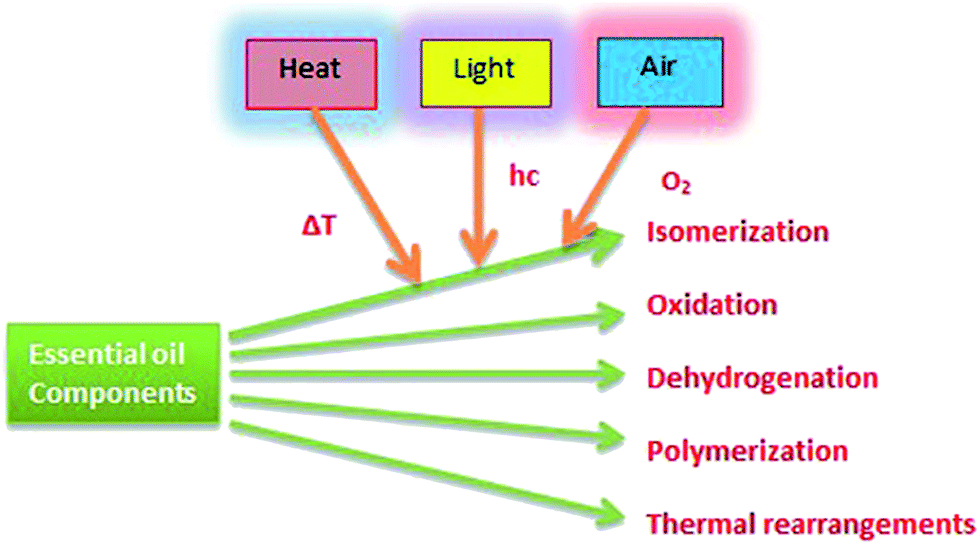 | ||
| Fig. 2 Possible conversion reactions in essential oils (Redrawn from Turek & Stintzing, 2013). | ||
4. Encapsulated essential oils applications
Encapsulated EOs have been used in vitro and in vivo applications for food by many researchers. Liang and others (2012)21 used PO loaded nanoemulsions (0.25% v/v) to inhibit the growth of food borne pathogens L. monocytogenes and S. aureus. They observed long term inhibition of bacterial growth when treated with PO nanoemulsions even though MIC values of both bulk oil and PO nanoemulsions were same. Similarly, eugenol & carvacrol loaded nanoemulsions (800 ppm) were also used to inhibit the growth of E. coli & L. innocua and strong inhibition occurred with emulsions having droplet size 3000 nm. Improved bactericidal action (E. coli, L. delbrueckii & S. cerevisiae) of carvacrol, cinnamaldehyde and D-limonene nanoemulsions has also been reported.28 In vitro application of OEO loaded microcapsules against E. coli (0.20–0.05), S. aureus (0.10–0.05) and P. aeruginosa (0.20–0.10) decreased minimum bactericidal concentration of OEO two to fourfold compare to pure oil. They also reported four-eightfold increase in antiradical activity after encapsulation.74 Similarly, increased antibacterial potential was also observed when eugenol and carvacrol grafted nanoparticles were used against E. coli & S. aureus.29 Growth of food borne pathogens (Salmonella & Listeria spp) was also reduced to a greater extent when exposed to eugenol and trans-cinnamaldehyde loaded nanoparticles (10–20 mg ml−1).91 OEO loaded liposomes caused growth inhibition of gram positive (S. aureus, epidermidis, mutans & viridians), gram negative (E. coli, E. cloacae, K. pneumoniae & P. aeruginosa), three human fungal pathogens (C. albicans, glabrata & tropicalis) and L. monocytogene at concentration 25.0 × 10⁻⁸ g ml−1 that was equivalent to unencapsulated 6 × 10⁻³ g ml−1.71 The results of this study showed encapsulated EOs are better to use in food and other applications to overcome the challenge of sensory attributes variation that happened due to the use of higher EO concentrations. In addition to above mention in vitro applications encapsulated EOs have also been used in vivo as natural preservative to increase the shelf life. Donsi and others (2011)28 used Melaleuca alternifolia loaded nanoemulsions in orange and pear juices to extend the shelf life of juices. The nanoemulsions with variable terpenes concentrations of 5 g l−1, 10 g l−1 completely inhibited the initial microbial (L. delbrueckii) load 103 CFU ml−1 whereas, 1 g l−1 only delayed bacterial growth till 5 days in orange juice and 2 days in pear juice compared to control. Similarly, nano-dispersed eugenol was also used to increase the shelf life of milk (4% fat, 2% fat & skimmed milk <0.5% fat). Nanodispersed eugenol completely inhibited bacterial growth of E. coli at 3.5 g l−1, while 4.5 g l−1 was not effective to inhibit the bacterial growth in full fat milk. However, 5.5 g l−1 completely inhibited bacterial growth of E. coli in all milk types. In case of L. monocytogenes nano-dispersed eugenol at 5.5 g l−1 concentration was not effective as against E. coli but, showed better efficacy than free eugenol and reduced bacterial growth in full fat milk to 2.6 log CFU ml−1 and 5.5 log CFU ml−1 in case of free eugenol.76In order to control herpes simplex virus1 (HSP1), Artemisia arborescens EO loaded liposomes showed excellent alternative to drugs. Liposomes inhibited HSP1 growth at EC50 dose of 5.95 μg ml−1 that was equivalent to 100 μg ml−1 of free EO.32 Nuchuchua and others (2009)89 reported prolonged action of citronella, basil and vetiver oil nanoemulsions against Aedes aegypti both in vivo and in vitro. Nanoemulsions applied to 3 × 10 cm2 area of human skin, well spreaded due to small droplet size (50–220 nm) and increased the protection time to 4.7 hours (basil:vetiver:citronella 5:5:10 w/w%). In another study, carvacrol loaded microcapsules (calcium alginate) used to control the enteric diseases in pig. In vitro release study of microencapsulated carvacrol showed limited release in stomach, slow release in small intestine and more release in large intestine. However, in vitro antibacterial test showed similar minimum bactericidal concentration (200 μl l−1) of both free and encapsulated carvacrol against E. coli with K88 pili.17 Moretti and others (2002)96 used thymus and rosemary oil loaded nanoemulsions against Limantria dispar, a cork oak forest pest. They reported 100% mortality rate after emulsions treatment till 7 hours.
Improved bioactivity of liposomes encapsulated Myrtus communis extract was reported by14 when incorporated in sunflower oil at concentration of (160 ppm), the encapsulated extract showed 25% higher oxidation protection factor (1.5 after incubation of 29.5 h) compared to free extract (1.2 after incubation of 23.5 h). However, liposomes encapsulation concentration was not equivalent to free extract. They also confirmed antioxidant potential of liposomes encapsulated Myrtus communis in terms of onset of thermo oxidation process using differential scanning calorimetry (DSC) and the temperature ranges for control, free extract & liposome encapsulated extract were 218, 237 and 272 °C, respectively. In case of soybean oil the microencapsulated eugenol rich clove extract powder showed similar antioxidant protection values (0.085 ± 0.006) as observed in BHT and unencapsulated clove extract. On the other hand both BHT and unencapsulated clove extract showed pro-oxidant activity due to excessive antioxidants in soybean oil that degrade linoleic acid and ultimately forms free radicals by the decomposition of hydrogen peroxide. However, encapsulated clove extract incorporated soybean oil showed no pro-oxidant activity and therefore, recommended to use as natural antioxidant in food rather synthetic ones.27
5. Encapsulated essential oils behaviours/trends
The composition of PO in purity gum 2000 based nanoemulsions before and after encapsulation using high pressure homogenization was quantified to interpret the loss of oil constituents during processing. They reported quite similar composition of pure and encapsulated PO.21 Sweet orange oil microencapsulated by complex coacervation (soybean protein isolate:gum arabic mixture) method also showed complete retention of flavour compounds in microcapsules as in pure oil (D-limonene 89.5% in pure & 90.97%) in microcapsules.95 Similarly, Arana-Sanchez and others (2010)74 also reported no degradation of OEO components when emulsions were spray dried and analysed using GC-MS. The percentage composition of OEO constituents pure & extracted from microcapsules were quite similar (p-cymene 34.68–34.66%, thymol 9.42–19.52% & carvacrol 7.34–7.36%, respectively). Moretti and others (2002)96 also confirmed similar profile of thymus and rosemary EO constituents before and after encapsulation. However, terpenes mixture of Melaleuca alternifolia was quantified using GC-MS after processing through high shear and high pressure homogenizer.70 They observed degradation of active compounds (α-fellandrene 1.50–0.36, terpinolene 10.03–1.21, carvacrol 4.31–0.50 g kg−1). In another study, changes in the composition of PO constituents were observed when liquid emulsified and spray dried products were analysed using GC & GC-MS. β-Pinene was decreased 2–3 times compared to pure EO and percentage of oxygenated terpenol menthol increased in processed products from 47.5–50.1%.30 Gaysinsky and others (2005),97 reported temperature stability of micellar encapsulated eugenol & carvacrol. They observed with increased eugenol concentration in micelle, the temperature stability decreased i.e., at 0.1% eugenol the micelles were stable at 90 °C but at 0.9% eugenol the micelles were stable at 60 °C. Eugenol encapsulated in β-cyclodextrin, 2HP-β-cyclodextrin & PCL using molecular inclusion and emulsion diffusion method showed irradiation induced stability as evident by TGA after 60 days of storage under light and without light in desiccator at 25 °C. Both β-cyclodextrin–eugenol, 2HP-β-cyclodextrin–eugenol complexes after O2 injection during TGA analysis showed significant weight gain (7.9 & 15.2%) at 20–150 °C and it was attributed to free oxidation reaction occurred from free eugenol with oxygen that injected as purged gas.24 In the emulsion ionic gelation of OEO (carvacrol), improved thermal stability was confirmed after encapsulation at elevated temperature of 340.6 °C.20 The result from this study favours the use of encapsulated EOs in various food applications even at elevated temperature during processing.
6. Conclusions and future perspectives
Encapsulation is therefore an efficient approach to protect the EOs from light, air and humidity, because these interactions lead to oxidation or volatilization and reduced biological activities. Moreover, encapsulation increases the solubility of oil, provides controlled release and makes it more bioavailable. Spray drying and emulsification are the most versatile and commercially available techniques that had been used widely for EOs encapsulation. The encapsulated EOs showed enhanced antimicrobial, antifungal, antioxidant, antiviral and pesticidal activities. The use of encapsulated EOs in food, cosmetic and pharmaceutics could be an economic benefit and also fulfill the consumer concern regarding safety. The use of encapsulated EOs in cosmetics and pharmaceutics is lacking. Further, research is required to underpin recent analytical approaches in order to gain deeper understanding of oxidation, isomerization and thermal rearrangements processes and strategies to avoid them. Moreover, identification of products generated from these processes appears to be a valuable future objective. Further, encapsulated EOs can be used to increase the bioactivities of EOs in real food systems, to study their action mechanism on cell membranes, and to provide non-lethal therapeutic agents to treat several diseases.Acknowledgements
This work was financially supported by National 863 Program 2011BAD23B02, 2013AA102207, NSFC 31171686, 30901000, 111 project-B07029 and PCSIRT0627.References
- A. E. Edris, Phytother. Res., 2007, 21, 308–323 CrossRef CAS PubMed.
- H. J. D. Dorman and S. G. Deans, J. Appl. Microbiol., 2000, 88, 308–316 CrossRef CAS.
- S. F. A. Jones, J. Appl. Microbiol., 1996, 8, 1227–1231 Search PubMed.
- M. LisBalchin and S. G. Deans, J. Appl. Microbiol., 1997, 82, 759–762 CAS.
- S. Moon, H. Kim and J. Cha, Arch. Oral Biol., 2011, 56, 907–916 CrossRef CAS PubMed.
- Y. Fu, Y. Zu, L. Chen, X. Shi, Z. Wang and S. Sun, Phytother. Res., 2007, 21, 989–994 CrossRef PubMed.
- B. Joseph and S. Sujatha, Asian J. Biol. Sci., 2011, 4, 35–43 CrossRef CAS.
- E. S. Walsh, Y. J. Maillard, D. A. Russell, E. C. Catrenich, L. D. Charbonneau and G. R. Bartolo, J. Appl. Microbiol., 2003, 94, 240–247 CrossRef.
- M. L. Al-hadi, Journal of Bagh College Dentistry, 2011, 23, 146–150 Search PubMed.
- K. Fisher and A. C. Phillips, J. Appl. Microbiol., 2006, 101, 1232–1240 CrossRef CAS PubMed.
- W. J. R. Lambert, P. N. Skandamis, P. J. Coote and G. J. E. Nychas, J. Appl. Microbiol., 2001, 91, 453–462 CrossRef.
- Y. S. Lee and H. H. Jin, Lett. Appl. Microbiol., 2008, 47, 315–321 CrossRef PubMed.
- V. F. S. Vuuren, S. Suliman and M. A. Viljoen, Lett. Appl. Microbiol., 2009, 48, 440–446 CrossRef PubMed.
- O. Gortzi, S. Lalas, L. Chinou and J. Tsaknis, Eur. Food Res. Technol., 2008, 226, 583–590 CrossRef CAS.
- W. Hsieh, C. Chang and Y. Gao, Colloids Surf., B, 2006, 53, 209–214 CrossRef CAS PubMed.
- B. Ocak, J. Environ. Manage., 2012, 100, 22–28 CrossRef CAS PubMed.
- Q. Wang, J. Gong, X. Huang, H. Yu and F. Xue, J. Appl. Microbiol., 2009, 107, 1781–1788 CrossRef CAS PubMed.
- S. Beirao-da-costa, C. Duarte, A. I. Bourbon, A. C. Pinheiro, M. I. N. Januario, A. A. Vicente, M. L. Beirao-da-costa and I. D. Dillo, Food Hydrocolloids, 2013, 33, 199–206 CrossRef CAS PubMed.
- A. Ciobanu, I. Mallard, D. Landy, G. Barbie, D. Nistor and S. Fourmentin, Food Chem., 2013, 138, 291–297 CrossRef CAS PubMed.
- F. S. Hosseini, M. Zandi, M. Rezaei and F. Farahmndghavi, Carbohydr. Polym., 2013, 95, 50–56 CrossRef PubMed.
- R. Liang, S. Xu, C. F. Shoemaker, Y. Li, F. Zhong and Q. Huang, J. Agric. Food Chem., 2012, 60, 7548–7555 CrossRef CAS PubMed.
- N. Terjung, M. Loeffler, M. Gibis, J. Hinrichs and J. Weiss, Food Funct., 2012, 3, 290–301 CAS.
- F. J. Ayala Zavala, H. Soto-valdez, G. A. Lez-leo, A. E. Ivarez-parrilla, O. Maartin-Belloso and G. A. G. Lez-agular, J. Inclusion Phenom. Macrocyclic Chem., 2008, 60, 359–368 CrossRef.
- M. Choi, A. Soottitantawat, O. Nuchuchua, S. Min and U. Ruktanonchai, Food Res. Int., 2009, 42, 148–156 CrossRef CAS PubMed.
- C. Chang, T. Leung, S. Lin and C. Hsu, Colloids Surf., B, 2006, 50, 136–140 CrossRef CAS PubMed.
- S. G. Passino, E. Bazzoni and L. D. M. Moretti, Veg. Plagas, 2004, 30, 125–132 Search PubMed.
- D. Chatterjee and P. Bhattacharjee, J. Food Eng., 2013, 117, 545–550 CrossRef CAS PubMed.
- F. Donsi, M. Annunziata, M. Sessa and G. Ferrari, LWT--Food Sci. Technol., 2011, 44, 1908–1914 CrossRef CAS PubMed.
- F. Chen, Z. Shi, G. K. Neoh and T. E. Kang, Biotechnol. Bioeng., 2009, 104, 30–39 CrossRef CAS PubMed.
- R. Baranauskiene, E. Bylaite, J. Z. Ukauskaite and R. P. Venskutonis, J. Agric. Food Chem., 2007, 55, 3027–3036 CrossRef CAS PubMed.
- B. Solomon, F. F. Sahle, T. Gebre-Mariam, K. Asres and H. H. R. Neubert, Eur. J. Pharm. Biopharm., 2012, 80, 61–66 CrossRef CAS PubMed.
- C. Sinico, D. A. Logu, F. Lai, D. Valenti, M. Manconi, G. Loy, L. Bonsignore and M. A. Fadda, Eur. J. Pharm. Biopharm., 2005, 59, 161–168 CrossRef CAS PubMed.
- Y. S. Lee and H. H. Jin, Lett. Appl. Microbiol., 2008, 47, 315–321 CrossRef PubMed.
- Y. Fu, Y. Zu, L. Chen, X. Shi, Z. Wang and S. Sun, Phytother. Res., 2007, 21, 989–994 CrossRef PubMed.
- P. Chuang, C. Lee, J. Chou, M. Murugan, B. Shieh and H. Chen, Bioresour. Technol., 2007, 98, 232–236 CrossRef CAS PubMed.
- M. L. Grbic, M. Stupar, J. Vukojevic, M. Sokovic, D. Misic, D. Grubisic and M. Ristic, J. Serb. Chem. Soc., 2008, 73, 961–965 CrossRef CAS.
- E. N. Pinto, C. L. Pinavaz, L. G. Salgueiro, M. J. Goncalves, S. Costadeoliveira, C. Cavaleiro, A. Palmeira, A. C. Rodrigues and J. Martinezdeoliveira, J. Med. Microbiol., 2006, 55, 1367–1373 CrossRef CAS PubMed.
- S. Siripornvisal, W. Rungprom and S. Sawatdikarn, Asian journal of food and agro industry, 2009, 5, 229–233 Search PubMed.
- S. R. Sridhar, R. V. Rajagopal, R. Rajavel, S. Masilamani and S. Narasimhan, J. Agric. Food Chem., 2003, 51, 7596–7599 CrossRef CAS PubMed.
- M. Viudamartos, Y. Ruiznavajas, J. Fernandezlopez and J. A. Perezalvarez, J. Food Saf., 2006, 27, 91–101 Search PubMed.
- S. Wang, P. Chen and S. Chang, Bioresour. Technol., 2005, 96, 813–818 CrossRef CAS PubMed.
- S. Bansod and M. Rai, World J. Med. Sci., 2008, 3, 81–88 Search PubMed.
- A. Amiri, R. Dugas, L. A. Pichot and G. Bompeix, Int. J. Food Microbiol., 2008, 126, 13–19 CrossRef CAS PubMed.
- H. Amiri, J. Evidence-Based Complementary Altern. Med., 2011, 2012, 1–8 CrossRef PubMed.
- I. Goze, A. Alim, A. S. Tepe, M. Sokmen, K. Sevgi and B. Tepe, J. Med. Plants Res., 2009, 3, 246–254 Search PubMed.
- M. Ennajar, J. Bouajila, A. Lebrihi, F. Mathieu, M. Abderraba, A. Raies and M. Romdhane, J. Food Sci., 2009, 364–371 CrossRef PubMed.
- I. Hammami, M. A. Triki and A. Rebai, Arch. Appl. Sci. Res., 2011, 3, 135–144 CAS.
- G. Miguel, M. Simoes, A. C. Figueiredo, J. G. Barroso, L. G. Pedro and L. Carvalho, Food Chem., 2004, 86, 183–188 CrossRef CAS PubMed.
- M. A. Saleh, S. Clark, B. Woodard and S. A. Deolu-sobogun, Ethn. Dis., 2010, 20, 78–82 Search PubMed.
- M. Vishnupriya, S. Nishaa, J. M. Sasikumar, P. D. D. Teepica, C. P. Hephzibah and V. K. Gopalakrishnan, Int. Res. J. Pharm., 2012, 3, 99–103 CAS.
- M. Viuda-martos, Y. R. Navajas, E. S. Zapata, J. Fernandez-lopez and A. Perez-alvarez, Flavour Fragrance J., 2010, 25, 13–19 CrossRef CAS PubMed.
- I. Bettaieb, S. Bourgou, W. A. Wannes, I. Hamrouni, F. Limam and B. Marzouk, J. Agric. Food Chem., 2010, 58, 10410–10418 CrossRef CAS PubMed.
- V. Dwivedi, R. Shrivastava, S. Hussain, C. Ganguly and M. Bharadwaj, Asian pacific journal of cancer prevention, 2011, 12, 1989–1993 Search PubMed.
- S. K. Jaganathan, A. Mazumdar, D. Mondhe and M. Mandal, Cell Biol. Int., 2011, 35, 607–615 CrossRef CAS PubMed.
- H. P. A. Mary, T. A. Vargheese, K. J. J. Jeeja, M. R. Abiramy, N. Sajina and S. S. Jaya, International Journal of Current Pharmaceutical Review and Research, 2012, 2, 188–198 Search PubMed.
- X. Ni, M. M. Suhail, Q. Yang, A. Cao, K. Fung, R. G. Postier, C. Woolley, G. Young, J. zhang and H. Lin, BMC Complementary Altern. Med., 2012, 12, 53 CrossRef PubMed.
- A. Ozkan and A. Erdogan, Turk. J. Biol., 2011, 35, 735–742 CrossRef CAS PubMed.
- A. Salazar, J. Hoheisel, M. Youns and M. Wink, Int. J. Clin. Pharmacol. Ther., 2011, 49, 93–95 Search PubMed.
- P. R. Sharma, D. M. Mondhe, S. Muthiah, H. C. Pal, A. K. Shahi, A. K. Saxena and G. N. Qazi, Chem.-Biol. Interact., 2009, 179, 160–168 CrossRef CAS PubMed.
- Y. Zu, H. Yu, L. Liang, Y. Fu, T. Efferth, X. Liu and N. Wu, Molecules, 2010, 15, 3200–3210 CrossRef CAS PubMed.
- S. Afoulous, H. Ferhout, E. G. Raoelison, A. Valentin, B. Moukarzel, F. Couderc, C. Francois and J. Bouajila, Food Chem. Toxicol., 2013, 56, 352–362 CrossRef CAS PubMed.
- A. Russo, C. Formisano, D. Rigano, F. Senatore, S. Delfine, V. Cardile, S. Rosselli and M. Bruno, Food Chem. Toxicol., 2013, 55, 42–47 CrossRef CAS PubMed.
- J. Yu, J. Lei, X. Zhang, H. Yu, D. Tian, Z. Liao and G. Zou, Food Chem., 2011, 12, 1593–1598 CrossRef PubMed.
- M. Sylvestre, A. Pichette, A. Longtin, F. Nagaub and J. Legault, Indian J. Pharmacol., 2006, 103, 99–102 CAS.
- H. M. Ashour, Role Cancer Stem Cells Cancer Biol. Ther., 2008, 7, 399–403 Search PubMed.
- C. P. Chang and T. Dobashi, Colloids Surf., B, 2003, 32, 257–262 CrossRef CAS PubMed.
- J. Jerobin, R. S. Sureshkumar, H. C. Anjali, A. Mukherjee and C. Natarajan, Carbohydr. Polym., 2012, 9, 1750–1756 CrossRef PubMed.
- G. Dardelle, V. Normand, M. Steenhoudt, B. Pierre-Etienne, M. Chevalier and B. Pauline, Food Hydrocolloids, 2007, 21, 953–960 CrossRef CAS PubMed.
- V. D. Ramesh, Trends Biomater. Artif. Organs, 2009, 23, 21–33 Search PubMed.
- F. Donsi, M. Annunziata, M. Vincensi and G. Ferrari, J. Biotechnol., 2012, 159, 324–350 CrossRef PubMed.
- C. C. Liolis, O. Gortzi, S. Lalas, J. Tsaknis and I. Chinou, Food Chem., 2009, 112, 77–83 CrossRef PubMed.
- S. Saryana, N. Chandrasekaran and A. Mukherjee, Int. J. Pharm. Pharm. Sci., 2012, 4, 668–671 Search PubMed.
- S. Sugumar, V. Ghosh and M. J. Nirmala, Ultrason. Sonochem., 2014, 21, 1044–1049 CrossRef CAS PubMed.
- A. Arana-Sanchez, E. M. Espinosa, N. E. Obledo-Vazquez, E. Padilla-Camberos, R. Silva-Vazquez and E. Lugo-Cervantes, Lett. Appl. Microbiol., 2010, 50, 585–590 CrossRef CAS PubMed.
- B. Shah, M. P. Davidson and Q. Zhong, Int. J. Food Microbiol., 2012, 161, 53–59 CrossRef PubMed.
- B. Shah, S. Ikeda, M. P. Davidson and Q. Zhong, J. Food Eng., 2012, 113, 79–85 CrossRef CAS PubMed.
- L. C. Garcia, R. V. Tonon and M. D. Hubinger, Drying Technol., 2012, 30, 1413–1421 CrossRef CAS PubMed.
- B. V. R. Fernandes, V. S. Borges, A. D. Botrel, K. E. Silva, G. M. J. Costa and F. Queiroz, Drying Technol., 2013, 31, 1245–1254 CrossRef PubMed.
- B. V. R. Fernandes, V. S. Borges and A. D. Botrel, Carbohydr. Polym., 2014, 101, 524–532 CrossRef PubMed.
- N. M. Najafi, R. Kadkhodaee and A. S. Mortazavi, Food Biophys, 2011, 6, 68–76 CrossRef.
- A. E. A. El-kader and S. F. Aggor, J. Appl. Sci. Res., 2013, 9, 2951–2958 Search PubMed.
- I. Padukka, B. Bhandari and B. Darcy, J. Food Compos. Anal., 2000, 13, 59–70 CrossRef CAS.
- E. L. Hill, C. Gomes and M. T. Taylor, LWT--Food Sci. Technol., 2013, 51, 86–93 CrossRef PubMed.
- S. Rodriguez, S. Varona, M. Nunez and J. M. Cocero, Ind. Crops Prod., 2012, 37, 137–140 CrossRef PubMed.
- Y. Chang, L. McLandsborough and J. D. McClements, J. Agric. Food Chem., 2012, 60, 12056–12063 CrossRef CAS PubMed.
- A. Achouri, Y. Zamani and I. J. Boye, J. Food Res., 2012, 1, 254–267 CAS.
- T. Hamouda and R. J. Baker, J. Appl. Microbiol., 2000, 89, 397–403 CrossRef CAS.
- C. Qian and J. D. McClements, Food Hydrocolloids, 2011, 25, 1000–1008 CrossRef CAS PubMed.
- O. Nuchuchua, U. Sakulku, N. Uawwongyart, S. Puttipipatkhachorn, A. Soottitantawat and U. Ruktanonchai, Am. Assoc. Pharm. Sci. PharmSciTech, 2009, 10, 1234–1242 CAS.
- I. C. Beristain, A. Vazquenz, S. H. Garcia and J. E. Vernon-carter, Lebensm.-Wiss. Technol., 1996, 29, 645–647 CrossRef.
- C. Gomes, G. R. Moreira and E. Castell-Perez, J. Food Sci., 2011, 76, 16–24 CrossRef PubMed.
- N. Parris, H. P. Cooke and B. K. Hicks, J. Agric. Food Chem., 2005, 53, 4788–4792 CrossRef CAS PubMed.
- P. Lertsutthiwong, P. Rojisitthisak and U. Nimmannit, Mater. Sci. Eng., 2009, 29, 856–860 CrossRef CAS PubMed.
- M. L. Kadam, S. I. Hashmin and R. V. Kale, EJEAFChe, Electron. J. Environ., Agric. Food Chem., 2011, 10, 2382–2390 Search PubMed.
- X. Jun-xia, Y. Hai-yan and Y. Jian, Food Chem., 2011, 125, 11267–11272 CrossRef PubMed.
- L. D. M. Moretti, G. Sanna-Passino, S. Demontis and E. Bazzoni, PDA J. Pharm. Sci. Technol., 2002, 3, 1–11 Search PubMed.
- P. M. Gaysinsky, B. D. Davidson and J. B. Weiss, J. Food Prot., 2005, 68, 2559–2566 Search PubMed.
- C. Turek and F. C. Stintzing, Compr. Rev. Food Sci. Food Saf., 2013, 12, 40–53 CrossRef CAS.
- H. Majeed, J. Antoniou, C. F. Shoemaker and Z. Fang, Arch. Microbiol., 2014, 197, 35–45 CrossRef PubMed.
- A. A. C. T. Hijo, J. M. G. D. Costa, E. K. Silva, V. M. Azevedo, M. I. Yosnida and S. V. Borges, J. Food Process Eng., 2014, 38, 1–10 CrossRef PubMed.
- D. I. Hadaruga, N. G. Hadaruga, C. I. Costescu, I. David and A. T. Grucia, Beilstein J. Org. Chem., 2014, 10, 2809–2820 CrossRef CAS PubMed.
| This journal is © The Royal Society of Chemistry 2015 |