
Highly active 4-aminoquinoline–pyrimidine based molecular hybrids as potential next generation antimalarial agents

Sunny Manohar a, V. Satya Pavana, Dale Taylorb, Deepak Kumara, Prija Ponnana, Lubbe Wiesnerb and Diwan S. Rawat*a
aDepartment of Chemistry, University of Delhi, Delhi-110007, India. E-mail: dsrawat@chemistry.du.ac.in; Fax: +91-11-27667501; Tel: +91-11-27662683
bDivision of Clinical Pharmacology, Department of Medicine, University of Cape Town, Rondebosch 7700, South Africa

Received 9th December 2014 , Accepted 13th March 2015

First published on 16th March 2015


Abstract

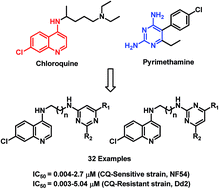
In order to overcome the problem of emerging drug resistance in malarial chemotherapy, a series of highly active 4-aminoquinoline–pyrimidine hybrids were synthesized and evaluated for their antimalarial activity against CQ-sensitive (NF54) and CQ-resistant (Dd2) strains of P. falciparum in an in vitro assay. The most active hybrid 19f exhibited 74-fold better potency than chloroquine and 4-fold better potency than artesunate against the drug-resistant strain of P. falciparum. Compound 19e, when evaluated for in vivo activity in the P. berghei-mouse malaria model showed 93.9% parasite suppression at 30 mg kg−1 dose on Day 4 with a mean survival time of 11 days. To gain insights towards the mechanism of action of these hybrids, heme binding and molecular modelling studies were performed on the most active hybrids. It was observed that inhibition of formation of β-hematin and dihydrofolate reductase-thymidylate synthase Pf-DHFR-TS enzyme could be associated with the observed antimalarial activity of these compounds.

Introduction

In recent times, the emergence of drug resistance is one of the worst nightmares to tackle in the present scenario of malaria related public health programs. The severity of this problem is indicated in the recent WHO report, which revealed an estimated 207 million cases of malaria in 2012 with approximately 627[thin space (1/6-em)]000 deaths. Out of these deaths, 482[thin space (1/6-em)]000 deaths were of children under the age of five.1 The statistics of this level are highly alarming and a message for the entire world to devote considerable efforts towards this problem. The P. falciparum, P. vivax, P. ovale, P. malariae and P. knowlesi are the main causative species of malaria but P. falciparum is the most virulent species of the malaria parasite causing most of the malaria related deaths in humans.2 The traditional first line antimalarial drugs such as quinine (1), chloroquine (CQ, 2) and amodiaquine (3) (Fig. 1) considered as a mainstay for antimalarial chemotherapy for a long period of time have lost their efficacy and their usage as antimalarial drugs has been limited due to the ever increasing P. falciparum drug resistance.3 According to the WHO,1 currently the only best available treatment, particularly for P. falciparum related uncomplicated and severe malarial infection is artemisinin-based double- or triple-combination therapies (ACTs) where the core compound artemisinin (4) or its derivatives [dihydroartemisinin (5)/artemether (6)/arteether (7)] (Fig. 1) is administered in combination with locally active partner drug [piperaquine (8)/pyrimethamine (9)/sulfadoxine (10)/lumefantrine (11)/mefloquine (12)] (Fig. 1). However, recent reports on the development of resistance towards artemisinin in some south-east Asian countries including Cambodia, Myanmar, Thailand and Vietnam1 has again propelled the dire need of novel next generation antimalarials having a broad spectrum of antimalarial activity and such compounds should be robust enough to reduce the evolution of new resistance for a longer period of time. The multi-targeting approaches based on combination therapies such as ACTs suffers from several chemicals, therapeutic and treatment related limitations.4 In addition, a greater precision is required for the fine-tuning of the formulation in combination therapies as the chemical species involved have different solubility's and pharmacokinetic properties.
image file: c4ra16032k-f1.tif
Fig. 1 Antimalarial drugs.

To overcome these challenges, a better and rational alternative is to gain therapeutic benefits by developing single multi-targeted hybrid by covalent hybridization of two or more differential target-selective antimalarial entities.5 These dual-drug kinds of hybrids have the potential to increase bio-pharmaceutical efficacy, reduce cost, decreases risk of drug–drug interactions and overcome rapid development of resistance problems. Various research groups across the world have successfully employed this hybridization approach towards the synthesis of interesting hybrids which have the potential of eliminating drug resistance.6

Our lab has successfully adopted this covalent bi-therapy strategy to generate hybrid antimalarials in which 4-aminoquinoline entity derived from CQ was covalently attached to pharmacophoric framework present in antifolate class of antimalarial drugs such as cycloguanil/pyrimethamine.7–9 The hybrids were designed in such a way that quinoline part of CQ is retained, in order to retain its hemozoin inhibition ability while the side chain of CQ was modified by conjugating it with triazine/pyrimidine moieties which can inhibit plasmodial DHFR and at the same time not be recognized by drug effluxing proteins. The rationality behind choosing 4-aminoquinoline skeleton, despite growing evidences of the skeleton becoming ineffective due to resistance, is based on its brilliant features like excellent clinical efficacy, ease of administration, low toxicity and cheap synthesis which makes the pharmacophore very difficult to abandon. Moreover, the hybridization strategy has the potential to restore the efficacy of traditional 4-aminoquinoline drugs such as CQ. So, the conceptual idea was to develop 4-aminoquinoline based multi-actionable architectures having dual functionality of inhibiting two conventional targets (hemozoin and plasmodial DHFR) simultaneously and in-turn could bring an upsurge of antimalarial activity particularly against resistant strains of P. falciparum. In our previous report,8,9 we have identified two highly active 4-aminoquinoline–pyrimidine hybrids (13 and 14; Fig. 2a) as lead compounds having potent in vitro antimalarial activity against both CQ-sensitive (D6 clone) and CQ-resistant (W2 clone) strains of P. falciparum with no cytotoxicity against mammalian cells. The hybrids also possessed excellent in vivo antimalarial activity when tested in P. berghei infected mouse malaria model. This level of activity warrants their selection as a potential drug candidate for preclinical trials. An in-depth analysis of antimalarial activity pattern reported for this series of 4-aminoquinoline–pyrimidine hybrids revealed three important points which are kept in mind while synthesizing new hybrid molecules (Fig. 2b). These are: (1) lengthening and shortening of carbon spacer linker does not play an important role in influencing antimalarial activity when Cl is substituted with amino functionalities; (2) the activity increases manifold when Cl is replaced with amino functionalities (morpholine, piperidine, N-methyl piperazine and N-ethyl piperazine); (3) the comparison of antimalarial activity of two groups of regioisomers clearly indicated that both the regioisomers displayed more or less similar potency against both the strains of P. falciparum. This shows that the point of attachment of the spacer to the pyrimidine nucleus may not have a great impact on antimalarial activity profile. During the progress of this work, Singh et al.10 also reported antimalarial activity of 4-aminoquinoline–pyrimidine hybrids against Dd2 and D10 strains of P. falciparum with high selectivity indices and inferior toxicity when tested in vitro. However, they did not carry out in vivo antimalarial activity of these hybrids.


image file: c4ra16032k-f2.tif
Fig. 2 (a) 4-Aminoquinoline–pyrimidine hybrids (13 and 14) identified as lead candidates from our earlier studies.8,9 (b) Useful structural features as determined by SAR studies on our previously reported 4-aminoquinoline–pyrimidine hybrids.

Encouraged by these results and as a part of our on-going work towards the synthesis of novel antimalarial agents,7–9,11 we got interested to generate a new series of 4-aminoquinoline–pyrimidine hybrids, so as to present their elaborated structure activity relationship (SAR) and to recognize novel molecular leads for finding alternative next generation antimalarial drugs. In the present investigation, we report herein new pyrimidine tethered 4-aminoquinoline based molecular hybrids synthesized by systematic chemical modification of previous lead molecules and to evaluate their antimalarial activity against both CQ-sensitive and resistant strains of P. falciparum in vitro and against P. berghei mouse malaria model in vivo.

Results and discussion

Chemistry

In order to gain insights towards the determination of structural features required for displaying potent antimalarial activity and keeping the above mentioned SAR studies in mind, a series of thirty two 4-aminoquinoline–pyrimidine hybrids (17a–17d, 18a–18d, 19a–19l, 20a–20l) were prepared by taking same amino functionalities, but altering the carbon spacer from C2 to C3 only. Additionally, the methyl group attached to pyrimidine nucleus is replaced by H and Cl, so as to see its effect on antimalarial activity pattern. The synthesis of these hybrids took place following a three step procedure reported by our lab previously.8,9 In short, commercially available starting material 4,7-dichloroquinoline (15) was taken and converted to substituted 4-aminoquinolines (16a and 16b) by treatment with an excess of aliphatic linear chain diaminoalkanes having 2–3 carbon spacer via a SNAr reaction under neat conditions. The free terminal amino groups of the substituted 4-aminoquinolines (16a and 16b) were then reacted with substituted pyrimidines to yield a set of two regioisomeric intermediates (17a–17d and 18a–18d) differing in the position of attachment of the pyrimidine nucleus to the alkyl chain linker. The intermediates (17a–17d and 18a–18d) were finally converted to the targeted 4-aminoquinoline–pyrimidine hybrids (19a–19l and 20a–20l) in moderate to excellent yield by treatment with various cyclic secondary amines (Scheme 1).
image file: c4ra16032k-s1.tif
Scheme 1 (a) Diaminoalkanes (n = 1–2), neat, 120–130 °C, 6–8 h, 80–90%; (b) 2,4-dichloropyrimidine or 2,4,6-trichloropyrimidine, TEA, EtOH, RT, 10–12 h; (c) secondary amines, DMF, 100–120 °C, 10–12 h, 50–85%.

Antimalarial activity and cytotoxicity

In the present investigation, we also determined antimalarial activity of two previously identified lead molecules (13 and 14)8 for the validation and comparison purpose and to check their potency against CQ-sensitive (NF54) and CQ-resistant (Dd2) strains of P. falciparum. Most of the hybrids showed potent antimalarial activity against both the strains of P. falciparum. Out of thirty two synthesized hybrids, nineteen hybrids (18d, 19a–19f, 19i, 19k, 19l, 20a, 20b, 20d–20f, and 20i–20l) with IC50 values ranging from 0.003–0.198 μM, displayed superior activity than CQ (IC50 = 0.222 μM), while four hybrids (19f, 19l, 20e and 20f) with IC50 values ranging from 0.003–0.011 μM, exhibited superior activity than artesunate (IC50 = 0.013 μM) when tested against CQ-resistant (Dd2 clone) strain of P. falciparum. Moreover, six hybrids (19a, 19b, 20b, 20f, 20k and 20l) with IC50 values ranging from 0.009–0.025 μM also exhibited enhanced activity than CQ (IC50 = 0.027 μM) when tested against CQ-sensitive (NF54 clone) strain of P. falciparum. The lead molecules (13 and 14) from our previously published results also showed an equal level of potency against both the strains in the present investigation. Increasing the length of the linker that connects 4-aminoquinoline to pyrimidine by one carbon seems to significantly increase activity (hybrid 17a vs. 17c, 17b vs. 17d, 18a vs. 18c and 18b vs. 18d); however, this does not appear to be an important factor if the secondary cyclic amine is attached to pyrimidine (for example if we move from hybrid 19c to 19i or 20c to 20i, activity increases whereas moving from hybrid 19e to 19k or 19f to 19l activity drops with increase in carbon chain linker). Additionally, the presence of a second Cl atom at the pyrimidine appears to be critical for determining antimalarial activity against CQ-resistant strains (hybrid 17a/18a vs. 17b/18b and hybrid 17d/18d vs. 17c/18c). The noticeable lack of activity with hybrid 17a/18a may well be a combination of the shortened linking chain and the single Cl in the pyrimidine ring. The two sets of regio-isomers (hybrids 17a–17d vs. 18a–18d and hybrids 19a–19l vs. 20a–20l) were mostly potent to same extent which is in accordance with our earlier observation that point of attachment of pyrimidine nucleus to 4-aminoquinoline scaffold via carbon spacer linker doesn't have any major impact on determining antimalarial activity pattern. Ethyl/methyl piperazines as amino functionalities in the pyrimidine nucleus generally bring an upsurge of antimalarial activity when compared to morpholine/piperidine counterparts. The most active hybrid of the present series was found to be hybrid 19f (IC50 value 0.003 μM against CQ-resistant and IC50 value 0.028 μM against CQ-sensitive strain of P. falciparum) with C2 carbon spacer linker attached at one of the position while Cl and ethyl piperazine as the other two groups attached to pyrimidine nucleus. SAR studies further revealed that, when a methyl group attached to pyrimidine nucleus was replaced with H or Cl, activity was retained against drug-resistant P. falciparum strains, but dropped slightly against drug-sensitive P. falciparum strains. This observation showed that methyl group is essential for imparting improved antimalarial activity against CQ-sensitive strain of P. falciparum.

One of the highly active hybrids, 19e was further evaluated for the in vivo antimalarial activity against P. berghei infected mice (Table 2 and Fig. 3) and it was found out that it causes 93.9% parasite suppression at 30 mg kg−1 dose on Day 4 with mean survival time being 11 days post-infection. In comparison, CQ showed 90.3% suppression at 15 mg kg−1 dose. The parasite suppression data was calculated by the formula given below.

Parasite suppression% = [1 − (group parasitemia/placebo parasitemia)] × 100


image file: c4ra16032k-f3.tif
Fig. 3 Parasite levels in mice infected with Plasmodium berghei ANKA and treated orally or intravenously with compound 19e for 4 consecutive days. The data represent mean ± SEM.

Although hybrid 19e is able to suppress parasitemia for the duration of the dosing period, it was unable to completely clear the parasites from infected mice.

The cytotoxicity of the selected active hybrids (13, 14, 17d, 18d, 19a, 19b, 19d–f, 19i, 19k, 19l, 20a, 20b, 20d–f, 20i and 20j) was assessed against CHO (Chinese Hamster Ovary) cells (Table 1). For the tested hybrids, cytotoxicity appeared at much higher concentrations than the concentrations responsible for their antimalarial activity indicating compounds safe toxicity profile. The most toxic of the hybrids was found to be compound 20j with IC50 value 11.09 μM while the least toxic is hybrid 20i (IC50 value is 230.77 μM). The high selectivity index (the ratio of IC50 for cytotoxicity to CHO cells and IC50 for antimalarial activity against CQ-resistant strains revealing an estimate of a therapeutic window) for most of the hybrids further revealed their potency against the tested Plasmodium isolates. Three hybrids (19f, 19k and 19l) showed selectivity index >5000 whereas other displayed in the range of 217 to 4936. Five hybrids (19a, 19f, 19k, 19l and 20f) were found to have greater selectivity index (in the range of 4080–10[thin space (1/6-em)]758) than the previously identified lead molecules 13 and 14. To know the probable mode of action of these hybrids, heme binding and molecular modelling studies were further performed on the most active hybrid.

Table 1 In vitro antimalarial activity of synthesized 4-aminoquinoline–pyrimidine hybrids

image file: c4ra16032k-u1.tif

Com. no. N R1 R2 Antimalarial activity IC50a ± SDb (μM) Cytotoxicity (CHO cells)c IC50a ± SDb (μM) SId
CQ-sensitive Strain (NF54 Clone) CQ-resistant Strain (Dd2 Clone)
a IC50: the concentration that causes 50% growth inhibition.b SD: standard deviation.c CHO cells: Chinese Hamster Ovary cells.d SI: selectivity index (IC50 for cytotoxicity to CHO cells/IC50 for antimalarial activity against CQ-resistant strains).e Not determined.
17a 1 H Cl 1.761 ± 0.072 5.044 ± 0.392 e e
17b 1 Cl Cl 1.838 ± 0.071 1.846 ± 0.030 e e
17c 2 H Cl 0.092 ± 0.013 0.362 ± 0.056 e e
17d 2 Cl Cl 0.144 ± 0.021 0.104 ± 0.008 145.19 ± 10.82 1396
18a 1 H Cl 0.413 ± 0.057 3.096 ± 0.222 e e
18b 1 Cl Cl 1.218 ± 0.105 1.001 ± 0.044 e e
18c 2 H Cl 0.300 ± 0.060 1.736 ± 0.108 e e
18d 2 Cl Cl 0.121 ± 0.020 0.096 ± 0.006 144.17 ± 4.32 1501
19a 1 H Morpholine 0.013 ± 0.002 0.016 ± 0.003 78.99 ± 5.45 4936
19b 1 H Piperidine 0.023 ± 0.004 0.090 ± 0.012 132.86 ± 10.71 1476
19c 1 Cl Morpholine 0.234 ± 0.031 0.157 ± 0.014 e e
19d 1 Cl Piperidine 0.109 ± 0.019 0.074 ± 0.004 31.15 ± 2.13 421
19e 1 Cl N-Methylpiperazine 0.027 ± 0.004 0.014 ± 0.002 15.84 ± 2.10 1131
19f 1 Cl N-Ethylpiperazine 0.028 ± 0.004 0.003 ± 0.0009 21.79 ± 2.41 7263
19g 2 H N-Methylpiperazine 0.088 ± 0.014 2.384 ± 0.248 e e
19h 2 H N-Ethylpiperazine 0.352 ± 0.023 0.747 ± 0.055 e e
19i 2 Cl Morpholine 0.102 ± 0.011 0.067 ± 0.009 99.54 ± 7.26 1485
19j 2 Cl Piperidine 0.880 ± 0.046 0.861 ± 0.020 e e
19k 2 Cl N-Methylpiperazine 0.052 ± 0.008 0.024 ± 0.006 126.19 ± 4.51 5257
19l 2 Cl N-Ethylpiperazine 0.031 ± 0.005 0.010 ± 0.004 107.58 ± 4.26 10[thin space (1/6-em)]758
20a 1 H Morpholine 0.035 ± 0.006 0.112 ± 0.015 19.61 ± 1.08 175
20b 1 H Piperidine 0.025 ± 0.002 0.022 ± 0.002 44.46 ± 2.70 2020
20c 1 Cl Morpholine 2.735 ± 0.170 3.710 ± 0.152 e e
20d 1 Cl Piperidine 0.039 ± 0.007 0.051 ± 0.007 17.82 ± 3.14 350
20e 1 Cl N-Methylpiperazine 0.046 ± 0.009 0.011 ± 0.002 22.70 ± 3.10 2063
20f 1 Cl N-Ethylpiperazine 0.022 ± 0.005 0.007 ± 0.001 28.56 ± 5.41 4080
20g 2 H N-Methylpiperazine 0.027 ± 0.005 0.373 ± 0.041 e e
20h 2 H N-Ethylpiperazine 0.262 ± 0.039 0.227 ± 0.021 e e
20i 2 Cl Morpholine 0.097 ± 0.012 0.097 ± 0.017 230.77 ± 0.00 2379
20j 2 Cl Piperidine 0.082 ± 0.007 0.051 ± 0.008 11.09 ± 2.55 217
20k 2 Cl N-Methylpiperazine 0.009 ± 0.004 0.198 ± 0.015 e e
20l 2 Cl N-Ethylpiperazine 0.022 ± 0.006 0.182 ± 0.024 e e
13 1 CH3 N-Methylpiperazine 0.004 ± 0.002 0.010 ± 0.0007 19.93 ± 2.31 1993
14 2 CH3 N-Ethylpiperazine 0.005 ± 0.0009 0.008 ± 0.002 20.78 ± 3.06 2597
CQ       0.027 ± 0.006 0.222 ± 0.009 e e
Artesunate       0.010 ± 0.005 0.013 ± 0.002 e e


Table 2 In vivo antimalarial activity of hybrid 19e against P. berghei infected micea
Day Controls Compound 19e
Placebo CQ 15 mg kg−1 Intravenous 5 mg kg−1 Oral 30 mg kg−1 Oral 10 mg kg−1
Mean SEM Mean SEM Mean SEM Mean SEM Mean SEM
a Mean parasitemia levels in the treatment groups after dosing with 19e for 4 days. ND = not determined. *n = 4; one animal excluded owing to a technical error. **n = 3; one animal euthanized on Day 7. °n = 4; one animal euthanized on Day 10.
0 0 0 0 0 0
4 21.10 2.75 2.06 0.46 18.43* 2.05 1.28 0.23 14.54 1.59
7 ND 2.52 0.33 ND 2.08 0.45 18.95 2.05
9 54.70 2.74 6.42 1.66 ND 14.94 5.15 38.22 5.76
11 68.05 1.89 8.22 0.66 62.40** 5.50 26.95° 6.39 58.06 4.68


Heme binding studies

Chloroquine and other 4-aminoquinoline derivatives are believed to show their antimalarial action by interfering with the parasite feeding process during which heme ferriprotoporphyrin-IX is generated which is very toxic to the parasite but through a unique mechanism, parasite detoxifies it within the food vacuole by crystallizing it to insoluble granules of non-toxic material called hemozoin. Hemozoin is an insoluble ionic polymer in which adjacent hematin units are linked via a carboxylate iron(III) coordinate bond. Hemozoin was originally considered to be formed by the polymerization of heme, but it has now been demonstrated to be a crystalline cyclic dimer of ferriprotoporphyrin-IX.12 It is widely accepted that CQ accumulates in the plasmodium food vacuole and inhibit the process of formation of hemozoin, by forming a complex with heme/hematin which in turn leaves heme in an uncrystallised form which has a toxic effect and eventually kills the parasite. Cohen et al. were the first to show that CQ forms a complex with ferriprotoporphyrin-IX (FPIX) in aqueous solution, which was proved by the changes in the UV-spectrum of aqueous hematin in the presence of drug.13 Later on, several studies explained the formation of CQ-hematin complex by computational methods as well as the spectroscopic methods.14 More recently it has been determined that CQ forms complexes with both monomeric and μ-oxo dimeric FPIX.15 Therefore, we decided to evaluate the binding of the one of the most active compound 19f from the series with heme.

A solution of hematin in 40% DMSO showed a Soret band at 402 nm, indicating the presence of monomeric heme under the conditions used (0.02 M HEPES buffer, pH 7.4 and 0.02 M MES buffer, pH 5.6). The stepwise addition of small increments of compound 19f into a constant concentration of monomeric heme (5.0 μM) resulted in a substantial decrease in the intensity of the Fe(III) PPIX Soret band at 402 nm with no shift in the absorption maximum. This indicates the association of compounds with hematin (Fig. 4). Solvent (DMSO) did not affect the binding of compound 19f with heme at the pH values used in this experiment. The stoichiometry ratio of the most stable complexes of compound 19f with monomeric heme at pH 7.5 and 5.6 was deduced from the Job's plot. The absorbance at 402 nm got to maximum when the mole fraction of the compound was approximately 0.5. Thus 1[thin space (1/6-em)]:[thin space (1/6-em)]1 ratio was established for the association of compound with heme at both the pH values (Fig. 5).


image file: c4ra16032k-f4.tif
Fig. 4 (A) Titration of compound 19f with monomeric heme at pH 7.5; (B) titration of compound 19f with monomeric heme at pH 5.6.

image file: c4ra16032k-f5.tif
Fig. 5 Job's plot of monomeric heme complex formation with compound 19f; (A) at pH 7.4; (B) at pH 5.6; X (mole fraction of the compound 19f) = [compound 19f]/[compound 19f] + [heme]; A0 is the absorbance, when x = 1 and A is the absorbance at respective values of x.

As discussed earlier that CQ and its derivatives also bind to heme dimer (μ-oxo heme). Therefore, the binding of compound 19f was also studied with μ-oxo dimers of heme at pH 5.8. A solution of heme in aqueous NaOH showed a peak at 362 nm. Addition of compound 19f (0–20 μM) to a solution of μ-oxo dimer (10 μM) in 20 mM phosphate buffer at pH 5.8 resulted in a decrease in intensity of absorbance at 362 nm (Fig. 6A), which shows the interaction between heme and the compound 19f. The Job's plot indicated a 1[thin space (1/6-em)]:[thin space (1/6-em)]1 stoichiometry for the most stable μ-oxo heme[thin space (1/6-em)]:[thin space (1/6-em)]compound 19f complex (Fig. 6B). The association constants for the complexes formed between monomeric Fe(III) PPIX and compound 19f at pH 7.4 and 5.6 were calculated by the analysis of titration data and are presented in Table 3.


image file: c4ra16032k-f6.tif
Fig. 6 (A) Titration of compound 19f with μ-oxo dimeric heme at pH 5.8; (B) Job's plot of μ-oxo dimeric heme complex formation with compound 19f at pH 5.8.
Table 3 Binding constants for compound 19f and chloroquine with heme
Compound Monomeric heme[thin space (1/6-em)]log[thin space (1/6-em)]K (pH = 7.4) Monomeric heme[thin space (1/6-em)]log[thin space (1/6-em)]K (pH = 5.6) μ-Oxo-heme[thin space (1/6-em)]log[thin space (1/6-em)]K (pH = 5.8)
19f 5.19 5.81 5.83
CQ 5.15 (ref. 10) 4.65 (ref. 10) 5.58 (ref. 10)
Stoichiometry 1[thin space (1/6-em)]:[thin space (1/6-em)]1 1[thin space (1/6-em)]:[thin space (1/6-em)]1 1[thin space (1/6-em)]:[thin space (1/6-em)]1


The association constants for the complexes formed between monomeric heme and compound 19f at pH 7.5 (log[thin space (1/6-em)]K 5.19) were found to be almost equivalent to the standard antimalarial drug CQ (log[thin space (1/6-em)]K 5.15).10 Furthermore, decreasing the pH from 7.4 to 5.6 (food vacuole pH), compound has shown improved binding constant (log[thin space (1/6-em)]K 5.81) indicating that binding is stronger even at acidic pH of food vacuole. Interestingly, compound 19f showed the larger value of the binding constant than the standard drug chloroquine at pH 5.6. The association constants for the binding with μ-oxo heme at pH 5.8 (log[thin space (1/6-em)]K 5.83) was found to be even greater than the monomeric heme complexes. From the data shown in Table 3, it is clear that the compound 19f binds strongly with monomeric heme (log[thin space (1/6-em)]K 5.81) as well as μ-oxo-heme (log[thin space (1/6-em)]K 5.83) and the observed results are comparable to the standard CQ (log[thin space (1/6-em)]K 5.58). Thus the formation of a complex between heme and compound 19f suggests the inhibition of formation of β-hematin, which could be correlated to the observed antimalarial activity of these compounds in a fashion similar to that of CQ.

Molecular modelling studies

(a) Binding mode analysis. With the emergence of resistance to most of the antimalarial drugs especially quinoline and antifolate class of drugs, the quest for novel drug candidate for malaria is needed. Antifolates act by inhibiting dihydrofolate reductase activity of Plasmodium falciparum bifunctional enzyme dihydrofolate reductase-thymidylate synthase (Pf-DHFR-TS). Occurrence of four point mutations in codons 51, 59, 108, and 164 (N51I, C59R, S108N and I164L) in the DHFR domain of Pf-DHFR-TS gene from the clinical isolates of dihydrofolate resistant parasite shed light on the cause of dihyrofolate resistance.16 In the present work we have attempted to study the interactions of novel 4-aminoquinoline–pyrimidine based hybrid compounds with Pf-DHFR-TS.

For this purpose molecular docking studies of best active compounds (19a, 19e, 19f, 19l, 20b, 20e, 20f) were performed in the binding pocket of both the wild type Pf-DHFR-TS (PDB ID:3QGT) and quadruple mutant Pf-DHFR-TS (N51I, C59R, S108 N, I164L, PDB ID:3QG2) structures. The results of docking studies and the docked conformations of best scored ligands (19a and 20e) in the active site of wild and mutant Pf-DHFR-TS are illustrated in Table 4 and Fig. 6 and 7. These docking results clearly indicate that the most active compounds in the study exhibited significant binding affinities towards the wild (Glide energy range −51.64 kcal mol−1 to −40.52 kcal mol−1) and quadruple mutant (Glide energy range −54.09 kcal mol−1 to −42.81 kcal mol−1) Pf-DHFR-TS structures and the energy ranges are comparable to that of reference compounds (pyrimethamine, cycloguanil and WR99210) and the native substrate of DHFR dihydrofolate (Table 4).

Table 4 Glide docking scores (kcal mol−1) and docking energies of best active molecules along with the reference compounds (pyrimethamine, cycloguanil and WR99210) and dihydrofolate bound to wild and mutant PfDHFR-TS binding site
Comp. Docking results with wild PfDHFR Docking results with mutant PfDHFR
Glide score Glide lipo Glide H-bond Glide energy Glide score Glide lipo Glide H-bond Glide energy
19a −7.09 −3.05 −0.19 −42.55 −7.37 −3.29 −0.35 −51.07
19e −5.63 −2.82 −0.18 −40.52 −7.17 −1.95 −0.17 −44.48
19f −5.88 −2.87 −0.26 −43.55 −5.36 −1.78 −0.21 −42.81
19l −6.40 −3.27 −0.22 −44.23 −6.28 −3.73 −0.46 −46.77
20b −6.97 −3.14 0.25 −51.64 −6.31 −3.51 −0.32 −48.93
20e −8.21 −2.83 −0.32 −51.20 −8.18 −3.20 −0.42 −54.09
20f −6.44 −2.29 −0.27 −41.80 −6.56 −4.47 −0.45 −43.8
Dihydrofolate −9.34 −2.27 −0.72 −44.85 −8.88 −2.37 −0.74 −59.48
Pyrimethamine −8.82 −2.55 −0.85 −65.11 −9.39 −3.01 −0.82 −32.48
Cycloguanil −8.77 −1.89 −0.88 −57.97 −9.28 −2.43 −0.73 −39.05
WR99210 −5.61 −2.0 0.52 −39.04 −7.61 −2.51 −0.30 −40.08


image file: c4ra16032k-f7.tif
Fig. 7 2D and 3D docking pose showing interaction for compound 20e in the binding site of (A) mutant PfDHFR-TS (PDB ID: 3QG2); (B) wild Pf-DHFR-TS (PDB ID: 3QGT).

The compounds showed hydrogen bond interactions along with π–π interactions in the predicted binding poses. Compound 20e showing lowest binding energy (−54.09 kcal mol−1) and considerable high Glide score (−8.18 kcal mol−1) for mutant Pf-DHFR with formation of hydrogen bonds between a linker NH group of compound 20e and oxygen side chain of Asp54 of both wild and mutant Pf-DHFR. Further π–π interactions between aromatic ring of Phe58 and 4-chloropyrimidine ring of compound are observed (Fig. 7). An additional H-bond between main chain oxygen atom of Ser111 and quinolone nitrogen was observed in the docking mode of wild Pf-DHFR. Another compound predicted to have low binding energy (−42.55 kcal mol−1) and high glide score (−7.09) was compound 19a, showing similar H-bond pattern between linker NH group of compound and oxygen side chain of Asp54. The π–π interactions between aromatic ring of Phe58 and 4-chloropyrimidine ring of compound were also observed (Fig. 8). No H-bond was observed between the compound and Ser111 of the proteins. The influence of quadruple mutations in DHFR (N51I, C59R, S108 N, I164L) is attributed to the movement of the active site residues and interferes in the inhibitor binding. N51I causes movement in main chain atoms of residues 48–51 and C59R mutation does not cause any significant changes in the protein structure. Residues 51 and 59 lie in the proximity of the active site residue Asp54, which has been reported crucial for inhibitors and substrate binding.


image file: c4ra16032k-f8.tif
Fig. 8 2D and 3D docking pose showing interaction for compound 19a in the binding site of (A) mutant PfDHFR-TS (PDB ID: 3QG2); (B) wild Pf-DHFR-TS (PDB ID: 3QGT).

In the present docking study, we have observed H-bond interactions of test compound with Asp54 similar to the DHFR native substrate dihydrofolate. Moreover, the function of Asp54 residue is preserved in the mutant protein and not affected by the two proximal mutations N51I and C59R.17 Further, I164L mutation causes shifts in the residues 164–167 and affects the gap in the active site causing steric interactions of Phe58 with small inhibitors such as pyrimethamine and cycloguanil. The test compounds form a long distance interaction with Phe58 forming π–π interaction, thus avoiding steric clash with the aromatic side chain of Phe58. In Pf-DHFR S108N mutation, the p-chlorophenyl moiety in pyrimethamine and cycloguanil cause steric interference with the side chain of Asn108 in the modified active site. Thus, it becomes appropriate to explore the binding pattern of novel lead compound in the preliminary stages of drug design against mutant proteins. Fig. 9 shows the binding mode of test compounds used in the study in comparison with the PfDHFR inhibitors (pyrimethamine, cycloguanil and WR99210) in the active site of the mutant Pf-DHFR structure. In S108N mutation, the p-chlorophenyl moiety in pyrimethamine and cycloguanil cause steric interference with the side chain of Asn108 in the modified active site mutant Pf-DHFR. Whereas, WR99210 having flexible linker does not show steric hindrance with Asn108. It was observed that WR99210 occupies similar surface volume as the Pf-DHFR native substrate (dihydrofolate). Several observations have shown that drug molecules designed to occupy the surface volume of the native substrate of the protein will be less susceptible to resistance occurring due to steric clashes in the mutated protein binding site.18 Hence, we have performed molecular overlay of docking poses of active test compounds along Pf-DHFR inhibitors (pyrimethamine, cycloguanil and WR99210) on the dihydrofolate surface envelope and it is clear from the Fig. 9 that the test compounds occupy the similar volume as that of the protein substrate unlike pyrimethamine and cycloguanil to avoid the steric clash with the side chain of Asn108.


image file: c4ra16032k-f9.tif
Fig. 9 Molecular overlay of most active docked test compounds (represented as wireframe format with atom colours), pyrimethamine (red sticks), cycloguanil (red sticks), WR99210 (blue sticks) and the Pf-DHFR substrate dihydrofolate (yellow ball and stick) bound to the binding site of quadruple mutant Pf-DHFR (PDB ID: 3QG2) showing the fitting of the test compounds and the Pf-DHFR inhibitors in the surface area occupied by the Pf-DHFR substrate (dihydrofolate).
(b) Prediction of pharmacokinetic properties. Different pharmacokinetic parameters of compounds in the study, showing good inhibitory potential in malarial parasites were calculated using ADMET predictions by Qikprop.19 The most important of these parameters together with its permissible ranges are listed in the Tables 5 and 6. As a preliminary test of the drug-likeness of the compounds, we calculated Lipinski's rule of 5 using QikProp (Table 5). An orally active compound should not have more than four violations of these rules. In the present study, all the active compounds showed “0” value for Lipinski's rule of 5 violations, indicating that these active test compounds have good drug likeness properties similar to the reference molecules pyrimethamine and cycloguanil.
Table 5 Prediction of Lipinski's 'Rule of 5′ for the active test compoundsa
Comp mol_MW (>500) Donor HB (<5) Accpt HB (<10) QPlogPo/w (<5) Rule of five (<4)
a All values calculated by QikProp v 3.5 and the explanations of the descriptors are given in the text.
19a 384.86 2 7 3.74 0
19e 432.35 2 7 4.11 0
19f 446.38 2 7 4.61 0
19l 460.40 2 7 4.9 0
20b 382.89 2 5 4.72 0
20e 432.35 2 7 4.1 0
20f 446.38 2 7 4.47 0
Pyremethamine 248.7 4 3 1.81 0
Cycloguanil 253.73 5 3 0.89 0


Table 6 Calculated ADMET properties
Compound Percent human oral absorption (>80% high, <25% poor)a QPPCaco nms−1 (<25 poor, >500 great)a QPlogBB (−3.0–1.2)a QPPMDCK (<25 poor; >500 great)a QPlogKhsa (−1.5 to 1.5)a PSA (7.0–200.0)a #rotor (0–15)a
a Calculated using QikProp v 3.5. Range/recommended values calculated for 95% known drugs.
19a 100 2159.46 −0.26 2084.40 0.24 68.4 5
19e 100 497.61 0.22 1479.7 0.529 64.08 5
19f 100 564.96 0.21 1714.28 0.611 68.75 6
19l 100 596.79 0.14 1967.53 0.75 63.43 7
20b 100 2432.89 −0.23 3190.13 0.65 56.91 5
20e 100 584.59 0.27 1556.19 0.51 61.93 5
20f 100 632.19 0.23 1693.53 0.611 61.42 6
Pyrimethamine 84.34 412.28 −0.78 468.85 −0.24 73.73 4
Cycloguanil 68.8 111.854 −0.17 126.64 −0.30 76.36 2


Prediction of oral drug absorption (Percent Human Oral Absorption) was highly satisfactory for all the test compounds. Studies have suggested that oral bioavailability is influenced by compound's flexibility and can be measured by the number of rotatable bonds (<15) and polar surface area (70 Å2–200 Å2).20 In the present study, all the test compounds have a number of rotatable bonds <15 and polar surface area falls satisfactorily in the permissible range (Table 6). Similarly, molecules following Lipinski's rule of 5 are more likely to have good intestinal absorption or permeation which is confirmed by the predicted Caco-2 cells permeability (QPPCaco), used as a model for the gut-blood barrier.21 QPPCaco predictions for all the test compounds showed very good values with the exception for compound 19e having slightly good values for Caco-2 cells permeability and is comparable to the value predicted for the drug pyremethamine. Further, QPlogKhsa, the prediction for human serum albumin binding and all inhibitors were predicted to lie within the expected range for 95% of known drugs (−1.5 to 1.5). Also, the QikProp descriptor for brain/blood partition coefficient (QPlogBB) and the blood–brain barrier mimic MDCK cell permeability (QPPMDCK) show satisfactory predictions for all the test compounds and the reference compounds.

Conclusions

In conclusion, a series of thirty two highly active 4-aminoquinoline–pyrimidine hybrids were synthesised using a three step procedure and evaluated for their antimalarial activity against both CQ-sensitive and CQ-resistant strains of P. falciparum. 19 hybrids (18d, 19a–19f, 19i, 19k, 19l, 20a, 20b, 20d–20f, and 20i–20l) displayed superior antimalarial activity than CQ while 4 hybrids (19f, 19l, 20e and 20f) exhibited better antimalarial activity than artesunate against drug-resistant P. falciparum strain. The most active hybrid 19f showed 74-fold better activity than CQ and around 4-fold better activity than artesunate in the assay. Inhibition of formation of β-hematin and dihydrofolate reductase-thymidylate synthase (Pf-DHFR-TS) enzyme could be associated to the observed antimalarial activity of these compounds as observed by heme binding and molecular modelling studies. Compounds 19a and 20e were predicted to show good binding with wild type and mutant Pf-DHFR proteins with interaction pattern comparable to that of DHFR inhibitors and native DHFR substrate. Moreover, the test compounds efficiently bind with the mutant protein avoiding steric clashes resulting from the amino acid mutations. The calculated in silico ADMET parameters for all the active test compounds indicated good drug likeness character and pharmacokinetic properties, making them important candidates in the anti-malarial drug discovery process. This level of activity coupled with their possible mechanism of action of inhibiting two targets simultaneously within a system permits their further investigation as a lead candidate in malarial chemotherapy for the production of next generation antimalarials.

Experimental section

Instrumentation and chemicals

All of the chemicals used in the synthesis were purchased from Sigma-Aldrich and were used as such. Thin layer chromatography was used to monitor the progress of the reactions and checked by pre-coated TLC plates (E. Merck Kieselgel 60 F254) with spots being visualized by iodine vapors. Compounds were purified over silica gel (60–120 mesh) column or recrystallized with suitable solvents. Solvents were distilled before using for purification purposes. Meting points were recorded on an ERS automated melting point apparatus and are uncorrected. IR spectra were recorded using Perkin-Elmer and Bruker FT-IR and the values are expressed as λmax cm−1. HRMS data were recorded on Agilent G6530 AA LC-HRMSQ-TOF instrument. The 1H NMR and 13C NMR spectra were recorded on Jeol Spectrospin spectrometer at 400 MHz and 100 MHz respectively. The referencing was done using TMS as an internal standard in case of CDCl3 solvent and with residual DMSO peak in case of DMSO-d6 solvent. The chemical shift values are recorded on δ scale and the coupling constants (J) are in Hz.

General procedure for the synthesis of compounds 16a–b

A mixture of 4,7-dichloroquinoline (1 eq.) and diaminoalkane (5 eq.) was heated at 120–130 °C under nitrogen atmosphere for 6–8 h. Ice was added to the reaction mixture and reaction mixture was stirred at 0 °C for 1 h. The precipitate thus formed was filtered, washed with cold water (100 ml) and dried. The crude product was dissolved in 50 ml CHCl3 and washed with water (3 × 250 ml) and finally with brine. Organic layer was dried over Na2SO4 and excess of solvent was removed under vacuum. The crude product thus obtained was recrystallized by CHCl3/hexane system to get pale yellow solid of compound 16a and 16b.
N1-(7-Chloroquinolin-4-yl)ethane-1,2-diamine (16a)22. Yield: 90%; mp 139–141 °C; 1H NMR (400 MHz, DMSO-d6) 2.86 (t, J = 6.0 Hz, 2H, CH2); 3.27–3.29 (m, 2H, CH2); 4.53 (brs, 2H, NH2); 6.47 (d, J = 5.3 Hz, 1H, ArH); 7.37–7.42 (m, 2H, NH and ArH); 7.75 (d, J = 2.2 Hz, 1H); 8.26–8.29 (m, 1H, ArH); 8.37 (d, J = 5.3 Hz, 1H, ArH); HRMS (ESI, m/z) calcd for C11H13ClN3: 222.0793 (MH)+; found: 222.0796.
N1-(7-Chloroquinolin-4-yl)propane-1,3-diamine (16b)22. Yield: 80%; mp 95–97 °C; 1H NMR (400 MHz, DMSO-d6) 1.73–1.76 (m, 2H, CH2); 2.71 (t, J = 6.0 Hz, 2H, CH2); 3.29–3.32 (m, 2H, CH2); 4.04 (brs, 2H, NH2); 6.45 (d, J = 5.3 Hz, 1H, ArH); 7.40–7.42 (m, 2H, NH and ArH); 7.75 (d, J = 2.2 Hz, 1H); 8.22–8.25 (m, 1H, ArH); 8.35–8.37 (m, 1H, ArH); HRMS (ESI, m/z) calcd for C12H15ClN3: 236.0949 (MH)+; found: 236.0947.

General procedure for the synthesis of compounds 17a–d and 18a–d

To a well stirred solution of 2,4-dichloropyrimidine or 2,4,6-trichloropyrimidine (1 eq.) and triethylamine (2 eq.) in ethanol (50 ml) at room temperature was added diamines (1 eq.). The reaction mixture was allowed to stir overnight at room temperature. After completion of reaction as evident by TLC, reaction mixture was poured into ice cold water (250 ml) and precipitate thus formed was filtered and washed with excess of water at vacuum pump. The crude precipitate was dissolved in 100 ml of CHCl3 and extracted with water (2 × 500 ml) and finally with brine. Excess of solvent was evaporated to dryness under vacuum and the crude product thus obtained was purified by SiO2 column using MeOH/CHCl3 as eluent to yield respective compounds 17a–d and 18a–d.
N1-(2-Chloropyrimidin-4-yl)-N2-(7-chloroquinolin-4-yl)ethane-1,2-diamine (17a). Yield: 65%; mp 234–236 °C; IR (cm−1, KBr): 3253, 2967, 1608, 1585, 1427, 1237, 1142, 901, 792; 1H NMR (400 MHz, DMSO-d6): 3.42–3.46 (m, 4H, CH2); 6.62–6.75 (m, 2H, ArH); 7.45 (dd, J = 8.7 Hz, 2.2 Hz, 1H, ArH); 7.53 (brs, 1H, NH); 7.78–7.79 (m, 2H); 8.20 (d, J = 8.7 Hz, 1H, ArH); 8.28 (brs, 1H, NH); 8.40 (d, J = 5.1 Hz, 1H, ArH); 13C NMR (100 MHz, DMSO-d6): 41.5, 98.8, 109.2, 117.3, 124.1, 124.3, 126.9, 133.7, 148.3, 150.5, 151.3, 159.9, 160.1, 162.3; HRMS (ESI, m/z) calcd for C15H14Cl2N5: 334.0621 (MH)+; found: 334.0627; Anal. calcd for C15H13Cl2N5: C, 53.91; H, 3.92; N, 20.96; found: C, 53.73; H, 3.98; N, 21.03.
N1-(7-Chloroquinolin-4-yl)-N2-(2,6-dichloropyrimidin-4-yl)ethane-1,2-diamine (17b). Yield: 68%; mp 237–239 °C; IR (cm−1, KBr): 3266, 3113, 1610, 1572, 1449, 1239, 1099, 811, 794; 1H NMR (400 MHz, DMSO-d6): 3.44–3.50 (m, 4H, CH2); 6.69 (d, J = 5.1 Hz, 1H, ArH); 6.88 (s, 1H); 7.42–7.45 (m, 2H, NH and ArH); 7.77 (d, J = 2.2 Hz, 1H, ArH); 8.18 (d, J = 9.5 Hz, 1H, ArH); 8.27 (brs, 1H, NH); 8.40 (d, J = 5.1 Hz, 1H, ArH); 13C NMR (100 MHz, DMSO-d6): 41.1, 98.7, 107.7, 117.4, 123.9, 124.1, 127.3, 133.4, 148.8, 150.1, 151.6, 160.8, 161.1, 161.5; HRMS (ESI, m/z) calcd for C15H13Cl3N5: 368.0231 (MH)+; found: 368.0235; Anal. calcd for C15H12Cl3N5: C, 48.87; H, 3.28; N, 19.00; found: C, 48.96; H, 3.45; N, 18.82.
N1-(2-Chloropyrimidin-4-yl)-N3-(7-chloroquinolin-4-yl)propane-1,3-diamine (17c). Yield: 60%; mp 185–187 °C; IR (cm−1, KBr): 3264, 2956, 1596, 1430, 1364, 1165, 1093, 787; 1H NMR (400 MHz, DMSO-d6): 1.87–1.92 (m, 2H, CH2); 3.30–3.35 (m, 4H, CH2); 6.46 (d, J = 5.8 Hz, 1H, ArH); 6.63 (d, J = 5.1 Hz, 1H, ArH); 7.32 (brs, 1H, NH); 7.43 (dd, J = 8.7 Hz, 2.2 Hz, 1H, ArH); 7.75–7.77 (m, 2H, NH and ArH); 8.19–8.25 (m, 2H, ArH); 8.36 (d, J = 5.1 Hz, 1H, ArH); 13C NMR (100 MHz, DMSO-d6): 28.1, 39.5, 99.5, 109.6, 118.3, 124.9, 128.1, 134.2, 149.7, 150.9, 152.5, 160.7, 163.1; HRMS (ESI, m/z) calcd for C16H16Cl2N5: 348.0777 (MH)+; found: 348.0782; Anal. calcd for C16H15Cl2N5: C, 55.19; H, 4.34; N, 20.11; found: C, 55.25; H, 4.49; N, 20.01.
N1-(7-chloroquinolin-4-yl)-N3-(2,6-dichloropyrimidin-4-yl)propane-1,3-diamine (17d). Yield: 55%; mp 205–207 °C; IR (cm−1, KBr): 3259, 3116, 2937, 1609, 1590, 1457, 1141, 1092, 861, 794; 1H NMR (400 MHz, DMSO-d6): 1.87–1.93 (m, 2H, CH2); 3.31–3.37 (m, 4H, CH2), 6.44–6.45 (m, 1H, ArH); 6.81–6.84 (m, 1H, ArH); 7.28 (brs, 1H, NH); 7.42 (dd, J = 8.7 Hz, 2.2 Hz, 1H, ArH); 7.76 (d, J = 2.2 Hz, 1H, ArH); 8.22–8.24 (m, 2H, NH and ArH), 8.36 (d, J = 5.1 Hz, 1H, ArH); 13C NMR (100 MHz, DMSO-d6): 27.5, 39.4, 99.3, 107.9, 118.0, 124.65, 124.68, 128.1, 133.9, 149.6, 150.6, 152.4, 161.3, 161.7, 162.0; HRMS (ESI, m/z) calcd for C16H15Cl3N5: 382.0387 (MH)+; found: 382.0384; Anal. calcd for C16H14Cl3N5: C, 50.22; H, 3.69; N, 18.30; found: C, 50.12; H, 3.60; N, 18.43.
N1-(4-Chloropyrimidin-2-yl)-N2-(7-chloroquinolin-4-yl)ethane-1,2-diamine (18a). Yield: 30%; mp 216–218 °C; IR (cm−1, KBr): 2427, 1600, 1431, 1384, 1242, 978, 763; 1H NMR (400 MHz, DMSO-d6): 3.50–3.52 (m, 4H, CH2); 6.44 (d, J = 5.8 Hz, 1H, ArH); 6.79 (d, J = 5.8 Hz, 1H, ArH); 7.48 (dd, J = 8.7 Hz, 2.2 Hz, 1H, ArH); 7.82 (d, J = 2.2 Hz, 1H, ArH); 7.86 (d, J = 5.8 Hz, 1H, ArH); 8.19 (brs, 1H, NH); 8.30 (brs, 1H, NH); 8.34 (d, J = 8.7 Hz, 1H, ArH); 8.40 (d, J = 5.8 Hz, 1H, ArH); 13C NMR (100 MHz, DMSO-d6): 38.2, 41.3, 98.8, 105.2, 116.8, 124.7, 124.9, 134.8, 145.6, 148.9, 151.9, 155.6, 159.8, 163.5; HRMS (ESI, m/z) calcd for C15H14Cl2N5: 334.0621 (MH)+; found: 334.0625; Anal. calcd for C15H13Cl2N5: C, 53.91; H, 3.92; N, 20.96; found: C, 53.99; H, 3.76; N, 20.88.
N1-(7-Chloroquinolin-4-yl)-N2-(4,6-dichloropyrimidin-2-yl)ethane-1,2-diamine (18b). Yield: 28%; mp 235–237 °C; IR (cm−1, KBr): 3352, 2944, 2860, 1612, 1568, 1451, 1366, 1272, 1173, 985, 829, 764; 1H NMR (400 MHz, DMSO-d6): 3.47–3.57 (m, 4H, CH2); 6.53 (s, 1H, ArH); 6.71 (d, J = 5.1 Hz, 1H, ArH); 7.46 (d, J = 8.8 Hz, 1H, ArH); 7.58 (brs, 1H, NH); 7.78 (d, J = 2.2 Hz, 1H, ArH); 8.21 (d, J = 8.8 Hz, 1H, ArH); 8.41–8.42 (m, 2H); 13C NMR (100 MHz, DMSO-d6): 41.7, 99.5, 103.5, 117.9, 124.7, 124.9, 127.4, 134.4, 148.8, 151.0, 151.8, 157.5, 159.6, 164.9; HRMS (ESI, m/z) calcd for C15H13Cl3N5: 368.0231 (MH)+; found: 368.0228; Anal. calcd for C15H12Cl3N5: C, 48.87; H, 3.28; N, 19.00; found: C, 48.95; H, 3.44; N, 19.13.
N1-(4-Chloropyrimidin-2-yl)-N3-(7-chloroquinolin-4-yl)propane-1,3-diamine (18c). Yield: 35%; mp 234–236 °C; IR (cm−1, KBr): 3255, 2964, 2920, 1597, 1463, 1431, 1343, 1083, 977, 765; 1H NMR (400 MHz, DMSO-d6): 1.90–1.94 (m, 2H, CH2); 3.30–3.35 (m, 4H, CH2); 6.44–6.48 (m, 2H, ArH); 7.35 (brs, 1H, NH); 7.44 (dd, J = 8.7 Hz, 2.2 Hz, 1H, ArH); 7.78 (d, J = 2.2 Hz, 1H, ArH); 7.87 (d, J = 5.8 Hz, 1H, ArH); 8.00 (brs, 1H, NH); 8.27 (d, J = 8.7 Hz, 1H, ArH); 8.38 (d, J = 5.1 Hz, 1H, ArH); 13C NMR (100 MHz, DMSO-d6): 27.0, 37.9, 98.7, 105.1, 117.4, 124.1, 127.3, 133.5, 148.8, 150.1, 151.7, 155.3, 159.9, 163.4; HRMS (ESI, m/z) calcd for C16H16Cl2N5: 348.0777 (MH)+; found: 348.0783; Anal. calcd for C16H15Cl2N5: C, 55.19; H, 4.34; N, 20.11; found: C, 55.13; H, 4.41; N, 20.24.
N1-(7-Chloroquinolin-4-yl)-N3-(4,6-dichloropyrimidin-2-yl)propane-1,3-diamine (18d). Yield: 35%; mp 195–198 °C; IR (cm−1, KBr): 3266, 3141, 2870, 1578, 1450, 1118, 973, 826, 796; 1H NMR (400 MHz, DMSO-d6): 1.89–1.93 (m, 2H, CH2); 3.28–3.32 (m, 4H, CH2), 6.45–6.48 (m, 2H, ArH); 7.29 (brs, 1H, NH); 7.42 (dd, J = 8.8 Hz, 2.2 Hz, 1H, ArH); 7.77 (d, J = 2.2 Hz, 1H, ArH); 8.23–8.25 (m, 2H, NH and ArH), 8.37 (d, J = 5.8 Hz, 1H, ArH); 13C NMR (100 MHz, DMSO-d6): 26.9, 38.4, 98.7, 102.7, 117.4, 124.0, 127.3, 133.4, 148.9, 150.0, 151.7, 156.6, 159.0, 164.1; HRMS (ESI, m/z) calcd for C16H15Cl3N5: 382.0388 (MH)+; found: 382.0385; Anal. calcd for C16H14Cl3N5: C, 50.22; H, 3.69; N, 18.30; found: C, 50.27; H, 3.75; N, 18.40.

General procedure for the synthesis of compounds 19a–l

In a 100 ml round bottom flask, compound 17a–d (1 eq.) was taken and dissolved in 10 ml of DMF. To this, a solution of respective amine (3 eq.) in DMF (5 ml) was added dropwise. Reaction mixture was allowed to stir at 100–120 °C for 10 h monitored by TLC (Scheme 1). After completion, water (50 ml) was added to reaction mixture and it was extracted with EtOAc (2 × 25 ml). Organic layer was then collected, washed with water (2 × 100 ml) and brine, dried over Na2SO4 and finally excess of solvent was evaporated under vacuum. The crude residue thus obtained was purified by SiO2 column using MeOH/CHCl3 as eluent to afford compounds 19a–l.
N1-(7-Chloroquinolin-4-yl)-N2-(2-morpholinopyrimidin-4-yl)ethane-1,2-diamine (19a). Yield: 66%; mp 128–130 °C; IR (cm−1, KBr): 3248, 2969, 1585, 1481, 1240, 1116, 976, 793; 1H NMR (400 MHz, DMSO-d6): 3.37–3.51 (m, 8H, CH2); 3.56–3.58 (m, 4H); 6.00 (d, J = 5.1 Hz, 1H, ArH); 6.53 (d, J = 5.1 Hz, 1H, ArH); 6.72 (brs, 1H, NH); 7.40–7.42 (m, 2H, NH and ArH); 7.74 (d, J = 2.2 Hz, 1H, ArH); 7.84 (s, 1H, ArH); 8.13 (d, J = 8.7 Hz, 1H, ArH); 8.34 (d, J = 5.8 Hz, 1H, ArH); 13C NMR (100 MHz, DMSO-d6): 42.7, 43.6, 65.8, 93.1, 98.6, 117.4, 123.8, 124.1, 127.5, 133.3, 149.0, 150.1, 151.9, 156.7, 161.9, 162.4; HRMS (ESI, m/z) calcd for C19H22ClN6O: 385.1537 (MH)+; found: 385.1542; Anal. calcd for C19H21ClN6O: C, 59.29; H, 5.50; N, 21.84; found: C, 59.18; H, 5.35; N, 21.92.
N1-(7-Chloroquinolin-4-yl)-N2-(2-(piperidin-1-yl)pyrimidin-4-yl)ethane-1,2-diamine (19b). Yield: 72%; mp 147–149 °C; IR (cm−1, KBr): 3386, 2940, 2853, 1565, 1584, 1365, 1236, 1128, 978, 792; 1H NMR (400 MHz, DMSO-d6): 1.42–1.55 (m, 6H, CH2); 3.43–3.48 (m, 8H, CH2); 5.99 (d, J = 5.1 Hz, 1H, ArH); 6.52 (d, J = 5.8 Hz, 1H, ArH); 6.62 (brs, 1H, NH); 7.40 (dd, J = 8.7 Hz, 2.2 Hz, 1H, ArH); 7.46 (brs, 1H, NH); 7.74 (d, J = 2.2 Hz, 1H, ArH); 7.78 (s, 1H, ArH); 8.12 (d, J = 8.7 Hz, 1H, ArH); 8.34 (d, J = 5.8 Hz, 1H, ArH); 13C NMR (100 MHz, DMSO-d6): 24.2, 25.1, 44.2, 93.2, 98.6, 117.3, 123.8, 124.1, 127.4, 133.3, 149.0, 150.1, 151.8, 156.3, 161.8, 162.0; HRMS (ESI, m/z) calcd for C20H24ClN6: 383.1745 (MH)+; found: 383.1745; Anal. calcd for C20H23ClN6: C, 62.74; H, 6.05; N, 21.95; found: C, 62.88; H, 6.15; N, 22.10.
N1-(6-Chloro-2-morpholinopyrimidin-4-yl)-N2-(7-chloroquinolin-4-yl)ethane-1,2-diamine (19c). Yield: 80%; mp 148–150 °C; IR (cm−1, KBr): 3378, 2971, 2853, 1580, 1516, 1369, 1331, 1248, 1121, 974, 784; 1H NMR (400 MHz, CDCl3): 3.44–3.48 (m, 2H, CH2); 3.54–3.56 (m, 4H, CH2), 3.70–3.73 (m, 4H, CH2), 3.82–3.88 (m, 2H, CH2), 5.47 (brs, 1H, NH); 5.99 (s, 1H, ArH); 6.33 (d, J = 5.1 Hz, 1H, ArH); 6.87 (brs, 1H, NH); 7.31 (d, J = 8.0 Hz, 1H, ArH); 7.80–7.92 (m, 2H, ArH); 8.48 (d, J = 5.1 Hz, 1H, ArH); 13C NMR (100 MHz, DMSO-d6): 42.1, 43.9, 65.7, 90.3, 98.6, 117.4, 123.9, 124.0, 127.5, 133.3, 149.0, 150.0, 151.8, 159.3, 161.3, 164.3; HRMS (ESI, m/z) calcd for C19H21Cl2N6O: 419.1148 (MH)+; found: 419.1154; Anal. calcd for C19H20Cl2N6O: C, 54.42; H, 4.81; N, 20.04; found: C, 54.56; H, 4.98; N, 19.92.
N1-(6-Chloro-2-(piperidin-1-yl)pyrimidin-4-yl)-N2-(7-chloroquinolin-4-yl)ethane-1,2-diamine (19d). Yield: 75%; mp 139–141 °C; IR (cm−1, KBr): 3372, 2938, 2854, 1579, 1517, 1447, 1331, 1130, 973, 784; 1H NMR (400 MHz, DMSO-d6): 1.45–1.46 (m, 4H, CH2); 1.57–1.58 (m, 2H, CH2), 3.36–3.52 (m, 8H, CH2), 6.05–6.15 (m, 1H, ArH); 6.52 (d, J = 5.1 Hz, 1H, ArH); 7.14 (brs, 1H, NH); 7.38 (brs, 1H, NH); 7.43 (dd, J = 8.8 Hz, 2.2 Hz, 1H, ArH); 7.77 (d, J = 2.2 Hz, 1H, ArH); 8.18 (d, J = 8.0 Hz, 1H, ArH), 8.35–8.38 (m, 1H, ArH); 13C NMR (100 MHz, DMSO-d6): 24.4, 25.1, 43.4, 44.6, 90.0, 98.5, 117.4, 123.9, 124.0, 127.5, 133.3, 149.0, 150.0, 151.8, 159.2, 161.5, 163.9; HRMS (ESI, m/z) calcd for C20H23Cl2N6: 417.1355 [MH]+; found 417.1350; Anal. calcd for C20H22Cl2N6: C, 57.56; H, 5.31; N, 20.14; found: C, 57.64; H, 5.28; N, 20.29.
N1-(6-Chloro-2-(4-methylpiperazin-1-yl)pyrimidin-4-yl)-N2-(7-chloroquinolin-4-yl)ethane-1,2-diamine (19e). Yield: 66%; mp 118–120 °C; IR (cm−1, KBr): 3266, 2941, 2850, 1584, 1514, 1376, 1228, 1139, 971, 782; 1H NMR (400 MHz, DMSO-d6): 2.00–2.25 (m, 7H, CH2 and CH3); 3.48–3.54 (m, 8H, CH2), 6.05–6.15 (m, 1H, ArH); 6.51–6.75 (m, 1H, ArH); 7.17 (brs, 1H, NH); 7.37 (brs, 1H, NH); 7.42 (dd, J = 8.8 Hz, 2.2 Hz, 1H, ArH); 7.77 (d, J = 2.2 Hz, 1H, ArH); 8.17 (d, J = 8.0 Hz, 1H, ArH), 8.37 (d, J = 5.0 Hz, 1H, ArH); 13C NMR (100 MHz, DMSO-d6): 42.1, 43.5, 45.6, 54.1, 66.3, 90.3, 98.5, 117.4, 123.9, 124.1, 127.5, 133.4, 149.0, 150.1, 151.8, 159.4, 161.4, 163.0; HRMS (ESI, m/z) calcd for C20H24Cl2N7: 432.1465 (MH)+; found: 432.1466; Anal. calcd for C20H23Cl2N7: C, 55.56; H, 5.36; N, 22.68; found: C, 55.71; H, 5.26; N, 22.77.
N1-(6-Chloro-2-(4-ethylpiperazin-1-yl)pyrimidin-4-yl)-N2-(7-chloroquinolin-4-yl)ethane-1,2-diamine (19f). Yield: 72%; mp 97–99 °C; IR (cm−1, KBr): 3265, 2932, 2816, 1582, 1449, 1245, 970, 782; 1H NMR (400 MHz, DMSO-d6): 0.98 (t, J = 7.3 Hz, 3H, CH3); 2.29–2.30 (m, 6H, CH2); 3.44–3.49 (m, 8H, CH2), 6.05–6.17 (m, 1H, ArH); 6.52–6.76 (m, 1H, ArH); 7.19 (brs, 1H, NH); 7.37 (brs, 1H, NH); 7.42 (dd, J1 = 8.8 Hz, 2.2 Hz, 1H, ArH); 7.77 (d, J = 2.2 Hz, 1H, ArH); 8.17 (d, J = 8.0 Hz, 1H, ArH), 8.37 (d, J = 5.0 Hz, 1H, ArH); HRMS (ESI, m/z) calcd for C21H26Cl2N7: 446.1621 (MH)+; found: 446.1619; Anal. calcd for C21H25Cl2N7: C, 56.50; H, 5.65; N, 21.97; found: C, 56.62; H, 5.76; N, 21.81.
N1-(7-Chloroquinolin-4-yl)-N3-(2-(4-methylpiperazin-1-yl)pyrimidin-4-yl)propane-1,3-diamine (19g). Yield: 61%; mp 172–175 °C; IR (cm−1, KBr): 3343, 2928, 1582, 1367, 1138, 1001, 792; 1H NMR (400 MHz, DMSO-d6): 1.85–2.25 (m, 9H, CH2 and CH3); 3.43–3.59 (m, 8H, CH2), 5.96 (s, 1H, ArH); 6.45–6.50 (m, 1H, ArH); 7.35–7.42 (m, 3H, ArH and NH); 7.75–7.77 (m, 2H, ArH); 8.23 (d, J = 8.7 Hz, 1H, ArH), 8.35 (d, J = 5.1 Hz, 1H, ArH); HRMS (ESI, m/z) calcd for C21H27ClN7: 412.2010 (MH)+; found: 412.2007; Anal. calcd for C21H26ClN7: C, 61.23; H, 6.36; N, 23.80; found: C, 61.33; H, 6.38; N, 23.70.
N1-(7-Chloroquinolin-4-yl)-N3-(2-(4-ethylpiperazin-1-yl)pyrimidin-4-yl)propane-1,3-diamine (19h). Yield: 55%; mp 178–180 °C; IR (cm−1, KBr): 3245, 2932, 1581, 1438, 1370, 1244, 1140, 974, 790; 1H NMR (400 MHz, DMSO-d6): 0.96 (t, J = 7.3 Hz, 3H, CH3); 1.84–1.86 (m, 2H, CH2); 2.19–2.25 (m, 6H, CH2); 3.31–3.38 (m, 8H, CH2); 5.95 (d, J = 5.8 Hz, 1H, ArH); 6.43 (d, J = 5.8 Hz, 1H, ArH); 6.60 (brs, 1H, NH); 7.35 (brs, 1H, NH); 7.43 (dd, J = 8.7 Hz, 2.2 Hz, 1H, ArH); 7.74–7.76 (m, 2H, ArH); 8.23 (d, J = 8.7 Hz, 1H, ArH); 8.34 (d, J = 5.1 Hz, 1H, ArH); HRMS (ESI, m/z) calcd for C22H29ClN7: 426.2167 (MH)+; found: 421.2160; Anal. calcd for C22H28ClN7: C, 62.03; H, 6.63; N, 23.02; found: C, 62.13; H, 6.55; N, 23.16.
N1-(6-Chloro-2-morpholinopyrimidin-4-yl)-N3-(7-chloroquinolin-4-yl)propane-1,3-diamine (19i). Yield: 78%; mp 178–180 °C; IR (cm−1, KBr): 3338, 2924, 2855, 1581, 1448, 1368, 1245, 1115, 972, 784; 1H NMR (400 MHz, DMSO-d6): 1.83–1.88 (m, 2H, CH2); 3.28–3.50 (m, 12H, CH2), 6.00 (s, 1H, ArH); 6.44 (d, J = 5.1 Hz, 1H, ArH); 7.21 (brs, 1H, NH); 7.31 (brs, 1H, NH); 7.42 (dd, J = 8.8 Hz, 2.2 Hz, 1H, ArH); 7.75 (d, J = 2.2 Hz, 1H, ArH); 8.23 (d, J = 8.0 Hz, 1H, ArH), 8.35 (d, J = 5.0 Hz, 1H, ArH); 13C NMR (100 MHz, DMSO-d6): 27.5, 38.5, 43.8, 44.2, 65.6, 65.9, 89.9, 98.6, 117.4, 124.0, 127.4, 133.3, 149.0, 150.0, 151.8, 159.3, 161.2, 163.2; HRMS (ESI, m/z) calcd for C20H23Cl2N6O: 433.1305 (MH)+; found: 433.1312; Anal. calcd for C20H22Cl2N6O: C, 55.43; H, 5.12; N, 19.39; found: C, 55.54; H, 5.21; N, 19.53.
N1-(6-Chloro-2-(piperidin-1-yl)pyrimidin-4-yl)-N3-(7-chloroquinolin-4-yl)propane-1,3-diamine (19j). Yield: 82%; mp 235–238 °C; IR (cm−1, KBr): 3245, 2930, 2852, 1610, 1588, 1522, 1368, 1125, 973, 774; 1H NMR (400 MHz, DMSO-d6): 1.34–1.50 (m, 6H); 1.80–1.85 (m, 2H, CH2); 3.26–3.28 (m, 4H); 3.36–3.40 (m, 4H, CH2), 5.97 (s, 1H, ArH); 6.42 (d, J = 5.1 Hz, 1H, ArH); 7.06 (brs, 1H, NH); 7.27 (brs, 1H, NH); 7.39 (dd, J = 8.8 Hz, 2.2 Hz, 1H, ArH); 7.73 (d, J = 2.2 Hz, 1H, ArH); 8.20 (d, J = 8.0 Hz, 1H, ArH), 8.32 (d, J = 5.0 Hz, 1H, ArH); 13C NMR (100 MHz, DMSO-d6): 24.1, 25.0, 27.5, 38.4, 44.5, 89.6, 98.6, 117.4, 124.0, 127.4, 133.3, 149.0, 150.0, 151.7, 159.2, 161.3, 162.6; HRMS (ESI, m/z) calcd for C21H25Cl2N6: 431.1512 (MH)+; found: 431.1518; Anal. calcd for C21H24Cl2N6: C, 58.47; H, 5.61; N, 19.48; found: C, 58.35; H, 5.54; N, 19.32.
N1-(6-Chloro-2-(4-methylpiperazin-1-yl)pyrimidin-4-yl)-N3-(7-chloroquinolin-4-yl)propane-1,3-diamine (19k). Yield: 66%; mp 230–232 °C; IR (cm−1, KBr): 3314, 2938, 2850, 1579, 1515, 1449, 1373, 1279, 1143, 1001, 967, 779; 1H NMR (400 MHz, DMSO-d6): 1.83–1.86 (m, 2H, CH2); 2.08–2.12 (m, 7H, CH2 and CH3); 3.29–3.31 (m, 8H, CH2), 6.00 (s, 1H, ArH); 6.44 (d, J = 5.1 Hz, 1H, ArH); 7.16 (brs, 1H, NH); 7.32 (brs, 1H, NH); 7.43 (dd, J = 8.8 Hz, 2.2 Hz, 1H, ArH); 7.76 (d, J = 2.2 Hz, 1H, ArH); 8.24 (d, J = 8.7 Hz, 1H, ArH), 8.35 (d, J = 5.8 Hz, 1H, ArH); 13C NMR (100 MHz, DMSO-d6): 27.5, 38.5, 43.3, 45.5, 54.0, 89.9, 98.5, 117.4, 123.9, 127.4, 133.3, 149.0, 149.9, 151.8, 159.3, 161.3, 162.9; HRMS (ESI, m/z) calcd for C21H26Cl2N7: 446.1621; (MH)+; found: 446.1617; Anal. calcd for C21H25Cl2N7: C, 56.50; H, 5.65; N, 21.97; found: C, 56.51; H, 5.76; N, 21.76.
N1-(6-Chloro-2-(4-ethylpiperazin-1-yl)pyrimidin-4-yl)-N3-(7-chloroquinolin-4-yl)propane-1,3-diamine (19l). Yield: 58%; mp 203–205 °C; IR (cm−1, KBr): 3292, 2931, 2816, 1581, 1449, 1368, 1247, 1139, 970, 853, 781; 1H NMR (400 MHz, DMSO-d6): 0.95 (t, J = 7.3 Hz, 3H, CH3); 1.83–1.86 (m, 2H, CH2); 2.09–2.23 (m, 6H, CH2); 3.29–3.37 (m, 8H, CH2), 5.98 (s, 1H, ArH); 6.44 (d, J = 5.1 Hz, 1H, ArH); 7.15 (brs, 1H, NH); 7.32 (brs, 1H, NH); 7.42 (dd, J = 8.8 Hz, 2.2 Hz, 1H, ArH); 7.75 (d, J = 2.2 Hz, 1H, ArH); 8.24 (d, J = 8.7 Hz, 1H, ArH), 8.34 (d, J = 5.8 Hz, 1H, ArH); 13C NMR (100 MHz, DMSO-d6): 11.8, 27.6, 38.5, 43.4, 51.4, 51.8, 89.8, 98.5, 117.4, 123.9, 124.0, 127.4, 133.3, 149.0, 149.9, 151.8, 159.2, 161.3, 162.9; HRMS (ESI, m/z) calcd for C22H28Cl2N7: 406.1777 (MH)+; found: 460.1783; Anal. calcd for C22H27Cl2N7: C, 57.39; H, 5.91; N, 21.30; found: C, 57.46; H, 5.96; N, 21.48.

General procedure for the synthesis of compounds 20a–l

In a 100 ml round bottom flask, compound 18a–d (1 eq.) was taken and dissolved in 10 ml of DMF. To this, a solution of respective amine (3 eq.) in DMF (5 ml) was added drop-wise. Reaction mixture was allowed to stir at 100–120 °C for 10 h monitored by TLC. After completion, water (50 ml) was added to reaction mixture and it was extracted with EtOAc (2 × 25 ml). Organic layer was then collected, washed with water (2 × 100 ml) and brine, dried over Na2SO4 and finally excess of solvent was evaporated under vacuum. The crude residue thus obtained was purified by SiO2 column using MeOH/CHCl3 as eluent to afford compounds 20a–l.
N1-(7-Chloroquinolin-4-yl)-N2-(4-morpholinopyrimidin-2-yl)ethane-1,2-diamine (20a). Yield: 85%; mp 258–260 °C; IR (cm−1, KBr): 3216, 2925, 1579, 1369, 1243, 1067, 977; 1H NMR (400 MHz, DMSO-d6): 3.25–3.31 (m, 8H, CH2); 3.52–3.69 (m, 4H, CH2); 6.42 (d, J = 5.1 Hz, 1H, ArH); 6.64 (d, J = 5.1 Hz, 1H, ArH); 7.16 (brs, 1H, NH); 7.34 (dd, J = 8.7 Hz, 2.2 Hz, 1H, ArH); 7.80 (d, J = 2.2 Hz, 1H, ArH); 7.87–7.93 (m, 2H, ArH); 8.14 (d, J = 8.7 Hz, 1H, ArH); 8.44 (d, J = 5.1 Hz, 1H, ArH); HRMS (ESI, m/z) calcd for C19H22ClN6O: 385.1537 (MH)+; found: 385.1534; Anal. calcd for C19H21ClN6O: C, 59.29; H, 5.50; N, 21.84; found: C, 59.42; H, 5.61; N, 21.92.
N1-(7-Chloroquinolin-4-yl)-N2-(4-(piperidin-1-yl)pyrimidin-2-yl)ethane-1,2-diamine (20b). Yield: 82%; mp 198–200 °C; IR (cm−1, KBr): 3322, 2931, 2855, 1585, 1499, 1341, 1243, 796; 1H NMR (400 MHz, DMSO-d6): 1.45–1.58 (m, 6H, CH2); 3.42–3.52 (m, 4H, CH2); 3.64–3.67 (m, 4H); 5.70 (d, J = 5.1 Hz, 1H, ArH); 6.54 (d, J = 5.1 Hz, 1H, ArH); 7.11 (brs, 1H, NH); 7.42–7.44 (m, 2H, NH and ArH); 7.69 (d, J = 5.1 Hz, 1H, ArH); 7.77 (d, J = 2.2 Hz, 1H, ArH); 8.17 (d, J = 8.7 Hz, 1H, ArH); 8.37 (d, J = 5.1 Hz, 1H, ArH); 13C NMR (100 MHz, DMSO-d6): 24.4, 25.2, 42.1, 44.1, 95.0, 98.5, 117.4, 123.8, 123.9, 127.4, 133.3, 149.0, 150.0, 151.7, 154.9, 161.1, 162.5; HRMS (ESI, m/z) calcd for C20H24ClN6: 383.1745 (MH)+; found: 383.1743; Anal. calcd for C20H23ClN6: C, 62.74; H, 6.05; N, 21.95; found: C, 62.81; H, 6.11; N, 21.96.
N1-(4-Chloro-6-morpholinopyrimidin-2-yl)-N2-(7-chloroquinolin-4-yl)ethane-1,2-diamine (20c). Yield: 80%; mp 115–117 °C; IR (cm−1, KBr): 3369, 2967, 2857, 1576, 1478, 1451, 1247, 1105, 967, 783; 1H NMR (400 MHz, DMSO-d6): 3.40–3.52 (m, 12H, CH2), 5.77 (s, 1H, ArH); 6.49 (d, J = 5.8 Hz, 1H, ArH); 7.36 (brs, 1H, NH); 7.40 (dd, J = 8.8 Hz, 2.2 Hz, 1H, ArH); 7.48 (brs, 1H, NH); 7.75 (d, J = 2.2 Hz, 1H, ArH); 8.12 (d, J = 8.7 Hz, 1H, ArH), 8.34 (d, J = 5.4 Hz, 1H, ArH); 13C NMR (100 MHz, DMSO-d6): 38.1, 41.8, 43.8, 65.9, 93.2, 98.6, 117.4, 124.0, 124.1, 127.5, 133.4, 149.1, 150.0, 151.8, 157.3, 160.8, 163.6; HRMS (ESI, m/z) calcd for C19H21Cl2N6O: 419.1148 (MH)+; found: 419.1144; Anal. calcd for C19H20Cl2N6O: C, 54.42; H, 4.81; N, 20.04; found: C, 54.35; H, 4.90; N, 20.12.
N1-(4-Chloro-6-(piperidin-1-yl)pyrimidin-2-yl)-N2-(7-chloroquinolin-4-yl)ethane-1,2-diamine (20d). Yield: 85%; mp 201–203 °C; IR (cm−1, KBr): 3327, 2932, 2850, 1578, 1486, 1329, 1286, 1142, 1064, 797; 1H NMR (400 MHz, DMSO-d6): 1.40–1.42 (m, 4H, CH2); 1.52–1.53 (m, 2H, CH2); 3.45–3.57 (m, 8H, CH2), 5.69 (s, 1H, ArH); 6.49 (d, J = 5.1 Hz, 1H, ArH); 7.38–7.40 (m, 3H, NH and ArH); 7.74 (d, J = 2.2 Hz, 1H, ArH); 8.12 (d, J = 8.7 Hz, 1H, ArH), 8.33 (d, J = 5.4 Hz, 1H, ArH); 13C NMR (100 MHz, DMSO-d6): 24.3, 25.3, 41.9, 44.2, 66.4, 92.3, 98.6, 117.5, 124.0, 124.2, 127.5, 133.5, 149.1, 150.1, 151.8, 157.5, 160.6, 163.7; HRMS (ESI, m/z) calcd for C20H23Cl2N6: 417.1356 (MH)+; found: 417.1363; Anal. calcd for C20H22Cl2N6: C, 57.56; H, 5.31; N, 20.14; found: C, 57.72; H, 5.48; N, 20.02.
N1-(4-Chloro-6-(4-methylpiperazin-1-yl)pyrimidin-2-yl)-N2-(7-chloroquinolin-4-yl)ethane-1,2-diamine (20e). Yield: 62%; mp 119–121 °C; IR (cm−1, KBr): 3309, 2937, 2851, 1575, 1489, 1447, 1138, 1003, 943, 785; 1H NMR (400 MHz, DMSO-d6): 2.15–2.23 (m, 7H, CH2 and CH3); 3.34–3.58 (m, 8H, CH2), 5.76 (s, 1H, ArH); 6.51 (d, J = 5.8 Hz, 1H, ArH); 7.41–7.44 (m, 2H, NH and ArH); 7.47 (brs, 1H, NH); 7.77 (d, J = 2.2 Hz, 1H, ArH); 8.16 (d, J = 8.7 Hz, 1H, ArH), 8.37 (d, J = 5.4 Hz, 1H, ArH); 13C NMR (100 MHz, DMSO-d6): 38.1, 41.8, 43.2, 45.7, 54.3, 92.8, 98.5, 117.4, 124.0, 124.1, 127.5, 133.4, 149.0, 150.0, 151.7, 157.3, 160.6, 163.6; HRMS (ESI, m/z) calcd for C20H24Cl2N7: 432.1464 (MH)+; found: 432.1473; Anal. calcd for C20H23Cl2N7: C, 55.56; H, 5.36; N, 22.68; found: C, 55.68; H, 5.42; N, 22.73.
N1-(4-Chloro-6-(4-ethylpiperazin-1-yl)pyrimidin-2-yl)-N2-(7-chloroquinolin-4-yl)ethane-1,2-diamine (20f). Yield: 60%; mp 116–118 °C; IR (cm−1, KBr): 3310, 2969, 2853, 1576, 1489, 1447, 1140, 968, 805; 1H NMR (400 MHz, DMSO-d6): 0.95 (t, J = 7.3 Hz, 3H, CH3); 2.24–2.30 (m, 6H, CH2); 3.42–3.54 (m, 8H, CH2), 5.73 (s, 1H, ArH); 6.49 (d, J = 5.1 Hz, 1H, ArH); 7.38–7.42 (m, 3H, NH and ArH); 7.74 (d, J = 2.2 Hz, 1H, ArH); 8.12 (d, J = 8.7 Hz, 1H, ArH), 8.34 (d, J = 5.4 Hz, 1H, ArH); HRMS (ESI, m/z) calcd for C21H26Cl2N7: 446.1621 (MH)+; found: 446.1623; Anal. calcd for C21H25Cl2N7: C, 56.50; H, 5.65; N, 21.97; found: C, 56.58; H, 5.81; N, 21.79.
N1-(7-Chloroquinolin-4-yl)-N3-(4-(4-methylpiperazin-1-yl)pyrimidin-2-yl)propane-1,3-diamine (20g). Yield: 54%; mp 76–78 °C; IR (cm−1, KBr): 3276, 2936, 2851, 1581, 1490, 1343, 1244, 1138, 1003, 974, 794; 1H NMR (400 MHz, CDCl3): 2.05–2.08 (m, 2H, CH2); 2.30–2.39 (m, 7H, CH2 and CH3); 3.44–3.55 (m, 4H, CH2), 3.74–3.78 (m, 4H, CH2); 4.86 (brs, 1H, NH); 5.29 (brs, 1H, NH); 5.68 (d, J = 5.1 Hz, 1H, ArH); 6.38 (d, J = 4.4 Hz, 1H, ArH); 7.32 (dd, J = 8.7 Hz, 2.2 Hz, 1H, ArH); 7.55 (d, J = 8.7 Hz, 1H, ArH); 7.88 (d, J = 5.1 Hz, 1H, ArH); 7.94 (d, J = 2.2 Hz, 1H, ArH), 8.49 (d, J = 5.1 Hz, 1H, ArH); 13C NMR (100 MHz, DMSO-d6): 27.6, 36.2, 37.6, 43.0, 45.8, 54.3, 98.6, 117.4, 124.00, 124.09, 127.4, 133.3, 149.0, 150.0, 151.8, 154.5, 161.2, 162.4; HRMS (ESI, m/z) calcd for C21H27ClN7: 412.2010 (MH)+; found: 412.2005; Anal. calcd for C21H26ClN7: C, 61.23; H, 6.36; N, 23.80; found: C, 61.29; H, 6.19; N, 23.62.
N1-(7-Chloroquinolin-4-yl)-N3-(4-(4-ethylpiperazin-1-yl)pyrimidin-2-yl)propane-1,3-diamine (20h). Yield: 50%; mp 160–163 °C; IR (cm−1, KBr): 246, 2926, 2850, 1578, 1443, 1327, 1236, 1137, 791; 1H NMR (400 MHz, CDCl3): 1.10 (t, J = 7.3 Hz, 3H, CH3); 2.04–2.09 (m, 4H, CH2); 2.39–2.43 (m, 4H, CH2); 3.41–3.46 (m, 2H); 3.52–3.57 (m, 2H, CH2), 3.75–3.77 (m, 4H, CH2); 4.88 (brs, 1H, NH); 5.26 (brs, 1H, NH); 5.67 (d, J = 5.8 Hz, 1H, ArH); 6.38 (d, J = 5.1 Hz, 1H, ArH); 7.31 (dd, J = 9.5 Hz, 2.2 Hz, 1H, ArH); 7.55 (d, J = 9.5 Hz, 1H, ArH); 7.88 (d, J = 5.1 Hz, 1H, ArH); 7.94 (d, J = 2.2 Hz, 1H, ArH), 8.50 (d, J = 5.1 Hz, 1H, ArH); 13C NMR (100 MHz, DMSO-d6): 11.8, 27.2, 38.8, 43.0, 51.6, 52.1, 95.7, 98.6, 117.4, 123.9, 124.0, 127.4, 133.3, 149.0, 150.0, 151.8, 154.6, 161.1, 162.3; HRMS (ESI, m/z) calcd for C22H29ClN7: 426.2167 (MH)+; found: 426.2169; Anal. calcd for C22H28ClN7: C, 62.03; H, 6.63; N, 23.02; found: C, 62.10; H, 6.71; N, 23.11.
N1-(4-Chloro-6-morpholinopyrimidin-2-yl)-N3-(7-chloroquinolin-4-yl)propane-1,3-diamine (20i). Yield: 79%; mp 230–232 °C; IR (cm−1, KBr): 3397, 3326, 2927, 2859, 1579, 1491, 1447, 1247, 1111, 1073, 787; 1H NMR (400 MHz, DMSO-d6): 1.84–1.89 (m, 2H, CH2); 3.28–3.45 (m, 12H, CH2), 5.78 (s, 1H, ArH); 6.45 (d, J = 5.1 Hz, 1H, ArH); 7.32 (brs, 1H, NH); 7.40 (brs, 1H, NH); 7.44 (dd, J = 8.8 Hz, 2.2 Hz, 1H, ArH); 7.76 (d, J = 2.2 Hz, 1H, ArH); 8.25 (d, J = 8.7 Hz, 1H, ArH), 8.36 (d, J = 5.8 Hz, 1H, ArH); 13C NMR (100 MHz, DMSO-d6): 27.5, 37.9, 43.6, 65.7, 92.9, 98.6, 117.4, 123.96, 123.99, 127.4, 133.3, 149.0, 149.9, 151.8, 157.1, 160.6, 163.5; HRMS (ESI, m/z) calcd for C20H23Cl2N6O: 433.1304 (MH)+; found: 433.1308; Anal. calcd for C20H22Cl2N6O: C, 55.43; H, 5.12; N, 19.39; found: C, 55.24; H, 5.31; N, 19.44.
N1-(4-Chloro-6-(piperidin-1-yl)pyrimidin-2-yl)-N3-(7-chloroquinolin-4-yl)propane-1,3-diamine (20j). Yield: 72%; mp 85–87 °C; IR (cm−1, KBr): 3310, 2933, 2853, 1581, 1489, 1447, 1369, 1247, 1136, 967, 786; 1H NMR (400 MHz, DMSO-d6): 1.33–1.50 (m, 6H, CH2); 1.85–1.88 (m, 2H, CH2); 3.27–3.51 (m, 8H, CH2), 5.69 (s, 1H, ArH); 6.44 (d, J = 5.1 Hz, 1H, ArH); 7.29–7.31 (brs, 2H, NH); 7.42 (dd, J = 8.8 Hz, 2.2 Hz, 1H, ArH); 7.75 (d, J = 2.2 Hz, 1H, ArH); 8.24 (d, J = 8.7 Hz, 1H, ArH), 8.35 (d, J = 5.4 Hz, 1H, ArH); 13C NMR (100 MHz, DMSO-d6): 24.2, 25.1, 27.5, 37.9, 44.0, 91.9, 98.6, 117.4, 123.9, 124.0, 127.4, 133.3, 149.0, 149.9, 151.7, 160.4, 163.4; HRMS (ESI, m/z) calcd for C21H25Cl2N6: 431.1512 (MH)+; found: 431.1514; Anal. calcd for C21H24Cl2N6: C, 58.47; H, 5.61; N, 19.48; found: C, 58.51; H, 5.50; N, 19.49.
N1-(4-Chloro-6-(4-methylpiperazin-1-yl)pyrimidin-2-yl)-N3-(7-chloroquinolin-4-yl)propane-1,3-diamine (20k). Yield: 63%; mp 106–108 °C; IR (cm−1, KBr): 3327, 2929, 1578, 1449, 1248, 1138, 1001, 785; 1H NMR (400 MHz, DMSO-d6): 1.85–1.90 (m, 2H, CH2); 2.06–2.16 (m, 7H, CH2 and CH3); 3.41–3.47 (m, 8H, CH2), 5.74 (s, 1H, ArH); 6.44 (d, J = 5.1 Hz, 1H, ArH); 7.28–7.32 (brs, 2H, NH); 7.43 (dd, J = 8.8 Hz, 2.2 Hz, 1H, ArH); 7.76 (d, J = 2.2 Hz, 1H, ArH); 8.25 (d, J = 8.7 Hz, 1H, ArH), 8.36 (d, J = 5.4 Hz, 1H, ArH); HRMS (ESI, m/z) calcd for C21H26Cl2N7: 446.1620 (MH)+; found: 446.1621; Anal. calcd for C21H25Cl2N7: C, 56.50; H, 5.65; N, 21.97; found: C, 56.48; H, 5.52; N, 21.83.
N1-(4-Chloro-6-(4-ethylpiperazin-1-yl)pyrimidin-2-yl)-N3-(7-chloroquinolin-4-yl)propane-1,3-diamine (20l). Yield: 61%; mp 79–81 °C; IR (cm−1, KBr): 3278, 2928, 1576, 1442, 1240, 1137, 1005, 785; 1H NMR (400 MHz, DMSO-d6): 0.92 (t, J = 7.3 Hz, 3H, CH3); 1.81–1.86 (m, 2H, CH2); 2.07–2.20 (m, 6H, CH2); 3.25–3.39 (m, 8H, CH2), 5.70 (s, 1H, ArH); 6.41 (d, J = 5.1 Hz, 1H, ArH); 7.30–7.32 (brs, 2H, NH); 7.40 (dd, J = 8.8 Hz, 2.2 Hz, 1H, ArH); 7.73 (d, J = 2.2 Hz, 1H, ArH); 8.22 (d, J = 8.7 Hz, 1H, ArH), 8.32 (d, J = 5.8 Hz, 1H, ArH); 13C NMR (100 MHz, DMSO-d6): 11.8, 27.6, 37.9, 43.1, 51.5, 51.9, 92.5, 98.6, 117.4, 124.01, 124.07, 127.4, 133.3, 149.0, 150.0, 151.8, 157.2, 160.5, 163.4; HRMS (ESI, m/z) calcd for C22H28Cl2N7: 460.1777 (MH)+; found: 460.1766; Anal. calcd for C22H27Cl2N7: C, 57.39; H, 5.91; N, 21.30; found: C, 57.25; H, 5.95; N, 21.41.

Assay for in vitro antimalarial activity

Activity was determined against both chloroquine-sensitive isolate of the human malaria parasite (Plasmodium falciparum Nf54) and chloroquine-resistant isolate (P. falciparum Dd2). Parasites were maintained in continuous culture using the method of Trager and Jensen23 with modifications. Growth medium was supplemented with Albumax II (Gibco), a bovine serum albumin preparation, instead of human serum. Cultures did not exceed 4% haematocrit and parasitemia was diluted to 1% when the cultures were in the trophozoite stage.

The compounds were tested in triplicate on at least three occasions in vitro against the human malaria parasite. Compounds were prepared to 20 mg ml−1 stock solutions in dimethyl sulfoxide and sonicated for 10 minutes to enhance solubility. Compounds which did not dissolve completely were tested as a suspension. Stock solutions were stored at −20 °C until use. For the in vitro evaluation, dilutions to the desired starting concentration of each compound were prepared in complete medium immediately prior to use on each occasion.

Dose-response experiments were carried out in both isolates in order to determine the IC50 value of each compound. The experiment was conducted using 2% parasitemia and 1% haematocrit in the plate. Compounds were prepared to double the desired highest starting concentration in a 96-well plate and then serially diluted 2-fold in complete medium to produce a wide range of different concentrations, to which an equivalent volume of prepared parasite stock was added, yielding the desired concentration of each compound. An erythrocyte control and a drug-free parasite control were included for each row, representing 0% and 100% parasite survival respectively. Plates were housed in airtight chambers containing 4% CO2 and 3% O2 in nitrogen and left for 48 hours at 37 °C.

Quantitative assessment of antimalarial activity was determined from the dose-response experiments using the parasite lactate dehydrogenase assay described by Makler et al.24 The IC50-values were obtained using a non-linear dose-response curve fitting analysis via Graphpad Prism v.4.0 software.

Assay for in vivo antimalarial activity

The compound was tested using the Peters 4-Day test. The parasite strain used was Plasmodium berghei ANKA transfected with the green fluorescent protein construct to enable detection of parasite using a flow cytometer. Mice were male Balb C (albino) mice, randomly divided into groups of five animals. Approval for the study was obtained following submission of the protocol for review by the Animal Ethics Committee at the University of Cape Town. The experiment continued until it became apparent that parasite levels were no longer suppressed and were increasing. Several days prior to the evaluation, donor mice were infected with parasites which were left to multiply to sufficiently high numbers. On the first day (Day 0) of the experiment, donor mice were killed by inhalation of excess isoflurane and their blood collected into heparinised tubes to prevent clotting. Parasitemia was determined via microscopic analysis, as was cell density. From this, blood was diluted into phosphate-buffered saline (PBS) such that each ml of the stock preparation contained 2 × 10⁸ parasitised erythrocytes. Mice were anaesthetised by intramuscular injection of a fixed-dose preparation of ketamine and xylizine (3[thin space (1/6-em)]:[thin space (1/6-em)]2 v/v), diluted 1[thin space (1/6-em)]:[thin space (1/6-em)]4 in phosphate-buffered saline. Each mouse was then infected with 100 μl (2 × 10⁷) of the parasite stock intravenously. Mice were left for two hours to recover from the anaesthesia. After that, each group was dosed with either the appropriate compound or the placebo.

Compounds were dosed on Day 0 and then 24, 48 and 72 hours later. Compounds were prepared immediately prior to dosing. Chloroquine was prepared to a dose of 15 mg kg−1 in phosphate-buffered saline and 200 μl administered by gavage. The placebo group received 200 μl of 0.5% (w/v) hydroxypropyl methylcellulose (HPMC) prepared in water, given by gavage. Two groups of mice received compound 30 orally, at 10 mg kg−1 and 30 mg kg−1 respectively. The compound was weighed out and dissolved in dimethyl sulphoxide (DMSO; the volume used was 15% of the total final volume calculated), then made up to the final volume in 0.5% HPMC as above, and sonicated for ten minutes. A final volume of 200 μl was dosed to each animal by gavage on each occasion. For intravenous dosing the compound was prepared to 5 mg kg−1 and dissolved in 15% of the final calculated volume in DMSO and sonicated for ten minutes. A solution of propylene glycol and ethanol (4[thin space (1/6-em)]:[thin space (1/6-em)]1 v/v) was added, comprising 40% of the total calculated volume. The balance of the volume was made up with polyethylene glycol. A total of 50 μl was administered to each animal intravenously each day after the animals were anaesthetised as described above.

Parasite counts were determined by flow cytometry after 96 hours (Day 4) and then again on Days 7, 9 and 11, using a Becton–Dickinson FACSCalibur. On those days, a small incision was made on the tail of each animal and a small volume of blood collected into a heparinised capillary tube. The blood was expelled from the capillary into a separate tube containing 0.5 ml PBS and transferred to the flow cytometer for analysis.

Molecular docking studies

The 2D structures of all the compounds were generated by drawing on ChemBioDraw Ultra 12.0 (http://www.cambridgesoft.com). Ligprep module implemented in Schrödinger was used to generate energy minimized 3D structures. Partial atomic charges were computed using the OPLS_2005 force field. The correct Lewis structure, tautomers and ionization states (PH 7.0 ± 2.0) for each of these ligands were generated and optimized with default settings (Ligprep 2.5, Schrödinger, LLC, NewYork, NY, 2012). The 3D crystal structures of wild type PfDHFR-TS (PDB ID:3QGT; resolution 2.30 Å) and quadruple mutant (N51I + C59R + S108N + I164L) PfDHFR-TS (PDB ID:3QG2; resolution: 2.30 Å), was retrieved from protein data bank (http://www.rcsb.org). The proteins were prepared for docking using Protein Preparation Wizard (Maestro 10.0 Schrödinger, LLC, NewYork, NY, 2012). Water molecules within 5 Å of the protein structures was considered. Bond order and formal charges were assigned and hydrogen atoms were added to the crystal structure. Further to refine the structure OPLS-2005 force field parameter was used to alleviate steric clashes and the minimization was terminated when RMSD reached maximum cutoff value of 0.30 Å.

The location of co-crystallized ligand pyremethamine in both wild and mutant protein structures were used to choose the center and size of the receptor grid, which was generated using Glide 5.8 (Schrödinger, LLC, NewYork, NY, 2012) with default settings for all parameters. The grid size was chosen sufficiently large to include all active site residues involved in substrate binding. The cofactor, NADH in the PfDHFR-TS wild and mutant structures were also considered as part of the receptor proteins.

All ligand conformers were docked to each of the receptor grid files (PfDHFR-TS wild and mutant structures) using Glide extra precision (XP) mode. Default settings were used for the refinement and scoring.

In silico ADMET prediction

The pharmacokinetic profile of compounds showing good anti-malarial activity was predicted by using programs Qikprop v3.5 (Schrödinger, Inc., NewYork, NY, 2012). All the compounds were prepared in neutralized form for the calculation of pharmacokinetic properties by QikProp using Schrodinger's Maestro Build module and LigPrep, saved in SD format. The programs QikProp utilizes the method of Jorgensen25 to compute pharmacokinetic properties and descriptors such as octanol/water partitioning coefficient, aqueous solubility, brain/blood partition coefficient, intestinal wall permeability, plasma protein binding and others.

Acknowledgements

DSR thank University of Delhi and DU-DST PURSE for financial support. SM and DK are thankful to CSIR for the award of junior and senior research fellowship. SPV is thankful to UGC for junior research fellowship [File no. 41-202/2012(SR)]. PP is thankful to CSIR for Research Associate. DT and LW are thankful to South African National Research Foundation for funding support. The authors are also thankful to CIF-USIC, University of Delhi, Delhi for NMR & HRMS data.

Notes and references

  1. WHO, World Malaria Report, 2013 Search PubMed.
  2. (a) K. Hayton, R. M. Fairhurst, B. Naude, X. Z. Su and T. E. Wellems, Front. Antimicrob. Resist., 2005, 401 CAS; (b) C. Wongsrichanalai and C. H. Sibley, Clin. Microbiol. Infect., 2013, 19, 908 CrossRef CAS PubMed.
  3. (a) T. Mita, K. Tanabe and K. Kita, Parasitol. Int., 2009, 58, 201 CrossRef CAS PubMed; (b) S. Turschner and T. Efferth, Mini-Rev. Med. Chem., 2009, 9, 206 CrossRef CAS.
  4. (a) C. J. M. Whitty, C. Chandler, E. Ansah, T. Leslie and S. G. Staedke, Malar. J., 2008, 7, S7 CrossRef PubMed; (b) C. J. M. Whitty and S. G. Staedke, Clin. Infect. Dis., 2005, 41, 1087 CrossRef CAS PubMed; (c) P. B. Bloland, M. Ettling and S. Meek, Bull. W. H. O., 2000, 78, 1378 CAS.
  5. (a) A. Robert, O. Dechy-Cabaret, J. Cazelles and B. Meunier, Acc. Chem. Res., 2002, 35, 167 CrossRef CAS PubMed; (b) B. Meunier, Acc. Chem. Res., 2008, 41, 69 CrossRef CAS PubMed; (c) S. Manohar, M. Tripathi and D. S. Rawat, Curr. Top. Med. Chem., 2014, 14, 1706 CrossRef CAS; (d) R. Morphy and Z. Rankovic, J. Med. Chem., 2005, 48, 6523 CrossRef CAS PubMed; (e) F. W. Muregi and A. Ishih, Drug Dev. Res., 2010, 71, 20 CAS; (f) J. J. Walsh and A. Bell, Curr. Pharma. Des., 2009, 15, 2970 CrossRef CAS.
  6. V. V. Kouznetsov and A. Gomez-Barrio, Eur. J. Med. Chem., 2009, 44, 3091 CrossRef CAS PubMed.
  7. (a) S. Manohar, S. I. Khan and D. S. Rawat, Bioorg. Med. Chem. Lett., 2010, 20, 322 CrossRef CAS PubMed; (b) S. Manohar, S. I. Khan and D. S. Rawat, Chem. Biol. Drug Des., 2011, 78, 124 CrossRef CAS PubMed; (c) S. Manohar, S. I. Khan and D. S. Rawat, Chem. Biol. Drug Des., 2013, 81, 625 CrossRef CAS PubMed; (d) A. Thakur, S. I. Khan and D. S. Rawat, RSC Adv., 2014, 4, 20729 RSC.
  8. S. Manohar, U. C. Rajesh, S. I. Khan, B. L. Tekwani and D. S. Rawat, ACS Med. Chem. Lett., 2012, 3, 555 CrossRef CAS PubMed.
  9. D. S. Rawat, S. Manohar and U. C. Rajesh, Indian Patent Application 661/DEL/2012, 2012.
  10. K. Singh, H. Kaur, P. Smith, C. de Kock, K. Chibale and J. Balzarini, J. Med. Chem., 2014, 57, 435 CrossRef CAS PubMed.
  11. (a) D. Kumar, S. I. Khan, P. Ponnan and D. S. Rawat, New J. Chem., 2014, 38, 5087 RSC; (b) S. Manohar, S. I. Khan, S. K. Kandi, K. Raj, G. Sun, X. Yang, A. D. C. Molina, N. Ni, B. Wang and D. S. Rawat, Bioorg. Med. Chem. Lett., 2013, 23, 112 CrossRef CAS PubMed; (c) N. Kumar, S. I. Khan, H. Atheaya, R. Mamgain and D. S. Rawat, Eur. J. Med. Chem., 2011, 46, 2816 CrossRef CAS PubMed; (d) N. Kumar, S. I. Khan, Beena, G. Rajalakshmi, P. Kumaradhas and D. S. Rawat, Bioorg. Med. Chem., 2009, 17, 5632 CrossRef CAS PubMed; (e) H. Atheaya, S. I. Khan, R. Mamgain and D. S. Rawat, Bioorg. Med. Chem. Lett., 2008, 18, 1446 CrossRef CAS PubMed.
  12. D. J. Sullivan, H. Matile, R. G. Ridley and D. E. Goldberg, J. Biol. Chem., 1998, 273, 31103 CrossRef CAS PubMed.
  13. S. N. Cohen, K. O. Phifer and K. L. Yielding, Nature, 1964, 202, 805 CrossRef CAS.
  14. (a) A. Dorn, S. R. Vippagunta, H. Matile, C. Jaquet, J. L. Vennerstrom and R. G. Ridley, Biochem. Pharmacol., 1998, 55, 727 CrossRef CAS; (b) S. Moreau, B. Perly, C. Chachaty and C. A. Deleuze, Biochim. Biophys. Acta, 1985, 840, 107 CrossRef CAS.
  15. A. C. de Dios, R. Tycko, L. M. B. Ursos and P. D. Roepe, J. Phys. Chem. A, 2003, 107, 5821 CrossRef CAS; A. Leed, K. DuBay, D. Sears, A. C. de Dios and P. D. Roepe, Biochemistry, 2002, 41, 10245 CrossRef PubMed.
  16. D. S. Peterson, W. K. Milhous and T. E. Wellems, Proc. Natl. Acad. Sci. U. S. A., 1990, 87, 3018 CrossRef CAS.
  17. J. Yuvaniyama, P. Chitnumsub, S. Kamchonwongpaisan, J. Vanichtanankul, W. Sirawaraporn, P. Taylor, M. D. Walkinshaw and Y. Yuthavong, Nat. Struct. Biol., 2003, 10, 357 CrossRef CAS PubMed.
  18. (a) N. M. King, M. Prabu-Jeyabalan, E. A. Nalivaika and C. A. Schiffer, Chem. Biol., 2004, 11, 1333 CAS; (b) K. P. Romano, A. Ali, W. E. Royer and C. A. Schiffer, Proc. Natl. Acad. Sci. U. S. A., 2010, 107, 20986 CrossRef CAS PubMed.
  19. QikProp User Manual Copyright ©, Schrödinger, LLC, 2013 Search PubMed.
  20. J. J. Lu, K. Crimin, J. T. Goodwin, P. Crivori, C. Orrenius, L. Xing, P. J. Tandler, T. J. Vidmar, B. M. Amore, A. G. E. Wilson, P. F. W. Stouten and P. S. Burton, J. Med. Chem., 2004, 47, 6104 CrossRef CAS PubMed.
  21. P. Artursson, K. Palm and K. Luthman, Adv. Drug Delivery Rev., 2001, 46, 27 CrossRef CAS.
  22. M. V. N. de Souza, K. C. Pais, C. R. Kaiser, M. A. Peralta, M. L. Ferreira and M. C. S. Lourenco, Bioorg. Med. Chem., 2009, 17, 1474 CrossRef CAS PubMed.
  23. W. Trager and J. B. Jensen, Science, 1976, 193, 673 CAS.
  24. M. T. Makler, J. M. Ries, J. A. Williams, J. E. Bancroft, R. C. Piper, B. L. Gibbins and D. J. Hinrichs, Am. J. Trop. Med. Hyg., 1993, 48, 739 CAS.
  25. E. M. Duffy and W. L. Jorgensen, J. Am. Chem. Soc., 2000, 122, 2878 CrossRef CAS.

Footnotes

Electronic supplementary information (ESI) available: 1H NMR, 13C NMR and HPLC data of selected compounds. See DOI: 10.1039/c4ra16032k
Current address: Chemistry Department, Deen Dayal Upadhyaya College (University of Delhi), Shivaji Marg, Karampura, New Delhi-110015.

This journal is © The Royal Society of Chemistry 2015
Click here to see how this site uses Cookies. View our privacy policy here.