
Electropolymerization of carbon nanotubes/poly-ortho-aminophenol nanocomposite on a stainless steel fiber for the solid-phase microextraction of phthalate esters

Mansoureh Behzadi*ab, Ebrahim Noroozian*a and Mohammad Mirzaeia
aDepartment of Chemistry, Shahid Bahonar University of Kerman, 22 Bahman Boulevard, P.O. Box 76169-133, Kerman, Iran. E-mail: m.behzadi85@gmail.com; Fax: +98 341 3222033; Tel: +98 341 3222033
bYoung Researchers Society, Shahid Bahonar University of Kerman, Kerman, Iran

Received 14th June 2014 , Accepted 30th September 2014

First published on 2nd October 2014


Abstract

A nanoporous composite film of poly-o-aminophenol (PoAP) and oxidized multiwalled carbon nanotubes (MWCNTs), which is electrochemically co-deposited on a stainless steel wire, has been synthesized. It was used as a new coating for direct immersion solid-phase microextraction (DI-SPME) of phthalate esters in various aqueous samples. In order to obtain an adherent, smooth and stable film, experimental parameters related to the coating process were optimized. These parameters include mode of electropolymerization, potential range, scan rate, the number of cycles, concentration of the monomer and oxidized MWCNTs. The coating was highly stable and extremely adherent to the surface of the steel fiber. The effects of various parameters on the efficiency of the SPME process consisting of desorption temperature, desorption time, extraction time, extraction temperature, ionic strength and pH were also studied. Under optimized conditions, detection limits for the phthalate esters varied between 0.03 and 0.08 ng mL−1. The intra-day and inter-day relative standard deviations for various phthalate esters at 1.0 ng mL−1 concentration level (N = 7) using a single fiber were 4.1–11.1% and 4.6–12.5%, respectively. The fiber-to-fiber RSD% (N = 3) was 6.5–13.1% at 1.0 ng mL−1. The method was linear at three orders of magnitude with correlation coefficients varying from 0.9878 to 0.9995. The method was successfully applied to the analysis of bottled mineral water samples and three injectable infusion solutions with recoveries from 91 to 115%.

Introduction

Phthalic acid esters usually called phthalate esters (PEs) or just phthalates, are a large class of chemicals that are known predominantly as solvents, additives and plasticizers. Because of the stability, fluidity and low volatility of these compounds, they are widely used as plasticizers in synthesizing polyvinyl chloride, polyvinyl acetates, cellulosics, and polyurethanes. Also, these chemicals are used as nonplasticizers in products such as industrial lubricating oils, paints, glues, insect repellents, photographic films, perfumes, cosmetics, decorative inks and food packaging materials.1 Several million tons of PEs are produced worldwide every year. On the other hand, due to both their moderate persistence and physically bound state to products, PEs leach out from their host materials during manufacture or use of the products and pollute the surrounding environment.2 They have been detected in various media, including food,3,4 soil and water,5,6 PVC toys,7 medical devices,8 marine ecosystems9 and indoor air.10 Some PEs and their metabolites have also been detected in human urine11,12 and amniotic fluid samples.13 These compounds as well as their metabolites and degradation products can cause adverse effects on human health, especially on the liver, kidneys and testicles.14–16 Moreover, some recent studies have revealed that they may cause hormone disrupting activities.17 The US Environmental Protection Agency (EPA) and several other countries have classified the commonly occurring phthalates as priority pollutants.18

Taking into account all of these considerations, the development of sensitive and reliable analytical methods is necessary to measure trace level of PEs in various samples. Separation and pre-concentration steps are usually necessary before instrumental analysis. Some extraction methods, for example, liquid–liquid extraction (LLE),19,20 solid phase extraction (SPE)21 and SPME with various commercial coatings such as polyacrylate,22 carbowax/divinylbenzene23 or polydimethylsiloxane/divinylbenzene fibers24 have been employed. SPME integrates sampling, extraction, concentration and sample introduction into a single solvent-free step. However, because SPME fibers are expensive, fragile and have limited lifetime, and the sample carry-over is also a problem, most robust fibers are desirable. In recent years, many researchers have focused on the development of metallic fibers coated with conducting polymers instead of the above conventional coatings. These polymers can be easily prepared by electrochemical polymerization of monomers such as pyrrole, aniline, thiophene and their derivatives.25–27

Ortho-aminophenol (oAP) is an interesting member of the class of substituted anilines. The polymeric state of this monomer is known as non-conductive. The electropolymerization reaction of oAP is initiated by oxidizing the respective monomer to a radical cation as in Scheme 1.28 PoAP film, was successfully used in the development of hydrogen peroxide, uric acid and glucose biosensor.29–31


image file: c4ra05732e-s1.tif
Scheme 1

In contrast to conducting polymers, the electrosynthesis of non-conductive polymers with high resistivity, is self-limited. Therefore, continuous electrosynthesis is challenging. The polymer film on the electrode grows thick enough to become too resistive for electron transfer between the electrode and the monomer molecules and radicals in the solution. Therefore, the thickness of non-conductive polymer films was claimed to be only 10–100 nm.32 This thickness is too small to entrap and absorb an adequate amount of molecules.33

Carbon nanotubes (CNTs), are a new type of carbon material found in 1991 by Iijima.34 It can be described as a graphite sheet rolled up into a nanoscale tube of single-walled carbon nanotubes (SWCNTs) or with additional graphite tubes of multiwalled carbon nanotubes (MWCNTs). CNTs have been studied in a variety of applications based on their unusual physical and chemical properties such as, highly accessible surface area, excellent electrical conductivity, high mechanical strength and good chemical stability.35 It has been shown experimentally that the introduction of CNTs into a polymer matrix improves the electric conductivity as well as the mechanical properties of the original polymer matrix.36,37

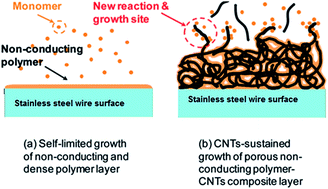
The self-limiting electrodeposition of non-conductive polymers, such as PoAP, has been continued by the addition of oxidized carbon nanotubes into the aqueous monomer solution without any other supporting electrolyte. The CNTs are individually coated by a thin layer of the non-conductive polymer. They are interconnected into a highly porous 3D network. The significant increase in thickness of the composite film can be attributed to the addition of CNTs in the oAP solution. It can provide extra electron pathways and new deposition sites among the insulating matrix for further electropolymerization. This effect is leading to a much thicker nanoporous composite film. Fig. 1 indicates the role of CNTs in the self-limiting electropolymerization process.38


image file: c4ra05732e-f1.tif
Fig. 1 Schematic diagrams of the steel wire covered with (a) a pure non-conductive polymer layer and (b) a MWCNTs/non-conductive polymer composite layer on which the interconnected MWCNTs represent the electrode sites where further electropolymerization occurs.38

The developments of novel fibers are focused on enhancing the fiber capacity and improving the chemical, thermal and mechanical stability. In the present work, a stainless steel SPME fiber coated with MWCNTs/PoAP composite has been made. An electrochemical polymerization technique was used for synthesizing. The fiber prepared in this way was then assessed in DI-SPME and GC analysis of PEs in aqueous samples. For the first time, this composite was used as SPME coating and indicated very good properties that it was comparable or better than ones reported elsewhere.

Experimental

Chemicals

Dipropyl phthalate (DPP), di-isobutyl phthalate (DIBP), dibutyl phthalate (DBP) and dipentyl phthalate (DPeP) were purchased from AccuStandard (New Haven, CT, USA). Butylbenzyl phthalate (BBP) and di-2-ethylhexyl phthalate (DEHP) were obtained from Merck (Darmstadt, Germany). Individual stock solutions of each phthalates (1000 mg L−1) were prepared in methanol. A standard mixture of the target analytes was prepared at a final concentration of about 100 mg L−1 in methanol. From this solution several standard working solutions were prepared in distilled water. oAP was obtained from Merck (Darmstadt, Germany) and was purified by recrystallizing it from hot water. Then, it was stored in a dark bottle under nitrogen atmosphere. Multiwalled carbon nanotubes purchased from PlasmaChem GmbH (Berlin, Germany) was 20–40 nm in diameter and 1–10 μm in length. Helium and nitrogen gases (≥99.999%), used as GC carrier gas and make-up gas, respectively, were both obtained from Sabalan Co. (Tehran, Iran).

Apparatus

The SPME device was home-made. It consisted of a 23 gauge, 9.0 cm stainless steel spinal needle purchased from Dr Japan Co, (Tokyo, Japan). It was housed in a 6.0 cm hollow cylinder of Al with two nuts and two pieces of rubber septum. A piece of steel wire (type 302, 17 cm × 0.3 mm) passing through the septum acted as the SPME fiber. One end of the fiber was attached to a cap and 3 cm of the other end was coated with a thin film of MWCNTs/PoAP. All electrochemical measurements were carried out in a conventional three electrodes cell, powered by a Behpajuh potentiostat/galvanostat model BHP 2061-C (Esfahan, Iran). The steel wire used as the working electrode was obtained from American Orthodentics (WI, USA). A Pt counter electrode and a saturated calomel reference electrode (SCE) used in the electrochemical process were from Azar Electrode Co. (Urmieh, Iran). For stirring and heating the samples during the SPME process, a hot plate-stirrer Jenway model 1000, obtained from Biby Scientific (Manchester, UK) was used. The FTIR spectra were recorded by a Tensor 27 FTIR spectrometer from Brucker (Ettlingen, Germany). The scanning electron micrographs of the fiber surface were obtained using a Hitachi S4160 (Tokyo, Japan) scanning electron microscope. An ultrasonic bath, Bandelin Sonorex Super (Berlin, Germany) was used for sonication purposes. During all experiments, special care was taken to avoid contact between reagents and solutions with plastic materials. Prior to their use, all laboratory glassware were washed with ultrapure water and dried at 250 °C.

Separation and quantification of PEs were carried out using a model 16A gas chromatograph from Shimadzu (Tokyo, Japan). It was equipped with a split-splitless injector, flame ionization detector (FID) and a BP-10 (25 m × 0.33 mm. I.D. and 0.5 μm film thickness) capillary column purchased from Shimadzu (Tokyo, Japan). The column temperature was initially kept at 60 °C for 2 min, then increased at 20 °C min−1 to 190 °C, ramped at 10 °C min−1 to 260 °C and finally kept for 10.0 min. Injector and detector temperatures were adjusted at 250 °C and 320 °C, respectively. For the identification of phthalates in real samples, an Agilent 7890A gas chromatograph-5975C inert XL MSD mass spectrometer (GC-MS) equipped with a quadrupole analyzer and electron impact ion-source (EI) was used (Agilent Technologies, CA, USA). The MS conditions were: mass range 50–400, electron energy 70 eV, GC/MS interface and ion-source temperatures 230 °C.

Preparation of the composite coating

MWCNTs (100 mg) were refluxed in 7 mL of concentrated nitric acid at 115 °C for 3 h. The resultant oxidized-MWCNTs were collected on Whatman no. 41 (20 μm porosity) filter paper. They were washed with distilled water to pH 6–7 and were dried at room temperature.6 The presence of an electrolyte, such as acids, bases, or salts is necessary for electropolymerization of non-conductive polymers.38 Here, the partially ionizable carboxylic acid groups created during the oxidation of MWCNTs with nitric acid can act as both an electrolyte and the new reaction sites among the insulating matrix for further electropolymerization. Therefore electropolymerization is performed without any other supporting electrolyte. To make the coating adhere firmly to the wire surface, the wire was first roughened by a smooth sand paper and then washed in acetone while sonicating. The oxidized-MWCNTs were ultrasonically dispersed in water for 1 h. Electro-co-deposition of PoAP and MWCNTs was carried out by potentiodynamic polymerization of 10 mL solution of oAP (0.1 M) in an aqueous suspension of oxidized-MWCNTs (0.05% w/v) at room temperature. After deposition, the coating was washed with distilled water. Thermal conditioning of the fiber was carried out by heating at 100 °C for 30 min in an oven, and then at 300 °C for 2 h in the GC injector port under a helium atmosphere. This was to remove volatile compounds remaining in the fiber until a smooth chromatographic baseline is obtained.

SPME procedure

A 0.05 μg mL−1 working solution of the mixture of phthalates in distilled water was prepared from the stock solution. SPME extractions were performed by placing 10.0 mL samples into a 12.0 mL sample vial capped with a septum. Magnetic stirring with a 1.0 cm long stirring bar was used to agitate the samples at a constant rate. Extractions were carried out by exposing a 3.0 cm length of the composite-coated fiber to the sample solution. The extraction temperature was adjusted by placing the extraction vial in a water bath. The water bath was placed on the magnetic stirrer. After extraction, the fiber was withdrawn into the needle, removed from the sample vial and immediately introduced into the GC injector port for thermal desorption.

Results and discussion

Characterization of MWCNTs/PoAP composite coating

The composition and morphology of the nanocomposite were characterized by Fourier transform infrared (FTIR) spectroscopy and scanning electron microscopy (SEM). Fig. 2 displays the FTIR spectra of (a) oAP and (b) MWCNTs/PoAP nanocomposite.
image file: c4ra05732e-f2.tif
Fig. 2 FTIR spectra of (a) oAP and (b) MWCNTs/PoAP nanocomposite.

The FTIR spectrum for oAP shows a typical profile with two peaks at 3375.90 cm−1 and 3304.79 cm−1 due to the asymmetrical and symmetrical N–H stretching vibrations. Two peaks at 1512.31 cm−1 and 1470.58 cm−1 are the characteristic bands of the C[double bond, length as m-dash]C stretching vibration mode for benzenoid rings. The bands at 1402.81 cm−1 and 1216.29 cm−1 can be attributed to the C–O–H deformation vibration and the C–O stretching vibration, respectively. Spectrum b presents MWCNTs/PoAP patterns. The bands at 1110.51 cm−1 and 1636.93 cm−1 are ascribed to the stretching of the C–O–C and C[double bond, length as m-dash]N linkages, respectively.

The SEM micrographs of the coating are shown in increasing magnification in Fig. 3. It is seen that the surface of the polymer coating is rough with large effective surface area, which is favorable for the adsorption and desorption of analytes.


image file: c4ra05732e-f3.tif
Fig. 3 Scanning electron micrographs of the surface of MWCNTs/PoAP composite film. (a) Magnification 100×, (b) magnification 6000×, (c) magnification 30[thin space (1/6-em)]000×, (d) magnification 60[thin space (1/6-em)]000×, (e) magnification 100[thin space (1/6-em)]000× and (f) magnification 200[thin space (1/6-em)]000×.

Coating optimization

Parameters related to the coating process, such as mode of electropolymerization, potential range, scan rate, number of cycles, concentration of the monomer and oxidized-MWCNTs were optimized. A one-at-a-time strategy was used in the optimization process. After coating the fibers in each optimization step, thermal conditioning was applied. Then the fibers were used for direct solid-phase microextraction of PEs, and their extraction efficiencies were assessed.

Mode of electropolymerization

The most popular techniques for electropolymerization are constant potential coulometry (CPC) and cyclic voltammetry (CV). In the present work, both techniques were applied to a 10 mL solution of oAP (0.05 M) in an aqueous suspension of oxidized-MWCNTs (0.2% w/v). It was done at room temperature to obtain a good coating with maximum extraction efficiency. Then, the coating was exposed to 0.05 μg mL−1 mixed aqueous solutions of the PEs for 60 min at 35 °C. In this case, desorption time and desorption temperature were 20 min and 260 °C, respectively. In CPC mode, a constant potential of 1.0 V versus SCE was applied for 1200 s. The CV mode was performed at a rate of 50 mV s−1 in a potential range of 0.0 to 1.0 V (vs. SCE). The number of CV cycles was 30. The results showed that electropolymerization by CV resulted in higher extraction efficiencies. Therefore, this mode of electropolymerization was selected for further experiments.

Potential range

After selecting the CV mode, the range of applied potential must be optimized. PoAP has been deposited on various surfaces by applying potentials in the range of 0.0 to 1.0 V.38 However, in the present work potential ranges of 0.0–1.2, 0.0–1.0, 0.0–0.8, –0.2 to 1.0, and −0.2 to 1.2 V vs. SCE were examined. Other parameters were the same as previous section. As shown in Fig. 4, the highest extraction efficiencies were obtained at −0.2 to 1.0 V.
image file: c4ra05732e-f4.tif
Fig. 4 Effect of coating parameters on the extraction efficiency: (a) potential range, (b) scan rate, (c) oAP concentration, (d) MWCNTs concentration, N = 3.

Scan rate and number of cycles

To optimize these parameters, first, various scan rates in the range 10 to 150 mV s−1 were studied. When scan rates less than 100 mV s−1 were used, a thick layer of coating was produced. While at scan rates higher than 100 mV s−1 a thin layer of the coating was deposited on the wire. As these conditions lead to lower extraction efficiencies, 100 mV s−1 was selected as the optimum scan rate (Fig. 4). Also the number of cycles was varied between 5 and 70 cycles. By increasing the number of cycles, the film thickness increased. It was observed that 30 cycles resulted in highest extraction efficiencies.

Concentration of oAP and oxidized-MWCNTs

Here, the oAP and oxidized MWCNTs concentrations were varied from 0.025 to 0.15 M and 0.01 to 0.6% (w/v), respectively. It was found the peak areas obtained at a concentration of 0.1 M for oAP were higher (Fig. 4). By increasing oxidized-MWCNTs concentration, the film thickness increased and resulted in a decrease of extraction efficiency (Fig. 4). Therefore, in subsequent studies, a concentration of 0.05% (w/v) was used.

SPME optimization

The effects of various parameters on the efficiency of SPME process, such as desorption temperature and time, extraction temperature and time, ionic strength and pH effect were studied. In order to improve mass transfer and the extraction efficiency, stirring the sample during the extraction under maximum but constant rate were performed.

Desorption temperature and time

Carry-over or memory effect is a common problem encountered in the analysis of PEs by the SPME method. To avoid carry-over effects, the temperature and time needed for complete desorption of analytes from a fiber were determined. Desorption of the extracted analytes was carried out at temperatures of 170–280 °C. Desorption times were also optimized by placing the fiber in the GC injection port for a period of 1.0–20.0 min. Based on the obtained results, desorption at 280 °C for 2 min was selected as the optimum conditions. There were no residual effects after the fiber was desorbed using these conditions.

Extraction time and temperature

The effect of extraction time on the extraction efficiency was studied by monitoring the peak area as a function of time. The fiber was exposed to mixed aqueous solutions of the PEs at 0.05 μg mL−1 each. All extractions were performed at 35 °C and the analytes were desorbed at 280 °C with desorption time of 2 min. Extraction time was varied from 15 to 90 min. The results obtained are shown in Fig. 5. As this figure shows, an extraction time of 60 min was sufficient to reach equilibrium.
image file: c4ra05732e-f5.tif
Fig. 5 Effect of extraction parameters on the extraction efficiency: (a) extraction time, (b) extraction temperature, N = 3.

Extraction temperature was studied by exposing the fiber to the sample for 60 min at temperatures ranging from 25 to 65 °C. The results obtained are given in Fig. 5. It is seen that the extraction efficiency for most of the compounds increases by increasing the temperature up to 35 °C. It decreases above this temperature. This may be due to the fact that elevated temperatures increase Henry's constants and therefore decrease adsorption of analytes onto the coating.39 Therefore, the extraction temperature was set at 35 °C for all subsequent experiments.

Ionic strength and pH

It is known that the solubility of non-polar organic solutes in water decreases in the presence of salts. Thus, it is expected that salts should modify the adsorption of analytes by the fiber coating. To study the effect of salt addition on the extraction of PEs, which are considered as moderately polar solutes, extractions were carried out from 0.05 μg mL−1 PEs solutions in the presence of 0–5% (w/v) NaCl. It was observed that by adding salt to the sample solution, extraction efficiency of the majority of analytes decreased. It seems that under these conditions the surface of the coating is occupied and a negative effect on the extraction efficiency is observed.40 Based on the results obtained, it was decided to carry out all subsequent extractions without adding any salt to the sample solutions.

The pH may also play an important role in the solid-phase microextraction processes. In the present work, the effect of pH was studied at pH level of 3.0, 7.0 and 9.0. It was found that maximum extraction efficiencies were achieved at pH = 7. While at pH 3.0 and 9.0 the extraction efficiencies were lower. In both acidic and alkaline solutions, the analytes have been described as unstable.41 Thus, in subsequent experiments the pH of water sample was not adjusted since it did not appear to affect the amount of analyte extracted.

Method validation

Figures of merit including, limit of detection (LOD), linear range (LR) and precision in terms of reproducibility and repeatability (RSD%) for the present method are given in Table 1. The LODs based on S/N = 3 varied between 0.03 and 0.08 ng mL−1. The linear range determined by extracting aqueous samples by increasing concentrations was between 0.1 and 300 ng mL−1 for the various PEs studied. The coefficients of determination (r2) were between 0.9878 and 0.9995. The precision of the method was determined by seven replicate analyses from two mixed aqueous solutions containing 1.0 and 100 ng mL−1 of each phthalate. As Table 1 shows, at the lower concentration level of 1.0 ng mL−1, the intra-day relative standard deviations (RSD%) varied between 4.1 and 11.1%. while the inter-day values were between 4.6 and 12.5%. The fiber-to-fiber reproducibilities measured by three replicate analyses from a 1.0 ng mL−1 mixed aqueous solution were between 6.5 and 13.1%, which are quite satisfactory.
Table 1 LOD, recovery, LR, coefficient of determination (r2) and RSD%
Compound LODa Recovery (%) LR (ng mL−1) r2 RSD%a
50 ng mL−1 5 ng mL−1 Intra-day (N = 7) Inter-day (N = 7) Fiber-to-fiber (N = 3)
1 100 1 100 1
a Concentration in ng mL−1.
DPP 0.06 92 98 0.1–300 0.9978 8.9 7.5 9.3 9.6 10.7
DiBP 0.05 99 93 0.1–300 0.9995 4.1 3.8 4.6 4.8 6.5
DBP 0.06 104 99 0.1–300 0.9986 6.8 3.9 7.1 8.2 9.1
DPeP 0.03 91 115 0.1–300 0.9939 5.9 4.8 6.1 7.3 7.2
BBP 0.05 106 102 0.1–300 0.9922 11.1 9.2 12.5 9.5 13.1
DEHP 0.08 99 92 0.5–300 0.9878 8.8 7.4 9.2 9.1 10.7


In Table 2, the validation parameters obtained have been compared with the values reported by other research groups.6,22,42–45 It is seen that the results for the present method are comparable or better than ones reported elsewhere.

Table 2 Comparison of LR, LOD and RSD% of the present SPME-GC with other works. All the concentrations are in ng mL−1 and indicated in parenthesis
Compound Reference
Present work 6 21 42 43 44 45
MWCNTs/PoAP/GC-FID MWCNTs/PPY/GC-FID PDMS/DVB/GC-MS PDMS/DVB/GC-MS PDMS/DVB/GC-MS PDMS/GC-FID PILa/GC-FID
a Polymeric ionic liquid.b The first row of figures for each compound indicates LR (ng mL−1).c The second row of figures for each compound indicates LOD (ng mL−1).d The last row of figures for each compound indicates RSD%.
DPP 0.1–300b 0.5–300 2–50
0.06c 0.08 1.5
8.9d (1) 10.2 (1) 8.2
DiBP 0.1–300 0.5–300 0.1–20 2–50
0.05 0.1 0.064 0.6
4.1 (1) 6.3 (1) 3.62 (1.5) 6.5
DBP 0.1–300 0.5–300 0.1–20 0.02–10 0.08–8 2–50 0.1–200
0.06 0.07 0.06 0.005 0.026 0.3 0.05
6.8 (1) 6.2 (1) 5.01 (1.5) 4 (1) 9.7 (0.5) 7.5 4.83 (10)
DPeP 0.1–300 0.5–300
0.03 0.09
6.1 (1) 8.6 (1)
BBP 0.1–300 0.5–300 0.1–20 0.02–10 0.08–8
0.05 0.05 0.085 0.01 0.002
11.1 (1) 8.1 17 (1.5) 5 (1) 8 (0.5)
DEHP 0.5–300 0.1–20 0.1–10 0.5–8 0.05–200
0.08 0.049 0.02 0.103 0.02
8.8 (1) 17.24 (1.5) 12 (1) 16 (0.5) 7.67 (10)


Real samples

The performance of the SPME method with MWCNTs/PoAP fiber was tested by analyzing three samples of bottled mineral water provided by Vata (Ardabil, Iran), Pars (Shiraz, Iran) and Alis (Khorasan, Iran). A tap water sample was collected from the Shahid Bahonar University campus (SBUC). Three samples of injectable infusion solutions including 5% dextrose solution (Darou Pakhsh Co., Iran), 3.33% dextrose and 0.3% sodium chloride solution (I.P.P.C., Iran) and 0.9% sodium chloride solution (Samen Co., Iran) were used without any pretreatment. Three replicate analyses were performed on each sample, and compound identification was confirmed using GC-MS. The results found are shown in Table 3 and typical chromatograms are shown in Fig. 6. The relative recovery of the method was evaluated by spiking a sample of Pars bottled mineral water at 5.0 and 50 ng mL−1 of each phthalate. The recoveries obtained were between 91 and 115% (Table 1).
Table 3 Results obtained for real samples
Compound Concentration (ng mL−1)
Pars Vata Alis SBUC ISb ISc ISd
a ND means not detected.b Dextrose 5% injectable solution.c Sodium chloride 0.9% injectable solution.d Dextrose 3.33% & sodium chloride 0.3% injectable solution.e Each figure indicates SD.
DPP NDa ND ND ND ND ND ND
DiBP ND 0.4 (±0.04)e 0.3 (±0.02) 0.3 (±0.03) 0.2 (±0.04) 0.3 (±0.04) 0.3 (±0.03)
DBP ND 2.5 (±0.07) 0.6 (±0.05) 0.3 (±0.04) 0.3 (±0.02) 0.7 (±0.05) 2.7 (±0.08)
DPeP ND ND ND ND ND ND ND
BBP ND ND ND 3.8 (±0.15) ND ND 3.5 (±0.08)
DEHP ND 2.1 (±0.06) ND 8.1 (±0.19) 5.3 (±0.06) 9.1 (±0.22) 5.5 (±0.09)


image file: c4ra05732e-f6.tif
Fig. 6 Chromatograms obtained by DI-SPME-GC with MWCNTs/PoAP fiber for (a) blank, (b) dextrose 3.33% & sodium chloride 0.3% injectable solution, (c) Alis bottled mineral water, and (d) 0.05 μg mL−1 standard solution of each phthalate. SPME conditions: extraction time, 60 min; extraction temperature, 35 °C; desorption time, 2 min; desorption temperature, 280 °C. Peak assignment: (1) DPP, (2) DiBP, (3) DBP, (4) DPeP, (5) BBP, and (6) DEHP.

Conclusions

In this study, a novel SPME fiber based on MWCNTs/PoAP coated stainless steel wire was prepared through electrochemical polymerization. This coating had a very porous structure with large surface area, which enhanced its absorption ability and increased the extraction efficiency. This fiber was firm and stable. The lifetime of the fiber was such that a single fiber could be used at least 60 times for DI-SPME analysis of PEs. The proposed SPME-GC method showed wide linear range and low detection limits which are comparable or better than the values reported elsewhere, despite the fact that many of them have used MS detection. Single fiber repeatabilities and fiber-to-fiber reproducibilities were both satisfactory. Various real samples were chosen to evaluate the reliability of this method, which showed high recoveries for PEs studied. It is expected that this composite coating has a considerable potential for preconcentration and determination of other analytes.

References

  1. C. E. Mackintosh, J. Maldonado, J. Hongwu, N. Hoover, A. Chong, M. G. Ikonomou and F. A. P. C. Gobas, Environ. Sci. Technol., 2004, 38, 2011–2020 CrossRef CAS PubMed.
  2. C. A. Staples, D. R. Peterson, T. F. Parkerton and W. J. Adams, Chemosphere, 1997, 35, 667–749 CrossRef CAS.
  3. M. Sharman, W. A. Read, L. Castle and J. Gilbert, Food Addit. Contam., Part A, 1994, 11, 375–385 CrossRef CAS PubMed.
  4. H. Yan, X. Cheng and B. Liu, J. Chromatogr. B: Anal. Technol. Biomed. Life Sci., 2011, 879, 2507–2512 CrossRef CAS PubMed.
  5. E. Martendala and E. Caraseka, J. Chromatogr. A, 2011, 1218, 1707–1714 CrossRef PubMed.
  6. H. Asadollahzadeh, E. Noroozian and Sh. Maghsoudi, Anal. Chim. Acta, 2010, 669, 32–38 CrossRef CAS PubMed.
  7. K. Bouma and D. Schakel, Food Addit. Contam., Part A, 2002, 19, 602–610 CrossRef CAS PubMed.
  8. K. Inoue, T. Higuchi, F. Okada, H. Iguchi, Y. Yoshimura, A. Sato and H. Nakazawa, J. Pharm. Biomed. Anal., 2003, 31, 1145–1152 CrossRef CAS PubMed.
  9. J. S. Avila, M. F. Sanjuan, J. Vicente and S. Lacorte, J. Chromatogr. A, 2011, 1218, 6799–6811 CrossRef PubMed.
  10. H. Toda, K. Sako, Y. Yagome and T. Nakamura, Anal. Chim. Acta, 2004, 519, 213–218 CrossRef CAS.
  11. H. M. Koch, B. Rossbach, H. Drexler and J. Angerer, Environ. Res., 2003, 93, 177–185 CrossRef CAS PubMed.
  12. K. Kato, S. Shoda, M. Takahashi, N. Doi, Y. Yoshimura and H. Nakazawa, J. Chromatogr. B: Anal. Technol. Biomed. Life Sci., 2003, 788, 407–411 CrossRef CAS.
  13. M. J. Silva, J. A. Reidy, A. R. Herbert, J. L. Preau, L. L. Needham and A. M. Calalipid, Bull. Environ. Contam. Toxicol., 2004, 72, 1226–1231 CrossRef CAS PubMed.
  14. H. Zhang, X. Q. Chen and X. Y. Jiang, Anal. Chim. Acta, 2011, 689, 137–142 CrossRef CAS PubMed.
  15. P. Liang, J. Xu and Q. Li, Anal. Chim. Acta, 2008, 609, 53–58 CrossRef CAS PubMed.
  16. J. D. Li, Y. Q. Cai, Y. L. Shi, S. F. Mou and G. B. Jiang, Talanta, 2008, 74, 498–504 CrossRef CAS PubMed.
  17. H. Farahani, P. Norouzi, R. Dinarvand and M. R. Ganjali, J. Chromatogr. A, 2007, 1172, 105–112 CrossRef CAS PubMed.
  18. A. Penalver, E. Pocurull, F. Borrull and R. M. Marce, J. Chromatogr. A, 2000, 872, 191–201 CrossRef CAS PubMed.
  19. M. Bonini, E. Errani, G. Zerbinati, E. Ferri and S. Girotti, Microchem. J., 2008, 90, 31–36 CrossRef CAS.
  20. A. N. Panagiotou, V. A. Sakkas and T. A. Albanis, Anal. Chim. Acta, 2009, 649, 135–140 CrossRef CAS PubMed.
  21. X. L. Cao, J. Chromatogr. A, 2008, 1178, 231–238 CrossRef CAS PubMed.
  22. G. Prokupkova, K. Holadova, J. Poustka and J. Hajslova, Anal. Chim. Acta, 2002, 457, 211–223 CrossRef CAS.
  23. K. Luks-Betlej, P. Popp, B. Janozska and H. Paschke, J. Chromatogr. A, 2001, 938, 93–101 CrossRef CAS PubMed.
  24. A. Penalver, E. Pocurull, F. Borrull and R. M. Marce, J. Chromatogr. A, 2001, 922, 377–384 CrossRef CAS PubMed.
  25. A. Mollahosseini and E. Noroozian, Anal. Chim. Acta, 2009, 638, 169–174 CrossRef CAS PubMed.
  26. L. X. Wang, X. G. Li and Y. L. Yang, React. Funct. Polym., 2001, 47, 125–132 CrossRef CAS.
  27. F. Zhao, M. Wang, Y. Ma and B. Zeng, J. Chromatogr. A, 2011, 1218, 387–391 CrossRef CAS PubMed.
  28. H. J. Salavagione, J. Arias, P. Garces, E. Morallon, C. Barbero and J. L Vazquez, J. Electroanal. Chem., 2004, 565, 375–383 CrossRef CAS.
  29. E. Miland, A. J. M. Ordieres, P. T. Blanco, M. R. Smyth and C. O. Fagain, Talanta, 1996, 43, 785–796 CrossRef CAS PubMed.
  30. Z. N. Zhang, H. Y. Liu and J. Q. Deng, Anal. Chem., 1996, 68, 1632–1638 CrossRef CAS PubMed.
  31. D. W. Pan, J. H. Chen, L. H. Nie, W. Y. Tao and S. Z. Yao, Anal. Biochem., 2004, 324, 115–122 CrossRef CAS PubMed.
  32. Y. Miao, J. Chen and X. Wu, Trends Biotechnol., 2004, 22, 227–231 CrossRef CAS PubMed.
  33. T. D. Chung, R. A. Jeong, S. K. Kang and H. C. Kim, Biosens. Bioelectron., 2001, 16, 1079–1087 CrossRef CAS PubMed.
  34. S. Iijima, Nature, 1991, 354, 56–58 CrossRef CAS.
  35. C. M. Niu, E. K. Sichel, R. Hoch and D. Moy, Appl. Phys. Lett., 1997, 70, 1480–1482 CrossRef CAS.
  36. H. D. Wagner, O. Lourie, Y. Feldman and R. Tenne, Appl. Phys. Lett., 1998, 72, 188–190 CrossRef CAS.
  37. D. Qian, E. C. Dickey, R. Andrews and T. Rantell, Appl. Phys. Lett., 2000, 76, 2868–2870 CrossRef CAS.
  38. D. Hu, C. Peng and G. Z. Chen, ACS Nano, 2010, 4, 4274–4282 CrossRef CAS PubMed.
  39. L. Moens, T. De Samael, R. Dams, P. Van Den Broeck and P. Sandra, Anal. Chem., 1997, 69, 1604–1611 CrossRef CAS.
  40. Q. Li, X. Wang and D. Yuan, J. Chromatogr. A, 2009, 1216, 1305–1311 CrossRef CAS PubMed.
  41. R. S. Zhao, X. Wang, J. P. Yuan and J. M. Lin, J. Chromatogr. A, 2008, 1183, 15–20 CrossRef CAS PubMed.
  42. E. Psillakis and N. Kalogerakis, J. Chromatogr. A, 2003, 999, 145–153 CrossRef CAS PubMed.
  43. M. Polo, M. Llompart, C. Garcia-Jares and R. Cela, J. Chromatogr. A, 2005, 1072, 63–72 CrossRef CAS PubMed.
  44. U. Kotowska, K. Garbowska and V. A. Isidorov, Anal. Chim. Acta, 2006, 560, 110–117 CrossRef CAS.
  45. J. Feng, M. Sun, J. Li, X. Liu and S. Jiang, J. Chromatogr. A, 2012, 1227, 54–59 CrossRef CAS PubMed.

This journal is © The Royal Society of Chemistry 2014
Click here to see how this site uses Cookies. View our privacy policy here.