


 PLATFORM UPDATE:


Comparative evaluation of enzymatic, ultrasonic, and deep eutectic solvent extraction techniques for the recovery of bioactive and secondary metabolites from milky ripeness oat grass (Avena sativa L.)
 *a
*a
Abstract
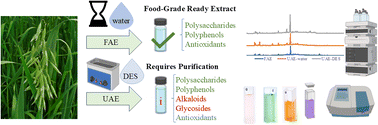
Oat grass (Avena sativa L.) harvested at the milk ripeness stage is a valuable source of bioactive compounds, including polysaccharides, phenolics, alkaloids, and cardiac glycosides with diverse health-promoting properties. This study introduces a novel extraction approach that combines natural fermentation with a brief hot water treatment to maximize the yield of a broad spectrum of bioactive compounds while maintaining extract quality. The optimized protocol (12 h cold water fermentation followed by 1 min boiling) was systematically compared with two widely applied techniques: ultrasound-assisted aqueous extraction and ultrasound-assisted extraction with deep eutectic solvents (DES). The fermentation-based method resulted in the highest polysaccharide recovery (4.93 ± 0.15 mg g−1), superior phenolic compound content, and enhanced antioxidant activity, as demonstrated by high DPPH radical scavenging capacity (66.3 ± 2.6%) and ferric reducing power (4.52 ± 0.18 mg TE g−1). In contrast, ultrasound extraction in water or DES achieved lower polysaccharide yields and showed reduced functional activity, while DES-based extraction produced higher amounts of alkaloids and glycosides, highlighting the importance of safety profiling and indicating a need for careful consideration regarding extract safety and downstream purification for food applications. The aqueous fermentation approach offered the advantages of simplicity, and avoided issues related to solvent recovery inherent to DES systems. These findings highlight fermentation-assisted hot water extraction as a scalable and sustainable method for producing oat-derived polysaccharide-rich extracts with potential applications in functional foods and nutraceuticals.
 Please wait while we load your content...


