


 PLATFORM UPDATE:


Green-synthesized cardamom-modified iron oxide nanoparticles with potent antibacterial, antioxidant, anti-inflammatory, and anticancer activities
 *a
and
*a
and
Abstract
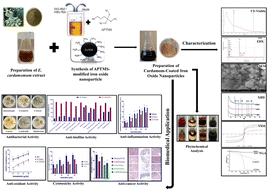
Cancer and antimicrobial resistance pose significant global health challenges, necessitating the development of novel therapeutic approaches. This study presents the green synthesis of (3-aminopropyl)trimethoxysilane (APTMS)-modified iron oxide nanoparticles coated with Elettaria cardamomum extract (EC-AMIONPs) via a co-precipitation method. The synthesized nanoparticles were thoroughly characterized using UV-vis, FTIR, SEM, EDX, XRD, TGA, and VSM techniques. The analyses confirmed the successful formation of spherical, amorphous EC-AMIONPs with an average size of 14.28 nm and paramagnetic properties. Phytochemical screening revealed the presence of bioactive compounds, including terpenoids, steroids, alkaloids, tannins, and phenols. Functionally, EC-AMIONPs exhibited potent antioxidant activity (80.75% at 100 μg mL−1), broad-spectrum antibacterial effects against multidrug-resistant pathogens, and significant antibiofilm capacity. The anti-inflammatory potential was demonstrated through the inhibition of albumin denaturation (76.92%), stabilization of HRBC membranes (78.85%), and proteinase inhibition (73.36%) at 200 μg mL−1. Cytotoxicity, assessed via the Artemia salina assay, revealed moderate toxicity (65.00% lethality at 400 μg mL−1; LC50: 170.35 μg mL−1), supporting their biosafety at therapeutic doses. In vivo studies in EAC-induced mice confirmed the anticancer efficacy of EC-AMIONPs, resulting in a significant reduction in tumor growth and improvement in physiological parameters, including hematological (RBC, WBC, hemoglobin), biochemical (ALT, creatinine, lipid profile), and ionic (Na+, K+, Ca2+, Cl−) profiles. Histological analysis further validated the protective effects on liver, kidney, lung, and intestinal tissues. Overall, EC-AMIONPs demonstrate multifunctional biomedical properties—antioxidant, antibacterial, anti-inflammatory, and anticancer—highlighting their potential as a green nanoplatform for future therapeutic applications.
 Please wait while we load your content...


