


 PLATFORM UPDATE:


Impact of carbon content on the adsorptive performance of Zr-MOF composites for diclofenac sodium removal

Abstract
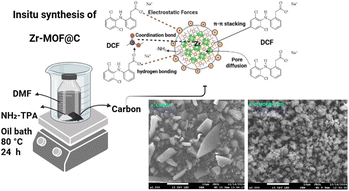
Efficient removal of pharmaceutical pollutants such as diclofenac sodium (DCF) from water is essential for reducing environmental contamination. This study explores the effect of biomass-derived carbon content on UiO-66-NH2-based Zr-MOF composites for DCF removal, using a simple one-pot synthesis. The work introduces a sustainable and low-cost strategy by valorizing industrial waste wood into functional carbon. Structural and surface characterization (XRD, SEM, TEM, FTIR, and XPS) confirmed successful integration of carbon into the MOF framework. Adsorption experiments revealed that composites with 10–20% carbon content offered the best performance, with Zr-MOF@C-10% achieving the highest adsorption capacity (qm = 385 mg g−1), particularly at DCF concentrations exceeding 300 mg L−1. Although moderate carbon addition enhanced microporosity and maintained relatively high surface area, higher carbon loading (40–60 wt%) led to reduced surface area and possible pore blockage, limiting adsorption efficiency. The adsorption mechanism involves electrostatic interactions, hydrogen bonding, and π–π stacking, reflecting the synergistic contribution of surface functional groups and pore structure. These findings demonstrate the potential of biomass-derived Zr-MOF@C composites as effective and sustainable adsorbents for pharmaceutical removal from water.
 Please wait while we load your content...


