


 PLATFORM UPDATE:


Polymer thin film-embedded metal oxide-modified electrochemical paper-based sensor for glycine detection†
 *ab
and
*ab
and
Abstract
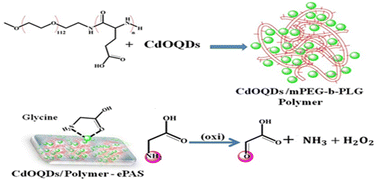
This work describes the design and selectivity of a simple electrochemical paper-based analytical sensor (ePAS) for the detection of an amino acid (glycine) using Whatman No. 1 filter paper as the substrate material. A simple wax fabrication method was used to create hydrophobic and hydrophilic channels to control the sample flow. For electrochemical analysis, the carbon and silver ink electrodes were printed on a paper. The working and counter electrodes were made from carbon ink, and the reference and connective pads were made of silver/silver chloride ink. A sensing material composed of methoxy poly(ethylene glycol)-block-poly(L-glutamic acid) and cadmium oxide quantum dots was utilized for the detection of glycine. The proposed ePAS exhibited potential electrocatalytic activity toward the oxidation of glycine. The electrochemical studies showed a higher sensitivity for glycine in a basic medium in a potential window of −0.4 to +0.6 V. The detection limit for glycine under optimized conditions achieved with this sensor was 75.8 μM, while the limit of quantification was 229.7 μM. The sensor showed high sensitivity and reproducibility for up to 25 cycles and directly quantified the amino acids in the samples. The sensor could be reused, making it more economical and environmentally friendly.
 Please wait while we load your content...


