


 PLATFORM UPDATE:

Integrated wearable electrochemical sensor based on silk protein for the detection of uric acid in sweat
 bc
Jianfei
Xia
c
and
bc
Jianfei
Xia
c
and
Abstract
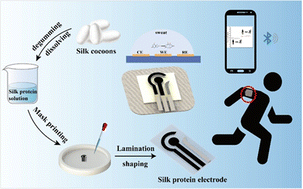
Uric acid (UA) is a metabolic product of purine nucleotides in the human body. Excessive intake of high-purine foods can lead to elevated UA levels in the body, which increases the risk of developing cardiovascular diseases, gout, and related conditions. In this work, an integrated flexible three-electrode system for uric acid detection was constructed using a silk protein film as the substrate, carbon ink as the working and counter electrodes, and AgCl/Ag as the reference electrode. To further enhance the sensitivity and stability of the sensor, the carbonized derivative of ZIF-8 was employed as the sensing element to modify the surface of the working electrode. In the detection of uric acid, the modified sensor exhibited high sensitivity, strong stability, and good reproducibility. Additionally, the sensor possesses excellent breathability and biocompatibility, allowing it to adhere to the skin without causing discomfort or allergic reactions. The wearable uric acid sensor constructed in this study can detect changes in uric acid levels in sweat, providing a novel and cost-effective strategy for the development of high-performance in situ sweat monitoring platforms.
 Please wait while we load your content...


