


 PLATFORM UPDATE:


High flavonoid diet alleviates chronic stress in cancer patients by optimization of the gut microbiota
 *a
*a
Abstract
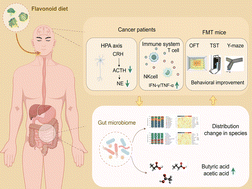
Scope: Cancer patients face long-term psychological stress due to the fear of death, economic burden, and pain caused by the disease. The aim of this study is to explore the effects of flavonoid diets on chronic stress in cancer patients. Methods and results: In this study, cancer patients were subjected to a high flavonoid diet (n = 15) or normal diet (n = 15). Their chronic stress status, quality of life and immune function were evaluated at the beginning and end of a 12-week diet intervention. The high flavonoid diet significantly alleviated anxiety, depression, and perceived stress in cancer patients (p < 0.05). The stress indicators in their plasma and saliva also decreased after the flavonoid diet (p < 0.05). The anxiety and depression behaviors of mice improved after receiving fecal microbiota transplantation from cancer patients receiving a high flavonoid diet (p < 0.05). The distribution of the gut microbiota changed, and butyric acid levels increased significantly in the FMT mice from the high flavonoid group (p < 0.05). The selected components of flavonoid (quercetin) caused similar changes in the behavioral experiments and gut microbiota of chronic stress mice. Conclusion: High levels of flavonoid intake can significantly improve the chronic stress status and quality of life of cancer patients, and the effects may be mediated by the optimization of the gut microbiota and their metabolites.
 Please wait while we load your content...


