


Electrochemical recovery and regeneration of polyethylene terephthalate materials

Abstract
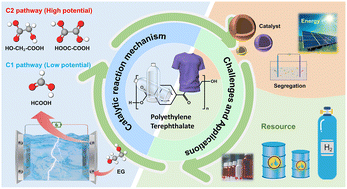
Polyethylene terephthalate (PET) is one of the most widely used synthetic polymer materials, which brings great convenience to social life and industrial applications. However, the extensive use of PET and the lack of effective recycling have led to environmental pollution caused by plastic waste. Unlike traditional recycling methods that rely on energy-intensive and corrosive conditions (e.g., high temperature and pressure), electrochemical catalytic technology operates under mild conditions and offers environmental compatibility, and thus has emerged as a promising alternative. The core of this method lies in its catalytic mechanism and selective conversion. This review focuses specifically on the catalytic mechanisms and reaction pathways involved in the electrochemical recycling of PET. It begins by systematically comparing the fundamental differences between electrochemical and conventional methods, with an emphasis on how electrocatalysis enables selective bond cleavage and transformation under ambient conditions. Then, the electrocatalytic mechanism and the detailed reaction process, particularly at the electrode–electrolyte interface, are thoroughly elucidated, including how active species (e.g., hydroxyl radicals or other reactive oxygen species) are generated in situ and participate in the stepwise degradation of PET macromolecules. Finally, key electrochemical technologies are systematically summarized and future prospects are discussed, aiming to offer valuable insights for innovating and scaling up industrial-grade PET waste recycling processes based on a deep understanding of the electrocatalytic principles.
- This article is part of the themed collections: Recent Review Articles and Nanocatalysis
 Please wait while we load your content...


