Multi-omics reveals microplastics disrupt nitrogen assimilation in hydrophytes

Weiliang Pan a, Lin Zhang ab, Lin Liang ab, Meirui Mu b, Chang Xu b, Lianfeng Du b and Xuan Guo *b
aSchool of River and Ocean Engineering, Chongqing Jiaotong University, Chongqing 400074, China
bInstitute of Plant Nutrition, Resources and Environment, Beijing Academy of Agriculture and Forestry Sciences, Beijing 100097, China. E-mail: guoxuan@baafs.net.cn; ytzxguoxuan@126.com

Received 3rd September 2025 , Accepted 11th November 2025

First published on 14th November 2025


Abstract

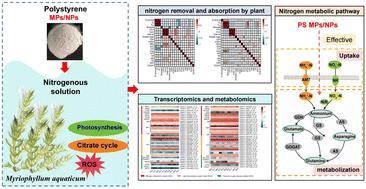
Hydrophytes mitigate water eutrophication; however, microplastics (MPs) and nanoplastics (NPs) may affect nutrient removal. The underlying pathways through which MPs/NPs mediate disruptions in nitrogen assimilation remain unclear. This study investigates how polystyrene (PS) particles (0.1–100 μm) at freshwater-relevant concentrations (10–1000 μg L−1) affect NH4+–N and NO3–N removal by a typical hydrophyte—Myriophyllum aquaticum. For NH4+–N, the 0.1 μm PS (100 μg L−1) treatment achieved the highest removal rate (92.02%), followed by 100 μm PS at 100 μg L−1 (91.28%). For NO3–N, the 0.1 μm/1000 μg L−1 PS treatment removed 97.46%, while others reached 100% after 27 days. Larger PS particles (100 μm) enhanced nitrogen-specific uptake rates, whereas 0.5 μm PS (1000 μg L−1) inhibited uptake. PS exposure altered plant biomass, chlorophyll content, soluble sugars, and activities of nitrogen metabolism enzymes (nitrate/nitrite reductase). Transcriptomics and metabolomics highlighted PS-induced disruptions in ammonia assimilation, TCA cycle, photosynthesis, and oxidative stress pathways. NO3–N removal outperformed NH4+–N, likely due to M. aquaticum's sensitivity to high ammonia. MPs/NPs exposure modulated expression of nitrogen uptake- and metabolism-related genes. The study underscores the complex size- and concentration-dependent impacts of MPs/NPs on aquatic plant-mediated nitrogen removal, emphasizing the need for tailored strategies to mitigate plastic pollution in freshwater ecosystems.


Environmental significance

Microplastics and nanoplastics are increasingly recognized as emerging contaminants, or potential “hazardous materials”, in freshwater ecosystems. Here, we investigated how polystyrene (PS) particles of different sizes (0.1–100 μm) and environmentally relevant concentrations (10–1000 μg L−1) affect nitrogen assimilation in the submerged macrophyte Myriophyllum aquaticum. Our experiments demonstrated that PS exposure disrupts NH4+–N and NO3–N uptake in a size- and concentration-dependent manner, leading to alterations in biomass accumulation, chlorophyll content, soluble sugars, and nitrogen metabolism enzyme activities. Integrated transcriptomic and metabolomic analyses revealed that PS MPs/NPs interfere with ammonia assimilation, the TCA cycle, photosynthesis, and oxidative stress pathways, thereby weakening plant-mediated nitrogen removal. These findings underscore the ecological risks posed by plastic particles in compromising the role of aquatic plants in nutrient cycling and highlight the urgent need to consider plant–plastic interactions in freshwater ecosystem restoration and nitrogen pollution mitigation strategies.

1. Introduction

Nitrogen pollution, which primarily results from agricultural runoff, industrial effluents, and urban waste, has become a global environmental issue.1 When excessive nitrogen enters aquatic ecosystems, it causes eutrophication, leading to algal blooms, hypoxia, and biodiversity loss. In China, which ranks among the world's most nitrogen-polluted regions, the total nitrogen load in surface waters has risen at an alarming rate.2 The China Environmental Yearbook reports that national ammonia–nitrogen emissions will reach 1.193 million tons by 2023, and nitrogen concentrations in some rivers and lakes will exceed 10 mg L−1, which is well above the eutrophication threshold. This pollution not only threatens aquatic life but also affects water quality, which can impact human health and local economies. Consequently, effective surveillance and mitigation of nitrogen pollution at the watershed scale are essential to safeguarding riverine water quality and controlling diffuse pollution.

Phytoremediation, or using aquatic plants (hydrophytes), has gained attention as an eco-friendly and sustainable solution.3 Aquatic plants can directly assimilate inorganic nitrogen and indirectly facilitate nitrogen transformation and removal by regulating sediment redox conditions and stimulating microbial activity.4,5Myriophyllum aquaticum, a common hydrophyte, is known for its high nitrogen uptake capacity, which can effectively reduce the nutrient levels in contaminated water.6M. aquaticum regulates root absorption, microbial coupling, and enzymatic transformation thereby, playing a crucial ecological role in mitigating eutrophication and maintaining nitrogen balance within aquatic ecosystems.7 Prior investigations have confirmed that M. aquaticum absorbs significant amounts of nitrogen compounds, including ammonium and nitrate, thereby improving the water quality.8 Phytoremediation is cost-effective, requires minimal infrastructure, and offers long-term environmental benefits.

Microplastics (MPs) and nanoplastics (NPs) have emerged as critical pollutants in marine and freshwater ecosystems.9,10 These pollutants, predominantly generated through the decomposition of bulk plastic waste, represent a substantial threat to water quality and aquatic ecosystems.11 Globally, plastic production has reached approximately 6.3 billion metric tons, with an estimated 9 million tons discharged into marine systems each year. MPs (1 μm to 5 mm) and NPs (<1 μm) are particularly hazardous because their small size allows them to penetrate the tissue of marine and freshwater organisms.12,13 These particles are pervasive in freshwater habitats, with reported concentrations exceeding 1.0 × 10⁶ particles per cubic meter in certain regions.14 Among various plastic polymers, polystyrene (PS) is frequently detected in aquatic environments, largely attributed to its widespread use in packaging materials and disposable goods.15 PS microplastics are particularly harmful to aquatic plants because they disrupt nutrient uptake, stunt growth, and interfere with metabolic processes.16 Although the phytotoxic effects of MPs and NPs are well documented, their impact on the nitrogen removal capacity of aquatic plants remains largely unexplored. This process is essential for the mitigation of eutrophication, yet the molecular and physiological pathways through which environmentally relevant levels of MPs and NPs disrupt nitrogen uptake and assimilation in hydrophytes are still poorly understood. This knowledge gap limits our ability to comprehend the broader implications of plastic pollution for nutrient cycling and ecosystem functioning in aquatic environments.

In this study, we investigated how environmentally relevant sizes and concentrations of PS MPs/NPs affect M. aquaticum. By integrating transcriptomic and metabolomic approaches, we systematically investigated the molecular and metabolic mechanisms by which PS particles of varying dimensions and levels influence nitrogen assimilation and uptake in M. aquaticum. The key objectives were as follows: (i) to evaluate the effects of environmentally realistic PS MPs/NPs exposure on nitrogen removal efficiency, (ii) to investigate their influence on the developmental physiology of M. aquaticum, and (iii) to clarify the mechanisms underlying the changes in nitrogen removal from M. aquaticum caused by PS MPs/NPs. This study provides mechanistic insights into the mechanisms by which microplastic stress alters plant-mediated nitrogen cycling, thereby advancing the understanding of hydrophyte functional roles in mitigating eutrophication under the influence of emerging pollutants.

2. Materials and methods

2.1. Materials

Monodisperse polystyrene (PS) white microspheres with nominal sizes of 0.1, 0.5, and 100 μm (measurement error <5%) provided as aqueous suspensions were acquired from Jiangsu Haian Zhichuan Battery Material Science and Technology Co. Ltd. (Suzhou, China), and provided as aqueous suspensions. Analytical-grade ammonium chloride (NH4Cl) and potassium nitrate (KNO3) were obtained from Sinopharm Chemical Reagent Company (Beijing, China). M. aquaticum specimens were obtained from the greenhouse culture tank in a greenhouse in the institute.

2.2. Experimental setup and groups

This experiment was performed using 2 L borosilicate glass columns. Healthy M. aquaticum plants of similar length and weight (35 g per treatment) were selected, with the root debris and water removed before being placed in the experimental setup. Based on the added nitrogen source, the treatment groups were divided into NH4+–N and NO3–N groups.8 PS MPs and NPs were introduced at three particle diameters (0.1, 0.5, and 100 μm) and three concentrations (10, 100, and 1000 μg L−1) according to environmentally relevant levels.17–19 To ensure the uniform dispersion of PS particles in the water column, gentle mixing was maintained throughout the experiment using a small magnetic stir bar operated at low speed (Fig. S1). This gentle mixing achieved effective suspension while minimizing potential disturbance to the root system. The experimental design included two nitrogen forms with identical PS particle treatments, as shown in Table 1.
Table 1 Experimental design
Groups Treatments MPs/NPs type MPs/NPs size (μm) MPs/NPs concentration (μg L−1) N concentration (mg N L−1)
Ammonium (NH4+–N) ACK 20
AL1 PS NPs 0.1 10 20
AM1 PS NPs 0.1 100 20
AH1 PS NPs 0.1 1000 20
AL2 PS NPs 0.5 10 20
AM2 PS NPs 0.5 100 20
AH2 PS NPs 0.5 1000 20
AL3 PS MPs 100 10 20
AM3 PS MPs 100 100 20
AH3 PS MPs 100 1000 20
Nitrate (NO3–N) NCK 20
NL1 PS NPs 0.1 10 20
NM1 PS NPs 0.1 100 20
NH1 PS NPs 0.1 1000 20
NL2 PS NPs 0.5 10 20
NM2 PS NPs 0.5 100 20
NH2 PS NPs 0.5 1000 20
NL3 PS MPs 100 10 20
NM3 PS MPs 100 100 20
NH3 PS MPs 100 1000 20


The experiment was carried out at a greenhouse in June 2023. Synthetic wastewater containing PS MPs/NPs was injected once. The total experimental duration was 30 days, during which evaporated water was replenished daily. Water samples (10 mL) were collected every three days to determine concentrations of NH4+–N and NO3–N. Upon completion of the experiment, plant samples were weighed and recorded. Plant leaves from each treatment group were gathered for analyses of plant chlorophyll content, anti-oxidant enzyme activities, nitrogen metabolism-related enzyme activities, as well as metabolome and transcriptome measurements. Each experimental treatment was replicated thrice.

2.3. Analytical methods

Water quality analyses were conducted with standard methods. In this case, NH4+–N and NO3–N levels were quantified.

The effectiveness of nitrogen uptake by plants is captured by the following two equations:

 
Q = (C0C) × V(1)
 
QS = Q/m(2)

In these equations, Q represents the total plant nitrogen uptake (mg), QS represents the specific nitrogen uptake per unit of fresh biomass (mg g−1). C0 represents the original solution concentration. C represents final concentration (mg L−1). V represents the valid volume (2 L). m represents the final fresh weight of the plant (g).

Kinetic models helped to analyze the nitrogen uptake process, reflecting the relationship between concentration, uptake time, and equilibrium uptake. The model equations were used for the analysis, and the most suitable kinetic model for nitrogen uptake by plants was obtained using the correlation coefficient R2 between the two kinetic equations.6,9

The pseudo first and second order kinetic models are given by:

 
ln(qeqt) = ln[thin space (1/6-em)]qek1t(3)
 
image file: d5en00824g-t1.tif(4)
where qe represents the equilibrium uptake of nitrogen by M. aquaticum (mg g−1). qt represents the N uptake by M. aquaticum at t (mg g−1). The coefficients k1 and k2 designate the apparent first-order and second-order kinetic parameters, respectively.

2.4. Plant detection

At the termination of the experiment, the entire plant specimens were collected, and surface moisture was carefully removed with absorbent paper before weighing to determine fresh biomass. In addition, 2 g of fresh M. aquaticum leaves were extracted from each treatment group, snap-frozen in liquid nitrogen and stored at −80 °C for physiological and biological analyses. All assays were performed using commercial kits supplied by Suzhou Wilmin Biotechnology Co., Ltd. (Jiangsu, China). The relevant indicators affecting nitrogen metabolism in M. aquaticum included photosynthetic indicator (chlorophyll content); sugar metabolism: plant soluble sugar; antioxidant substances: reduced glutathione (GSH); oxidative substances: malondialdehyde (MDA); antioxidant enzymes: catalase (CAT), superoxide dismutase (SOD), peroxidase (POD), ascorbic acid peroxidase (APX); nitrogen metabolism-related series: glutamate synthetase (GOGAT), glutamate dehydrogenase (GDH), glutamine synthetase (GS), nitrite reductase (NiR), nitrate reductase (NR); tricarboxylic acid cycle: α-ketoglutarate dehydrogenase (α-KGDH).8,20

2.5. Transcriptomic analysis

The transcriptome, defined as the complete set of RNAs transcribed from a tissue or cell at a specific developmental or functional stage,21 provides insights into gene function, structure, and the molecular mechanisms underlying biological processes and disease.

Total RNA was extracted from rapidly frozen leaves using the RNeasy Mini Kit (Qiagen, Düsseldorf, Germany). RNA concentration and purity were determined using a NanoDrop 2000 spectrophotometer (Thermo Fisher Scientific, USA), and RNA integrity was assessed using an Agilent 2100 Bioanalyzer (Agilent Technologies, USA). Samples with RNA integrity number (RIN) ≥ 7 were used for library preparation. mRNA was enriched with oligo(dT) beads, followed by first-strand cDNA synthesis using random hexamers and reverse transcriptase. Double-stranded cDNA was synthesized and subjected to end-repair, A-tailing, and adapter ligation. Fragment size selection (AMPure XP) and PCR amplification completed library construction. Quality assessment used Qubit and Bioanalyzer. Sequencing on NovaSeq 6000 yielded 150 bp paired-end reads.

2.6. Metabolomics analysis

Metabolomic analyses were performed on snap-frozen leaf samples to reveal metabolic alterations associated with PS MPs/NPs and nitrogen.22 Metabolites were extracted using a precooled tissue grinder, with each sample homogenized in an 80[thin space (1/6-em)]:[thin space (1/6-em)]20 (v/v) methanol–water solution. Cell extract was centrifuged (4 °C, 10 min) to obtain soluble fraction. The supernatant was filtered through 0.22 μm membrane. Metabolic profiling was conducted using UHPLC-MS/MS. Data were processed with XCMS for peak picking, alignment, and normalization. Metabolite identification compared experimental data with KEGG reference standards using retention time, m/z, and fragmentation pattern matching.

The raw sequencing data have been deposited in the Genome Sequence Archive (GSA) under accession numbers PRJCA039448 and OMIX009623.

2.7. Statistical analysis

Experimental data preprocessing and statistical analysis were performed with Excel 2018. Data organization and figure generation were carried out with Origin 2021. Redundancy analyses were performed in Canoco 5.0. For network analysis, Spearman's correlation (r > 0.5, p < 0.05) was applied by Gephi version 0.9.2. Statistical significance between samples was evaluated with SPSS (version 25.0, IBM, Armonk, New York, USA), with p < 0.05. Each experimental treatment was conducted in triplicate, and results are presented as average ± standard deviation.23

3. Results and discussion

3.1. Nitrogen uptake by the plant

3.1.1. Performance of M. aquaticum in nitrogen removal. Over the 30 day experimental period, the level of NH4+–N in the aquatic phase column exhibited a gradual decline, although the decline slowed after 21 d (Fig. 1a–c). Compared with control (CK) group, treatments with 0.1 and 100 μm PS showed a more substantial reduction in NH4+–N levels, indicating that PS MPs/NPs enhanced NH4+–N uptake by M. aquaticum. However, a higher residual NH4+–N concentration was observed in the treatment group containing 0.5 μm PS particles at 1000 μg L−1, suggesting a size-dependent inhibitory effect. This observation may reflect particle–root interfacial mechanisms whereby smaller particles (0.1–0.5 μm) readily adhere to the root epidermis, induce oxidative stress, and impede ion transport, thereby diminishing NH4+/NO3 assimilation. By contrast, larger particles (100 μm), though less able to penetrate tissues, may improve rhizosphere aeration and facilitate microbial attachment.24,25 However, a higher residual NH4+–N concentration was observed in the treatment group containing 0.5 μm PS particles at 1000 μg L−1, suggesting a size-dependent inhibitory effect. Moreover, the impact of different MPs/NPs concentrations on NH4+–N uptake by M. aquaticum varied. The removal rates of NH4+–N for AM1 was 92.02%, which was significantly higher than other treatments (p < 0.05). These results suggest that the treatment with 0.1 μm PS at 100 μg L−1 exhibited the best NH4+–N absorption, followed by the 100 μm, 100 μg L−1 PS treatment group. At 10 μg L−1, the 0.5 μm treatment group exhibited the highest NH4+–N uptake. In contrast, inhibitory effects were observed at 100 and 1000 μg L−1. The NH4+–N uptake and specific nitrogen uptake by M. aquaticum in different MP/NP treatments was significantly different from CK (p < 0.05, Fig. 1d), which indicated that a higher concentration of 0.5 μm PS had the strongest inhibitory action against NH4+–N uptake in the water column by M. aquaticum. The nitrogen uptake and specific nitrogen uptake of the PS treatment groups were in the order M3 > M1 > H1 > L3 > L2 > H3 > L1 > M2 > CK > H2. Mechanistically, the influence of PS on nitrogen uptake likely operates chiefly through differences in surface chemistry and interfacial charge, as well as particle morphology and accessible surface area.16
image file: d5en00824g-f1.tif
Fig. 1 Effects of PS MPs/NPs on M. aquaticum's elimination of nitrogen in water. a–c, Residual NH4+–N concentration over time. d, QA and QSA of NH4+–N. e–g, Residual NO3–N concentration over time. h, QN and QSN of NO3–N.

With time the NO3–N concentration in the water steadily diminished, and the decline trend was more pronounced compared to the NH4+–N treatments (Fig. 1e–g). By day 27, NO3–N concentrations in all treatment groups had nearly reached zero, indicating that M. aquaticum absorbed NO3–N more effectively than NH4+–N during the experiment. In comparison with CK, the NO3–N content was higher in treatment groups with added MPs/NPs, suggesting that these particles suppressed nitrate uptake by M. aquaticum. In the 0.1 and 0.5 μm particle size groups, the NO3–N uptake efficiency by M. aquaticum exhibited a descending gradient across concentrations: 1000 μg L−1 > 100 μg L−1 > 10 μg L−1, whereas at 100 μm particle size, the higher concentration (1000 μg L−1) of PS showed a stronger NO3–N removal effect. Overall, the concentration and particle size of PS showed different effects on NO3–N uptake by plants. By comparing different MP/NP treatment groups and CK group in terms of NO3–N uptake and specific nitrogen uptake, both of which were found to differ significantly (p < 0.05), reinforcing the conclusion that PS exposure alters nitrate assimilation in M. aquaticum. The nitrogen uptake and specific nitrogen uptake followed the following order: H3 > CK > L1 > M1 > M3 > L2 > M2 > L3 > H2 > H1 (Fig. 1h). For 0.1 and 0.5 μm PS treatments, nitrogen uptake and specific nitrogen uptake decreased with increasing PS concentration. However, the 100 μm treatment group exhibited an inverse trend, where the nitrogen uptake and specific nitrogen uptake increased with increasing PS concentration, and the highest uptakes were observed at 100 μm and 1000 μg L−1.

The influence of PS on nitrogen uptake is primarily governed by its surface chemical properties and interfacial charge characteristics, as well as particle morphology and accessible surface area.16 Previous studies have shown that PS has very low adsorption affinity for inorganic nitrogen species, with the maximum adsorption capacity for NH4+ typically in the low mg g−1 range, while NO3 adsorption is negligible.26,27 Based on quantitative estimation, within the concentration range used here, the theoretical adsorption of nitrogen by PS accounts for less than 0.3% of the initial nitrogen concentration, indicating an insignificant effect. Therefore, the observed differences in nitrogen uptake are mainly attributed to physiological regulation of rhizospheric microenvironments and nitrogen metabolism in response to PS exposure, rather than to physical adsorption of dissolved nitrogen by PS.

3.1.2. Nitrogen removal kinetics analysis. The kinetic fitting results for the NH4+–N treatments (Fig. 2) showed R2 valued of the pseudo-first-order model were varied between 0.88–0.98. The pseudo-second-order model better fit (range of 0.91–0.99) the NH4+–N uptake process in M. aquaticum. The nitrogen uptake increased over time and reached saturation, with faster uptake of NH4+–N in the first 15 days and gradual equilibrium after 20 days. Among all treatments, the fastest uptake rates were observed in NM1 and NM3 treatments, whereas the slowest rate occurred in the 0.5 μm PS group at the highest concentration (1000 μg L−1). Although both models provided high correlation coefficients, the pseudo-second-order model more accurately reflected the actual process, as its rate-limiting step involves chemisorption or root-surface ion exchange, consistent with the observed surface-site saturation behavior. This suggests that NH4+–N removal by M. aquaticum is primarily governed by active uptake and root adsorption rather than passive diffusion, whereas NO3–N removal followed pseudo-first-order kinetics, indicating a diffusion-controlled process.
image file: d5en00824g-f2.tif
Fig. 2 Adsorption kinetics fitted curves of M. aquaticum for nitrogen and its kinetic constants in NH4+–N treatments.

In NO3–N treatments (Fig. 3), the pseudo-first-order R2 valued at 0.94 to 0.99, and those of the pseudo-second-order R2 valued at 0.78 to 0.97. Thus, a superior reflection of the NO3–N uptake process was provided by the pseudo-first-order uptake model. The NO3–N uptake rates were faster in the CK treatments during the first 10 days and reached a steady state after 15 days. In contrast, the H1 and H2 treatment groups showed a delayed uptake pattern, with NO3–N accumulation continuing throughout the experiment and equilibrium only achieved by day 30, with final uptake values of 1.3140 mg g−1 and 1.3041 mg g−1, respectively. This indicates the high concentration (1000 μg L−1) of smaller-sized PS particles (0.1 and 0.5 μm) suppressed NO3–N uptake in M. aquaticum.


image file: d5en00824g-f3.tif
Fig. 3 Adsorption kinetics fitted curves of M. aquaticum for nitrogen and its kinetic constants in NO3–N treatments.

3.2. PS MPs/NPs affect M. aquaticum growth

After 30 days of cultivation, plants exhibited significantly better growth under NO3–N treatments than NH4+–N treatments (Fig. 4a and S2). Among the NH4+–N treatments, PS at the high concentration (1000 μg L−1) markedly reduced plant biomass. Similarly, in the NO3–N groups, elevated levels (1000 μg L−1) of 0.1 and 0.5 μm PS inhibited plant growth. Notably, a positive concentration-dependent response was observed in plant biomass accumulation within the 100 μm PS treatment group, suggesting a size- and dose-dependent effect of PS on plant growth dynamics.
image file: d5en00824g-f4.tif
Fig. 4 Comparison of physiological status of M. aquaticum under different PS MPs/NPs treatments. a, Plant growth status; b, total chlorophyll content; c, chlorophyll a content; d, chlorophyll b content; e, soluble sugar content.

Chlorophyll, an essential pigment for photosynthesis, serves as a key indicator of plant development and nutrient homeostasis.28 The addition of PS MPs/NPs significantly affected chlorophyll levels (Fig. 4b–d), including total chlorophyll as well as chlorophyll a and b. Among the NH4+–N groups, the CK group had the highest total chlorophyll content (2.221 mg g−1), indicating that the plants had optimal photosynthetic capacity in the absence of external stress. By contrast, exposure scenarios characterized by coarse particles (0.5 and 100 μm) and diminished PS loadings (10 and 100 μg L−1) showed a substantial reduction in total chlorophyll levels. In the NO3–N groups, smaller particle sizes (0.1 and 0.5 μm) of PS promoted the synthesis of total chlorophyll under high concentration (1000 μg L−1) compared to that in the CK group. The trends for chlorophyll a and b contents were generally in agreement with the trend of the total chlorophyll content (Fig. 4c and d). In all treatment groups, NO3–N treatment significantly alleviated the decrease in chlorophyll content caused by PS MPs/NPs, while the chlorophyll content was generally lower in the NH4+–N treatments, especially, the most pronounced reduction occurred in the group treated with 100 μm PS at 10 μg L−1 (p < 0.05). Soluble sugar is a product of photosynthesis and an important energy storage and transport substance for plants.29 Substantial concentrations of soluble carbohydrates were detected in the NH4+–N treatments than in the NO3–N groups (Fig. 4e). This discrepancy is likely attributable to the more direct assimilation of NH4+–N, whereas NO3–N requires additional energy for conversion into assimilable forms.30 Under stressful conditions, plants also accumulate soluble sugars to help maintain cellular water balance, osmoregulation, and membrane stability.31

Overall, PS MPs/NPs markedly affected plant health, with nitrogen source, particle size, and concentration as the dominant determinants. Elevated concentrations (100 and 1000 μg L−1) and larger particle sizes (0.5 and 100 μm) triggered more intense antioxidant responses in the plant. Furthermore, the plant antioxidant defense subjected to PS MPs/NPs was more variable when NH4+–N was used as the nitrogen source (Fig. S3).32 Typically, M. aquaticum exhibited inhibition at low concentrations and adaptation at high concentrations, likely due to oxidative stress, nutrient imbalance, and compensatory defense mechanisms. At low concentrations, the plant did not activate effective defense responses and showed initial inhibition, whereas at high concentrations, the plant gradually adapted to the stressful environment through the activation of the antioxidant system, osmotic adjustment, and root optimization, and showed an ‘adaptive response’.33 In addition, proper management of nitrogen sources can help reduce damage to aquatic plants under PS MP/NP pollution stress.

3.3. Nitrogen metabolizing enzymes and related enzyme activities

NR and NiR are key enzymes involved in the nitrogen reduction pathway, catalyzing the sequential biochemical reduction of NO3–N to NH4+–N and playing essential roles in plant nitrogen metabolism.8,34 These enzymes are broadly distributed in plants and are central to nitrate assimilation. As shown in Fig. 5a, compared to the NH4+–N treatment, more pronounced differences in NR activity were observed within the NO3–N groups. Among the NO3–N treatment groups, the NR activity was relatively higher overall for the group treated with 0.1 μm PS, and both the 0.5 and 100 μm PS treatment groups showed a reduction of NR activity with increasing PS concentration. In contrast, NiR activity varied less across treatment, though the trends were similar to those observed for NR (Fig. 5b). These results indicate that NR and NiR activities were more strongly influenced by PS MPs/NPs when NO3–N was the sole nitrogen source.
image file: d5en00824g-f5.tif
Fig. 5 Variation of enzyme activities associated with nitrogen metabolism in M. aquaticum leaves under different PS MPs/NPs treatments. a, Nitrate reductase (NR); b, nitrite reductase (NiR); c, glutamine synthetase (GS); d, glutamate dehydrogenase (GDH); e, glutamate synthetase (GOGAT); f, α-ketoglutarate dehydrogenase (α-KGDH).

The enzymes GS, GOGAT and GDH are principally involved in the process of the plant ammonia metabolism.35 GS rapidly facilitates NH4+–N absorption in plant cells, thus providing protection against its accumulation and toxicity. Under NH4+–N treatments, GS activity was generally reduced in most PS MP/NP-treated groups relative to the CK group, except for the 0.5 μm, 1000 μg L−1 group (Fig. 5c). GS activity generally increased with increasing PS concentration, likely caused by the PS MPs/NPs stress effect to plants. As PS concentration rose, the oxidative stress intensified, prompting plants to enhance GS activity to increase nitrogen fixation and transformation. Yet, the highest GS activity was recorded at 100 μg L−1 in the 0.1 and 0.5 μm PS treatments under NO3–N conditions. However, GS activity decreased in the 100 μm PS treatment with increasing concentrations, suggesting that excessive environmental stress under high concentrations may decrease GS activity. GOGAT, which works alongside GS in the GS/GOGAT cycle, takes a pivotal step in regulating NH4+–N assimilation.36 In the NH4+–N treatments, GOGAT activity increased in the PS MPs/NPs treatments, and the highest activities were at 0.1 μm, 1000 μg L−1 (Fig. 5e). Under NO3–N conditions, GOGAT activity diminished with increasing PS concentrations, reflecting differences in the nitrogen assimilation pathways involved. Under NH4+–N conditions, however, the nitrogen source was assimilated via the GS/GOGAT cycle, with GOGAT activity significantly increasing to facilitate glutamate production. In contrast, under NO3–N conditions, NR and NiR must first convert NO3–N to NH4+–N before participating in the GS/GOGAT cycle. Therefore, the decline in GOGAT activity was more moderate under NO3–N conditions, although some adaptive response was still evident. However, due to the stress effects on plants from the addition of PS MPs/NPs on plants, however, a more complex mechanism of influence arose. GDH activity is closely related to plant metabolic requirements and environmental stress. At high NH4+–N concentrations, GDH participates in nitrogen assimilation by fixing NH4+–N to glutamate through synthesis. Under conditions of plant stress or an inadequate nitrogen supply, GDH participates in the redistribution of nitrogen through deamination. GDH activity was higher in the PS MP/NP treatment group than in the CK under the NH4+–N treatment (Fig. 5d), particularly in the 0.1 and 0.5 μm PS NPs treatments. This observation suggests that plants may enhance GDH activity to improve the nitrogen reuse efficiency under oxidative stress conditions (at higher NH4+–N concentrations). Whereas under NO3–N treatment, GDH activity was commonly lower than that observed in the CK group, except for 0.1 μm, 10 μg L−1 treatment group. This observation indicates that GDH activity is more sensitive to PS-induced stress under NH4+–N nutrition than under NO3–N, potentially due to the differing metabolic pathways and energy requirements associated with the assimilation of these two nitrogen forms.

α-KGDH, a pivotal regulatory enzyme in the TCA cycle, plays a central role in plant energy metabolism and overall physiological function.37 The addition of PS MPs/NPs decreased α-KGDH activity in NH4+–N treatments (Fig. 5f), particularly at 0.1 and 100 μm. The inhibition was more pronounced at lower concentrations. Within NO3–N treatments, the highest α-KGDH activity was observed in the 0.5 μm, 10 μg L−1 PS-treated group. Overall, under both NH4+–N and NO3–N conditions, PS treatments with 0.5 μm particles generally exhibited higher α-KGDH activity, while treatments with 0.1 and 100 μm PS at lower concentrations (10 and 100 μg L−1) led to a reduction in α-KGDH activity. In addition, high NH4+–N treatment resulted in a more significant oxidative stress and biotoxicity to M. aquaticum than the NO3–N treatment.38

3.4. Transcriptomics analysis

Transcriptome sequencing of M. aquaticum yielded 406.35 Gb of clean data, averaging 5.97 Gb per sample, with a Q30 base percentage of 96.22% or higher (Table S1), indicating high sequencing accuracy. De novo assembly with Trinity generated 90[thin space (1/6-em)]703 unigenes with an N50 length of 1898 bp, reflecting high continuity and completeness (Table S2). Functional annotation identified 48[thin space (1/6-em)]976 unigenes using BLAST (E-value <1 × 10⁻⁵) and HMMER (E-value <1 × 10⁻¹⁰) searches against public databases (Table S3).

Differential gene expression analysis was conducted with thresholds of ≥1.5-fold change and p < 0.01. Under NH4+–N conditions, a total of 40, 79, and 173 co-differentially expressed genes (co-DEGs) were induced by 0.1, 0.5, and 100 μm PS treatment, respectively; while under NO3–N conditions, 61, 131, and 157 co-DEGs were induced for the same particle sizes. Additionally, the counts of up-regulated and down-regulated genes were systematically measured across different treatment conditions (Fig. 6). Hierarchical clustering and heatmap analyses were used to visualize overall DEG expression patterns. A general trend was observed in which the number of DEGs increased with particle size under both nitrogen sources. Interestingly, NH4+–N induced 0.1 and 100 μm PS treatments showed more downregulated DEGs, while NO3–N induced 0.5 and 100 μm PS treatments showed more upregulated DEGs, suggesting distinct transcriptional responses depending on nitrogen form and plastic particle characteristics.


image file: d5en00824g-f6.tif
Fig. 6 Analyses of differentially expressed genes (DEGs) induction by different PS plastic concentrations of 0.1 μm (a and d), 0.5 μm (b and e) and 100 μm (c and f). Each subfigure contains a Venn diagram for comparing the number of DEGs (top left), a column plot of the number of up- and down-regulated DEGs (bottom left), and a clustered heatmap of co-owned DEGs (right).

For a comprehensive characterization of DEG biological functions across different PS MP/NP treatments, enrichment analyses were performed using GO (Fig. S4 and S5) and KEGG pathway databases (Fig. S6 and S7). The GO enrichment results demonstrated that most DEGs exhibited strong associations with nitrogen-related metabolic processes across all treatments, including terms such as “response to nitrogen compound”, “response to organonitrogen compound”, “regulation of nitrogen compound metabolic” “nitrogen compound metabolic”, “organonitrogen compound metabolic”, “organonitrogen compound catabolic”, “nitrogen compound transport”, “cellular nitrogen compound metabolic”, “cellular nitrogen compound biosynthetic”, and “organonitrogen compound biosynthetic”. Further, the KEGG pathway overrepresentation analysis demonstrated that PS MPs/NPs induced upregulation of genes participating in “response to stress” and “defense response”, especially at higher concentrations (100 and 1000 μg L−1) and larger particle sizes (0.5 and 100 μm). Moreover, some DEGs related to the growth of M. aquaticum were more abundant under NO3–N treatment, such as those associated with “photosynthesis-antenna proteins”, “starch and sucrose metabolism”, and “circadian rhythm-plant”.39 These results indicate that M. aquaticum exhibited stronger growth and metabolic performance under NO3–N conditions, likely attributable to more favorable transcriptional responses compared with those under NH4+–N nutrition. This finding is further supported by sections 3.2 and 3.3, where the upregulation of photosynthesis- and carbon metabolism-related DEGs under NO3–N corresponded with higher biomass and chlorophyll content (Fig. 4a–d), as well as elevated NR and NiR activities (Fig. 5a and b). In contrast, these parameters declined more markedly under NH4+–N treatments.

3.5. Metabolomics analysis

Metabolomic profiling of M. aquaticum was performed using an LC-QTOF platform, enabling both qualitative and quantitative analysis. Overall, 20[thin space (1/6-em)]403 peaks were measured, of which 4476 metabolites were annotated. Differentially expressed metabolites (DEMs) were identified by untargeted metabolomics. A total of 31, 73, 83, 56, 140, and 1067 DEMs were generated across various comparisons (Fig. 7). Thermograms of stratified aggregates showed clear separation of metabolite levels across treatments, indicating significant differences.
image file: d5en00824g-f7.tif
Fig. 7 Analyses of differentially expressed metabolites (DEMs) induction by different PS plastic levels of 0.1 μm (a and d), 0.5 μm (b and e) and 100 μm (c and f). Each subfigure contains a column plot of the number of up- and down-regulated DEGs (left), and a clustered heatmap of co-owned DEMs (right).

KEGG pathway enrichment analyses were performed on common DEMs from the two comparative groups (Fig. S8 and S9). A comparison of the treatment groups yielded significant changes in the DEMs for pathways related to “nitrogen metabolism”. For example, the DEMs associated with nitrogen metabolism were upregulated under lower concentrations (10 and 100 μg L−1) of 0.1 μm PS within the NH4+–N group. Metabolites associated with the citrate (TCA) cycle and related pathways were also prominent under both NH4+–N and NO3–N treatments. Enrichment terms related to plant cellular respiration included “starch and sucrose metabolism”, “pentose phosphate pathway”, and “carbon fixation in photosynthetic organisms”.40 Several terms linked to “amino acid metabolism”, such as “phenylalanine, tyrosine, and tryptophan biosynthesis”, “lysine biosynthesis”, “cysteine and methionine metabolism”, and “arginine and proline metabolism”, were also identified, all linked to the citric acid cycle.41 The data presented here emphasize the broad physiological impact of PS on plant cellular metabolism, with distinct responses driven by particle size, concentration, as well as nitrogen source.

To investigate the regulatory relationship between gene expression and metabolite accumulation, co-expression analysis of DEGs and DEMs was performed using Pearson's correlation (r > 0.5, p < 0.05) (Fig. 8 and S10). As shown in Fig. 8, many significant gene-metabolite correlations were identified, indicating that metabolite fluctuations are likely mediated by transcriptional regulation. Subsequent KEGG pathway enrichment of these co-expressed DEGs and DEMs highlighted a strong association with key metabolic processes, including “nitrogen metabolism”, “amino acid metabolism”, “pentose phosphate pathway”, “fructose and mannose metabolism”, “TCA cycle”, and “photosynthesis”. These enriched pathways were consistent with those identified in the standalone metabolomic KEGG analysis, underscoring the coordinated response of transcriptional and metabolic networks to PS MP/NP stress. Consistent with the transcriptomic patterns, enrichment of nitrogen metabolism and TCA-linked carbon pathways indicates a coordinated reprogramming of C–N coupling, thereby reinforcing the framework of GS/GOGAT–GDH redistribution.


image file: d5en00824g-f8.tif
Fig. 8 Relevance analysis of transcriptome and metabolome data from various concentrations of 0.1 μm (a), 0.5 μm (b) and 100 μm (c) PS-treated groups within NH4+–N treatments. Each subfigure contains a nine-quadrant plot of gene-metabolite correlations for CK group (left) and treatment group (right), and a Kyoto Encyclopedia of Genes and Genomes (KEGG) bar graph enriching for differentially expressed genes (DEGs, orange bars) and differentially expressed metabolites (DEMs, blue bars) by the same pathway.

3.6. Mechanistic interpretation of PS MP/NP effects on nitrogen removal in M. aquaticum

In the NH4+–N treatments, redundancy analysis showed that the first canonical axis explained 19.97% and the second 11.23% of total variance (RDA-1 and RDA-2), respectively (Fig. 9a). Positive correlations were observed among plant biomass, nitrogen removal, and nitrogen uptake. Key enzymes involved in nitrogen metabolism, such as NR, NiR, and GOGAT, exhibited strong positive correlations with both nitrogen assimilation and removal performance (Fig. 9a and b), suggesting that these enzymes play pivotal roles in mediating the plant's nitrogen processing efficiency under ammonium nutrition. In the NO3–N treatments, the redundancy analysis also revealed that 15.65% and 10.11% of the total variance were explained, respectively (Fig. 9d). Similar to the NH4+–N groups, a positive correlation was also noted between plant biomass and nitrogen removal and uptake (Fig. 9d and e), reaffirming the crucial role of M. aquaticum in facilitating nitrogen purification under nitrate-based conditions. Graphical network analyses further illustrated complex correlations among nitrogen removal efficiency and physiological-biochemical traits (Fig. 9c and f). Among the NH4+–N groups, enzymes involved in nitrogen assimilation—such as NR and NiR—as well as plant biomass, were positively linked to nitrogen uptake and removal, whereas APX, CAT, POD, and SOD were negatively associated with nitrogen removal, suggesting a trade-off between stress response and nitrogen assimilation. Within the NO3–N group, plant biomass accumulation was positively coupled with nitrogen acquisition and removal processes. Enzymatic analysis revealed positive NiR-chlorophyll relationships and inverse NR-SOD associations (Fig. 9f). These results highlight the potential regulatory shifts in redox balance under nitrate nutrition. The differing correlation profiles between the two groups suggest complex interactions between nitrogen source availability and PS-mediated stress responses in M. aquaticum.
image file: d5en00824g-f9.tif
Fig. 9 Nitrogen uptake, physiological traits and enzyme activities were analysed by redundancy analysis (a and d), correlation heatmaps (b and e) and network co-occurrence diagrams (c and f). The intensity of network diagram correlation is expressed by the line thickness, the thicker the line, the stronger the correlation. Positive correlations are in red and negative correlations are in green. Analyzed with Spielman's correlation coefficient (r > 0.5, p < 0.05).

The efficiency of M. aquaticum in removing nitrogen is predominantly governed by its uptake and metabolic capabilities. Exposure to PS MPs/NPs altered this removal capacity, likely by affecting several physiological pathways, including nutrient transport, carbon metabolism, photosynthetic activity, and oxidative stress regulation.42 Selected genes and metabolites involved in these mechanisms are summarized in Fig. 10 (Tables S6 and S7). Nitrogen assimilation proceeds through coordinated uptake and metabolic conversion, both of which are influenced by the size and concentration of PS particles. During the uptake process, NH4+–N and NO3–N are transported via ammonium (AMT) and nitrate (NRT) transporters, respectively.8 Expression patterns of these transporters varied among treatments, suggesting that PS particles can either facilitate or impair nitrogen uptake in plants. No significant differences in AMT levels were observed among the NH4+–N treatments. In contrast, within the NO3–N treatments, NRT expression was elevated under 100 μm, 1000 μg L−1 PS exposure, but suppressed in the 0.1 μm, 100 μg L−1 PS treatments (Fig. 10a). Moreover, overall AMT and NRT expression levels were higher under NO3–N treatments compared to NH4+–N, suggesting that high ammonia–nitrogen environments had an inhibitory effect on plant uptake.


image file: d5en00824g-f10.tif
Fig. 10 Proposed mechanisms by which PS affect nitrogen elimination in M. aquaticum. a, Differentially expressed genes (DEGs). b, Differentially expressed metabolites (DEMs).

There are two NH4+–N assimilation pathways in the metabolism step. The primary pathway involves the GS/GOGAT cycle, in which GS first incorporates ammonia into glutamine, which subsequently undergoes GOGAT-catalyzed transamination to glutamate or AS-mediated conversion to asparagine (Suzuki, 2021).36 In the 1000 μg L−1 of 0.5 and 100 μm PS treatments, gene expression for this process was reduced (Fig. 10a). Correspondingly, the concentrations of key metabolites, glutamate (neg1709) and glutamine (neg5545), also declined under these treatments (Fig. 10b), reflecting a potential inhibitory effect that corroborates GS and GOGAT enzyme activity data (Fig. 5). An alternate pathway utilizes GDH for direct ammonium assimilation into glutamate through enzymatic catalysis.43 The 1000 μg L−1, 100 μm PS treatment promoted GDH gene expression, suggesting a compensatory role for this pathway when the GS/GOGAT cycle is suppressed. These results align with the NH4+–N removal kinetics, which showed that for the 1000 μg L−1, 0.5 μm PS treatment, significantly inhibited the NH4+–N uptake by plant, while the 1000 μg L−1, 100 μm treatment group compensated through GDH pathway regulation (Fig. 2). Enzymes NR and NiR converted NO3–N to nitrite and ammonium in plants. PS altered the expression of these enzymes; for instance, NR activity was higher in the 0.5 and 100 μm PS treatments at a low level of 10 μg L−1 (Fig. 5), in agreement with improved NO3–N removal under these conditions and the associated enzymatic responses. And in line with the NO3–N removal kinetics, the high concentration (1000 μg L−1) of 0.1 and 0.5 μm PS treatments exhibited stronger inhibitory effects (Fig. 3). In addition, the removal ability of M. aquaticum for NO3–N was greater compared to NH4+–N (Fig. 1). This difference likely reflects distinct physiological assimilation mechanisms. NH4+–N is absorbed directly through AMT and converted to ammonium, but high concentrations of ammonium can be toxic to the plant.44 In contrast, NO3–N is taken up through NRT and requires enzymatic reduction to ammonium via NR and NiR, providing an additional regulatory step that may alleviate ammonium-induced stress.

The TCA cycle serves as a central hub for energy production in plants and is closely linked to nitrogen metabolism.45 In contrast to AMT/NRT-mediated nitrogen acquisition and GS/GOGAT-dependent assimilation requiring substantial ATP investment, the GDH-mediated route exhibits lower energy thresholds. PS MP/NP stress has been shown to perturb TCA cycle activity in the M. aquaticum, as indicated by altered levels of key intermediates such as citrate and malate across different treatments (Fig. 10b). This metabolic disturbance, however, appeared to be partially alleviated by a shift in nitrogen assimilation strategy, from the energy-intensive GS/GOGAT cycle to the more energy-efficient GDH pathway, suggesting an adaptive regulatory response. Oxidative stress is a common physiological reaction in plants exposed to environmental toxicants, and light-harvesting chlorophyll a/b-binding proteins play critical roles in capturing solar energy and facilitating its conversion into chemical energy.46 Herein, PS MPs/NPs substantially affected chlorophyll content and redox homeostasis of M. aquaticum (Fig. 10a). The response varied across treatment groups, with more pronounced differences observed, especially at larger particle sizes and higher concentrations. These results imply that PS-induced alterations in chlorophyll-associated energy capture and oxidative stress responses may contribute to altered nitrogen removal efficiency in M. aquaticum.

4. Conclusions

This study used multi-omics approaches to elucidate the mechanisms by which PS MPs/NPs modulate nitrogen acquisition and metabolic processing in M. aquaticum. Our findings demonstrate that both the concentration and particle size of PS MPs/NPs significantly influenced the removal efficiency of NH4+–N and NO3–N. The growth status and biophysiological traits of M. aquaticum were tightly linked to nitrogen removal efficiency, with NO3–N removal proving more effective than NH4+–N, likely due to the toxicity of high ammonium nitrogen concentrations. Integrated transcriptomic and metabolomic analyses revealed that PS exposure disrupted the expression of key genes involved in nitrogen uptake and assimilation, while also perturbing pathways related to carbon metabolism, photosynthetic efficiency, and redox homeostasis pathways. These findings highlight the multifaceted physiological impacts of PS MPs/NPs on aquatic macrophytes. Future work should validate these findings under environmentally relevant conditions by including direct assays of key enzyme activities along critical pathways, complemented by targeted inhibition or gene knockdown/knockout experiments to verify mechanisms. In parallel, systematic comparisons of different polymer types (e.g., PE, PET, PVC) and environmentally aged microplastics are necessary to enhance ecological relevance and improve extrapolation. Such multidimensional analyses are essential for advancing the mechanistic understanding of how MPs/NPs modulate aquatic plant-mediated nitrogen removal and for designing strategies to address both emerging and legacy pollutants in aquatic ecosystems. In future study, the interaction mechanisms between plants and microorganisms need to be systematically investigated, to have a comprehensive insight into the role of plant and microorganisms in nitrogen removal.

Author contributions

Weiliang Pan: writing – review & editing and supervision. Lin Zhang: writing – original draft preparation. Lin Liang: investigation, writing – original draft preparation. Meirui Mu: writing – review & editing. Lianfeng Du: resources provide and project administration. Xuan Guo: conceptualization, project administration, review & editing, funding acquisition, supervision.

Conflicts of interest

There are no conflicts to declare.

Data availability

The data generated and analyzed in this study are included in the supplementary information (SI) of this article. Transcriptomic and metabolomic sequencing data have been deposited in the Genome Sequence Archive (GSA) under accession numbers PRJCA039448 and OMIX009623. Additional raw data supporting the findings of this study are available from the corresponding author upon reasonable request.

Supplementary information: the SI file provides supplementary Fig. S1–S10, which present the experimental setup, biomass and oxidative stress responses, GO and KEGG enrichment of DEGs and DEMs, and integrated transcriptome-metabolome correlation analyses for the different PS MP/NP treatments. See DOI: https://doi.org/10.1039/d5lc00453e.

Acknowledgements

This work was supported by projects provided by Beijing Academy of Agriculture and Forestry Sciences [KJCX20251007, YXQN202305, ZHS202303], and National Natural Science Foundation of China [51708034].

References

  1. X. Zhang, B. B. Ward and D. M. Sigman, Global Nitrogen Cycle: Critical Enzymes, Organisms, and Processes for Nitrogen Budgets and Dynamics, Chem. Rev., 2020, 120, 5308–5351 CrossRef CAS.
  2. C. Wang, X. Wang, Y. J. Xu, Q. Lv, X. Ji, S. Jia, Z. Liu and B. Mao, Multi-evidences investigation into spatiotemporal variety, sources tracing, and health risk assessment of surface water nitrogen contamination in China, Environ. Res., 2024, 262, 119906 CrossRef CAS PubMed.
  3. D. Wang, X. Gan, Z. Wang, S. Jiang, X. Zheng, M. Zhao, Y. Zhang, C. Fan, S. Wu and L. Du, Research status on remediation of eutrophic water by submerged macrophytes: A review, Process Saf. Environ. Prot., 2023, 169, 671–684 CrossRef CAS.
  4. J. Cui, W. Wang, J. Li, J. Du, Y. Chang, X. Liu, C. Hu, J. Cui, C. Liu and D. Yao, Removal effects of Myriophyllum aquaticum on combined pollutants of nutrients and heavy metals in simulated swine wastewater in summer, Ecotoxicol. Environ. Saf., 2021, 213, 112032 CrossRef CAS PubMed.
  5. L. Zhu, X. Lin, S. Li, D. Sun, H. Fang, J. Xu, J. Huang and G. Li, Effect and Mechanism of Applying Myriophyllum Verticillatum for Reclaimed Water Purification in Urban Rivers, Water, 2023, 15, 2331 CrossRef CAS.
  6. X. Guo, Y. Li, H. Zhong, P. Li, T. Zhao and C. Zhang, A wastewater treatment system combining Myriophyllum aquaticum and activated sludge: Optimization of construction conditions and evaluation of wastewater treatment performance, J. Environ. Manage., 2019, 235, 105–111 CrossRef CAS PubMed.
  7. J. Feng, B. Cui, B. Yuan, L. Zhang, J. Zhang, A. Zhang, X. Han and L. Pan, Purification Mechanism of Low-Pollution Water in Three Submerged Plants and Analysis of Bacterial Community Structure in Plant Rhizospheres, Environ. Eng. Sci., 2020, 37, 560–571 CrossRef CAS.
  8. X. Guo, J. Bai, X. Wu, M. Ma, D. Wei, J. Liu, Y. Jia and L. Du, Promote or inhibit? Transcriptomic and metabonomic insights into the effects of antibiotics on nitrogen uptake and metabolism in Myriophyllum aquaticum, J. Hazard. Mater., 2025, 483, 136658 CrossRef CAS.
  9. H. Xie, W. Pan, Y. Zhou, P. Li, G. Zou, L. Du and X. Guo, Micro- and nano-plastics play different roles in oxytetracycline adsorption on natural zeolite: Additional adsorbent and competitive adsorbate, J. Environ. Chem. Eng., 2023, 11, 109648 CrossRef CAS.
  10. L. Liang, W. Pan, M. Mu, L. Zhang, X. Yang, R. Zhang, L. Du and X. Guo, Effect of microplastics concentration and size on pollutants removal and antibiotic resistance genes (ARGs) generation in constructed wetlands: A metagenomics insight, J. Hazard. Mater., 2025, 481, 136555 CrossRef CAS PubMed.
  11. S. De Boever, L. Devisscher and M. Vinken, Unraveling the micro- and nanoplastic predicament: A human-centric insight, Sci. Total Environ., 2024, 916, 170262 CrossRef CAS.
  12. D. Huang, J. Tao, M. Cheng, R. Deng, S. Chen, L. Yin and R. Li, Microplastics and nanoplastics in the environment: Macroscopic transport and effects on creatures, J. Hazard. Mater., 2021, 407, 124399 CrossRef.
  13. W. Pan, Y. Zhou, H. Xie, L. Liang, G. Zou, L. Du and X. Guo, Plant and microbial response in constructed wetland treating tetracycline antibiotic polluted water: Evaluating the effects of microplastic size and concentration, Chemosphere, 2024, 353, 141553 CrossRef PubMed.
  14. P. G. C. Nayanathara Thathsarani Pilapitiya and A. S. Ratnayake, The world of plastic waste: A review, Cleaner Mater., 2024, 11, 100220 CrossRef.
  15. J. T. Yu, P. A. Helm and M. L. Diamond, Source-specific categorization of microplastics in nearshore surface waters of the Great Lakes, J. Great Lakes Res., 2024, 50, 102256 CrossRef.
  16. R. Qiao, M. Mortimer, J. Richter, B. Rani-Borges, Z. Yu, M. Heinlaan, S. Lin and A. Ivask, Hazard of polystyrene micro-and nanospheres to selected aquatic and terrestrial organisms, Sci. Total Environ., 2022, 853, 158560 CrossRef PubMed.
  17. Md. G. Kibria, N. I. Masuk, R. Safayet, H. Q. Nguyen and M. Mourshed, Plastic Waste: Challenges and Opportunities to Mitigate Pollution and Effective Management, Int. J. Environ. Res., 2023, 17, 20 CrossRef PubMed.
  18. P.-A. Le, A review of commercial plastic waste recycling into graphene materials, RSC Adv., 2025, 15, 20239–20267 RSC.
  19. K. Kalauni, A. Vedrtnam, S. P. Sharma, A. Sharma and S. Chaturvedi, A comprehensive review of recycling and reusing methods for plastic waste focusing Indian scenario, Waste Manage. Res., 2025, 43, 1378–1399 CrossRef PubMed.
  20. X. Guo, M. Liu, H. Zhong, P. Li, C. Zhang, D. Wei and T. Zhao, Responses of the growth and physiological characteristics of Myriophyllum aquaticum to coexisting tetracyclines and copper in constructed wetland microcosms, Environ. Pollut., 2020, 261, 114204 CrossRef PubMed.
  21. Y. Meng, Z. Zhang, D. Zhang, X. Chen and Z. Xia, Transcriptomic and physiological analyses reveal that jasmonic acid and abscisic acid coordinately regulate cold stress response in Myriophyllum aquaticum, Environ. Exp. Bot., 2024, 219, 105645 CrossRef.
  22. S. Manickam, V. R. Rajagopalan, R. Kambale, R. Rajasekaran, S. Kanagarajan and R. Muthurajan, Plant Metabolomics: Current Initiatives and Future Prospects, Curr. Issues Mol. Biol., 2023, 45, 8894–8906 CrossRef PubMed.
  23. H. Guo, Y. Wang, L. Tian, W. Wei, T. Zhu and Y. Liu, Insight into the enhancing short-chain fatty acids (SCFAs) production from waste activated sludge via polyoxometalates pretreatment: Mechanisms and implications, Sci. Total Environ., 2021, 800, 149392 CrossRef PubMed.
  24. L. Li, Y. Luo, R. Li, Q. Zhou, W. J. G. M. Peijnenburg, N. Yin, J. Yang, C. Tu and Y. Zhang, Effective uptake of submicrometre plastics by crop plants via a crack-entry mode, Nat. Sustain., 2020, 3, 929–937 CrossRef.
  25. Y. Ma, J. Huang, T. Han, R. Li, M. Cao and X. Li, A comprehensive study on the exposure of nanoplastics to constructed wetland ecological systems: Macrophyte physiology and microbial enzymology, community composition and metabolic functions, Chem. Eng. J., 2022, 434, 134592 CrossRef.
  26. X. Li, X. Jiang, Y. Song and S. X. Chang, Coexistence of polyethylene microplastics and biochar increases ammonium sorption in an aqueous solution, J. Hazard. Mater., 2021, 405, 124260 CrossRef.
  27. M. Anannaz, F. Tafraout, C. Laghlimi, R. Ouaabou and J. Isaad, A New Generation of Porous Polymer Materials from Polystyrene Waste: Synthesis and Adsorption of Nitrate Anions in Aqueous Media, Organics, 2024, 5, 561–574 CrossRef.
  28. S. Banu and P. P. Yadav, Chlorophyll: the ubiquitous photocatalyst of nature and its potential as an organo-photocatalyst in organic syntheses, Org. Biomol. Chem., 2022, 20, 8584–8598 RSC.
  29. W.-F. Ma, Y.-B. Li, G.-J. Nai, G.-P. Liang, Z.-H. Ma, B.-H. Chen and J. Mao, Changes and response mechanism of sugar and organic acids in fruits under water deficit stress, PeerJ, 2022, 10, e13691 CrossRef PubMed.
  30. O. Zayed, O. A. Hewedy, A. Abdelmoteleb, M. Ali, M. S. Youssef, A. F. Roumia, D. Seymour and Z.-C. Yuan, Nitrogen Journey in Plants: From Uptake to Metabolism, Stress Response, and Microbe Interaction, Biomolecules, 2023, 13, 1443 CrossRef CAS.
  31. Y.-S. Liu, J.-C. Geng, X.-Y. Sha, Y.-X. Zhao, T.-M. Hu and P.-Z. Yang, Effect of Rhizobium Symbiosis on Low-Temperature Tolerance and Antioxidant Response in Alfalfa (Medicago sativa L.), Front. Plant Sci., 2019, 10, 538 CrossRef.
  32. Y. Ma, J. Huang, T. Han, C. Yan, C. Cao and M. Cao, Comprehensive metagenomic and enzyme activity analysis reveals the negatively influential and potentially toxic mechanism of polystyrene nanoparticles on nitrogen transformation in constructed wetlands, Water Res., 2021, 202, 117420 CrossRef CAS PubMed.
  33. J. H. Behr, A. Bouchereau, S. Berardocco, C. E. Seal, T. J. Flowers and C. Zörb, Metabolic and physiological adjustment of Suaeda maritima to combined salinity and hypoxia, Ann. Bot., 2017, mcw282 CrossRef.
  34. S. Yanagisawa, Transcription factors involved in controlling the expression of nitrate reductase genes in higher plants, Plant Sci., 2014, 229, 167–171 CrossRef CAS PubMed.
  35. C. Guo, Y. Wang, S. Lin, Q. Du, Z. Wei, Z. Ye, Y. Xu, B. Yin, L. Zhang and Q. Zhu, Seasonal variation and influencing factors of gas emission from free water surface flow constructed wetlands, Ecol. Eng., 2025, 219, 107716 CrossRef.
  36. A. Suzuki, Glutamate synthase and amino acid synthesis in higher plants, in Past, Current and Future Topics, ed. J. P. Jacquot, Elsevier, 2021, vol. 100, pp. 129–144 Search PubMed.
  37. J. Yue, C. Du, J. Ji, T. Xie, W. Chen, E. Chang, L. Chen, Z. Jiang and S. Shi, Inhibition of α-ketoglutarate dehydrogenase activity affects adventitious root growth in poplar via changes in GABA shunt, Planta, 2018, 248, 963–979 CrossRef CAS.
  38. M. A. Tufail, M. Ayyub, L. Tariq, J. Iltaf, A. Asbat, I. Bashir and W. Umar, Nitrogen fertilizers and the future of sustainable agriculture: a deep dive into production, pollution, and mitigation measures, Soil Sci. Plant Nutr., 2024, 70, 457–477 CrossRef CAS.
  39. N. D. Saenen, M. S. Witters, I. Hantoro, I. Tejeda, A. Ethirajan, F. Van Belleghem and K. Smeets, Polystyrene Microplastics of Varying Sizes and Shapes Induce Distinct Redox and Mitochondrial Stress Responses in a Caco-2 Monolayer, Antioxidants, 2023, 12, 739 CrossRef CAS PubMed.
  40. P. Westhoff and A. P. M. Weber, The role of metabolomics in informing strategies for improving photosynthesis, J. Exp. Bot., 2024, 75, 1696–1713 CrossRef CAS.
  41. W. Zhou, X. Liang, K. Li, P. Dai, J. Li, B. Liang, C. Sun and X. Lin, Metabolomics analysis reveals potential mechanisms of phenolic accumulation in lettuce (Lactuca sativa L.) induced by low nitrogen supply, Plant Physiol. Biochem., 2021, 158, 446–453 CrossRef CAS PubMed.
  42. S. Li, H. Zhang, S. Wang, L. Shi, F. Xu, C. Wang, H. Cai and G. Ding, The rapeseed genotypes with contrasting NUE response discrepantly to varied provision of ammonium and nitrate by regulating photosynthesis, root morphology, nutritional status, and oxidative stress response, Plant Physiol. Biochem., 2021, 166, 348–360 CrossRef PubMed.
  43. M. Grzechowiak, J. Sliwiak, M. Jaskolski and M. Ruszkowski, Structural and functional studies of Arabidopsis thaliana glutamate dehydrogenase isoform 2 demonstrate enzyme dynamics and identify its calcium binding site, Plant Physiol. Biochem., 2023, 201, 107895 CrossRef.
  44. Q. Zhou, J. Gao, R. Zhang and R. Zhang, Ammonia stress on nitrogen metabolism in tolerant aquatic plant— Myriophyllum aquaticum, Ecotoxicol. Environ. Saf., 2017, 143, 102–110 CrossRef.
  45. S. Gupta, S. D. Thokchom and R. Kapoor, Arbuscular mycorrhiza fungus alleviates arsenic mediated disturbances in tricarboxylic acid cycle and nitrogen metabolism in Triticum aestivum L, Plant Physiol. Biochem., 2023, 197, 107631 CrossRef.
  46. C. Vicidomini, R. Palumbo, M. Moccia and G. N. Roviello, Oxidative Processes and Xenobiotic Metabolism in Plants: Mechanisms of Defense and Potential Therapeutic Implications, J. Xenobiot., 2024, 14, 1541–1569 CrossRef PubMed.

Footnote

These authors contributed equally to this work.

This journal is © The Royal Society of Chemistry 2026
Click here to see how this site uses Cookies. View our privacy policy here.