


Control of stem cell fate and function by engineering physical microenvironments
Abstract
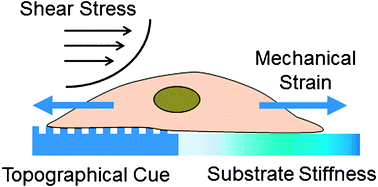
The phenotypic expression and function of stem cells are regulated by their integrated response to variable microenvironmental cues, including growth factors and cytokines, matrix-mediated signals, and cell–cell interactions. Recently, growing evidence suggests that matrix-mediated signals include mechanical stimuli such as strain, shear stress, substrate rigidity and topography, and these stimuli have a more profound impact on stem cell phenotypes than had previously been recognized, e.g. self-renewal and differentiation through the control of gene transcription and signaling pathways. Using a variety of cell culture models enabled by micro and nanoscale technologies, we are beginning to systematically and quantitatively investigate the integrated response of cells to combinations of relevant mechanobiological stimuli. This paper reviews recent advances in engineering physical stimuli for stem cell mechanobiology and discusses how micro- and nanoscale engineered platforms can be used to control stem cell niche environments and regulate stem cell fate and function.
 Please wait while we load your content...